Locals In This Georgia Mountain Town Say It Isn’t What It Used To Be
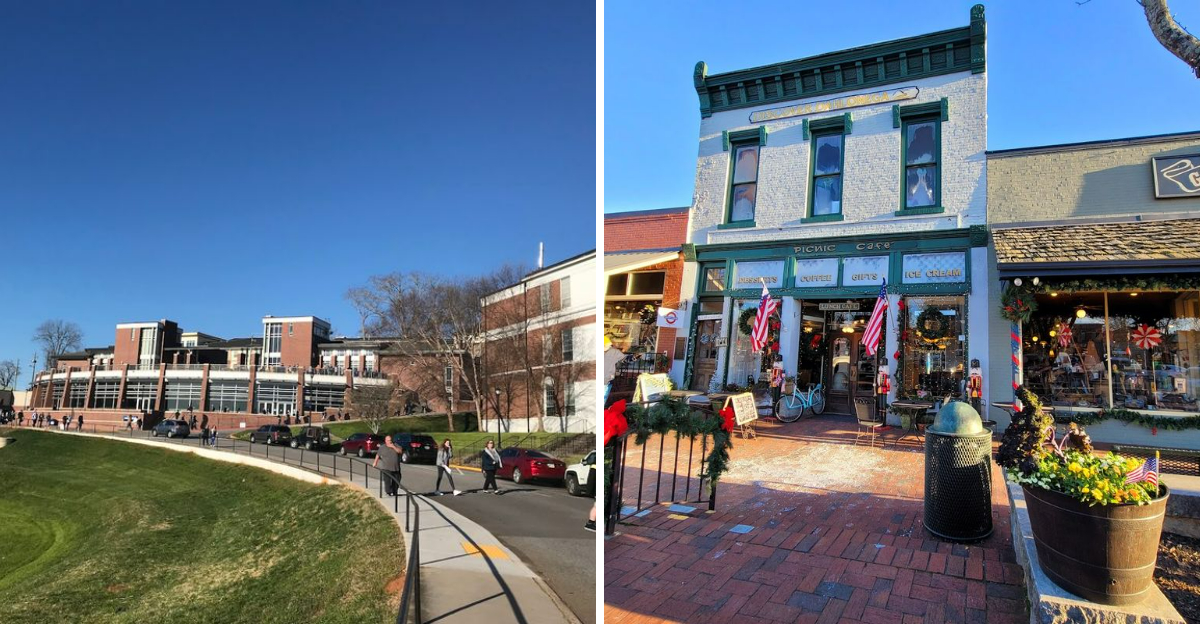
Some places change slowly, so slowly you barely notice until one day everything feels different. I sat down with a woman who’s lived here her whole life, and she didn’t hold back.
The pine smell she remembers from childhood has given way to boutique shops and weekend crowds hauling suitcases up Main Street. Georgia has plenty of mountain towns chasing tourism dollars, but locals here say the town has become something they still recognize, just barely.
College students fill the sidewalks now, cameras out, following maps on their phones. The old-timers still gather at the same corner table, watching it all unfold with a mix of pride and nostalgia.
Georgia keeps rewriting small towns like this one, and the pace still catches longtime residents off guard. What I heard that afternoon stuck with me long after I left.
The Gold Rush Legacy That Still Shapes Everything
Gold changed this town before anyone alive today was even born. In 1828, the discovery of gold here triggered America’s very first major gold rush.
That single event set the tone for everything that followed.
A U.S. Mint was built here in 1833, turning a quiet mountain settlement into a place of national importance.
Coins were struck here from locally mined gold, which is a fact that still blows people’s minds. That mint building later became the foundation for a university.
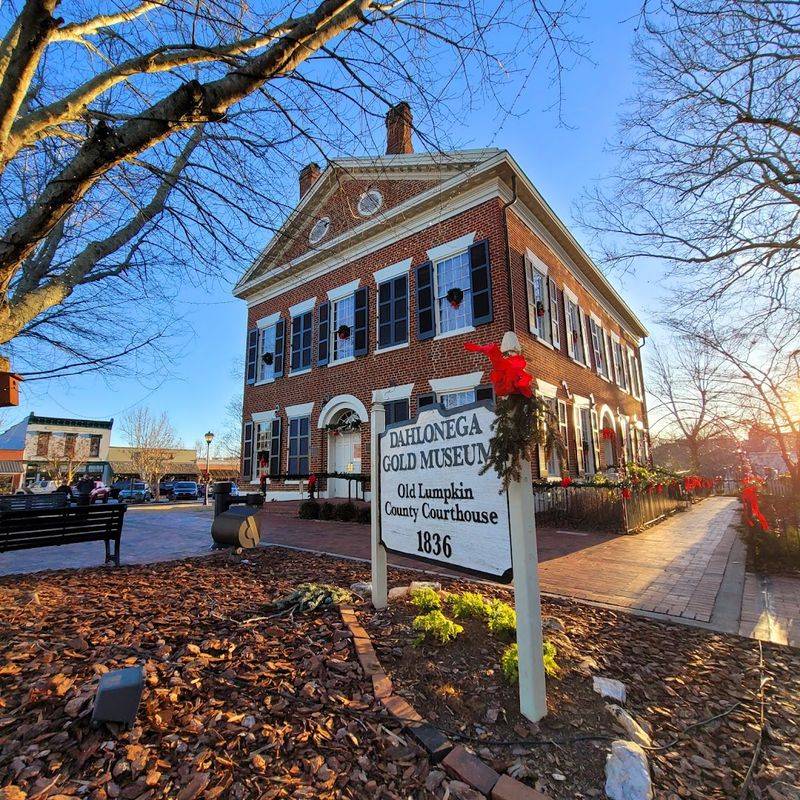
The Dahlonega Gold Museum now sits inside the original 1836 courthouse on the Public Square. It tells the full story, from the first gold pan to the last coin struck.
Visiting it feels like reading a chapter of American history up close.
Locals say the gold rush identity is both a blessing and a burden. It draws curious visitors by the thousands every single year.
But it also means the town is forever tied to a story that happened two centuries ago, whether residents like it or not.
A Public Square That Has Seen It All
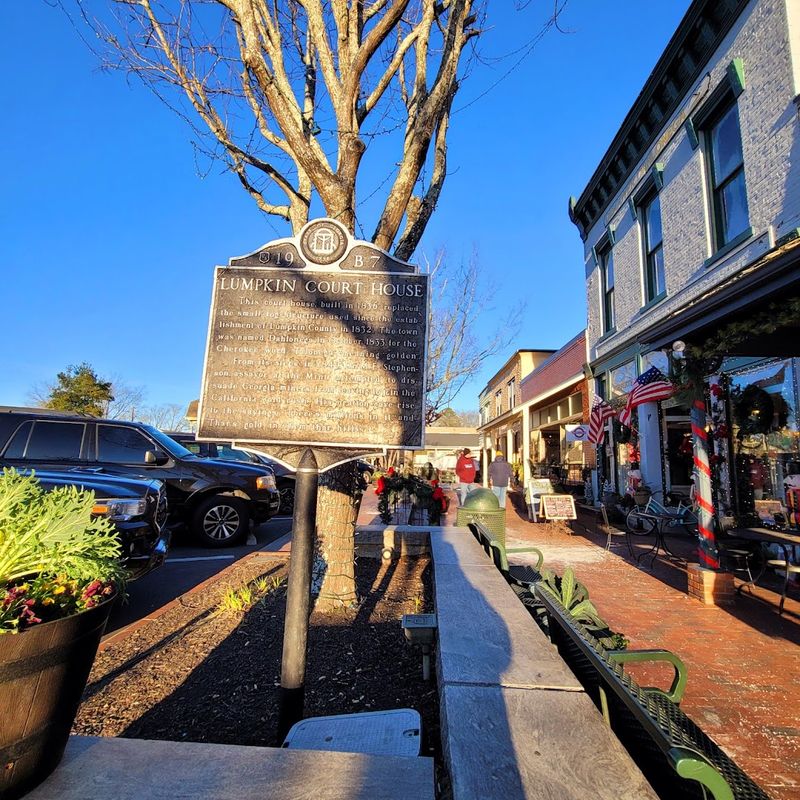
Stand in the middle of this square and you can almost feel the weight of history under your feet. Gold miners once traded here.
Now, tourists take selfies in the same spot. The contrast is honestly pretty wild.
The square sits at 1 Public Square, Dahlonega, GA 30533, and it remains the beating heart of the whole town. Shops, restaurants, and tasting rooms circle it like they always have something to offer.
On weekends, it fills up fast with visitors who drove up from Atlanta.
Old-timers remember when the square was quieter, more neighborly, and less polished. Now it has craft vendors, live music events, and electric car charging stations nearby.
Progress is visible at every corner, literally.
The square still hosts community events, which keeps it from feeling like a tourist trap. Locals and visitors mix here in a way that feels genuine most of the time.
It is one of those rare places where history and the present actually coexist without too much awkwardness.
The University Changed The Town’s Personality
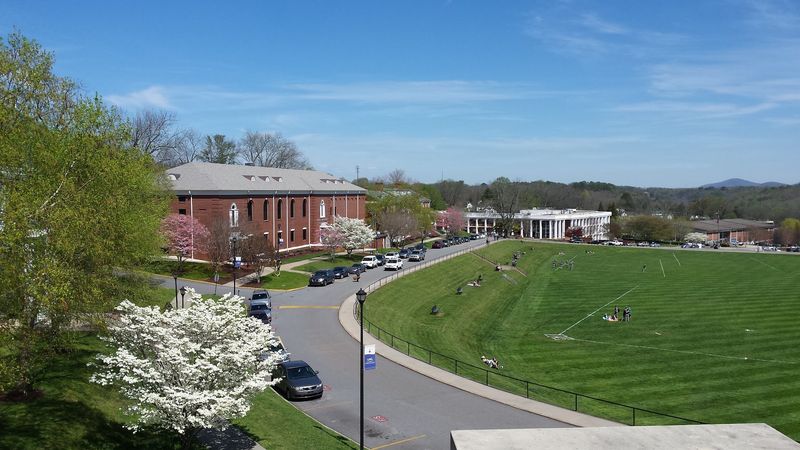
When the old U.S. Mint building became a university in 1873, nobody could have guessed what that decision would eventually mean for the town.
The University of North Georgia now brings thousands of students into a small mountain community every single year. That kind of energy reshapes a place whether residents plan for it or not.
Students bring coffee shops, late-night food spots, and a faster pace of life. The demographic shift is obvious just walking down the street on a Tuesday afternoon.
Younger faces, louder conversations, and more variety in everything from food to fashion.
Long-term residents appreciate the economic activity students bring. Local landlords, restaurants, and shops all benefit from a steady population of young people spending money.
The relationship between town and gown here is mostly positive, if occasionally complicated.
The university also adds academic credibility to a town often defined purely by tourism. Research programs, arts events, and graduation ceremonies give the community a different kind of pride.
It is not just about gold anymore, and that is actually a good thing.
Housing Costs Climbed Like The Mountain Roads
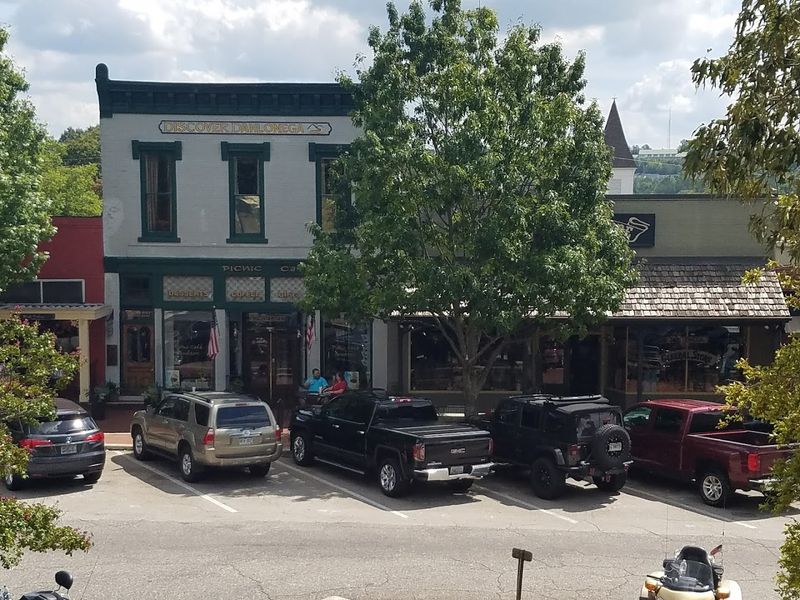
Ask any longtime local what has changed most, and housing will come up fast. The town has experienced steady population growth over the past two decades.
New construction has not kept up, and prices reflect that gap painfully.
People who grew up here are finding it harder to stay. Rental prices crept up as more remote workers and retirees discovered the mountain lifestyle.
A town that once felt accessible now feels expensive to the people who built their lives here.
The Community Revitalization Plan was created specifically to address this pressure. It targets infrastructure improvements, more housing options, and sustainable job creation.
There is a certain sadness in watching a hometown become desirable to everyone except the people who made it worth visiting in the first place. Workers in local shops and restaurants often commute from farther away now.
The mountain charm that attracted newcomers is slowly pricing out the people who created it.
Amicalola Falls Still Takes Your Breath Away
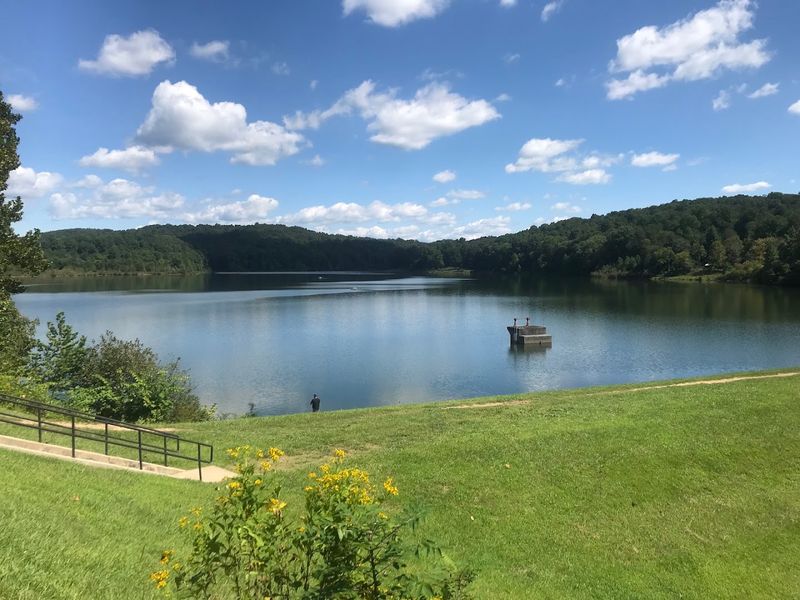
Some things about this region haven’t changed at all, and that’s worth celebrating loudly. Amicalola Falls drops 729 feet through the north Georgia mountains, making it the tallest cascading waterfall east of the Mississippi River.
Nature doesn’t care about tourism trends or housing prices.
Hikers, families, and photographers make the short trip from the town center to stand at the base of this waterfall. The mist hits your face before you even see the full drop.
It’s one of those experiences that fully lives up to the hype.
The falls also serve as a starting point for serious hikers heading toward the Appalachian Trail approach. That connection to something larger and wilder gives this corner of Georgia a reputation beyond just shopping and scenery.
Adventure is still very much part of the identity here.
Locals appreciate that the falls cannot be developed, rebranded, or turned into a boutique experience. It just exists, powerful and indifferent to everything happening in town.
That permanence feels grounding in a place that sometimes changes faster than people can process.
The Consolidated Gold Mine Is Still Underground
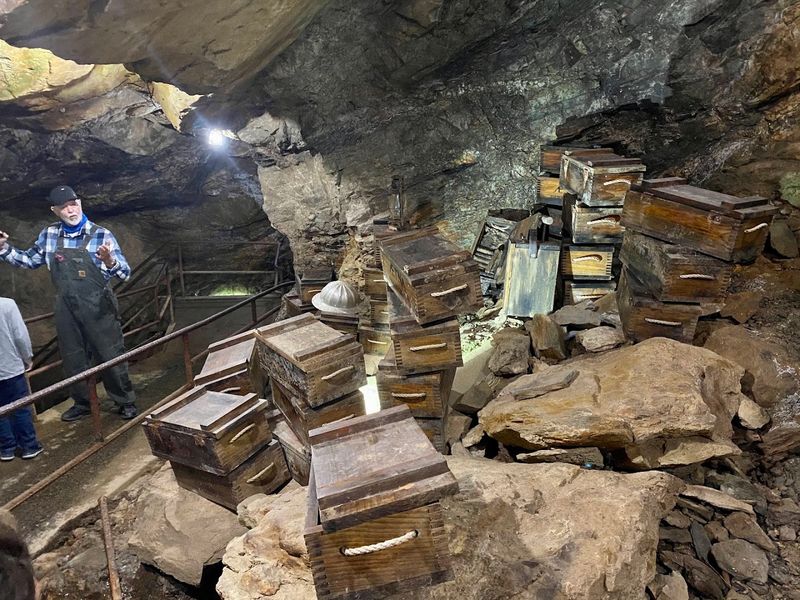
Not every piece of this town’s history sits behind glass in a museum. The Consolidated Gold Mine lets visitors actually go underground into a real mine that operated around 1900.
Strapping on a hard hat and descending into the earth hits differently than reading a plaque.
Guides lead tours through tunnels carved out by real miners over a century ago. The air is cool, the walls are close, and the history feels immediate and physical.
Kids absolutely love it, and honestly, so do adults who think they are too cool to be impressed.
The mine also offers gold panning experiences, which connects visitors directly to the 1828 gold rush story. Finding even a tiny flake of real gold in a pan creates a surprisingly emotional reaction.
Suddenly, the history becomes personal instead of just educational.
For a town that sometimes risks becoming a polished tourist package, the mine keeps things raw and real. It is one attraction that has not been smoothed over or made too comfortable.
That roughness is exactly what makes it memorable and worth every minute of the visit.
Downtown Got A Modern Makeover Nobody Fully Asked For
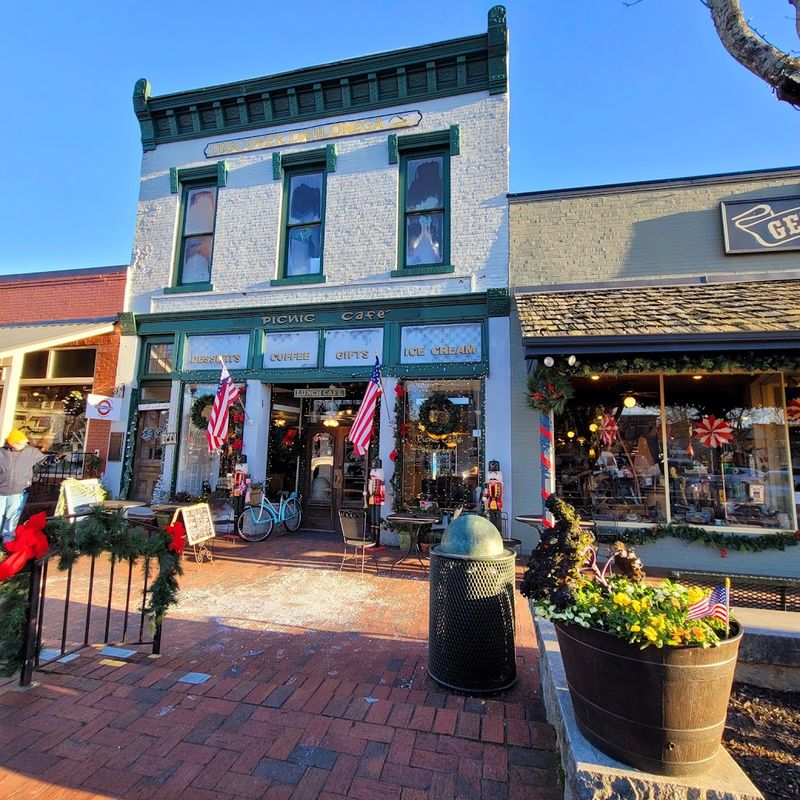
Walk down the main streets today and you’ll notice the mix is different than it was even ten years ago. Boutique clothing stores, artisan food shops, and specialty coffee spots have replaced some of the older, simpler businesses.
Change happened block by block, quietly and then all at once.
Electric car charging stations near the historic square are perhaps the most visible symbol of this shift. They are practical, necessary, and completely at odds with the gold rush aesthetic.
That tension between old and new plays out everywhere you look in this town.
Longtime shop owners say the foot traffic is better than ever, which counts as real good news. More visitors means more sales, and that keeps small businesses alive in a competitive era.
The trade-off is an atmosphere that feels slightly more curated than it used to.
Some repeat visitors say the town feels different than it did just a few years ago. That cycle of discovery and change is something every beloved small town eventually faces.
The question always comes down to soul versus makeover, and here, the soul mostly survives.
The Community Revitalization Plan Is Trying To Hold It Together
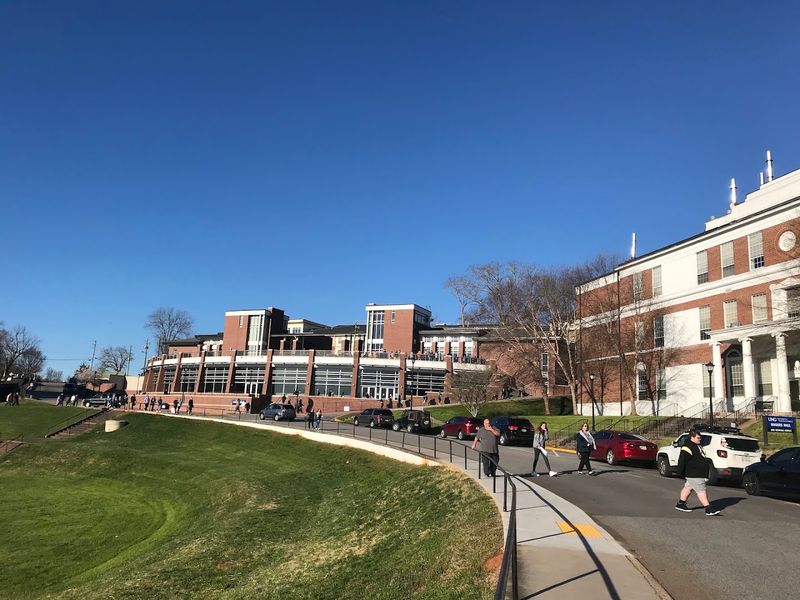
Growth without a plan is just chaos wearing a friendly face. Dahlonega’s leaders recognized that early enough to put a formal Community Revitalization Plan into motion.
The goal is to manage expansion without erasing the character that made people want to come here in the first place.
The plan focuses on three core areas: infrastructure upgrades, expanded housing options, and sustainable job creation. Each piece connects to the others in ways that make the whole effort feel thoughtful rather than reactive.
Roads, homes, and livelihoods all matter equally in a town this size.
Residents are paying close attention to whether the plan delivers real results or just good intentions. There is healthy skepticism, which is honestly a sign of an engaged community.
People here care deeply about what this place becomes, not just what it used to be.
What makes this effort notable is that it acknowledges the tension openly. Growth is coming regardless, so shaping it deliberately is smarter than pretending it will not arrive.
That kind of honest planning gives longtime locals at least some reason to feel hopeful about what comes next.