Locals In This Wisconsin Lake Town Say It Has Changed More Than Most Visitors Realize
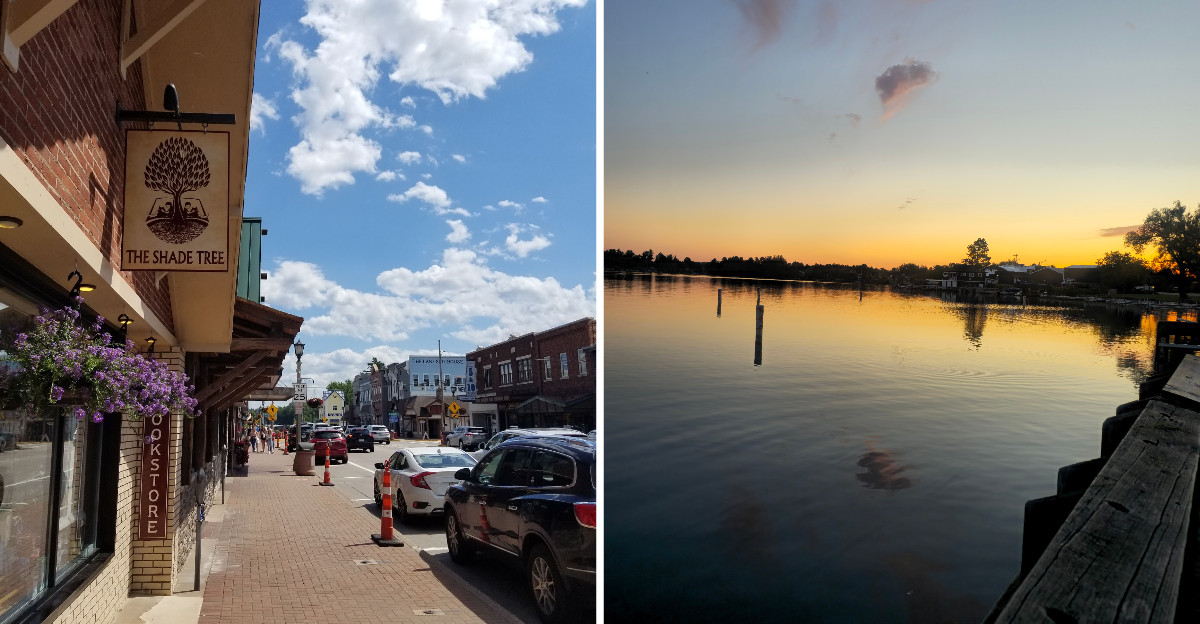
A beloved restaurant here burned down, then rose again right over the lake.
New buildings almost never get that kind of spot today. Somebody clearly knows how to fight for a view.
That comeback says a lot about this northern Wisconsin town.
Most visitors see the beach, the boats, and the shops.
Locals see something deeper. They see a place that keeps rebuilding, reshaping, and quietly reinventing itself while keeping its old charm.
The downtown sits almost entirely surrounded by water, which explains a lot about the local pride.
Roads changed, trails grew, and summer traditions held firm through every shift. The town you remember from childhood is still here, just with a few surprises.
The Island City Nickname Still Explains Everything
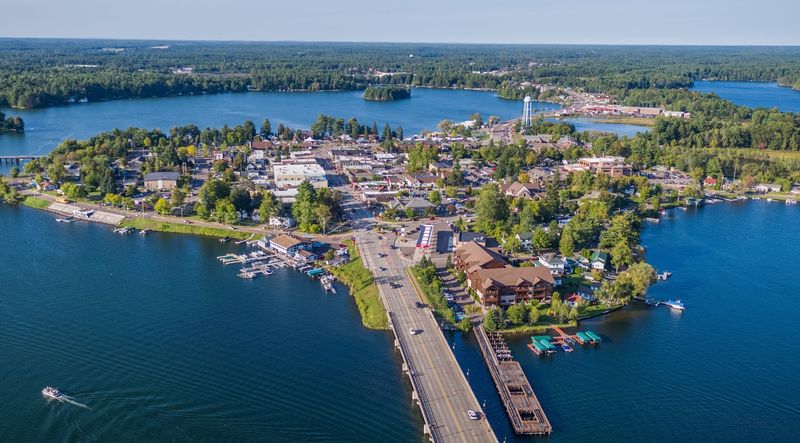
Water wraps around downtown Minocqua on nearly every side. That’s why folks here have long called it the Island City, and the name still fits.
The heart of town occupies an area called the Island on Lake Minocqua in Oneida County, Wisconsin. Only a narrow strip of land connects it to the mainland, while the U.S. Route 51 bridge provides the familiar approach from the south.
Here’s what many first-timers miss. The lake isn’t just scenery, because it shapes how downtown fits together.
The waterfront business district shares the Island with houses, public buildings and Torpy Park. A short stroll can take you from a shop window to a view across the lake, then past boats tied up along the shore.
There’s a wider landscape beyond downtown, too. Lake Minocqua connects with Kawaguesaga Lake, Lake Tomahawk and Mid Lake, forming a chain that boaters can explore through linked waterways.
Park once and explore on foot if you can. Even on a busy afternoon, finding a patch of shoreline between errands makes the town feel delightfully close to the lake.
A Burned Boathouse Came Back Right Over The Water
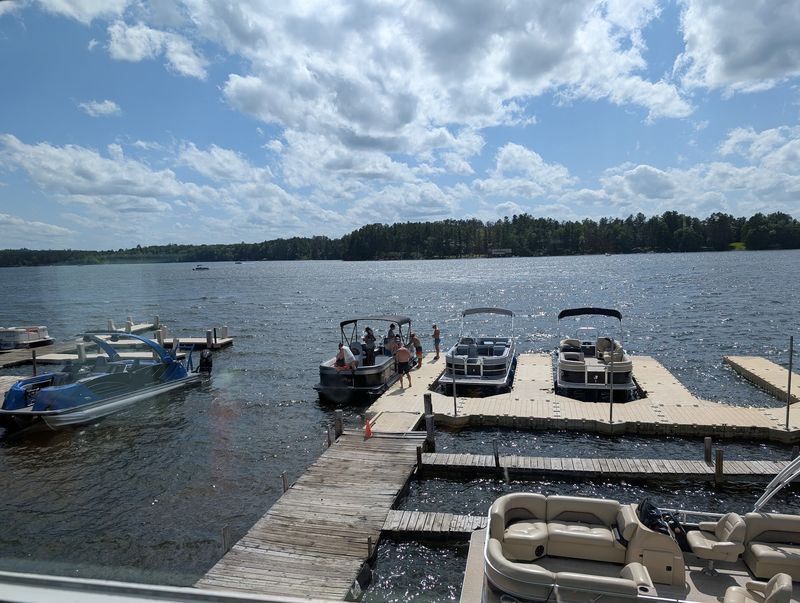
Few comeback stories here top this one. Bosacki’s Boathouse, a Minocqua landmark dating to the early 1900s, was destroyed by fire in 1972.
The tricky part was the location. State rules ordinarily prevented construction so close to the water, especially with part of the building extending over the lake.
Public support persuaded the Wisconsin Department of Natural Resources to allow rebuilding on the original site.
Somehow, it happened anyway. The landmark rose again beside the U.S. Route 51 bridge, preserving a sight that had long greeted people arriving in town.
Today the restaurant is known simply as The Boathouse. Its dining room looks out across Lake Minocqua, and the building still stands partly over the water. It’s the sort of setting where watching boats pass becomes part of the meal.
The address is 305 W Park Ave, near the bridge on the western edge of downtown. That view is more than a pleasant bonus. It’s the reason this rebuilding story still says something about the community’s connection to its waterfront.
Water Skiers Have Owned Summer Nights For Generations
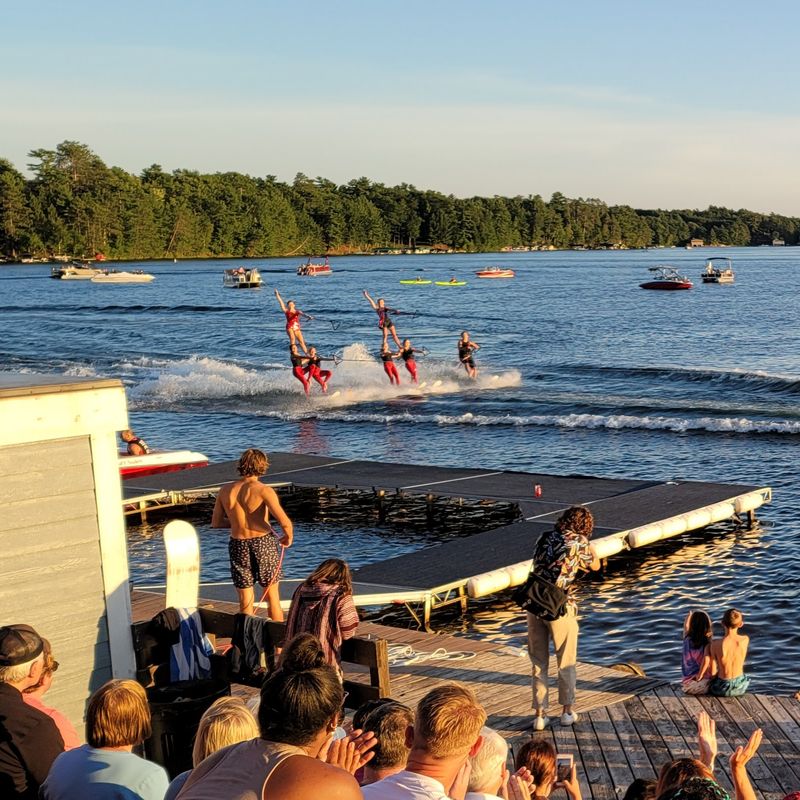
Human pyramids on a lake sound like a bold idea. The Min-Aqua Bats have been pulling it off in Minocqua since 1950.
What began as a group of friends skiing on Sunday afternoons has become the world’s longest-running amateur water ski show.
The club performs on Lake Minocqua at the Aqua Bowl, with coordinated formations, jumps and other tricks that require remarkable timing.
What makes it special is the amateur spirit. The organization remains volunteer-based, with generations of local participants helping keep the tradition on the calendar.
During the summer season, shows are scheduled for Sundays, Wednesdays and Fridays at 7 PM.
The performances are free, with donations helping the nonprofit club continue its work. You can find the viewing area at 422 W Park Ave, close to the downtown waterfront.
Bleachers, lights and a clubhouse were added in 1956, making the shoreline a more permanent home for the performances.
Arrive early for a seat and bring an extra layer for the evening breeze. A pyramid rising from the lake is still a pretty wonderful reason to linger outdoors after dinner.
An Old Rail Line Turned Into Everyone’s Favorite Path
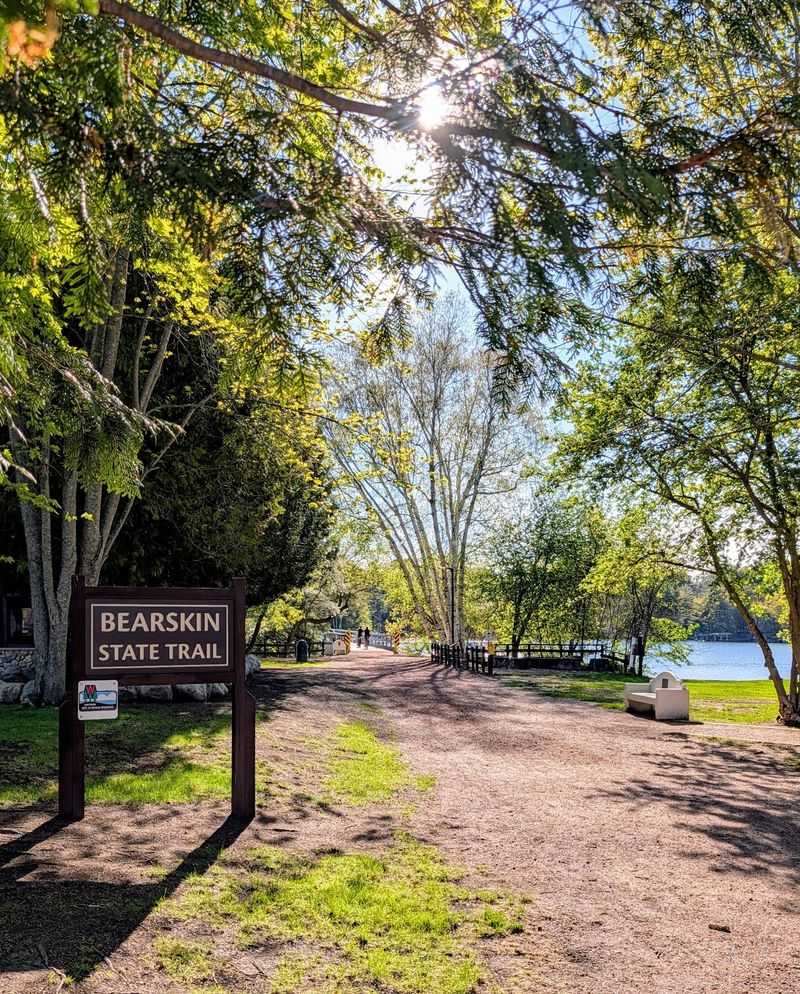
Trains once rolled through these woods. Now bikes, walkers, and snowmobiles use the Bearskin State Trail, which begins right in Minocqua.
The route follows a former railroad corridor through the forests of Oneida County. Its compacted granite surface and mostly gentle grades make it inviting for casual cyclists as well as people planning a longer ride.
The best part might be the trestles. Thirteen former railroad bridges carry the trail over lakes and streams, giving you broad water views without leaving the route.
The recreation corridor stretches 21.5 miles southward and links with the Hiawatha Trail toward Tomahawk. In winter, approved snowmobile use gives the former rail bed a completely different rhythm.
Opening dates depend on conditions and county trail decisions, so seasonal plans deserve a quick check.
The Wisconsin Department of Natural Resources requires a state trail pass for bicyclists ages 16 and older. Walkers can enjoy the trail without one.
Pack water before setting out, especially for the quieter stretches. Those old wooden trestles make a compelling excuse to stop, look around and appreciate the view.
Pennies Once Built Something Huge Here
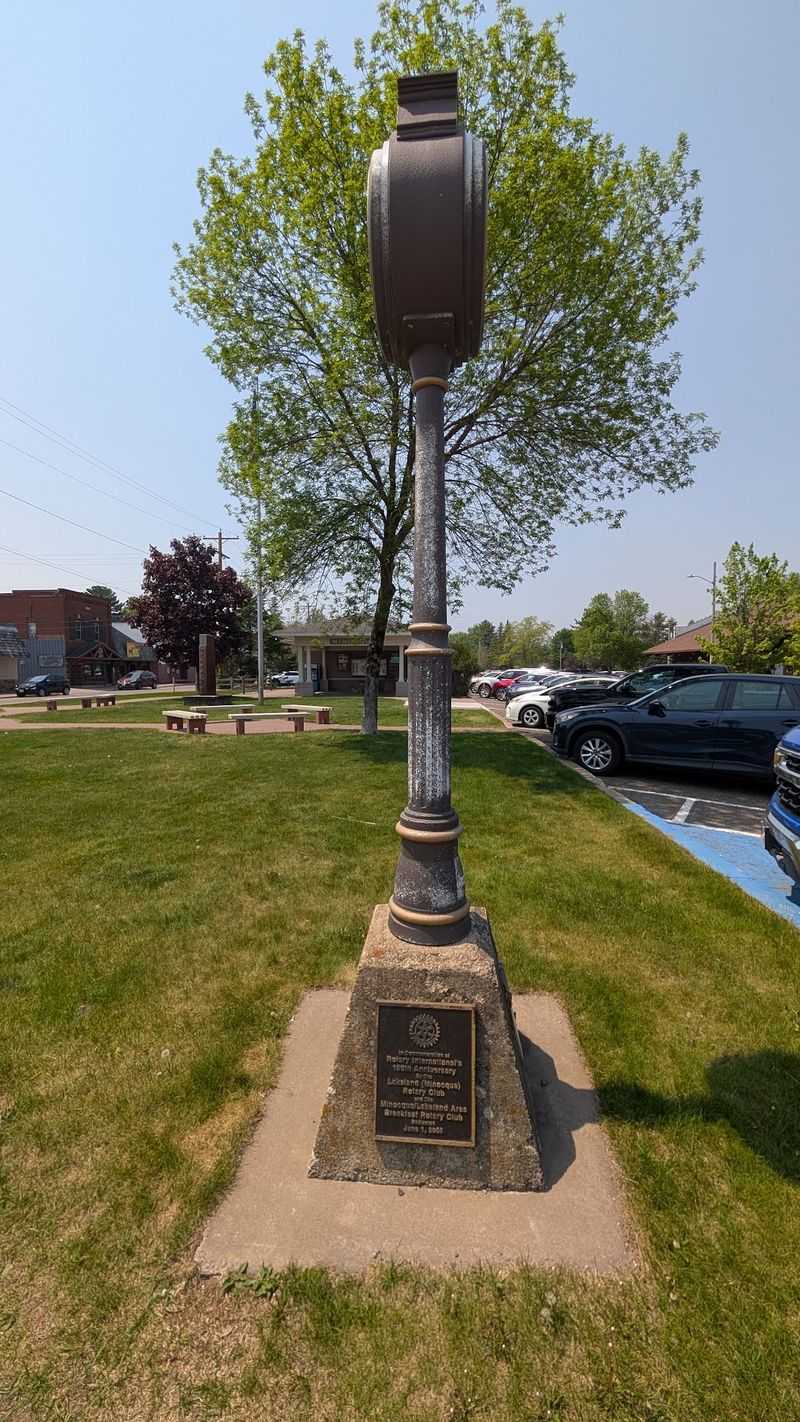
A pile of pennies changed health care in this region. The story starts with Dr. Kate Pelham Newcomb, a country doctor who served the Minocqua and Woodruff area.
She became known as the Angel on Snowshoes for traveling through deep winter snow to reach patients.
In 1949 she began raising support for a hospital in Woodruff. Then a school geometry class studying the idea of a million came up with an unforgettable plan: collect one million pennies toward the project.
The Million Penny Parade followed in 1953. Coins arrived from across the country, and the campaign attracted national attention. Lakeland Memorial Hospital opened in March 1954, turning a classroom idea into a community achievement.
Today the Dr. Kate Museum in Woodruff tells that story through photographs, medical artifacts and displays about the penny campaign.
The museum also explores everyday life in the surrounding communities, and the town’s enormous commemorative penny makes a fitting companion stop.
A teacher’s classroom project, determined students and neighbors working together helped create a facility the region had needed for years.
Downtown Shopping Rewards A Slow Stroll
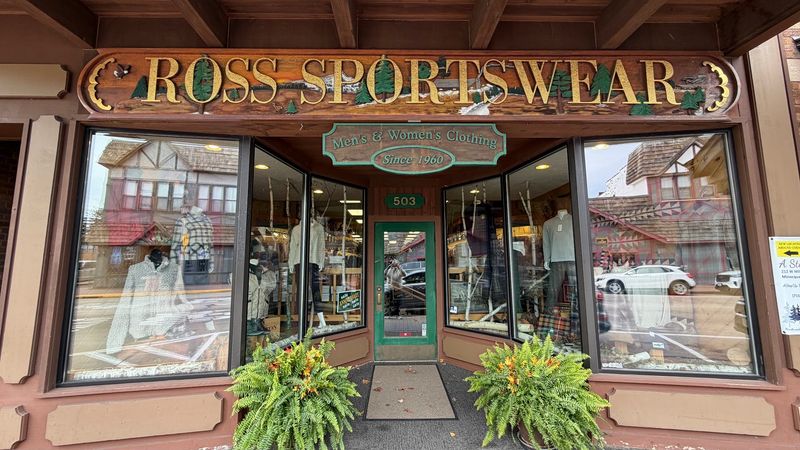
Fudge, flannel, and fishing lures could easily fill one afternoon here. Downtown Minocqua packs a lot of small shops into a compact, walkable area.
Because the business district occupies the Island, everything feels close together.
Shops lean heavily into Northwoods style. Expect cabin decor, outdoor gear, sweatshirts, toys and plenty of sweet treats. But the mix wasn’t always geared so strongly toward vacation shopping.
As recently as the 1970s, downtown contained grocery stores, car dealerships, hardware shops, pharmacies and a newspaper office.
Over time, more visitor-oriented businesses joined the main street, reflecting the town’s popularity as a seasonal destination.
Even the drive through downtown has changed. In 1996, U.S. Route 51 was expanded from two lanes to a divided four-lane route, with northbound traffic redirected one block east.
Those parallel lanes still shape the way you enter and leave the business district.
The historic Minocqua Center, once a school, now houses municipal offices and the public library, another example of an old building serving a new purpose. Take a shoreline break between shops.
Torpy Park Puts The Beach Right Downtown
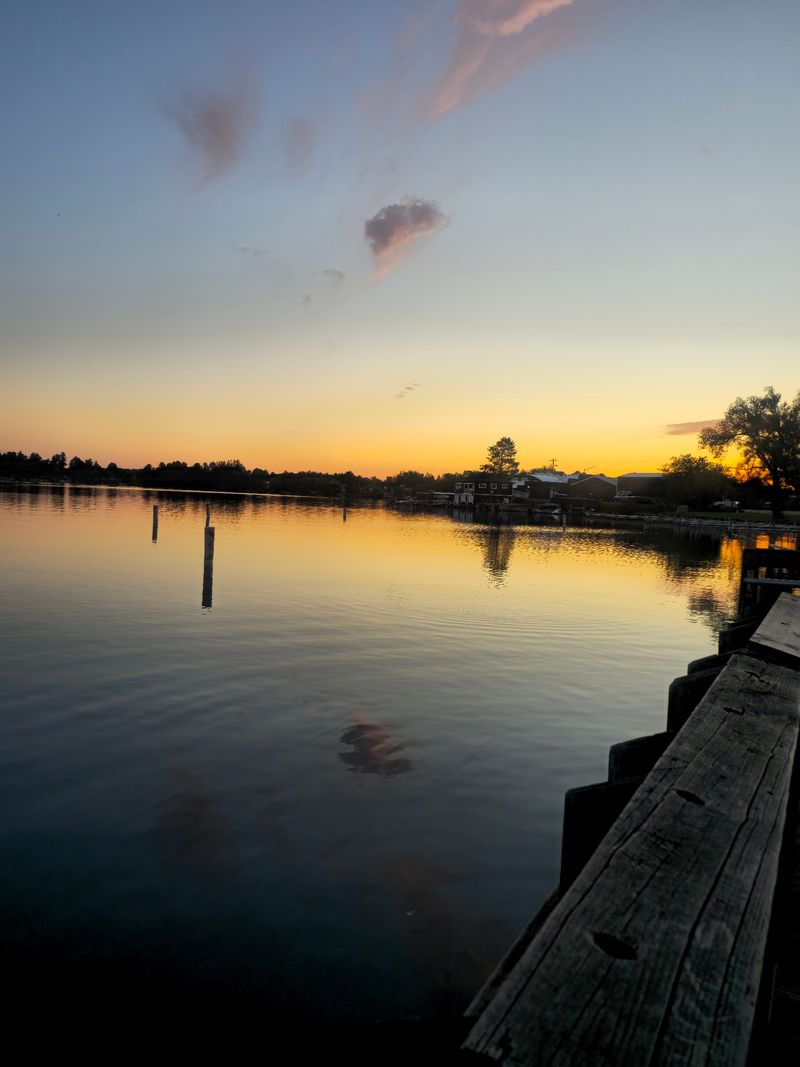
Sand and storefronts sit surprisingly close in this town. Torpy Park gives Minocqua a public beach just steps from the downtown area.
The four-acre waterfront park lies beside the U.S. Route 51 bridge on Lake Minocqua. A sandy swimming beach, playground and lawn create an easy pause between shopping and exploring the Island.
Kids can splash while grown-ups watch boats drift past. There’s something wonderfully simple about a beach that doesn’t require a long drive.
The facilities extend well beyond the sand. Torpy Park has a pavilion, picnic shelters, tables, grills, tennis courts and a sand volleyball area.
Public docks provide another connection to the lake, while restrooms make it easier to spend an entire afternoon outside.
In winter, the town maintains an outdoor skating rink here when conditions permit.
There are no lifeguards on duty at the swimming beach, so families should follow posted rules and supervise children closely.
If you’ve remembered Torpy Park from childhood summers, there’s something particularly satisfying about returning to the same lake view, with downtown still just around the corner.
Winter Turns The Town Into A Whole New Place
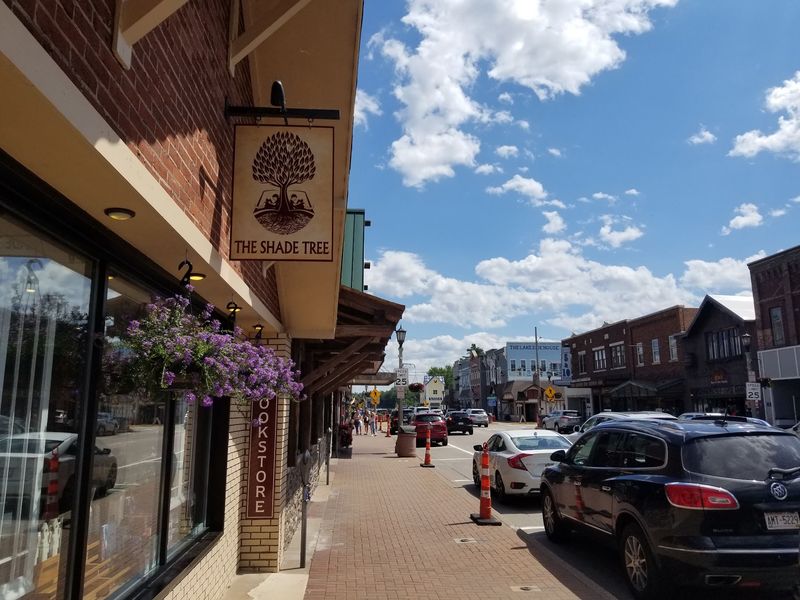
Summer gets the postcards, but winter has its own fan club. Minocqua shifts into a snowy playground once cold weather settles over the lakes.
Cross-country skiers head to Minocqua Winter Park, a large recreation area west of downtown with an extensive network of groomed trails.
Classic and skate skiing share the spotlight, while separate snowshoe routes offer a slower journey through the forest.
The park has a heated chalet, a ski shop and a tea house along the trail system. Families can also try the Flying Squirrel tubing hill or glide on the outdoor skating pond when conditions cooperate.
Regional trails connect communities across northern Wisconsin, including the Bearskin corridor when the county network is open. The contrast with July’s boats and water-ski shows is remarkable.
Dress warmly and check trail reports before heading out. Ice thickness and weather conditions vary, so local guidance matters for every frozen-lake activity.
The town hasn’t traded its summer character for a winter one. It has simply found more ways to enjoy the same landscape year-round.