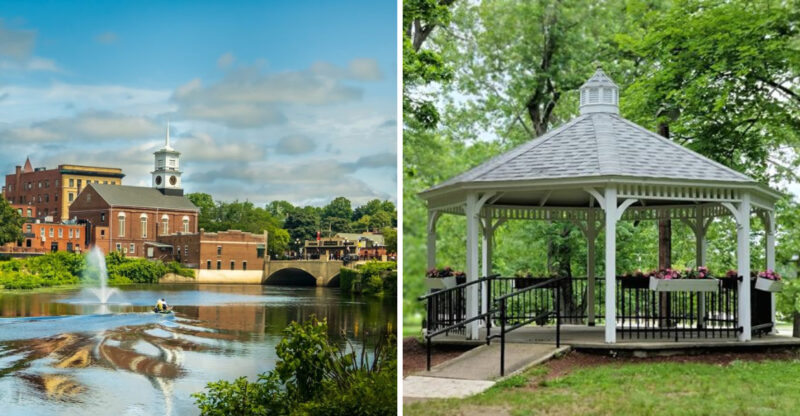
Locals Say This Maryland Mountain Town Has Become Too Popular For Its Own Good
Some towns get discovered the way a good book gets passed around. Quietly, then all at once.
I remember pulling into this Maryland town years ago on a whim, when parking was easy and the sidewalks felt like they belonged to the people who lived there. Every trip since has looked a little different.
More cars circle the same blocks. More strangers fill the same coffee shops I used to have mostly to myself.
Locals talk about it openly now, some with pride and some with frustration. The lake still sparkles the same way it always did.
The mountains still turn the same shades of orange every fall. But something about the pace has shifted, and longtime residents feel it every single weekend.
This Maryland town is proof that beauty rarely stays a secret for long.
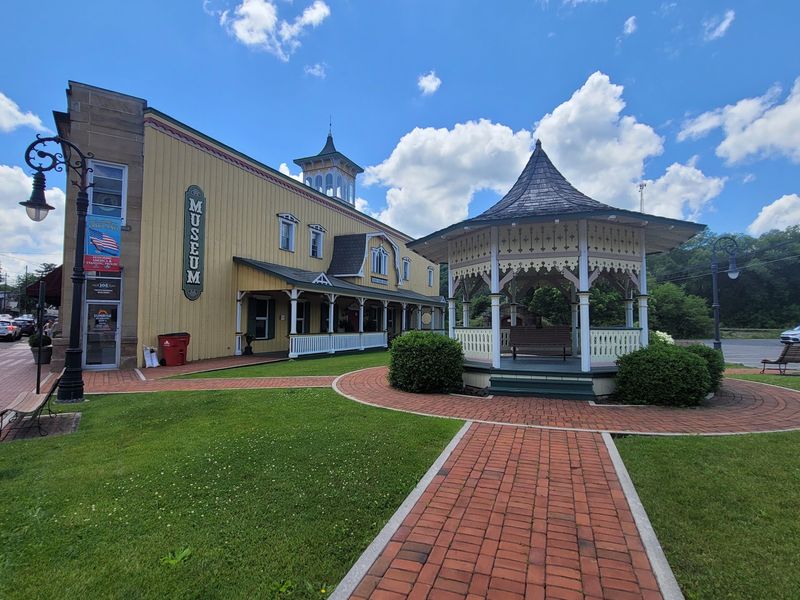
The 1884 Train Station That Started Everything
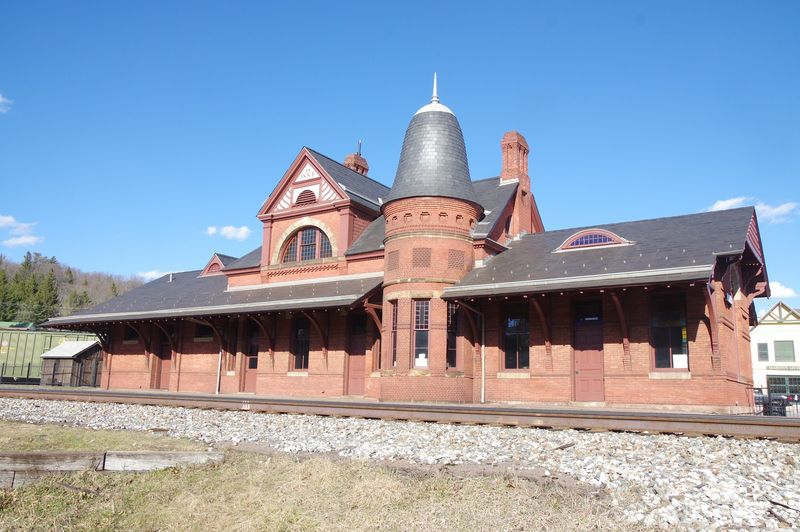
Long before hiking boots and kayaks, this town ran on rail schedules. The Baltimore and Ohio Railroad turned it into a fashionable retreat in the late 1800s.
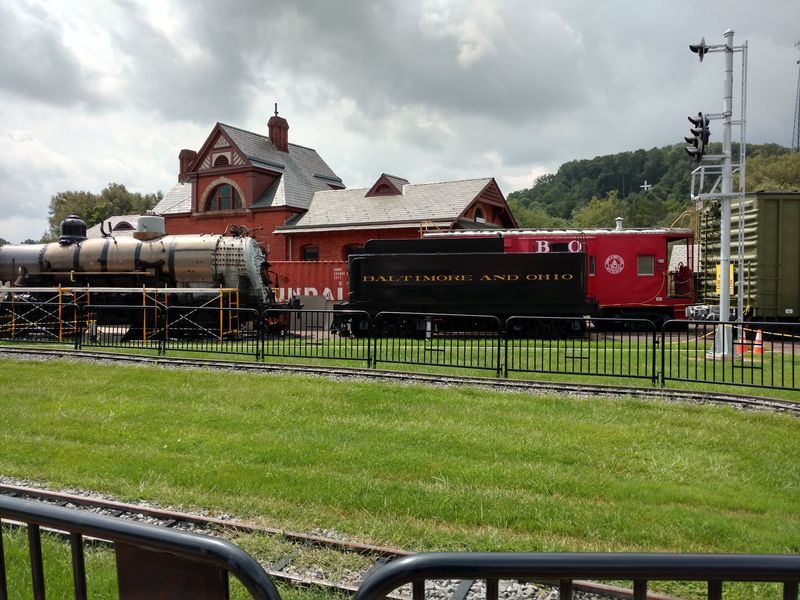
The station built in 1884 still stands proudly. It sits on the National Register of Historic Places and now serves triple duty.
Inside you will find a museum, a visitor center, and a retail space for local artisans. That mix means you can learn history and buy a handmade gift in the same twenty minutes.
The building itself is the main attraction. The steep roofline and brickwork look almost too fancy for a town this size, which was exactly the point back then.
Presidents and wealthy families once rolled through on summer trips. Heritage tourism now leans hard on that story, and it works.
Volunteers here know their stuff. Ask one question about the railroad and you may get a fifteen minute answer worth every second.
Go early if you want photos without strangers in the frame. By late morning on fall weekends, the platform gets crowded fast.
Autumn Glory Turns Quiet Streets Into a Parade Route
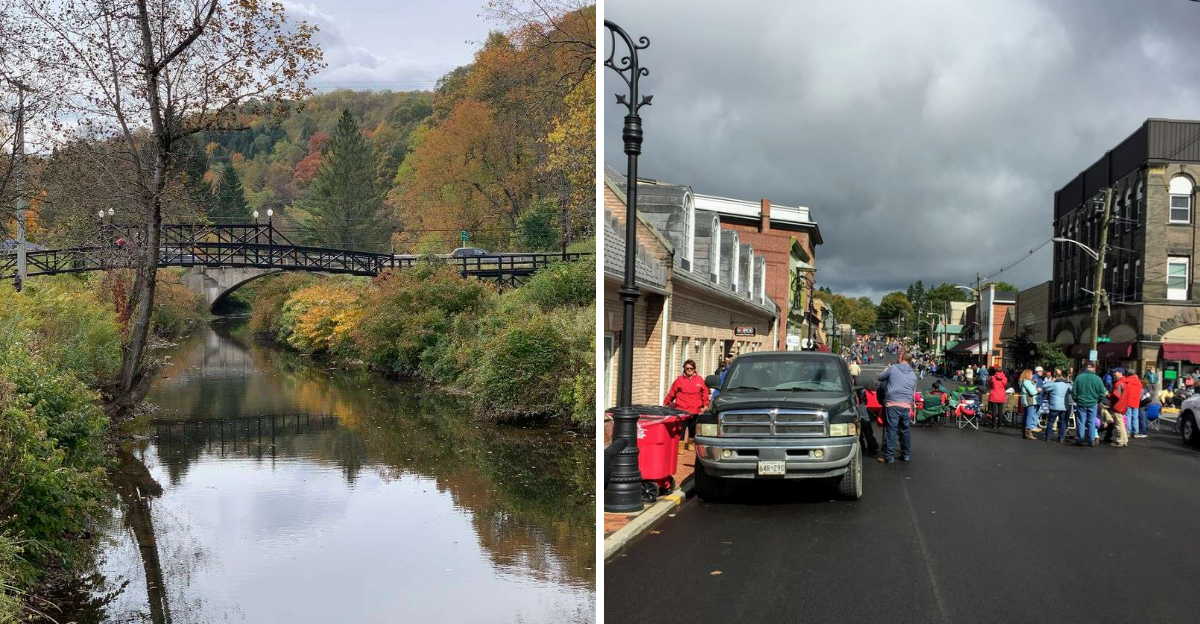
One weekend each October, the population multiplies. Autumn Glory Festival brings parades, craft shows, and bumper to bumper traffic.
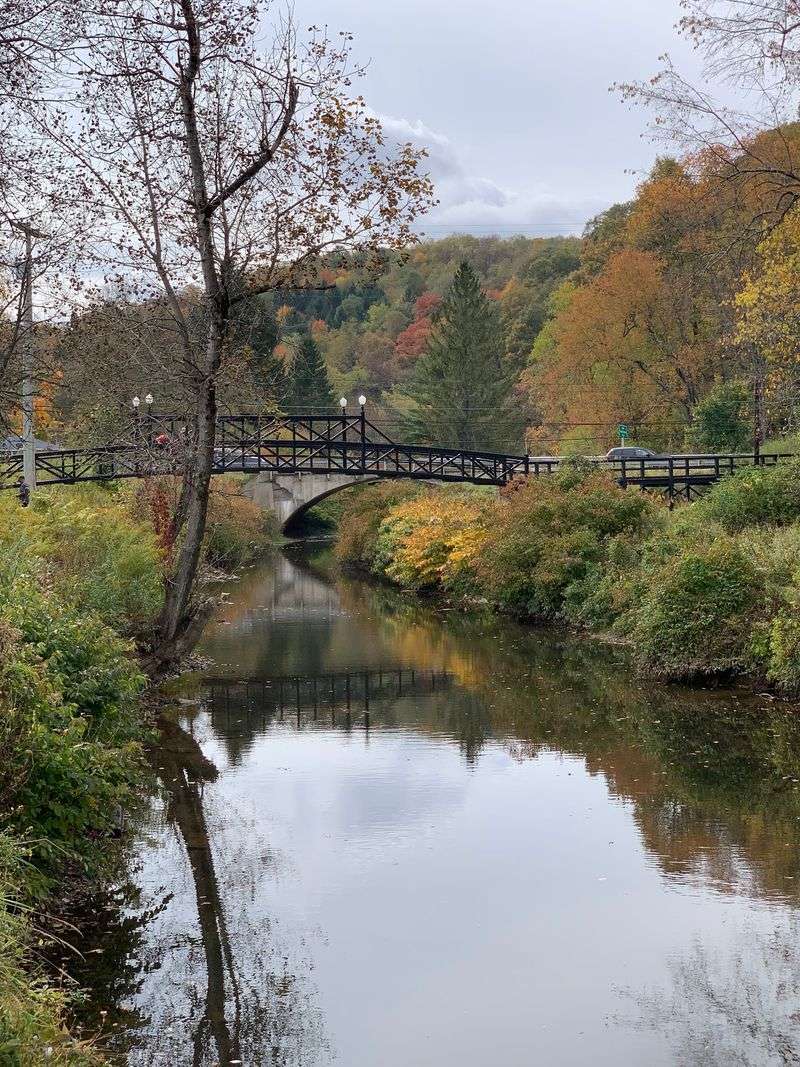
The fall foliage here has earned national attention. Higher elevation means the colors peak earlier than most of Maryland.
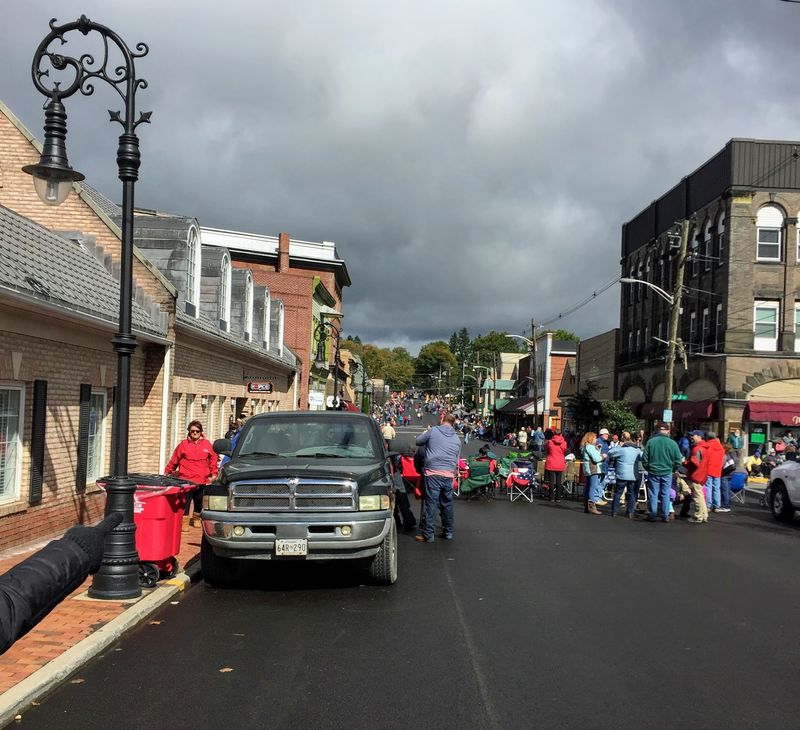
Bands, floats, and antique tractors roll through downtown. Families claim curb space hours ahead with folding chairs and blankets.
Craft vendors fill side streets with woodwork, quilts, and baked goods. I still think about a caramel apple I bought there years ago.
Lodging books up months in advance. If you want a room during festival weekend, plan in spring, not September.
Restaurants run long waits. A smart move is eating at odd hours, like 3 p.m., when kitchens are calmer.
Not everyone loves the chaos. Residents who enjoy quiet mountain mornings find that particular weekend a lot to handle.
Still, the energy is genuine. Kids wave at fire trucks, neighbors greet each other, and the whole thing feels homemade.
Arrive early and park once. Then walk everywhere.
Deep Creek Lake Sends Its Overflow Downhill
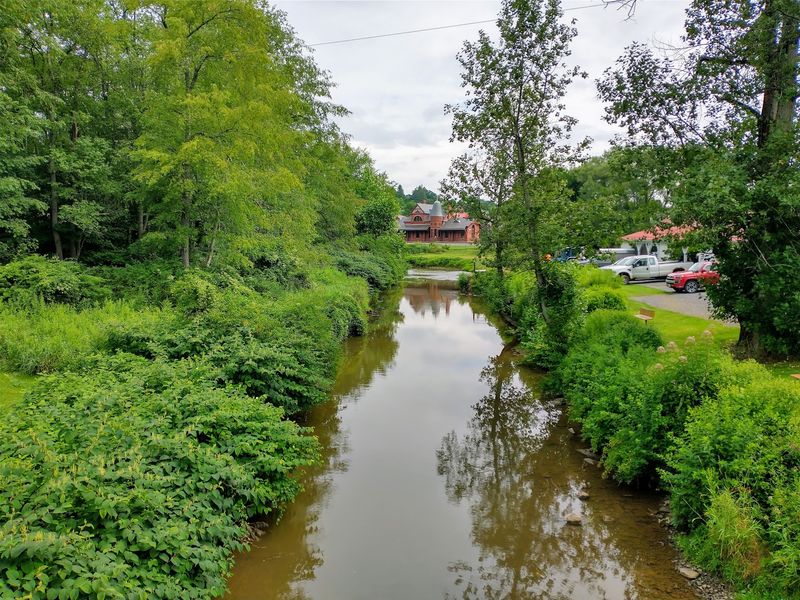
The lake gets the headlines. The town nearby absorbs the spillover, especially on rainy days when boating plans collapse.
Deep Creek Lake sits close, and Wisp Ski Resort is right there too. Both send visitors searching for groceries, gear, and dinner.
Winter brings a second wave. Skiers and snowboarders fill the roads from December through March.
Accommodation collections across the county jumped 53.7 percent over 2019. That is a huge leap for a rural area.
The ripple effect shows up in small ways. Longer checkout lines, fuller parking lots, and shops selling out of firewood by Friday night.
Locals adapt with timing tricks. Shopping midweek is the standard survival strategy around here.
Visitors benefit from the crossover too. You can ski in the morning and browse antique shops by afternoon.
The drive between the lake and downtown is genuinely pretty. Rolling farmland, barns, and ridgelines fill the windshield.
Just watch your speed on those curves. Deer do not check the calendar.
Museums That Punch Above Their Size
Three museums in one small town is unusual. Somehow they all stay busy.
The Garrett County Historical Society Museum covers local settlement, industry, and daily mountain life. Displays are compact but well organized.
Nearby, the Garrett County Transportation Museum focuses on how people and goods moved through these hills. Old vehicles and equipment tell that story clearly.
The railroad museum at the depot completes the trio. Together they explain why a remote mountain community once hosted wealthy summer travelers.
Admission to the Garrett County History Museum and Transportation Museum is free, with donations welcomed.
Rainy afternoons make these buildings crowded. Everyone at the lake has the same backup plan.
What surprised me most was the level of detail. Small museums often feel thin, but these have real depth in their local records.
Photographs of the town from a century ago hang on the walls. Many buildings in those images still stand today.
Give yourself two hours total. Rushing through defeats the purpose entirely.
History fans will want more time.
Muddy Creek Falls Draws A Line Of Cameras
Maryland’s tallest free-falling waterfall is a short drive away. Muddy Creek Falls anchors Swallow Falls State Park and pulls serious crowds.
The trail loop is easy enough for most families. Wooden walkways and stone steps lead you toward the roar before you ever see the water.
Old hemlocks shade the path. The temperature drops noticeably under those trees, which feels wonderful in July.
Parking is the real challenge. On peak weekends and holidays from Memorial Day weekend through Labor Day, day-use reservations are required to enter Swallow Falls State Park.
I visited on a Tuesday in September and nearly had the overlook to myself. That same spot on a Saturday looks like a concert photo pit.
Water levels change the show completely. After heavy rain the falls thunder, while late summer brings a gentler curtain.
Wear shoes with grip. Wet rock near the base gets slick, and flip flops are a bad idea here.
Bring your own water and snacks. Services are limited, and the nearest food sits back toward town.
Sunrise light through the mist is worth the alarm clock.
A Small Downtown With Big-City Weekend Crowds
Population 1,851 at the last census. That number explains a lot about weekend traffic here.
The downtown was one of Maryland’s first designated Main Streets. It also carries an Arts and Entertainment District title, which pulls in visitors who never planned to stop.
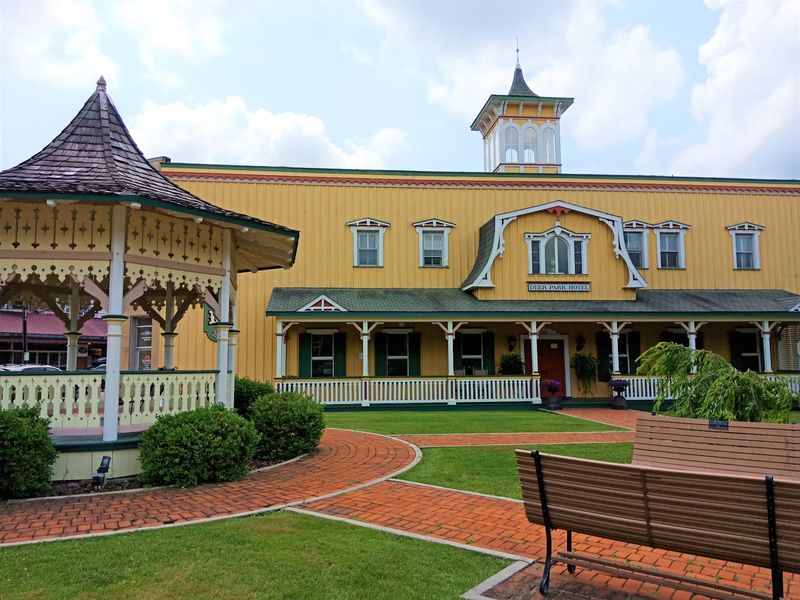
Second Street shows off the Victorian architecture best. Ornate trim, tall windows, and brick facades line the block like an old postcard come to life.
Parking on a Saturday takes patience. I circled twice before finding a spot, and I was not the only one hunting.
Antique shops sit beside restaurants and museums within a few short blocks. That density is the charm, and also the problem when three tour groups arrive at once.
Weekday mornings feel completely different. Shopkeepers chat, sidewalks breathe, and you can actually browse without shuffling sideways.
Garrett County tourism sales tax revenue climbed 4.8 percent in Fiscal Year 2018. Statewide growth that year sat at 2.3 percent.
Numbers like that mean more cars on narrow streets. Visitors keep discovering the county seat, and that place is Oakland, Maryland.
Alpacas, Horses, And Sleigh Bells Nearby
Few things beat a curious alpaca staring at you. Alpaca Acres gives visitors that exact experience.
Farm visits have become a favorite family stop. Kids feed the animals and adults take far too many photos.
Circle R Ranch offers horseback riding through the surrounding countryside. In winter, sleigh rides replace saddles when conditions allow.
Backbone Hemp adds another agricultural stop to the list. Together these places show a working rural side of the county.
Reservations matter more than people expect. Walk-ins during busy seasons often get turned away.
Weather changes everything at these spots. Muddy fields and cold winds are part of the deal, so dress accordingly.
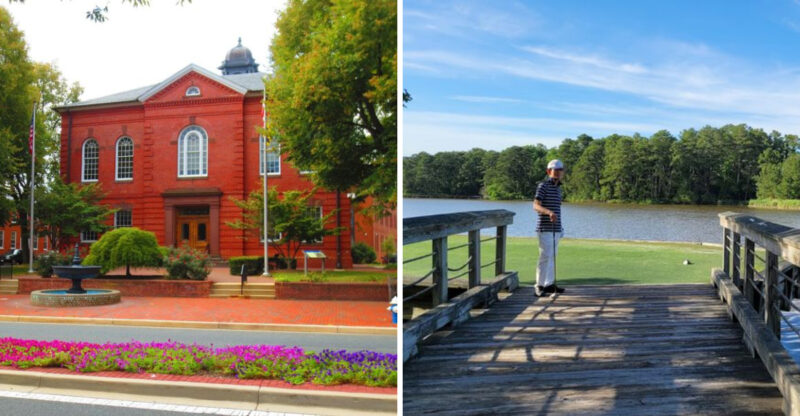
Golfers have options too. The Oakland Golf Club runs an 18-hole championship course with mountain views.
Prices tend to be reasonable compared to bigger resort areas. That value is part of why crowds keep growing.
These experiences fill the gap between hiking and shopping. They also spread visitors out, which the small downtown appreciates.
Book at least a week ahead.
An Arts Scene Hiding Behind Storefront Glass
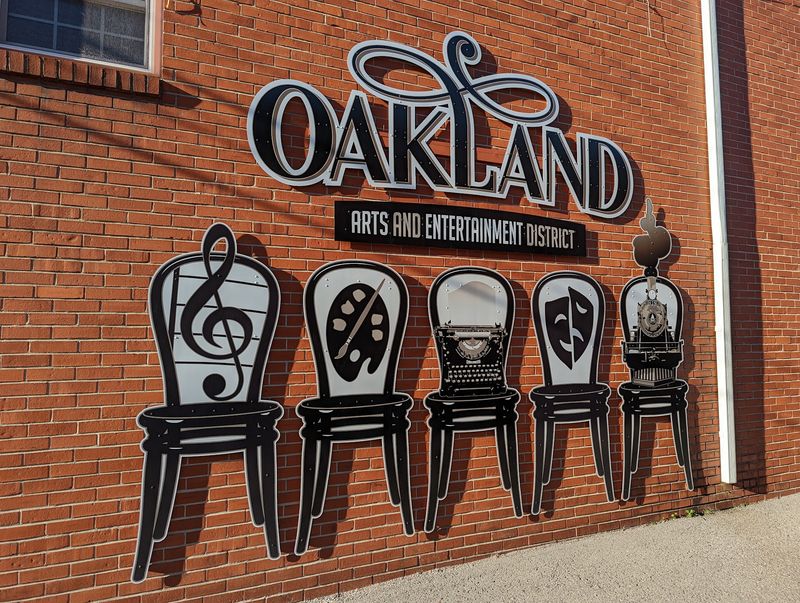
Art galleries in a town this size seem unlikely. Yet the district designation is official, not decorative.
The Garrett County Arts Council runs a gallery shop stocked with local artwork. Paintings, pottery, jewelry, and fiber pieces rotate through regularly.
You can find the gallery at 108 S. 2nd Street, Suite 1, in the 21550 zip code. It sits within easy walking distance of the historic core.
Prices range widely. I have seen small prints affordable enough for an impulse buy and larger works meant for serious collectors.
Buying here supports actual residents. That matters in a place where tourism dollars can otherwise flow straight out of the county.
Summer brings the Little Yough Summer Music Festival. Winter Fest lights up the colder months with its own programming.
Events like those keep the arts calendar alive year round. They also mean parking gets tight on event days.
Staff are happy to explain who made what. Those conversations turn a souvenir into something with a story.
Stop in before the shops close.
A Small Town Surrounded By Popular Outdoor Attractions
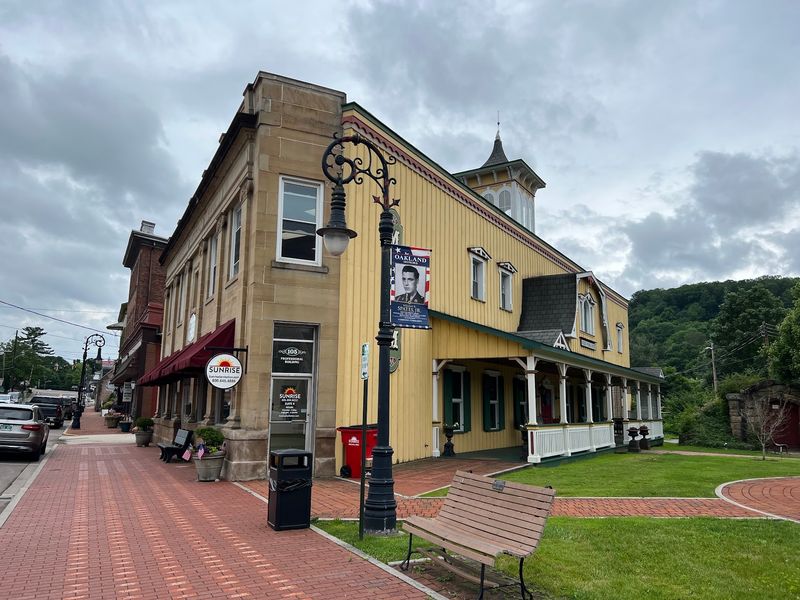
Oakland offers a traditional small-town setting while nearby resort areas around Deep Creek Lake accommodate many of the region’s visitors.
That single rule shapes the whole community. Neighborhoods stay filled with long-term residents and primary homeowners.
Nearby lake areas handle the rental market instead. Visitors book there and drive in for shopping, dining, and museums.
The result is a downtown that still functions as a real town. Kids ride bikes, neighbors know each other, and porch lights stay on year round.
Growth pressure has not disappeared though. Tourism keeps climbing, and rising interest tests any small community.
Farmers market days show the balance well. Mountain Fresh Farmers Market runs Wednesdays and Saturdays from Memorial Day through mid-October.
Nearby Herrington Manor State Park and Broadford Recreational Park spread out the crowds. Broadford has a lake, beach areas, and walking trails.
My advice is simple. Visit midweek, spend money at local shops, and be patient in traffic.
Respect goes a long way in places like this. The welcome stays warm when visitors act like guests.