Long Before Statehood A Jesuit Priest Founded This Idaho Mission Cemetery Still Open To Walkers
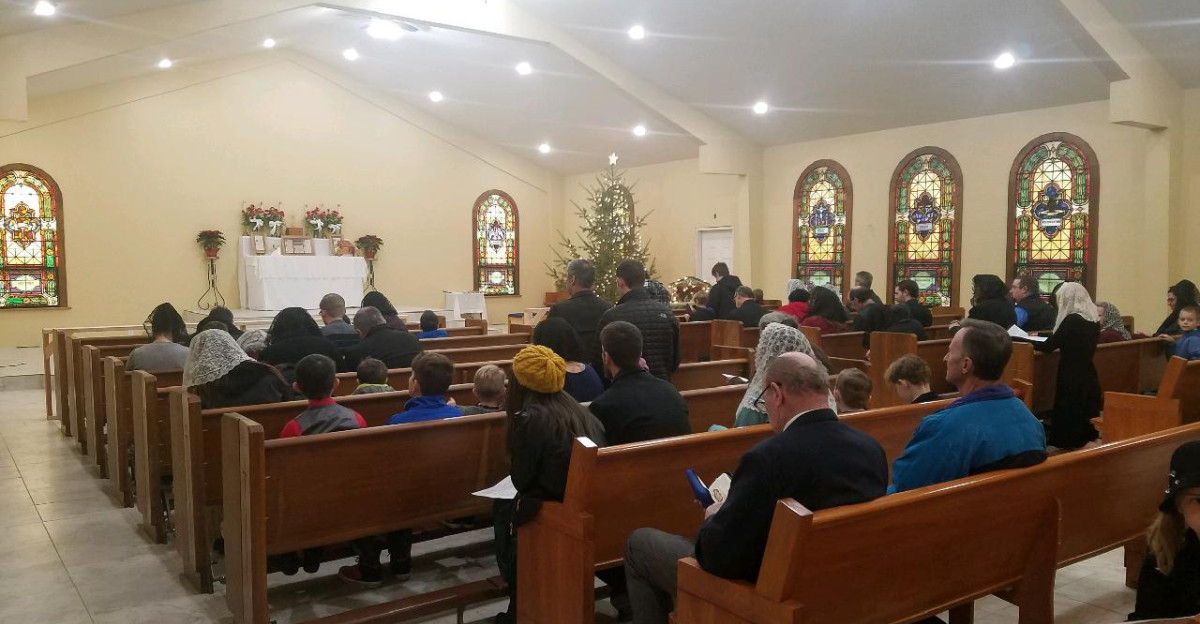
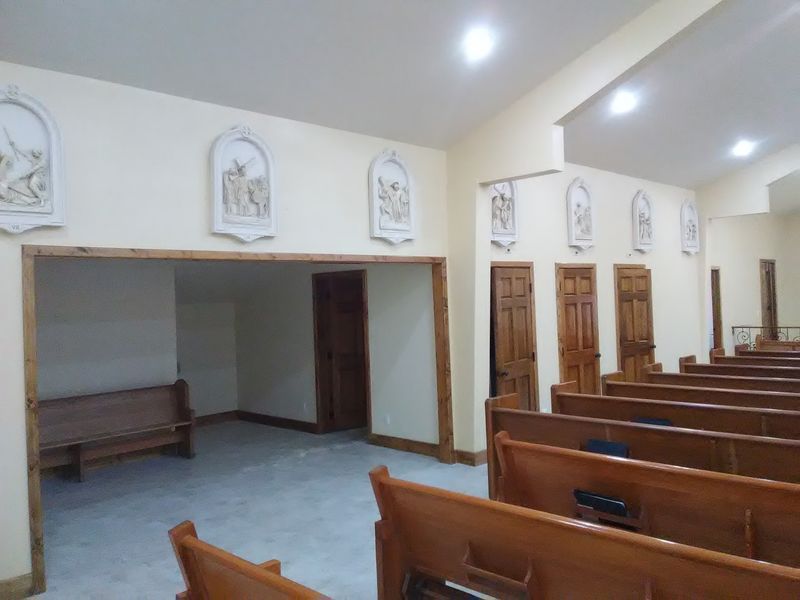
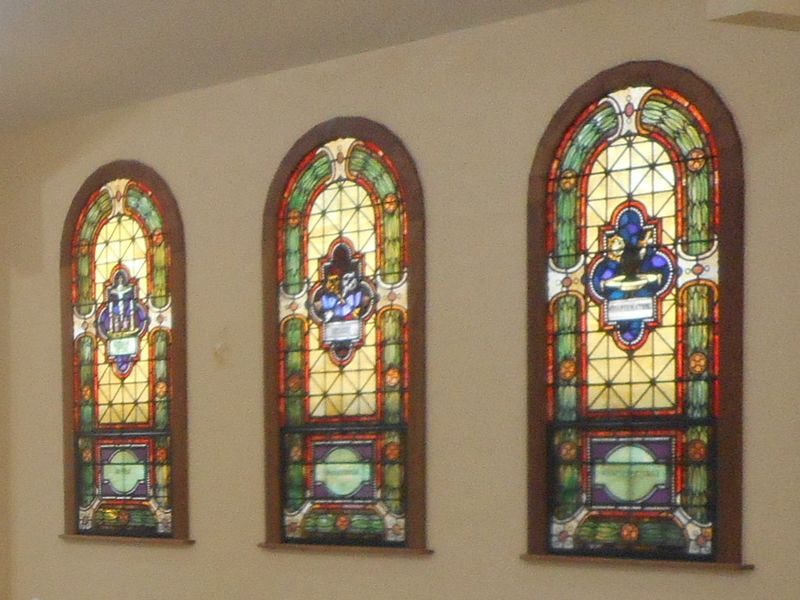
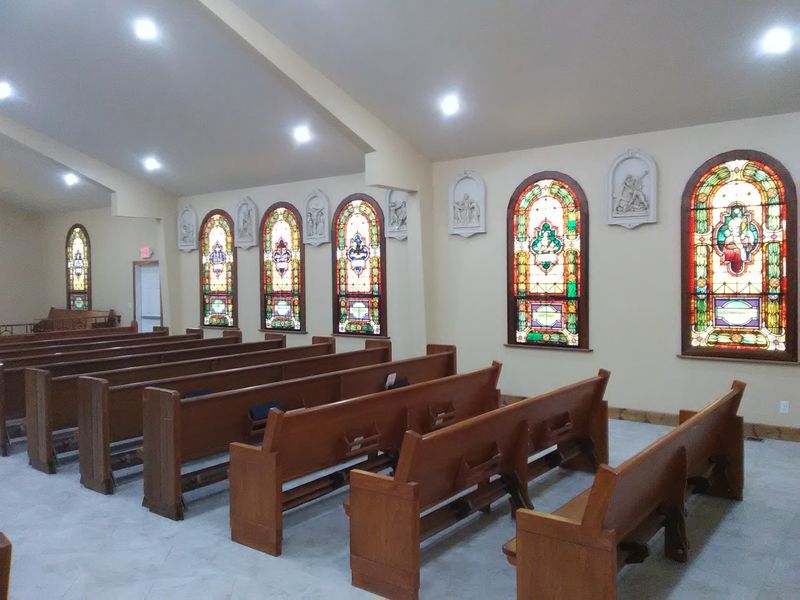
A small chapel beside a two-lane Idaho highway still offers the Latin Mass.
That’s the same language Jesuit missionaries carried into these northern valleys back in the 1840s.
Those early priests arrived decades before Idaho became a state in 1890.
They paddled rivers, followed old trails, and built missions with axes and patience instead of nails and hardware stores.
I like how this chapel carries a quieter version of that story today. It isn’t a big museum or a famous landmark.
It’s a working Catholic chapel on a rural road, surrounded by the forests and rivers those missionaries once crossed.
I can’t imagine a more fitting way to feel the region’s deep roots.
So what does this unassuming spot reveal about North Idaho’s oldest chapter, and how should you visit it respectfully?
A Quiet Chapel Waiting Beside Highway 3
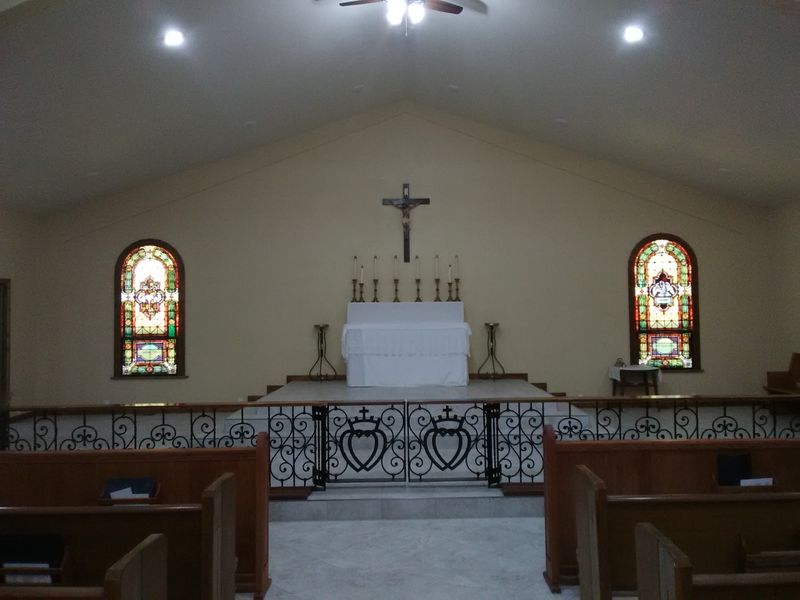
Blink on State Highway 3 and you might roll right past it. St. Joseph Mission sits along this rural route in Benewah County, a few miles outside the river town of St. Maries.
The official address is 81525 State Hwy 3, St Maries, ID 83861. That puts it squarely in North Idaho, the timbered stretch locals simply call the Panhandle.
Google lists St. Joseph Mission as a Catholic church, and it functions as a working chapel today. Nobody built it as a tourist stop, which is part of the appeal.
The name carries weight in this corner of Idaho. The nearby St. Joe River shares the same patron saint, and early Catholic missionaries left that name stamped across the map.
Think of this place as a small doorway into a much bigger story. The chapel itself is modest, but the history around it stretches back before Idaho had a state government.
For anyone who loves backroads with meaning, that combination feels hard to beat. You get quiet scenery, a working house of worship, and a direct line to the region’s earliest chapter.
Jesuit Footsteps That Came Before The State Line
Here’s a date worth remembering: 1842. That year, Jesuit missionaries working with the Coeur d’Alene people established the first Mission of the Sacred Heart in this region.
Father Pierre-Jean De Smet led the broader Jesuit push into the Rocky Mountain West. Father Nicolas Point helped start that first Coeur d’Alene mission, which sat along the St. Joe River.
Flooding troubled that early site, so the mission moved north a few years later. The new home became the famous Cataldo Mission, built between 1850 and 1853.
Father Anthony Ravalli, an Italian Jesuit, designed that later church. He and Coeur d’Alene workers raised it without nails, using broadaxes, an improvised whipsaw, and wooden pegs.
All of this happened long before Idaho became a state in 1890. Idaho Territory itself didn’t exist until 1863, so these missionaries were truly early arrivals.
That backstory explains why Catholic place names dot the St. Joe country today. St. Joseph Mission on Highway 3 belongs to that wider landscape of faith and frontier history, even as a separate, present-day chapel.
Why Saint Joseph Shows Up All Over This Valley
Saint Joseph is practically a neighbor around here. The St. Joe River, the St. Joe National Forest, and St. Joseph Mission all honor the same figure.
Early Jesuit missionaries named many features in this region. Those names stuck long after the first mission buildings moved or faded.
The St. Joe River flows west into Coeur d’Alene Lake, passing St. Maries along the way. It’s often called the shadowy St. Joe because of the dark forests lining its banks.
St. Maries itself sits where the St. Maries River meets the St. Joe. The town name also points back to that same Catholic missionary heritage.
Driving Highway 3 feels a little like reading an old atlas out loud. Each sign hints at who passed through and what they hoped to build here.
That’s a fun bonus for curious travelers. A quick stop at the chapel turns those familiar map names into something with a real backstory, and suddenly the whole valley makes more sense.
The Latin Mass Still Echoes Inside These Walls
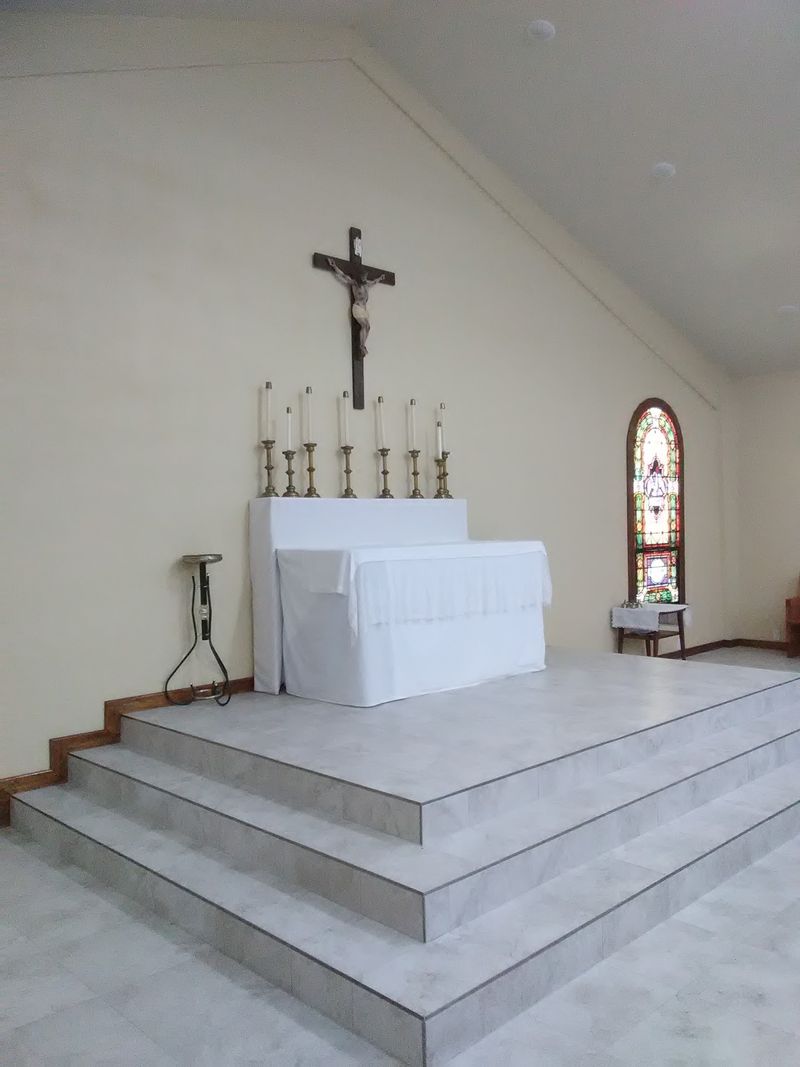
Latin isn’t just for old textbooks at this chapel. St. Joseph Mission offers the Traditional Latin Mass, often shortened to TLM by those who attend.
The chapel’s listed website belongs to the Society of Saint Pius X. That group is known for celebrating the older Latin form of the Catholic liturgy.
For history lovers, that’s a striking link. Latin was the language of the Mass when Jesuit missionaries first traveled through North Idaho in the 1840s.
Hearing it in a rural Idaho chapel today feels like a sound carried forward through time. You don’t need to understand every word to notice the rhythm and tradition behind it.
Mass times aren’t posted in the information available here. Anyone hoping to attend should check the current schedule through the chapel’s affiliated organization before driving out.
Visitors who simply want a look inside should also plan ahead. Arriving between services, quietly and respectfully, is the friendliest approach for any working house of worship.
Walking Mission Grounds With A Light Step
Mission cemeteries are some of North Idaho’s most moving historic spaces. They hold the names of families who shaped these valleys long before paved highways.
The closest well-documented example sits at Old Mission State Park in Cataldo. That park includes two historic cemeteries, with walking paths leading to both.
If you visit any church grounds or burial area, treat it as sacred space. Stay on paths, keep pets leashed, and never touch markers or decorations.
Photos are usually fine from a respectful distance. Still, skip anything that feels intrusive, especially if a family is visiting a grave.
At St. Joseph Mission, specific grounds details aren’t listed publicly. The safest move is to treat the property as private parish land and ask before wandering beyond the chapel area.
Walking these places slowly pays off. Old dates, family names, and handmade markers tell stories no plaque could fully capture.
A quiet stroll like that turns a road trip into something deeper. It’s history you can stand beside rather than just read about.
The Scenic Byway Doing Half The Work For You
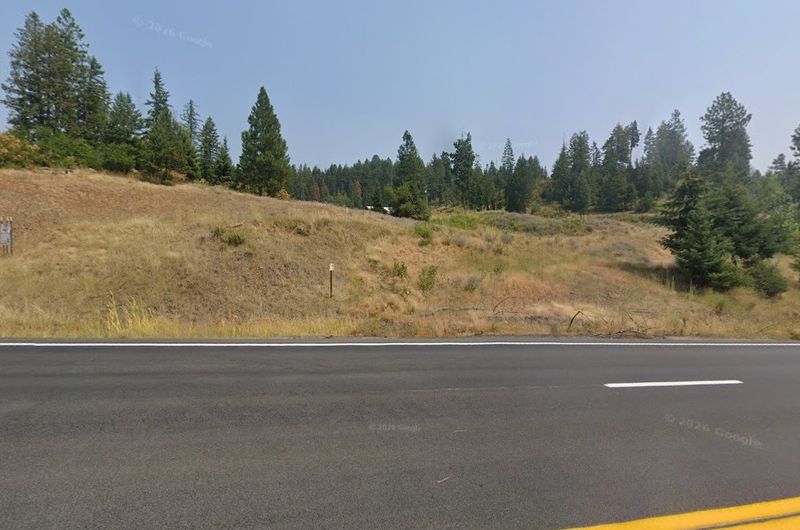
Getting there is honestly half the fun. State Highway 3 near St. Maries forms part of the White Pine Scenic Byway, one of North Idaho’s prettiest drives.
The byway links Highway 6 and Highway 3 through thick forest and farm country. Western white pine, Idaho’s state tree, gives the route its name.
Expect curves, trees, and plenty of reasons to slow down. Wildlife can appear along rural roads here, so keep your eyes up.
The drive pairs nicely with a chapel stop. You get scenery on the way in and a quiet pause once you arrive.
Fall can be especially colorful along this stretch. Larch trees turn gold, and the river valleys glow when the light hits right.
Winter brings a different mood entirely. Snow can make the route beautiful but slower, so check road conditions before heading out.
Either way, Highway 3 rewards patience. It’s the kind of drive where pulling over for a view feels completely justified.
Cataldo’s Nail-Free Church Completes The Story
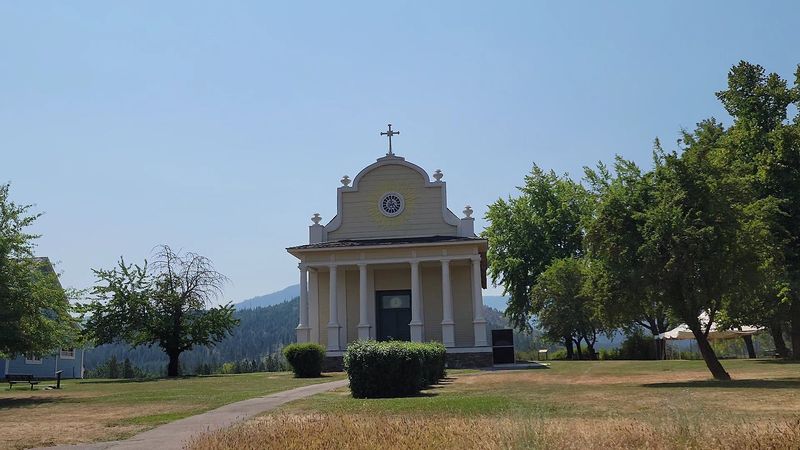
Want the full Jesuit chapter? Head north to Old Mission State Park, home of the Mission of the Sacred Heart, often called the Cataldo Mission.
Built between 1850 and 1853, it’s the oldest standing building in Idaho. Its address is 31732 S Mission Road, Cataldo, ID 83810.
Father Anthony Ravalli designed the church, and Coeur d’Alene workers helped build it. Walls were filled with woven saplings, grass, and mud, and no nails were used.
Inside, look for hand-carved statues and tin-can chandeliers. The ceiling was tinted blue using huckleberry juice, which feels perfectly Idaho.
The park also includes the restored 1887 Parish House and two historic cemeteries. Easy walking trails connect the grounds with views of the Coeur d’Alene River valley.
A visitor center hosts the Sacred Encounters exhibit, which explores shared history between the Coeur d’Alene Tribe and Jesuit missionaries. The exhibit carries a separate fee.
Visiting both missions on one trip connects the early chapter with today’s quieter chapel. It’s a rewarding North Idaho loop.
Smart Planning Before You Pull Off The Highway
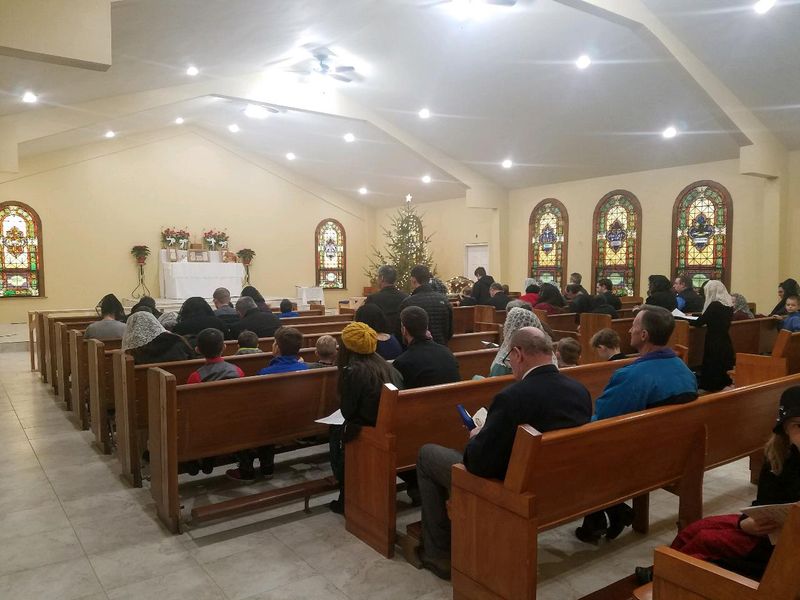
Plan first, drive second. St. Joseph Mission does not post public visiting hours in the available information.
That’s normal for a small working chapel. Mass schedules and access depend on the parish, so check with its affiliated organization before you go.
Use the address 81525 State Hwy 3, St Maries, ID 83861 in your map app. Cell service can fade in rural North Idaho, so download directions ahead of time.
No admission fees are listed for the chapel. Old Mission State Park at Cataldo does charge a vehicle entry fee, so budget accordingly.
Dress modestly if you plan to step inside. Silence phones and keep conversations soft, especially during any service.
Winter weather can change Highway 3 quickly. Carry warm layers, check road reports, and allow extra drive time.
Summer brings longer days and easier travel. It’s also the best season to combine the chapel, St. Maries, and Cataldo in one outing.
A little prep keeps the trip smooth and respectful.