One Lost Kentucky Town Still Holds The Memories Of Long Forgotten Days
Deep beneath the waters of Kentucky Lake lies a town that most people have never heard of, yet its story is one of the most haunting in the state.
Birmingham, Kentucky was a thriving community that was deliberately flooded in the 1940s when the Tennessee Valley Authority built Kentucky Dam, forever changing the landscape of western Kentucky.
The town left behind memories, stories, and a community of descendants who still gather to honor what was lost.
For history lovers, curious travelers, and anyone who appreciates the bittersweet beauty of forgotten places, Birmingham has a quiet power that is hard to find anywhere else.
1. The Submerged History Of Birmingham Kentucky
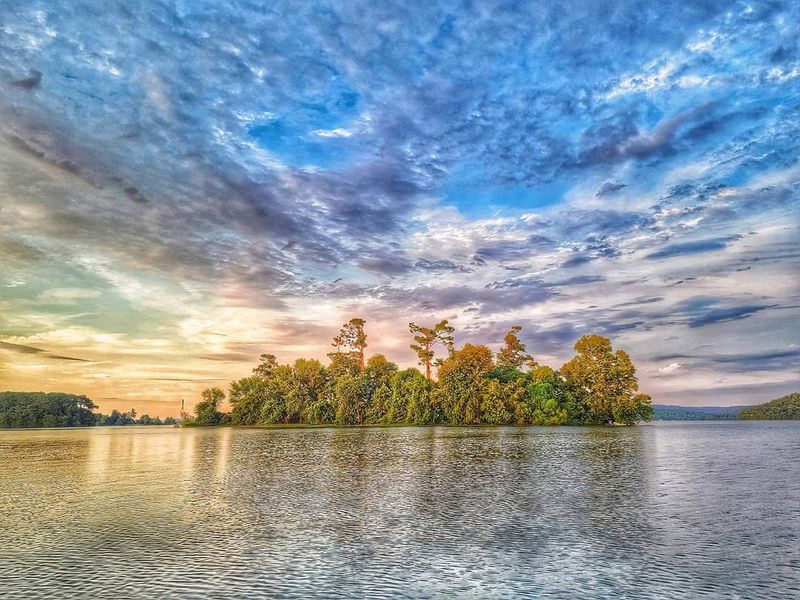
Long before Kentucky Lake existed, Birmingham was a real, breathing community with homes, churches, schools, and families who had lived there for generations. The town sat along the Tennessee River in Marshall County, Kentucky, and was established in the early 1800s.
When the Tennessee Valley Authority began constructing Kentucky Dam in the early 1940s, residents were told they had to leave.
Entire neighborhoods were uprooted, cemeteries were relocated, and buildings were demolished or simply abandoned to the rising waters. The flooding was completed around 1944, and Birmingham disappeared beneath what became one of the largest man-made lakes in the eastern United States.
Today, the site sits near Kentucky 42044, and during periods of low water, remnants of the old town occasionally become visible.
Visiting this area gives travelers a rare opportunity to stand at the edge of a lake and know that an entire world once existed just below the surface. It is a sobering and deeply moving experience.
2. Kentucky Lake And Its Stunning Natural Beauty
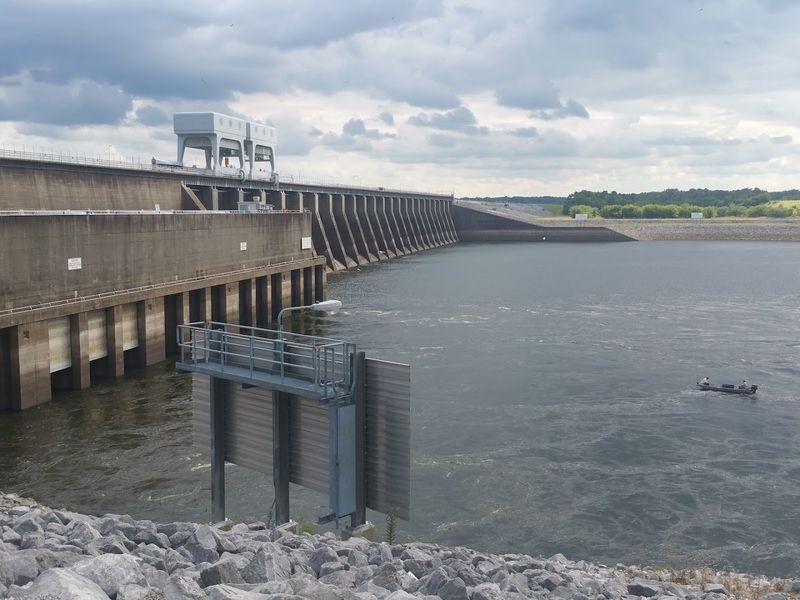
Kentucky Lake stretches across 160,300 acres of water and is one of the most visited recreational lakes in the entire country. The lake was created by Kentucky Dam, which was completed in 1944 by the Tennessee Valley Authority, and it transformed the landscape of western Kentucky permanently.
The former site of Birmingham sits within this vast and beautiful waterway.
Located near Kentucky 42044, the lake draws millions of visitors each year who come for fishing, boating, swimming, and simply soaking in the scenery. The water tends to be calm in the early morning hours, making sunrise views particularly breathtaking.
Herons, eagles, and osprey are commonly spotted along the shoreline, adding a wildlife element that nature lovers appreciate.
Even knowing the bittersweet history beneath its surface, Kentucky Lake is genuinely gorgeous. The combination of natural beauty and layered human history makes every visit feel richer and more meaningful than a typical lake trip might offer.
3. Marshall County Historical Society And Its Preserved Records
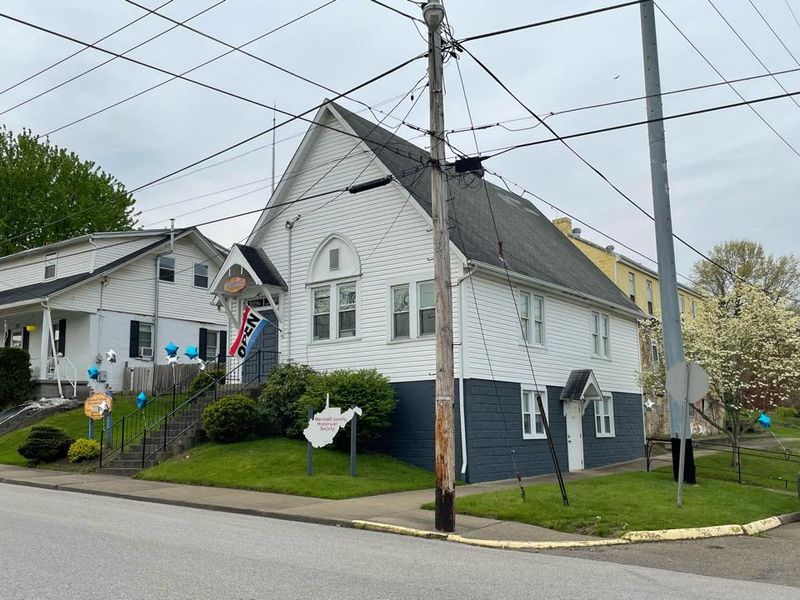
One of the best ways to understand what Birmingham, Kentucky actually looked like before the flood is through the Marshall County Historical Society. The organization preserves photographs, documents, maps, and personal accounts that bring the lost town back to life in vivid detail.
Visitors can request access to archived materials related to Birmingham and the surrounding communities that were affected by the dam project.
The Marshall County Historical Society is located at 217 U.S. 68 East, Benton, Kentucky 42025. Staff members are knowledgeable and genuinely enthusiastic about sharing the county’s history with curious visitors.
Many of the records held here exist nowhere else, making this a truly irreplaceable resource for researchers and history enthusiasts alike.
Plan to spend at least an hour or two browsing through the collection. Old photographs of Birmingham’s streets, churches, and families give the submerged town a human face that no amount of reading can quite replicate.
Weekday visits tend to allow more one-on-one time with staff.
4. Birmingham Point And Low-Water Remnants
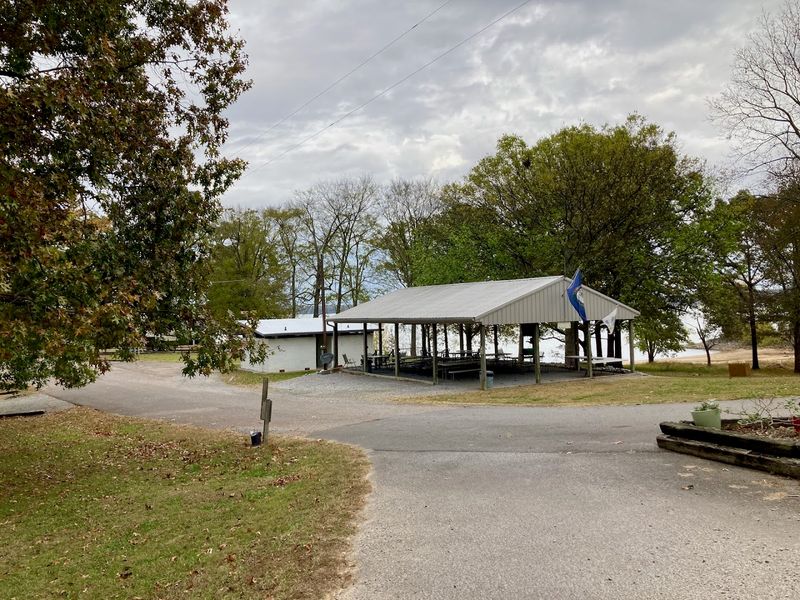
During periods of low water on Kentucky Lake, something remarkable happens near what was once Birmingham Point.
Old foundations, roadbeds, and structural remnants of the original town begin to emerge from beneath the surface, offering a ghostly glimpse into the community that was sacrificed for the dam project.
Local residents and history buffs know to watch the water levels closely during late summer and fall when exposure is most likely.
The general area is accessible near the shoreline around Kentucky 42044 in the Gilbertsville vicinity. Getting there may require a short hike or a boat trip depending on current water levels and access conditions.
Some visitors bring waterproof boots to explore the exposed areas more comfortably.
Photographing the remnants during golden hour creates some of the most hauntingly beautiful images imaginable. The combination of crumbling stone, still water, and soft light turns a history lesson into something that feels almost spiritual.
Always check local water level reports before planning a visit to this area.
5. Fishing On Kentucky Lake Near The Old Town Site
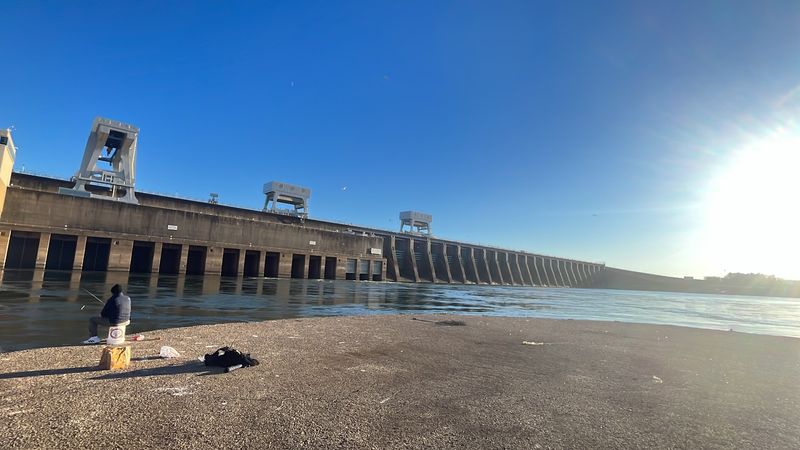
Anglers have long known that Kentucky Lake is one of the premier fishing destinations in the entire southeastern United States, and the waters near the former Birmingham site are no exception.
The submerged structures of the old town, including foundations, road surfaces, and debris, create natural habitat for fish, making certain spots near the original town site particularly productive.
Crappie fishing here is legendary among local anglers.
The lake access points near Gilbertsville, Kentucky 42044 provide convenient boat launches for fishermen who want to work the deeper waters where Birmingham once stood. Early morning trips during spring and fall tend to yield the best results, though summer fishing can also be rewarding with the right approach.
Hiring a local guide is a worthwhile option for first-time visitors who want to maximize their time on the water.
Beyond the fishing itself, being out on the lake with the knowledge of what lies beneath adds a reflective quality to the experience. It is productive, peaceful, and quietly profound all at once.
6. Exploring Nearby Benton, The Marshall County Seat
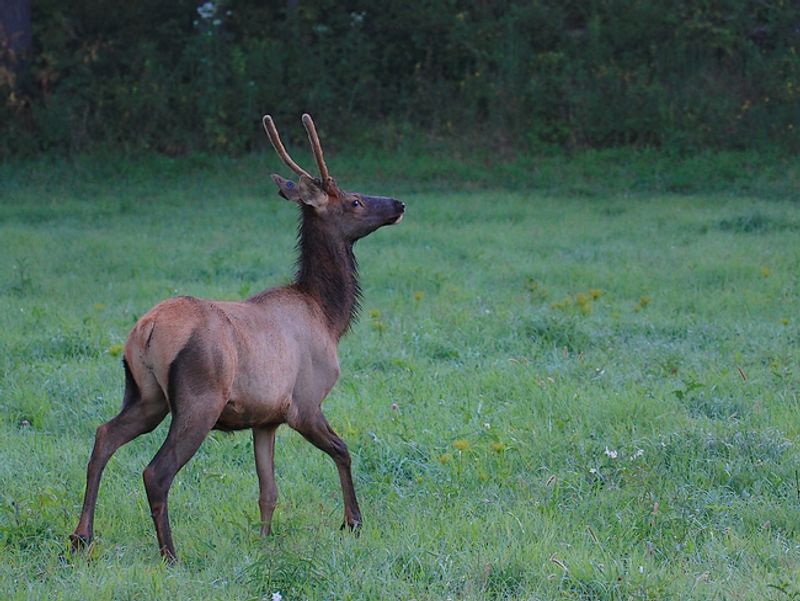
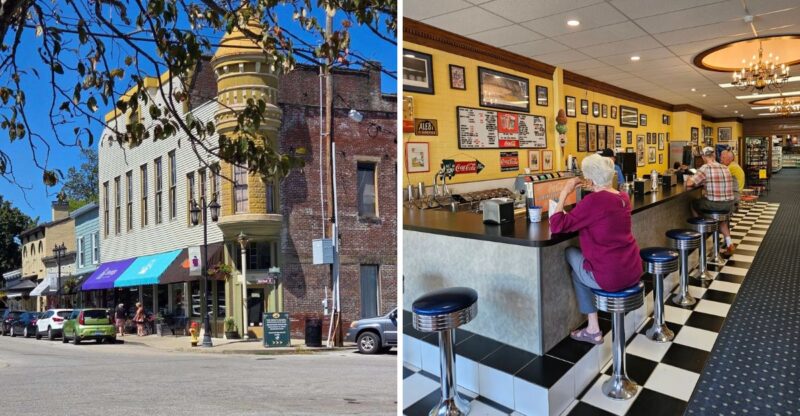
Benton, Kentucky serves as the county seat of Marshall County and is the closest town to the former Birmingham site that offers a full range of services, dining, and historical attractions. The town has a charming small-town character that feels authentic rather than manufactured for tourism, with a historic courthouse square that anchors the community.
Benton also hosts the famous Big Singing, an annual Sacred Harp singing tradition that dates back to 1884.
Downtown Benton is located at 1101 Main Street, Benton, Kentucky 42025, and is easy to navigate on foot. Local restaurants and shops give visitors a taste of everyday western Kentucky life that complements the more somber history of Birmingham.
The Marshall County Courthouse itself is worth a look for its classic architecture and the sense of continuity it represents.
Spending a half-day in Benton before or after exploring the Birmingham area rounds out the trip nicely. The town is welcoming, unhurried, and genuinely reflective of the region’s culture and history.
7. Kentucky Dam Itself, An Engineering Marvel
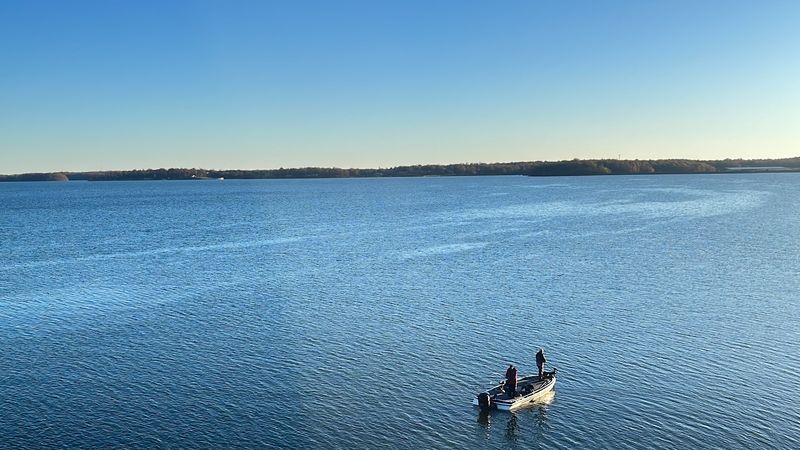
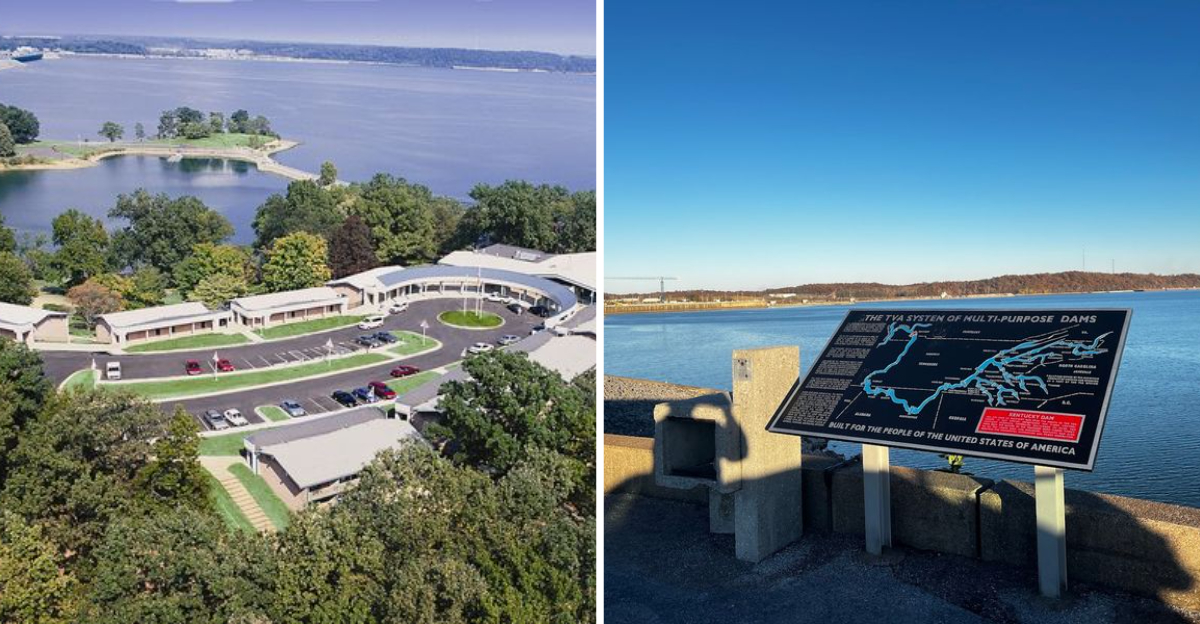
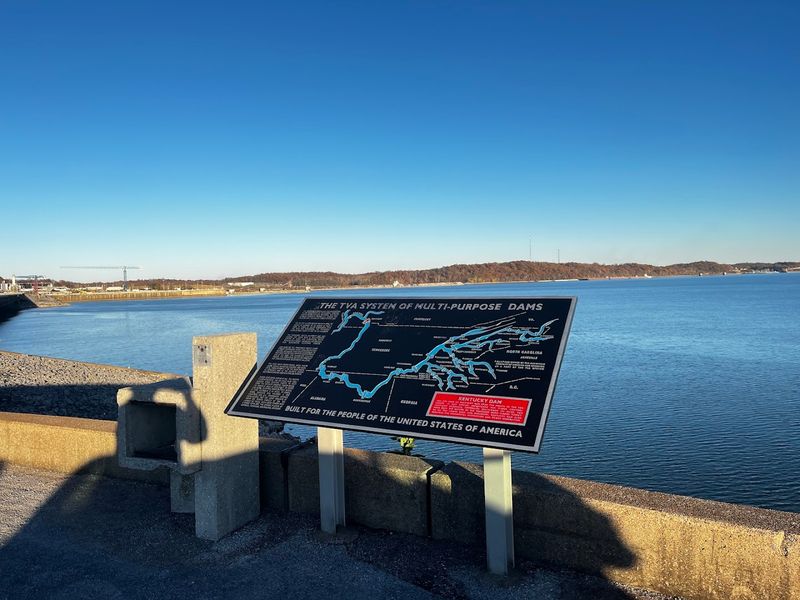
The very structure responsible for Birmingham’s disappearance is itself a remarkable piece of American engineering history. Kentucky Dam is the largest dam in the Tennessee Valley Authority system and stretches 8,422 feet across the Tennessee River, standing 206 feet tall.
Construction began in 1938 and was completed in 1944, representing a massive federal investment in the region during a transformative era of American infrastructure development.
The dam is located at Kentucky Dam Road, Gilbertsville, Kentucky 42044, and is accessible to visitors who can view it from designated overlook areas. The scale of the structure is genuinely impressive in person, and understanding its size helps contextualize just how dramatically the landscape was altered.
Interpretive signage near the dam explains its construction history and the impact it had on surrounding communities.
Standing on or near the dam while knowing what it displaced creates a complicated but important emotional experience. It is a monument to human ambition that also serves as a reminder of the costs communities sometimes bear for large-scale progress.
8. Camping And Stargazing In The Land Between The Lakes
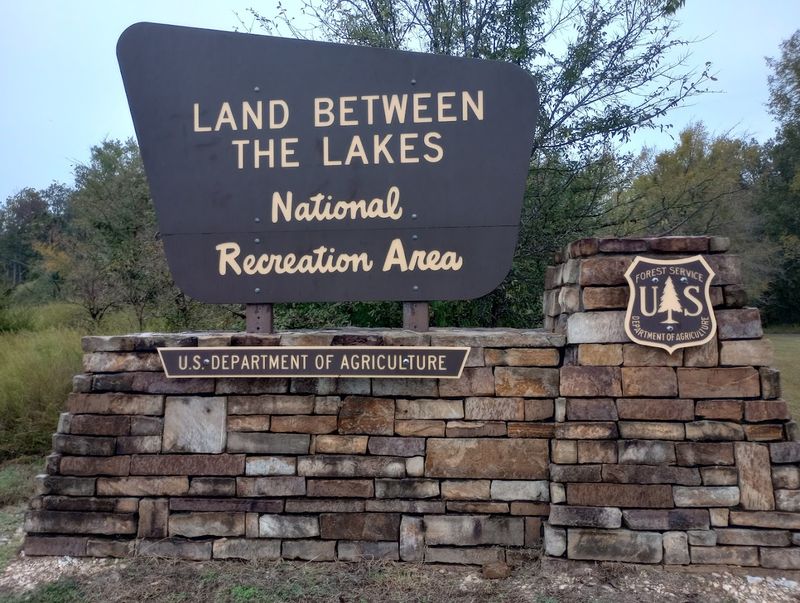
Just a short drive from the former Birmingham site lies Land Between The Lakes National Recreation Area, one of the most spectacular outdoor destinations in the mid-South. The area encompasses roughly 170,000 acres of forest, wetlands, and shoreline between Kentucky Lake and Lake Barkley, offering world-class camping, hiking, and wildlife viewing.
The dark skies here are exceptional, making stargazing a genuinely memorable activity after sunset.
Land Between The Lakes is accessible via US-68/KY-80, Golden Pond, Kentucky 42211, placing it within easy reach of the Birmingham area. Campgrounds within the recreation area range from primitive sites for backpackers to full-hookup sites for RV travelers.
The Elk and Bison Prairie, a 700-acre restoration area, is one of the most popular stops for wildlife enthusiasts.
Planning a multi-day trip that combines Birmingham history exploration with camping here creates a well-rounded western Kentucky adventure. Weekday visits during shoulder seasons like spring and fall tend to be quieter and more comfortable than peak summer weekends.
9. The Big Singing Event In Benton Kentucky

Few cultural traditions in Kentucky are as old or as distinctive as Benton’s Big Singing, which has been held annually since 1884 and draws Sacred Harp singers from across the region and beyond. Sacred Harp, also called shape-note singing, is an a cappella choral tradition rooted in early American religious music, and Benton’s event is one of the longest-running gatherings of its kind in the country.
The sound is raw, powerful, and unlike anything most modern listeners have experienced.
The event is typically held at the Marshall County Courthouse, 1101 Main Street, Benton, Kentucky 42025, on the fourth Sunday in May each year. No instruments are used, and participation is open to anyone who wants to join in, regardless of formal musical training.
The tradition connects directly to the broader cultural heritage of the communities that once surrounded Birmingham.
Attending the Big Singing adds a living cultural dimension to any visit to the area. It is free, welcoming, and genuinely moving in a way that is difficult to describe without experiencing it firsthand.
10. Wildlife Watching Along Kentucky Lake Shoreline
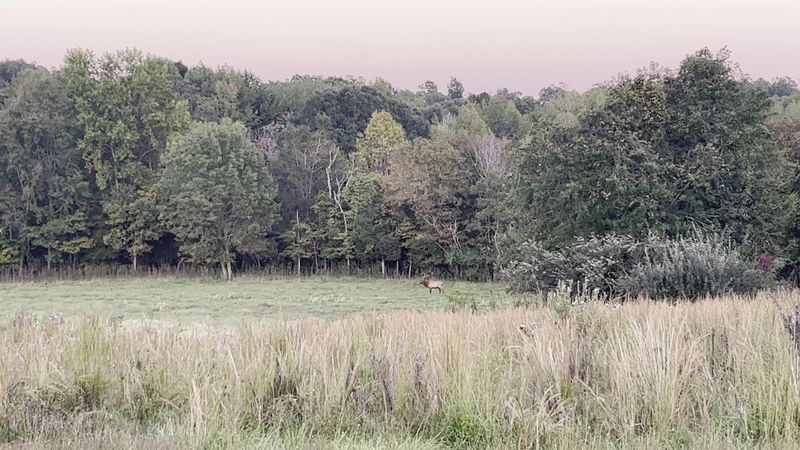
The shoreline of Kentucky Lake near the former Birmingham site is alive with wildlife year-round, offering a nature experience that complements the area’s historical significance. Bald eagles are a common sight during winter months, when they gather near the dam and open water to feed on fish.
Great blue herons, ospreys, wood ducks, and various shorebirds populate the area during warmer seasons.
Public access points along the lake near Gilbertsville, Kentucky 42044 provide good vantage points for birdwatching without requiring a boat. Bringing binoculars and arriving in the early morning hours significantly increases the chances of quality wildlife sightings.
White-tailed deer are frequently spotted along the wooded areas near the shoreline, particularly at dawn and dusk.
The combination of a large, relatively undisturbed lake ecosystem and the surrounding forests creates ideal habitat for a wide variety of species. Even casual nature observers tend to come away impressed by how much wildlife remains active and visible in this corner of western Kentucky.
11. Boating And Water Recreation Near Birmingham Site
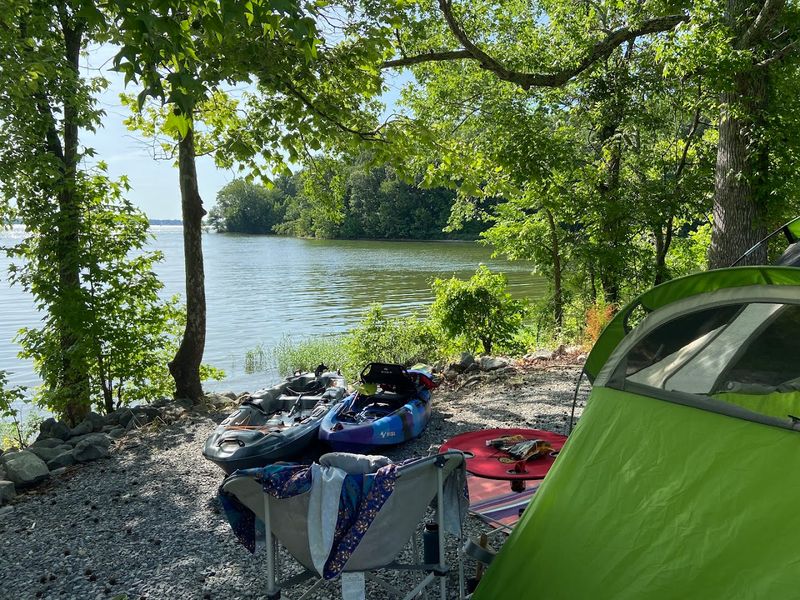
Getting out on the water is one of the most popular and rewarding activities in the Kentucky Lake region, and renting or launching a boat near the former Birmingham site gives visitors a genuinely unique perspective on the area’s history. Pontoon boats, kayaks, and canoes are all practical options for exploring the lake at a relaxed pace.
Some visitors enjoy anchoring over the approximate location of old Birmingham and simply sitting with the history for a moment.
Boat ramps and rental facilities are available at Kentucky Dam Village State Resort Park, located at 113 Administration Drive, Gilbertsville, Kentucky 42044. The marina there can provide information on current water conditions, no-wake zones, and points of interest on the water.
Summer weekends tend to be the busiest times on the lake, so weekday outings offer a quieter and more contemplative experience.
Whether the goal is recreation, reflection, or a bit of both, spending time on Kentucky Lake by boat is an experience that stays with visitors long after they return home. The water feels different when you know what it holds.
12. Photographing The Haunting Beauty Of A Forgotten Landscape
Photographers who appreciate layered, emotionally resonant subjects will find the Birmingham area endlessly compelling. The landscape around the former town site combines natural beauty with a quiet melancholy that translates powerfully into images, especially during golden hour or on overcast days when the light softens everything.
Low-water periods that expose old foundations create particularly dramatic compositional opportunities.
The most accessible shoreline shooting locations are near the Gilbertsville area around Kentucky 42044, where the former town once stood. A tripod is helpful for long-exposure water shots that smooth out the lake surface and create a dreamlike effect.
Drone photography, where legally permitted, can reveal the scale of the lake and the surrounding landscape in ways that ground-level shooting cannot.
Seasonal changes dramatically alter the mood of the area, with autumn foliage adding warm color and winter ice creating stark, minimalist compositions. Spring brings wildflowers to the shoreline, softening the landscape considerably.
Every season offers something worth capturing, making multiple visits across the year genuinely worthwhile for dedicated photographers.
13. Kentucky Dam Village State Resort Park
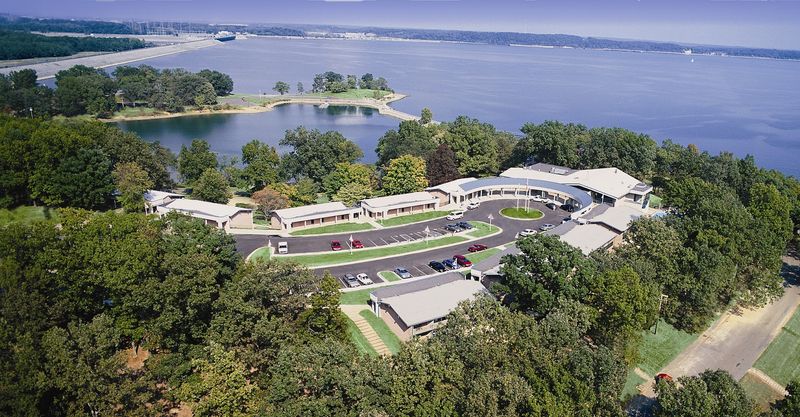
Kentucky Dam Village State Resort Park sits right at the heart of the area that was transformed when the dam was built, making it a perfect base for anyone exploring the history of Birmingham and the surrounding region. The park offers lodge accommodations, cottages, a marina, a golf course, and a campground, so there are options for nearly every type of traveler.
It is one of the most complete state resort parks in the Kentucky system.
The park is located at 113 Administration Drive, Gilbertsville, Kentucky 42044, placing it just minutes from where Birmingham once stood. The marina gives visitors easy access to Kentucky Lake by boat, which can make for a uniquely moving experience when you consider the history beneath the water.
Fishing here is excellent, with crappie, bass, and catfish among the most commonly caught species.
Sunsets viewed from the park’s waterfront areas are consistently stunning. Booking accommodations here during the week is generally easier and more affordable than weekend stays during the busy summer season.