10 Magical New York Towns Packed With Rich European Heritage And Old-World Vibes
Dutch kept going strong in New York long after the English took over in 1664.
In some places, families were still speaking it after the American Revolution. That is more than a century of stubborn grammar.
That’s one reason to care. It means the Old World was not a quick costume the region wore and tossed aside.
People kept their language, their churches, and their way of building houses, so the leftovers you can visit today are real roots, not theme-park props.
That makes the whole thing more interesting.
The Dutch were not alone, either. French Protestant refugees and German families from the Rhine region also planted towns here.
Which corner of the Empire State feels the most like Europe?
1. New Paltz
French refugees picked this spot in 1677, and their stone houses are still standing around to prove it.
The settlers included Huguenots from France and Walloons from present-day Belgium, families seeking a community where they could practice their faith.
Several had spent time in the German Palatinate, or Pfalz, before arriving in the Hudson Valley. That’s how New Paltz acquired its name, an unusually direct reminder of the journey across Europe.
Historic Huguenot Street occupies ten acres beside the Wallkill River, with stone houses dating mainly to the eighteenth century, a reconstructed French church, and an old burial ground.
Begin exploring at 81 Huguenot Street, New Paltz, where the historic district preserves the street plan and buildings associated with those early families.
Guided visits examine household life, religious traditions, and the experiences of the Esopus Munsee people whose homeland this was, as well as Africans held in bondage by colonial households.
It’s a fuller history than the appealing stone facades alone suggest. The gardens offer another glimpse of ordinary colonial routines.
Tours continue on weekends through December 13 in 2026, subject to availability. Afterward, downtown cafes and the SUNY New Paltz campus bring a livelier energy to the day.
Just outside town, the Shawangunk Ridge offers hiking trails and impressive cliffs. Few outings blend centuries-old masonry and mountain scenery quite so naturally.
2. Kingston
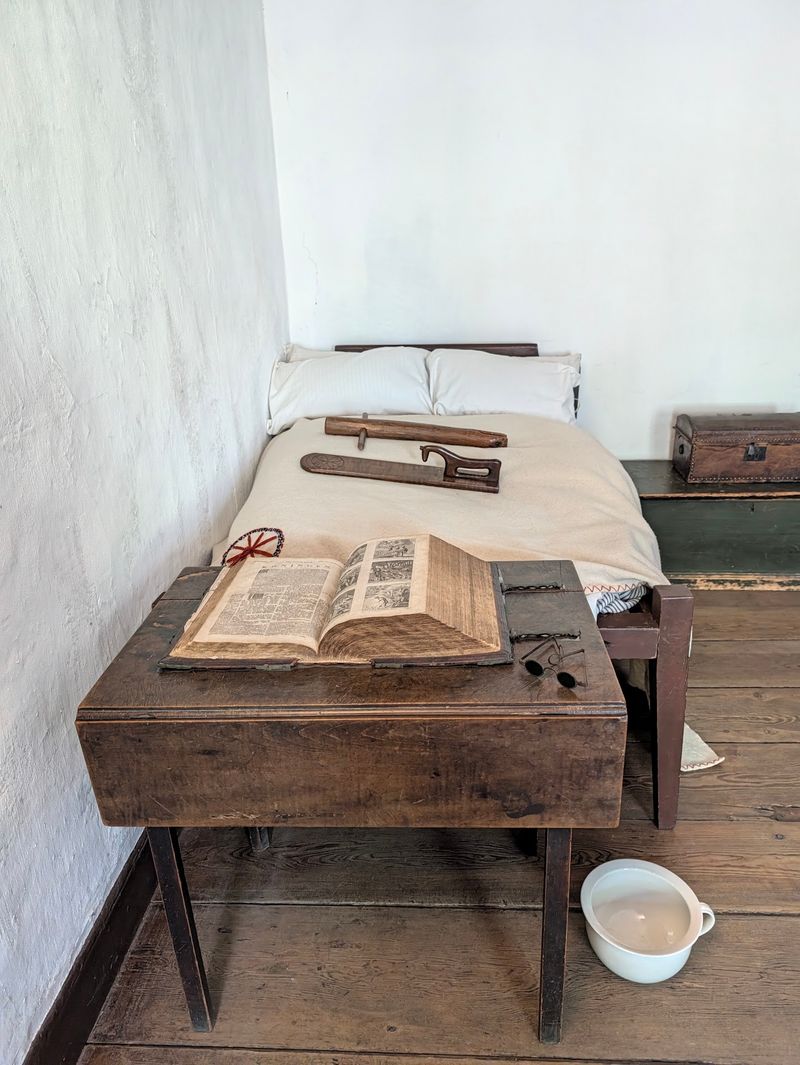
Here’s a fun brag for a small city: it was New York’s very first state capital.
Representatives gathered here in 1777, when Kingston became a center of the newly organized state government.
The roots go even deeper. Dutch settlers established a fortified village called Wiltwyck in the 1650s. Its original street pattern survives around the Uptown Stockade District, giving a modern walk an unexpectedly old footprint.
Head toward 296 Fair Street, Kingston, where the Senate House State Historic Site preserves the stone home in which the first state Senate met. The adjacent museum explores Kingston’s past through artifacts and exhibits.
Regular interior visiting hours ended October 31 for 2026, although arranged group tours are possible throughout the year and the grounds remain open during daylight.
Don’t miss the intersection of John and Crown streets. Four pre-Revolutionary stone houses occupy the four corners, including the seventeenth-century Persen House.
There’s no need to imagine what Dutch-influenced architecture looked like when so much remains in front of you.
Downhill, the Rondout waterfront tells a different story. Its nineteenth-century port grew around the Delaware and Hudson Canal, and the Hudson River Maritime Museum explores regional boats and trade.
Give the Stockade’s narrow streets time to surprise you. Kingston’s heritage isn’t confined to a museum room; it’s built directly into the walls and intersections.
3. Hurley
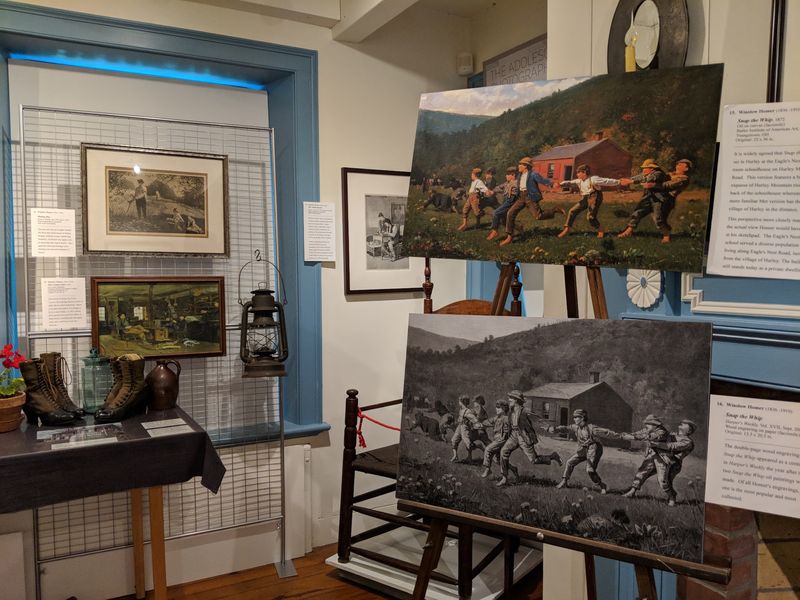
Blink on Route 209 and you might zoom right past one of the most remarkable collections of early stone houses in the Hudson Valley. That would be a real shame.
Old Hurley’s Main Street has preserved the character of a Dutch colonial settlement.
Stone walls, steep roofs, and shutters recall the building traditions carried across the Atlantic and adapted to local materials. The Hurley Historic District is a National Historic Landmark, and many homes remain private residences.
The Hurley Heritage Society Museum at 52 Main Street provides context for the village’s architecture and families.
Its 2026 museum season ran on weekends from May through October, while guided Main Street walks were offered on the fourth Sunday of those months. A self-guided walking brochure highlights 27 historic places for independent exploration.
Stone House Day has historically provided rare opportunities to see private interiors, but ordinary visits are best planned around the museum calendar or the public streetscape, rather than expecting doors to open automatically.
Notice how closely the houses sit along the road. Some structures date back centuries, yet this remains a living neighborhood rather than a reconstructed village.
Bring a camera and stay on public paths while admiring the masonry. Kingston is a short drive away, so an afternoon can easily combine Hurley’s quiet architecture with a larger historic district and a place to stop for lunch.
4. Kinderhook
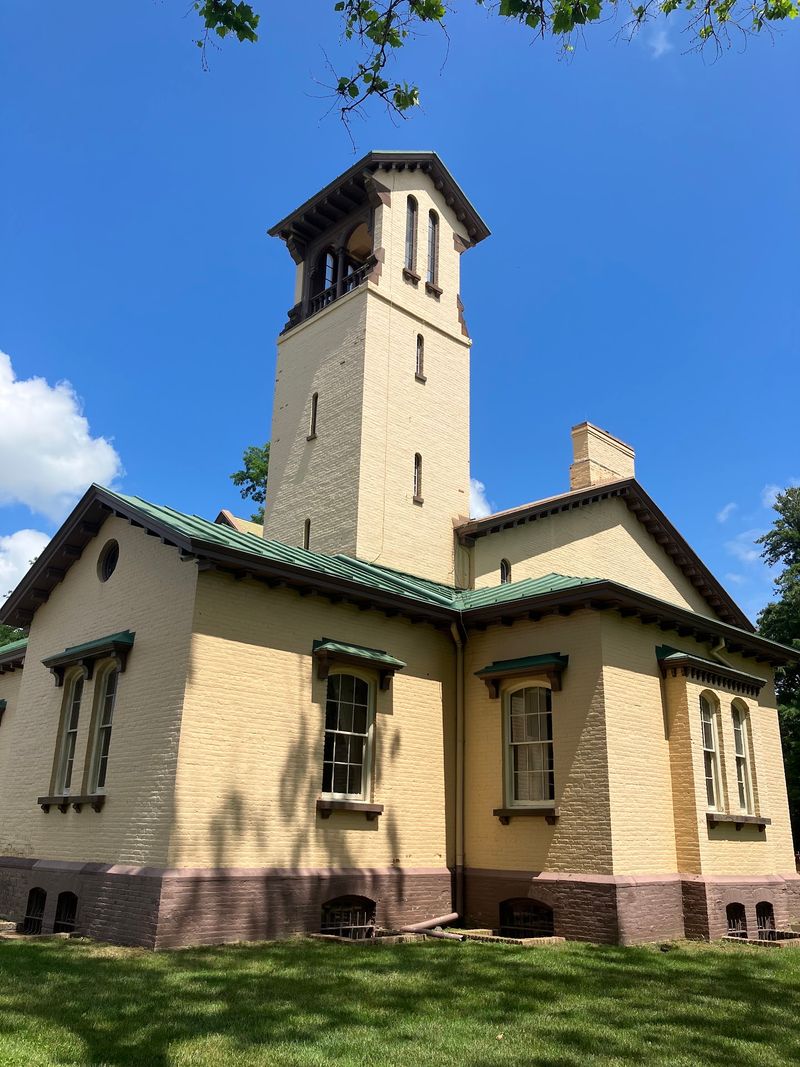
Only one American president grew up speaking Dutch as his first language.
Martin Van Buren was born here in 1782, and the language of his childhood reflected the Hudson Valley’s enduring Dutch community.
Even the village name comes from Dutch. Kinderhook is generally translated as children’s corner, a charming label for a place filled with early American architecture.
After his presidency, Van Buren made his home at Lindenwald, now Martin Van Buren National Historic Site.
The estate’s entrance is at 1013 Old Post Road, Kinderhook, a short drive south of the village. The grounds are open daily from morning until sunset, while house tours and the visitor center closed for the 2026 season on November 1.
Another extraordinary residence is the Luykas Van Alen House, a circa-1737 Dutch Colonial farmhouse.
Its gambrel roof and carefully preserved interior show how European building ideas adapted to the surrounding countryside. Interior visits are seasonal.
A 1.7-mile Dutch Farming Heritage Trail links that property with Lindenwald, passing fields, streams, and woodland. It’s an inviting alternative when the historic houses are closed.
Washington Irving’s connections to Kinderhook add a literary dimension, especially around the nearby old schoolhouse associated with his famous fiction.
Take time for the village center as well. The mixture of traditional houses, quiet streets, and rural landmarks gives this part of the Hudson Valley its distinctive character.
5. Rhinebeck
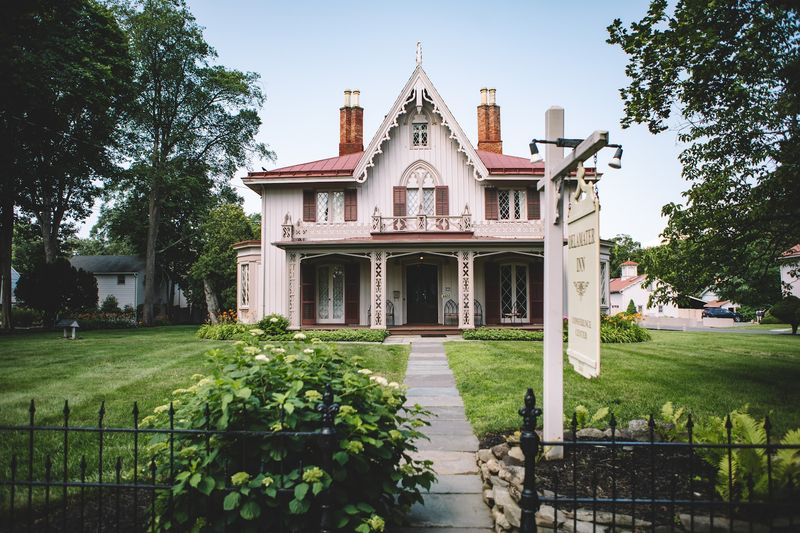
Few inns can say George Washington might have needed a room there.
The Beekman Arms in Rhinebeck traces its long hospitality tradition to the eighteenth century, with the present historic inn dating to 1766.
The building stands at 6387 Mill Street, Rhinebeck, beside the village’s familiar main crossroads.
Earlier travelers stopped at this intersection of the old King’s Highway and a route toward the Hudson River. Its stone walls and low-ceilinged historic rooms still hint at the inn’s beginnings.
Rhinebeck’s European connections extend beyond a single establishment. Dutch colonial settlement began here in the late seventeenth century, followed by families from Germany’s Palatine-Rhine region.
The place name itself combines a reference to the Rhine with the Beekman family. In this corner of New York, older churches and fieldstone buildings preserve clues to that heritage.
A walk through the village brings historic storefronts, galleries, restaurants, and handsome older houses into view. The compact center makes it easy to linger rather than hurry between destinations.
Nearby, the Old Rhinebeck Aerodrome preserves early flying machines and presents seasonal aerial demonstrations. Despite its name, the attraction is actually in neighboring Red Hook, and its 2026 air-show season ended October 18.
For a quieter fall outing, stay with the village architecture and surrounding countryside. Rhinebeck’s old-world atmosphere comes from genuine layers of Dutch and German settlement, not decorative imitation.
6. Cold Spring
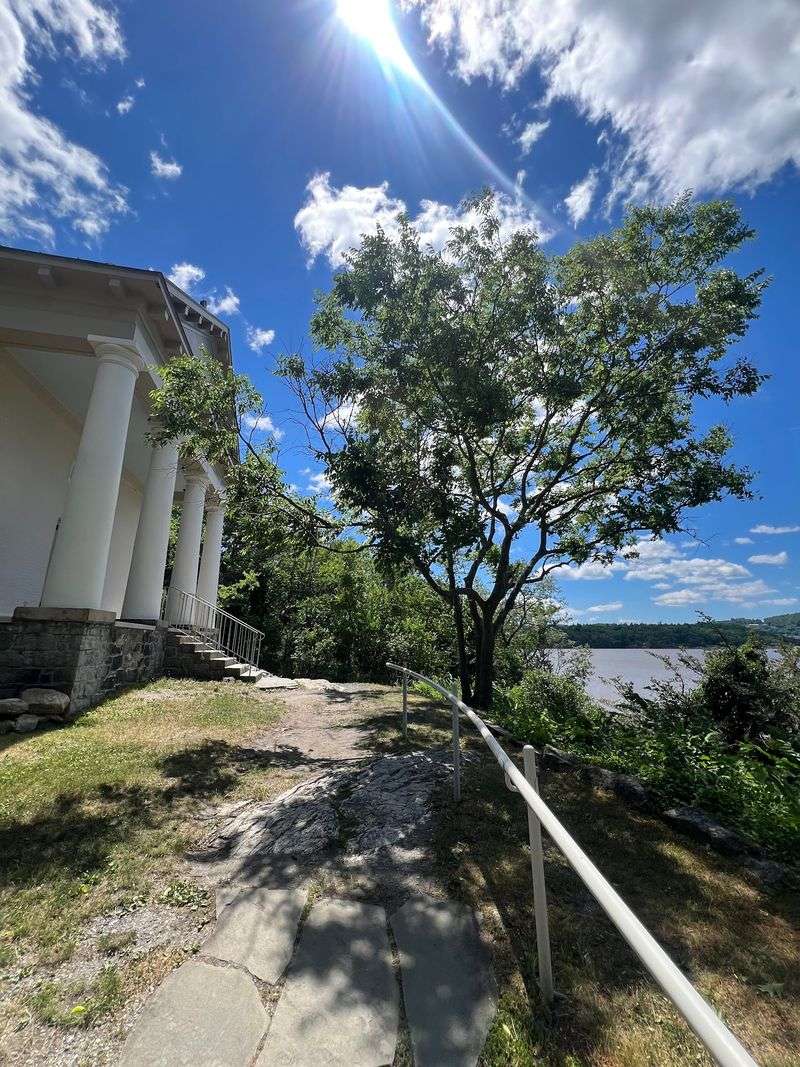
Some views make you stop mid-sentence, and Cold Spring’s riverfront is one of them. The Hudson Highlands rise across the water like a painting, with steep wooded slopes framing the village.
The scenery inspired artists of the Hudson River School, whose landscapes drew from European Romantic traditions while portraying the American countryside.
That artistic inheritance sits comfortably beside Cold Spring’s nineteenth-century architecture. Main Street descends toward the river, passing antique shops, cafes, and small historic storefronts.
Near the waterfront, the Chapel Restoration stands at 45 Market Street, Cold Spring. Built in 1833, its Greek Revival columns and classical proportions show an architectural style rooted in ancient European models.
The restored chapel hosts concerts, talks, and cultural events. Its grounds can be enjoyed outside scheduled programs, though the interior opens primarily for events or by appointment.
For another chapter of local history, explore West Point Foundry Preserve. Wooded paths connect remnants of an industrial complex that produced machinery and other iron goods during the nineteenth century.
Metro-North’s Hudson Line stops within easy walking distance of the village, making a day trip possible without a car. Nearby highland trails are considerably more demanding, so choose footwear for the outing you intend.
7. Skaneateles
Charles Dickens never visited Skaneateles, but his characters show up anyway. During the holiday season, the village transforms into a lively Victorian Christmas celebration.
Costumed performers, carolers, and familiar figures from Dickens’s stories bring theatrical fun to the streets.
The 2026 celebration begins Friday, November 27, with additional performances on selected weekend days through December and on December 24.
That old English mood fits the village center, where handsome nineteenth-century buildings overlook Skaneateles Lake. Its clear water and tree-lined shore offer an entirely different attraction once the street performances finish.
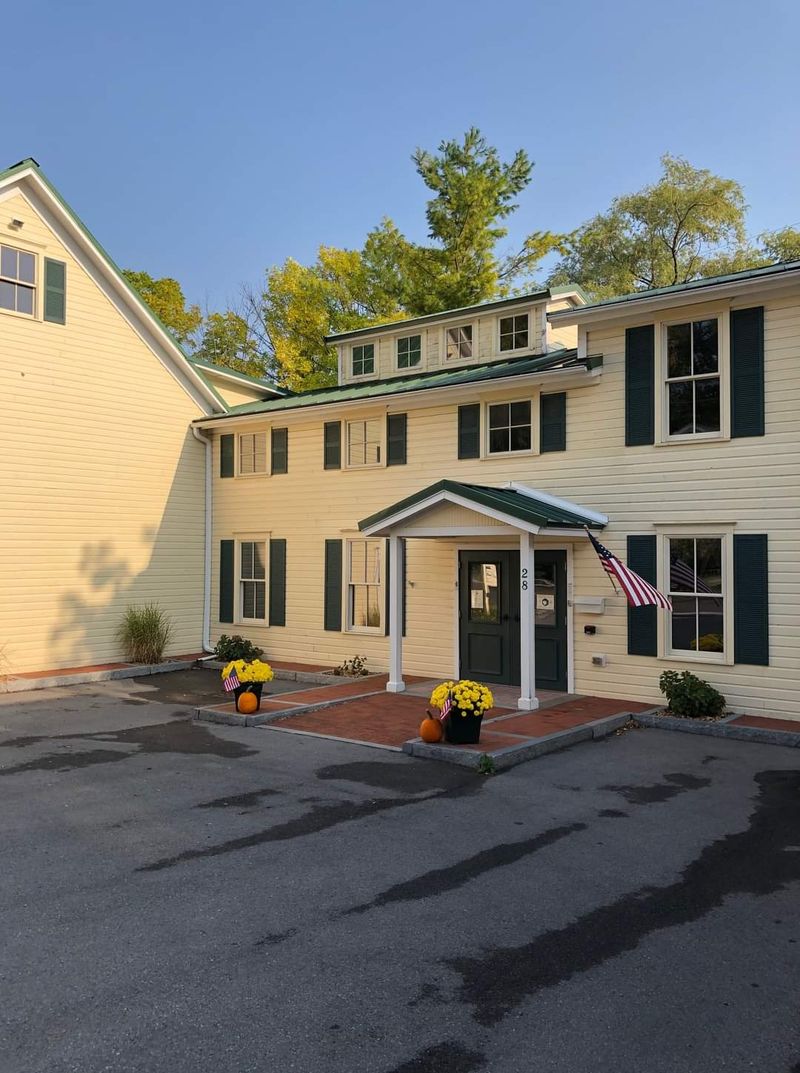
A former creamery at 28 Hannum Street now houses the Skaneateles Historical Society’s museum.
Exhibits and local archives trace the area’s farming, businesses, and lake history. Regular opening hours are Friday and Saturday afternoons, making it easy to combine history with a relaxed downtown visit.
The Dickens celebration is a seasonal tradition, not evidence of an original Victorian English settlement.
Skaneateles grew from central New York’s own nineteenth-century community, and its lakeside architecture provides an inviting backdrop for the festival.
Browse Genesee Street’s small shops, then wander toward Clift Park to watch the changing light on the water. Boat cruises are more common during warmer months, but shoreline walks remain appealing late into fall.
8. Cooperstown
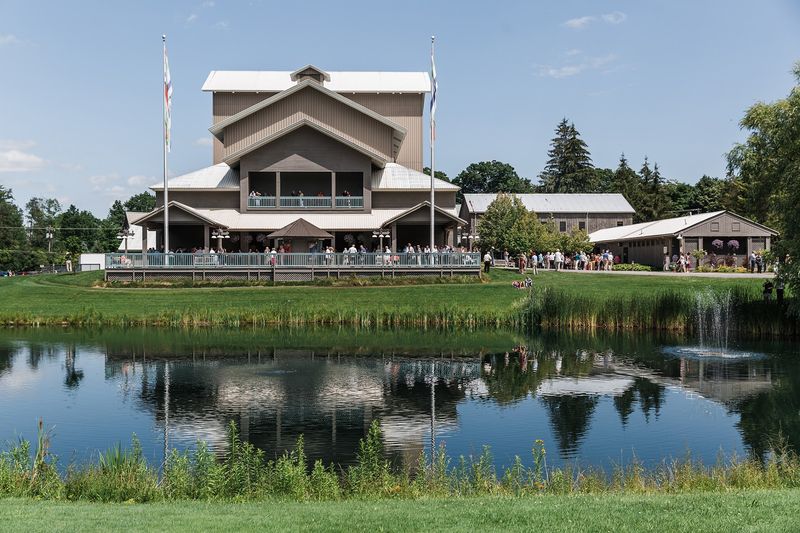
Sure, baseball fans flock here for the Hall of Fame. But opera lovers quietly sneak in every summer for a very European art form.
The Glimmerglass Festival stages opera and musical theater beside Otsego Lake, borrowing its name from the lake’s literary nickname. European operatic traditions meet contemporary productions in an intimate rural setting, different from its baseball reputation.
The Alice Busch Opera Theater stands at 7300 State Highway 80, Cooperstown, about eight miles north of downtown.
The 2026 season ran from July 10 through August 17. Its next announced season stretches from July 12 to August 22, 2027, so a fall trip is better for exploring the village than expecting an opera performance.
Cooperstown’s literary roots are equally compelling. The village was established by the family of novelist James Fenimore Cooper, whose fiction helped make the surrounding region famous.
At the Fenimore Art Museum, American artwork and historic collections overlook the lake. Across the road, Fenimore Farm, formerly The Farmers’ Museum, interprets nineteenth-century rural life with transplanted historic buildings and traditional crafts.
Its regular season also closes in autumn, with selected special events later in the year. Main Street remains a satisfying place for a stroll, with the National Baseball Hall of Fame and Museum at its heart.
9. Southold
Southold has been around since 1640. That makes it one of the oldest English settlements in New York, with roots in a community established by settlers arriving from New Haven.
The village sits on Long Island’s North Fork, where farmland and quiet roads stretch between Long Island Sound and Peconic Bay.
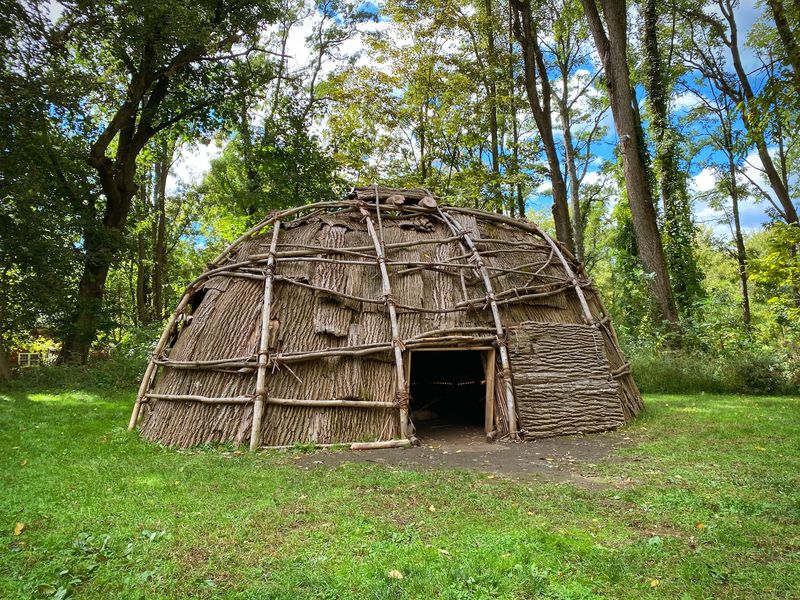
Its historical character differs from the Dutch Hudson Valley: English colonial traditions shaped the early town, alongside the longstanding presence of the region’s Indigenous peoples.
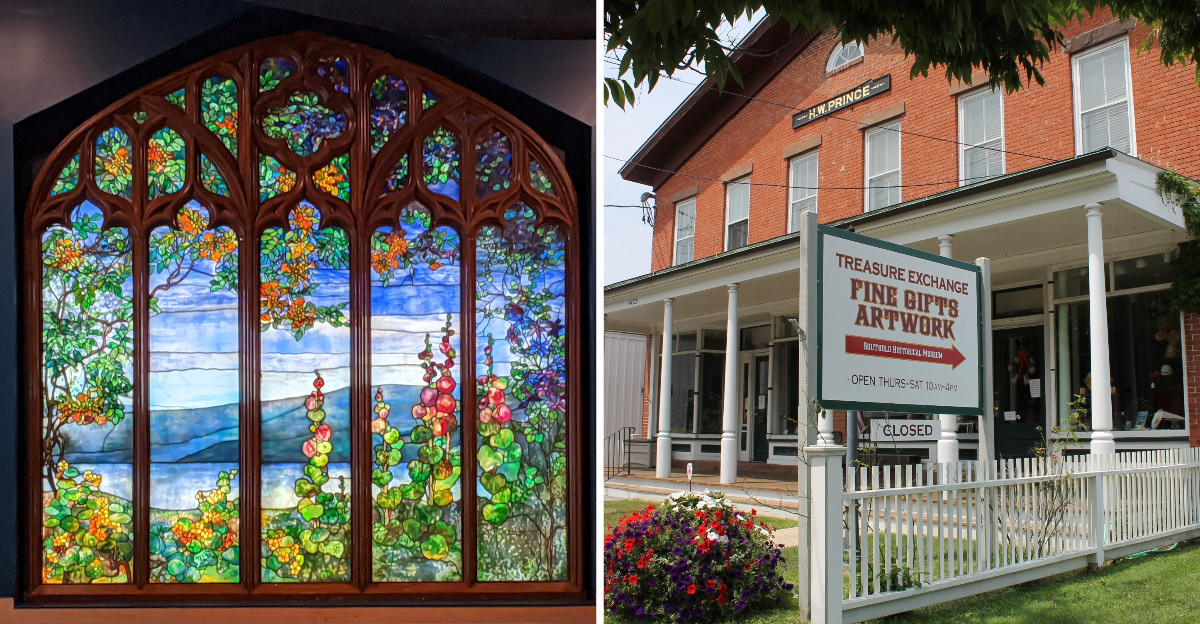
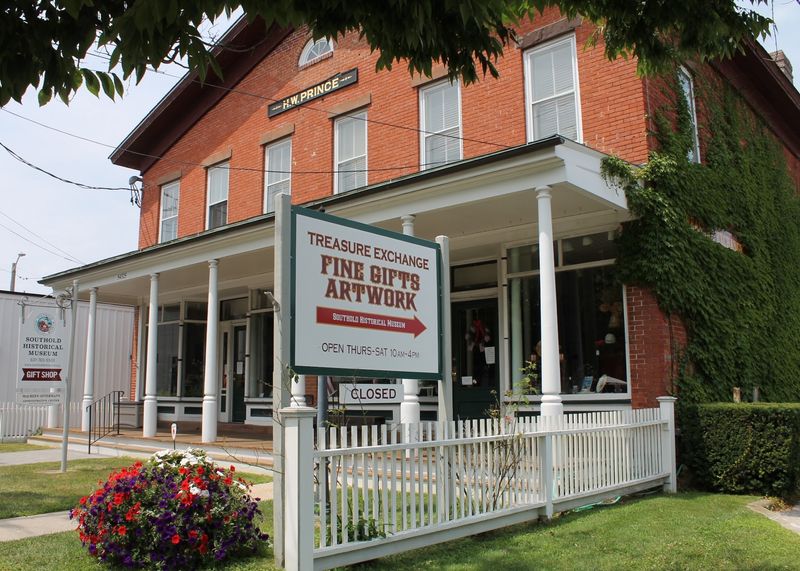
The Southold Historical Museum preserves buildings dating from the eighteenth and nineteenth centuries.
Its Maple Lane campus is at 55200 Main Road, Southold, with houses, barns, and exhibits exploring daily life, maritime activity, and agriculture.
The historic interiors were open on selected weekends through September 20 in 2026. Special programs continue during other parts of the year, while the museum’s Prince Building gift shop operates more regularly.
A short drive brings you to Horton Point Lighthouse, first illuminated in 1857. Its grounds overlook Long Island Sound, and the lighthouse contains a nautical museum during the regular summer season.
In fall, farm stands, leafy roads, and coastal views become the main attraction. A slow drive through the countryside reveals a North Fork atmosphere shaped by centuries of farming and maritime traditions.
10. Corning
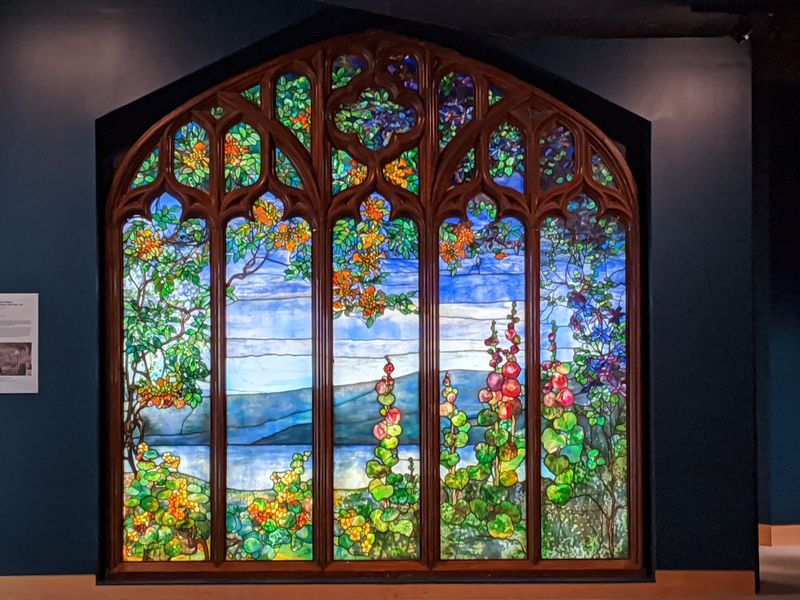
Molten glass, fiery furnaces, and a crowd cheering for a vase. Welcome to the Corning Museum of Glass, where skilled glassmakers turn a glowing material into art before your eyes.
The collection spans thousands of years, including exquisite examples of Venetian craftsmanship and other European glassmaking traditions.
In one gallery, delicate objects from Murano show how generations of artisans developed complex patterns, colors, and techniques.
The museum occupies 1 Museum Way, Corning, with galleries exploring art, technology, and the science of glass. Daily demonstrations show experts shaping molten material, while smaller workshops reveal different decorative processes.
You can also reserve a Make Your Own Glass experience, working with instructors on a personal project. Many creations need time to cool before collection, so factor that into your trip.
Corning’s connection to the industry began in 1868, when the Brooklyn Flint Glass Works relocated to the city and became Corning Glass Works. The museum opened in 1951 and marks its seventy-fifth anniversary in 2026.
Beyond the museum, the Gaffer District along Market Street offers restored storefronts, cafes, and galleries. Its name honors the master glassworkers who helped shape the city’s identity.
Spend time at the nearby Rockwell Museum if your schedule allows. Between the working demonstrations and historic streets, Corning delivers a particularly vivid meeting of European craft traditions and American ingenuity.