Many People In Kentucky Have Never Heard About Our Old German POW Camp
You probably think you know every corner of Kentucky history by now. You have seen the horse farms, the caves, and the old courthouses.
However, one small western Kentucky town holds a story that surprises plenty of people. During World War Two, a huge Army training camp stood just outside town.
It also housed German prisoners of war, a fact that still raises eyebrows today. One of those prisoners picked up a paintbrush instead of sitting around.
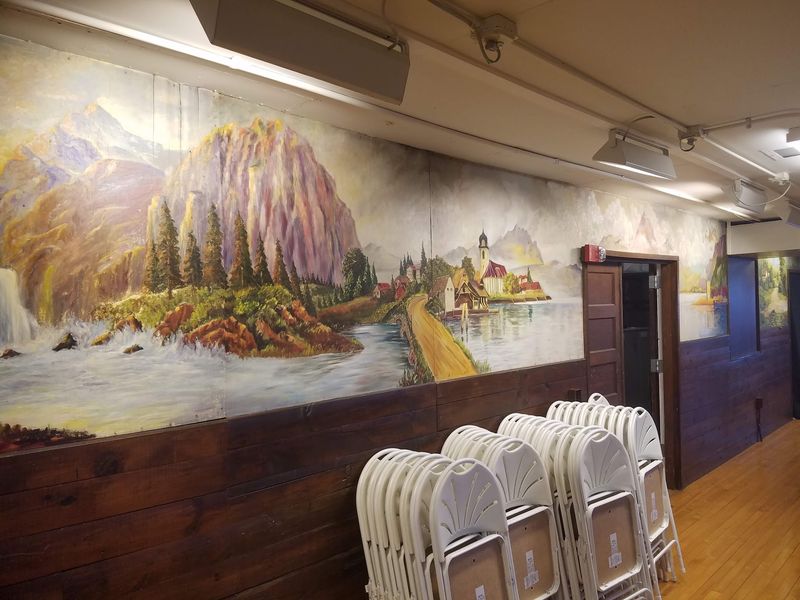
He covered the walls of an old club building with stunning murals. Some scenes show European castles, while others show peaceful country landscapes.
Those paintings have lasted more than eighty years and still look remarkable. Today, the building welcomes visitors curious about this unusual piece of the past.
You can wander the rooms, study the details, and imagine life on the base. Trust me, this history lesson is more colorful than any textbook.
A Kentucky Secret Hiding In Plain Sight
Plenty of Kentuckians drive past history every day without blinking.
The story starts in 1942, when the U.S. Army built a huge camp here.
The grounds stretched across 36,000 acres in Union, Henderson, and Webster Counties.
That is a lot of land for one project. Imagine a small city popping up almost overnight in western Kentucky farm country.
At first, the camp trained soldiers. It had room for up to 55,000 of them at a time, which is bigger than many Kentucky towns today.
Then something unusual happened. From 1943 to 1946, the camp also housed German prisoners, and that chapter is the part most people never hear about.
You might wonder why this story stays so quiet. Part of the reason is simple, since the camp closed long ago and much of it faded away.
The good news is that one special building survived. It now holds the museum, and it keeps this rare slice of Kentucky history alive for curious visitors like you.
So the next time someone says nothing exciting happens nearby, you will know better. You can point them straight to Morganfield.
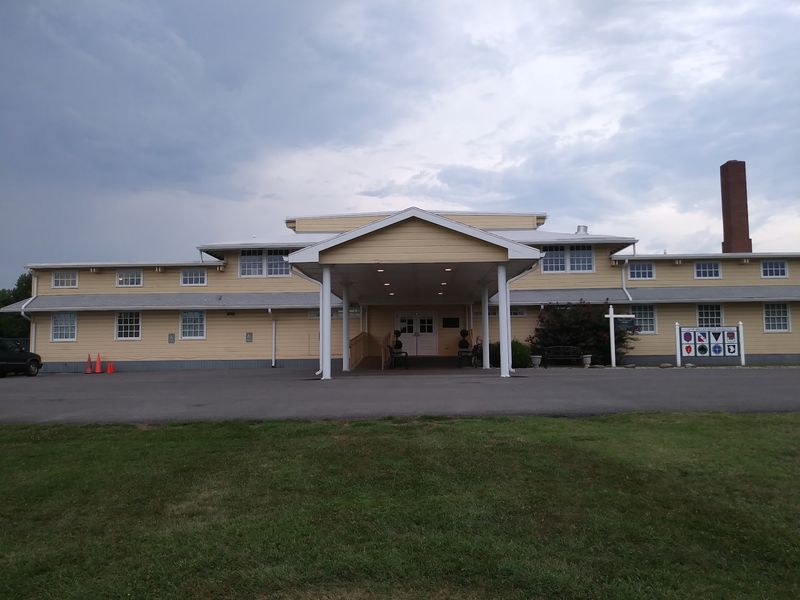
Camp Breckinridge Museum & Art sits quietly in Morganfield, waiting for you at 1116 Village Square Rd, Morganfield, Kentucky.
The Spring The First Prisoners Arrived
May 1943 brought more than spring flowers to Union County. It brought the first German prisoners to Camp Breckinridge.
That timing matters more than you might think. The camp became one of the very first U.S.
Army bases to house prisoners from overseas.
Picture local families hearing the news at the dinner table. Their quiet farm region suddenly had a front row seat to world history.
The camp was built to hold up to 3,000 prisoners. Most were German enlisted men and non-commissioned officers, not high-ranking leaders.
Many were young men far from home. They landed in a place with rolling fields, humid summers, and accents they had never heard before.
Here is a fun way to think about it. Kentucky became a surprise address for thousands of people who had probably never seen it on a map.
When you visit the museum, keep this moment in mind. It helps everything else you see make more sense.
Knowing how the story began turns old photos and objects into real people. That small shift makes the whole visit feel richer and far more personal.
Three Square Meals And A Few Extra Pounds
Here is a twist nobody expects from a prison camp story. Many of the German prisoners at Camp Breckinridge actually gained weight.
Records show the prisoners generally received good treatment. They had housing, steady food, and the medical care they needed.
Meanwhile, American families were living with food rationing. Sugar, meat, and other basics were carefully limited at home.
You can imagine how that felt to nearby neighbors. Some folks might have raised an eyebrow at the full plates inside the fence.
There was a reason for the fair treatment. The rules of the time required it, and the U.S. hoped its own captured soldiers would be treated well too.
This detail sparks great conversations with kids and adults alike. It raises big questions about fairness, kindness, and how people treat each other.
As you explore the exhibits, look for clues about daily life. Small details can say a lot about how people lived behind the barbed wire.
History often gets told as battles and dates. Stories like this one remind you that real life also happened at mealtime, one tray at a time.
Ten Cents An Hour And A Lot Of Corn
Nobody got rich working at Camp Breckinridge, that much is certain. The prisoners earned ten cents per hour for their labor.
They also received ten cents a day for toiletries. That little bit bought things like soap and toothpaste.
Work happened both on the base and on local farms. Prisoners helped harvest corn and other crops during busy seasons.
Farmers needed the help badly back then. So many local men were away serving that extra hands in the fields made a real difference.
Think about the scene for a second. German voices mixed with Kentucky drawls out in the fields, all under the same hot sun.
It was an odd team, but the crops still came in. Families got their harvests, and the prisoners stayed busy instead of bored.
You can connect this story to the farms you pass on the drive in. Some of those same fields may have seen these unusual workers decades ago.
That link to the land is part of the charm. It makes the history feel close, like it happened just down the road, because it did.
Soccer Balls Behind The Fence
All work and no play would have made for a very long day. Luckily, the prisoners at Camp Breckinridge had a full schedule of sports.
Staying active mattered a lot to them. Games helped pass the time and kept spirits up far from home.
Sports have a funny way of breaking down walls. Even when people speak different languages, everyone understands a good goal.
It is easy to picture the scene on a warm evening. Teams running, friends cheering, and dust flying across the field.
This part of the story shows the prisoners as regular young men. They liked competition, teamwork, and a bit of friendly bragging.
You might find it relatable if you have ever played on a team. That rush after a win feels the same in any country.
Details like this help history stick in your memory. Facts about numbers fade, but images of people playing games tend to stay.
When you tour the museum, let your imagination fill in these moments. The quiet grounds once buzzed with shouts, laughter, and plenty of sweaty uniforms.
Walls That Belong In A Gallery
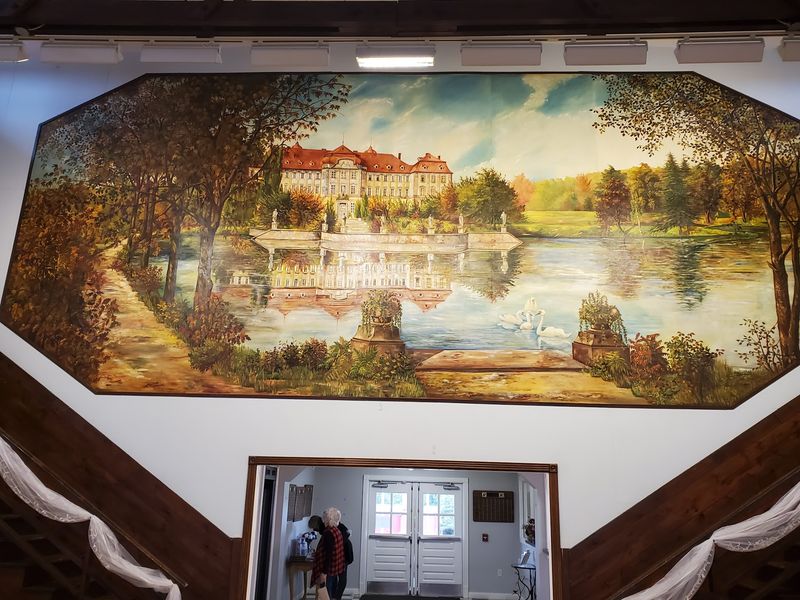
Most walls hold up a roof and call it a day. The walls here hold some of the most surprising art in Kentucky.
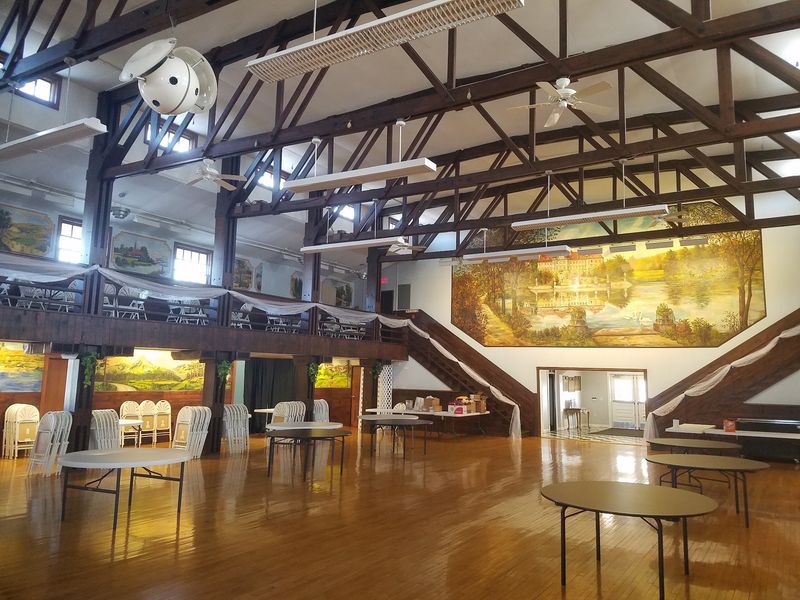
The murals painted by German POW Daniel Mayer and his assistant now adorn the walls of the Camp Breckinridge Museum & Arts Center. He worked with an assistant to finish the job.
That same club building is now the museum. So when you step inside, you stand right where the paint first touched the plaster.
Visitors often describe the murals as beautiful and vibrant. The colors still pop decades after the brushes were put away.
Considering how many ways the building has been used, it is amazing the art survived. Plenty of old buildings lose treasures like this over time.
Take your time as you look around the room. Small details reward patient eyes, so do not rush from wall to wall.
Photographers love this space, and it is easy to see why. Bring a camera or phone and try capturing the scenes in natural light.
Standing among the murals feels a little like visiting a gallery overseas. Except you did not need a passport, just a tank of gas and some curiosity.
Uniforms, Old Toys, And Plenty Of Stories
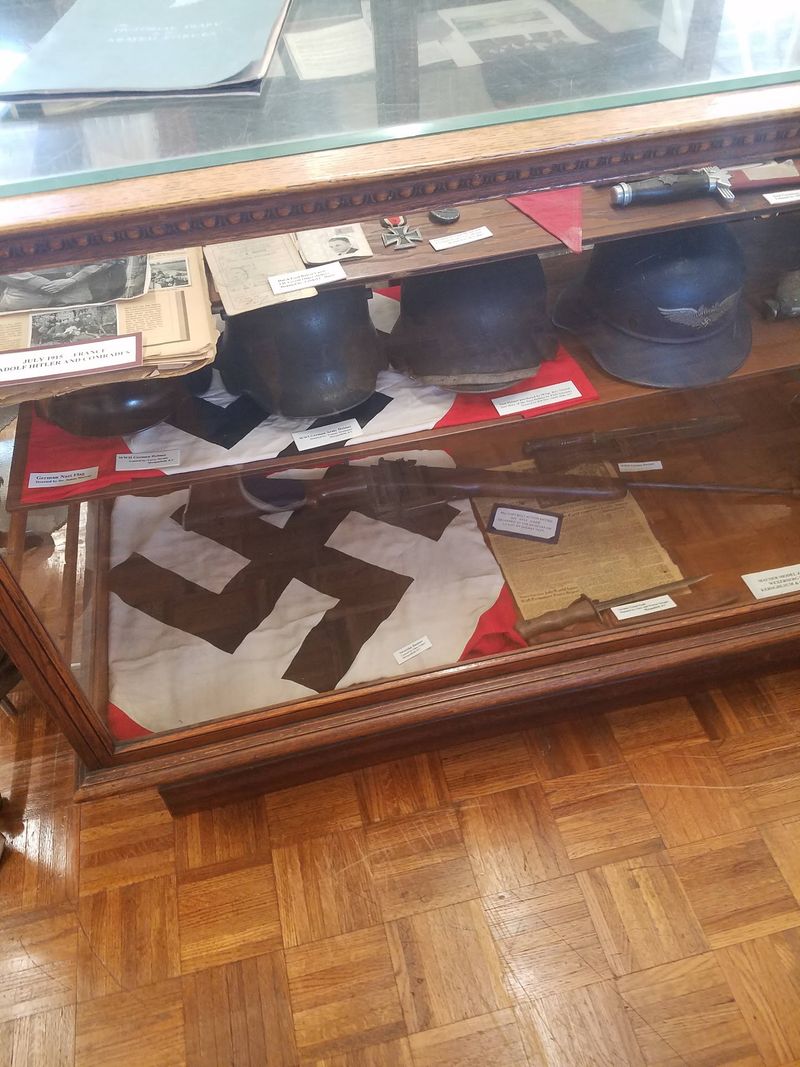
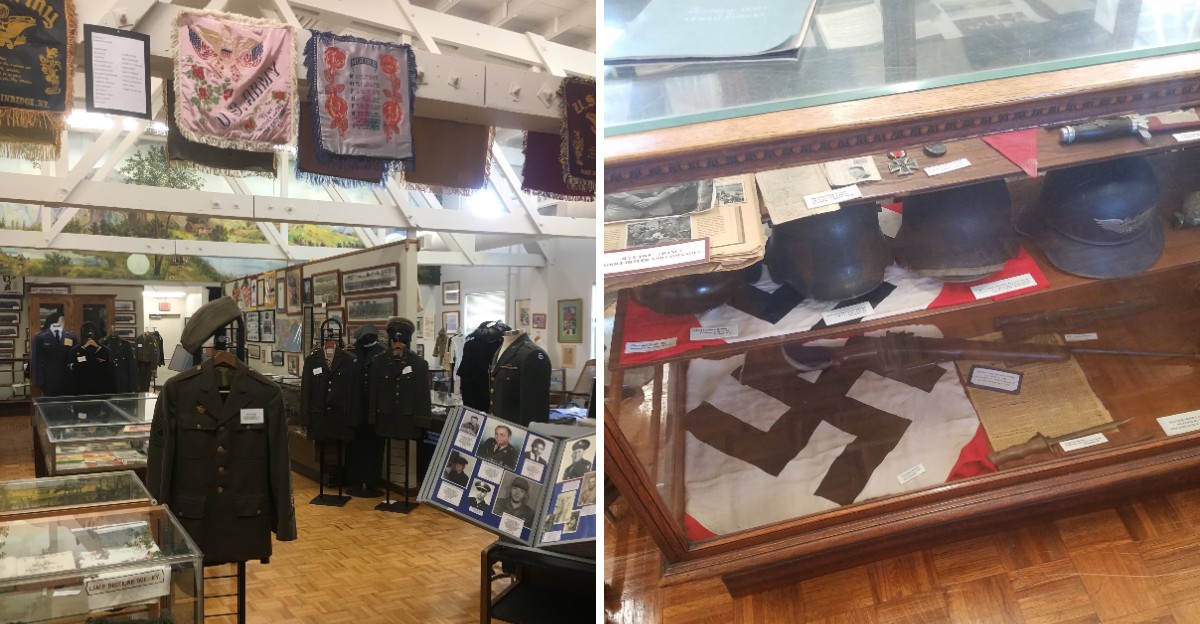
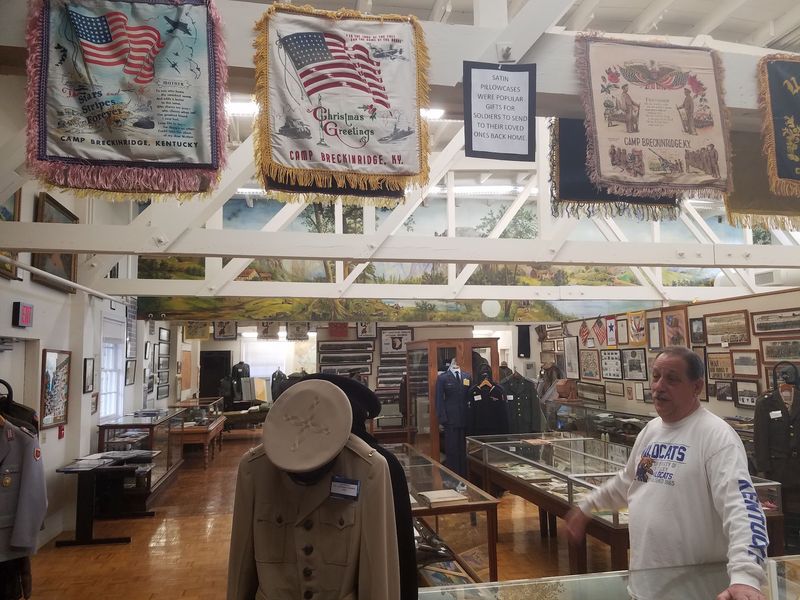
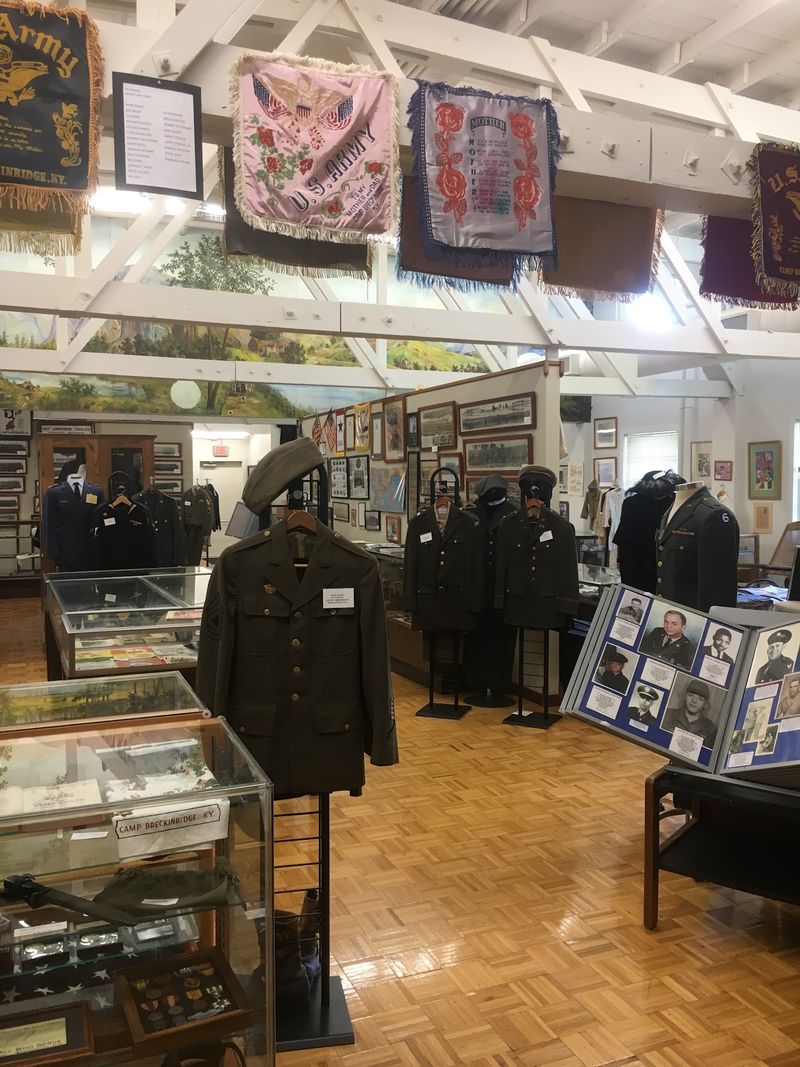
Come for the murals, stay for the surprises in every corner. The museum holds a big collection of memorabilia and artifacts.
Exhibits cover more than the 1940s. You will also find items from the early 1950s and later decades of American military service.
Visitors enjoy comparing the uniforms across different eras. The changes in style and fabric tell their own quiet story.
Old photos and vintage toys add a homey touch. They show how everyday life looked for families during those years.
After the prisoners left in April 1946, the camp closed for a while. It reopened for training from 1950 to 1954.
Later, National Guard troops held summer training here until 1963. Each era left something behind for the museum to share.
The staff get lots of praise for being knowledgeable and friendly. Ask questions, because they clearly enjoy sharing what they know.
Veterans are admitted free, and admission for others is modest. That makes it an easy choice for a family outing or a relaxed afternoon trip.
Say I Do Under A Painted Sky
Few couples can say their wedding guests danced beside a piece of history. At this museum, that bragging right comes included.
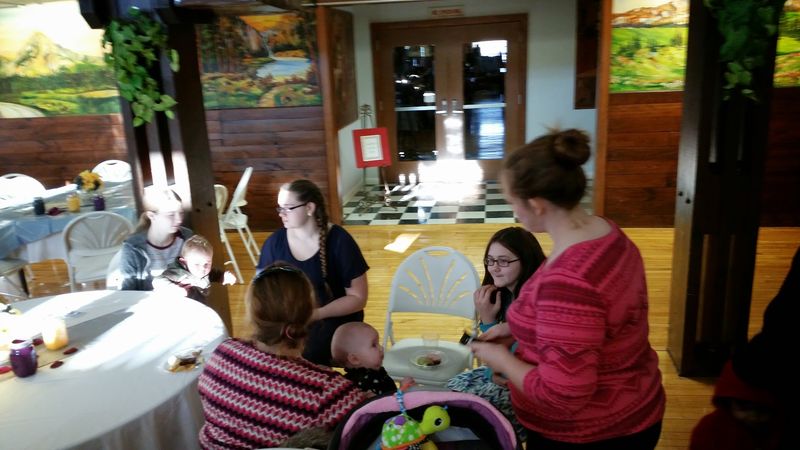
The building has become a popular spot for weddings and receptions. Guests often mention how lovely the hand-painted walls look during celebrations.
Think about it for a moment. Your photos would have one-of-a-kind backgrounds that no ballroom in a big city can copy.
The space works well for country-themed receptions too. Its warm, down-home feel matches rustic decor beautifully.
It also hosts other kinds of events. Family gatherings, club outings, and special occasions all fit nicely in this room.
There is something sweet about new memories forming in such an old space. The murals have watched decades of people come and go.
If you are planning a big day, this place deserves a look. It offers charm, character, and a story your guests will talk about for years.
Even if a wedding is not in your plans, the venue shows how the building keeps giving back. It stays alive by welcoming people, one happy crowd at a time.