10 Memorable California Hikes That Are Under 5 Miles And Perfect For The Whole Family
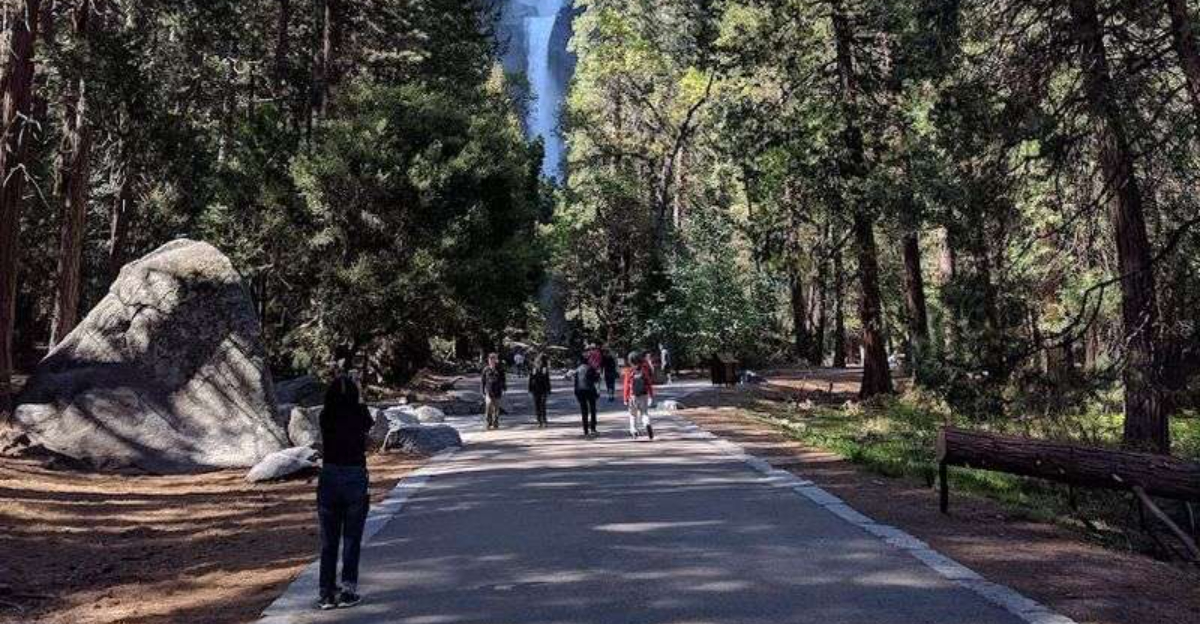
A short trail can still feel like a big adventure.
Little legs keep moving. Views show up fast. Everyone gets a reason to keep going.
No one needs an exhausting climb to come home with a story. California makes family hikes feel exciting without turning the day into a survival test.
Easy mileage helps. So do waterfalls, ocean overlooks, redwoods, wildflowers, and paths with enough variety to keep boredom away.
A hike under five miles can hit that perfect sweet spot. Kids stay curious, while adults stay relaxed.
Simple trails can still deliver the good stuff when the scenery works hard.
1. Cook’s Meadow Loop, Yosemite National Park
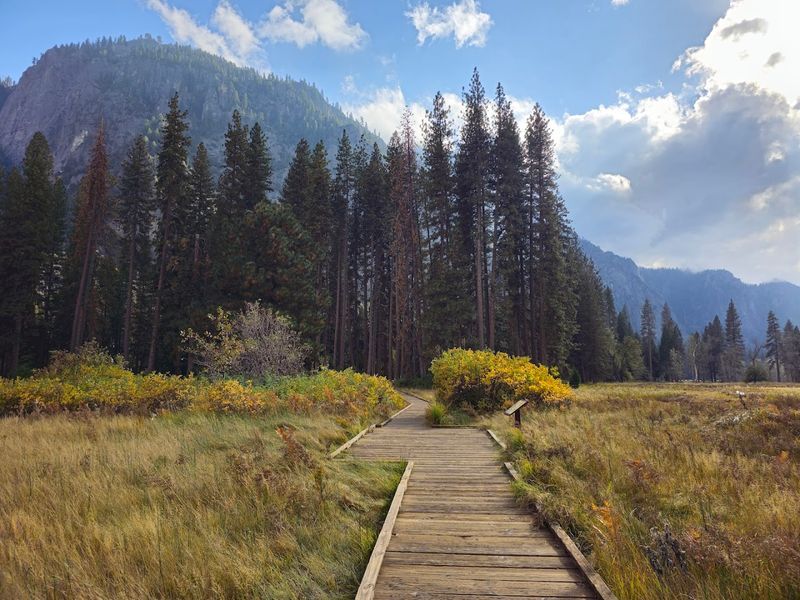
Half Dome, El Capitan, and Yosemite Falls all visible from a single flat trail sounds almost too good to be true, but Cook’s Meadow Loop delivers exactly that.
Stretching just about 1 mile around a peaceful valley meadow, this paved loop is one of the most rewarding short walks in the entire national park system.
The wide-open views across the meadow create the kind of scenery that ends up framed on living room walls.
Early morning walks here tend to reward visitors with calm, golden light and a quieter atmosphere before the day-use crowds arrive.
Deer are frequently spotted grazing in the meadow during cooler hours, giving families an unexpected wildlife moment without any effort.
The flat terrain and smooth pavement make this loop suitable for all ages, including toddlers and grandparents.
Because the trail is located in Yosemite Valley, a park entrance fee applies and reservations may be required during peak season, so checking the National Park Service website before visiting is strongly recommended.
The loop connects easily to other short valley walks, making it simple to combine with a stop at the nearby visitor center or a picnic along the Merced River.
It is a genuinely unhurried and beautiful way to experience Yosemite.
2. Guy Fleming Trail, Torrey Pines State Natural Reserve
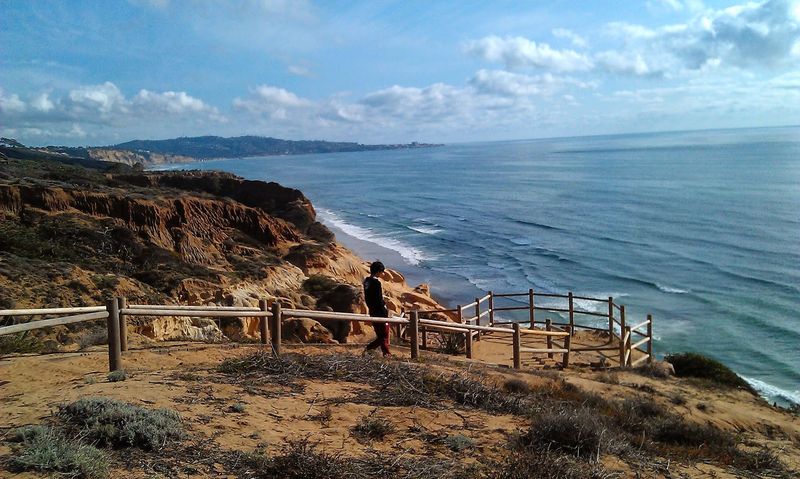
Perched above the Pacific Ocean just north of San Diego, the Guy Fleming Trail offers sweeping coastal views and a rare chance to walk among one of the rarest pine trees in the world.
The Torrey pine grows naturally in only two places on Earth, and this reserve protects one of those populations.
At roughly two-thirds of a mile, the loop is short enough for even the youngest hikers to complete without complaint.
The trail winds through fragrant chaparral and along sandstone bluffs with benches placed at scenic overlooks where families can pause and take in the horizon.
On clear days, the Channel Islands are visible from the clifftop viewpoints, adding an extra layer of wonder to an already striking landscape.
Gray whales can sometimes be spotted offshore during their migration season between December and April.
The reserve is located at 12600 N Torrey Pines Road in La Jolla, and parking is available at the top of the mesa or at the beach lot below.
Visitor numbers are managed through a reservation system on weekends and holidays, so checking ahead before arriving is a smart move.
The trail surface is unpaved and sandy in places, so sturdy closed-toe shoes are more comfortable than sandals for this particular walk.
3. Pioneer Nature Trail, Armstrong Redwoods State Natural Reserve
Walking beneath 1,000-year-old coastal redwoods has a way of making everything else feel very small and very quiet.
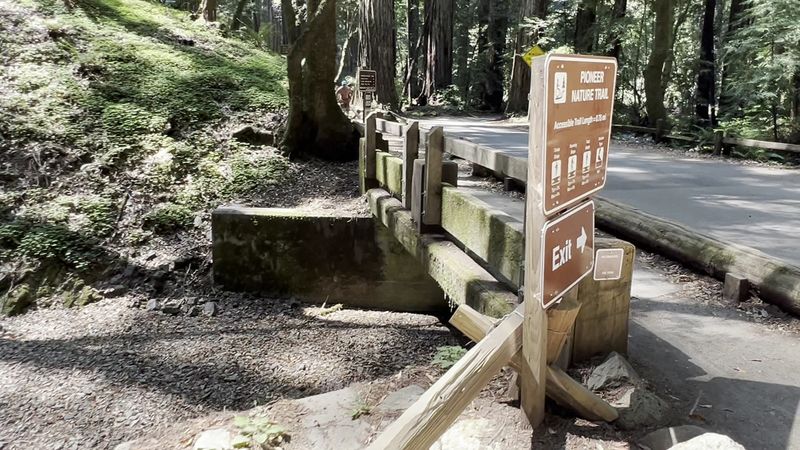
The Pioneer Nature Trail in Armstrong Redwoods State Natural Reserve is a 0.77-mile accessible path that travels through the heart of an ancient redwood grove near Guerneville in Sonoma County.
The canopy overhead is so dense that the forest floor stays noticeably cool and shaded even on warm summer days.
Interpretive signs along the trail explain the ecology of the redwood forest in kid-friendly language, turning the walk into an informal outdoor classroom.
The Colonel Armstrong Tree, estimated to be over 1,400 years old, is one of the highlights along the route and stands as a humbling reminder of just how long these trees have been growing here.
The path is paved and relatively flat, making it appropriate for strollers and visitors with mobility considerations.
The reserve is located at 17000 Armstrong Woods Road in Guerneville, and a day-use parking fee applies at the entrance.
Weekday visits tend to be quieter and more peaceful than weekends, when the grove attracts larger numbers of visitors.
Bringing layers is a good idea since the shaded forest can feel several degrees cooler than the surrounding area, even in summer.
4. General Sherman Tree Trail, Sequoia National Park
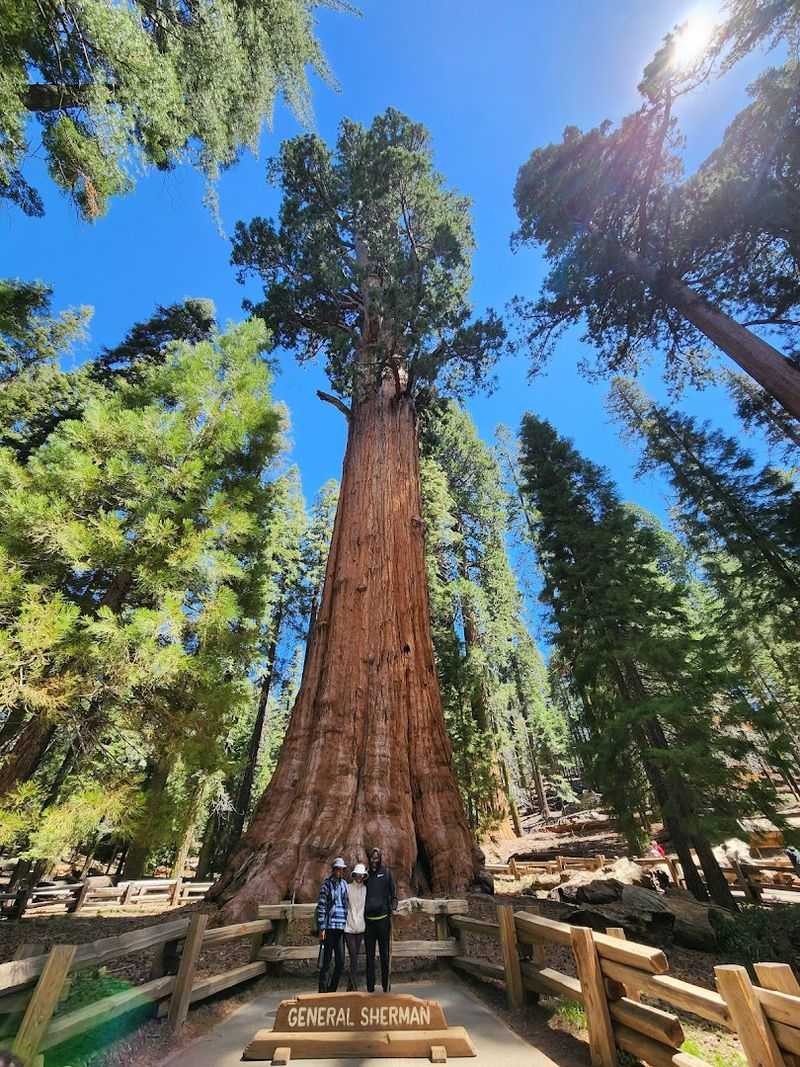
Standing at the base of the General Sherman Tree and craning your neck upward is one of those experiences that genuinely cannot be replicated by a photo.
At 274 feet tall and with a base circumference of over 102 feet, it holds the title of the largest tree by volume on Earth.
The paved trail to reach it from the upper parking area is just 0.5 miles one way, making it a quick but deeply memorable out-and-back walk.
The path descends gently through a sequoia grove, and the sheer number of massive trees visible along the way adds to the sense of wonder well before the main attraction comes into view.
A fenced viewing area surrounds the tree to protect its shallow root system, but visitors can get close enough to fully appreciate its extraordinary scale.
Children tend to be genuinely awestruck here in a way that is refreshing to witness.
Sequoia National Park requires an entrance fee, and during peak summer months, timed entry permits may be required for the Big Trees Trail area, so checking the park website in advance is important.
Shuttle service is available within the park and can help avoid parking challenges near the trailhead. Arriving earlier in the day generally means a more relaxed experience with fewer crowds around the tree.
5. Bridalveil Fall Trail, Yosemite National Park
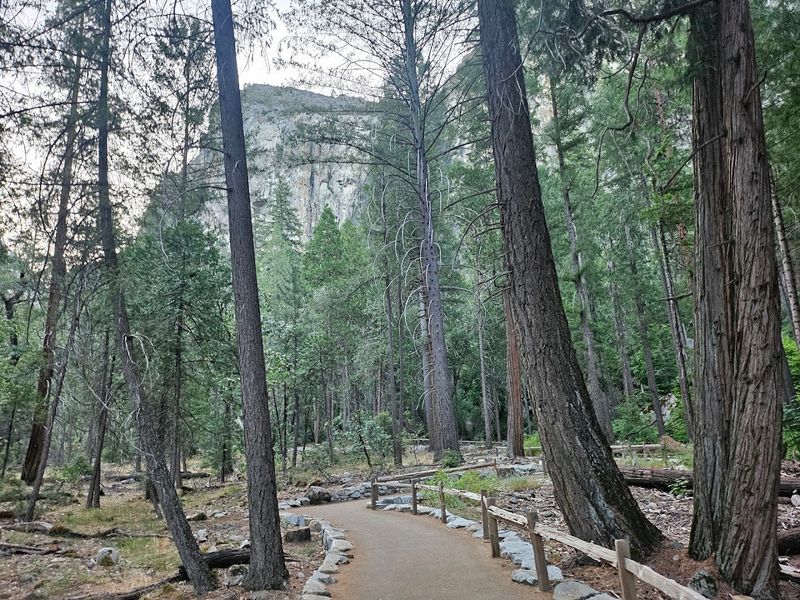
Bridalveil Fall is often the first waterfall visitors encounter when entering Yosemite Valley, and it sets an impressive tone from the very start.
The trail to reach its base is just 0.5 miles round trip on a paved path, making it one of the shortest and most satisfying hikes in the entire park.
At 620 feet tall, the fall has a way of appearing almost weightless as the water drifts and sways in the breeze before reaching the pool below.
The name comes from the way the wind catches the water and spreads it like a veil, an effect that is most noticeable in late spring and early summer when flow is strongest.
Getting close to the base means getting misted, which kids tend to love and adults appreciate on a warm afternoon.
The granite walls surrounding the fall create a natural amphitheater that amplifies the sound of the water in a deeply satisfying way.
A new parking area and redesigned trailhead opened in recent years to improve the visitor experience and reduce congestion near the fall.
The trail has some uneven rocky sections near the base, so supportive footwear is a practical choice over flip-flops.
Visiting on a weekday or arriving before 9 a.m. on weekends can make the experience noticeably more peaceful and enjoyable for the whole group.
6. Lower Yosemite Fall Trail, Yosemite National Park
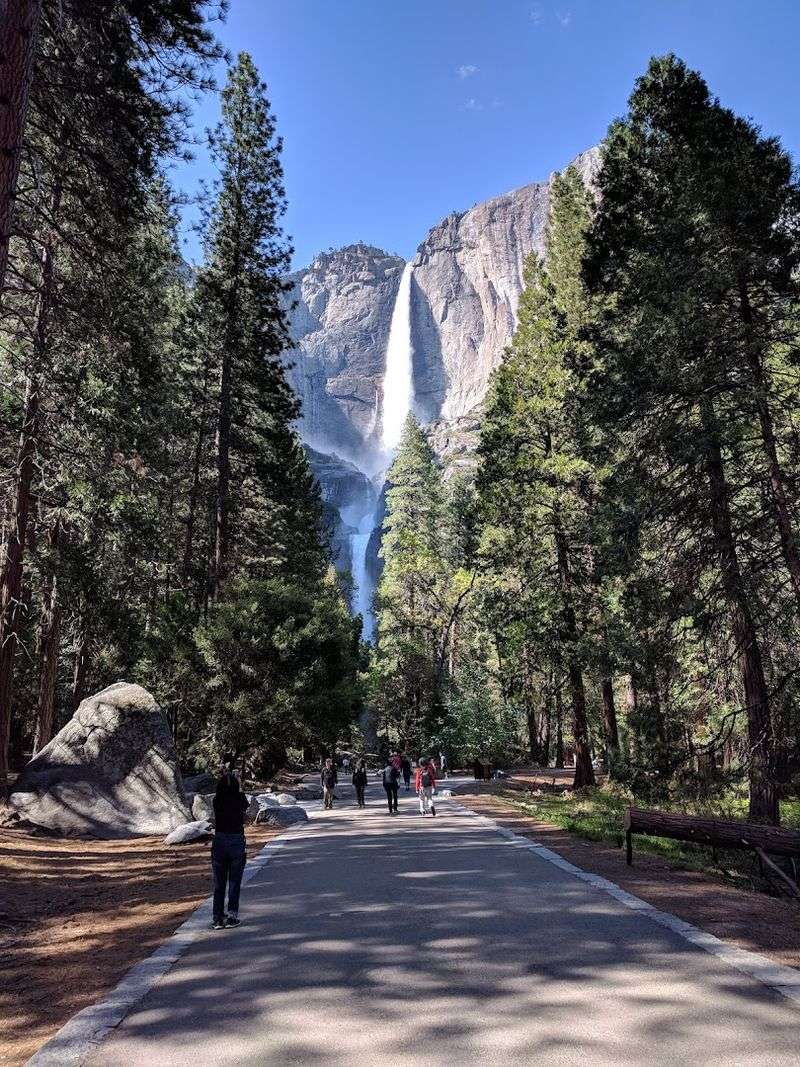
Few sights in California stop people in their tracks quite like Lower Yosemite Fall thundering down from nearly 320 feet above the valley floor.
The trail itself is a flat, paved 1-mile loop that winds through the valley and delivers hikers directly to the base of one of North America’s tallest waterfalls.
Strollers and wheelchairs can navigate most of the path with ease, making it genuinely accessible for families with young children.
Spring is the most dramatic time to visit, when snowmelt sends enormous volumes of water cascading down the granite cliffs with a roar that can be heard from a distance.
The mist at the base tends to keep the air cool and refreshing, which is a welcome relief on warmer days. By late summer, the falls may slow to a trickle or stop entirely, so timing the visit matters.
The trailhead is located near the Yosemite Valley Visitor Center, and parking in the valley can fill up quickly during peak season.
Taking the free Yosemite Valley Shuttle to stop 6 is often the easiest way to reach the trail without the stress of finding a spot.
The loop is short enough to complete in under an hour, leaving plenty of time to explore the rest of the valley.
7. Rainbow Trail, Taylor Creek Visitor Center Near South Lake Tahoe
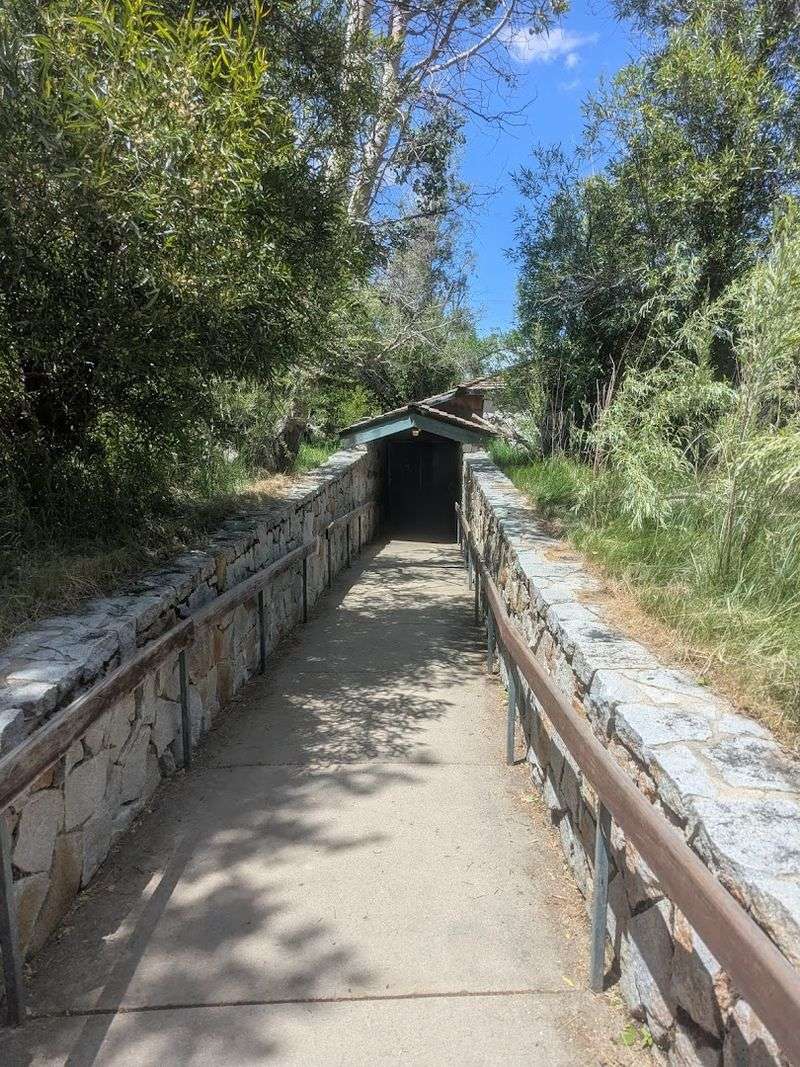
Tucked into the Lake Tahoe Basin near South Lake Tahoe, the Rainbow Trail at the Taylor Creek Visitor Center is a 0.7-mile loop that packs in a surprising amount of natural variety for such a short distance.
The trail passes through meadows, along the banks of Taylor Creek, and by an underground stream profile chamber where visitors can look through windows directly into the creek to observe fish and aquatic life up close.
That stream chamber is genuinely unlike anything most kids will have seen before.
During October, the creek fills with kokanee salmon making their annual spawning run, turning the water a vivid reddish-pink and drawing curious visitors from across the region.
The surrounding aspens shift to brilliant gold at the same time, making fall visits particularly spectacular.
The loop is flat, easy, and well-signed with educational panels that explain the local ecosystem in accessible language.
The Taylor Creek Visitor Center is managed by the US Forest Service and is located on Highway 89 between South Lake Tahoe and Emerald Bay, with a parking area directly at the trailhead.
The visitor center itself is open seasonally, typically from late June through October, and offers exhibits and ranger programs that complement the trail experience nicely.
Arriving during the salmon run in mid-October tends to be especially memorable for families with younger children.
8. Little Butano Creek Trail, Butano State Park
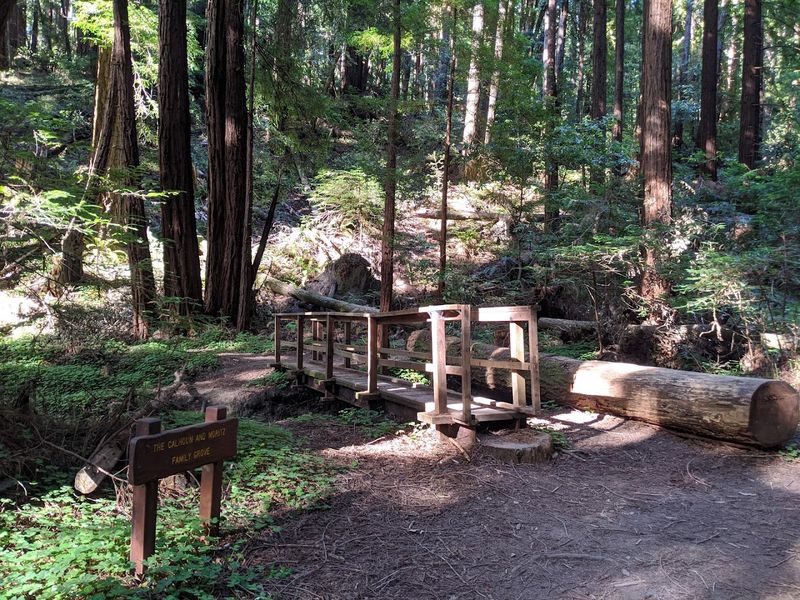
Butano State Park sits in a quiet redwood canyon in San Mateo County, and the Little Butano Creek Trail gives families an unhurried way to experience its lush, fern-lined interior.
The trail follows the creek for 1.5 miles one way through second-growth redwood forest, with the sound of running water accompanying almost the entire walk.
The canopy stays dense enough to keep the trail cool and shaded throughout most of the year.
Banana slugs, newts, and various woodland birds make appearances along this trail with enough regularity to keep curious young hikers engaged and moving.
The forest floor is carpeted with redwood sorrel and sword ferns, giving the whole corridor a vivid green color that feels almost otherworldly after a rainy winter.
The trail is not paved, so expect some roots and uneven ground, particularly closer to the creek crossings.
Butano State Park charges a day-use fee and is located off Cloverdale Road in Pescadero, a small coastal town about an hour south of San Francisco.
The park tends to stay quieter than more well-known redwood destinations, which means the trail rarely feels crowded even on weekends.
Pairing this hike with a stop at one of the nearby farm stands along Stage Road makes for a satisfying and grounded full-day outing in the area.
9. Congress Trail, Sequoia National Park
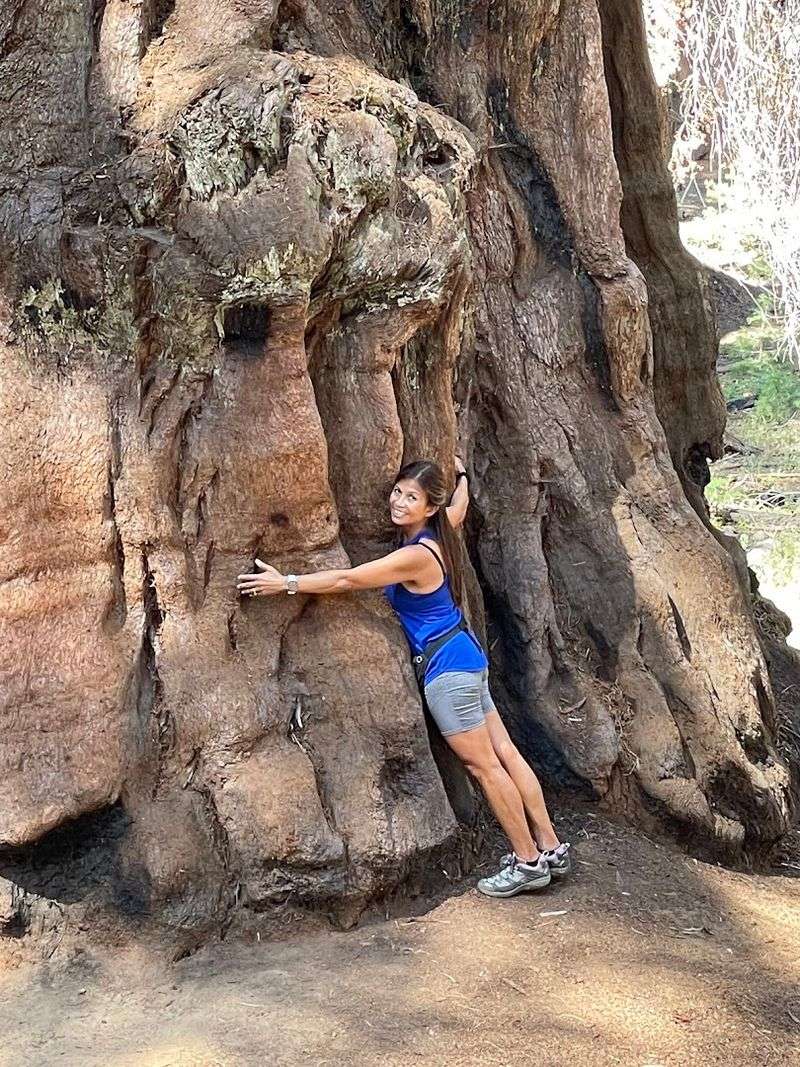
Starting right at the General Sherman Tree and looping through one of the densest concentrations of giant sequoias on the planet, the Congress Trail earns its place as one of the most rewarding 2-mile walks in California.
Named after the clusters of massive trees along the route, including groupings called the House and Senate, the trail feels like a slow walk through living history.
The sequoias here are not just big; they are staggeringly, almost incomprehensibly large up close.
The paved loop is relatively gentle with some modest elevation changes, and most families with kids in the 5-and-up range can complete it comfortably.
Benches are scattered along the route, giving everyone a chance to rest and soak in the surroundings at a relaxed pace.
The filtered light coming through the canopy creates a soft, cathedral-like atmosphere that stays with visitors long after the hike is done.
Because this trail begins at the General Sherman Tree, the same parking and permit considerations apply as for that shorter walk, and planning ahead during summer is essential.
Carrying water and snacks is always a good idea since there are no facilities along the loop itself.
Fall visits tend to bring fewer crowds and a pleasant crispness to the air that makes the forest feel especially serene.
10. Silverwood Lake Multi-Use Bike Trail, Silverwood Lake State Recreation Area
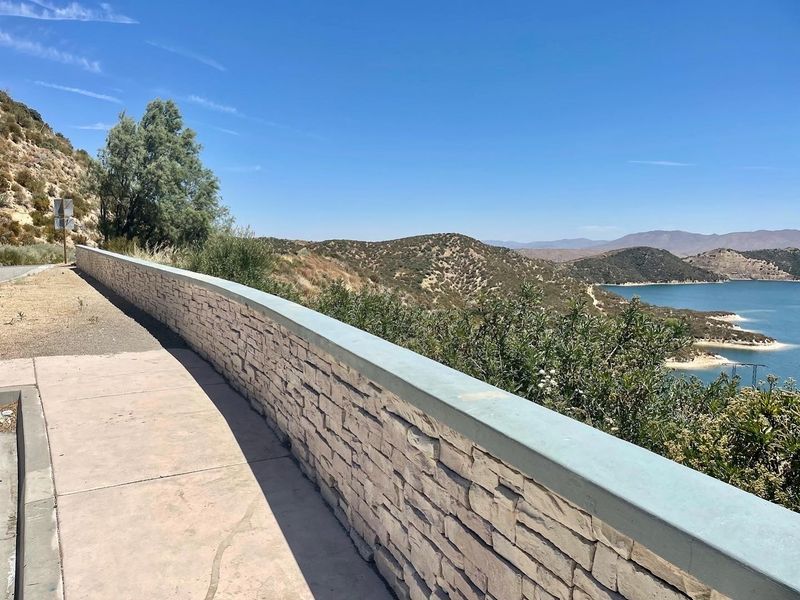
Not every great family outing involves dramatic elevation or ancient trees, and the Silverwood Lake Multi-Use Bike Trail is a reminder that sometimes flat, easy, and scenic is exactly what a family needs.
Located in the San Bernardino Mountains at about 3,350 feet elevation, Silverwood Lake State Recreation Area offers a calm and picturesque setting for a 1.5-mile walk along a paved path that hugs the shoreline.
The lake views are genuinely pretty, with the surrounding chaparral-covered hills reflecting across the water on calm days.
The trail is wide enough for bikes, strollers, and pedestrians to share comfortably, and the gentle grade makes it accessible for kids of nearly any age.
Benches and shaded rest areas appear along the route, and the proximity to the lake means a cool breeze tends to keep the temperature comfortable even in warmer months.
Watching boats glide across the water while walking adds a leisurely, almost resort-like quality to the experience.
The recreation area charges a day-use vehicle fee and is located off Highway 138 near Hesperia, roughly 90 minutes from Los Angeles.
Swimming beaches, picnic areas, and boat rentals are available within the park, making it easy to turn the trail walk into a longer full-day visit.
Weekdays are noticeably less busy than summer weekends, when the lake draws larger crowds from the surrounding inland communities.