10 Michigan Attractions That Make People Wonder Why They Didn’t Visit Sooner
Have you ever visited somewhere and immediately wondered why you waited so long?
Michigan has plenty of attractions that cause exactly that reaction.
Giant freighters squeeze through busy locks, vintage cars bring automotive history to life, and beautiful gardens offer a completely different kind of escape.
Shipwreck stories, music history, and starry planetarium shows change the mood all over again. That variety keeps every road trip feeling fresh!
You can spend one morning beside the water and end the day somewhere totally unexpected.
This state does not run out of surprises easily, which makes postponing that next weekend trip increasingly difficult.
1. The Henry Ford Museum Of American Innovation, Dearborn
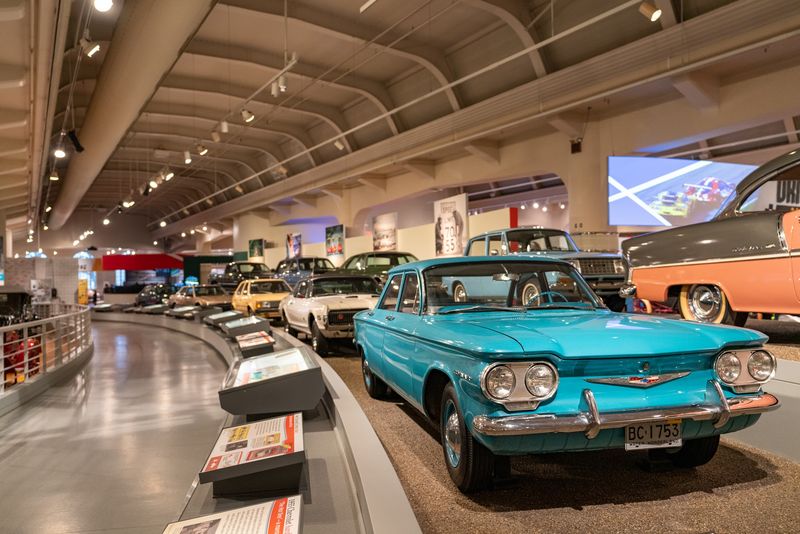
Can you imagine for a second holding history in your hands? Few buildings make you feel that close to the past.
The Henry Ford Museum of American Innovation in Dearborn brings transportation, manufacturing, design, and social history together across more than nine acres of exhibition space.
The wider Henry Ford campus covers 250 acres, while its archive holds about 26 million artifacts and records.
One of the most memorable stops is the Rosa Parks bus, which visitors can board inside the With Liberty and Justice for All gallery.
Nearby exhibits explore presidential transportation, changing ideas about mobility, household design, aviation, and the inventions that reshaped everyday life.
Driving America traces how automobiles changed work, travel, roadside culture, and personal freedom.
Other galleries move from early machines to modern racing, aircraft, furniture, and industrial production without making the museum feel like one long timeline.
A separate Ford Rouge Factory Tour adds a working manufacturing perspective at the Dearborn Truck Plant. That five-part experience combines theaters, exhibits, a plant walk, and views of current production.
The museum is at 20900 Oakwood Blvd in Dearborn. Give the main building several hours, especially if hands-on displays and transportation history are the main draw.
2. Motown Museum, Detroit
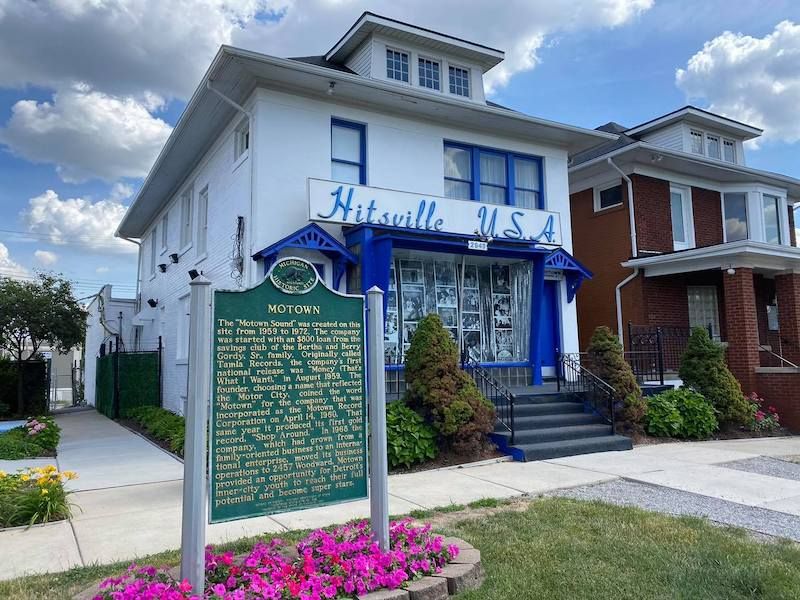
A sound that shook the world came from a simple home.
The original Motown Museum at Hitsville U.S.A. remains one of Detroit’s most important music landmarks. Guided tours are paused during a major expansion and are scheduled to return in spring 2027.
For a current music-history stop, the Detroit Historical Museum offers a strong alternative only a few miles away.
Its permanent Motor City Music gallery follows the city’s influence across gospel, Motown, rock, pop, hip-hop, techno, and other styles.
Instruments, records, performance clothing, posters, and interactive stations turn the story into more than a row of display cases.
Visitors can experiment with a digital mixing station, test music knowledge, and explore the venues and creative communities that helped Detroit develop such an influential sound.
Nearby galleries broaden the day with automotive history, recreated city streets, local culture, and changing exhibitions.
That makes the museum useful for travelers who want more than one subject under the same roof. The current building is open Wednesday through Sunday, with schedules varying around special events and holidays.
The Detroit Historical Museum is at 5401 Woodward Ave.
Anyone specifically planning for Hitsville U.S.A. should wait for the Motown Museum’s spring 2027 reopening, when its expanded campus is expected to restore access to the original Studio A experience and more exhibition space.
3. Frederik Meijer Gardens & Sculpture Park, Grand Rapids
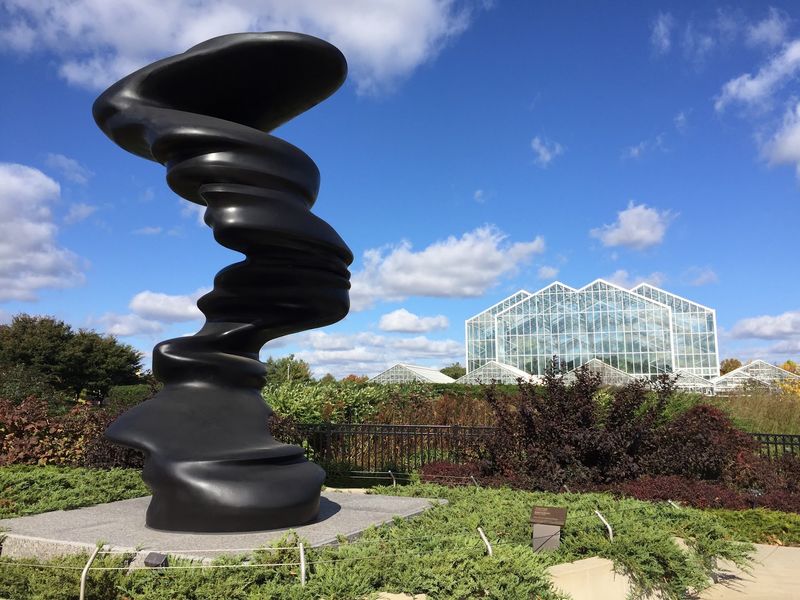
Have you given any thought to art that grows on you? Some gardens literally do that, one bloom at a time.
Frederik Meijer Gardens & Sculpture Park in Grand Rapids spreads across 158 acres where horticulture and large-scale sculpture share the same paths.
The permanent collection includes hundreds of works, while indoor galleries rotate additional exhibitions throughout the year.
The five-story tropical conservatory is Michigan’s largest, creating a warm indoor escape even when winter settles outside.
Nearby spaces shift quickly from arid plants and Victorian displays to carnivorous species, making the indoor route surprisingly varied.
Outside, the eight-acre Japanese Garden combines waterfalls, stonework, changing elevations, a traditional teahouse, and sculpture.
The Children’s Garden takes a more playful approach with hands-on features, a miniature Great Lakes water area, and newly refreshed activity spaces.
Seasonal timing changes the experience. Spring brings the nationally known butterfly exhibition, summer fills the amphitheater with concerts, and late fall moves into holiday displays and illuminated evening programming.
Guided tram tours help cover more ground when long walks are not ideal, though much of the fun comes from slowing down between gardens.
The entrance is at 1000 E Beltline Ave NE in Grand Rapids. A half day works well, but plant lovers and sculpture fans can easily stay longer, especially when seasonal exhibitions extend across the outdoor grounds.
4. Air Zoo Aerospace & Science Museum, Portage
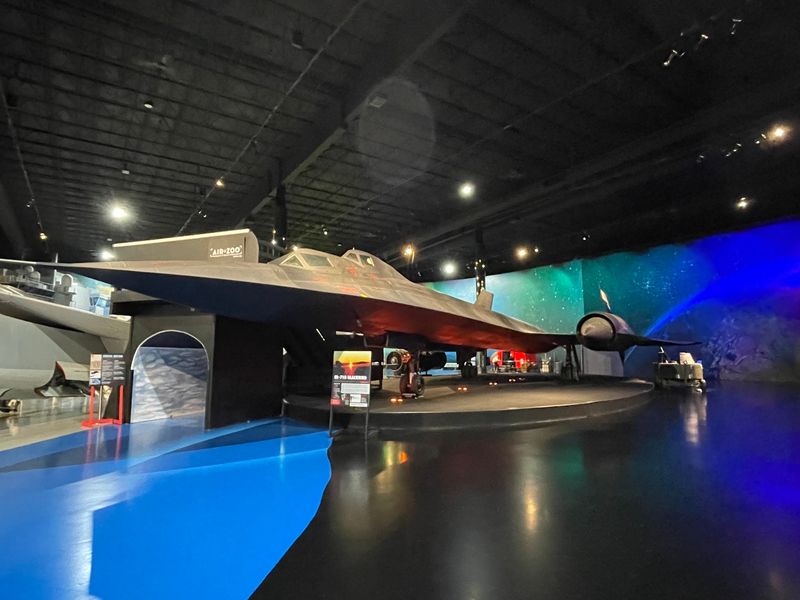
There is a spy plane in Portage. Yes, you read that correctly.
The Air Zoo Aerospace & Science Center combines more than 100 aircraft and spacecraft with interactive science exhibits, simulators, indoor rides, and a nationally recognized restoration program.
It is also a Smithsonian-affiliated museum, which gives the collection a broader connection to aviation history and research.
The SR-71B Blackbird is one of the immediate attention-grabbers. The unusual XP-55 Ascender adds another engineering surprise, while other aircraft trace changing approaches to speed, flight, testing, and design.
The attraction spreads across two buildings. The Flight Innovation Center holds many of the best-known aircraft, interactive areas, simulators, and family activities.
The nearby Flight Discovery Center adds restoration work and additional collection pieces, giving visitors a look at how historic machines are carefully returned to display condition.
Restoration is especially interesting because the work happens in view of the public rather than disappearing behind closed doors.
The museum also runs changing programs, science demonstrations, open-cockpit events, classes, and sensory-friendly sessions throughout the year.
Plan enough time to move between both buildings instead of treating the second facility as an afterthought.
The main entrance is at 6151 Portage Rd in Portage, while the Flight Discovery Center is on East Milham Road nearby. The variety makes this much more than a quick aircraft stop for families.
5. Gilmore Car Museum, Hickory Corners
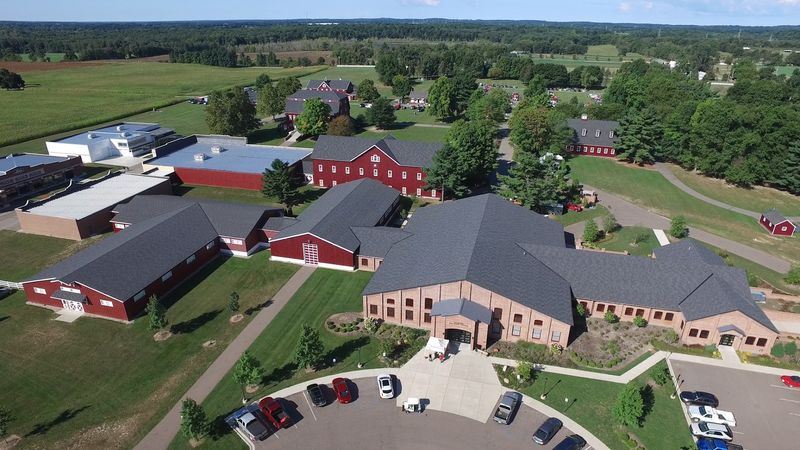
The Gilmore Car Museum in Hickory Corners is called North America’s largest auto museum. Its 90 landscaped acres hold more than 400 vehicles on display.
The historic campus mixes major galleries with vintage-looking streetscapes, restored commercial buildings, red barns, dealership displays, and an authentic 1941 diner.
Nearly 400 automobiles are shown from a collection of more than 500 vehicles, so the scale becomes obvious quickly.
Early transportation sits beside luxury classics, performance cars, trucks, motorcycles, and unusual designs from different eras.
A rare Tucker is part of the collection, while more than 100 vintage pedal cars add a smaller, playful counterpoint to the full-size machines.
Several partner museums occupy their own buildings around the grounds, creating distinct stops rather than one enormous warehouse.
Current expansion work is also extending the performance-car story into later decades, keeping the campus from feeling frozen in one period.
George & Sally’s Blue Moon Diner operates inside a restored 1941 Silk City diner during the main season. It gives visitors a convenient break without leaving the historic setting.
From May through September, vintage-car rides are offered on selected weekdays, weather permitting and subject to availability. The museum is at 6865 W Hickory Rd in Hickory Corners.
6. Great Lakes Shipwreck Museum, Paradise

It makes you wonder, doesn’t it, what rests under Lake Superior? The answers here are fascinating and humbling.
The Great Lakes Shipwreck Museum occupies historic Whitefish Point, a seasonal maritime site in Michigan’s eastern Upper Peninsula.
The campus combines museum galleries, lighthouse history, restored service buildings, shoreline access, and artifacts connected to navigation on the Great Lakes.
A major centerpiece is the original bronze bell recovered from the Edmund Fitzgerald.
The surrounding exhibit places it within a broader story of Lake Superior navigation, vessel technology, weather, communication, and underwater research without reducing the visit to a single famous ship.
Outside, the Whitefish Point Light has operated continuously since 1861 and is the oldest operating lighthouse on Lake Superior.
The restored surfboat house contains a full-size 26-foot replica rescue boat. A barrier-free boardwalk leads toward the Lake Superior shoreline while protecting the sensitive dunes and beach grasses.
The museum operates seasonally from May 1 through October 31, so timing matters. It is at 18335 N Whitefish Point Rd in Paradise.
Plan roughly one to two hours for the buildings, then leave extra time for the shoreline and lighthouse grounds before continuing through the eastern Upper Peninsula on a longer regional drive.
7. Soo Locks Visitor Center, Sault Ste. Marie

Let’s be real for a second, watching a giant ship rise is mesmerizing. You might lose track of time completely.
The Soo Locks Visitor Center in Sault Ste. Marie overlooks a major Great Lakes navigation system.
Freighters pass through chambers that raise or lower them between Lake Superior and the lower Great Lakes using gravity rather than pumps.
The observation platform gives visitors a clear view of vessels moving through the locks. Inside the center, interactive exhibits explain the engineering, shipping network, lock history, and role this corridor plays in moving materials across the region.
The MacArthur and Poe locks remain central to present-day traffic, while construction continues on the New Lock at the Soo.
That work can affect access around Canal Park, so current signs and visitor notices are worth checking before arrival.
Engineers Day takes place on the last Friday in June. In 2026, construction and updated security rules meant visitors could not cross the locks, even though the park, exhibits, and viewing areas remained part of the event.
The Visitor Center operates seasonally from May 1 through October 31. Boat schedules are posted when available, although exact passage times can shift.
The official address is 312 W Portage Ave in Sault Ste. Marie. Leaving extra time is smart because one passing freighter often turns into waiting for the next.
8. Michigan Maritime Museum, South Haven
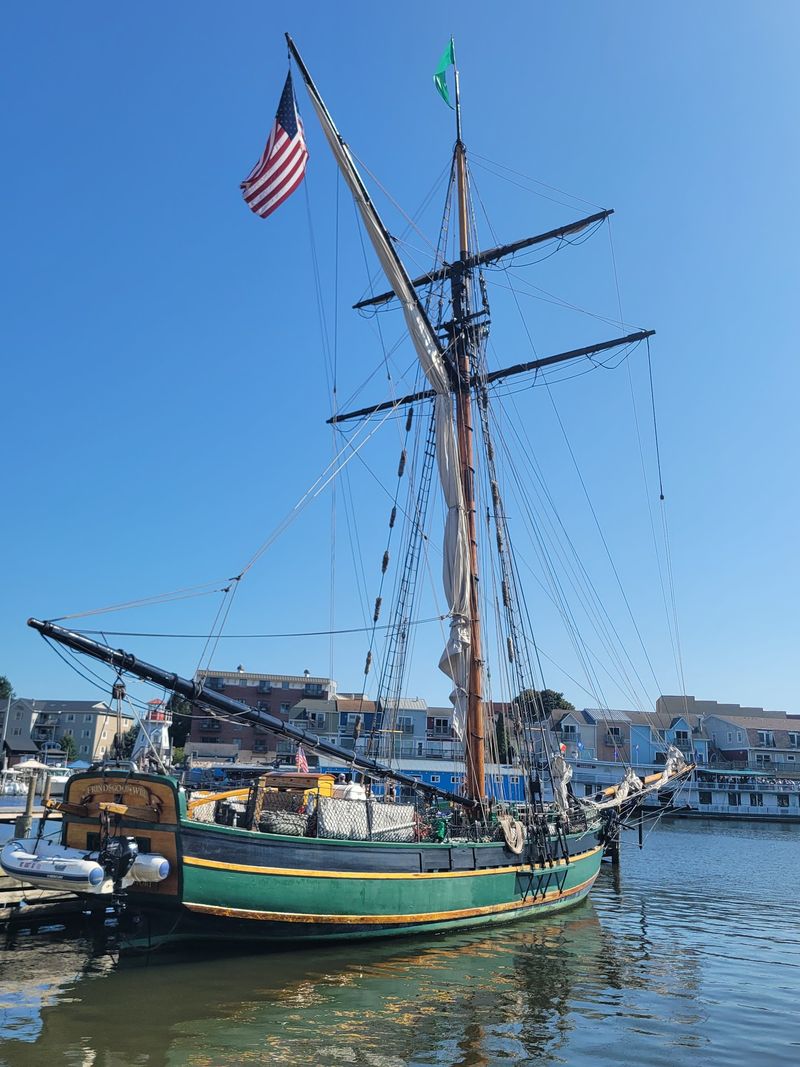
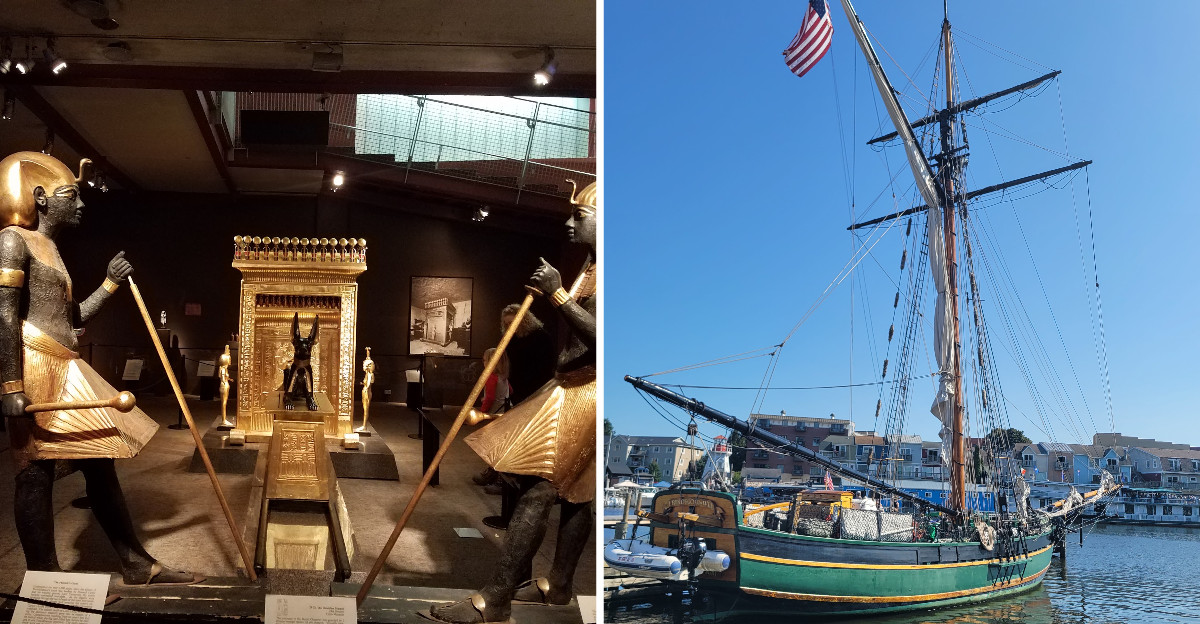
Are you seeing what I’m seeing, a tall ship ready to sail? Museums rarely let you leave the dock.
The maritime museum in South Haven combines five exhibit structures with an active waterfront fleet, giving the campus indoor galleries and seasonal experiences on the Black River and open water.
Its current Maritime Heritage Center adds a large exhibit on Great Lakes passenger travel.
Friends Good Will is a replica early nineteenth-century topsail sloop that offers scheduled sails during the warmer season.
The electric-powered Lindy Lou is a replica river launch, not an antique vessel, and takes passengers on slower Black River cruises when conditions allow.
On land, visitors can explore knot-tying displays, maritime trades, historic service buildings, changing exhibitions, and the Padnos Boat Shed, where traditional skills remain part of the educational program.
The research library occupies the historic keeper’s house and is available by appointment rather than functioning as an ordinary walk-in gallery.
Exhibitions also rotate, so older displays should not be assumed to remain permanently on view. Together, the galleries cover a broad sweep of Michigan maritime history.
The museum is at 260 Dyckman Ave in South Haven. Boat schedules are seasonal and weather-dependent, making advance planning useful.
9. Dennos Museum Center, Traverse City
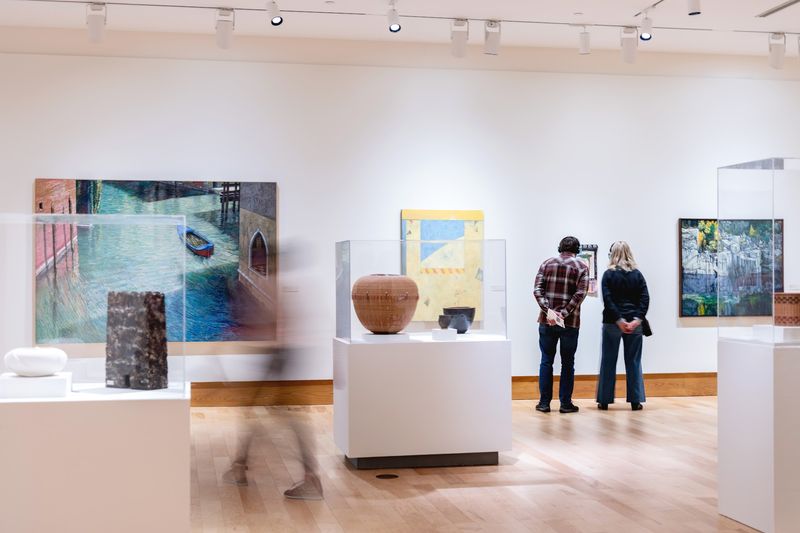
Great art often hides in surprising towns. Northern Michigan has a beautiful example.
The Dennos Museum in Traverse City sits on a college campus and now holds nearly 3,000 works of art.
Its signature strength is Inuit art, with about 2,000 prints and sculptures connected to communities across the Canadian Arctic, Greenland, and Alaska.
Dedicated galleries give that collection room to breathe, while other holdings cover painting, sculpture, prints, photography, regional work, and contemporary art.
The museum regularly rotates pieces from its permanent collection, so returning visitors do not always see the same installation.
Temporary exhibitions change several times each year. In fall 2026, the schedule includes contemporary Inuit drawing and animation, regional creative work, and exhibitions built around unusual materials and new approaches to sculpture.
The Discovery Gallery adds a hands-on element with creative supplies and activities.
Outdoor sculpture continues onto the college grounds, though the current collection is smaller than the 35-work figure sometimes repeated in older travel descriptions.
This is not an enormous museum, which works in its favor for a relaxed afternoon. Two hours is usually enough for a thoughtful visit without rushing.
The entrance is at 1701 E Front St in Traverse City, with GPS directions also using College Drive. Current public hours run Tuesday through Sunday, while Mondays and major holidays are closed.
10. Cranbrook Institute Of Science, Bloomfield Hills
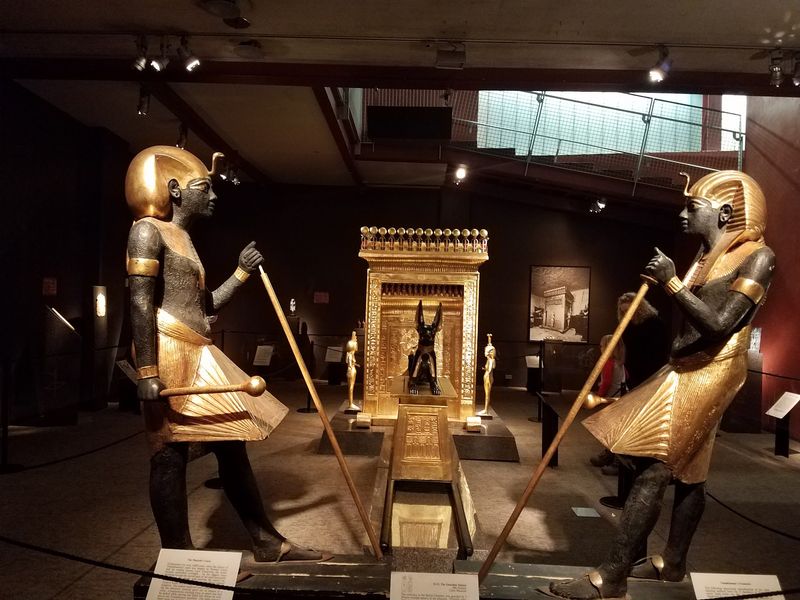
Dinosaurs and stars in one afternoon, that plan is easier than it sounds.
Cranbrook Institute of Science in Bloomfield Hills has welcomed visitors since 1930 and remains a major center for regional natural history and science.
Its collections hold nearly 200,000 objects, supporting permanent galleries, changing exhibitions, educational programs, and research.
Inside, visitors can stand beneath a large T. rex display, explore fossils and minerals, examine Great Lakes natural history, and move through hands-on science spaces.
The former Bat Zone is no longer a current attraction, so older guides that promise more than 100 live bats are outdated.
The Acheson Planetarium remains a major reason to visit, with rotating astronomy programs and immersive presentations.
The Cranbrook Observatory adds scheduled nighttime viewing and daytime solar sessions when weather allows, using a research-grade telescope alongside additional instruments.
Outside, the Erb Family Science Garden explores water in vapor, liquid, and solid forms among native plantings.
Nature trails extend the experience beyond the galleries, while the seasonal Nature Zone offers another interactive area on selected weekends.
Changing exhibitions keep the museum current. In late 2026, an interactive artificial-intelligence exhibition occupies the traveling gallery, replacing earlier temporary displays.
The Institute is at 39221 Woodward Ave in Bloomfield Hills.