9 Michigan Factory Tours That Are Incredibly Fun For Curious Day-Trippers In 2026
I’ll admit it, I’m a huge fan of origin stories like this.
In 1903, a railroad worker kept losing his hat, so his wife changed an old baseball cap to fix the problem. That cap is still handmade today, and visitors can watch the process on a free tour.
Michigan has more behind-the-scenes surprises.
Pickup trucks roll down an assembly line while visitors follow a path above it. Potters still shape pieces in a building they have used for more than 100 years.
Factory tours scratch a very specific itch for me. You see the machines, the hands, and the small steps we rarely think about.
A few stops even put chocolate nearby, which makes choosing where to start difficult.
1. Ford Rouge Factory Tour, Dearborn

Few day trips let you stroll above a working truck plant like it’s no big deal.
That’s the main attraction at Ford Rouge Factory Tour, where an elevated walkway overlooks the Dearborn Truck Plant’s final assembly area.
The visit unfolds in five parts, combining manufacturing history with a look at modern vehicle production.
The Legacy Theater introduces the company’s industrial story, while the Manufacturing Innovation Theater uses a multisensory presentation to explain how vehicles take shape. A gallery adds historic and contemporary displays.
The observation deck offers a different surprise: views of the factory’s extensive living roof, planted with vegetation.
From there, the suspended walkway brings visitors above the truck assembly floor, where individual stages of production can be observed from a safe distance.
The experience begins at The Henry Ford, 20900 Oakwood Boulevard in Dearborn, with transportation to the factory included in the tour arrangement. Standard visiting hours are Monday through Saturday, 9:30 a.m. to 5 p.m.
Seeing moving assembly lines is never guaranteed. The plant pauses for breaks and shift changes, and production generally stops on weekends and certain holidays. The walkway remains accessible even when the line is quiet.
Visitors interested in active assembly should favor a weekday morning and check the production calendar. There is still plenty to explore even when the assembly trucks are stationary.
2. Stormy Kromer, Ironwood
Blame a lost hat for one of the most famous caps in the Upper Peninsula.
In 1903, a railroad engineer needed headwear that would stay put in the wind, and his wife devised a cap with a distinctive pulldown earband.
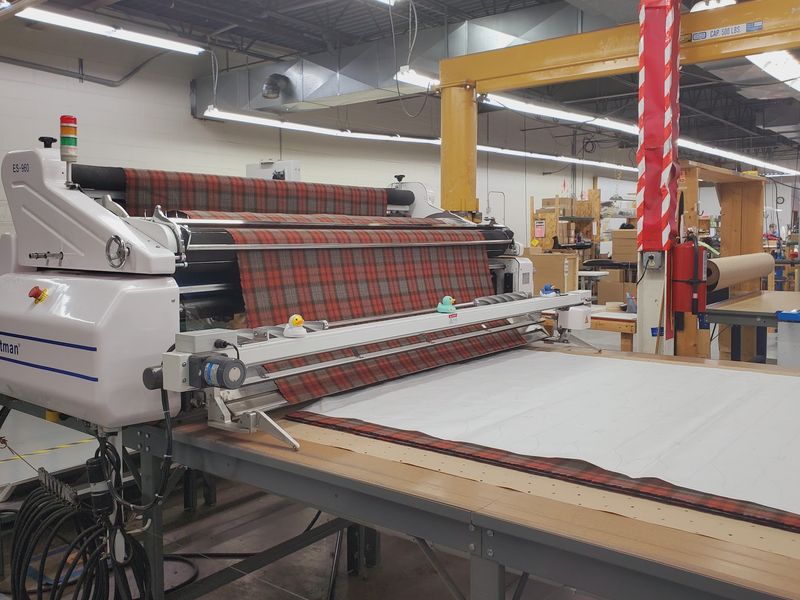
That design is still central to Stormy Kromer, whose products are made at Jacquart Fabric Products in Ironwood.
The company moved production to the city in 2001, and today the sewing facility turns out caps, outdoor clothing, and accessories.
A guided factory visit follows the steps behind the recognizable shape. Guests see employees working with fabric, sewing equipment, and the details that give the finished cap its fit.
The tour lasts approximately 45 to 60 minutes and concludes in the factory store. The free tour is offered by advance reservation at 10 a.m. Central time, Monday through Thursday.
Groups are limited to ten people, so reserving a place before traveling is essential. Production machinery can be loud, and the visit takes place inside an active workplace.
The factory stands at 1238 Wall Street, in the city’s industrial park. Its shop opens on weekdays and Saturday mornings, providing time to browse finished goods after a visit.
For a western Upper Peninsula road trip, this is a particularly tangible way to encounter regional craftsmanship. The landmark cap itself tells the story clearly.
3. Kilwins Ice Cream – Chocolate – Fudge, Petoskey
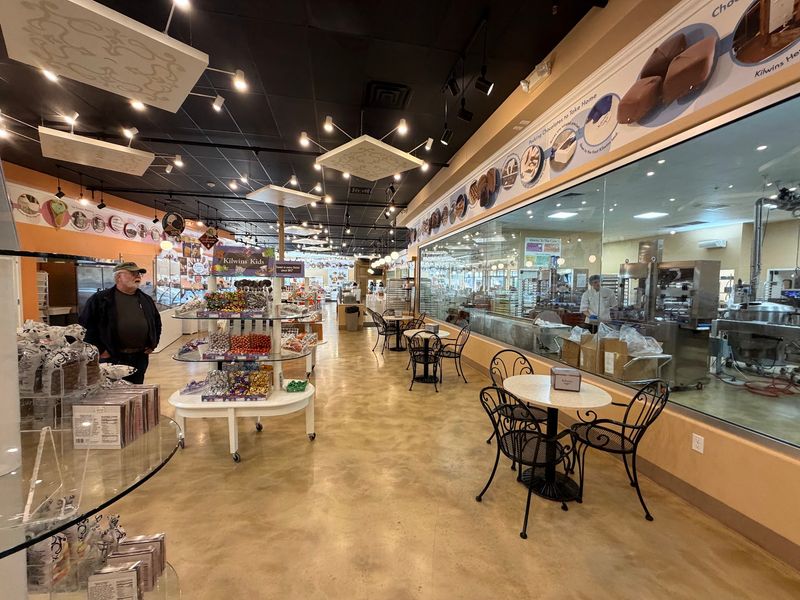
A chocolate kitchen where caramel bubbles in copper kettles and fudge cools on marble tables is a sweet place to begin a day trip.
Kilwins offers an unusually close look at the preparation behind its familiar confections.
The company’s Petoskey roots stretch back to 1947, and its Bay View Road location combines a working production kitchen with a retail shop.
Visitors can observe candy makers preparing treats, from caramel and fudge to other chocolate specialties, depending on that day’s production schedule.
The best opportunity is the complimentary Chocolate Kitchen tour, scheduled at 1:30 p.m. Monday through Thursday.
Guides explain the company’s history and the techniques used in its confections. Larger groups should make arrangements beforehand rather than assume space is available.
Fudge offers an especially interesting demonstration. The warm mixture is spread onto marble and worked with paddles as it cools, a traditional technique that helps develop its texture.
Caramel making provides a different scene, with carefully managed heat and constant attention to consistency.
The kitchen and shop occupy 1050 Bay View Road, overlooking Little Traverse Bay. Store hours generally run from 10 a.m. to 8 p.m. daily, although individual dates can vary.
Beyond the production area, visitors can browse chocolates, caramel apples, and ice cream. It makes a distinctly Michigan pairing of local confectionery craftsmanship and beautiful lakeshore scenery.
4. Sanders Chocolate & Ice Cream Shoppe, Clinton Township
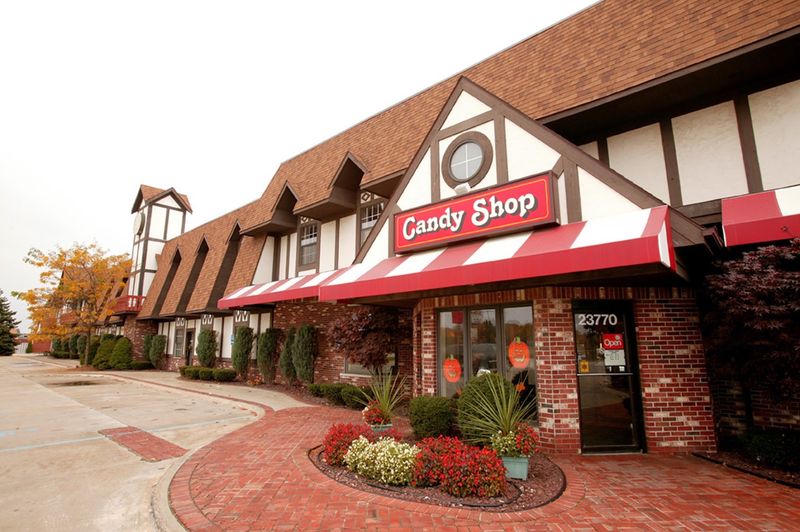
This Clinton Township shop lets you see the chocolate side of a famous Detroit confectionery name.
Sanders has been associated with sweet treats since 1875, and the adjacent manufacturing facility gives that history a working setting.
The factory viewing area looks into candy production through observation windows.
Depending on the day’s schedule, visitors may see equipment and employees involved in making chocolate products. It is an especially interesting contrast with the finished chocolate assortments displayed in the shop nearby.
A historical presentation and an observation corridor have traditionally formed part of the factory experience.
Self-guided viewing is available, while organized group arrangements should be confirmed before traveling. Factory activity varies throughout the workday, so an operating production line cannot be promised at every visit.
The business operates at 23770 Hall Road in Clinton Township. The attached Sanders Chocolate and Ice Cream Shoppe sells chocolate assortments, candy, sundaes, and its familiar hot fudge topping.
Retail hours are generally 9 a.m. to 9 p.m. Monday through Saturday, with Sunday opening later.
Chocolate making turns a familiar packaged treat into a sequence of carefully timed steps. Watching the preparation area can make the difference between a mold, a coating, and a finished piece easier to understand.
The combination of history and production makes this a manageable stop during a day exploring metropolitan Detroit.
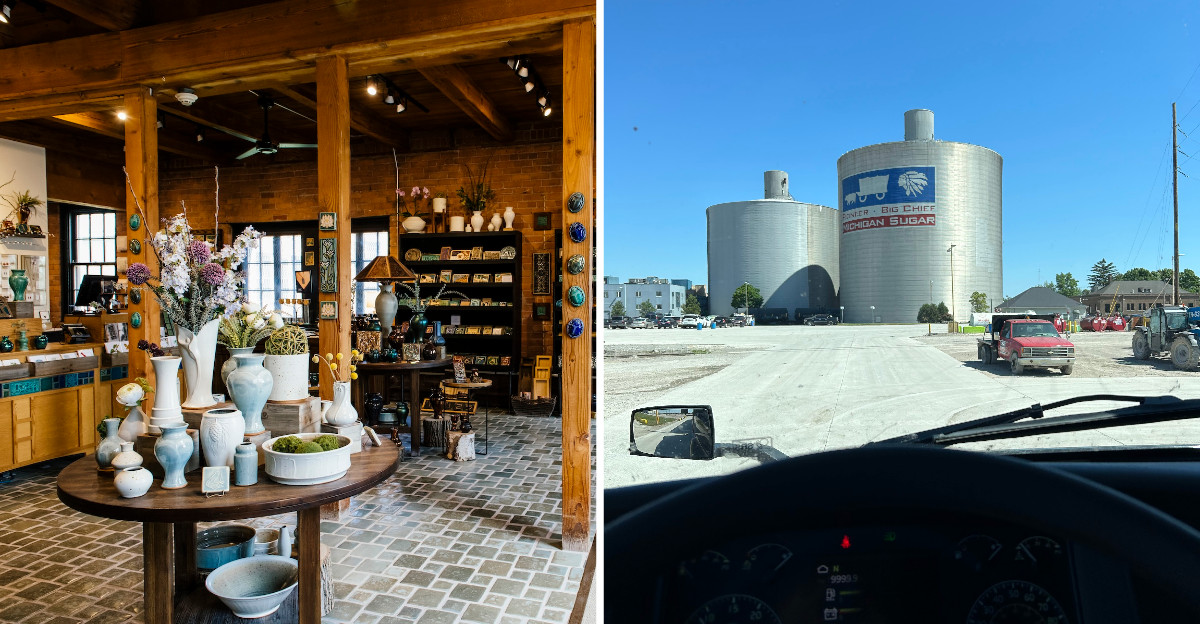
5. Motawi Tileworks, Ann Arbor
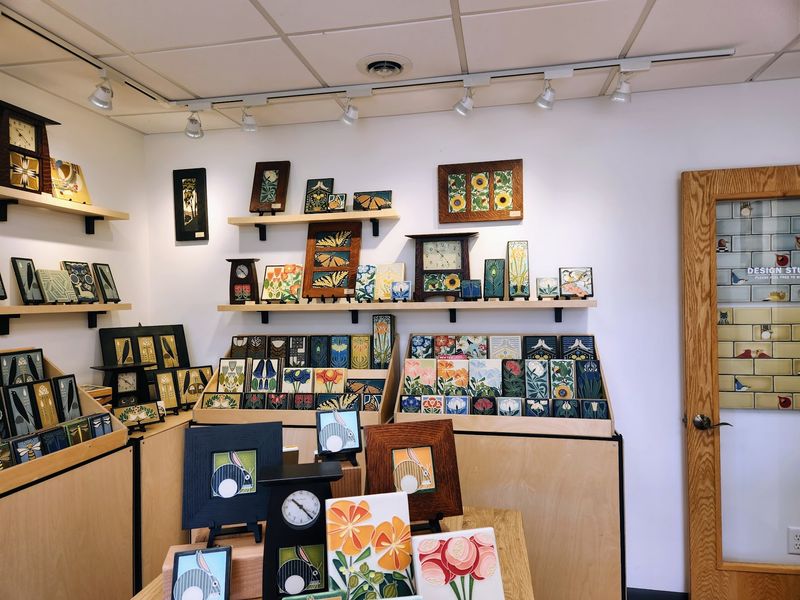
Tiles might sound like a snooze until you see how much art goes into one. Motawi Tileworks creates colorful ceramic pieces using carefully planned designs, hand-applied glazes, and kiln firing.
The Ann Arbor studio specializes in decorative art tiles, with motifs inspired by landscapes, birds, flowers, and Arts and Crafts design.
A tour follows production from clay preparation and shaping to glazing and the final firing process. Each stage changes how a tile looks and feels, making the finished artwork more impressive.
The most detailed public option is the scheduled Friday factory tour, generally beginning at 11 a.m. and lasting about 60 to 90 minutes.
Advance booking is recommended because groups are small. The studio also lists shorter public tour opportunities on certain weekdays, so confirm the chosen format and date before arriving.
Visitors meet at the gallery entrance at 170 Enterprise Drive. The tour involves standing and walking through working areas, which can become warm when kilns are operating.
The gallery normally opens Tuesday through Saturday, from 10 a.m. to 5 p.m.
After seeing the process, the showroom offers an opportunity to compare finished designs and notice the precision of the colored outlines. Different glaze combinations can give similar patterns completely different moods.
It is an absorbing factory visit for anyone interested in ceramics, design, or the craftsmanship behind architectural details.
6. Michigan Sugar Company, Bay City
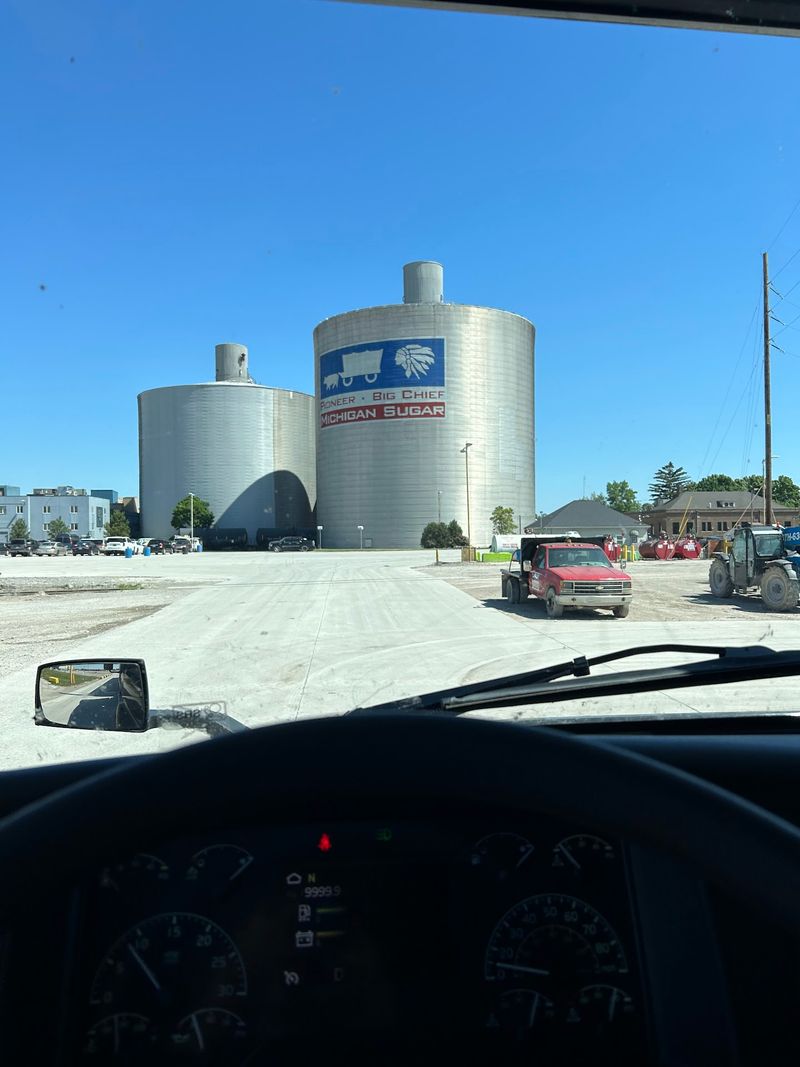
Ever wondered how a muddy field crop becomes the white crystals in a kitchen sugar bowl? The Bay City factory offers a close look at a process most people encounter only through the finished package.
Michigan Sugar Company operates a sugarbeet processing facility built in 1901. Today it is part of a grower-owned cooperative that handles sugarbeets from farms across the region.
During the seasonal slicing campaign, guided tours show how an agricultural harvest moves through a large industrial operation.
The process begins with beets being washed and cut into thin strips. Sugar is then extracted and refined through a series of production stages before the finished product is prepared for distribution.
The scale of the equipment makes the contrast between a single beet and an industrial harvest especially striking.
Tours last approximately one hour and are limited to ten adults. Participants must be at least eighteen, and the route involves stairs and roughly a mile of walking.
Closed-toe, sturdy shoes and suitable clothing are required. Dates depend on seasonal factory operations, so advance registration is necessary.
The plant entrance is at 2600 South Euclid Avenue in Bay City, separate from the company’s downtown corporate office. Visiting is by scheduled tour rather than ordinary drop-in access.
For curious travelers, this is a rare look at a familiar pantry ingredient being made on an industrial scale.
7. Gilbert Chocolates, Jackson
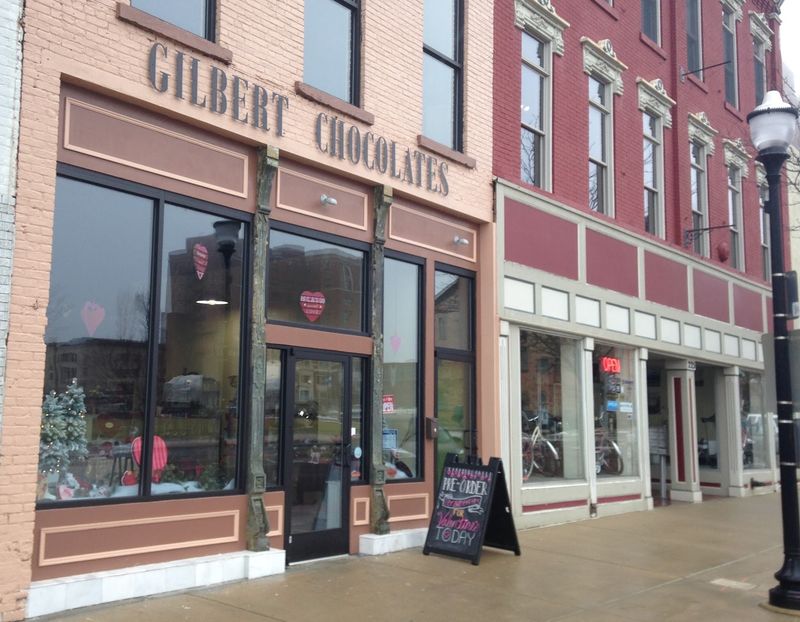
Chocolate making feels much less mysterious when you can stand near the kitchen and see each step.
Gilbert Chocolates invites small groups to discover how its handmade confections come together in Jackson.
The business traces its roots to the late nineteenth century and continues producing chocolates using both established recipes and contemporary flavor combinations.
The downtown factory and retail store share a home, so visitors can explore the production story and then browse finished treats.
Complimentary guided tours are scheduled for Tuesdays at 10 a.m. and must be booked in advance.
Groups are limited to thirty participants, and tours are paused between Thanksgiving and Valentine’s Day. That seasonal restriction makes the calendar especially important for anyone planning a winter trip.
The presentation includes chocolate-making information, company history, and a chance to observe confectioners at work.
Tasks vary with the day, but the work offers a useful introduction to the precision behind molded pieces, fillings, and carefully finished chocolates.
The factory welcomes booked groups at 233 North Jackson Street in downtown Jackson. Its retail store operates Monday through Saturday, with Sunday generally reserved as a closing day.
After the tour, the shop’s selection includes truffles, assorted chocolates, handmade fudge, and seasonal gifts. Seeing the preparation beforehand adds a little context to those colorful displays.
This compact experience makes a pleasant addition to a downtown outing without requiring an entire day.
8. Pewabic Pottery, Detroit
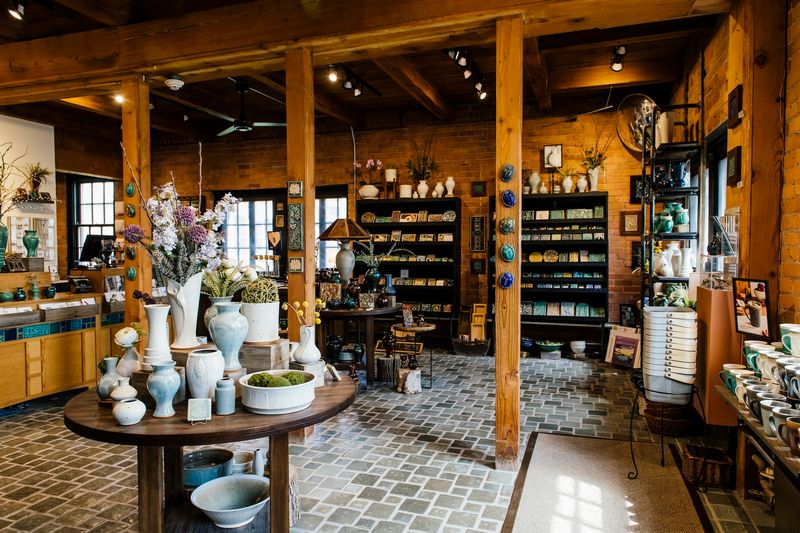
Over 100 years in one building, and the kilns are still busy. Pewabic Pottery occupies a distinctive Tudor-style structure completed in 1907, where Detroit ceramic craftsmanship continues today.
The nonprofit pottery produces decorative and architectural tiles using methods that combine historic traditions with modern fabrication.
Its museum collection explores the organization’s past, while the store presents finished tilework and pieces by other ceramic artists.
Friday is particularly useful for visitors interested in production. Between 10 a.m. and 4 p.m., a self-guided route allows guests to see the fabrication studio and learn about the tile-making process.
Guided tours are also scheduled on selected Saturdays and additional dates; those require advance registration.
The museum and store at 10125 East Jefferson Avenue are open Tuesday through Sunday, with Monday as the regular closing day.
General admission to the museum and store is complimentary, though workshops and guided activities have separate registration arrangements.
During a visit, look for how surfaces, glazes, and patterns interact.
A tile may begin as an unassuming piece of clay before becoming a brightly colored architectural detail. Workshops provide an additional opportunity to try a glazing technique under instruction.
Pewabic’s work also appears in historic buildings around Michigan, making this studio a starting point for recognizing its craftsmanship elsewhere. Its colorful glazed tiles are especially recognizable in detailed architectural installations.
9. Glass Academy, Dearborn
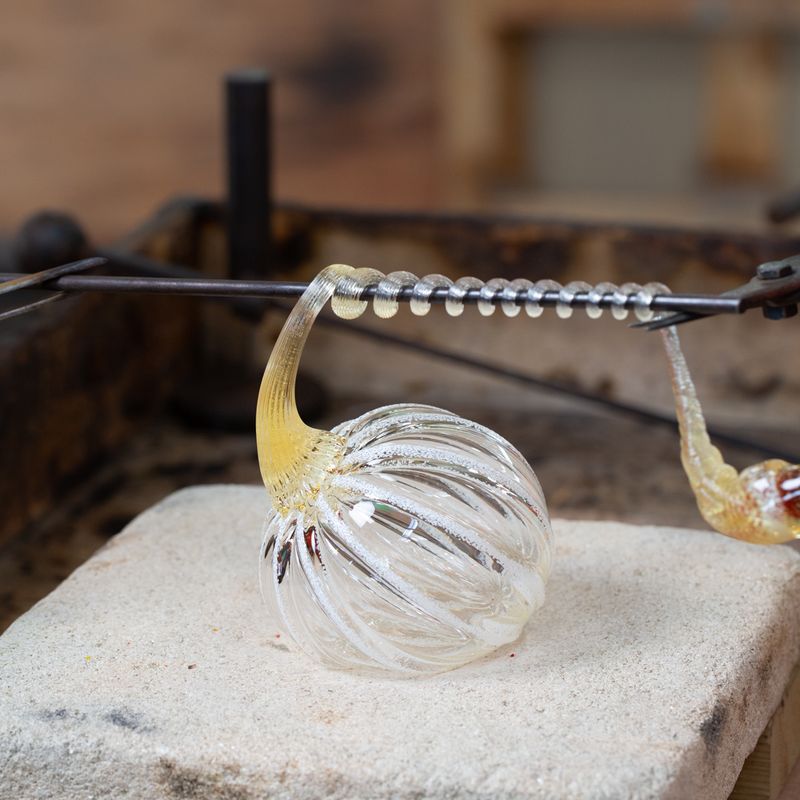
Molten glass changes shape so quickly that a few minutes at the furnace can feel like an entire performance.
Glass Academy offers a close look at artists shaping glowing material into decorative objects and practical pieces.
The Dearborn studio creates handmade glasswork in an active hot shop, where skilled craftspeople gather molten glass, rotate it on long pipes, and use tools to refine each form.
The process depends on timing and cooperation, since the material gradually cools as the object takes shape.
Thursday evenings provide the most straightforward opportunity for spectators. The studio opens from 4 to 8 p.m., with live demonstrations generally beginning around 5 p.m. and continuing until shortly before closing.
Admission to observe is complimentary, while reserved guest experiences and guided studio tours are offered separately.
The address is 25331 Trowbridge Street in Dearborn. Friday gallery hours and weekend opening provide other opportunities to browse finished glass, while workshop sessions follow their own booking calendar.
Demonstrations depend on the event schedule rather than taking place continuously throughout every retail hour.
Seasonal decorations, garden pieces, and glass accessories show how varied the finished work can be. A class may also offer a supervised opportunity to participate in an introductory project.
The combination of heat, movement, and craftsmanship makes this a memorable final stop for anyone curious about how everyday materials become art.