16 Minnesota Collectibles That Are Rapidly Increasing In Value
Minnesota has a rich history of craftsmanship, farming, and homesteading that left behind treasures now worth serious money.
Collectors across the country are hunting for authentic pieces that tell the story of the Upper Midwest.
From sturdy farmhouse furniture to handwoven textiles, these items are climbing in value as people seek genuine connections to the past.
If you have any of these collectibles tucked away in your attic or barn, you might be sitting on a small fortune.
1. Stoneware Crock

Pottery from the past holds secrets in every curve and glaze.
Stoneware crocks were essential in Minnesota kitchens for storing pickles, butter, and preserves.
The distinctive blue decorations often featured birds, flowers, or simple geometric patterns that reflected the maker’s personal touch.
These crocks were built to last, with thick walls and a glossy finish created by throwing salt into the kiln during firing.
Today, collectors prize them for their folk art appeal and historical significance.
Crocks with clear maker’s marks from Minnesota potteries can fetch hundreds or even thousands of dollars at auction. The rarity of intact pieces with vivid cobalt designs drives their value higher each year.
Condition matters immensely, so chips or cracks can reduce worth significantly.
Many families discover these treasures in basements, unaware of their growing market appeal.
2. Early 20th-Century Farmhouse Pine Table
Imagine the meals shared around a table that has stood for over a century.
Early 20th-century farmhouse pine tables were the heart of Minnesota homes, where families gathered for breakfast, dinner, and everything in between.
Crafted from solid pine with simple joinery, these tables were built by local carpenters or homesteaders themselves.
The wood often shows beautiful patina and wear marks that tell stories of daily use.
Collectors now seek these tables for their authenticity and sturdy construction.
Unlike mass-produced furniture, each table has unique characteristics and proportions.
Original finishes and untouched surfaces command premium prices in today’s market.
Refinished or altered pieces lose significant value, so preservation is key.
The farmhouse aesthetic has surged in popularity, making these tables highly desirable for both collectors and interior designers seeking genuine vintage charm.
3. Vintage Wooden Butter Churn

Before electric mixers, families relied on elbow grease and simple tools.
Vintage wooden butter churns were indispensable on Minnesota dairy farms, where fresh cream became golden butter through repetitive motion.
These churns came in various styles, including dasher churns with vertical handles and barrel churns that rocked back and forth.
The wood was usually oak or pine, chosen for its ability to withstand moisture without warping.
Today, these churns are prized as decorative pieces and symbols of agricultural heritage.
Collectors seek examples with original hardware, intact wood, and minimal repairs.
The patina from years of use adds character and authenticity that cannot be replicated.
Some churns bear maker’s marks or farm names, which significantly boost their value.
As farmhouse decor trends continue, demand for authentic butter churns keeps rising steadily.
4. Rustic Cast-Iron Cookware (Minnesota Made)
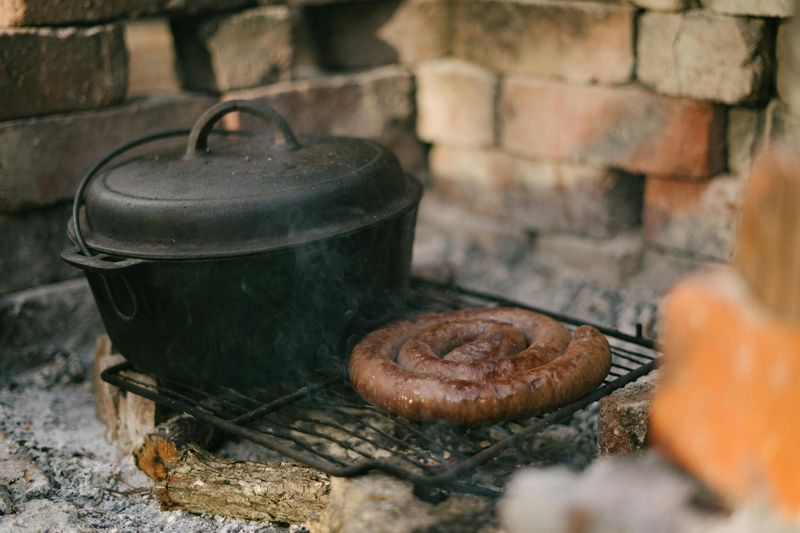
Heavy, dark, and nearly indestructible, cast iron tells cooking stories.
Rustic cast-iron cookware made in Minnesota foundries represents both functional art and industrial heritage.
Skillets, Dutch ovens, and griddles were made locally and distributed throughout the region.
Many pieces bear foundry marks that help collectors identify their origin and approximate age.
The seasoning built up over decades of use creates a naturally nonstick surface prized by modern cooks.
Collectors hunt for Minnesota-made pieces because of their scarcity and regional significance.
Condition is crucial, as rust or cracked iron reduces value dramatically.
Original pieces with clear maker’s marks can command impressive prices at antique shows.
The resurgence of cast-iron cooking has introduced new generations to these timeless tools.
As people rediscover their cooking benefits, vintage Minnesota-made cookware continues to appreciate steadily.
5. Handwoven Wool Area Rug, Regional Loom
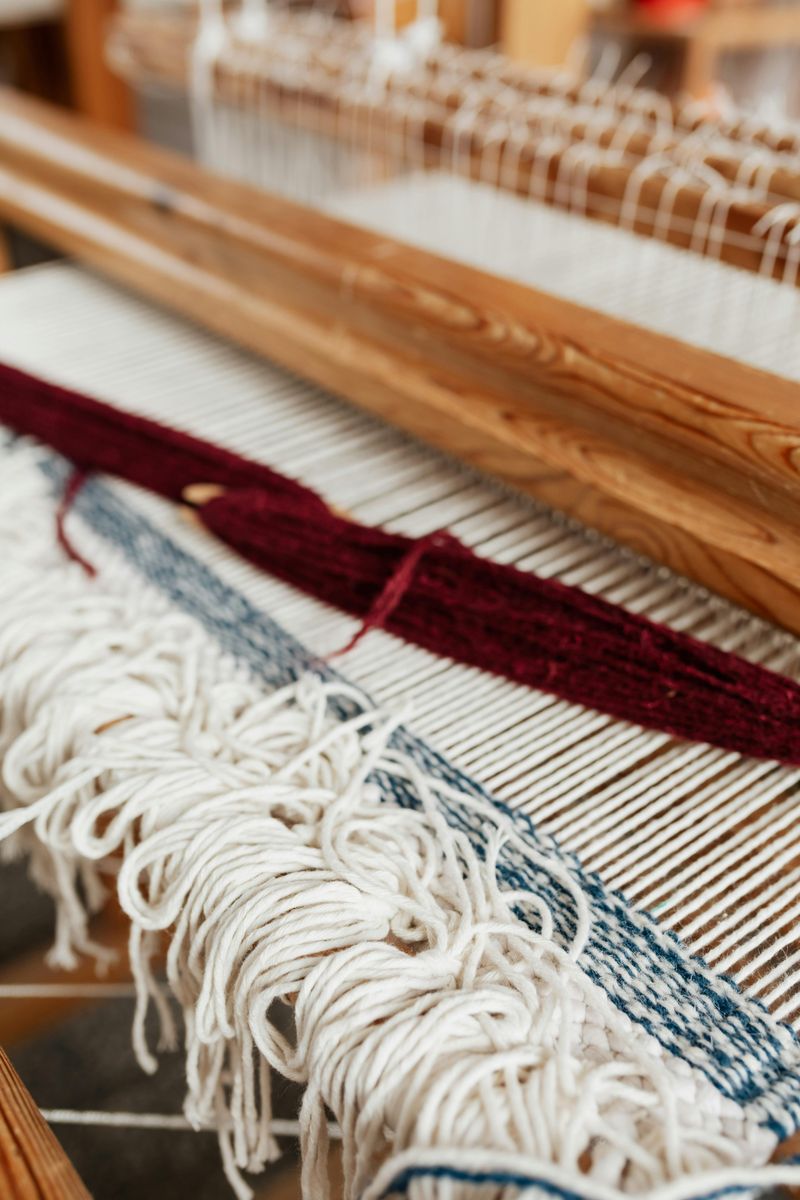
Threads woven by hand carry the spirit of their makers.
Handwoven wool area rugs from regional Minnesota looms showcase the textile traditions brought by Scandinavian and European immigrants.
These rugs often feature geometric patterns, stripes, or traditional motifs passed down through generations.
The wool was typically sourced locally, sheared from farm sheep, then spun and dyed by hand.
Each rug required countless hours at the loom, making them true labor-intensive works of art.
Today, collectors value these rugs for their craftsmanship and connection to Minnesota’s immigrant heritage.
Original dyes and intact weaving increase desirability significantly.
Rugs with documented provenance or maker information fetch higher prices at auction.
Condition matters, but even worn examples with strong patterns remain collectible.
As interest in handmade textiles grows, these rugs are becoming increasingly valuable investments.
6. Antique Wicker Storage Basket (Country Style)
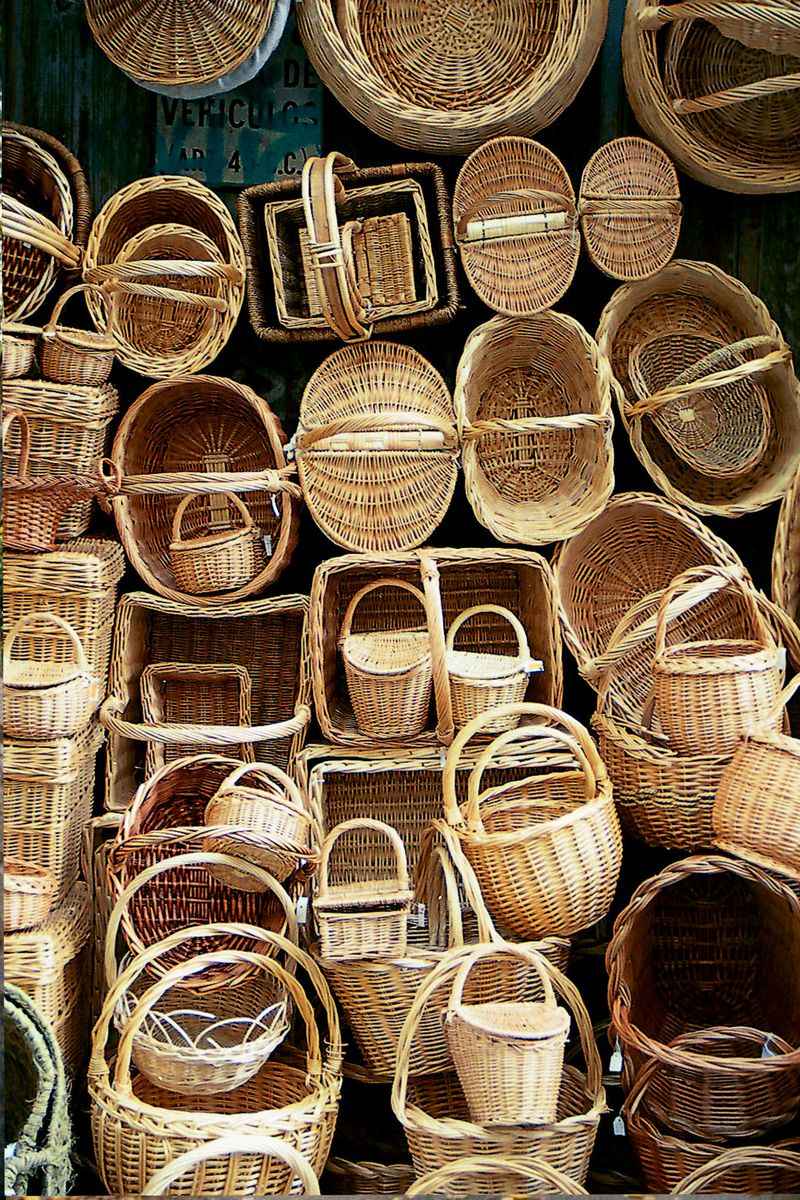
Woven reeds and willow branches formed containers for everyday life.
Antique wicker storage baskets in country style were common in Minnesota homes for gathering eggs, storing produce, or carrying laundry.
Craftspeople wove these baskets using willow, reed, or other flexible plant materials harvested locally.
The construction techniques varied by region and individual maker, creating distinctive styles.
Many baskets feature sturdy handles and reinforced bottoms designed for heavy use.
Collectors now seek these baskets for their rustic charm and practical beauty.
Original patina and intact weaving are essential for maximum value.
Baskets with unusual shapes or exceptional craftsmanship stand out in the market.
Some examples show repairs made by their original owners, adding historical interest.
The farmhouse decor movement has driven demand higher, making quality wicker baskets increasingly scarce and valuable.
7. Early Rustic Wooden Crate Or Storage Box
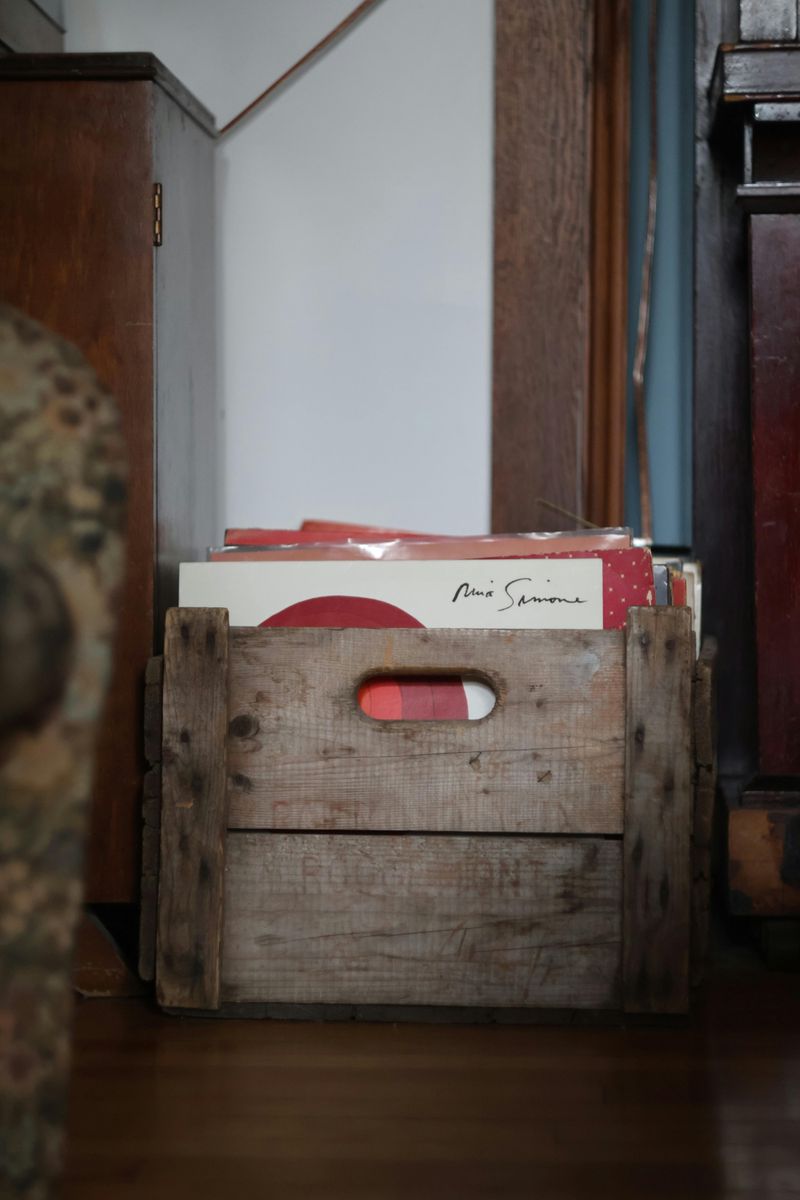
Simple boxes held the harvest, the tools, the treasures of daily work.
Early rustic wooden crates and storage boxes were essential on Minnesota farms and in small businesses for transporting and storing goods.
These boxes were often constructed from pine or other readily available woods, with simple nailed or dovetailed corners.
Many bear stenciled labels, farm names, or product advertisements that add historical context.
The wood shows natural aging, with grain patterns and wear marks that reveal decades of use.
Today, these crates are highly collectible as both storage solutions and decorative pieces.
Boxes with original graphics or advertising fetch premium prices among collectors.
Condition varies widely, but even weathered examples with character remain desirable.
The industrial farmhouse aesthetic has made these crates trendy, driving up demand and value.
Their versatility and authentic history make them smart investments for collectors.
8. Original Farmhouse Pine Bench

Benches lined porches and entryways, welcoming weary workers home.
Original farmhouse pine benches from Minnesota homes served multiple purposes, from seating during meals to resting spots for removing muddy boots.
These benches were typically crafted with straightforward joinery and minimal decoration, reflecting their practical origins.
The pine wood develops a rich patina over time, with natural wear patterns that enhance their character.
Some benches feature bootjack ends or storage compartments underneath, adding functional appeal.
The market for authentic farmhouse benches has grown substantially in recent years.
Collectors value them for their simplicity and connection to rural life.
Benches with original paint or unusual construction details command premium prices.
Condition is important, but honest wear is often preferred over heavy restoration.
As more people embrace farmhouse style in their homes, these benches are becoming increasingly scarce and valuable.
9. Classic Country-Style Wood Cabinet Or Hutch
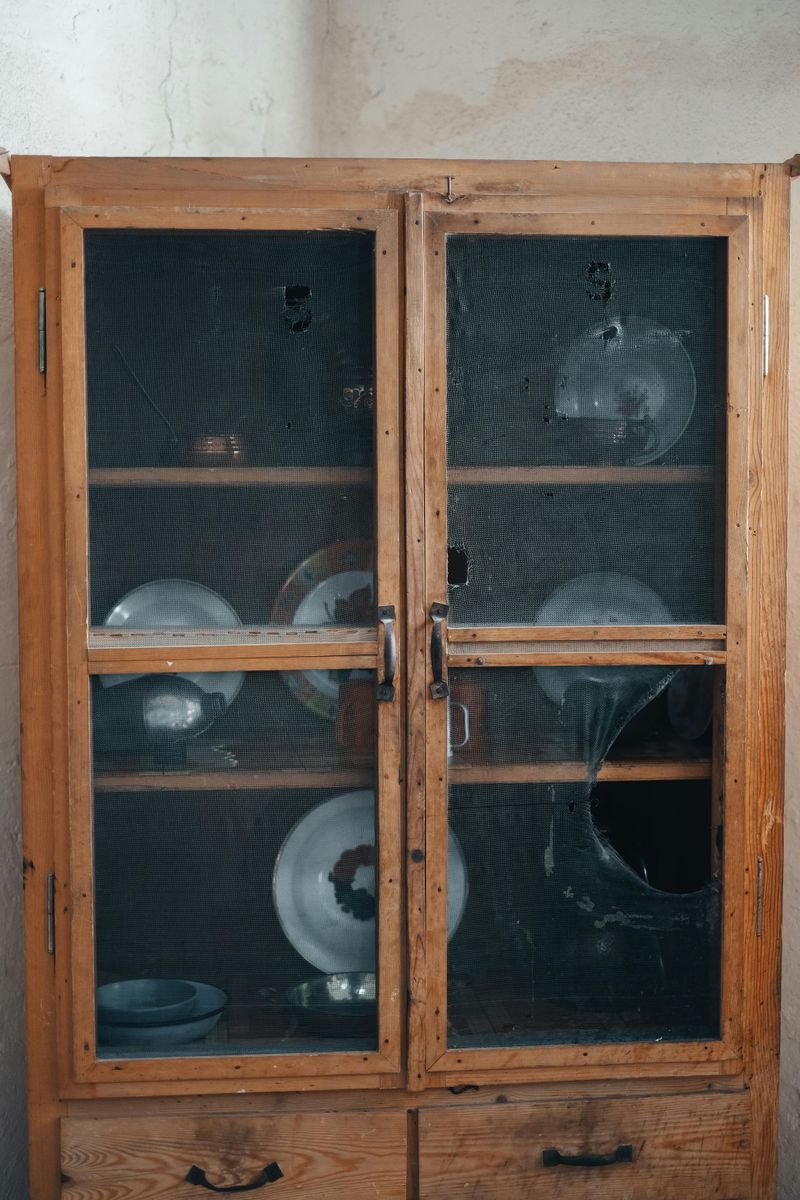
Cupboards held dishes, preserves, and the essentials of household life.
Classic country-style wood cabinets and hutches were central to Minnesota farmhouse kitchens, providing both storage and display space.
These pieces often feature open shelving above closed cabinet doors below, with simple hardware and straightforward construction.
Many were painted in traditional colors like cream, blue, or green, though some retain natural wood finishes.
The craftsmanship varies from professionally made to lovingly homemade, each with a unique appeal.
Today, these cabinets are highly sought after for their storage capacity and vintage charm.
Original paint and hardware significantly increase value among collectors.
Pieces with unusual proportions or regional construction techniques stand out in the market.
Condition matters, but authentic wear and patina are often preferred over refinishing.
The demand for functional vintage furniture keeps prices rising as supply diminishes steadily.
10. Antique Oak Dining Chair (Midwest Craft)
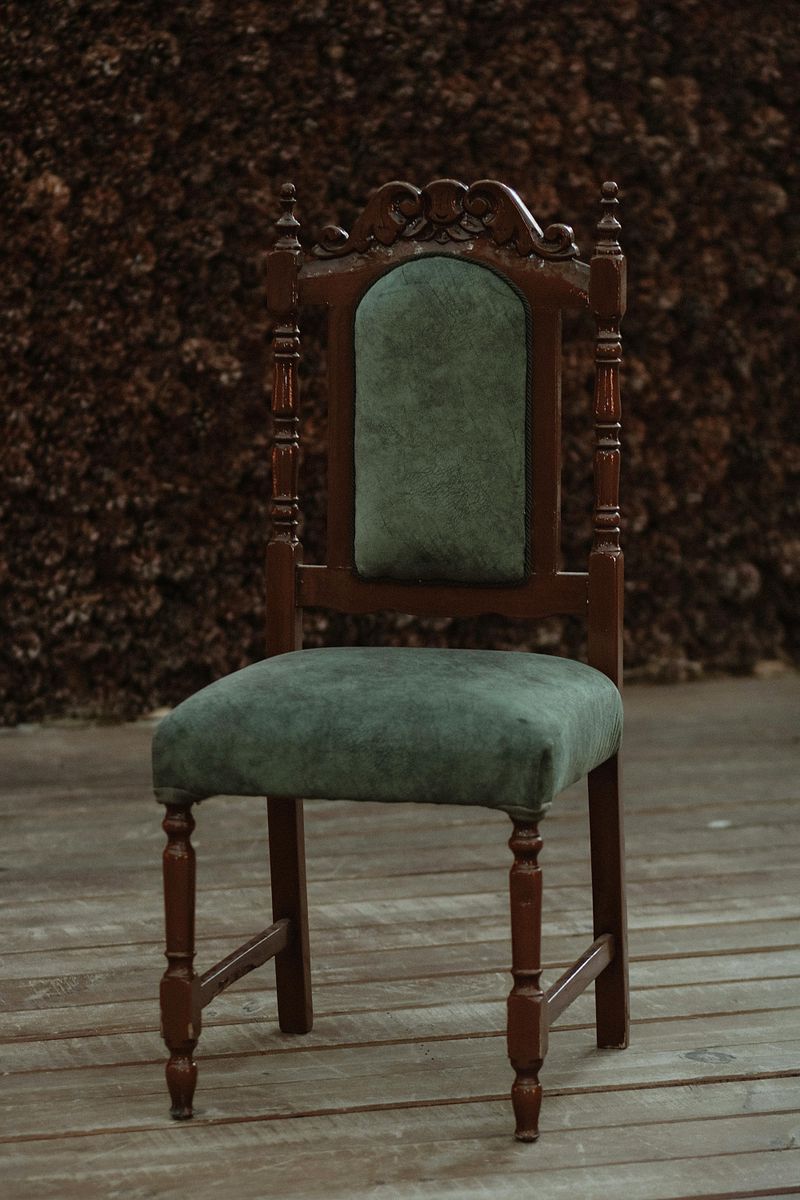
Chairs can whisper tales of the hands that shaped them.
Antique oak dining chairs from Minnesota craftsmen showcase the quality and attention to detail common in Midwest furniture making.
These chairs often feature spindle backs, carved details, or pressed designs that reflect regional styles.
Oak was the wood of choice for its strength and beautiful grain patterns.
Many chairs were made in small workshops or by individual artisans who took pride in their work.
The current market favors matched sets, but even single chairs with exceptional craftsmanship are climbing in value.
Original finish and intact joinery are critical factors in determining worth.
Collectors appreciate the heft and durability that modern chairs often lack.
As interest in American folk furniture grows, these chairs are becoming harder to find.
Their value increases steadily as more people recognize the artistry behind each piece.
11. Early 1900s Wrought-Iron Wall Hooks Or Hardware
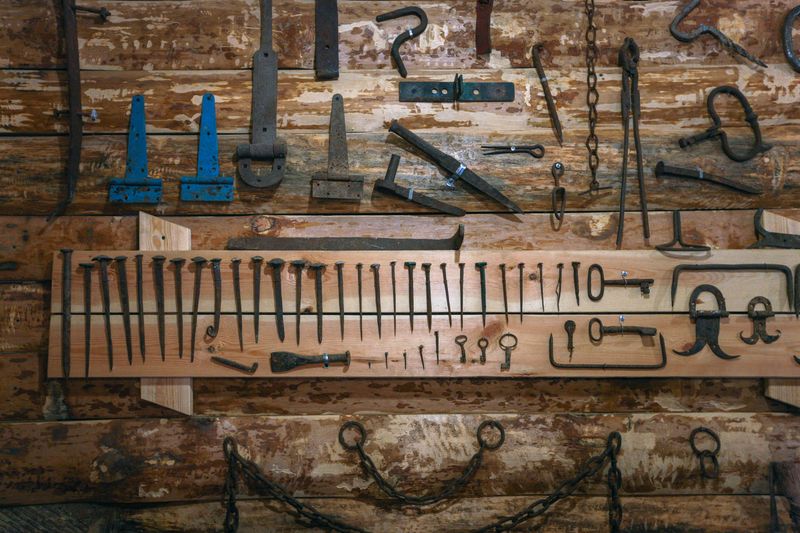
Blacksmiths hammered iron into useful forms that lasted generations.
Early 1900s wrought-iron wall hooks and hardware from Minnesota blacksmiths showcase the metalworking skills essential to rural life.
These pieces were hand-forged in local shops, creating hooks for coats, harnesses, and tools.
The iron often displays hammer marks and subtle variations that reveal their handmade origins.
Many pieces feature decorative scrollwork or twisted details that elevate them beyond purely functional items.
Today, collectors value these iron pieces for their craftsmanship and historical connection.
Original finish and intact mounting hardware increase desirability significantly.
Hooks with unusual designs or documented maker information fetch premium prices.
Some examples show creative problem-solving in their construction, adding interest for collectors.
As appreciation for traditional metalworking grows, authentic wrought-iron hardware becomes increasingly scarce and valuable in the marketplace.
12. Old Maple Or Pine Blanket Chest
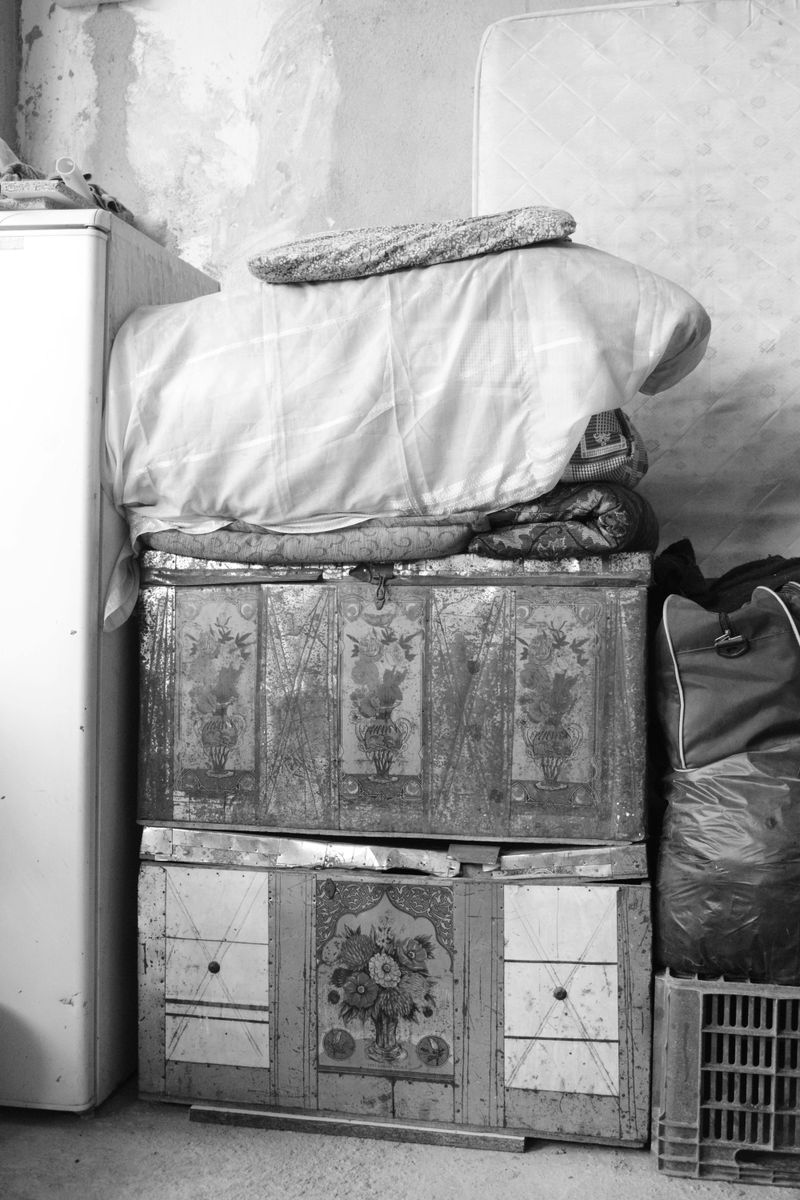
Chests safeguarded quilts, woolens, and memories through harsh winters.
Old maple or pine blanket chests were essential furniture in Minnesota homes, protecting textiles from moths and moisture.
These chests were built with solid wood panels and sturdy joinery, often featuring simple strap hinges and rope handles.
Some examples include interior till compartments for smaller items or candle boxes built into the lid.
The wood develops a beautiful patina over time, with natural color variations and grain patterns.
Collectors seek these chests for their storage capacity and historical appeal.
Original hardware and untouched finishes command higher prices at auction.
Chests with painted decoration or maker’s marks are especially desirable.
Condition matters, but honest wear is often preferred over heavy restoration.
As interest in functional antiques grows, these blanket chests continue to appreciate, making them smart investments for furniture collectors.
13. Vintage Metal Or Wood Kitchen Pantry Cabinet
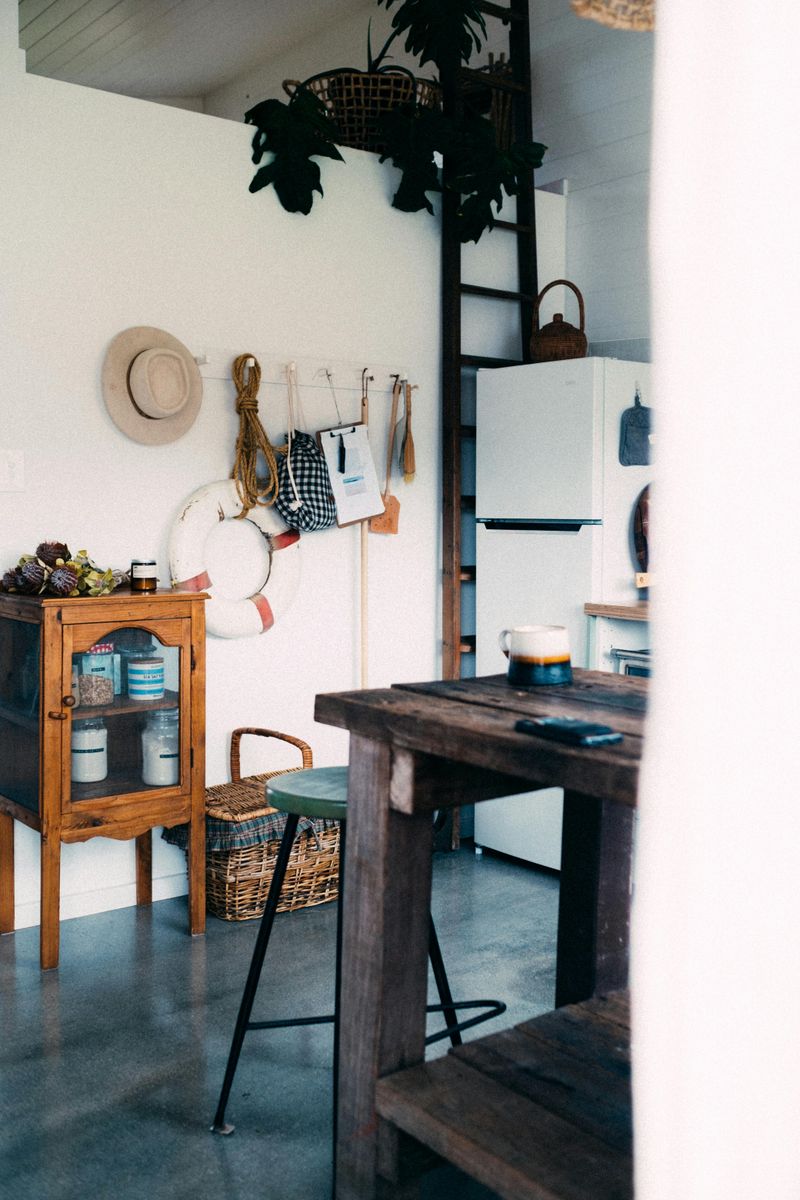
Pantries organized the abundance from gardens and orchards.
Vintage metal or wood kitchen pantry cabinets were indispensable in Minnesota farmhouses for storing canned goods, dry ingredients, and kitchen supplies.
Wooden versions often feature multiple shelves behind paneled doors, while metal Hoosier-style cabinets include flour bins, spice racks, and pull-out work surfaces.
Many cabinets show creative adaptations by their owners, with added hooks or modified shelving.
The construction quality varies, but well-made examples have survived decades of daily use.
Today, these pantry cabinets are highly collectible as functional vintage pieces.
Cabinets with original paint or porcelain work surfaces are particularly valuable.
Metal cabinets in good condition with intact hardware fetch impressive prices.
Collectors appreciate the storage solutions these pieces offer for modern kitchens.
As farmhouse style remains popular, demand for authentic pantry cabinets keeps values climbing steadily.
14. Antique Wooden Rocking Chair (Country Or Farmhouse Design)
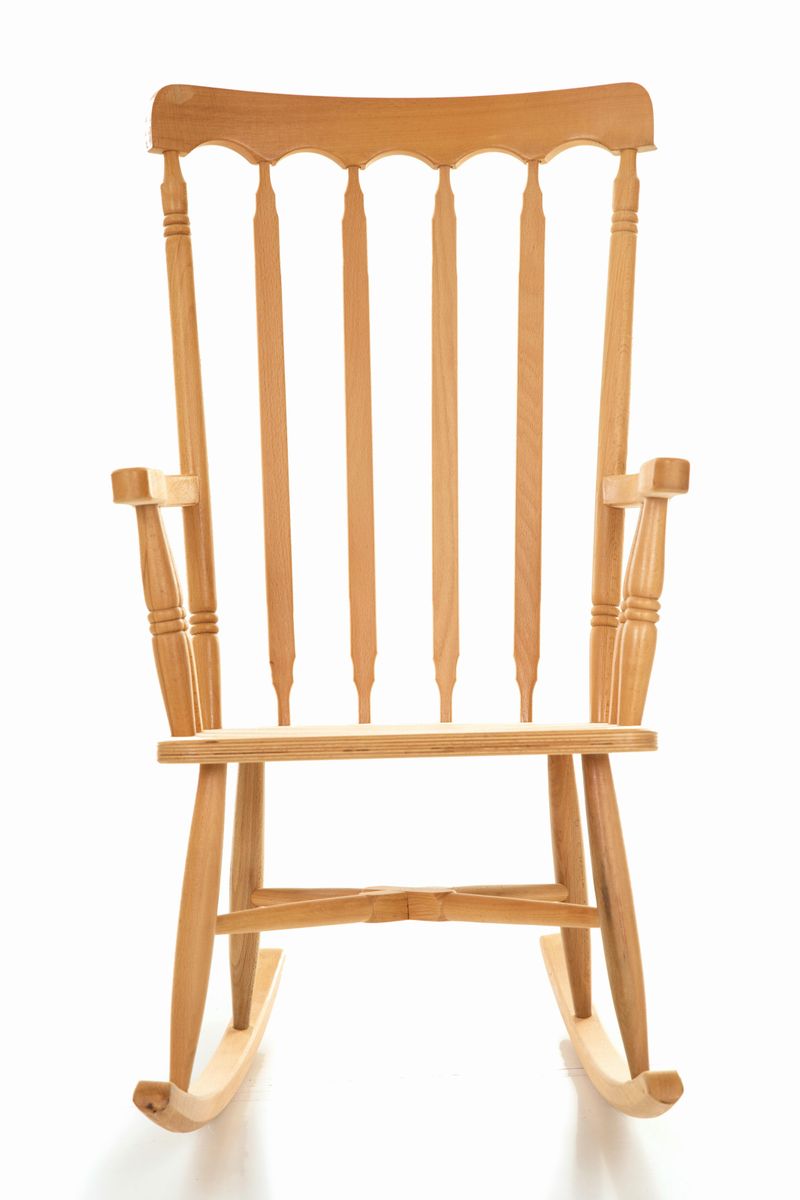
Rockers soothed babies, comforted elders, and marked the rhythm of home.
Antique wooden rocking chairs in country or farmhouse design were beloved fixtures in Minnesota homes, offering comfort and a gentle motion for relaxation.
These chairs often feature spindle backs, shaped seats, and gracefully curved rockers.
The wood was typically oak, maple, or mixed hardwoods chosen for strength and durability.
Many chairs show wear patterns on arms and rockers that testify to years of faithful use.
Collectors prize these rocking chairs for their comfort and nostalgic appeal.
Original finish and intact construction are critical for maximum value.
Chairs with exceptional craftsmanship or unusual design elements stand out in the market.
Some examples bear maker’s marks or family histories that add provenance.
As interest in comfortable vintage seating grows, quality rocking chairs become increasingly scarce and valuable investments.
15. Rustic Barnwood Picture Frame Or Mirror Frame
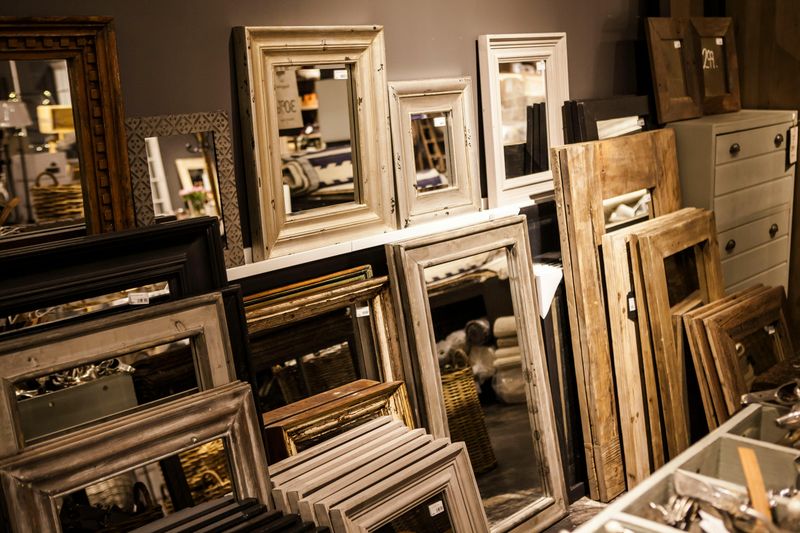
Weathered barn siding found new life framing cherished images.
Rustic barnwood picture frames and mirror frames crafted from Minnesota barn wood capture the essence of agricultural heritage.
These frames were often made from salvaged siding, beams, or fencing that developed beautiful gray patina through decades of exposure.
The wood displays natural checking, nail holes, and weathering that cannot be artificially replicated.
Some frames incorporate original hardware or metal accents that enhance their rustic character.
Today, collectors value these frames for their authentic history and visual appeal.
Frames with exceptional wood character or unusual construction command higher prices.
Original barnwood is increasingly scarce as old barns disappear from the landscape.
Authenticity is crucial, as many modern reproductions attempt to mimic the weathered look.
As farmhouse and rustic decor remain popular, genuine barnwood frames continue to appreciate, making them valuable collectibles for enthusiasts.
16. Early Mid-Century Handmade Quilt (Minnesota Or Upper Midwest Origin)
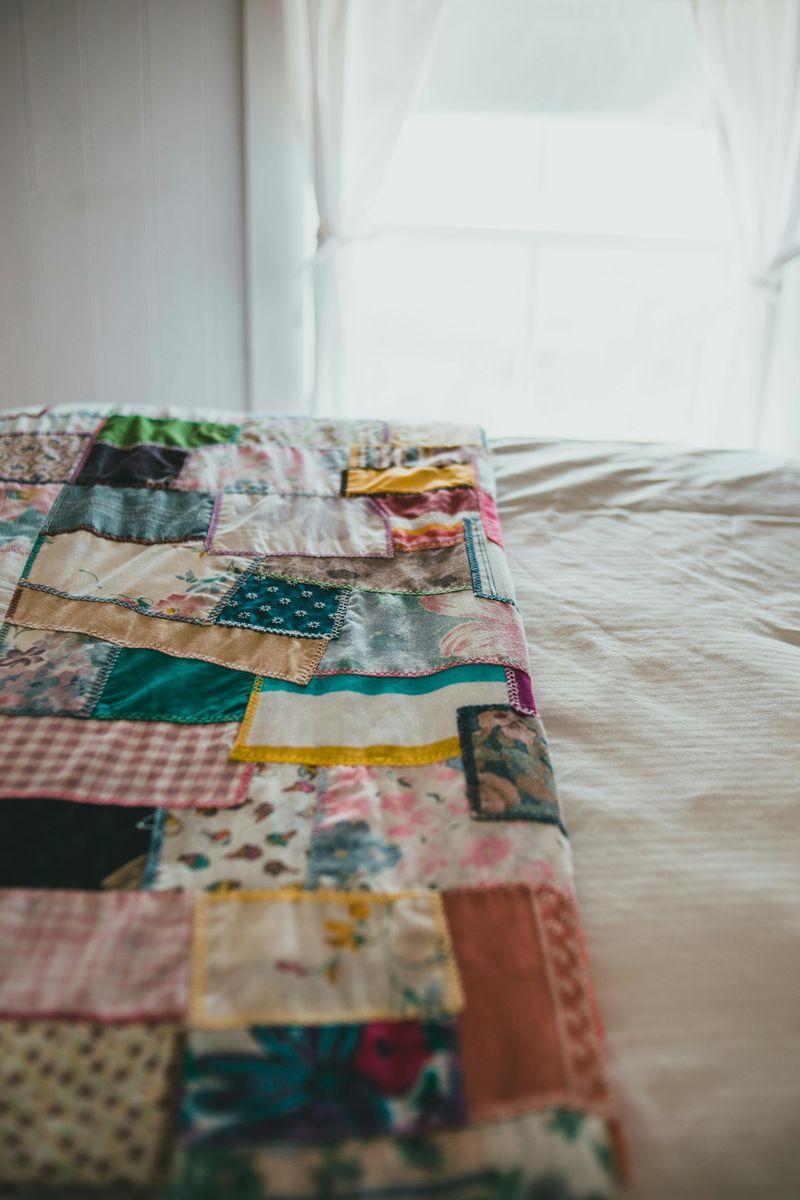
Quilts stitched by hand preserved fabric scraps and family warmth.
Early mid-century handmade quilts from Minnesota or the Upper Midwest represent the continuation of textile traditions through changing times.
These quilts often feature classic patterns like Log Cabin, Nine Patch, or Dresden Plate, executed in fabrics from the 1940s through 1960s.
The stitching varies from precise hand quilting to practical machine work, reflecting the maker’s skill and available time.
Many quilts incorporate feed sack fabrics or repurposed textiles, adding historical interest.
Collectors seek these quilts for their artistry and connection to regional history.
Quilts with exceptional stitching or rare patterns command premium prices at auction.
The condition is critical, as fading or damage reduces value significantly.
Quilts with documented maker information or family provenance are especially desirable.
As interest in American folk art and handmade textiles grows, quality vintage quilts continue to appreciate steadily.