10 Minnesota Lakes That Feel Peaceful From The Moment You Arrive
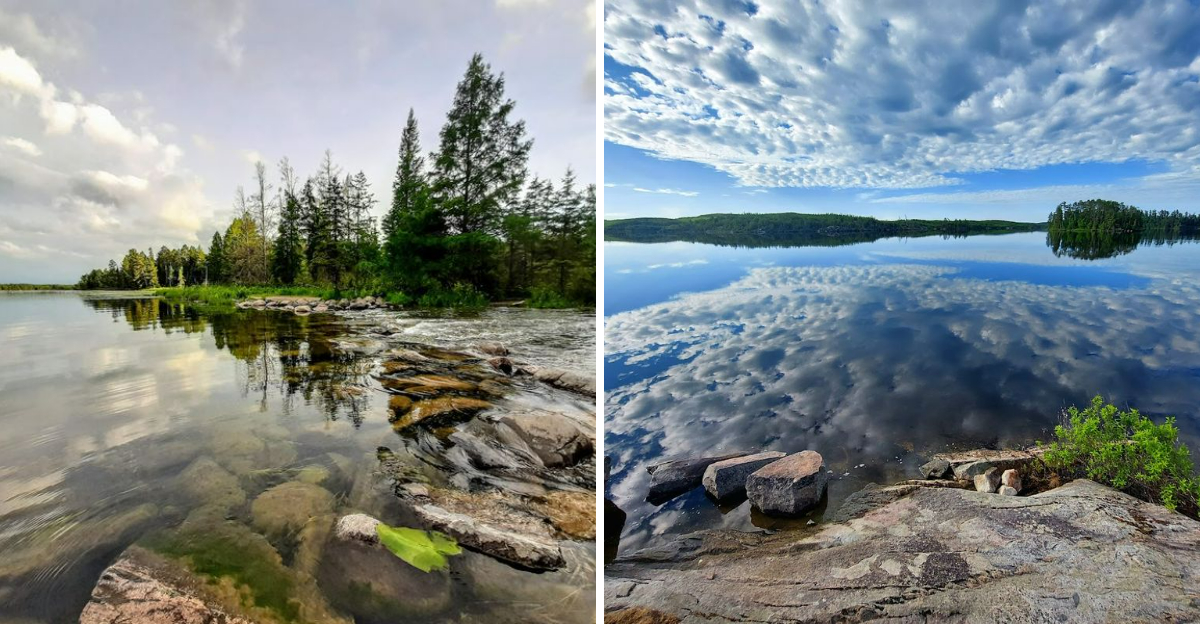
Nobody warns you about that first breath of lake air. One moment you’re still in your head, replaying the week, and then the water appears through the trees and something just resets.
Minnesota has over 10,000 lakes, but not all of them do that to you. Some are beautiful.
Some are busy. And then there are the ones that feel different, the ones where the quiet isn’t just an absence of noise, it’s something you can actually feel in your bones.
The state has a gift for stillness, and these ten lakes are proof. People who have lived in Minnesota their whole lives still find themselves surprised by how fast these waters make you slow down before you’ve even unpacked the car.
1. Lake Itasca
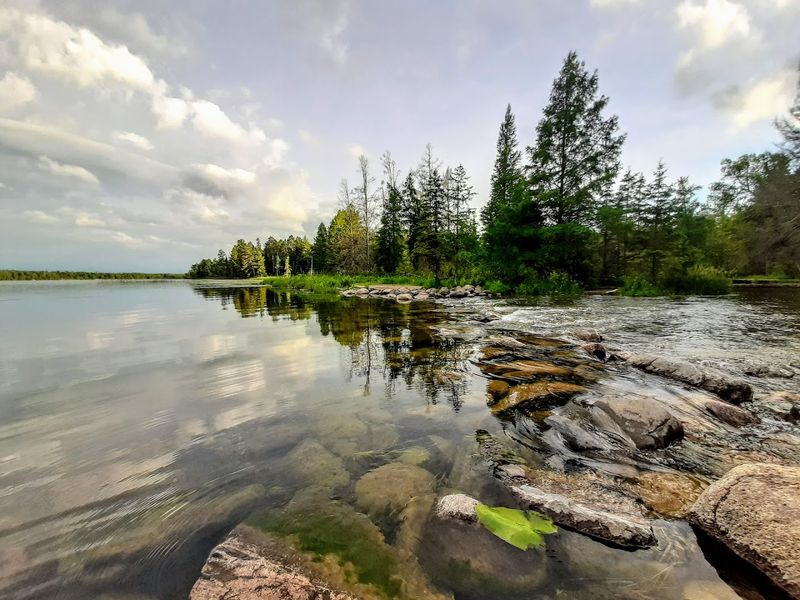
Standing at the headwaters of the Mississippi River feels genuinely surreal. You can wade across the entire width of the river here, hopping from rock to rock, which sounds impossible until you actually do it.
Lake Itasca sits inside Minnesota’s oldest state park, and every inch of it carries that old-growth energy that newer parks simply cannot fake.
Ancient red and white pines stretch so high overhead that looking up feels like staring into a cathedral ceiling. Loons call across the water at dusk with a sound that is equal parts haunting and comforting.
The shoreline is mostly undeveloped, which keeps the whole place feeling like it belongs to the trees more than to us.
Paddling on the lake in the early morning, before any other boats are out, the water sits perfectly still and mirrors the pines above. Camping inside the park puts you close enough to hear the forest breathe at night.
Itasca State Park is located on County Road 1 near Park Rapids, and it genuinely rewards slow, unhurried visits more than quick drive-throughs.
2. Gunflint Lake
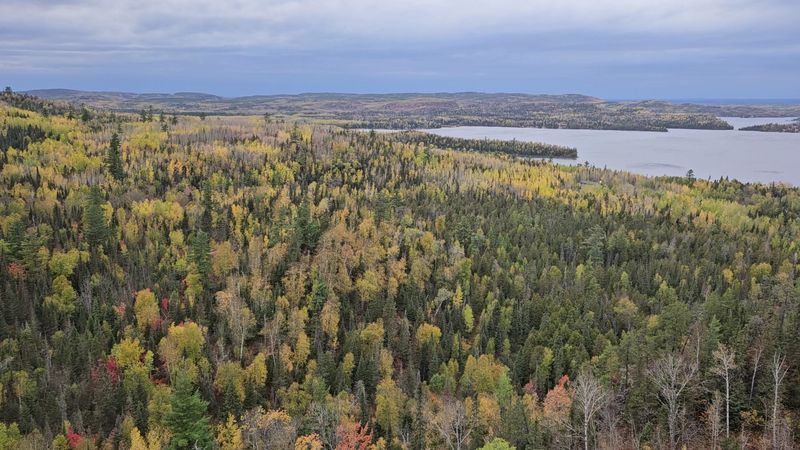
Remote is a word that gets used loosely, but Gunflint Lake earns it without trying. Straddling the state and Ontario border at the far end of the Gunflint Trail, this lake sits so deep in the boreal north that traffic sounds are not just faint, they are completely absent.
The silence here has actual weight to it.
The surrounding forest is a mix of spruce, fir, and birch that crowds right down to the water’s edge. On calm mornings, the lake surface reflects the treeline so cleanly that you lose track of where the water ends and the sky begins.
Moose sightings near the shoreline are common enough that they stop feeling like surprises after the first day.
Reaching Gunflint Lake means driving the full length of the Gunflint Trail, a scenic road that gets progressively quieter and wilder as you head northeast from Grand Marais. The payoff is enormous.
Wolves have been heard calling across the water at night, which is either thrilling or unsettling depending on your tolerance for wilderness. Either way, it is unforgettable.
3. Lake Vermilion
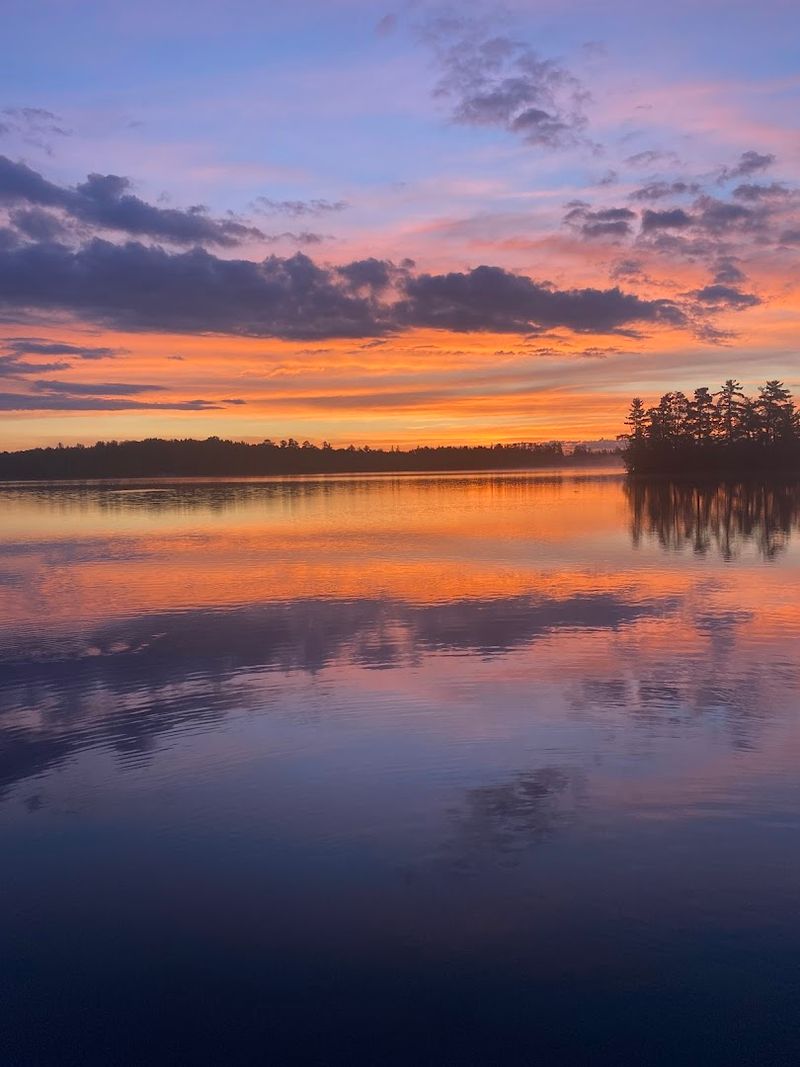
More than 1,200 miles of shoreline sounds like a statistic until you are actually on the water and realize you could explore for weeks without covering the same stretch twice. Lake Vermilion has 365 islands, which locals like to say gives you one for every day of the year.
That kind of scale should feel overwhelming, but somehow the lake manages to feel intimate instead.
The water runs cold and clear, and the forested shores press in close enough that paddling between islands feels like moving through a maze built by the landscape itself. Wildlife is everywhere, from bald eagles overhead to otters slipping off rocks along the shoreline.
The north woods atmosphere here is not performed for tourists, it is simply the default setting.
Tower serves as the main gateway town, sitting right on the lake’s edge on the north shore. Resorts here tend toward the classic cabin variety rather than the polished resort style, which suits the lake’s character perfectly.
Arriving at Vermilion feels less like checking into a vacation and more like being quietly absorbed into something much older and calmer than your regular life.
4. Kabetogama Lake
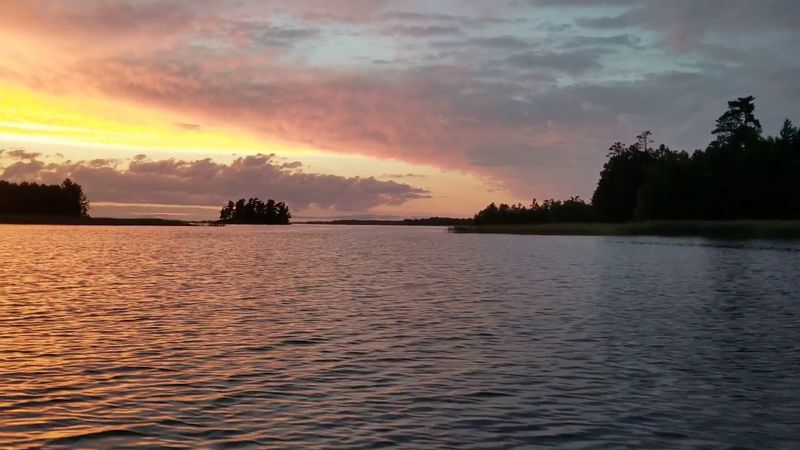
Cut your boat engine somewhere in the middle of Kabetogama and count the seconds before the silence becomes total. It does not take long.
This lake serves as the primary gateway into Voyageurs National Park, and much of its interior is only reachable by water or floatplane, which keeps the crowds thin and the atmosphere genuinely wild.
The lake sprawls across the border country of the north, dotted with islands that offer primitive camping spots accessible only by boat. Sunsets over the water here tend toward the dramatic, painting the sky in colors that feel excessive and wonderful at the same time.
Star visibility on clear nights is extraordinary, partly because the nearest city with real light pollution is a long drive south.
The Kabetogama Lake Visitor Center, located near the town of Kabetogama off State Highway 53, is a solid starting point for planning a water-based trip into the park. Rangers there can point you toward quieter corners of the lake that most visitors never reach.
Arriving with a canoe or kayak rather than a motorboat unlocks a completely different version of this place, one that moves at the pace the lake itself seems to prefer.
5. Clearwater Lake
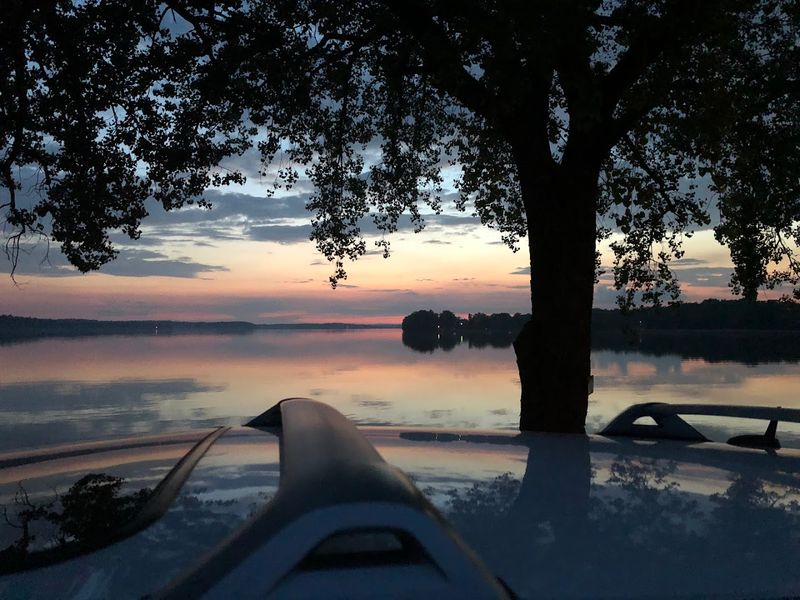
Not every peaceful lake requires a six-hour drive north. Clearwater Lake in Wright County makes its case from central, offering water so transparent you can see the bottom in depths that would normally go murky.
The name is not marketing, it is just accurate.
The small town of Clearwater sits nearby, and the surrounding area carries the unhurried energy of rural life that feels increasingly rare.
Fishing here is popular without being overwhelming, and the lake does not attract the kind of heavy recreational boat traffic that churns up the water and the mood on bigger lakes.
Weekend mornings tend to feel genuinely quiet.
Sunsets over Clearwater Lake have a reputation worth chasing. The open western exposure across the water means the sky has room to do its full performance, and the still surface doubles everything.
Clearwater / Pleasant County Park, located just off Highway 24, provides easy public access for swimming, picnicking, and launching a kayak.
For anyone based in the Twin Cities looking for a day trip that actually delivers on the promise of calm, this lake is a reliable answer that rarely disappoints.
6. Rainy Lake
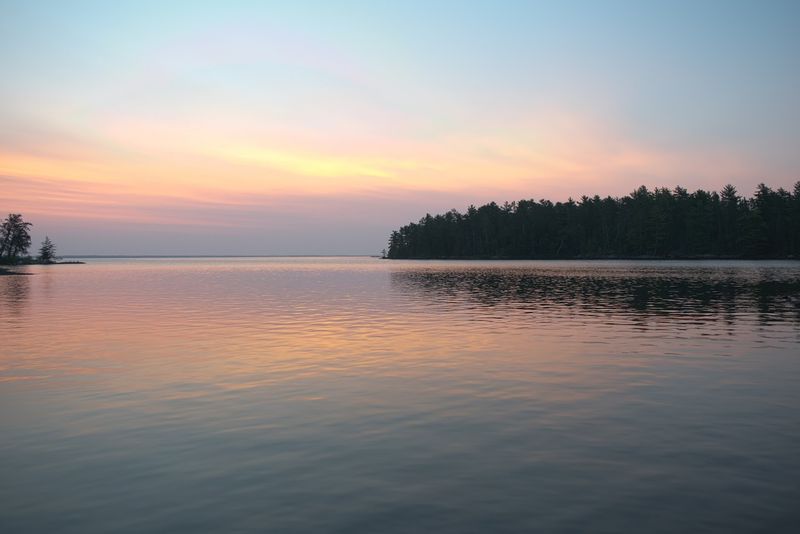
Shared with Canada and edging into Voyageurs National Park, Rainy Lake operates on a scale that takes a moment to fully register.
The rocky shorelines and dense boreal forest surrounding the water create an atmosphere that feels genuinely untouched, like the landscape never got the memo that the modern world arrived.
Rainy Lake is dotted with countless islands, which gives paddlers and boaters almost unlimited territory to explore. The absence of major development along the shoreline is striking, especially for a lake this large.
Most of what you see from the water is rock, forest, and sky, which turns out to be exactly enough.
The International Falls area serves as the main access point, located in Koochiching County along US Highway 53. The Rainy Lake Visitor Center inside Voyageurs National Park is worth stopping at before heading out on the water.
Fishing for walleye is a primary draw for many visitors, but the lake rewards people who simply want to sit in a boat and watch the light move across the water. Few places in the state carry this level of raw, undecorated wildness.
7. Pelican Lake
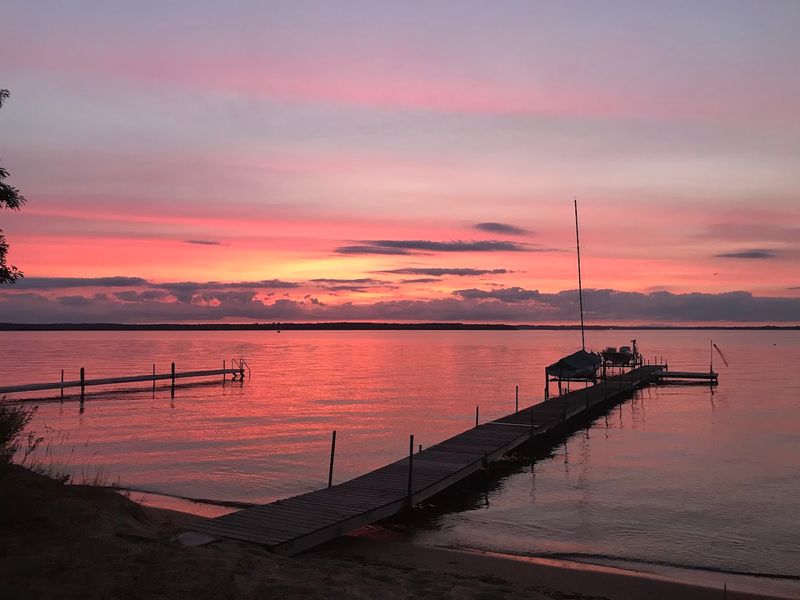
There is a particular kind of Minnesota lake contentment that Pelican Lake in Crow Wing County has bottled and kept.
Located in the Brainerd Lakes Area, this lake draws families who come back summer after summer, not because it offers something flashy, but because it consistently delivers the opposite of flash.
The pace here is slow by design.
Water clarity on Pelican Lake is notably good for a lake with regular recreational use, and the shoreline stays wooded enough to feel sheltered without feeling closed in.
Resorts surrounding the lake tend toward the classic cabin style, the kind with screen porches and wooden docks rather than swim-up bars and waterslides.
That restraint is the whole point.
Early mornings on Pelican Lake belong to the fishermen and the herons, and the rest of the day moves at a gentle rhythm that makes it easy to forget what day of the week it is. The Brainerd Lakes Area is accessible via State Highway 371, and Pelican Lake sits just east of the main corridor.
Bringing a fishing rod is almost mandatory, but sitting on a dock and doing absolutely nothing is equally valid and equally rewarded here.
8. Saganaga Lake
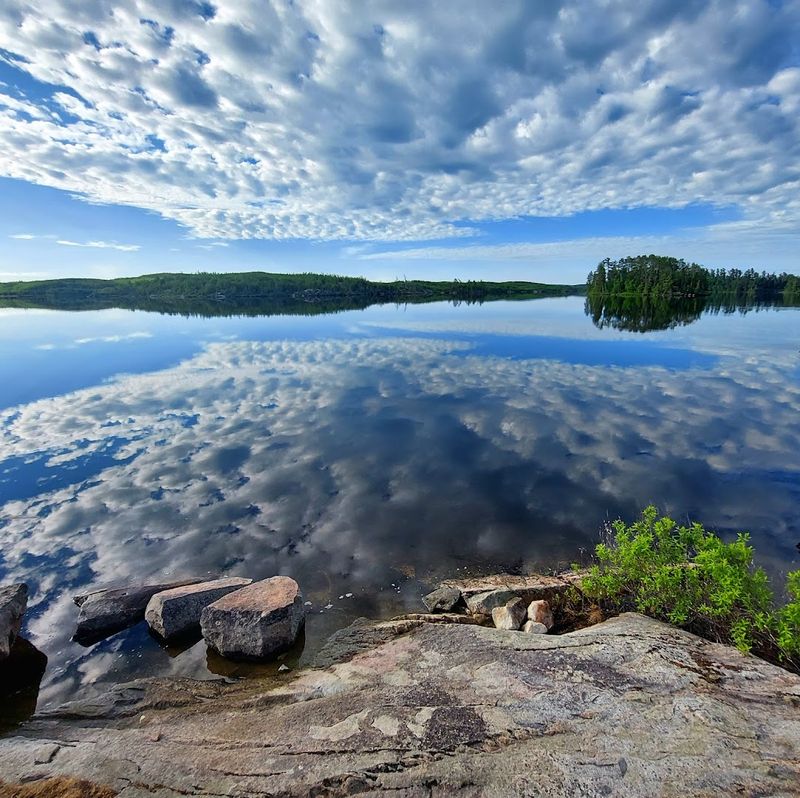
Pushing off from the put-in at Saganaga Lake and watching the parking area disappear behind the tree line is one of those experiences that recalibrates your sense of what quiet actually means.
Sitting at the very end of the Gunflint Trail on the edge of the Boundary Waters Canoe Area Wilderness, Saganaga is about as far from ordinary as a road-accessible lake gets in Minnesota.
The lake stretches across the Canadian border and covers over 30,000 acres, much of which sees very little human traffic. Portage routes from Saganaga connect into the broader BWCA, making it a natural launching point for multi-day canoe trips deeper into the wilderness.
The water is cold, clear, and strikingly beautiful in the way that only genuinely remote places manage.
Reaching Saganaga means driving the length of the Gunflint Trail northeast from Grand Marais, Cook County. The drive itself is worth the trip.
Old-growth forest lines both sides of the road for much of the route, and wildlife sightings along the way are common. Arriving at the lake after that drive feels less like reaching a destination and more like being granted access to something carefully preserved.
9. Big Carnelian Lake
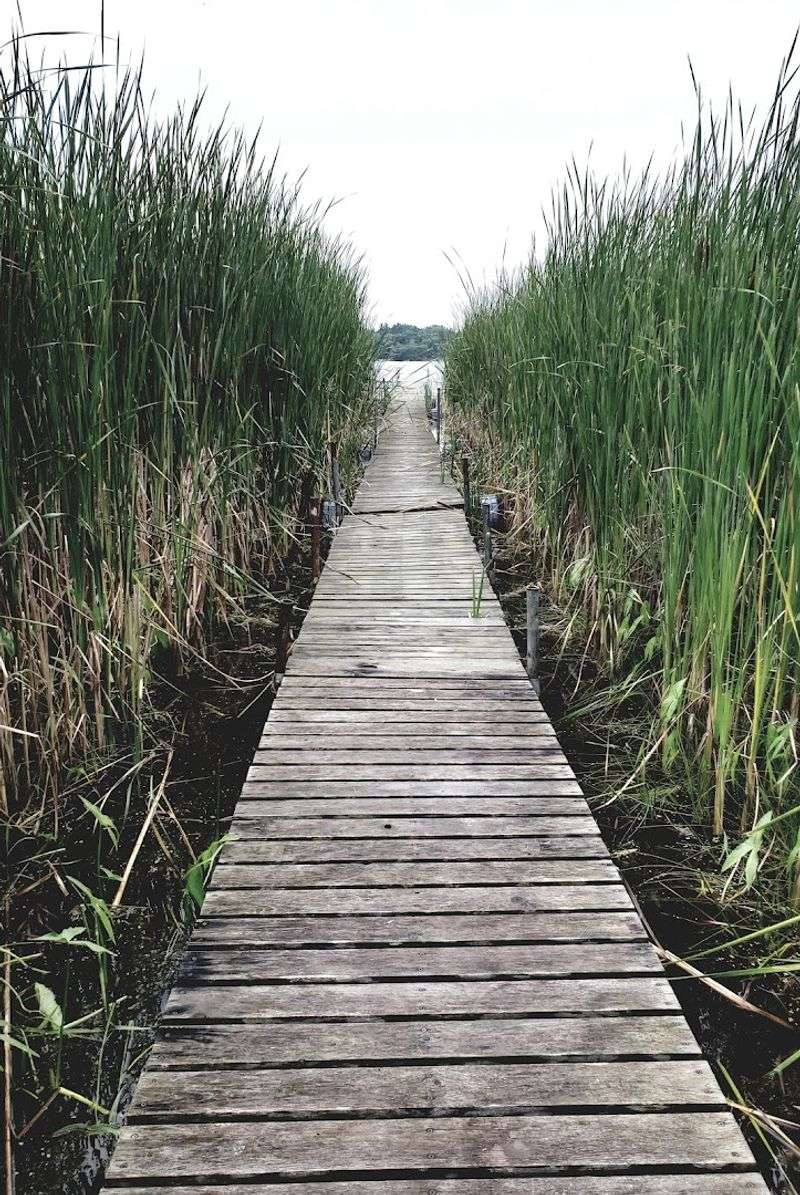
Most people are surprised to learn that a lake this calm exists within reasonable driving distance of the Twin Cities. Big Carnelian Lake in Washington County sits within easy driving distance of the Twin Cities, offering a calm setting that feels more removed than it actually is.
Boat traffic on Big Carnelian stays relatively minimal, which helps keep the water surface calm and the overall atmosphere quiet. The surrounding forest creates a natural sound buffer that muffles noise and amplifies birdsong in a way that feels almost deliberate.
Hiking trails connect the lake to the nearby St. Croix River valley, adding dimension to what could otherwise be a simple swimming stop.
William O’Brien State Park is located on State Highway 95, about 35 miles north of the Twin Cities, making it genuinely accessible for a weekend morning without requiring an overnight stay.
Swimming areas are well maintained and the park campground puts you close enough to the water to hear it at night.
For a lake this peaceful to sit this close to a major metro area feels like a quiet miracle that more people deserve to know about.
10. White Iron Lake
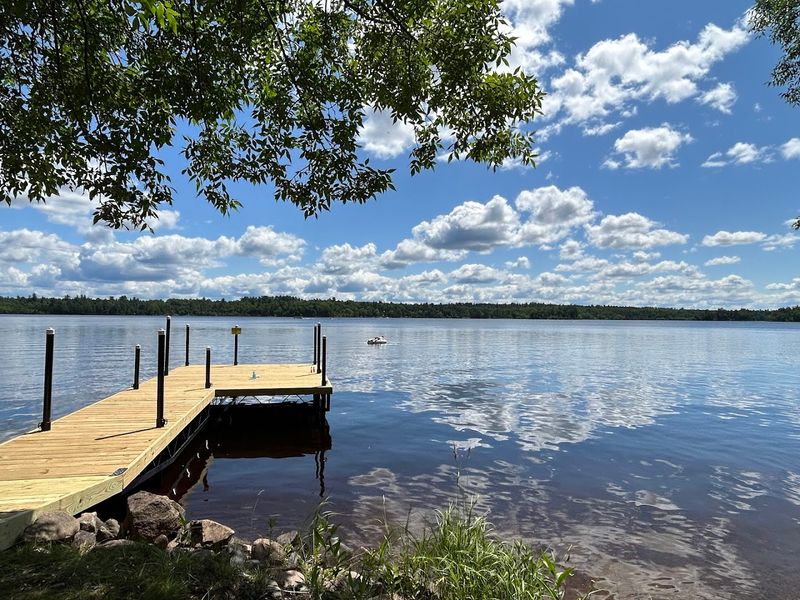
Peace at White Iron Lake does not require effort. Near Ely in the heart of the north woods, this lake sits in a chain of lakes that feeds directly into the edge of the Boundary Waters Canoe Area Wilderness, and the wilderness energy bleeds in from every direction.
Old-growth forest presses close on all sides, and the mornings here belong entirely to the loons.
The water quality on White Iron is pristine, which is partly a function of its remote location and partly a result of the lake’s connection to the broader BWCA watershed. Fishing is excellent, with walleye, northern pike, and smallmouth bass all well represented.
Canoe access into the Boundary Waters from White Iron is straightforward, which makes the lake a natural base camp for anyone planning a deeper wilderness trip.
Ely serves as the closest town, located on State Highway 169 in Lake County, and it is one of the best small towns in the state for outfitting a north woods adventure. White Iron Lake itself sits just east of Ely along the Echo Trail corridor.
Arriving here at dawn, watching mist lift off the water while a loon calls from somewhere across the lake, is the kind of moment that makes the long drive feel like the best decision you made all year.