More Than 700 Stunning Quilts Live Inside This Kentucky Museum Built Just For Them
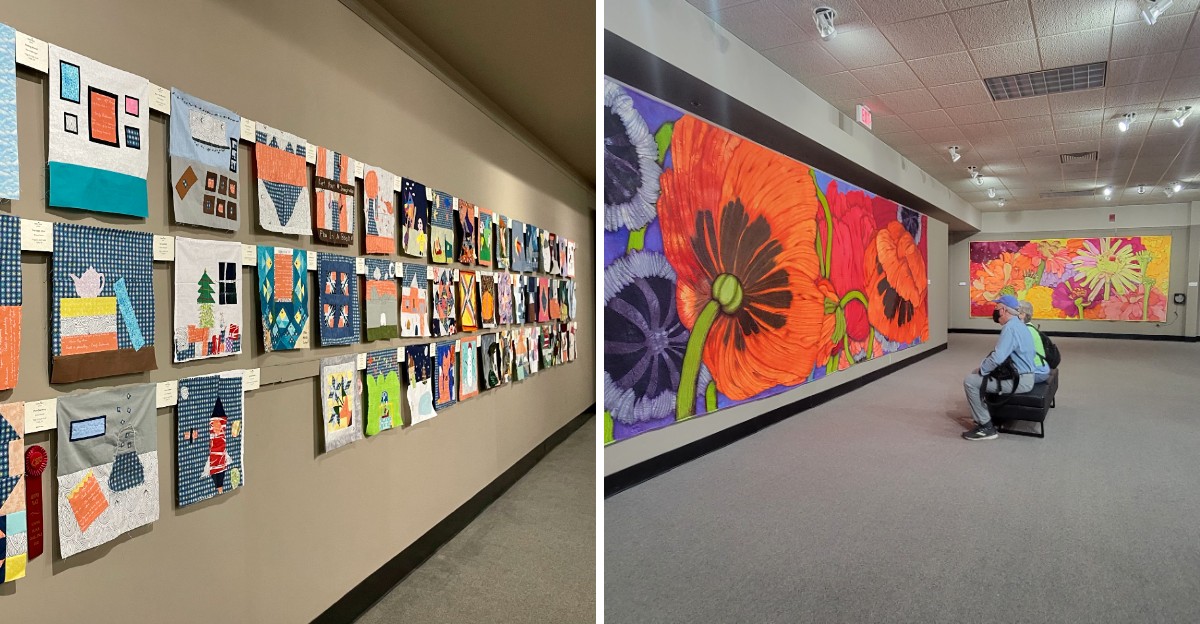
You probably have a quilt at home that holds a story. Maybe your grandmother stitched it, or maybe it kept you warm through every childhood sleepover.
Now imagine a whole museum that treats quilts like the masterpieces they are. This one in western Kentucky does that.
Its collection has grown past seven hundred quilts and fiber artworks. Nearly all of them were made by women, which makes this place feel like one giant cheer for talented ladies.
These are not your average bedspreads, either. Some pieces are so detailed that you might lean in close and forget to blink.
The exhibits rotate, so every visit can show you something new. Even Congress gave this museum a special national title.
Paducah proudly calls itself a quilting town, and this spot is a big reason why. Keep reading to plan a visit that will leave you inspired to pick up a needle.
A Whole Building Made For Fabric
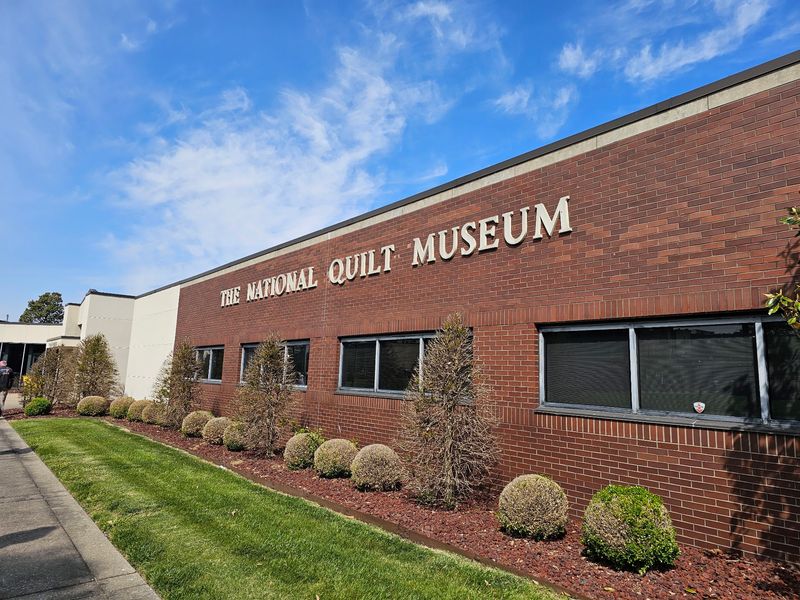
Most art hangs out in borrowed rooms, but quilts here got their very own house.
From the street, The National Quilt Museum looks modern and calm. Inside, though, the walls practically hum with thread and color.
The museum exists for one big reason. It treats quilting as fine art, not just a cozy craft for cold nights.
You will not find dusty bedspreads folded in a corner. Every piece is lit, labeled, and displayed like a painting in a gallery.
Paducah makes a fitting home for a place like this. The city is known as a UNESCO Creative City, honored for its crafts and folk art.
That title gives the whole downtown an artsy feel. Murals, shops, and studios sit close by, so your visit can easily stretch into a full day.
Plan to bring comfortable shoes and a curious mind. You will want to stand close, step back, and then step close again.
Quilters will feel right at home. Folks who have never touched a needle often leave just as impressed, maybe even a little stunned.
The National Quilt Museum sits in downtown Paducah, Kentucky, at 215 Jefferson Street, Paducah, Kentucky.
Two Founders And A Big Idea
Every great museum starts with someone saying, what if? For this one, those dreamers were Bill and Meredith Schroeder.
The couple founded the museum in 1991. Their goal was simple and generous, to honor today’s quilters and their amazing skills.
Back then, many people still saw quilts as old-fashioned. The Schroeders believed modern quilt makers deserved the same respect as painters and sculptors.
That belief paid off in a big way. In 2008, the U.S.
Congress officially recognized the museum as The National Quilt Museum of the United States.
Think about that for a second. A building full of stitched fabric earned a national title from lawmakers in Washington.
The honor tells you something important. These quilts are part of the American story, and they belong to everyone.
Knowing this history makes your visit richer. You are not just looking at pretty patterns, you are seeing a dream that grew for decades.
Take a moment in the lobby to think about those early days. Then head into the galleries and see how far that one big idea has traveled.
Seven Hundred Reasons To Look Closer
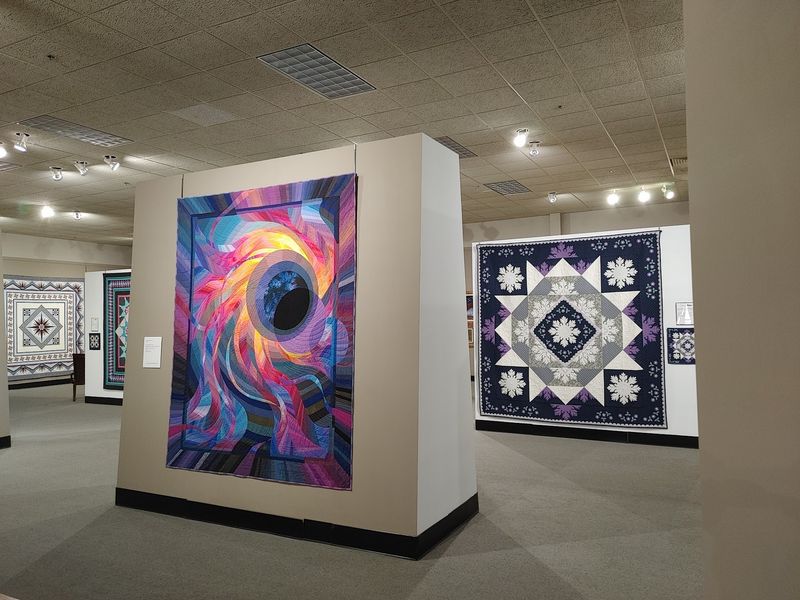
Counting sheep is boring, but counting quilts here could take a while. The collection holds more than 700 quilts and fiber artworks.
That number is huge for one kind of art. Each piece shows hours, months, or even years of careful work.
The museum focuses mostly on contemporary quilts. Most were made after 1980, so these are not grandma’s patchwork throws.
Some quilts look almost three-dimensional. Others use tiny stitches that create shading, faces, and landscapes like a photograph.
Here is a fun fact worth sharing at dinner. More than 95 percent of the collection features quilts made by women.
That makes the museum a powerful showcase of women artists. Their talent fills nearly every wall you pass.
A smart tip is to pick one quilt and study it for a full minute. You will start noticing thread colors, quilting lines, and hidden shapes you missed at first.
Read the little cards too, if you have time. They often explain the artist’s idea, which can make a quilt suddenly click.
You may not see all 700 at once. Still, every piece on display was chosen to make you stop and stare.
A Show That Keeps Changing Its Outfit
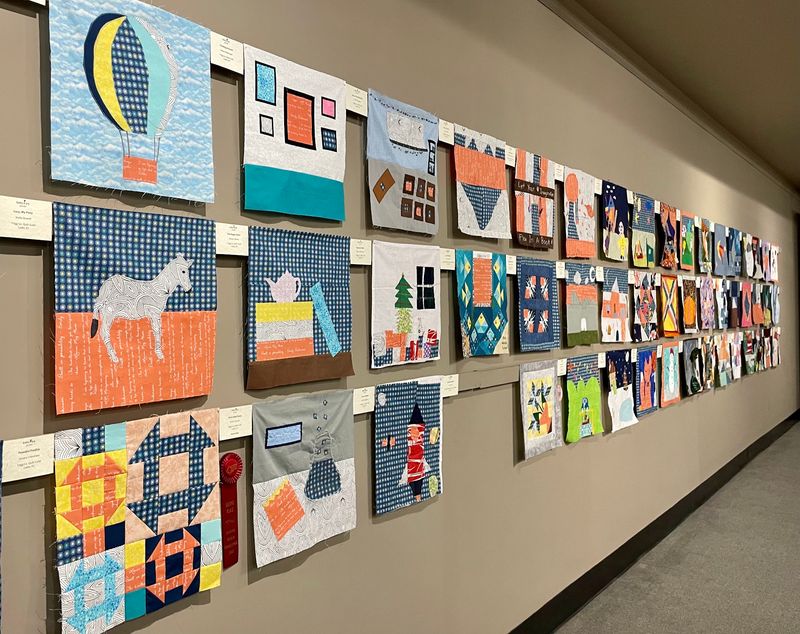
Repeat visitors never get bored, because the walls keep changing clothes. The museum rotates its exhibits eight to ten times each year.
That means a spring trip and a fall trip can feel like two different museums. Fresh artists, themes, and colors show up again and again.
Three spacious galleries hold these rotating shows. Some feature a single artist, while others gather quilts around a theme or contest.
A small permanent collection also makes appearances. Returning guests sometimes spot an old favorite among the new arrivals.
Here is a helpful tip before you go. Check the museum website to see which exhibits are currently on display.
If a favorite quilt artist has a show coming up, you can plan around it. That small step can turn a nice visit into an unforgettable one.
Time is another thing to think about. Many guests spend under an hour, while dedicated quilters happily linger much longer.
Give yourself at least 90 minutes if you like reading every label. Rushing through a room this detailed feels a bit like skimming a great book.
The Wooden Quilt That Fools Everyone
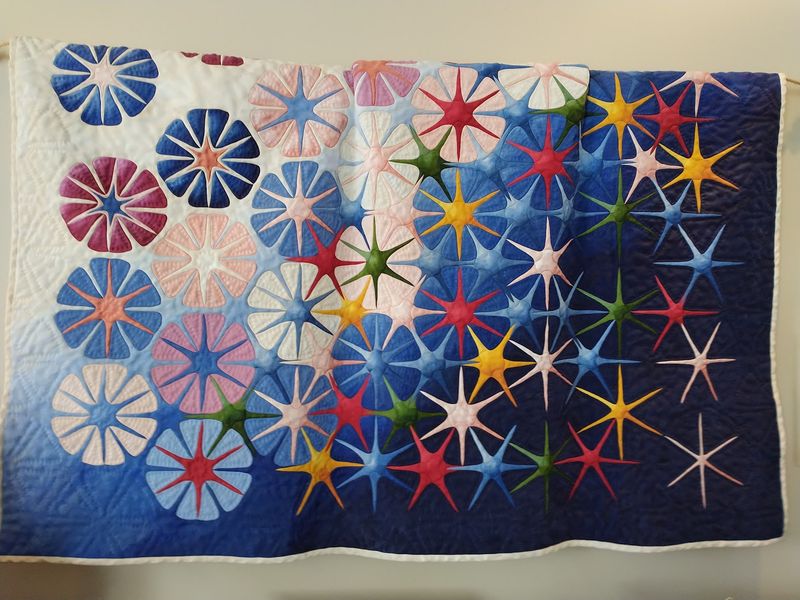
Your eyes are about to play a very good trick on you. In the lobby, look for a quilt by artist Fraser Smith.
At first glance, it looks like soft fabric draped in folds. Then you learn the truth, it is carved and painted wood.
Yes, wood. The artist shaped it so carefully that the wrinkles and stitches seem real.
Many visitors walk right past before doing a double take. It quickly becomes one of the most talked-about pieces in the building.
Go ahead and lean in close. Look at the edges and the way the folds catch the light.
You will probably still find it hard to believe. That is part of the fun, and kids especially love solving the mystery.
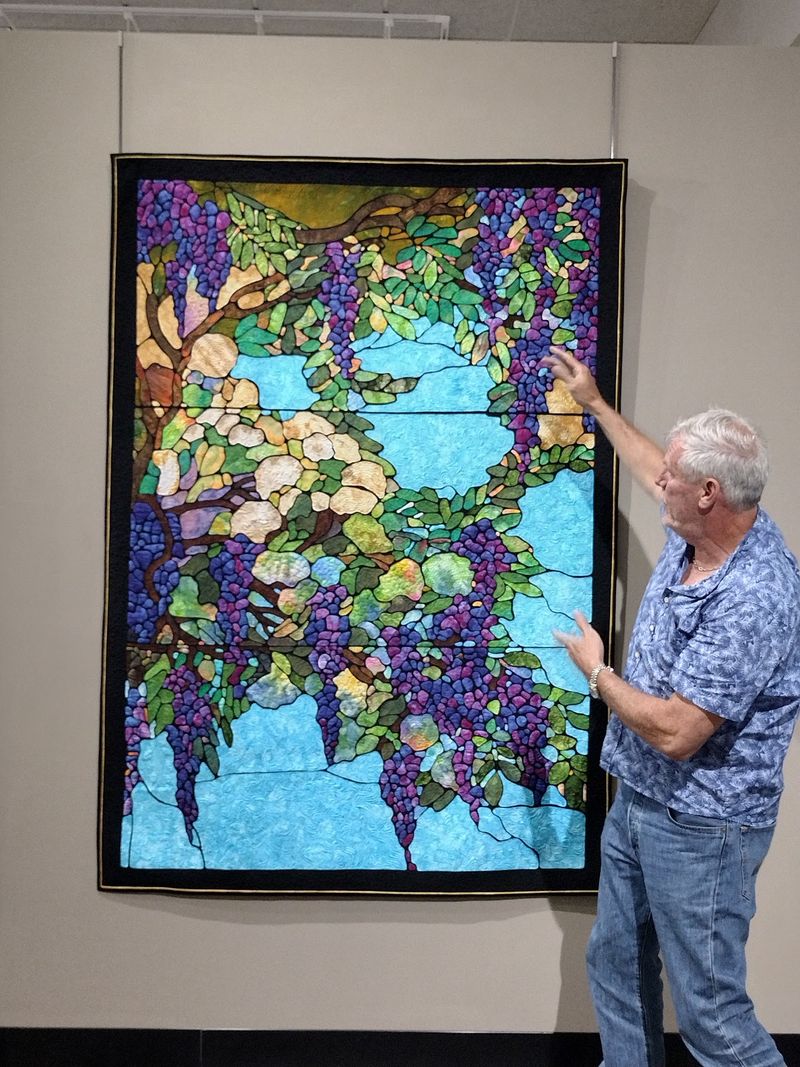
Fiber art also appears in other surprising forms here. Guests have spotted stained glass designed to look like quilt patterns, glowing with outside light.
These pieces remind you that quilting is really about pattern and design. Those ideas can live in glass, wood, or cloth.
Snap a photo if photography is allowed in that area. Your friends back home will need proof.
Visitors From All Over The Map
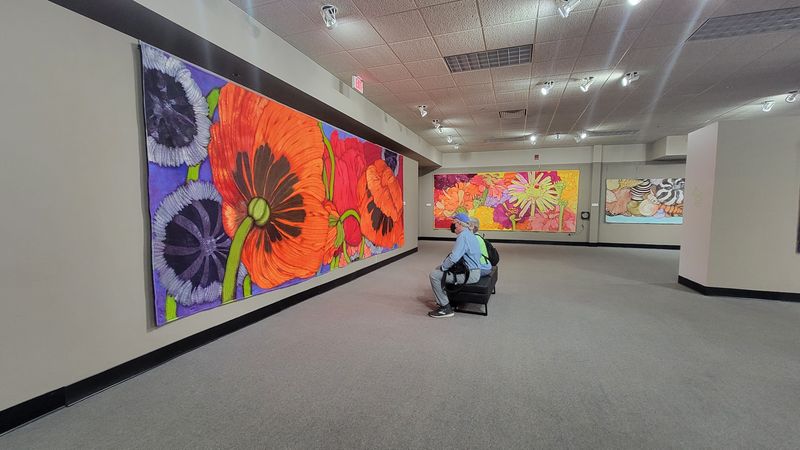
Kentucky might not be the first place you picture as an art capital. Yet travelers arrive here from all fifty states.
They also come from more than forty countries each year. That is a lot of passports for one quilt-filled building.
In its first thirty years, nearly one million people explored the galleries. Many planned whole trips around a single visit.
Some quilters even drive hundreds of miles out of their way. Once they see the work, they rarely regret the detour.
The museum also highlights quilts from around the globe. Artists from different cultures bring their own colors, stories, and techniques.
This mix makes the experience feel bigger than its walls. You get a small trip around the world in a single afternoon.
The museum earns strong praise and a high rating from guests. Friendly, helpful staff are a big part of that warm reputation.
Paducah also hosts a famous quilt week each spring. If you visit then, expect a lively town buzzing with fellow fabric fans.
Either way, you join a long line of curious travelers. Welcome to the club.
Learn A Stitch Or Two
Looking at quilts is wonderful, but making one is a whole new adventure. The museum offers educational programs and workshops for many skill levels.
Beginners can learn the basics without feeling lost. Experienced quilters can sharpen their skills and try fresh techniques.
Youth programs are part of the mission too. Young people get a chance to explore creativity with fabric and thread.
That is a great way to pass this art to the next generation. Who knows, the next big quilt artist might start right here.
Guided tours are another popular option. Knowledgeable docents share stories behind the quilts that you might miss on your own.
Many guests call the tour a highlight of their trip. It adds meaning to the colors and shapes on every wall.
Here is a practical tip. Check the museum’s schedule early, since classes and tours can fill up.
Buying tickets in advance is a smart move during busy times. It saves you worry and helps you plan your day.
Even one class can change how you see quilts forever. Suddenly, every stitch looks like a small victory.
Save Room For The Gift Shop
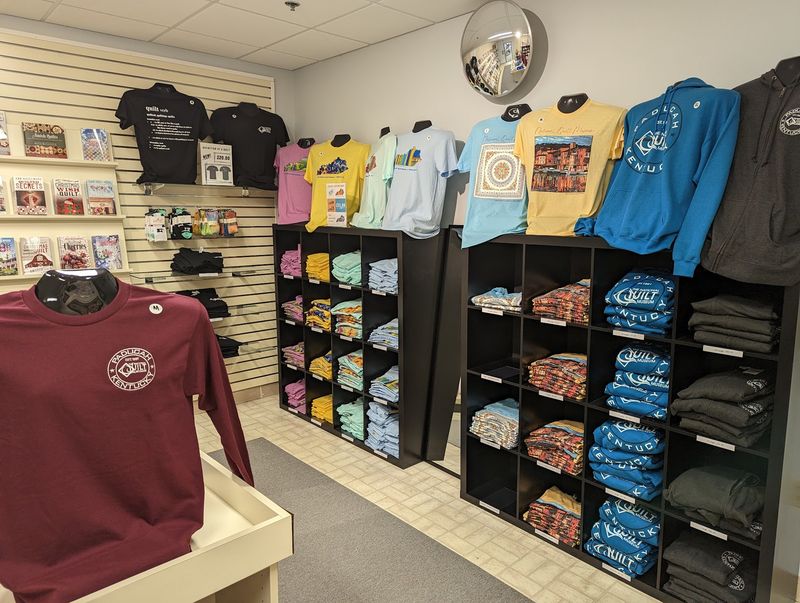
Leaving empty-handed is harder than threading a needle in the dark. The museum shop waits near the end of your visit, and it is full of temptations.
You will find gifts at many different price points. Books, patterns, and fun quilting goodies fill the shelves.
Quilters can stock up on ideas for their next project. Non-quilters will still find clever souvenirs for friends back home.
Every so often, actual quilts appear for sale. If you spot one, consider it a lucky day.
Admission is known for being very reasonable. Discounts are offered for various groups, including seniors.
Memberships are also available for frequent visitors. Since exhibits change so often, that can be a smart choice for locals.
A relaxed pace makes the whole visit pleasant. The galleries are easy to move through, and crowds usually feel manageable.
The building offers parking, though spaces can fill on busy days. Arriving a little early is a simple fix.
By the time you leave, quilts may look different to you forever. That is the quiet magic of this place, and you will probably want to come back.