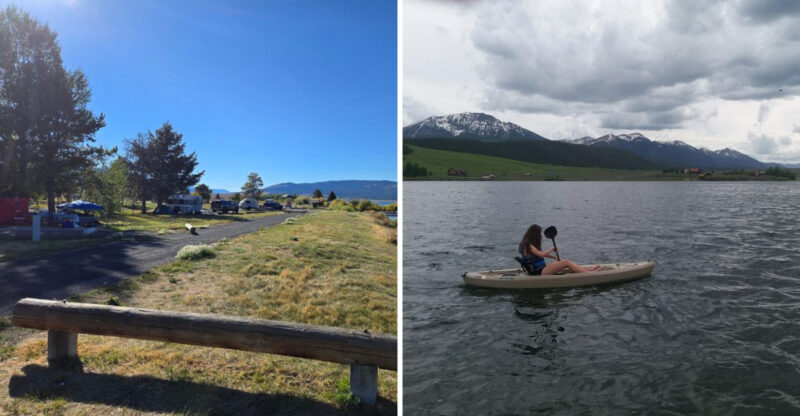
10 Most Colorful Places You Can Find In Idaho
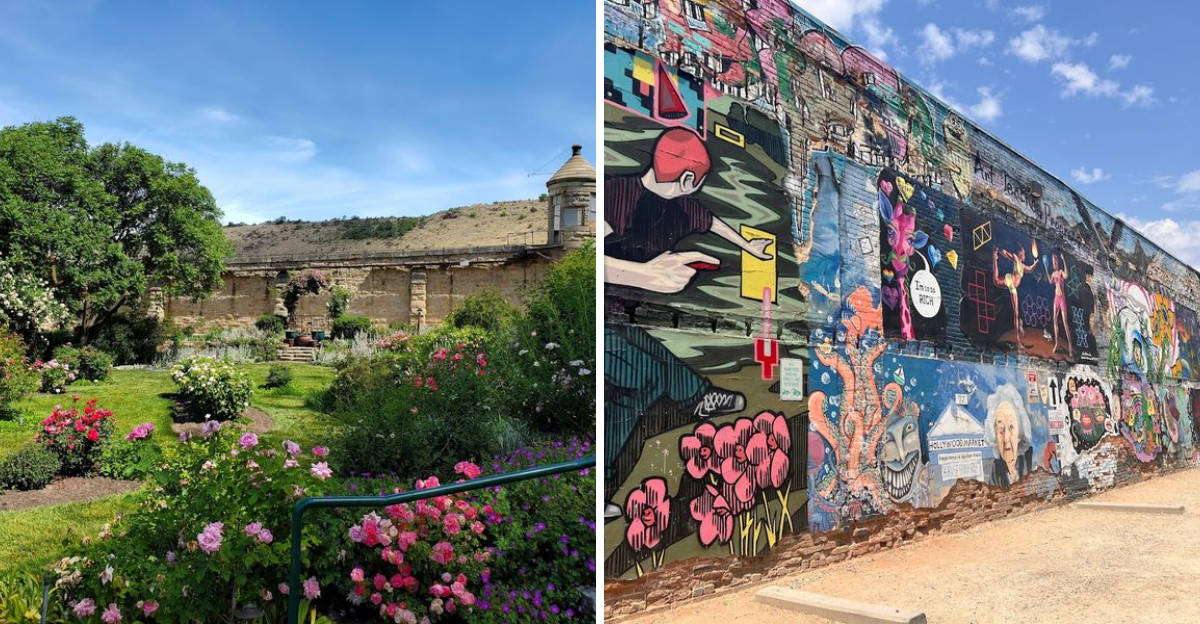
Nobody expects Idaho to look this colorful the first time around.
Bright wildflower valleys, glowing canyon views, and strangely vivid landscapes keep catching travelers off guard in the best possible way.
Even a quick roadside stop can turn into a full camera-roll situation once the scenery starts showing off.
Around the Gem State, color does not quietly blend into the background, it completely takes over the trip.
1. Idaho Botanical Garden
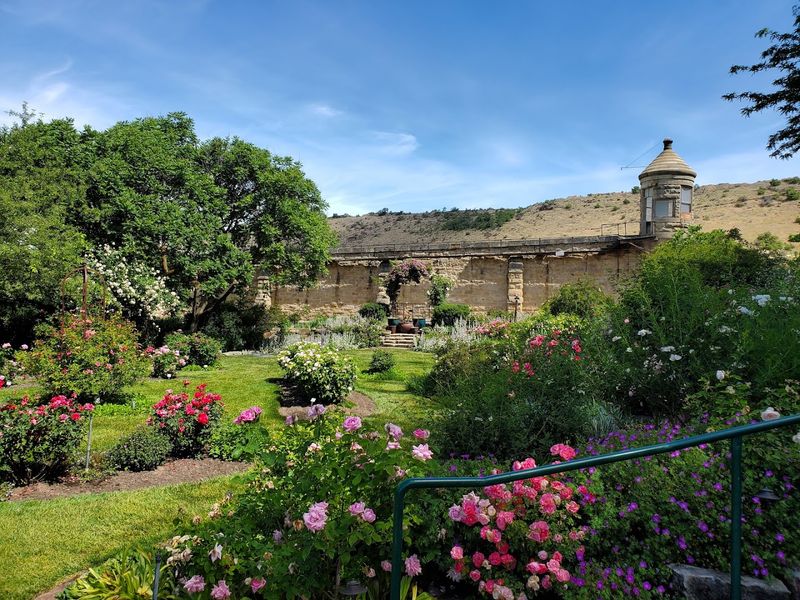
Boise’s foothills bring a colorful surprise at Idaho Botanical Garden, where cultivated beauty meets the rugged character of the Old Penitentiary Historic District. Found at 2355 Old Penitentiary Road, this garden gives visitors a city-based escape filled with seasonal blooms, shaded paths, native plants, pollinator favorites, herbs, roses, and carefully designed beds.
Color does not arrive here in one loud wave. Instead, it builds through texture, fragrance, and changing plant combinations across spring, summer, and fall.
Visitors can move from formal garden spaces into quieter corners where Idaho’s natural flora gets its own spotlight. Children have room to explore winding paths, while adults can slow down on benches, study plant labels, or simply enjoy the calm.
Seasonal events and evening programs add another visual mood after dark, giving the garden more than one personality throughout the year. For anyone who wants Idaho color without leaving Boise, this stop feels peaceful, easy, and rewarding.
Bright flowers, thoughtful landscaping, foothill light, and changing garden rooms make it feel like a soft reset inside the city.
2. Camas Prairie Centennial Marsh
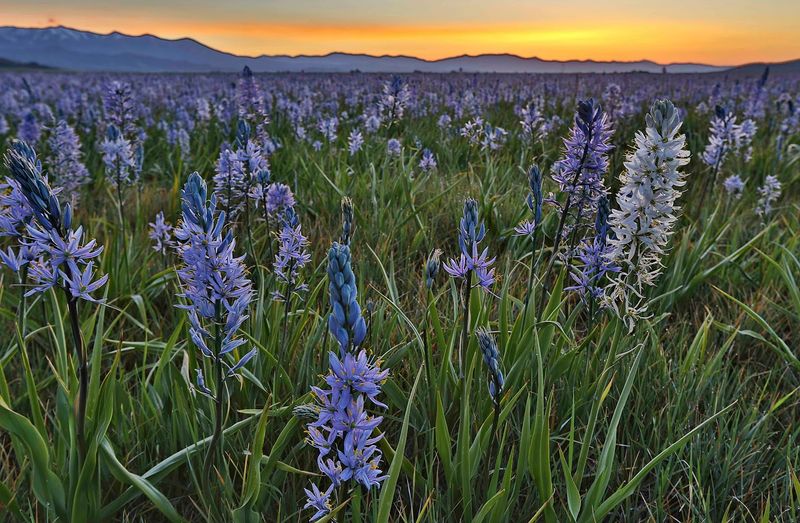
Near Fairfield, spring turns Camas Prairie Centennial Marsh into one of Idaho’s most breathtaking natural color shows. Late May into early June is usually the key window, when camas lilies can spread across the seasonally flooded wetland in a blue-purple sweep that looks almost unreal from the roadside.
Timing matters more here than it does at many other colorful stops. Arrive too early and the bloom may still be gathering strength; arrive too late and the marsh may already be shifting toward summer greens and golds.
During a strong bloom, the prairie can look painted, with wide Idaho sky above and wildflower color stretching across the open landscape. Birdlife adds even more movement to the scene, since waterfowl and shorebirds use the marsh during the same spring season.
Bring binoculars, sturdy shoes, water, and patience, because facilities are limited and the best views reward unhurried visitors. Brief seasonal beauty makes the place feel even more special.
Camas Prairie does not perform all year, but when it does, Idaho turns wonderfully purple.
3. Shoshone Falls
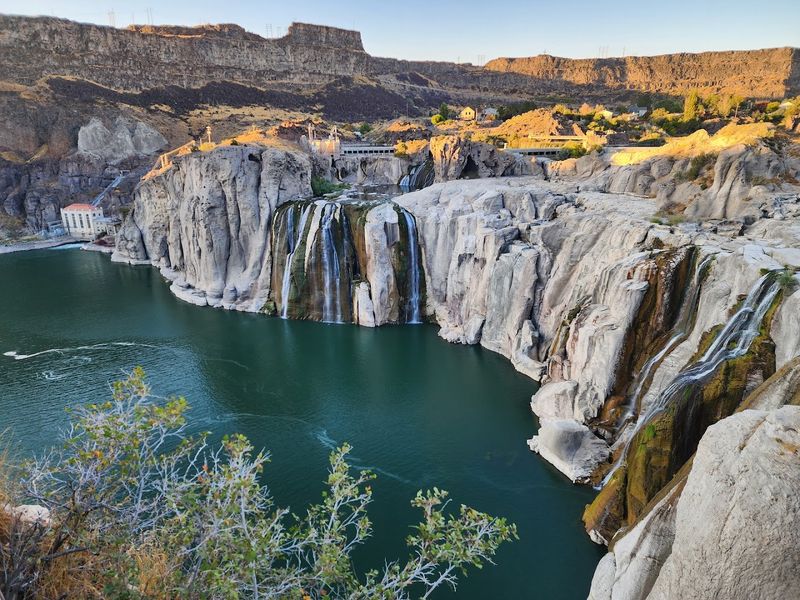
Snake River drama reaches full color at Shoshone Falls, where white spray, blue-green water, and warm canyon walls create one of Idaho’s boldest views. Located at Shoshone Falls Park in Twin Falls, this landmark often earns its “Niagara of the West” nickname most convincingly in spring, when snowmelt can push the waterfall into its most powerful flow.
Water levels still vary depending on weather, irrigation demand, and upstream conditions, so every visit has its own personality. Color here comes from contrast.
Pale mist rises against darker rock, bright water drops into the canyon, and sunlight warms the basalt ledges around the overlooks. Multiple viewpoints let visitors watch the scene change as the light moves, and picnic areas make it easy to turn a quick stop into a longer afternoon.
Families can enjoy open park space, while photographers may want morning or late-day light for richer canyon tones. Few Idaho landmarks combine scale, sound, and color this clearly.
Shoshone Falls feels powerful even from a distance, and up close it becomes unforgettable.
4. Craters Of The Moon National Monument
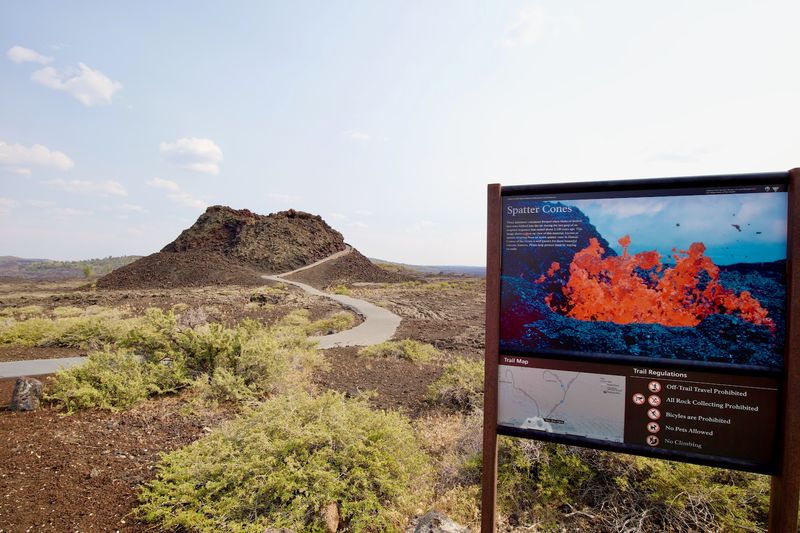
Black lava makes the colors at Craters of the Moon feel stranger, sharper, and more surprising than they would almost anywhere else. Near Arco, this volcanic landscape stretches across the high desert with cinder cones, lava flows, caves, sagebrush, and open sky forming a scene that feels both harsh and beautiful.
Spring wildflowers bring the most unexpected color, especially when yellow, pink, white, and purple blooms appear in cracks and pockets of dark volcanic rock. Sagebrush softens the edges with pale green, while the bright sky above makes the whole place feel wide open and otherworldly.
Trails and the Loop Road help visitors experience different textures of the monument without needing an extreme hike. Cave access may require permits and proper gear, so planning ahead matters.
Nightfall adds another layer through dark-sky viewing, when stars bring their own kind of brilliance to the black landscape. Color at Craters does not feel lush or gentle.
It feels dramatic, alien, and alive in small details that reward anyone willing to look closely. Tiny blooms make the dark terrain feel unexpectedly delicate during the short spring window.
5. Freak Alley Gallery
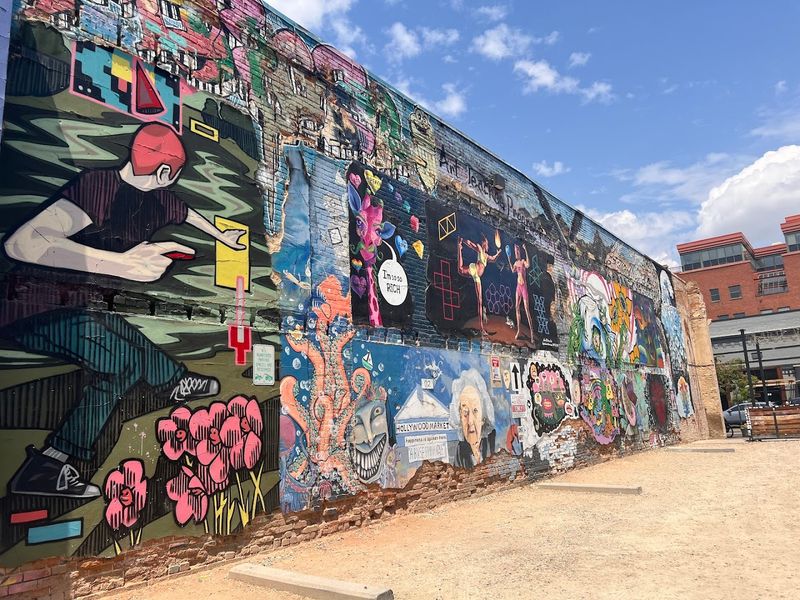
Downtown Boise trades natural color for full-volume creativity at Freak Alley Gallery. Set between 8th and 9th Streets and Bannock and Idaho Streets, this open-air mural space turns alleys, walls, doors, and unexpected surfaces into a constantly changing public art experience.
Every visit can feel slightly different because the artwork evolves over time, with portraits, lettering, abstract shapes, strange creatures, bold patterns, and layered street-art pieces giving the space a restless visual energy. Unlike a traditional museum, Freak Alley asks visitors to wander, turn corners, look up, step back, and notice how one image speaks to the next.
The experience is free, easy to reach, and especially fun for travelers who want something colorful between restaurants, shops, or downtown sightseeing. Families, photographers, artists, and casual visitors can all find a favorite wall or tiny detail.
Nothing here feels quiet or overly polished, and that is part of the fun. Boise’s creative personality spills across the brick, turning an ordinary alley into one of Idaho’s boldest color stops.
Quick downtown walks can turn into a bright, camera-friendly art detour through Boise.
6. City Of Rocks National Reserve
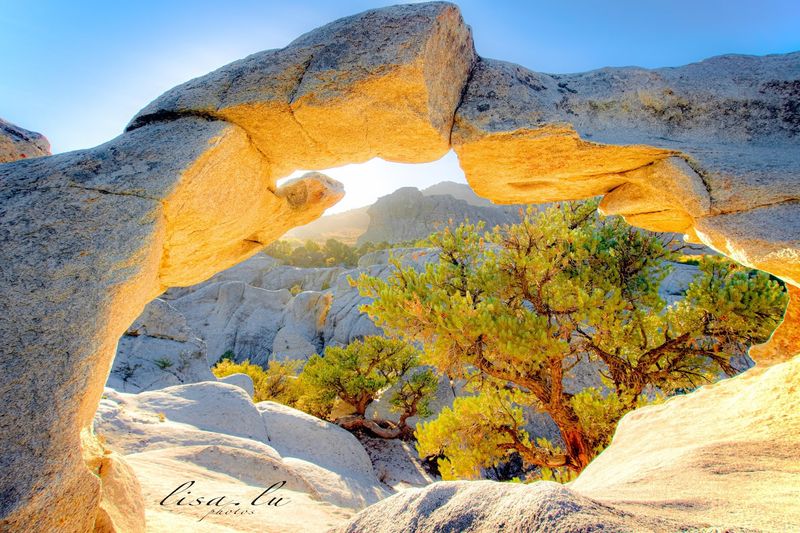
Granite, desert plants, and changing light give City of Rocks National Reserve a color palette that feels warm, rugged, and completely its own. Near Almo in southern Idaho, the reserve is famous for towering spires, rounded domes, and rock formations that shift through cream, tan, rust, gold, and soft gray as the sun moves.
Sagebrush, juniper, grasses, and high-desert wildflowers add green and silver texture between the formations, making the landscape feel layered rather than empty. Rock climbers come for the routes, but casual visitors can still enjoy scenic drives, short walks, historic emigrant trail connections, and campsites tucked among dramatic stone shapes.
Sunrise and sunset bring the strongest color, when low light warms the granite and gives the spires a sculptural glow. Dark-sky status also adds another reason to stay late, since the night sky becomes part of the visual experience.
City of Rocks feels different from Idaho’s mountain lakes and waterfalls. Its beauty is drier, older, quieter, and shaped by stone, light, and wide-open southern Idaho silence.
Slow wandering pays off because every formation seems to hold a slightly different shade at sunset.
7. Thousand Springs State Park
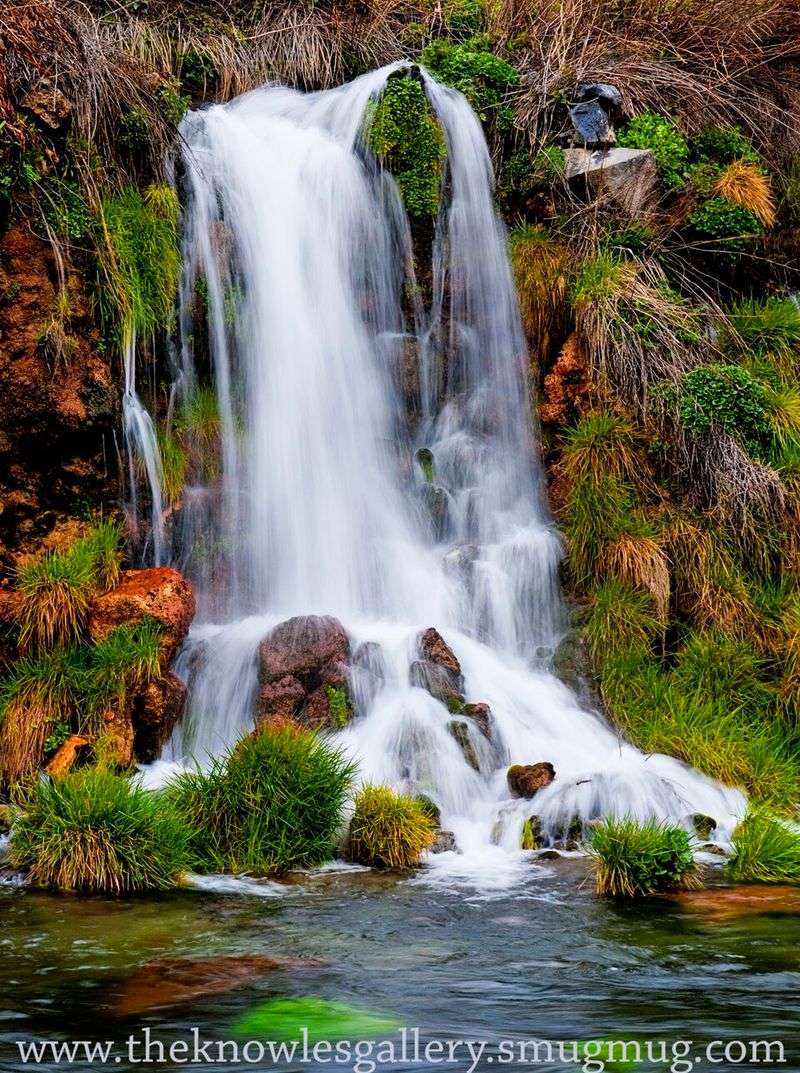
Magic Valley scenery turns vivid at Thousand Springs State Park, where spring water, basalt cliffs, green vegetation, and Snake River views create a landscape full of contrast. Centered around the Hagerman area, the park includes several units rather than one single entrance, so visitors should plan specific stops before heading out.
Blue water, white cascades, dark volcanic rock, and bright green growth make the Thousand Springs area feel unusually lush for southern Idaho. Some views are roadside or overlook-based, while others require short walks or separate drives between park units.
Spring and early summer often bring especially strong water flow and fresh greenery, though the scenery stays striking throughout much of the year. Birdwatching, picnicking, fishing, and quiet canyon exploring all fit the mood.
The most colorful moments often come when sunlight catches water pouring from the cliffs and turns the canyon into a moving, shimmering scene. For color built from geology, water, and plant life rather than flower beds, Thousand Springs feels wonderfully unexpected and deeply memorable.
Each unit adds another version of blue, green, white, and dark canyon stone throughout the valley in springtime for visitors too.
8. Mesa Falls
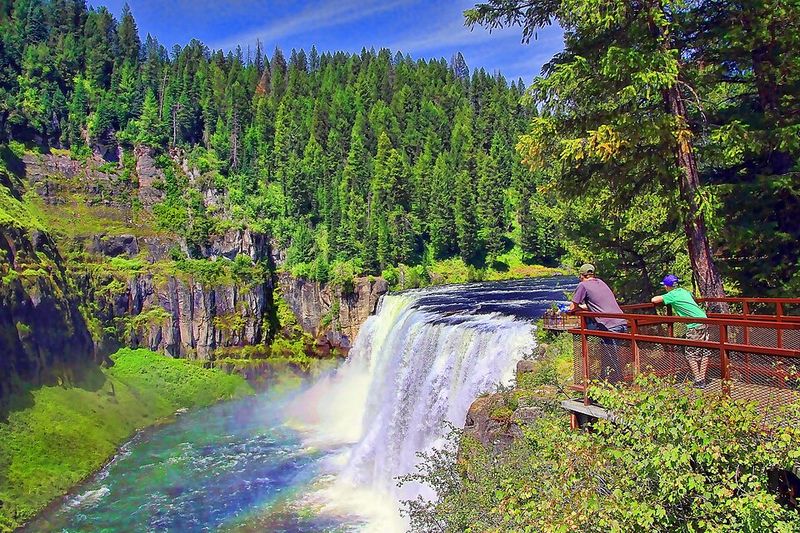
Eastern Idaho brings one of its most photogenic waterfall scenes to Mesa Falls, where powerful water drops through a forested canyon near Ashton. Upper and Lower Mesa Falls create two major viewpoints along the scenic corridor, with Upper Mesa Falls especially dramatic because of its height, volume, mist, and developed boardwalk access.
Color here comes from more than the water itself. White spray crashes through darker canyon rock, evergreen forest frames the viewpoints, and seasonal wildflowers or autumn leaves add extra brightness around the trail and overlook areas.
Mist can catch sunlight and create brief rainbow flashes near the falls, which makes changing light part of the experience. Summer and fall are the easiest seasons for most visitors, while winter access may be limited and weather-dependent.
Families can enjoy the developed viewing areas without needing a difficult hike, and photographers can spend serious time watching the canyon shift through shade and sun. Mesa Falls feels bold, forested, and alive, with enough sound and color to make the detour feel completely worthwhile.
Few waterfall stops make forest, mist, rock, and seasonal color feel so tightly framed together beautifully in eastern Idaho.
9. Sawtooth Botanical Garden
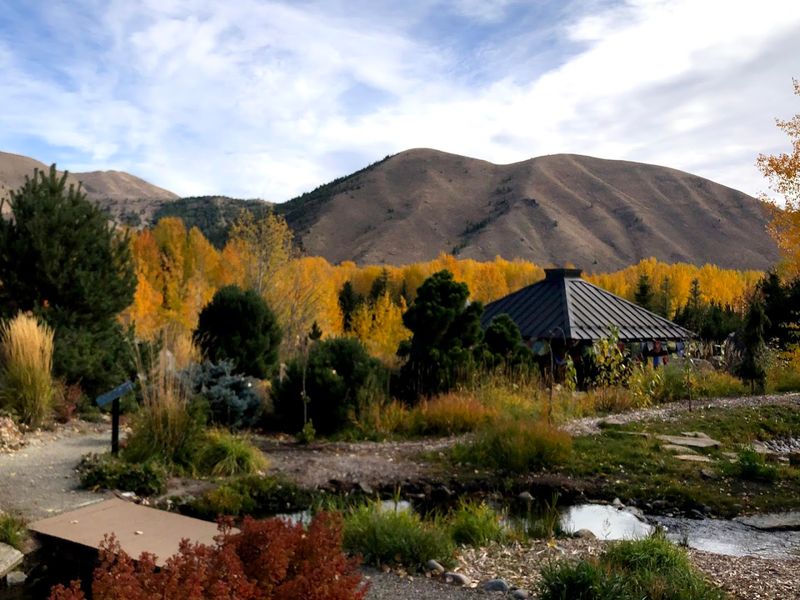
High-altitude color gives Sawtooth Botanical Garden a different mood from lower-elevation gardens in Idaho. Located at 11 Gimlet Road in Ketchum, this community garden showcases native and cultivated plants that can handle mountain conditions, shorter growing seasons, bright sun, and cool air.
The result is color with a crisp, alpine quality rather than the lush softness of a lowland garden. Native plants, cultivated beds, educational displays, and the Garden of Infinite Compassion create a peaceful stop near Ketchum and Sun Valley.
Visitors can expect a calmer, more intimate experience than a large city garden, with mountain views adding depth beyond the flower beds. Summer brings the strongest bloom season, while early fall can add changing tones and cooler walking weather.
Programs, classes, and community events keep the garden connected to local life instead of feeling like a static display. Sawtooth Botanical Garden proves Idaho color can feel both cultivated and wild at the same time, especially when flowers, mountain air, and open sky all work together.
Each small bed feels shaped by altitude, sunlight, community care, and mountain patience throughout summer near Ketchum each year too.
10. Redfish Lake
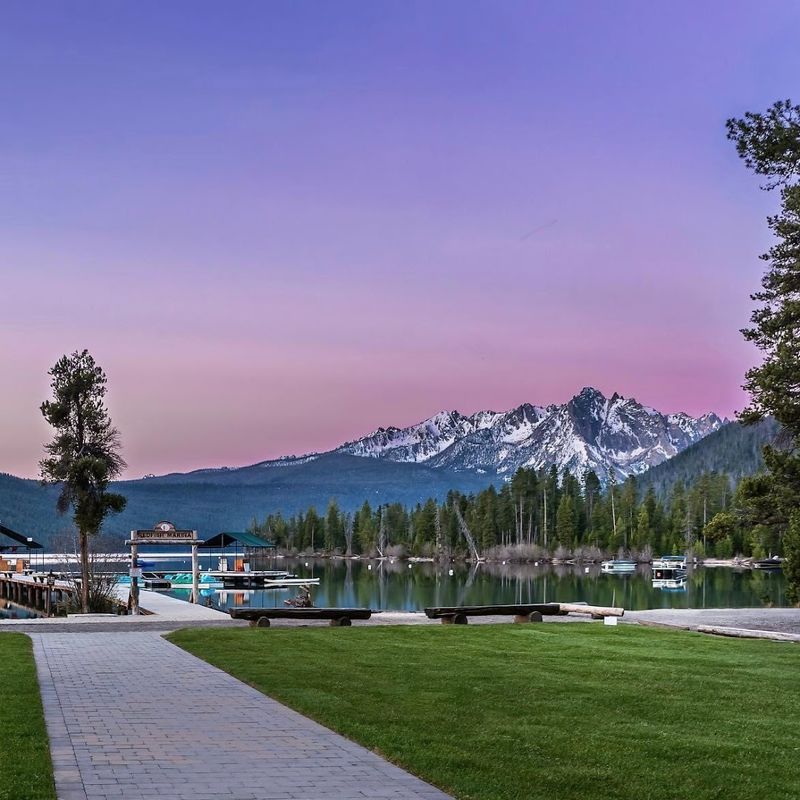
Sawtooth peaks make Redfish Lake look almost unreal when the water sits calm enough to reflect the mountains. Near Stanley, this high-country lake delivers one of Idaho’s strongest color combinations: deep blue or turquoise water, pale sandy shoreline, dark evergreen forest, gray granite peaks, and sunrise or sunset skies that can turn pink, orange, or lavender above the Sawtooths.
Summer brings kayaking, paddleboarding, swimming, hiking access, boat rides, and lakeside picnics, while quieter shoulder-season visits can offer fewer crowds if services are available. The lake’s name connects to sockeye salmon that historically returned after an extraordinary journey from the Pacific Ocean, giving the scenery a natural-history layer as well as visual drama.
Morning often brings the clearest reflections, especially when the wind stays low and the water smooths out like glass. Later in the day, bright sun can make the lake look almost electric.
Redfish Lake feels less like a simple destination and more like a postcard that somehow became real. Few Idaho lakes deliver color, reflection, history, and alpine drama with such ease on clear summer mornings near Stanley each summer day without trying.
Disclaimer: Information in this article is intended for general informational and entertainment purposes only. Attraction details, seasonal blooms, accessibility, operating hours, weather conditions, and park features may change over time.
Visitors are encouraged to check official park, tourism, or attraction websites before traveling for the latest updates, safety guidance, and seasonal conditions. Outdoor experiences and natural scenery can vary depending on weather, time of year, and environmental factors.
This content is not intended as professional travel, legal, financial, or safety advice.