Most People Don’t Know New Jersey Has A Ghost Town With Only A Handful Of Residents Left
Deer sometimes graze right outside the dining room windows at one New Jersey restaurant while dinner hits the table.
That restaurant also sits in a township with just seven full-time residents, according to the 2020 census.
Seven people is fewer than many families seat at a holiday meal.
Yet the valley still holds a preserved village street, a small history museum, and miles of protected forest near the Delaware River.
The emptiness isn’t an accident, either, because a huge federal dam plan once cleared out farms and homes here.
The dam never got built, and now you have something interesting to think about every time you drive one of these quiet roads.
Seven Residents Makes For A Very Short Block Party
Walpack Township in Sussex County counted exactly seven residents in the 2020 census.
That made it the least populated municipality in New Jersey, an extraordinary distinction in the nation’s most densely populated state.
The numbers tell quite a story. The township had 41 residents in 2000, followed by 16 in 2010 and seven in 2020.
Although the population has fluctuated since that last census, Walpack remains one of the state’s smallest communities.
Most of its land belongs to the Delaware Water Gap National Recreation Area, managed by the National Park Service. Forests, former farmland, narrow roads, and historic buildings now occupy a landscape that once supported a much larger community.
The term ghost town fits the atmosphere, although Walpack is still an active township with its own local government.
The surrounding countryside also attracts hikers, photographers, history enthusiasts, and people heading to dinner at the Walpack Inn. Think of it as a town that kept its name and lost its crowd.
Driving through the valley feels like finding a pause button. Cell service can be unreliable, so downloading directions before arriving is a sensible precaution.
A Giant Lake Was Supposed To Swallow This Valley
Blame it on a lake that never showed up. During the 1960s, plans advanced for the Tocks Island Dam along the Delaware River.
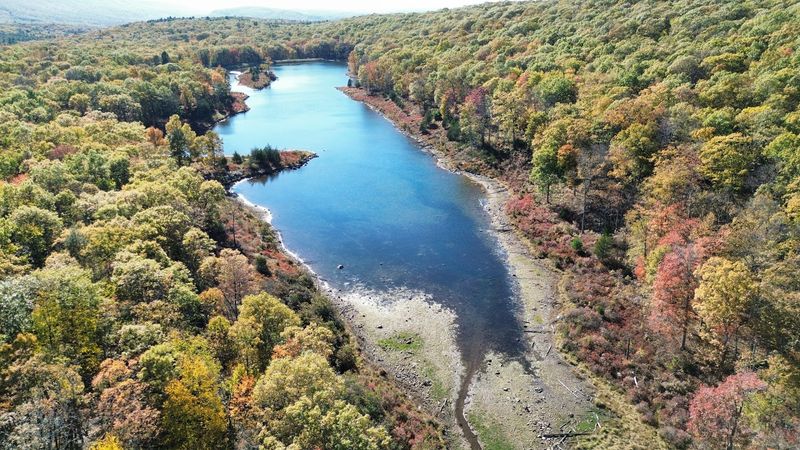
The proposed reservoir would have stretched roughly 40 miles through the valley, creating a massive body of water for water supply, recreation, and regional water management.
To prepare for construction, federal authorities acquired thousands of acres along both sides of the river.
Around 600 families and property owners across the affected region faced relocation. Farms, houses, and businesses passed into federal ownership, dramatically changing communities such as Walpack.
Then the project encountered growing opposition. Environmental concerns, financial questions, and public resistance eventually brought construction plans to a halt.
The Delaware River Basin Commission shelved the project in 1975, and Congress formally ended its authorization in 1992.
The property remained under federal stewardship, becoming part of the Delaware Water Gap National Recreation Area.
Fields that might have disappeared beneath a reservoir remain open, and stretches of countryside once marked for redevelopment are now protected.
Walpack Center Looks Like A Movie Set Waiting For Actors
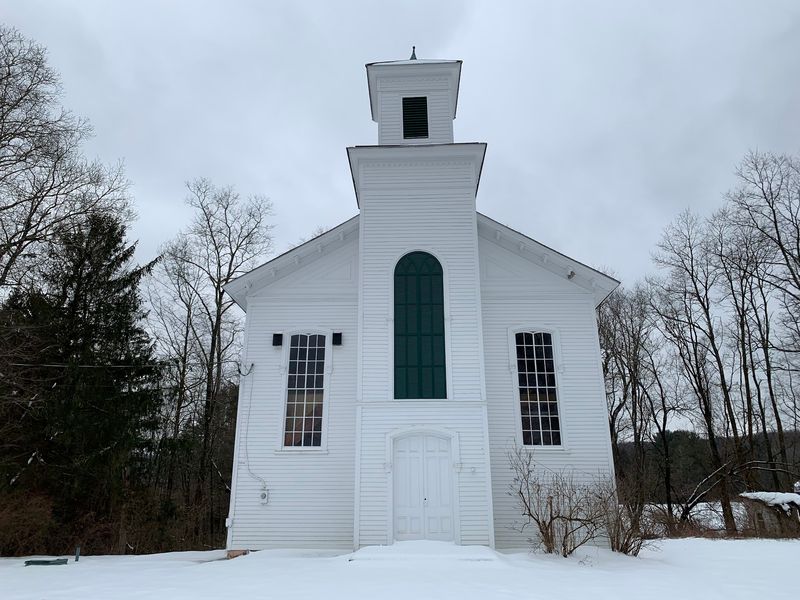
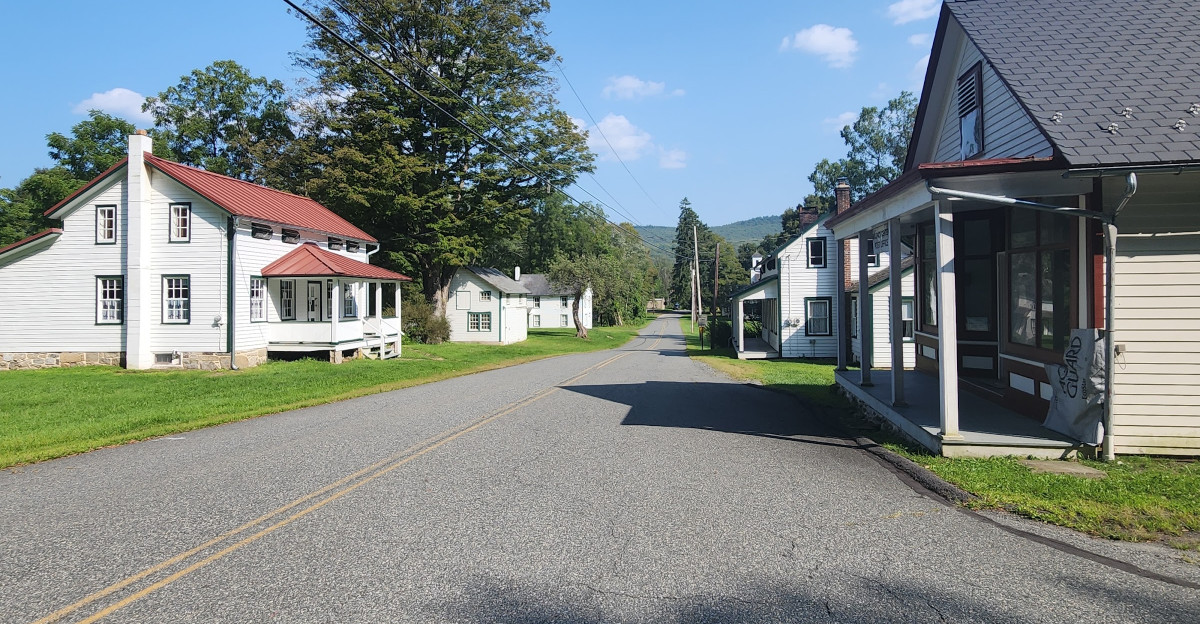
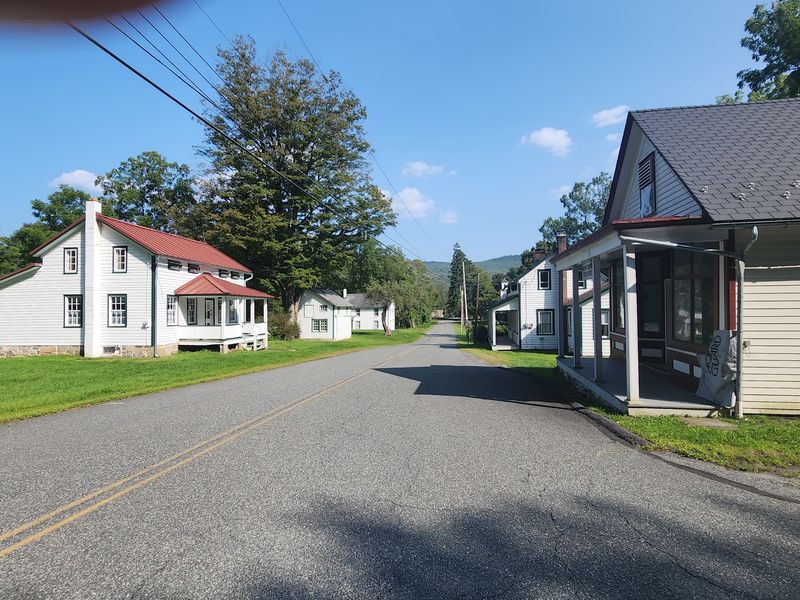
White frame houses line one short street, and a church tower rises above the trees. Welcome to Walpack Center, the preserved historic heart of Walpack Township.
The village developed during the nineteenth century as a gathering place for surrounding farming families.
Its compact collection of buildings includes a former general store, schoolhouse, Methodist church, and several traditional houses.
The store first opened in 1850, helping establish the community as a local center for supplies and services.
The white Methodist church dates to the early 1870s. Its tall windows and simple wooden exterior give the street an unmistakably historic character. The former schoolhouse now serves as the township’s municipal building.
Much of the district belongs to the National Park Service, which works with the Walpack Historical Society to preserve its history. Respect posted access restrictions, since the preserved structures are maintained for historical purposes.
For a place in New Jersey with such a tiny population, Walpack Center offers a surprisingly vivid picture of nineteenth-century village life.
Sunday Afternoons Belong To The Rosenkrans House
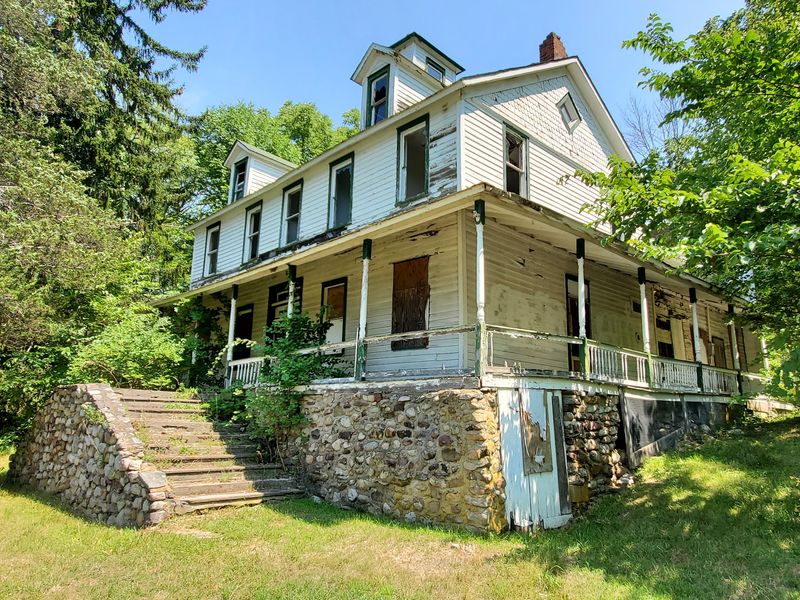
Built in 1850, the Rosenkrans House is one of Walpack Center’s oldest surviving buildings. Today, it serves as a small museum and headquarters for the Walpack Historical Society.
The house was originally constructed for a local storekeeper’s family, placing their home conveniently beside the village general store. Its architecture reflects the traditional Upper Delaware Valley cottage style.
Look for the distinctive eyebrow windows beneath the roofline, along with the modest proportions and wooden details typical of the period.
Inside, exhibits and historical materials help explain how families lived, worked, and maintained their community before the valley changed.
The historical society has operated from the property since 1989, preserving artifacts and organizing educational activities.
Public openings generally take place on selected Sundays during the warmer months, from approximately May through October, depending on volunteer availability. Special events may provide additional opportunities to explore the village.
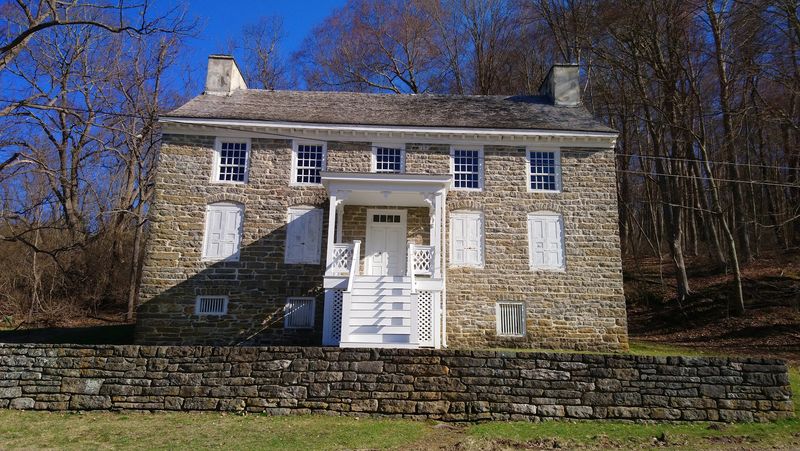
Another interesting connection is the nearby Van Campen Inn, a colonial stone farmhouse that can be reached by the one-mile Military Road Trail.
Dinner Has Been Served Here Since 1949
Few restaurants can say their closest neighbors are mostly deer. The Walpack Inn has welcomed hungry travelers for generations, with its family-run dining tradition dating to 1949.
The restaurant occupies 7 National Park Service Road 615, Walpack Township, surrounded by meadows and wooded hills.
Inside, exposed wooden beams, rustic furnishings, and a large stone fireplace create the atmosphere of a traditional country lodge. The menu features prime rib, steaks, seafood, and other hearty American dishes.
Freshly baked brown bread has been a signature since the 1960s, while the salad bar remains another longstanding part of the dining experience. The restaurant also offers a nearby cabin for overnight stays.
Dinner service is available Friday through Sunday, with reservations recommended and booking generally opening two weeks ahead.
Plan the drive carefully. Some nearby roads, including a section of Route 615, have been affected by closures in 2026. Arriving before dark also gives you more time to appreciate the surrounding countryside.
Keep An Eye On The Window Because Deer Like To Drop By
Glass walls, open fields, and the occasional four-legged guest. The greenhouse dining room at The Walpack Inn is one of its most distinctive features.
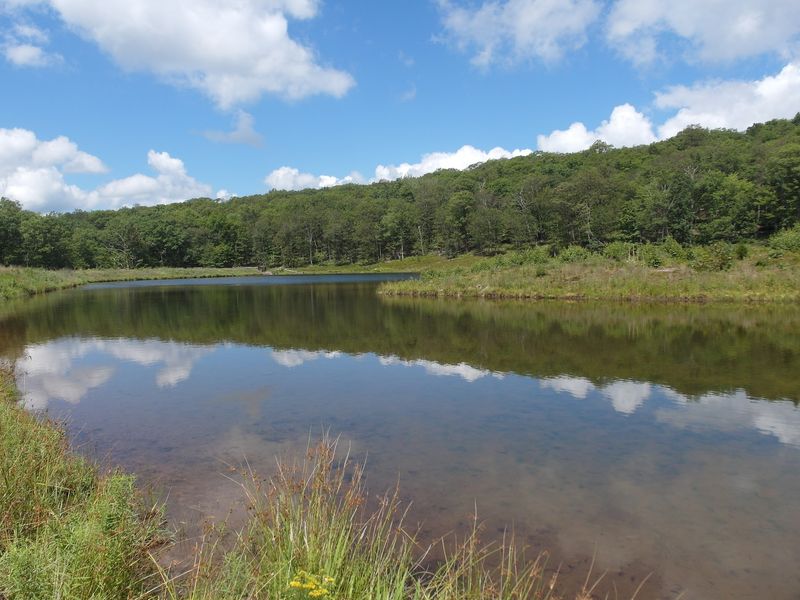
Large windows overlook the surrounding Walpack Valley, where deer regularly wander across the grassy landscape.
The room was added in 1975 specifically to make the most of those countryside views.
Hanging plants, wooden tables, and natural light give it a different character from the restaurant’s older dining spaces. And yes, watching deer graze while enjoying dinner is a real possibility.
The animals roam freely through the surrounding landscape, so sightings depend on their movements and the time of day. Late afternoon and early evening can be particularly interesting, as deer are often active around dusk.
The views also change dramatically with the seasons. Spring brings fresh greenery, autumn colors spread across the nearby hills, and winter exposes more of the landscape beyond the dining room.
Window seating is especially popular, although individual table requests depend on availability. The surrounding recreation area also supports bald eagles, foxes, and other wildlife.
Buttermilk Falls And An Old Road Full Of Stories
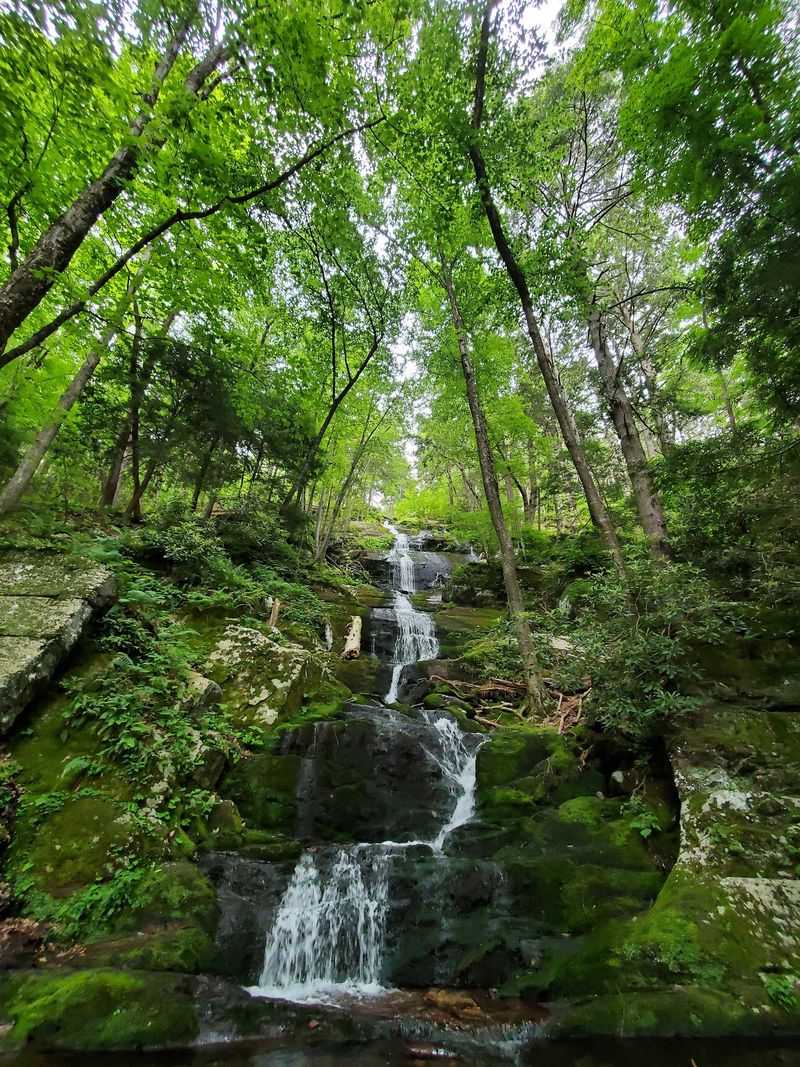
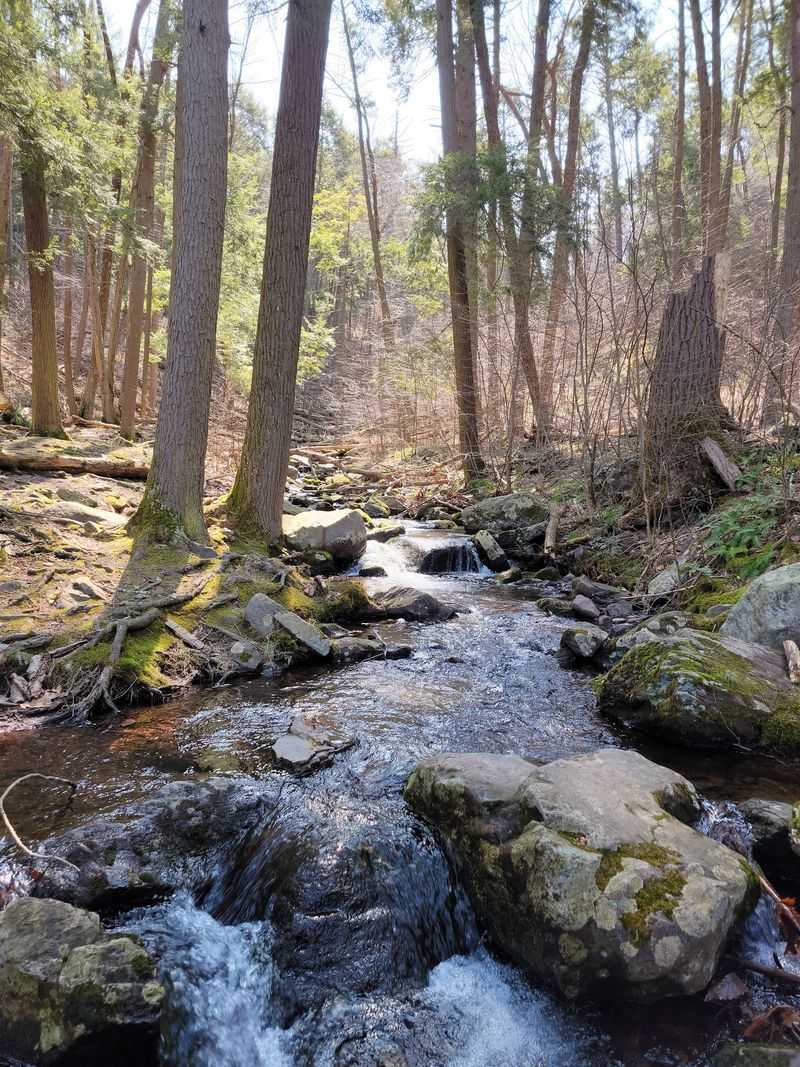
Tall water and old roads make a great pairing. Buttermilk Falls in Walpack Township is recognized by the National Park Service as New Jersey’s tallest waterfall.
Water cascades down a steep rock face, creating a particularly dramatic sight after substantial rainfall or spring snowmelt.
A wooden staircase climbs beside the waterfall, connecting with a trail that continues toward the Appalachian Trail.
The steps are steep, making sturdy footwear important for anyone planning to climb. Getting there requires extra attention in 2026.
The Main Street bridge at Walpack Center remains closed, so drivers must approach Buttermilk Falls using Struble Road through Stokes State Forest and then Mountain Road.
That access also closes seasonally from December 15 through April 15. Nearby Old Mine Road adds another historical dimension to the outing.
Established during the eighteenth century, it became an important transportation route for area farmers and merchants.
Along the route stands the Van Campen Inn, a colonial stone farmhouse built around 1746. Despite its name, it originally served as a family home that provided shelter to travelers.
Sections of Old Mine Road have also undergone construction in 2026, so route planning matters.
Pack Your Boots Because The Park Is Basically The Backyard
Thousands of acres of protected land surround this tiny town.
Walpack Township lies within the Delaware Water Gap National Recreation Area, which covers more than 70,000 acres across New Jersey and Pennsylvania.
The recreation area contains more than 150 miles of hiking trails, ranging from gentle walks to challenging mountain routes.
Fishing, paddling, wildlife watching, and scenic drives are also among the outdoor activities available throughout the region.
Stokes State Forest borders the area, adding more wooded trails, streams, and mountain scenery. The Delaware River itself provides opportunities for canoeing and kayaking when conditions are suitable.
Each season brings something different. Spring fills the streams, summer offers leafy trails, and autumn transforms the surrounding ridges with brilliant color. Winter is quieter, although seasonal road closures require additional planning.
Bring water, comfortable footwear, and downloaded directions. Some stretches of the park have limited services and unreliable mobile reception. Respect historic properties, follow designated trails, and give wildlife plenty of space.
A full day could include Walpack Center, the Rosenkrans House during its visiting season, and a countryside dinner.
For a township whose last census recorded only seven residents, that’s quite a lot to discover.