Most People Don’t Realize This Connecticut Museum Houses Dozens Of Historic Aircraft
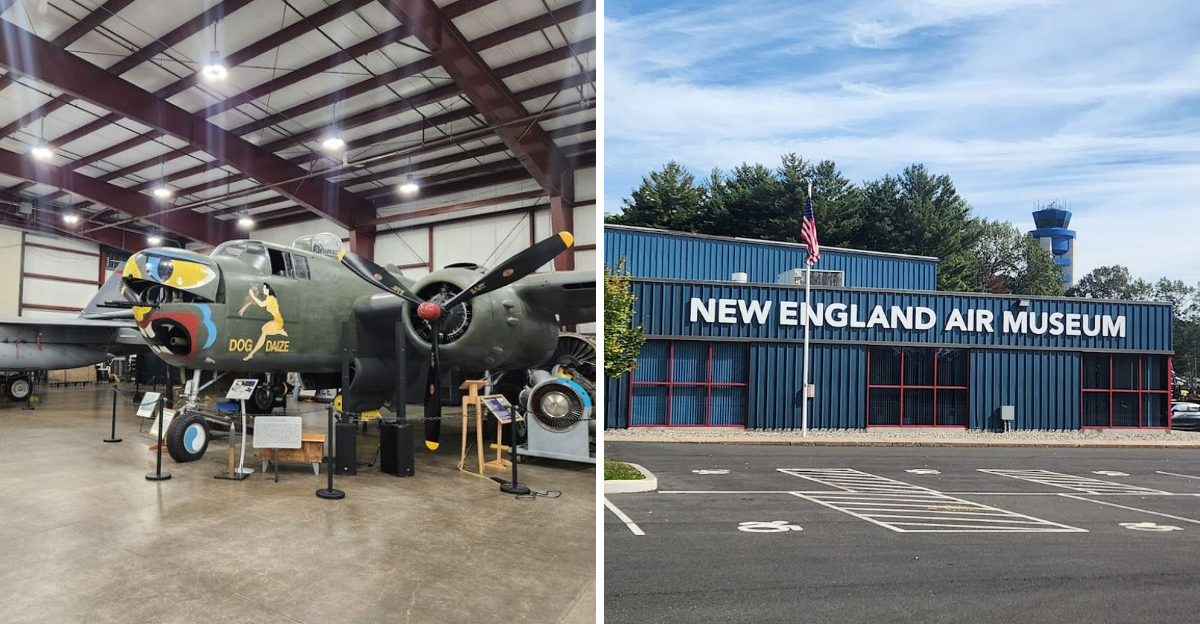
Most people drive past it without a second thought. They have no idea what’s waiting inside.
The scale of it stops you cold the moment you enter. Dozens of historic aircraft, spread across three massive hangars, each one a machine that once pushed the limits of what humans believed was possible.
Connecticut doesn’t shout about this place. It just lets it sit there, quietly extraordinary, waiting for the people who find it.
These aren’t replicas. These are the real things, restored, preserved, and close enough to touch.
If you’ve ever looked up at the sky and wondered about the people brave enough to climb into those early cockpits, this is where those stories live. Connecticut has plenty of surprises, but few of them hit quite like this one.
Over 100 Historic Aircraft Under One Roof
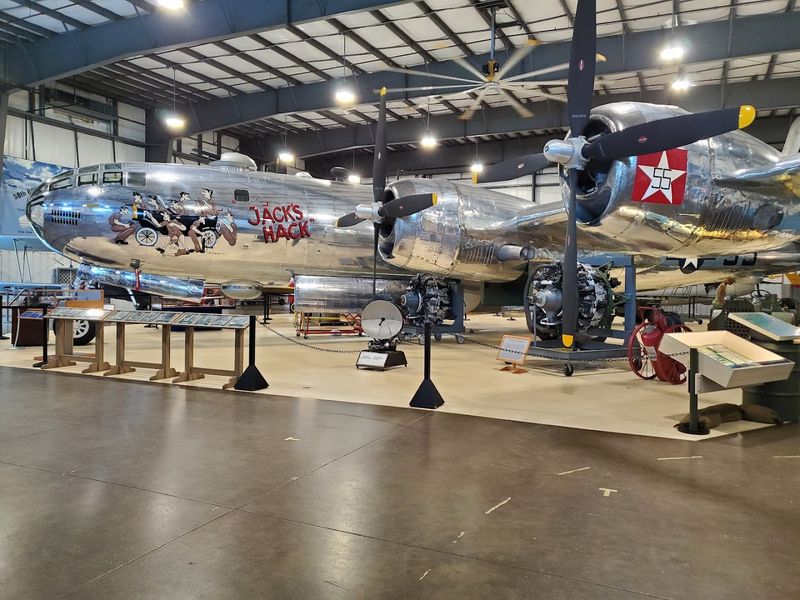
Few museums can honestly claim to house over 100 aircraft, but this one delivers exactly that. Three massive hangars hold everything from vintage biplanes to classic jets spanning decades of aviation history.
Walking through feels less like a museum visit and more like time travel.
Each aircraft tells a specific story. Some were built for speed, others for commercial travel, and a few were pure experiments in human ambition.
The sheer variety is what keeps you moving from one display to the next without checking your phone.
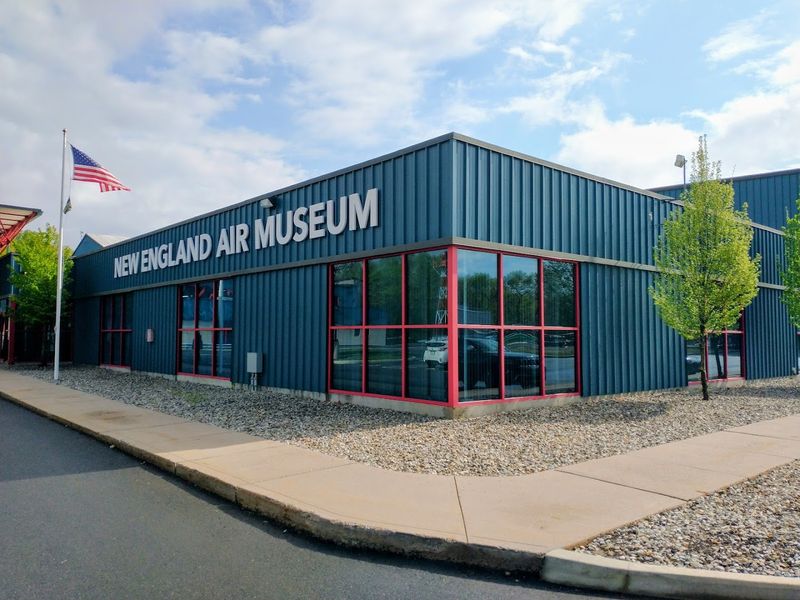
Located at 36 Perimeter Rd, Windsor Locks, Connecticut, the New England Air Museum is the largest aviation museum in all of New England. That title is well earned.
You genuinely need two to three hours to see everything properly.
The outdoor display area adds even more to explore beyond the hangars. Engines, instruments, and aviation artifacts fill every corner of the space.
First-time visitors almost always leave wishing they had planned for more time.
The Boeing B-29A Superfortress Named Jack’s Hack
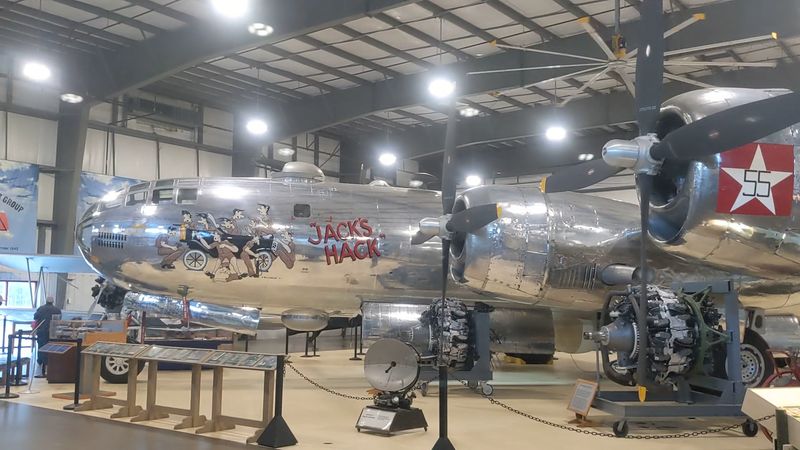
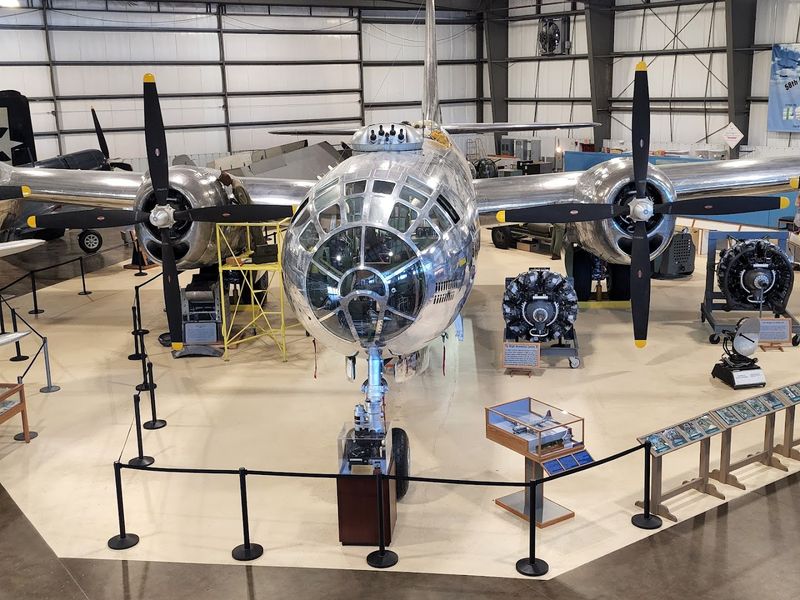
Standing beneath the B-29 Superfortress is a genuinely humbling moment. This aircraft is enormous, and seeing it up close makes you realize how ambitious mid-century engineering really was.
The restoration alone is worth the trip.
Named “Jack’s Hack,” this particular B-29A has been painstakingly brought back to its former glory. Volunteers and staff have poured serious time and skill into every detail.
The result is one of the most impressive static displays you will find anywhere.
The B-29 represented a leap forward in aviation engineering. It featured pressurized crew compartments, remote-controlled turrets, and a range that made it unlike anything built before it.
The museum’s signage explains those details clearly, adding real context to what you are looking at.
Staff members are known for offering closer looks when possible. One visit might include a guided explanation from a knowledgeable volunteer who clearly loves this aircraft.
That kind of personal interaction turns a good museum visit into a great one.
The Sikorsky VS-44A Flying Boat
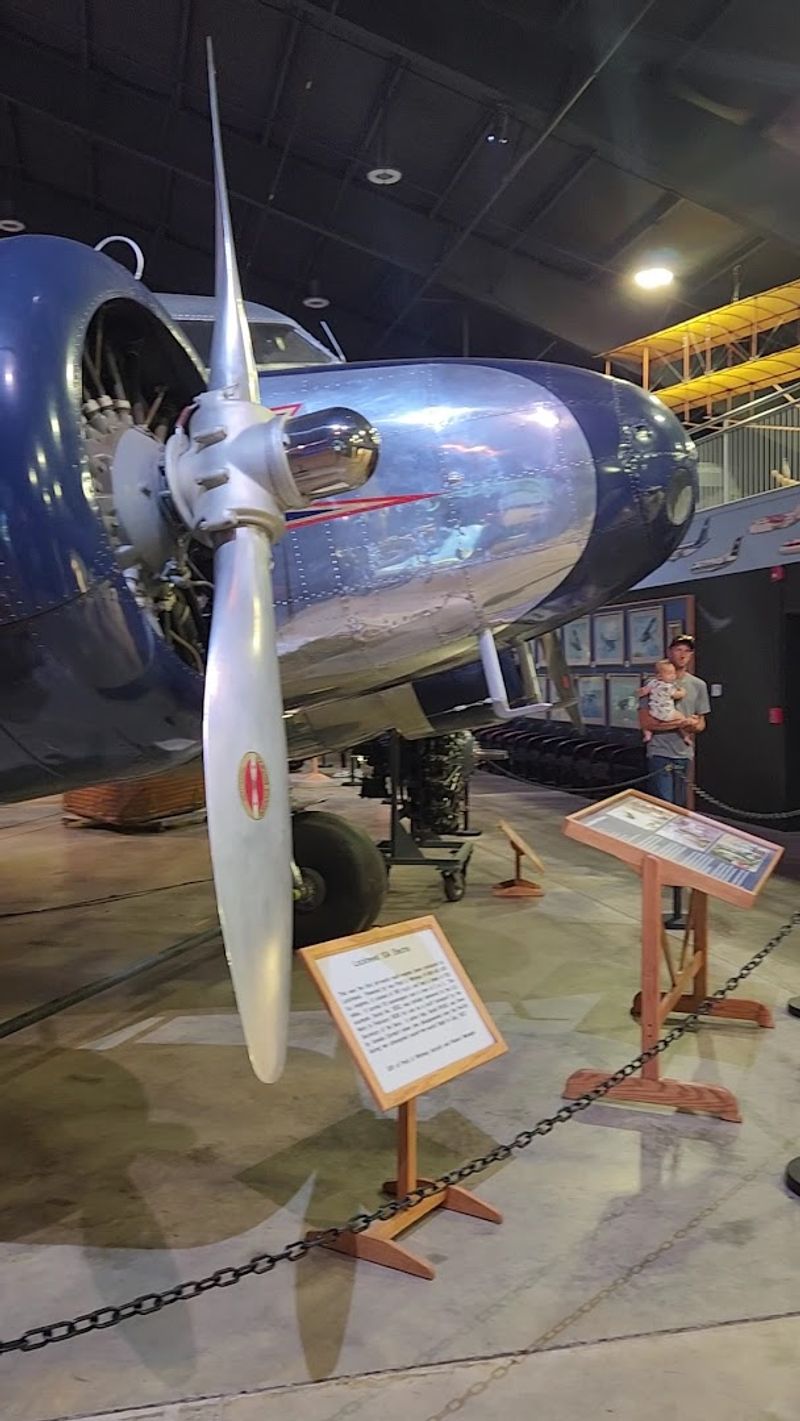
Imagine a plane that lands on water like a boat and carries passengers across the Atlantic Ocean. That is exactly what the Sikorsky VS-44A was built to do.
Only three were ever made, and this is the only one left in the world.
This aircraft represents a fascinating chapter in commercial aviation history. Before modern airports connected continents, flying boats like this one made transoceanic travel possible.
The VS-44A could carry passengers in a level of comfort that rivaled ocean liners of the same era.
The engineering behind it is remarkable. Four massive engines powered this aircraft across open ocean routes with no runway in sight.
Seeing it in person gives you a real appreciation for how creative aviation pioneers had to be.
Aviation enthusiasts consistently rank this as one of the top highlights of any visit. It is genuinely rare to see a surviving aircraft with this kind of historical significance.
Most people walk past it slowly, taking in every detail of its massive hull and wingspan.
The Goodyear Blimp Control Car
Not everything historic has wings, and this exhibit proves that perfectly. The Goodyear ZNPK-28 Blimp Control Car is one of only two surviving K-class control cars anywhere on the planet.
That fact alone makes it worth seeking out.
K-class blimps were engineering achievements built for endurance and precision. They patrolled vast stretches of open ocean, covering distances and durations that pushed the limits of what airships could do.
The control car hanging in this museum was the nerve center of one of those remarkable operations.
Up close, the gondola looks surprisingly compact for something that performed such demanding duties. Instruments, controls, and crew stations are packed into a tight space that required serious teamwork to operate.
It is a fascinating reminder that not all aviation milestones involved wings.
The museum does an excellent job of providing context for each artifact. Clear signage explains the blimp’s mission, its operational history, and why so few of these control cars survived.
You leave knowing something genuinely interesting that most people have never heard of before.
The Silas Brooks Balloon Basket
Before jets, before propellers, before engines of any kind, humans took to the sky in baskets suspended beneath balloons. The Silas Brooks balloon basket is believed to be the oldest surviving American-built aircraft in existence.
That is not a small claim.
Silas Brooks was a 19th-century balloonist who performed at fairs and public events across the country. His balloon basket survived when countless others did not, making it a truly irreplaceable piece of American aviation history.
Seeing it feels like holding a thread that connects directly to the very beginning of flight.
The basket itself looks deceptively simple. Woven construction, modest size, and no engine whatsoever.
Yet it carried a person into the sky at a time when doing so was considered extraordinary and slightly reckless.
This exhibit tends to surprise visitors who expected the museum to focus only on modern aircraft. The historical range on display here is genuinely wide.
Starting from a 19th-century balloon basket and ending with supersonic jets is a journey worth taking at any age.
Flight Simulators And Hands-On Exhibits
Reading about aircraft is one thing, but actually sitting in a simulator cockpit is something else entirely. This museum offers flight simulators that put you in the pilot’s seat in a very convincing way.
The F-18 simulator is a particular crowd favorite.
Gamers tend to take to it naturally, but even first-timers find the experience thrilling. The controls respond realistically, and the visuals give you a genuine sense of what it feels like to handle a high-performance aircraft.
It is the kind of interactive exhibit that keeps younger visitors talking long after they leave.
Beyond simulators, the hands-on exhibits cover engines, instruments, and aviation mechanics in ways that are easy to understand. Nothing feels overly technical or intimidating.
The museum clearly designed these exhibits with curious minds of all ages in mind.
There is also a build-and-fly area that younger visitors absolutely love. Families with kids report spending significant time in the interactive zones.
The museum balances education and entertainment in a way that feels effortless rather than forced.
The Restoration Hangar In Action
Most museums show you finished products behind glass. This place shows you the work in progress, and that makes a real difference.
The restoration hangar lets visitors watch volunteers actively preserving historically significant aircraft in real time.
Seeing a team of passionate people carefully bring a decades-old aircraft back to life is genuinely moving. These volunteers include former engineers, pilots, and aviation professionals who donate their time and expertise.
The dedication on display is obvious from the moment you walk in.
The restoration program ensures that aircraft which might otherwise decay into history are saved for future generations. Not every museum has the resources or the committed volunteer base to pull this off consistently.
It is one of the things that sets this place apart from similar institutions.
Visitors can watch the process and sometimes ask questions directly. The staff and volunteers are known for being approachable and enthusiastic about sharing what they know.
Leaving this hangar, you feel a genuine respect for the effort it takes to keep aviation history alive and accessible.
The Tuskegee Airmen Tribute Exhibit
Some exhibits stop you in your tracks, and this is one of them. The Tuskegee Airmen tribute is a powerful, well-crafted celebration of the first African American aviators to break through the barriers of their era.
It belongs in every aviation museum, and here it is done right.
The display includes historical context, photographs, and artifacts that bring the story to life without oversimplifying it. These men faced extraordinary obstacles and still performed at the highest level.
Their legacy shaped American aviation in ways that continue to resonate today.
Visitors consistently mention this exhibit as one of the most memorable stops in the entire museum. It carries an emotional weight that sits differently from the technical aircraft displays nearby.
Both types of exhibits are important, and together they tell a fuller story of what aviation history really looks like.
The museum also features an exhibit celebrating pioneering women in aviation, which pairs beautifully with this tribute. Taken together, these displays remind you that aviation history belongs to a much wider group of people than most expect.
That broader perspective makes the whole experience richer.
Making The Most Of Your Time At The Museum
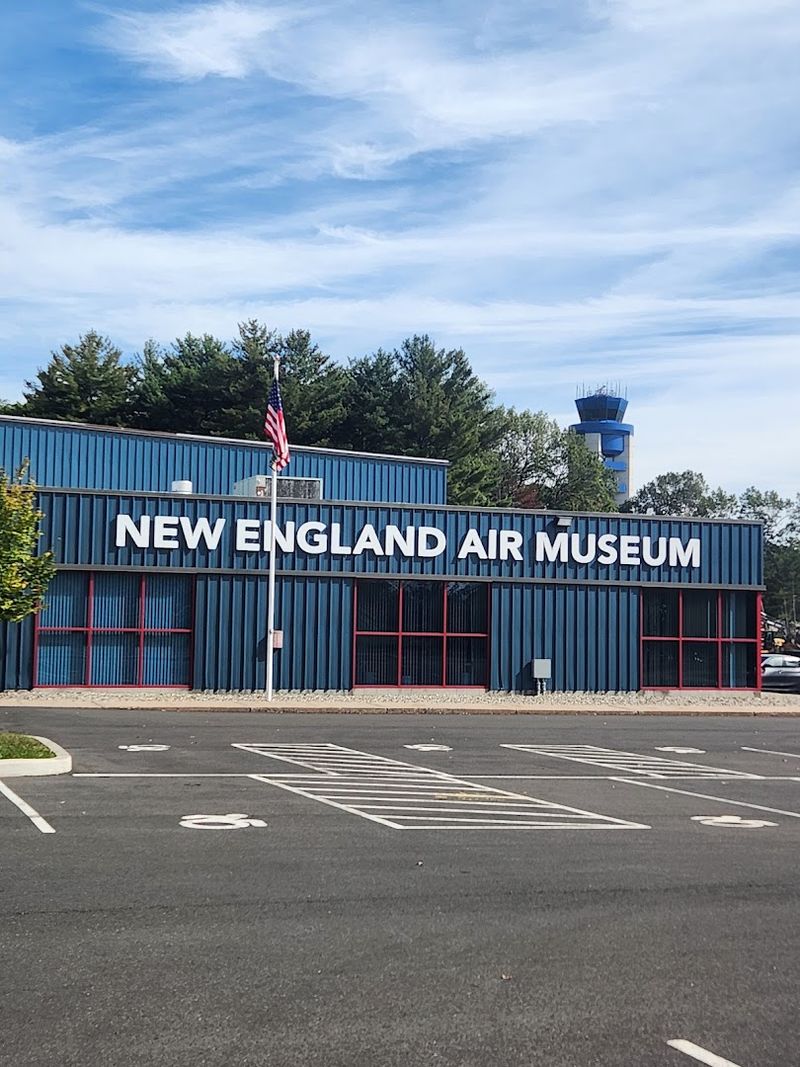
Getting the most out of a visit here takes a little planning, and it is worth doing right. The museum is open daily from 9 AM to 4 PM, giving you a solid window to explore everything across the three hangars and outdoor displays.
Arriving early means you beat any crowds and get more time with the exhibits.
Admission is reasonably priced, and veterans with valid ID receive a discounted $12 ticket. Many local libraries also offer discounted admission through their websites, so checking before you go can save a few dollars.
The parking is free and easy, which is a genuine bonus.
Plan for at least two to three hours if you want to see the major exhibits properly. Families with young children who want to spend time in the interactive zones should budget even more.
Rushing through a collection this size means missing things you will regret not seeing.
The gift shop carries aviation-themed souvenirs that make great keepsakes, especially for younger visitors. Vending machines and restrooms are available on site.