Most People Haven’t Discovered This Stunning Appalachian Trail View In Connecticut

There is a view waiting at the end of this hike that genuinely stops people mid-sentence and I am not exaggerating even a little bit. The Appalachian Trail has no shortage of incredible moments but this particular spot hits different in a way that even seasoned hikers were not fully prepared for.
The climb is worth every single step and the payoff at the top is the kind of scenery that makes you want to just sit down and stay for a while. People who make it up here tend to get a little emotional about it which sounds dramatic until you are actually standing there taking it all in.
Most people have no idea that one of the most stunning Appalachian Trail views in Connecticut is right here waiting to be discovered.
That relative quiet up top makes the whole experience feel incredibly personal and that is honestly what sets it apart from everything else.
1. Breathtaking Views Over The Northwest Connecticut Hills
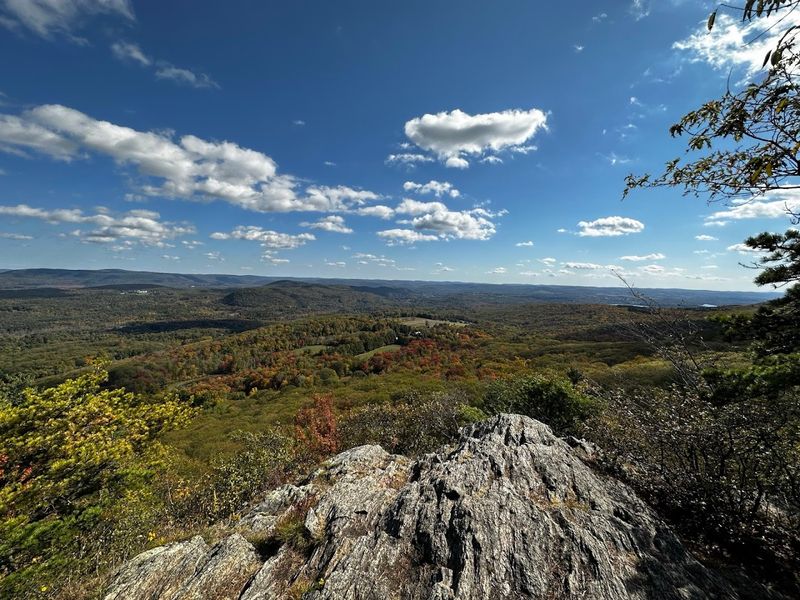
The top of Lions Head reveals a sudden expanse of landscape that stretches across the Taconic Mountains and the surrounding hills of the northwest, with ridgelines fading into soft shades of green and gray.
On a clear day, the horizon reaches far enough to make the climb feel instantly rewarding.
The rocky, open ledge at the summit provides plenty of space for visitors to spread out, take photos, and fully enjoy the view without feeling crowded.
Unlike many summit hikes that demand technical skill or long mileage, Lions Head offers this kind of scenery at the end of a relatively approachable trail.
Its elevation of about 1,738 feet is modest but high enough to rise above the treeline and showcase the full sweep of the valley below.
Along the hike, wildlife sightings enhance the experience, with birds of prey occasionally gliding at eye level near the summit. The combination of open rock, expansive sky, and layered terrain creates a visual reward that lingers with visitors long after the hike ends.
2. Accessible Hike That Rewards With Panoramic Scenery

Not every great view requires a grueling all-day effort, and Lions Head makes that point clearly. The most common route to the summit covers roughly two miles one way, putting the round trip at about four miles total, which falls comfortably within reach for most casual hikers.
The trail gains elevation steadily rather than brutally, making it manageable for people who don’t hike regularly.
There are a few steeper sections closer to the top, including a short rocky scramble that adds a bit of excitement without requiring any climbing gear or special footwear beyond sturdy shoes.
Trail markings are reliable and easy to follow, which reduces the stress of navigation for those unfamiliar with backcountry hiking.
The path connects to the Appalachian Trail, giving the hike a sense of being part of something much larger even on a short outing.
Hikers who visit in winter should be aware that the upper rock section can become icy and slippery, so traction devices are worth bringing along during colder months. Dogs are welcome on the trail and tend to enjoy the terrain, though leash rules should be checked ahead of the visit.
Overall the hike balances challenge and accessibility in a way that suits a wide range of fitness levels.
3. Quiet Trails That Feel Off The Beaten Path

One of the quieter qualities of Lions Head is how the trail manages to feel secluded even though it sits along one of the most famous long-distance footpaths in the country.
The Appalachian Trail runs through this section of northwest Connecticut with relatively modest foot traffic compared to more popular segments in other states.
Weekday visits especially tend to feel peaceful and unhurried, with stretches of trail where the only sounds are wind and birdsong.
The forested approach to the summit winds through mixed hardwood and hemlock, creating a shaded corridor that feels removed from the pace of everyday life.
The understory stays interesting throughout the hike, with moss-covered rocks, roots crossing the path, and occasional views through the trees that hint at what is waiting at the top.
That gradual reveal makes the summit moment feel earned rather than sudden.
Wildlife along this trail can include white-tailed deer, wild turkey, and various songbirds depending on the season, and the calm atmosphere of the woods makes sightings more likely for patient and quiet walkers.
Hikers who prefer a trail that feels genuinely natural rather than heavily managed will find Lions Head delivers that quality consistently across all four seasons without requiring a long drive to more remote areas.
4. Easy To Reach From Salisbury Town Center
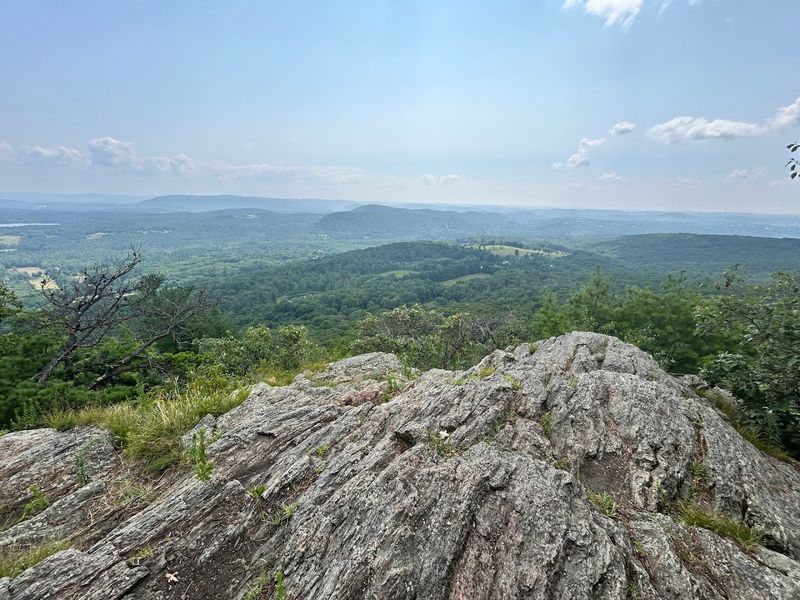
Salisbury is a small town in Litchfield County with a compact and walkable center, and Lions Head sits close enough to make the trailhead easily reachable without navigating complicated back roads for long distances.
The drive from the town center to the Bunker Hill Road parking area is short, and the route passes through the kind of rural New England landscape that already sets a pleasant tone before the hike begins.
Visitors coming from outside the area can reach Salisbury via Route 44, which connects to nearby towns and larger highways.
The town itself offers a handful of practical stops for anyone planning a hiking day, including small markets and local eateries where trail snacks or a post-hike meal can be picked up. Salisbury has a quiet, unhurried character that fits well with the overall pace of a day spent outdoors.
Spending a bit of time in town before or after the hike adds a grounded, local feel to the overall outing.
Cell service along the trail can be limited, so downloading an offline map before leaving town is a useful precaution. The trailhead signage is clear enough that first-time visitors can find their way without difficulty.
Overall the logistics of reaching and starting the hike are straightforward, which lowers the barrier for anyone considering Lions Head as a spontaneous day trip.
5. Seasonal Foliage Makes Each Visit Unique

Fall is the season that draws the most attention to Lions Head, and for good reason. When the hardwood trees across the Taconic hills shift into their autumn colors, the view from the summit becomes a wide canvas of orange, red, and yellow that shifts week by week through October.
The elevation of the summit provides a bird’s-eye perspective on the foliage that ground-level views simply cannot match, making the hike particularly worthwhile during peak color weeks.
Spring brings an entirely different quality to the trail, with fresh green emerging from bare branches and wildflowers beginning to appear along the path in the lower sections.
Summer visits offer dense shade through most of the forested climb, which keeps the hike cooler than exposed routes, with the summit providing a welcome breeze.
Winter hiking on Lions Head is possible and can be strikingly beautiful, though the icy rock near the top deserves careful attention and appropriate footwear.
Each season changes not just the colors but the sounds and smells of the trail, from the earthy dampness of spring mud season to the crisp dry air of a November morning after the leaves have dropped.
Returning to the same trail across different times of year reveals how much the landscape shifts, making Lions Head feel like a different hike each time without ever leaving the same path.
6. Bring A Picnic To Enjoy At The Summit
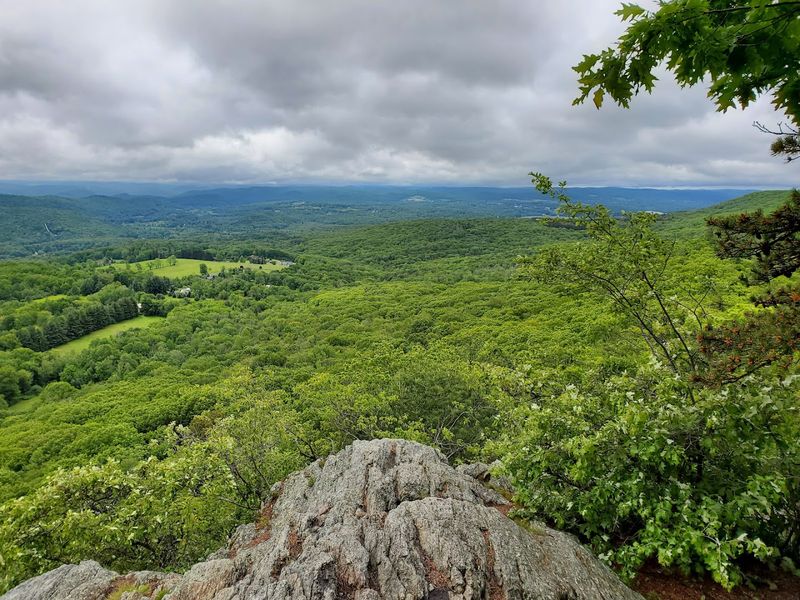
The open rocky ledge at the top of Lions Head is wide enough to sit comfortably and take a proper break, which makes it a natural spot to bring food and linger after the climb.
Unlike summits where the only option is a quick photo before heading back down, this one offers enough flat rock surface to spread out a blanket or sit on a low boulder with a clear view in multiple directions.
The combination of fresh air and open scenery tends to make even simple food taste better.
Packing light is always smart for a summit picnic since the trail involves some elevation gain and a rocky finish. Sandwiches, fruit, nuts, and plenty of water travel well and don’t require any cooking or complicated preparation.
Bringing more water than expected is a practical habit since there are no water sources on the trail itself.
The summit can get breezy even on warm days, so a light layer packed in the bag helps maintain comfort during a longer rest at the top. Timing the picnic for midday on a weekday tends to offer the most space and quiet.
Packing out all trash is essential for keeping the summit clean and preserving the experience for everyone who follows. A little preparation makes the summit stop genuinely restorative rather than just a quick turnaround.
7. Perfect Spot For Sunrise Or Sunset Photography

The open ledge at the top of Lions Head faces outward across a wide valley, which makes it a naturally strong location for capturing light at both ends of the day.
Sunrise arrives with soft color spreading across the Taconic ridgeline, and the low angle of morning light tends to bring out texture in the landscape below.
Photographers who make the early effort to reach the summit before dawn often find the light quality there genuinely exceptional.
Sunset visits offer a different mood entirely, with warm tones settling across the hills and long shadows stretching through the valley.
The rocky summit platform provides stable ground for tripods, and the lack of major light pollution from nearby towns keeps the sky relatively clean during golden hour.
On clear evenings, the color can linger well after the sun drops below the ridge, giving extra time to work with the light.
Timing the hike for photography does require some planning since the trail is not lit and descending in full darkness without a headlamp can be difficult. Checking sunrise and sunset times before heading out helps ensure a safe and well-timed visit.
Arriving about thirty minutes before the target light window gives enough buffer to settle in and set up comfortably at the top.
8. Ideal Destination For A Weekend Outdoor Escape
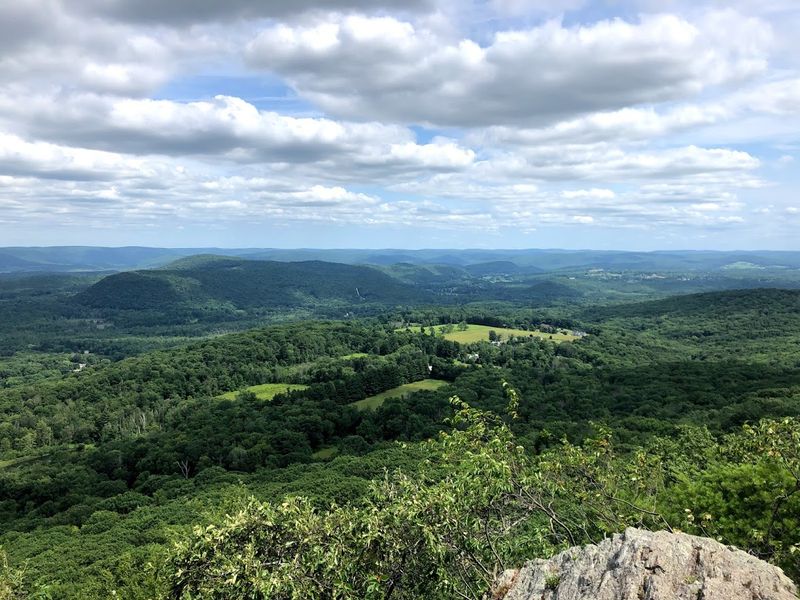
A weekend trip to Lions Head fits comfortably into a single day without requiring overnight gear or extensive planning, which makes it an appealing option for anyone looking to reset outdoors without committing to a major expedition.
The hike itself takes roughly two to three hours round trip at a relaxed pace, leaving plenty of time to explore the surrounding area of Salisbury and Litchfield County before heading home.
Northwest Connecticut has a quieter, less-visited energy compared to more popular New England destinations, which adds to the appeal of the area.
The region around Salisbury includes other natural attractions that pair well with a Lions Head hike, such as the nearby Housatonic River corridor and the open farmland landscapes that characterize this part of the state.
Combining the summit hike with a slow drive through the area on the way in or out creates a fuller outdoor day without adding much complexity.
The rural roads in this part of the state are pleasant to travel at a leisurely pace.
Weekends in late spring and early fall tend to offer the best balance of comfortable temperatures and strong visibility from the summit. Arriving at the trailhead by mid-morning on a Saturday helps beat the parking rush while still enjoying the warmth of the day.
Lions Head rewards the modest effort of planning with a summit experience that feels genuinely worth the trip.