10 Most Underrated State Parks In Virginia For A Quiet Weekend Away
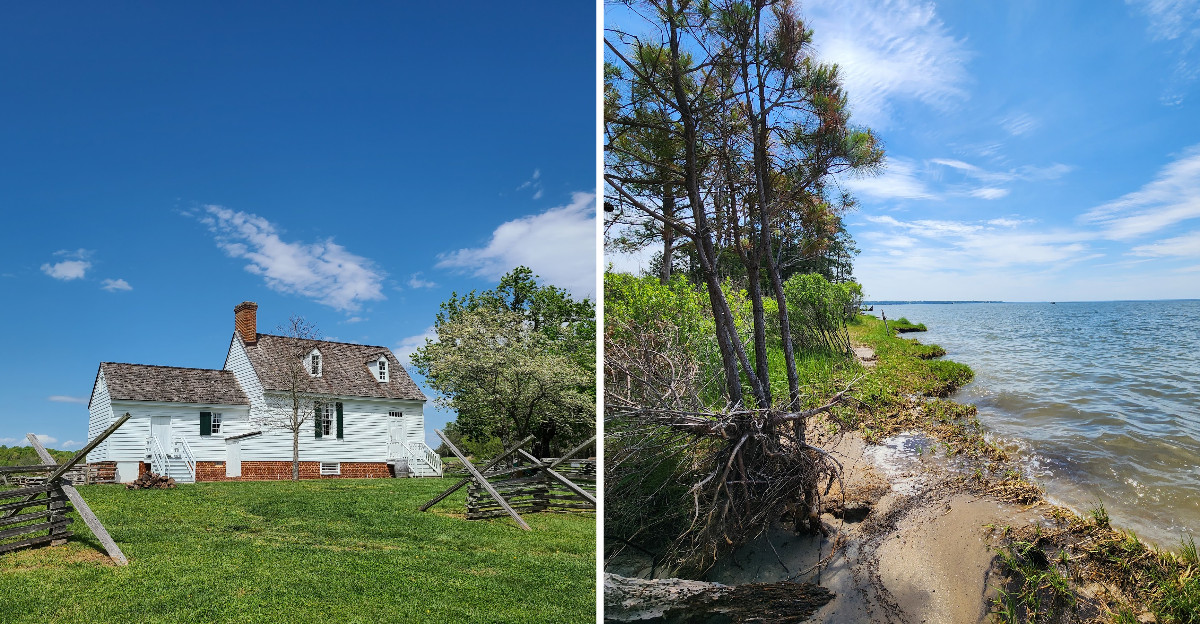
The best sound at a state park might be… almost nothing.
No parking-lot chaos. No line of hikers breathing down your neck. Just water, birds, leaves, and whatever snacks made it into the cooler.
Virginia has quieter parks where limestone tunnels, fossil cliffs, sandy beaches, calm rivers, historic forts, and wildlife still deliver plenty of adventure without the circus around them.
That is the sweet spot. One weekend can be active, another can involve very little besides a lakeside chair.
Nobody needs to conquer anything. Sometimes a successful escape is simply finding a beautiful place where your phone becomes deeply uninteresting.
1. Natural Tunnel State Park, Duffield
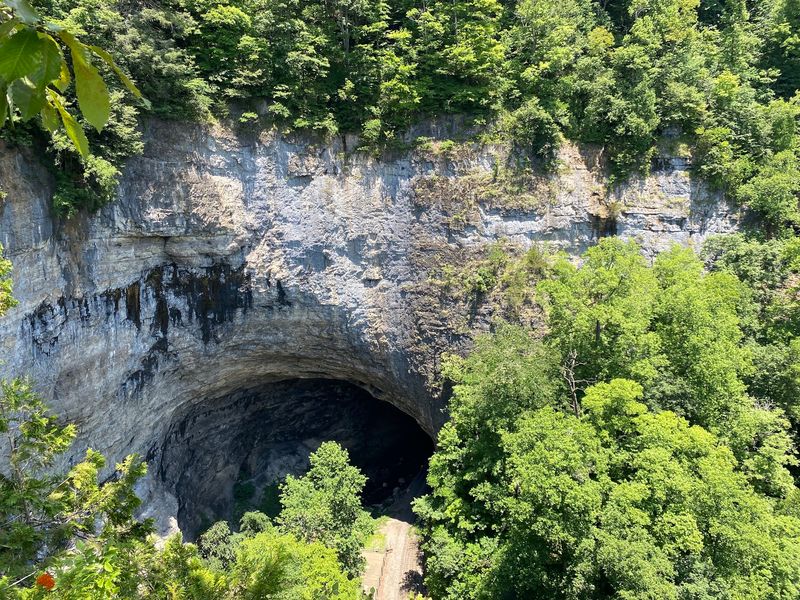
A mountain with a hole through it is real. The scale becomes even stranger once the gorge comes into view.
Natural Tunnel State Park in Duffield centers on an 850-foot limestone passage that rises about 100 feet inside.
Stock Creek still runs through the formation, while active railroad tracks pass through the tunnel floor. Virginia visitors can watch the scene from designated overlooks without needing to enter the rail corridor.
A chairlift provides seasonal access down toward the tunnel floor, and hiking trails give walkers another way to explore the surrounding ridges during a relaxed morning walk.
Lovers’ Leap offers a higher viewpoint over the gorge, while other paths move through forest, rock formations, and quieter corners of the 909-acre park.
The experience extends beyond the tunnel. Scheduled wild-cave programs and guided paddling trips on the Clinch River appear on the park calendar during parts of the year, so checking current dates before arrival matters.
The Daniel Boone Wilderness Trail Interpretive Center also operates as a satellite facility nearby.
Cabins, yurts, and campgrounds make an overnight stay easy to arrange. That flexibility helps the park feel less like a one-feature stop and more like a weekend base.
Find the entrance at 1420 Natural Tunnel Pkwy. The tunnel gets the attention, but the surrounding trails give the visit room to breathe.
2. Douthat State Park, Millboro
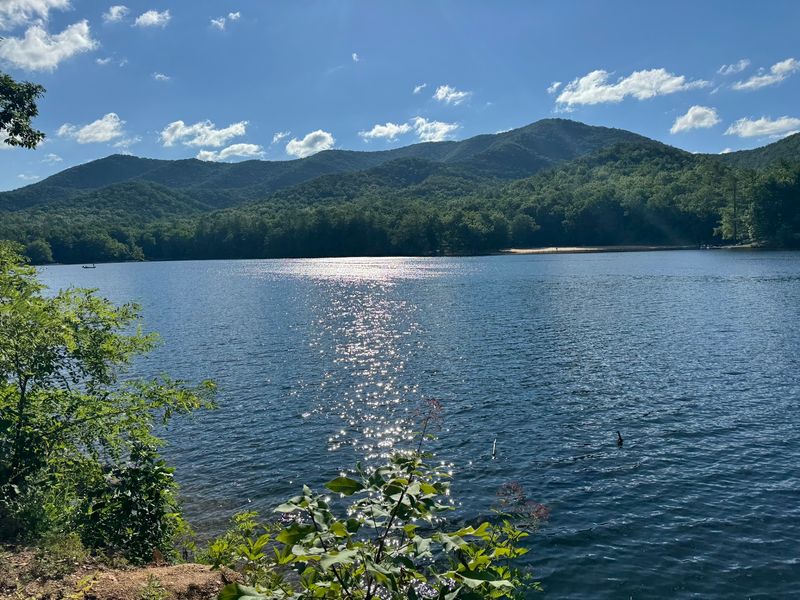
Let’s be real for a second, some parks just age like a favorite flannel shirt. Cozy, sturdy, and a little nostalgic.
Douthat State Park in Millboro opened in 1936 and remains one of the original parks in Virginia’s state system.
Its historic design earned a place on the National Register of Historic Places, and Civilian Conservation Corps craftsmanship still shapes cabins, stonework, roads, and other features across the property.
Mountain ridges frame a 50-acre lake stocked with several trout species during the fishing season. The water also supports bass, sunfish, crappie, catfish, and chain pickerel, giving anglers plenty of reasons to slow down near the shoreline.
More than 43 miles of trails cross the park, with options ranging from easier lakeside walks to demanding climbs through wooded terrain. Many routes also welcome mountain bikes, while a separate network serves horseback riders.
The sandy beach stays available for unguarded swimming within the marked area from May through October. Seasonal boat rentals add another way to spend a quiet afternoon away from the trail system.
Overnight choices are unusually broad. The park has cabins, three larger lodges, and multiple camping areas, so a weekend can be built around hiking, fishing, or very little at all.
The entrance is at 14239 Douthat State Park Rd. This is a place where doing less can still fill a day.
3. Hungry Mother State Park, Marion
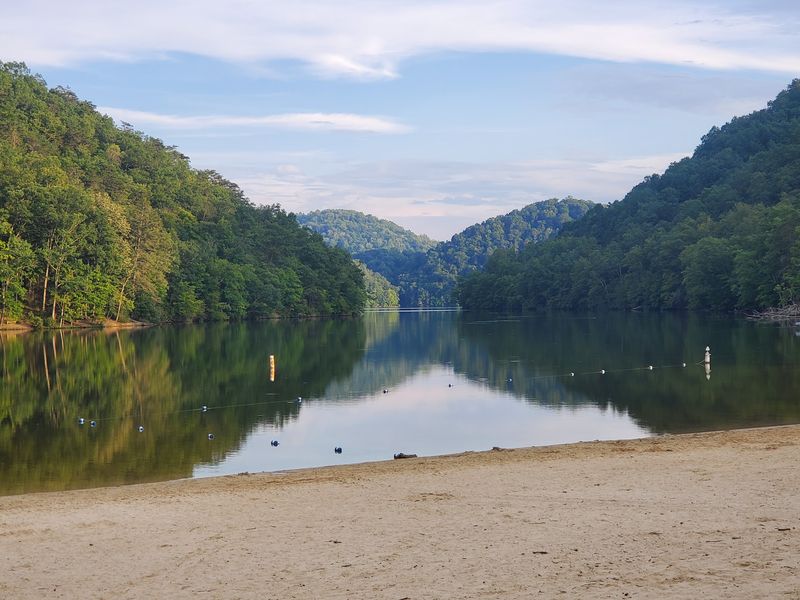
Just imagine for a second a park with a name that sounds like a lunch order. Odd, right? The story behind it is even stranger.
Hungry Mother State Park in Marion takes its name from a long-running regional legend.
The best-known version follows Molly Marley and her young child through a difficult journey in the surrounding mountains, with the child reportedly repeating “Hungry Mother” after reaching help. The nearby peak became known as Molly’s Knob.
That knob now anchors one of the park’s tougher hikes. The four-mile round trip includes a steep incline and is rated difficult, but higher sections open toward mountain and lake views.
Below, the 108-acre Hungry Mother Lake supports paddling, fishing, and seasonal swimming.
Canoes, kayaks, paddleboards, paddleboats, and other small craft are available during the warmer season, while the sandy beach operates on a seasonal schedule.
More than 18 miles of trails offer gentler alternatives around the water and through the woods. Some paths also serve mountain bikers, although parts of the trail system have been converted specifically for downhill biking.
Cabins, yurts, campgrounds, and a family lodge make longer stays practical without forcing every visitor into the same style of trip. The park was also one of the original six in the state system, opening in 1936.
Head to 2854 Park Blvd for a mountain weekend with plenty of room to choose the pace.
4. Caledon State Park, King George
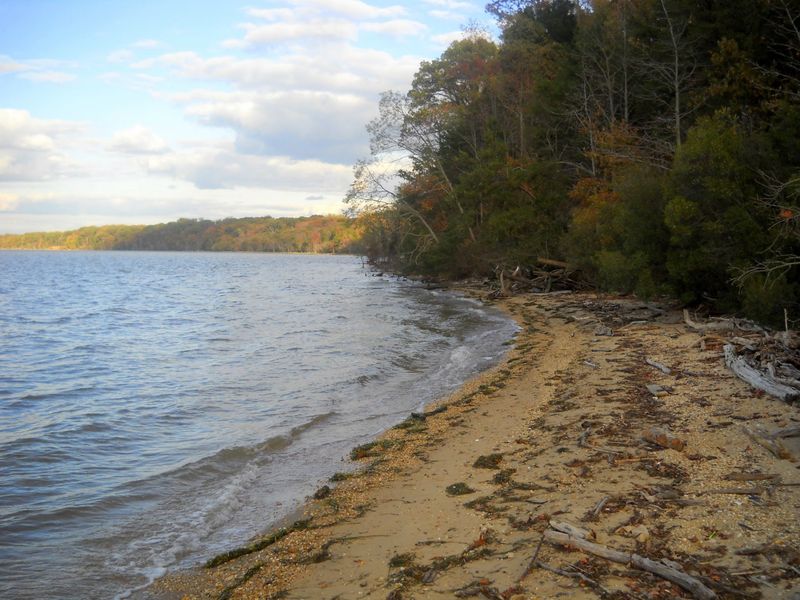
Caledon State Park in King George protects mature forest along the Potomac River and holds National Natural Landmark status.
The park is especially known for bald eagles, which use this stretch of river habitat throughout the warmer months.
Five hiking routes cover about six miles, with mostly wooded scenery and occasional access toward the shoreline.
Boyd’s Hole Trail leads toward the Potomac, while shorter paths provide easier options for visitors who would rather stay beneath the canopy.
The visitor center adds context with exhibits focused on the park’s natural resources and eagle habitat.
Seasonal programs may include ranger-led eagle outings, wagon rides, shoreline walks, or guided paddles, so the event calendar is worth checking before a weekend visit.
Wildlife watching extends well beyond one species. Ospreys, hawks, owls, and other birds use the forest and river corridor, while quiet trails create plenty of chances to stop and listen rather than rush.
For travelers who want to stay overnight, primitive campsites sit near the Potomac and trade extra amenities for a more secluded setting. There are no regular cabins here, which keeps the overnight experience simple.
The park entrance is at 11617 Caledon Rd. Bring binoculars, give the trees time, and let the river do most of the talking.
5. Machicomoco State Park, Hayes
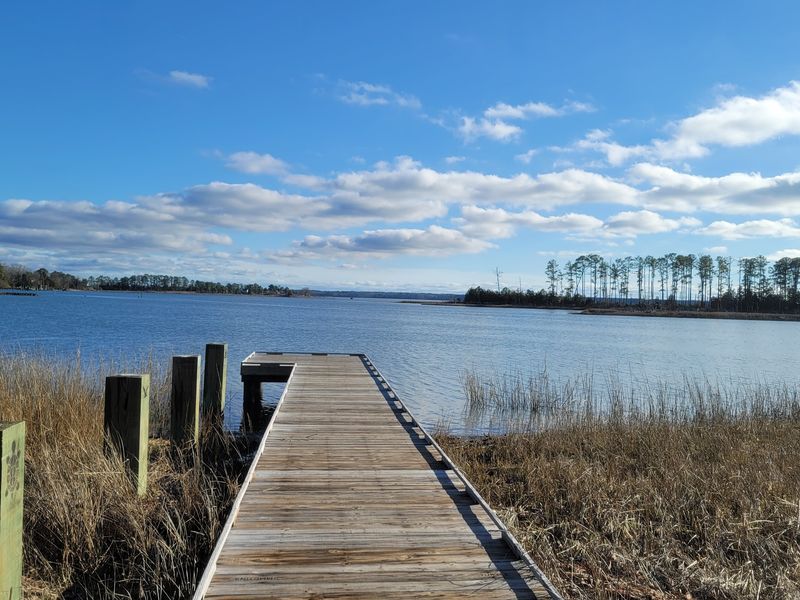
Some parks are about the past as much as the scenery. One riverside park blends both beautifully.
Machicomoco State Park in Hayes covers 645 acres along the York River.
Its name is Algonquian for “a special meeting place,” and the park was created with a strong focus on the history, culture, landscape, and continuing presence of Virginia Indian communities.
An open-air interpretive area introduces Tsenacommacah, the Powhatan chiefdom, and the movement of Indigenous people through this region.
The park sits about 10 miles downriver from Werowocomoco, making the surrounding landscape an important part of the story rather than simple background.
Walking routes include a paved 3.1-mile loop along the main park road, a shorter interpretive path, and wooded trails that connect fields, forest, marsh, and waterfront areas. Wildlife habitat supports songbirds, birds of prey, deer, and other species.
Water access comes through a hand-carried boat launch at Poplar Creek, with small floating docks on Timberneck Creek for daytime use and fishing. There is no designated swimming area, so paddling and shoreline views are the better fit.
A campground, primitive walk-in sites, and three yurts make a low-key weekend possible without leaving the property.
Find the entrance at 3601 Timberneck Farm Rd. The quietest moments come naturally here, but the cultural context gives them far more depth at an easy pace.
6. Wilderness Road State Park, Ewing
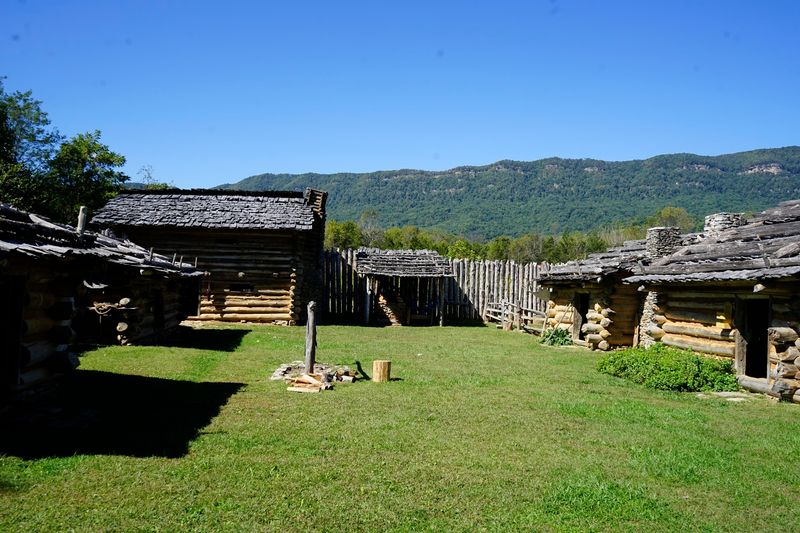
A wooden fort in a meadow can look straight out of a history book. Here, that first impression comes with real regional context.
Wilderness Road State Park in Ewing preserves part of the corridor that carried travelers west through Cumberland Gap in the late 1700s.
Daniel Boone helped mark the route in 1775, and the road later became one of the major migration paths into Kentucky and the interior.
The reconstructed Martin’s Station is the park’s signature historic feature. Built to represent a 1775 frontier settlement, it opens seasonally and supports living-history programs on selected dates.
Demonstrations and special events vary, so the current schedule matters more than assuming the fort is active every day.
A visitor center adds museum exhibits, a theater presentation, and regional interpretation before visitors head outside. That makes it easy to understand the route first and then see how the landscape shaped travel.
The 6.5-mile Wilderness Road Trail gives hikers and cyclists a gentler way to move through the park. Horseback riding is also allowed on the multi-use route, and broad mountain views appear beyond the open fields.
Primitive camping keeps overnight stays simple, while picnic areas and an accessible playground work well for shorter visits.
The park sits at 8051 Wilderness Rd. The fort draws the eye, but the old travel corridor is what ties the whole place together.
7. Belle Isle State Park, Lancaster
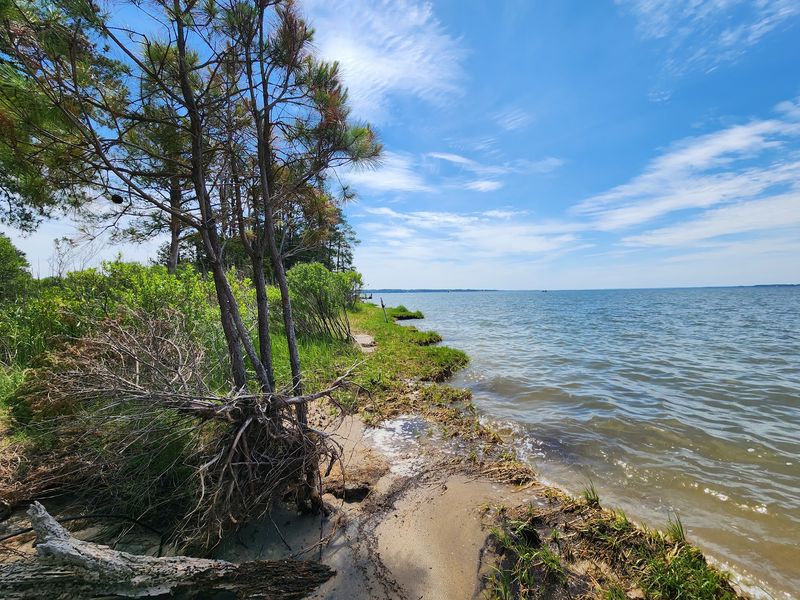
It makes you wonder, doesn’t it, how so much shoreline stays this quiet? Seven miles of riverfront give visitors plenty of room to spread out.
Belle Isle State Park in Lancaster covers 892 acres along the Rappahannock River, with access to Mulberry and Deep creeks.
Tidal wetlands, open fields, wooded sections, and shoreline all fit into one compact park, creating noticeably different scenery from trail to trail.
The mostly gentle terrain works well for walking and cycling. Multi-use routes pass through farm fields and forest, while a wheelchair-accessible boardwalk and fishing pier open additional parts of the waterfront to more visitors.
Seasonal canoe, kayak, and bicycle rentals make it easy to change pace without leaving the property. Paddlers can explore the creeks when conditions cooperate, and a motorboat launch serves visitors bringing their own craft.
Wildlife is another reason to slow down. Herons, ospreys, hawks, and bald eagles use the river corridor, while wetlands support a wide range of smaller animals and plants.
Camping ranges from a regular campground to the primitive Brewers Point sites, which require a hike or paddle to reach. The 1942 Bel Air House and nearby guest house provide a completely different overnight option.
Set the map for 1632 Belle Isle Rd. This is the kind of waterfront weekend where the schedule can stay pleasantly short.
8. Chippokes State Park, Surry
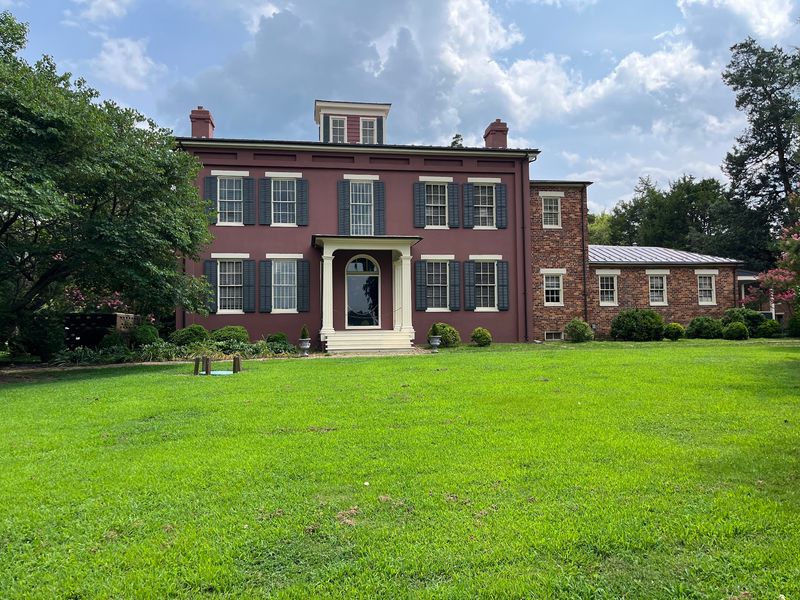
Chippokes State Park in Surry sits along the James River with centuries of farming history built into the landscape.
The property has remained a working farm since 1619, making it one of the country’s oldest continuously farmed sites.
The 1854 Jones-Stewart Mansion anchors the historic area beside formal gardens and supporting buildings.
Tours are offered on selected dates, while the Farm and Forestry Museum displays equipment that traces changing agricultural practices across generations.
Outdoor exploring is just as easy to build into a visit. The park has 12 miles of trails, including the paved College Run Trail connecting the visitor center area with the river and historic grounds.
Other routes cross fields and woods and can become muddy after wet weather. The James River shoreline adds a completely different layer.
Fossils from ancient marine environments can appear along the beach, and current ranger programs even allow visitors to collect shark teeth. Beach access remains available by trail, but there is no designated swimming area.
Cabins and a campground make overnight stays straightforward. One important 2026 update matters for summer planning: the park’s pool did not open this season, so the river views, trails, museum, and historic grounds carry the day instead.
The entrance is at 695 Chippokes Park Rd. Few parks combine active farming, fossil hunting, and river scenery in one unhurried stop.
9. York River State Park, Williamsburg
Shark teeth in Virginia sound wild, yet ancient marine fossils really do appear along this river.
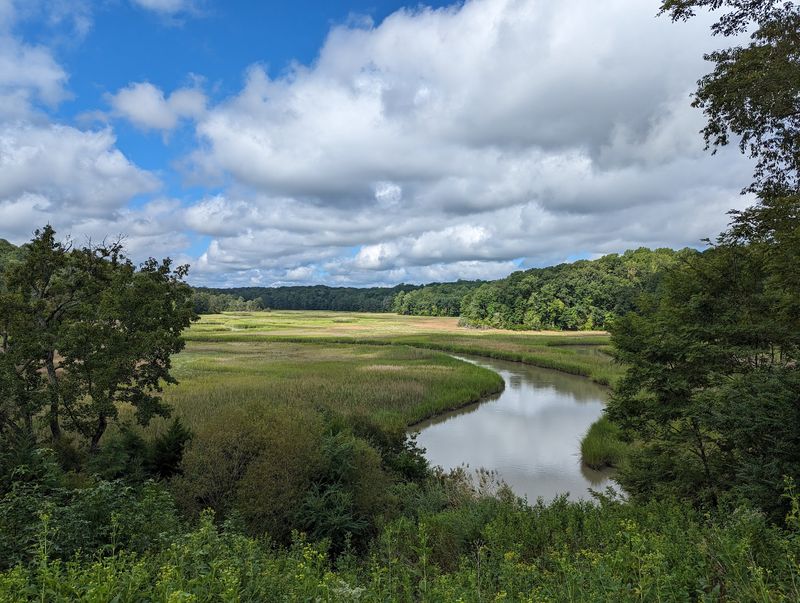
York River State Park near Williamsburg protects 2,954 acres around a rare estuarine environment where fresh and salt water meet.
Marshes, forest, shoreline, and tidal creeks support a broad mix of plant and animal life, while the park forms part of the Chesapeake Bay National Estuarine Research Reserve.
More than 40 miles of hiking, mountain biking, and equestrian trails cross the property.
Some routes stay relatively gentle, while others use rolling terrain and sharper elevation changes. Taskinas Creek Trail is one of the more scenic choices for marsh and creek views.
Fossil Beach adds another reason to explore slowly. Marine fossils from millions of years ago occur along the shoreline, but collecting or disturbing them is not allowed.
Scheduled fossil walks provide the best way to learn what the exposed layers contain.
Paddling remains part of the park experience, although regular boat rentals are not available in 2026. Guided paddle programs may still appear on the calendar, and Croaker Landing remains open for visitors bringing appropriate watercraft.
Fishing, picnic areas, a visitor center, and river overlooks round out an easy day trip, but there are no overnight facilities inside the park.
The entrance is at 9801 York River Park Rd. Give the tide time to change, and the landscape starts explaining itself.
10. Sailor’s Creek Battlefield State Park, Rice
Quiet fields can tell the loudest stories. These rolling hills hold a major chapter of nineteenth-century history.
Sailor’s Creek Battlefield State Park in Rice protects 379 acres connected to the closing days of the 1865 Appomattox Campaign.
Interpretive trails cross open fields, creek valleys, and wooded edges where visitors can follow the movement of events without needing a long or difficult hike.
Seven hiking routes include short connector trails and longer paths leading toward overlooks and the creek. Signs along the way help place the landscape in context, turning a quiet walk into a more understandable history lesson.
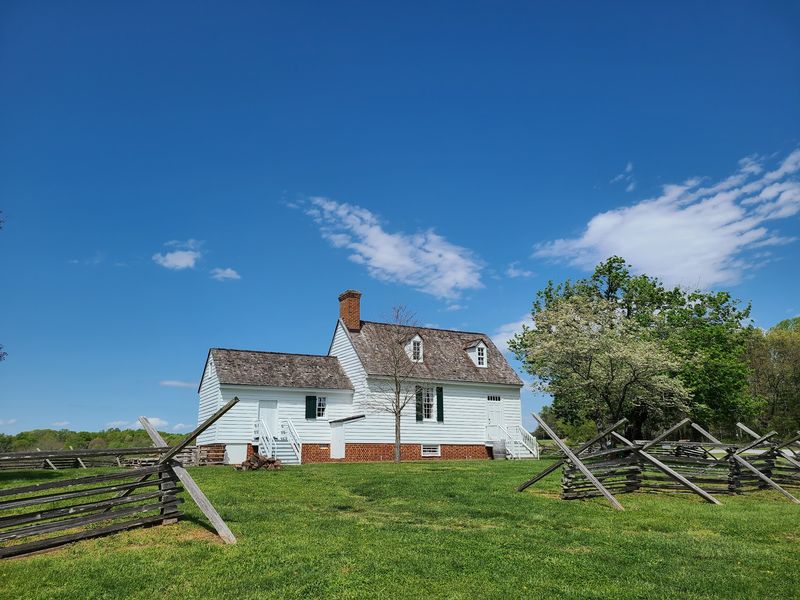
The visitor center adds maps, exhibits, and a short orientation before the trails. Nearby, the restored Hillsman House preserves another part of the site’s 1865 story and is available for tours on request during normal park hours.
The broader battlefield received National Historic Landmark status in 1985. Today, the focus is interpretation rather than spectacle, with living-history and commemorative programs appearing at selected times of year.
There are no cabins or campgrounds inside the park, which makes this better for a calm daytime visit than a full resort-style weekend. Picnic tables and open grounds leave room for a slower stop.
Find it at 6541 Saylers Creek Rd. The landscape is understated, and that restraint is exactly what gives the visit its weight.