10 Mountain Escapes In California Perfect For Your Spring Break Adventure
Spring break does not always need crowds or a beach packed shoulder to shoulder.
California has mountain escapes that offer a different kind of reset, where the air feels sharper and the scenery does enough to make your usual routine feel very far away.
That is the appeal of heading uphill this time of year.
Snow can still linger in the distance, trails begin opening back up, and a few days away start to feel bigger simply because the setting changes so completely.
A trip like this brings the good kind of separation. You breathe deeper and come home feeling like the break actually gave you something back.
1. Big Bear Lake, San Bernardino Mountains
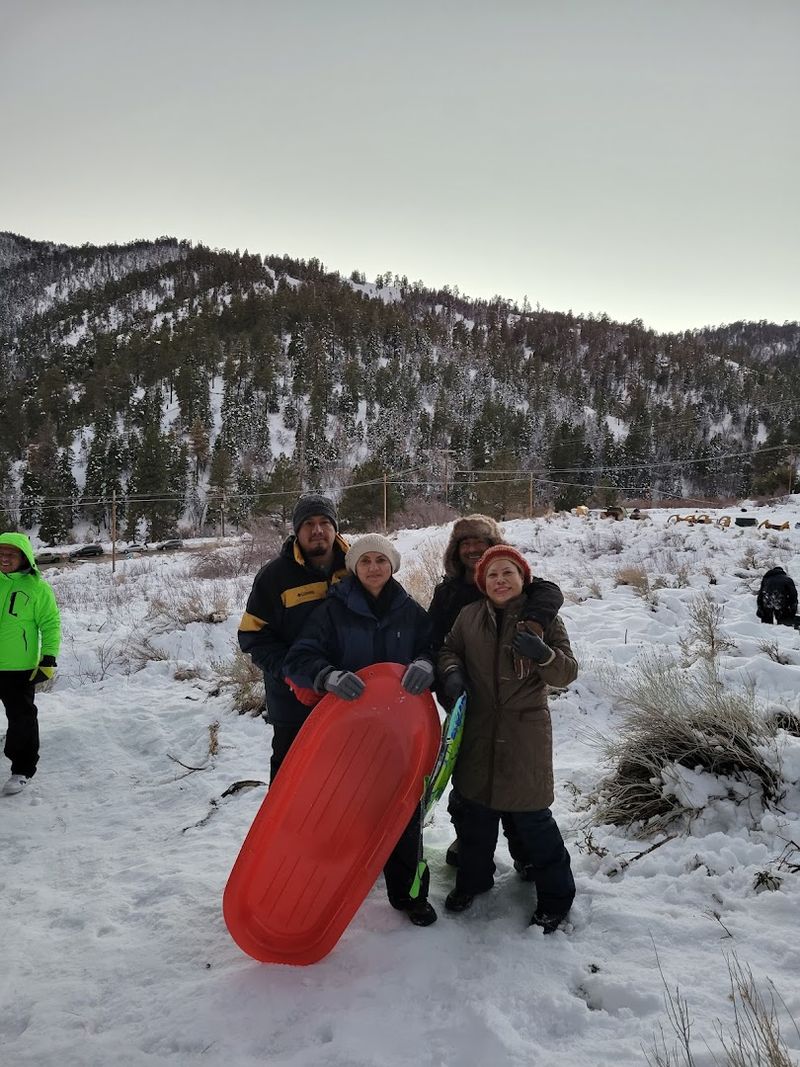
Sitting at around 6,752 feet above sea level, Big Bear Lake has a way of making spring feel like a reward for surviving winter.
The San Bernardino National Forest wraps around the area, giving visitors access to hiking trails, mountain biking routes, and quiet lakeside spots that start coming alive as temperatures rise.
Late-season snow can still linger on nearby peaks, adding a dramatic backdrop to morning walks along the shoreline.
Fishing on the lake is a popular springtime activity, and rental boats are typically available once the season picks up.
The village area offers a handful of shops and casual dining spots that keep things relaxed rather than touristy.
Roads into the area are generally accessible by spring, though it is always worth checking current conditions before heading up.
Families and groups tend to find Big Bear easy to plan around because the range of activities is broad enough to satisfy different interests without requiring a rigid itinerary.
Cabin rentals are widely available and tend to book up quickly around spring break, so reserving early is a smart move.
The combination of lake views, forest trails, and mountain air makes this one of Southern California’s most dependable mountain getaways.
2. Mammoth Lakes, Eastern Sierra
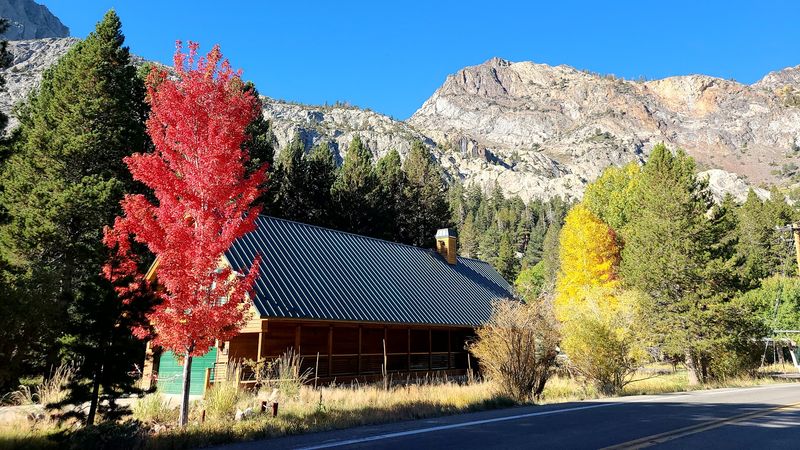
Few places in California pull off the spring transition quite like Mammoth Lakes does.
The Eastern Sierra setting means that Mammoth Mountain may still be holding snow for skiing or snowboarding while lower trails and lakes begin thawing out and opening up for hiking and fishing.
That overlap of winter and spring is genuinely rare and makes timing a visit here feel like hitting a sweet spot.
The town of Mammoth Lakes itself has a comfortable, lived-in energy that feels less resort-polished and more authentically outdoorsy.
Gear shops, casual restaurants, and easy access to trailheads make it a practical base for a few days of exploring.
Devil’s Postpile National Monument is nearby and may begin welcoming visitors in late spring depending on road and trail conditions.
Hot Creek Geological Site is another accessible stop that offers an unusual look at geothermal activity along a scenic river corridor.
The area rewards visitors who come with flexible plans since conditions can shift quickly at elevation.
Booking lodging in advance is recommended because spring break timing tends to fill up properties faster than expected, and the range of accommodation options here runs from budget-friendly motels to more comfortable resort-style stays.
3. Lake Tahoe, Sierra Nevada
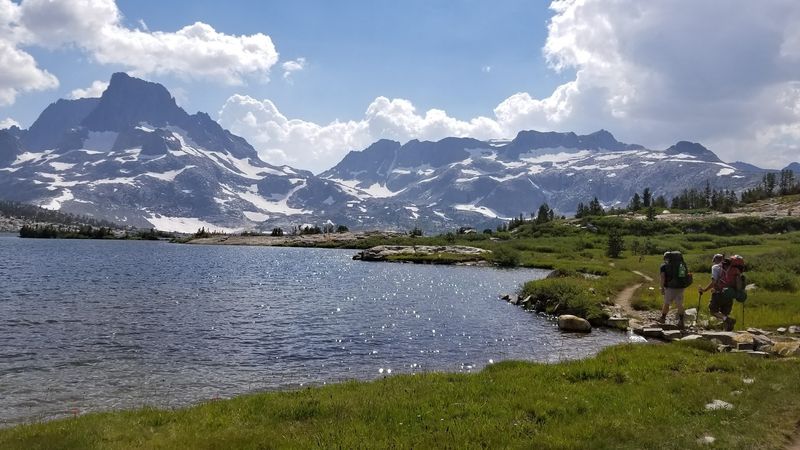
There is something genuinely striking about arriving at Lake Tahoe in spring and seeing deep blue water framed by mountains that still carry patches of snow.
The lake sits at about 6,225 feet and is one of the largest and deepest alpine lakes in North America, which gives it a scale that takes a moment to fully absorb.
Spring conditions here tend to offer a mix of experiences depending on where someone heads first.
Kayaking and paddleboarding become possible as the season warms, while scenic drives along the lake’s shoreline offer easy access to overlooks and short nature walks.
South Lake Tahoe and Tahoe City both serve as convenient hubs with restaurants, lodging, and shops within easy reach.
Emerald Bay State Park is one of the most photographed spots in the region and is worth building time around.
Trails at lower elevations begin opening up in spring, though higher routes may still be snowpacked and require appropriate footwear or gear.
Weekend crowds tend to build up quickly, so arriving midweek or planning early morning outings can make a noticeable difference in how relaxed the experience feels.
4. Yosemite National Park, Sierra Nevada
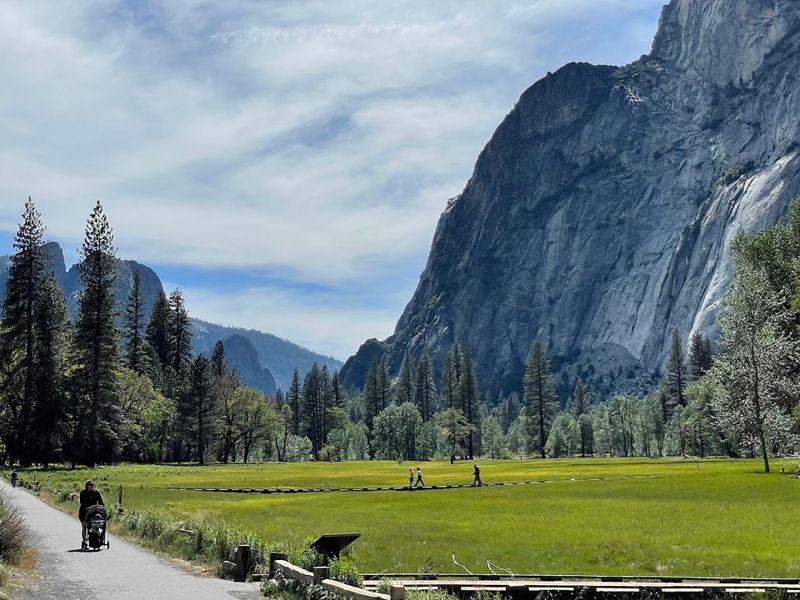
Spring is widely considered one of the best times to visit Yosemite because snowmelt sends the valley’s waterfalls into full, thundering force.
Yosemite Falls, Bridalveil Fall, and Vernal Fall all tend to peak in late spring, creating a level of visual drama that summer visitors often miss entirely.
The meadows begin greening up around the same time, and the contrast between granite walls and fresh growth is genuinely hard to overstate.
Crowds do build throughout spring, and Yosemite now requires timed-entry reservations for certain periods, so checking the National Park Service website well before the trip is essential.
Valley floor trails are generally accessible early in the season, while higher routes like Half Dome cables typically open in late May depending on conditions.
Planning around weekday visits tends to result in a noticeably calmer experience.
Camping and lodging inside the park book up months in advance, especially around spring break, so early reservations are not optional if staying inside park boundaries is the goal.
Nearby gateway towns like El Portal and Mariposa offer additional lodging options for those who prefer more flexibility.
Yosemite rewards patient and prepared visitors with scenery that genuinely earns its reputation as one of the most iconic landscapes in the country.
5. Sequoia & Kings Canyon National Parks, Southern Sierra Nevada
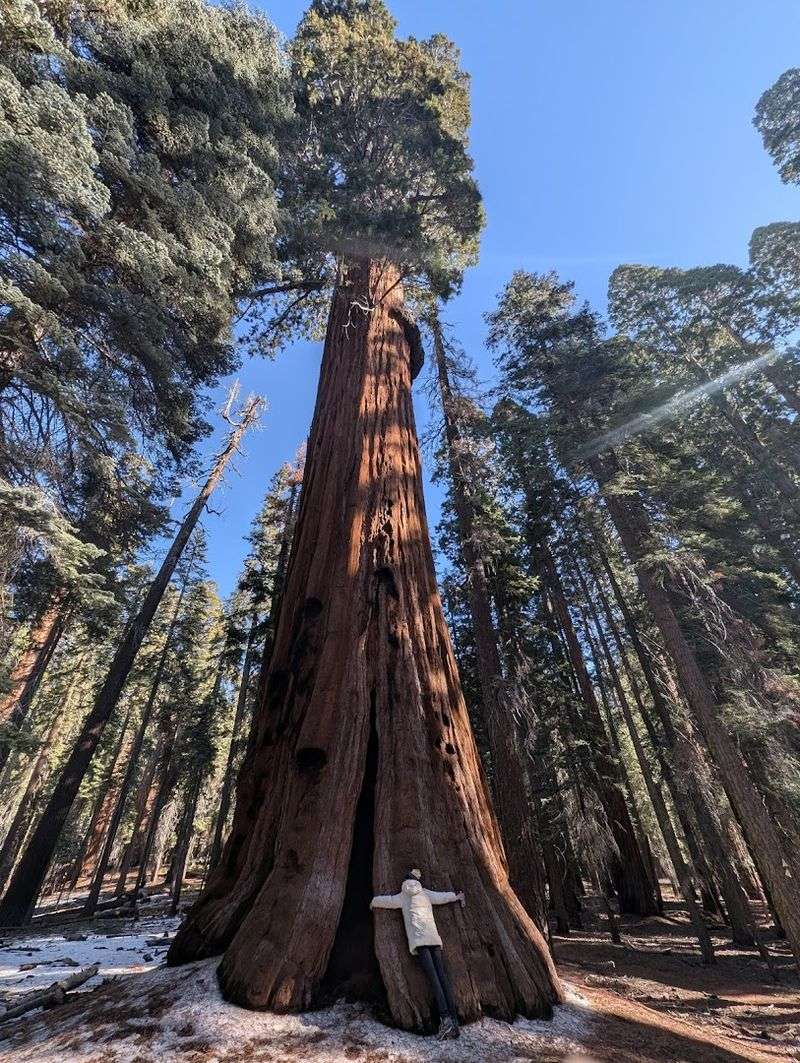
Standing next to a giant sequoia for the first time is the kind of moment that tends to reset perspective in an unexpected way.
These trees are among the largest living things on Earth by volume, and Sequoia National Park protects groves of them across the Southern Sierra Nevada.
Spring brings a gradual thaw that makes the forest feel alive in a way that winter visits simply cannot match.
General Sherman Tree, often cited as the world’s largest tree by volume, is accessible via a short paved trail that works well for most visitors.
Kings Canyon, which is managed alongside Sequoia, adds dramatic canyon scenery and the Kings River to the experience.
Some roads and campgrounds in both parks reopen gradually in April and May, so checking the National Park Service site for current access before traveling is genuinely important.
Wildflower blooms at lower elevations can add unexpected color to the landscape in early spring, and wildlife sightings tend to increase as animals become more active.
The drive along Kings Canyon Scenic Byway is considered one of the more impressive mountain drives in California when it is open.
Lodging options inside the parks are limited, making early reservations or nearby town stays in Three Rivers a practical consideration.
6. Mount Shasta, Siskiyou County
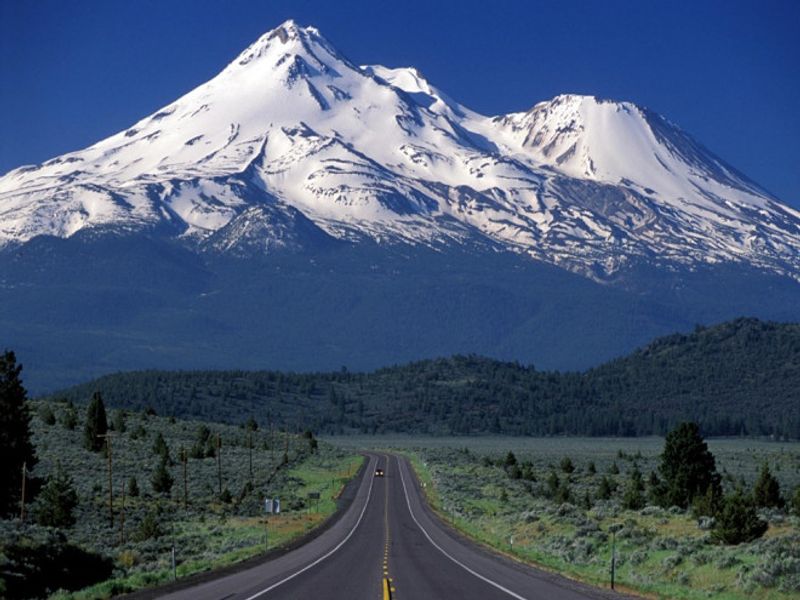
Mount Shasta rises to 14,179 feet and dominates the skyline of Northern California in a way that makes it visible from remarkably far away.
The volcanic peak carries snow year-round, and spring visitors are treated to a particularly dramatic version of the mountain as surrounding forests begin to thaw while the upper slopes remain blanketed in white.
The contrast between the icy summit and the greening lower terrain gives the area a layered, almost cinematic quality.
South of the mountain, the McCloud River waterfall trail connects three distinct waterfalls along a forested corridor and is considered one of the prettiest hiking routes in the region.
The town of Mount Shasta serves as a practical base with basic amenities, local shops, and access to trailheads without requiring a long drive.
Castle Crags State Park is another nearby option worth exploring, featuring dramatic granite spires and river access.
Spring conditions on the mountain itself can be unpredictable, and upper elevation routes may require mountaineering experience and gear.
Lower trails and viewpoints are generally accessible and rewarding for casual visitors.
The area attracts a quieter crowd than more famous Sierra destinations, which makes it a genuinely appealing option for those looking to avoid the spring break rush without sacrificing mountain scenery.
7. Idyllwild, San Jacinto Mountains
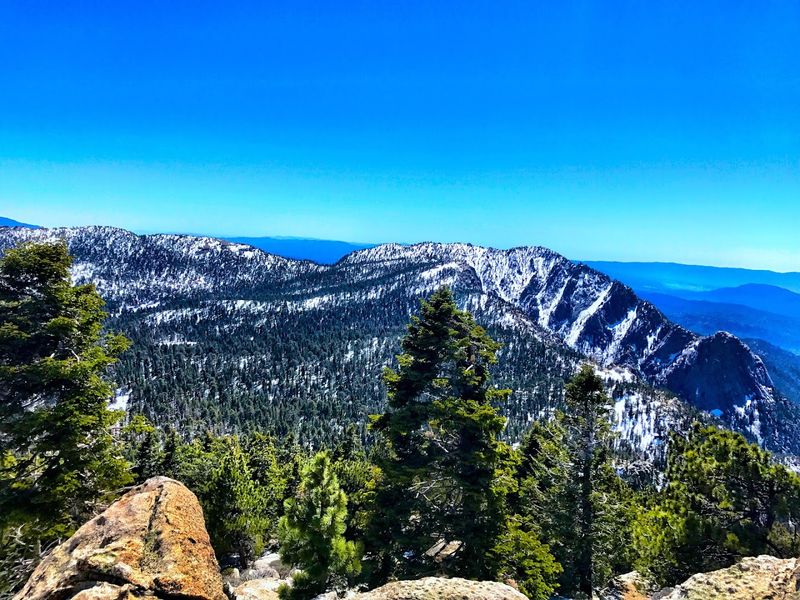
Tucked into the San Jacinto Mountains at around 5,400 feet, Idyllwild has the kind of relaxed, woodsy energy that makes it easy to slow down and actually enjoy a mountain trip.
The village is small enough to walk around comfortably but has enough character to keep things interesting, with independent shops, art galleries, and casual food spots scattered along its main streets.
Spring brings mild temperatures that make outdoor time genuinely comfortable rather than something to push through.
Hiking options in the area range from easy nature walks to more challenging routes through Mount San Jacinto State Park, where granite formations and pine forests create compelling trail scenery.
Rock climbing draws a dedicated crowd to the area’s distinctive boulder fields and crags, particularly around Tahquitz Rock and Suicide Rock, both of which are well-known in climbing circles.
Mountain biking and birdwatching are also popular pursuits that fit naturally into a few-day stay.
Streams running through the area tend to be more active in spring, adding sound and movement to forest walks that feel noticeably different from drier summer conditions.
Cabin rentals are the most common lodging option and tend to book up around spring break. Idyllwild works especially well for those who want a genuine mountain feel without committing to a full national park itinerary.
8. Lake Arrowhead, San Bernardino Mountains
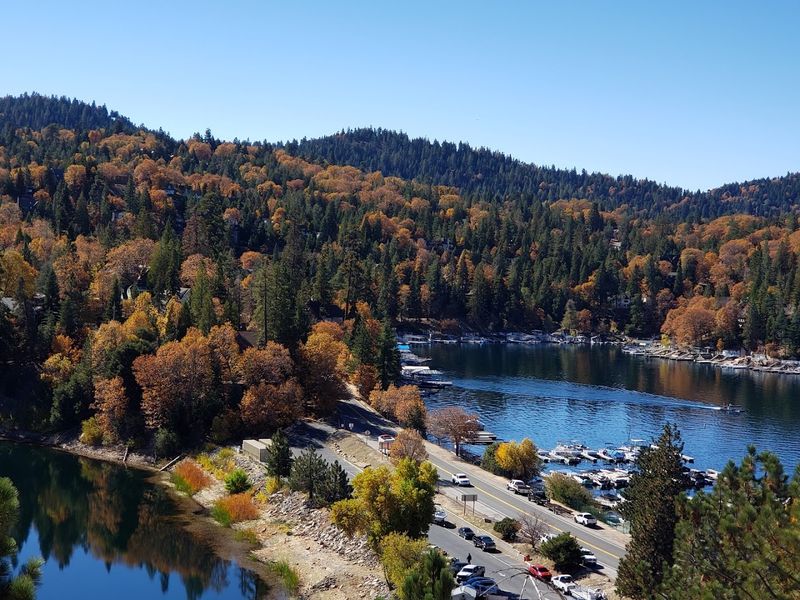
Lake Arrowhead sits at about 5,174 feet in the San Bernardino Mountains and carries a distinctly calm energy that separates it from louder, more commercialized mountain destinations.
The lake itself is largely private, but the surrounding village, forest trails, and mountain atmosphere are openly accessible and easy to enjoy without needing a boat or waterfront property.
Spring brings a pleasant mix of cool mornings and mild afternoons that make walking and exploring genuinely comfortable.
Lake Arrowhead Village offers a compact collection of shops, restaurants, and waterfront views that provide a relaxed backdrop for an afternoon of casual browsing and eating.
Hiking trails in the surrounding San Bernardino National Forest branch out from various trailheads and cover a range of difficulty levels, making the area workable for both casual walkers and more serious hikers.
The forested roads connecting various parts of the mountain community are scenic and worth driving slowly.
Spring weekends tend to draw day-trippers from the Los Angeles area, so arriving early or planning a midweek visit helps avoid the busiest periods.
Lodging options range from resort-style accommodations to private cabin rentals, and booking ahead is advisable for spring break timing.
The overall pace of Lake Arrowhead tends to feel more restful than adventurous, which makes it a solid choice for those prioritizing relaxation alongside nature access.
9. Julian, Cuyamaca Mountains
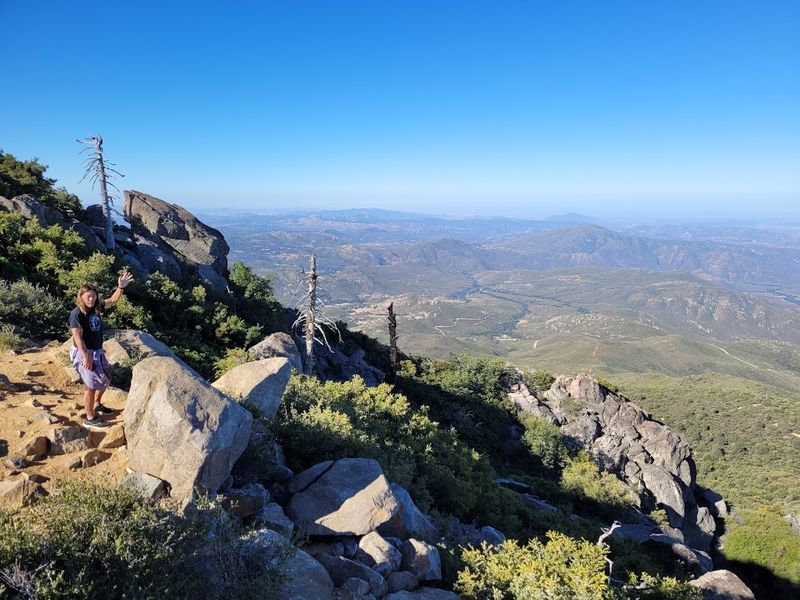
East of San Diego and sitting at roughly 4,200 feet in the Cuyamaca Mountains, Julian has a small-town character that feels genuinely unhurried and easy to enjoy at whatever pace suits the visit.
The town is perhaps best known for its apple orchards and pies, but spring brings its own appeal with mild weather, blooming wildflowers, and access to surrounding outdoor areas that open up as the season progresses.
Walking the main street takes maybe twenty minutes, but the surrounding landscape invites much longer exploration.
Cuyamaca Rancho State Park sits just south of town and offers a solid network of hiking trails through oak woodlands and pine forests that feel refreshingly quiet compared to more heavily visited parks.
William Heise County Park is another nearby option with camping and trails that work well for families or groups looking for a relaxed outdoor experience.
Wildflower displays in the area can be quite striking in a good rain year, which makes spring timing particularly rewarding.
Julian’s lodging options include bed-and-breakfasts and small inns that add to the overall charm of a stay.
The town draws weekend visitors from San Diego fairly consistently, so weekday trips offer a noticeably calmer atmosphere.
For a spring mountain escape that combines outdoor access with small-town comfort, Julian delivers something genuinely distinctive without requiring long travel distances from Southern California.
10. Truckee, Tahoe-Sierra Region
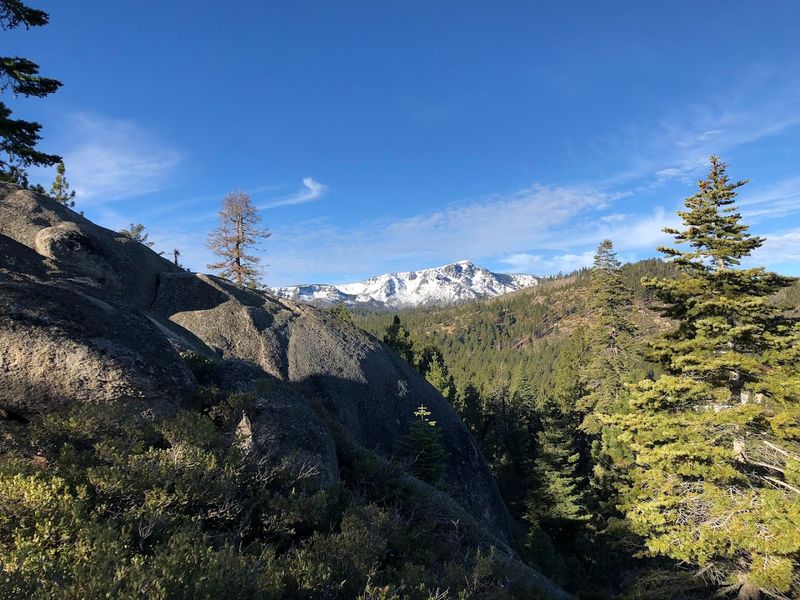
Truckee sits at about 5,820 feet in the Sierra Nevada and functions as a genuine mountain town rather than a resort-built destination, which gives it a grounded, lived-in quality that stands out.
The historic downtown area along Donner Pass Road features brick storefronts, local restaurants, and a railroad history that dates back to the transcontinental rail era.
Spring brings a transitional energy to Truckee as snow begins to recede from lower elevations while the surrounding peaks still carry their winter white.
Donner Lake, just west of town, is a scenic and historically significant body of water that offers a peaceful setting for walks along its shoreline in spring.
The Truckee River runs through the area and provides opportunities for fishing and riverside walks as conditions improve through April and May.
Lake Tahoe is roughly a twenty-minute drive away, making Truckee a practical base for exploring both the town and the broader Tahoe region without paying Tahoe-adjacent lodging prices.
Hiking trails in the Tahoe National Forest begin opening up in spring, and the area around Donner Summit offers dramatic views for those willing to put in some elevation gain.
Truckee’s dining scene is small but solid, with options that cater to both casual visitors and outdoor-focused travelers.
The combination of mountain town character, outdoor access, and proximity to major Sierra landmarks makes Truckee one of the most well-rounded spring destinations in Northern California.