Mountain To Coast: 13 Epic California Drives That Only Make Sense In Winter
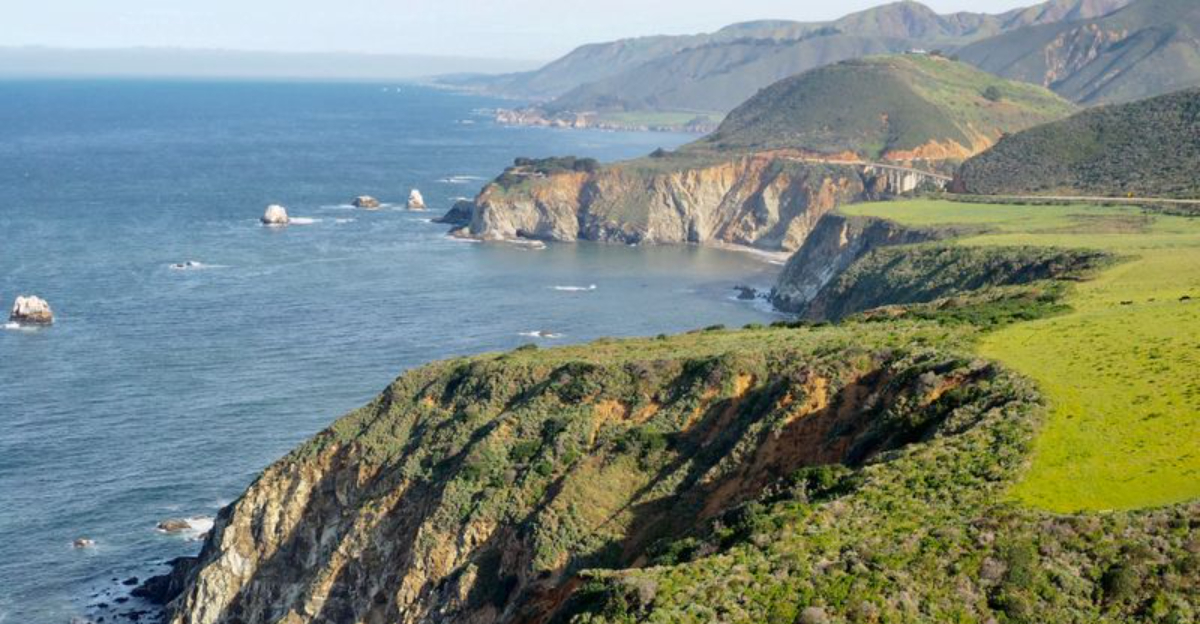
Winter doesn’t just change California – it reveals a completely different version of it.
As snow settles on high mountain passes and coastal storms reshape the shoreline, the state’s most iconic roads transform into scenic corridors few travelers ever experience.
Gone are the summer traffic jams and packed pullouts, replaced by quiet highways, crisp air, and landscapes that feel vast and untamed.
Winter driving in California is about timing, patience, and reward – where a single turn in the road can reveal snow-draped granite peaks, waterfalls reborn by rain, or endless ocean horizons framed by dramatic skies.
These routes aren’t simply ways to get from point A to point B; they’re journeys that feel immersive and cinematic, best enjoyed when the crowds stay home.
From remote Sierra crossings to cliff-hugging coastal highways, winter unlocks moments of solitude and beauty that redefine what a road trip can be.
For those willing to embrace cooler temperatures and shifting conditions, California’s winter drives deliver unforgettable experiences that only exist for a few fleeting months each year.
1. Glacier Point Road, Yosemite National Park
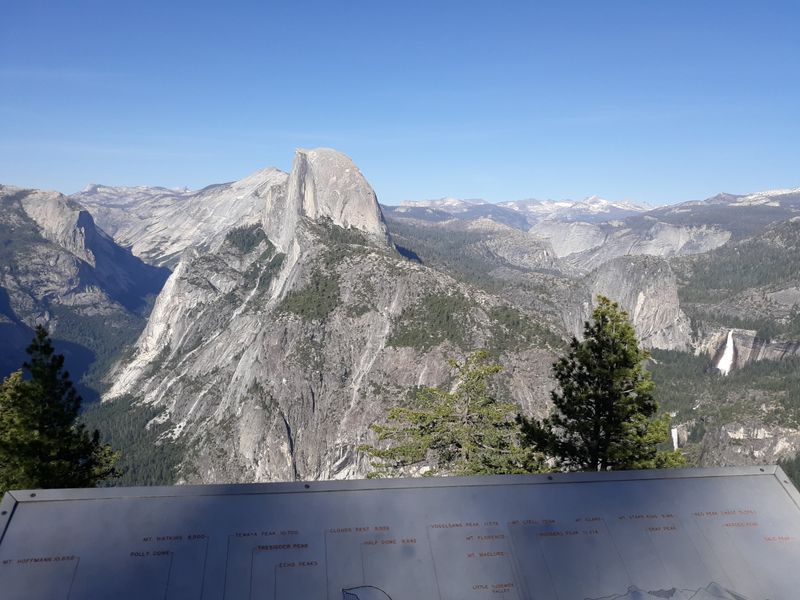
Few winter landscapes rival the majesty of Yosemite viewed from Glacier Point Road. This 16-mile route winds through Yosemite National Park, offering unobstructed views of Half Dome, Yosemite Falls, and the snow-covered High Sierra.
During winter months, the road closes to vehicles but opens for cross-country skiing and snowshoeing, creating a peaceful corridor through one of America’s most iconic parks.
The silence, broken only by wind through pine trees, makes this experience unforgettable.
Winter storms often clear the air, delivering crisp visibility that makes Yosemite’s granite walls feel even more massive and awe-inspiring.
Visitors should prepare for freezing temperatures and carry proper winter gear. Rangers recommend starting early to maximize daylight hours, as winter days grow short in the mountains.
The snow-covered granite domes glow pink during sunrise and sunset, creating photo opportunities that summer visitors never witness.
Without summer traffic or tour buses, the journey itself becomes as rewarding as the destination, offering rare solitude in a world-famous landscape. Parking areas near Badger Pass provide access points for winter adventurers.
2. Sonora Pass Highway 108
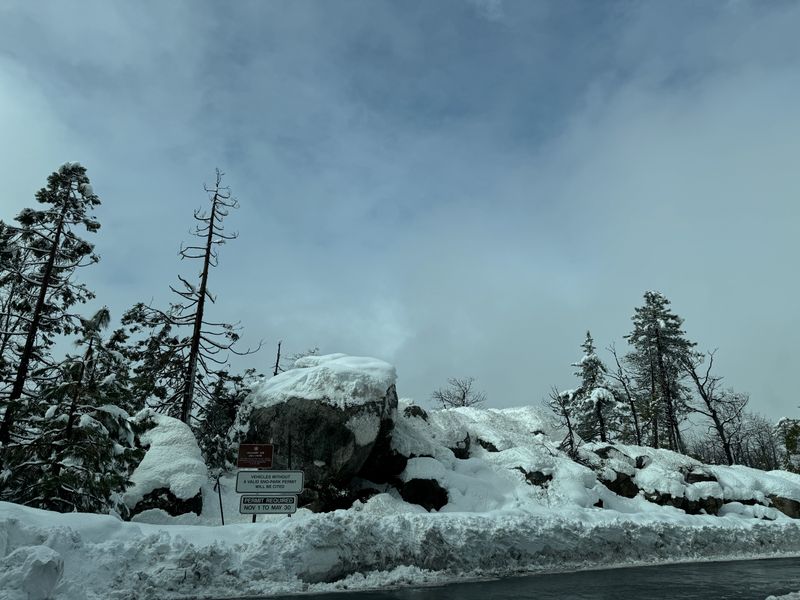
Reaching 9,624 feet elevation, Sonora Pass stands as California’s second-highest paved mountain crossing. Highway 108 climbs through Stanislaus National Forest, with grades approaching 26 percent in certain sections.
Winter typically closes this route from November through late May, but early winter and late spring offer dramatic transitions when the road remains passable. Fresh snow blankets the alpine meadows while chains may be required for safe passage.
Clear winter mornings reveal sweeping views across jagged ridgelines, making the drive feel both exhilarating and intimidating. The route passes through historic gold rush territory before ascending into true alpine terrain.
Drivers encounter hairpin turns with sheer drop-offs and minimal guardrails, demanding full attention. Wildlife sightings increase during winter as animals move to lower elevations.
The Dardanelles formation creates a striking backdrop against winter skies. Sudden weather shifts can bring whiteout conditions within minutes, reinforcing the need for caution and preparation.
Always check current conditions before attempting this drive, as weather changes rapidly at high altitude.
3. Nacimiento-Fergusson Road
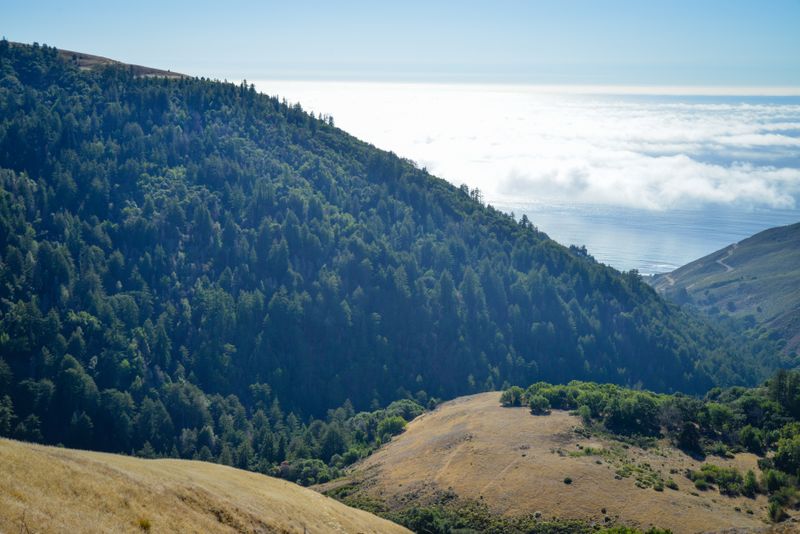
Connecting Big Sur’s coast to inland valleys, this remote route offers solitude and adventure. Nacimiento-Fergusson Road stretches 24.5 miles from Highway 1 to the Salinas Valley, climbing through steep switchbacks.
The road reopened in November 2024 after extensive fire damage repairs, restoring access to one of California’s most challenging drives. Winter rains can make unpaved sections slippery, and the narrow roadway demands careful navigation.
Low winter traffic enhances the sense of remoteness, making the drive feel like a true backcountry crossing. Views transition from coastal scrubland to oak woodlands and eventually cattle ranches.
Cell phone coverage disappears for most of the journey, creating a genuine sense of isolation. Four-wheel drive vehicles handle conditions better, though careful drivers manage in regular cars during dry periods.
The road passes through private ranch land, so staying on the main route is important. As the sun dips lower in winter skies, long shadows stretch across the hills, heightening the road’s rugged beauty.
Winter sunlight creates golden hour magic across rolling hills.
4. Mattole Road Lost Coast
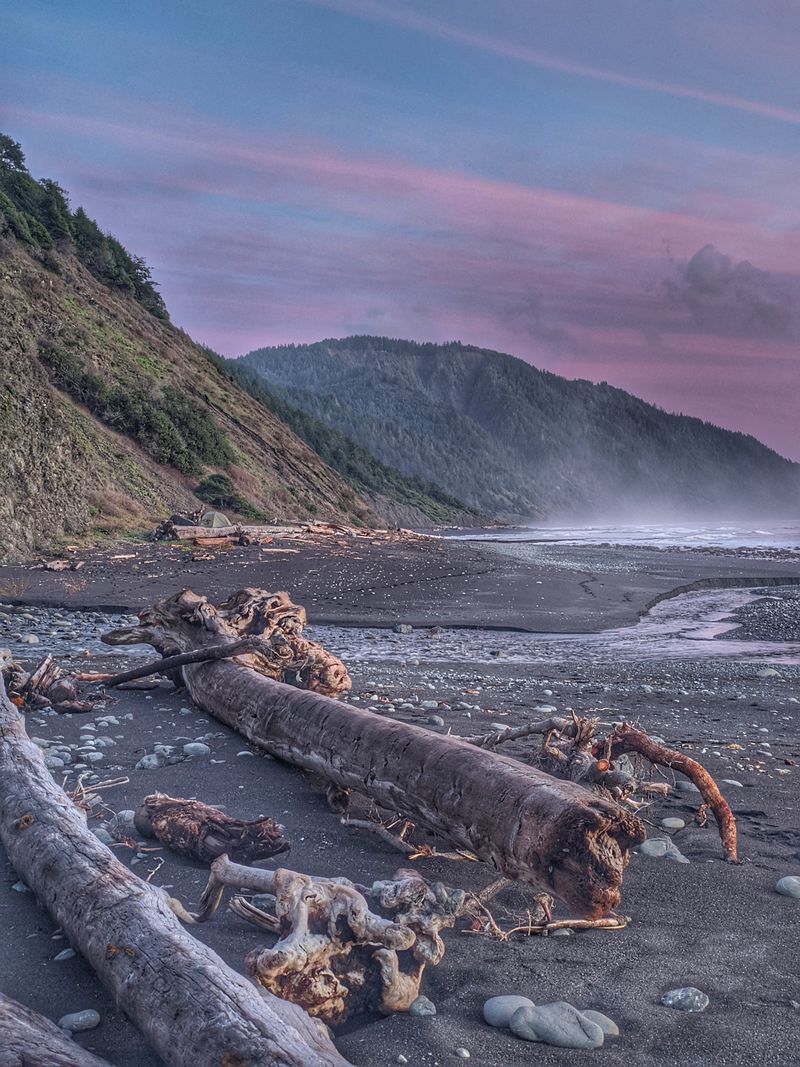
California’s Lost Coast earned its name from extreme remoteness and rugged terrain. Mattole Road runs 61.4 miles through Humboldt County from Ferndale to Honeydew and beyond, skirting the Pacific where mountains plunge directly into the sea.
Winter storms batter this coastline with particular intensity, creating dramatic seascapes and occasionally washing out road sections.
Crashing waves, dark skies, and wind-swept cliffs give the drive an almost otherworldly atmosphere during stormy weather.
The route passes through tiny communities where services are limited and cell coverage is nonexistent. Massive Roosevelt elk herds winter in coastal valleys, often standing directly on the roadway.
Fog and rain are constant winter companions here, with some areas receiving over 100 inches of precipitation annually.
Slow travel becomes part of the experience, allowing drivers to absorb the raw beauty of one of California’s least-developed coastlines.
The road surface varies from good pavement to rough sections requiring slow speeds. Motorcyclists and cycling enthusiasts love this route despite challenging conditions.
Carry extra fuel, food, and emergency supplies when attempting this drive.
5. Tioga Pass Road, Yosemite East Entrance
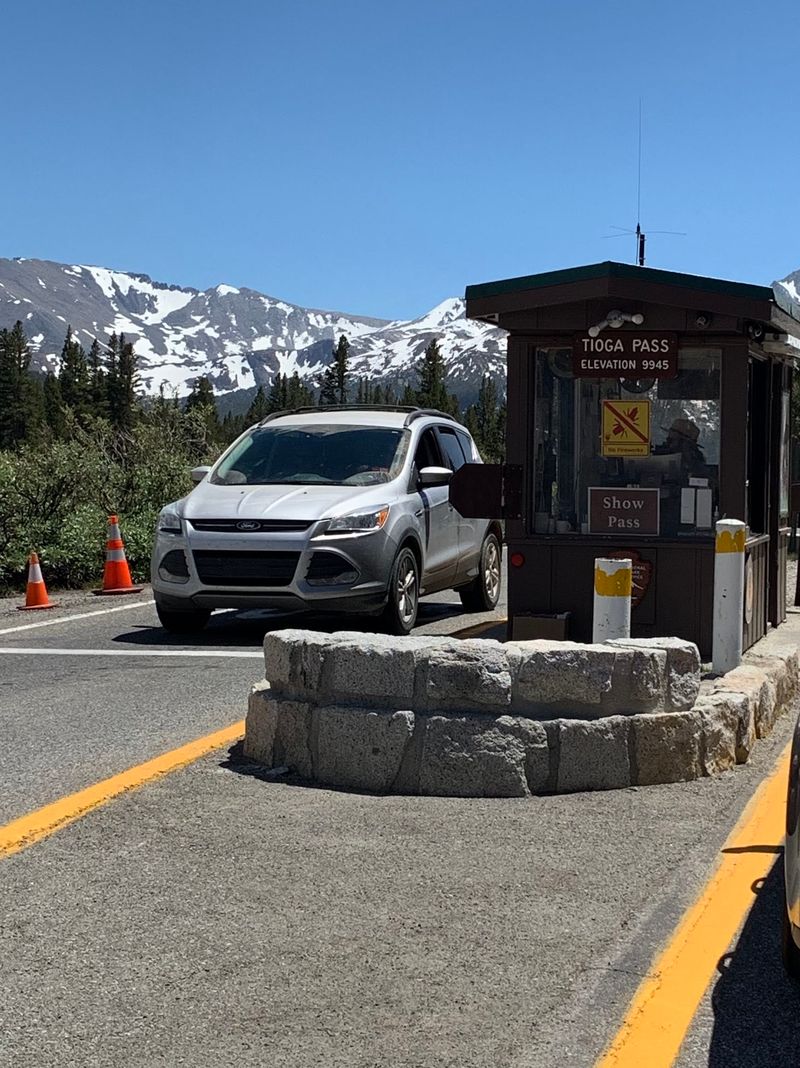
When winter finally releases its grip, Tioga Pass becomes a spring spectacle. State Route 120 crosses the Sierra Nevada, reaching 9,945 feet elevation at Tioga Pass itself.
The road typically closes from November through late May or even June, depending on snowpack. Those lucky enough to drive it during the transition period witness snowbanks towering 15 feet high alongside plowed lanes.
The contrast between deep snow and emerging alpine light creates a surreal, almost Arctic landscape. Tuolumne Meadows remains buried under snow while lower elevations burst with wildflowers.
The eastern Sierra descent toward Mono Lake provides stunning views of the Great Basin. This route serves as Yosemite’s backdoor entrance, avoiding crowded valley approaches.
Alpine lakes remain frozen well into summer at this elevation, reflecting jagged peaks in sheets of ice. Weather can shift from sunshine to blizzard within hours, even in late spring.
Always carry chains and warm clothing regardless of starting conditions.
6. Highway 395 Eastern Sierra Scenic Byway
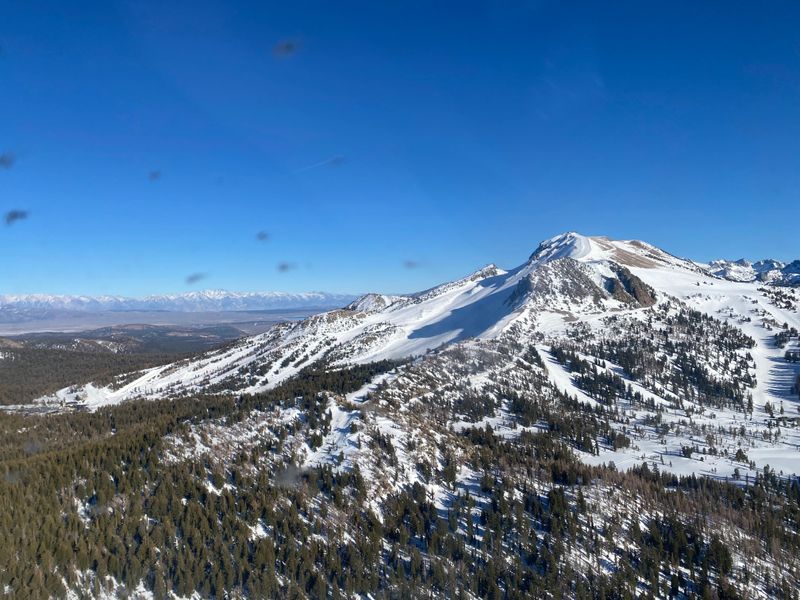
The eastern flank of the Sierra Nevada tells a completely different story than the western slopes. U.S.
Route 395 runs north-south through the Owens Valley, with the Sierra rising abruptly to the west. Winter brings snow-capped peaks into sharp relief against desert valleys, creating photographic contrasts found nowhere else.
Clear winter air enhances visibility, making the jagged ridgelines appear impossibly close. Hot springs near Mammoth Lakes steam dramatically in cold air, inviting roadside soaks.
The route passes through historic mining towns, Native American cultural sites, and vast public lands. Winter storms can temporarily close sections, but the highway generally remains passable year-round.
Sunrise and sunset paint the Sierra’s eastern escarpment in brilliant colors. Long stretches of open road reinforce the sense of scale and solitude that defines this drive in winter.
Birdwatchers flock to winter wetlands where waterfowl congregate by the thousands. Side roads lead to abandoned mining camps and ghost towns worth exploring.
Services are spaced far apart, so fuel up at every opportunity.
7. Mount Shasta Scenic Byway
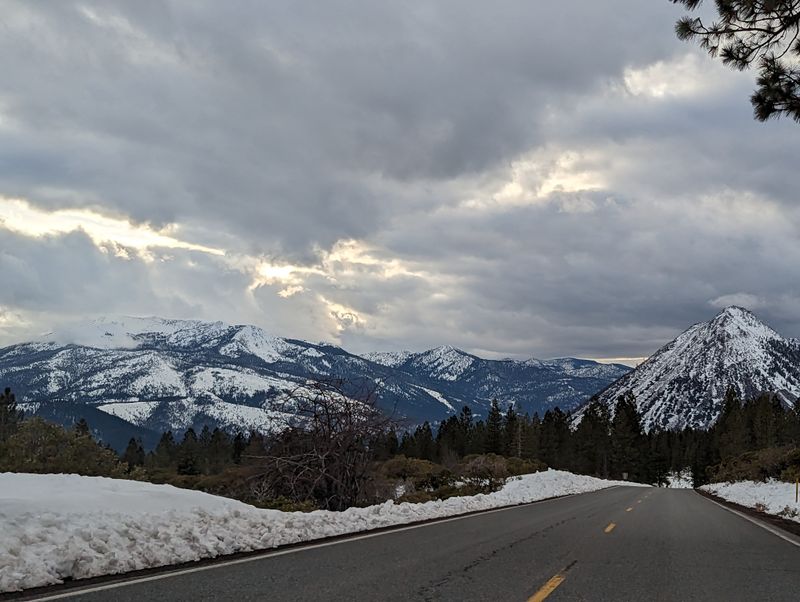
Dominating Northern California’s skyline, Mount Shasta creates its own weather patterns. This scenic route circles the mountain along various highways, offering constantly changing perspectives of the 14,179-foot volcano.
Winter transforms the mountain into a massive white pyramid visible for over 100 miles. Clear days deliver jaw-dropping views from nearly every direction, while storms add drama and shifting light.
The byway passes through forests, meadows, and lava fields, each taking on different character under snow.
Small towns like McCloud and Dunsmuir provide cozy stopping points with local restaurants and shops.
Lenticular clouds frequently form over the summit, creating UFO-like shapes that photographers love. The Sacramento River headwaters remain accessible, flowing crystal clear even in winter.
Black Butte stands as a prominent landmark along the western approach. Rapidly changing conditions can turn calm skies into heavy snowfall within hours.
Winter storms can dump several feet of snow quickly, so monitoring weather forecasts is wise. Chains may be required on side roads leading to higher elevations.
8. Ebbetts Pass Highway 4
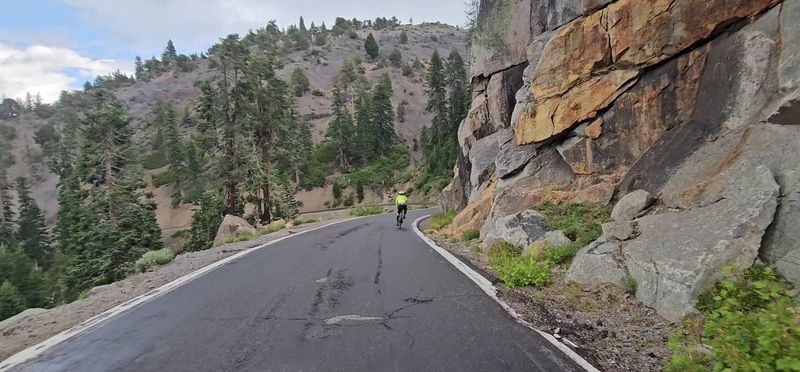
Another high Sierra crossing, Ebbetts Pass offers adventure for those seeking less-traveled routes. State Route 4 climbs to 8,730 feet, threading through narrow canyons and past alpine lakes.
The highway closes for winter, typically from November through May, but shoulder seasons provide spectacular transitional conditions. Fresh snow clings to granite walls, creating postcard-worthy scenes along the winding road.
Historic markers tell stories of pioneers who struggled across these mountains before roads existed. The Calaveras Big Trees State Park lies along the western approach, where giant sequoias stand sentinel.
Eastern descents drop into the Carson River watershed with views extending to Nevada. This pass sees far less traffic than nearby Sonora Pass, offering solitude for winter travelers.
Silence dominates when the road is closed, broken only by wind and distant wildlife. Snowshoers and backcountry skiers use the closed road as a winter recreation corridor.
Spring snowmelt creates numerous waterfalls that disappear by midsummer. Wildlife tracks in fresh snow tell stories of mountain residents.
9. Lake Tahoe Loop Highway 89 And Highway 28
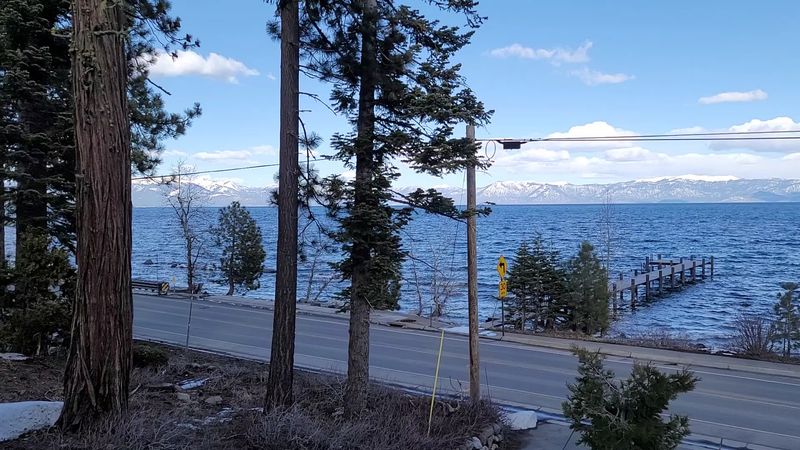
Circling North America’s largest alpine lake creates a journey through four distinct microclimates. The 72-mile loop combines Highway 89 and Highway 28 around Lake Tahoe near South Lake Tahoe, passing through California and Nevada.
Winter brings world-class skiing to surrounding mountains while the lake itself rarely freezes. Crisp winter air enhances the lake’s famous blue color, making viewpoints especially striking during clear days.
Emerald Bay becomes a winter wonderland, with Vikingsholm mansion buried in snow and accessible only by cross-country ski or snowshoe. The drive takes several hours when roads are clear but can require chains during active storms.
Lake effect snow creates localized heavy snowfall on certain shoreline sections. Casinos on the Nevada side provide entertainment and dining options.
Sunset over the lake from the western shore paints the sky in impossible colors. Quiet roads and frozen shorelines give the loop a peaceful, almost surreal atmosphere.
Summer crowds disappear in winter, making this an ideal time for the scenic loop. Sand Harbor and other beaches take on ethereal beauty under snow.
10. Pacific Coast Highway Through Big Sur
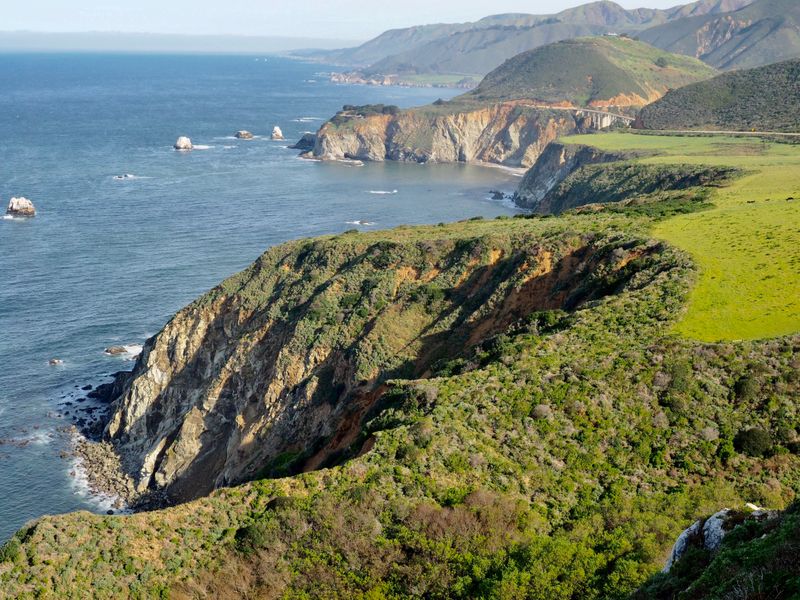
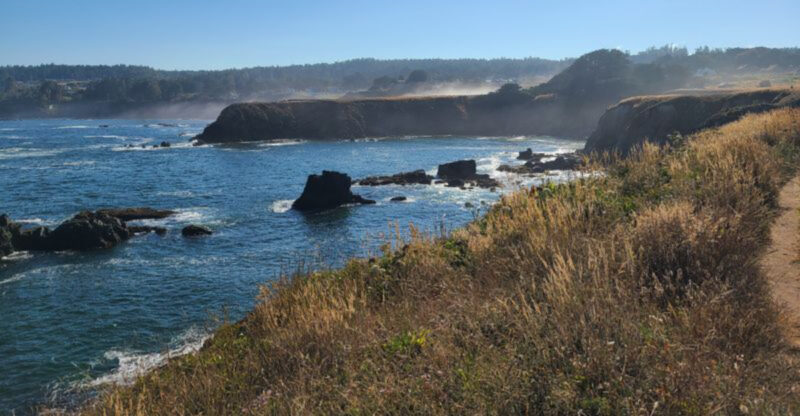
Winter storms add raw drama to California’s most famous coastal drive. Highway 1 winds through Big Sur along the Pacific Coast between Carmel Highlands and San Luis Obispo County, hugging cliffs where waves crash hundreds of feet below.
Winter brings powerful swells that send spray high into the air, creating rainbows on sunny days following storms. Between storms, crisp, clear days reveal endless ocean horizons that feel especially expansive without summer haze.
The road sees far fewer tourists during cold months, allowing drivers to stop at pullouts without competition for parking. Recent years have brought landslides and temporary closures, so checking Caltrans reports before departure is essential.
Gray whales migrate past the coastline from December through February, visible from numerous vista points. Fog rolls in unpredictably, reducing visibility to mere feet within minutes.
After heavy rains, seasonal creeks surge down coastal cliffs, transforming the landscape into a series of temporary waterfalls. Waterfalls that barely trickle in summer roar to life after winter rains, cascading directly onto beaches below.
11. Redwood Highway 101 Through Humboldt
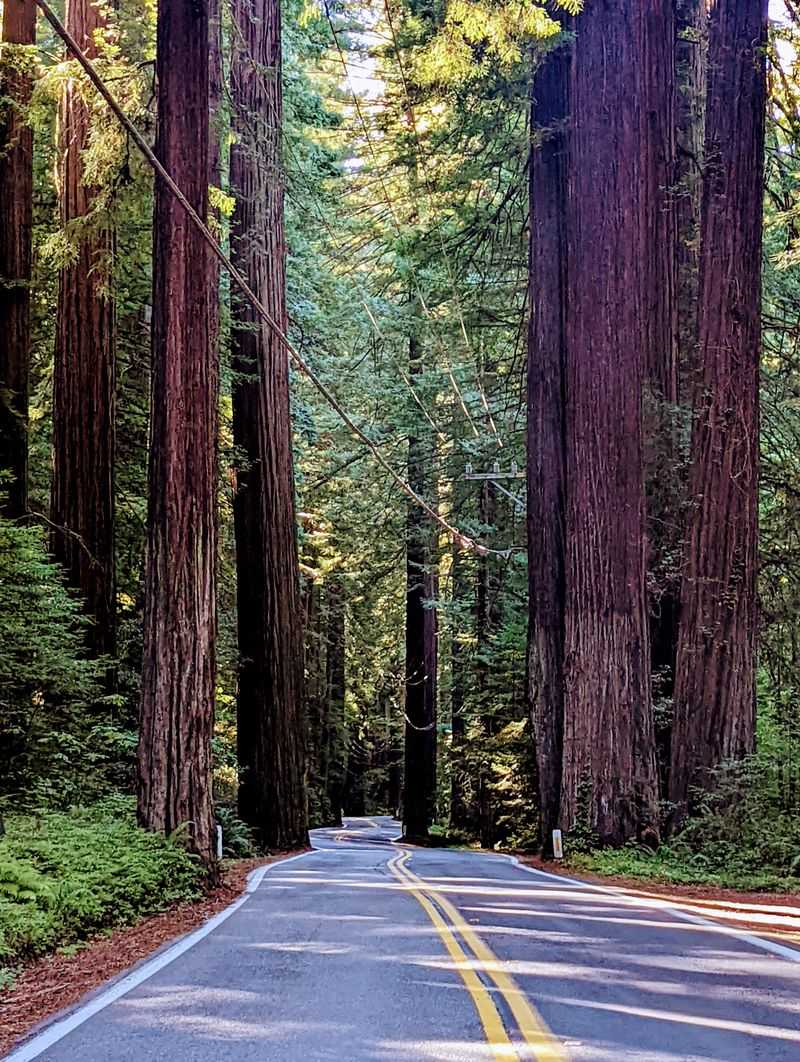
Ancient forests take on mystical qualities during winter’s short days and long nights. U.S.
Highway 101 travels through Humboldt Redwoods State Park at 17119 Avenue of the Giants, Weott, CA 95571, where the world’s tallest trees tower overhead. Winter rains soak the forest, creating streams where none existed in summer.
Fog drifts between massive trunks, filtering light into cathedral-like beams. The Avenue of the Giants parallels Highway 101, offering a slower alternative through old-growth groves.
Damp air deepens the rich greens of moss and ferns, enhancing the forest’s otherworldly feel. Roosevelt elk graze in roadside meadows, particularly visible during morning hours.
Fallen leaves carpet the forest floor in bronze and gold. Winter storms occasionally topple even giant redwoods, reminding visitors of nature’s power.
Quiet pull-outs encourage unhurried exploration beneath towering canopies. Pull-outs allow close approaches to trees over 300 feet tall and 2,000 years old.
The forest’s silence during winter creates a contemplative atmosphere. Rain gear is essential, as precipitation can fall steadily for days.
12. Death Valley Scenic Loop
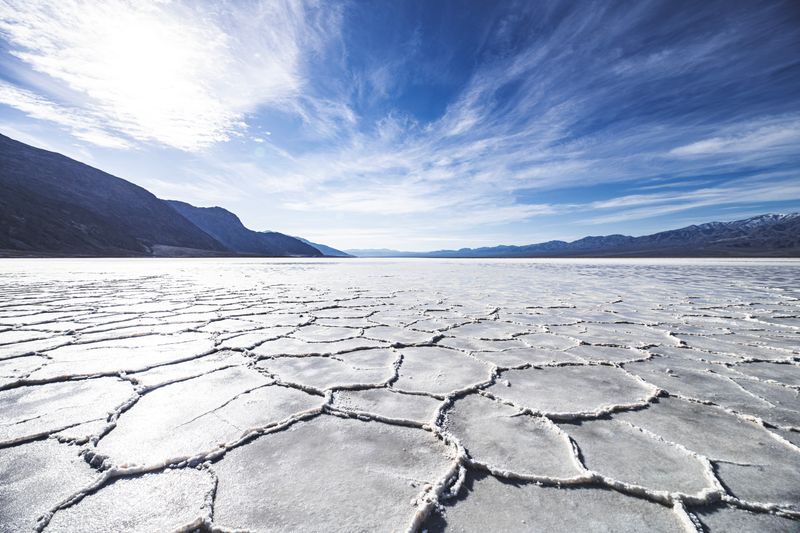
Summer’s furnace heat makes Death Valley nearly unbearable, but winter transforms it into a comfortable destination. The scenic loop through Death Valley National Park includes Badwater Basin, the lowest point in North America at 282 feet below sea level.
Winter temperatures range from pleasant days to cold nights, perfect for hiking and exploration. Clear winter air sharpens the desert’s colors, making salt flats and distant peaks stand out with striking clarity.
Rare winter rains occasionally trigger wildflower blooms called super blooms, carpeting valley floors in yellow and purple. Artist’s Palette displays vibrant mineral colors enhanced by low winter sun angles.
Zabriskie Point offers sunrise views over badlands that inspired countless photographers. Long shadows stretch across the desert floor as the sun dips low, adding depth and texture to the landscape.
The Mesquite Flat Sand Dunes create otherworldly landscapes, especially beautiful during golden hour. Winter nights bring incredibly dark skies for stargazing, with the Milky Way visible to the naked eye.
Services are limited, so carrying extra water and supplies remains important even in winter.
13. Palomar Mountain Grade Road
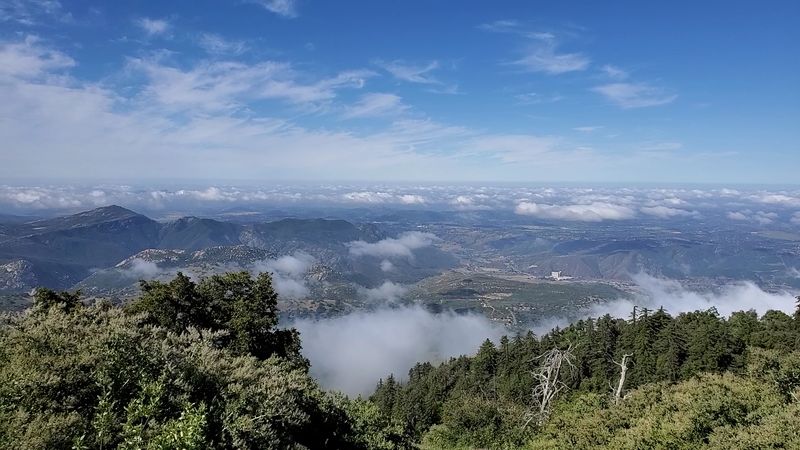
Rising from San Diego County’s coastal valleys, Palomar Mountain offers Southern California winter escapes. State Route 76 climbs to Palomar Mountain, gaining over 5,000 feet elevation through tight switchbacks.
Winter occasionally brings snow to the summit, a rarity in Southern California that locals celebrate. Snow-dusted trees and quiet roads give the mountain a peaceful, almost alpine feel.
The Palomar Observatory sits atop the mountain, housing one of the world’s most famous telescopes. Forests of pine, fir, and cedar replace coastal chaparral as elevation increases.
The grade includes hairpin turns with steep drop-offs and minimal shoulders. Crisp winter air enhances visibility, revealing sweeping views far beyond the valleys below.
Mother’s Kitchen restaurant near the summit provides hearty meals and warm drinks. Winter weekdays see little traffic compared to summer and fall crowds.
Snow chains may be required during and after winter storms. The descent offers panoramic views across North County valleys to the Pacific Ocean.
Wildlife including deer and mountain lions inhabit these forests year-round.