13 Museums In Georgia Reveal Stories Most History Classes Completely Skip
History class left out more than it should have. The good stuff, the strange stuff, the stories that make you sit up and pay attention, none of that made the textbook.
I found that out standing in a quiet museum room, staring at an exhibit that explained something my teachers never once mentioned.
Georgia holds more of these gaps than you would expect. Small museums across the state keep records, artifacts, and personal accounts that never made it into a classroom lecture.
Some cover events everyone should know. Others focus on people history quietly pushed to the side.
What ties them together is honesty. No polished summary, no watered down version, just the real account sitting right there in front of you.
If you like history that surprises you instead of repeating what you already know, Georgia has a stack of museums ready to fill in the blanks your teachers left behind.
1. Tubman Museum, Macon
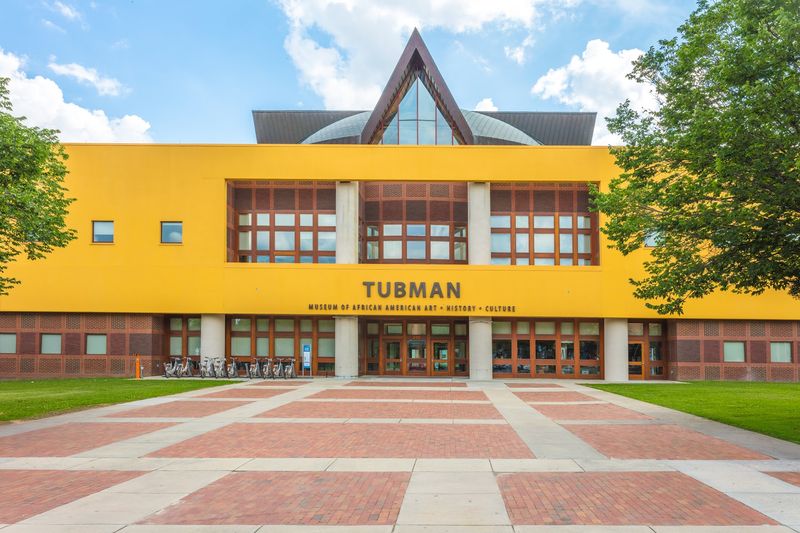
A museum named after Harriet Tubman sits in middle Georgia, and most people never expect that. The building on Cherry Street holds the largest collection of African American art and history in the state.
Inside, the galleries move from ancient African civilizations to modern Southern painters. One long mural stretches across a wall and packs centuries of history into a single sweep of color.
Music gets serious attention here too. Middle Georgia produced legends like Little Richard and Otis Redding, and the exhibits explain how their sound traveled worldwide.
What surprised me most was the inventors section. Everyday objects you use without thinking came from Black inventors whose names rarely appear in classrooms.
The current building opened in 2015 after years of fundraising. It replaced a much smaller space that had outgrown its walls decades earlier.
Plan on two hours minimum. Rushing through means missing the small details, like handwritten letters and folk art carved from scrap wood.
Families do well here because the layout stays open and easy to follow. Kids can move at their own pace without feeling trapped in a maze of hallways.
You will find it at 310 Cherry St, Macon, GA 31201, right in the walkable downtown core. Parking nearby is simple, and several cafes sit within a short stroll for afterward.
2. Jack Hadley Black History Museum, Thomasville
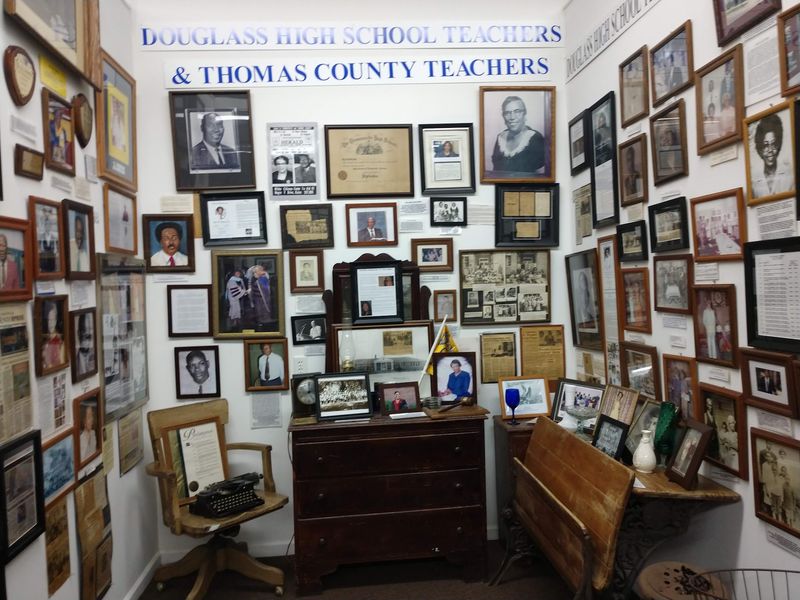
One man’s personal collection grew into a museum with more than 4,500 artifacts. That is the short version of how this Thomasville institution came to be.
The museum lives inside the old Douglass School building, which served Black students during segregation. The setting alone tells part of the story before you read a single label.
Photographs cover the walls in dense rows. Faces of soldiers, teachers, farmers, and athletes stare back, each with a small caption that makes you slow down.
Buffalo Soldiers get a full section here. These Black cavalry regiments served across the American West, and their history rarely gets more than a sentence in school.
There is also a strong local focus. Thomas County families appear throughout, which grounds the big national themes in real neighborhoods and real names.
Admission is modest, and the space feels personal rather than polished. You are looking at objects someone tracked down, one at a time, over many years.
Give yourself ninety minutes. The collection is dense, and skimming it defeats the purpose entirely.
Small groups get the most out of visiting on weekdays, when the rooms stay quiet. The museum sits at 214 Alexander St, and Thomasville’s brick downtown is a few minutes away for lunch.
3. Pin Point Heritage Museum, Savannah
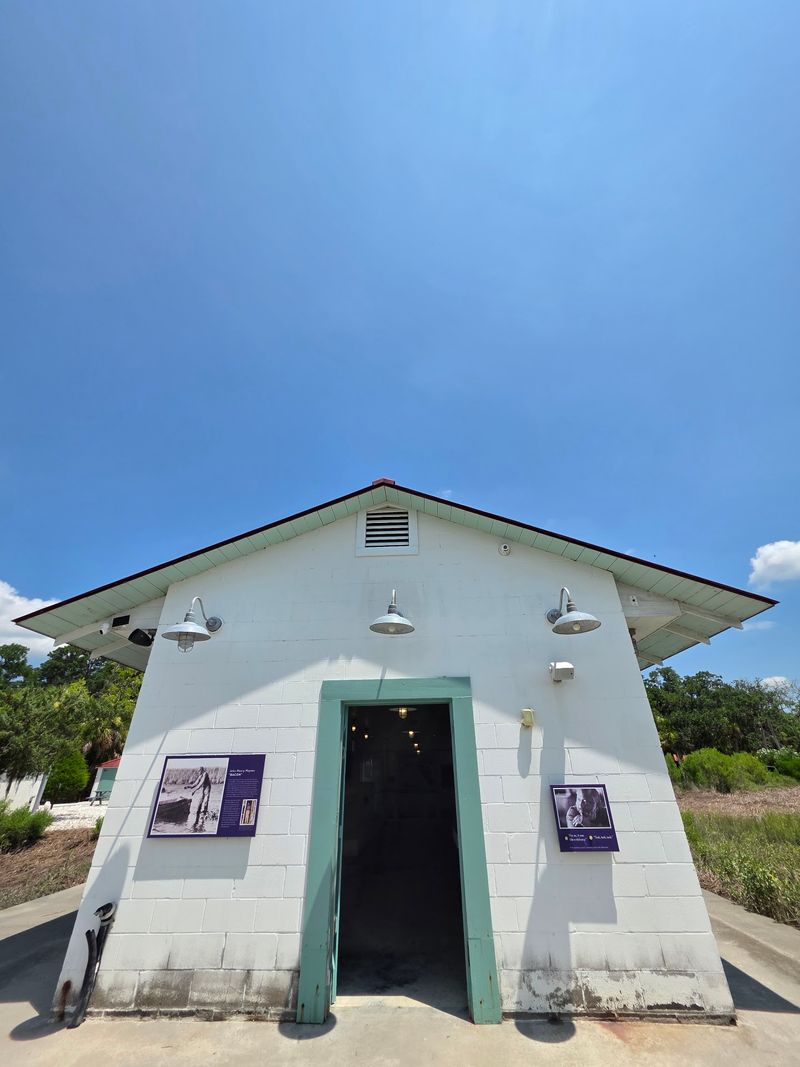
An old crab and oyster factory beside a tidal creek does not look like a museum. That is exactly what makes this place stick with you.
Pin Point was founded in 1896 by formerly enslaved families from nearby barrier islands. The Gullah Geechee community there built its own world, largely self-sufficient, for generations.
The A.S. Varn and Son factory employed most of the village for decades.
Workers picked crab meat and shucked oysters in the same rooms you now walk through.
Video interviews play throughout the building. Hearing residents describe their childhoods in their own voices beats any plaque you could read.
Outside, the marsh does half the storytelling. Tide lines, docks, and salt grass explain why this community depended on water for everything.
The Gullah Geechee language survives here in ways most of the country never encounters. Listening closely is part of the experience.
Hours are limited, so checking ahead saves a wasted trip. The museum typically operates Thursday through Saturday.
Bring bug spray in warm months, since the marsh has opinions about visitors. The address is 9924 Pin Point Ave, just south of Savannah’s busy historic district.
It takes about an hour, but many people linger outside longer than they planned.
4. Ralph Mark Gilbert Civil Rights Museum, Savannah
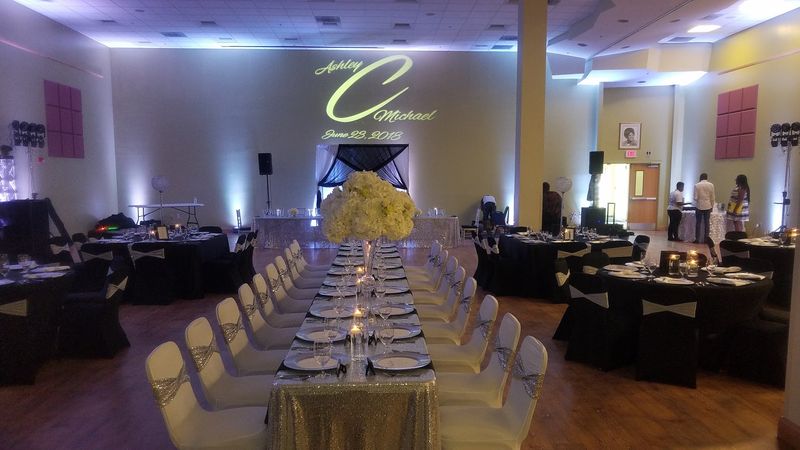
Savannah desegregated its lunch counters before many larger cities did. That fact catches most visitors off guard, and this museum explains how it happened.
Housed in a former bank building on Martin Luther King Jr. Boulevard, the three floors trace local organizing from the 1940s onward. The movement here was strategic, patient, and remarkably well documented.
Reverend Ralph Mark Gilbert led the revival of the state NAACP in the 1940s. His work built the network that later made boycotts and sit-ins effective.
A recreated lunch counter sits on one floor. Sitting on a stool there changes how you think about the photographs you have seen your whole life.
The boycott of Broughton Street businesses lasted over a year. Exhibits explain how economic pressure, not just protest, forced real change.
Photographs of ordinary Savannah residents fill the walls. Teachers, students, and shopkeepers appear far more often than famous names.
Guided tours add a lot, so ask about timing when you arrive. Docents fill in details the panels cannot cover.
Find it at 460 Martin Luther King Jr. Blvd, a short walk from the visitor center. Budget an hour and a half, and go early if you dislike crowds.
5. Albany Civil Rights Institute, Albany
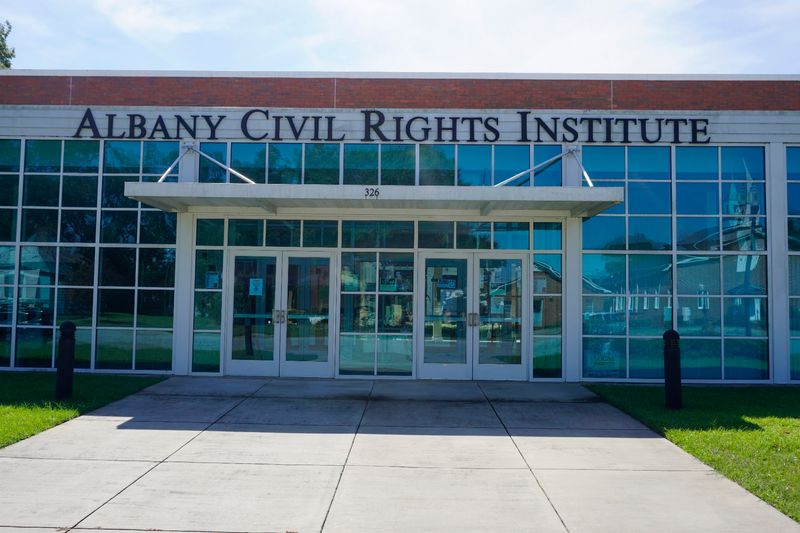
The Albany Movement of 1961 and 1962 is often called a failure. Spend an afternoon here and that label starts to fall apart.
The institute sits beside historic Mount Zion Baptist Church, where mass meetings once filled every pew. Walking between the modern museum and the old sanctuary connects the two eras instantly.
Freedom songs are central to this story. Albany organizers used singing as a tool, and the sound carried across the whole movement afterward.
A recording booth lets visitors hear those songs properly. The Freedom Singers came out of this city and toured nationally.
Exhibits explain the strategy of filling jails to strain local systems. Hundreds of residents, including many students, participated over several months.
What makes the place valuable is honesty about outcomes. Some goals went unmet, and organizers learned lessons applied later in Birmingham and Selma.
The church interior is worth the extra ten minutes. Simple wooden benches and plain windows make the history feel close.
You will find it at 326 W Whitney Ave in downtown Albany. Parking is easy and the surrounding blocks are quiet.
Roughly ninety minutes covers it comfortably. Kids old enough for middle school get the most out of the visit.
6. APEX Museum, Atlanta
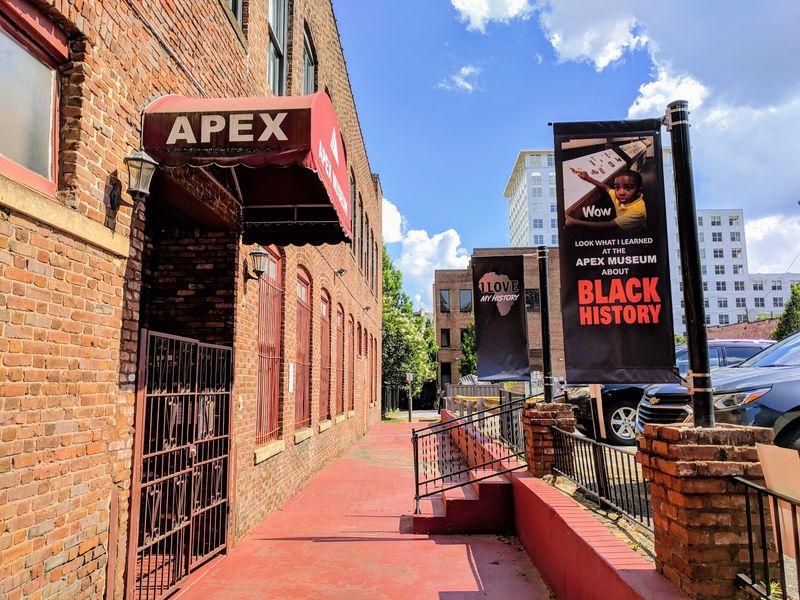
A replica trolley car sits inside this Auburn Avenue museum, and it is not just decoration. Climbing aboard starts a short film about the street’s golden years.
Auburn Avenue was once called the richest Black street in America. Banks, newspapers, insurance companies, and theaters lined the blocks in the early 1900s.
APEX stands for African American Panoramic Experience. The name sounds grand, but the space itself is compact and easy to absorb.
A recreated barbershop anchors one exhibit. Barbershops served as news hubs, debate clubs, and informal community centers all at once.
The museum occupies one of the oldest buildings on the street. That alone makes the walls worth noticing.
Exhibits cover African kingdoms, the journey across the Atlantic, and Reconstruction. The scope is wide, but the pacing keeps it manageable.
Black business history gets unusual depth here. You learn how insurance companies and banks built wealth when mainstream institutions refused service.
Located at 135 Auburn Ave NE, it pairs naturally with the King historic sites nearby. Many visitors combine both into one morning.
Plan an hour. It is one of the most affordable cultural stops in the city, and the staff are genuinely happy to talk.
7. Chief Vann House Historic Site, Chatsworth
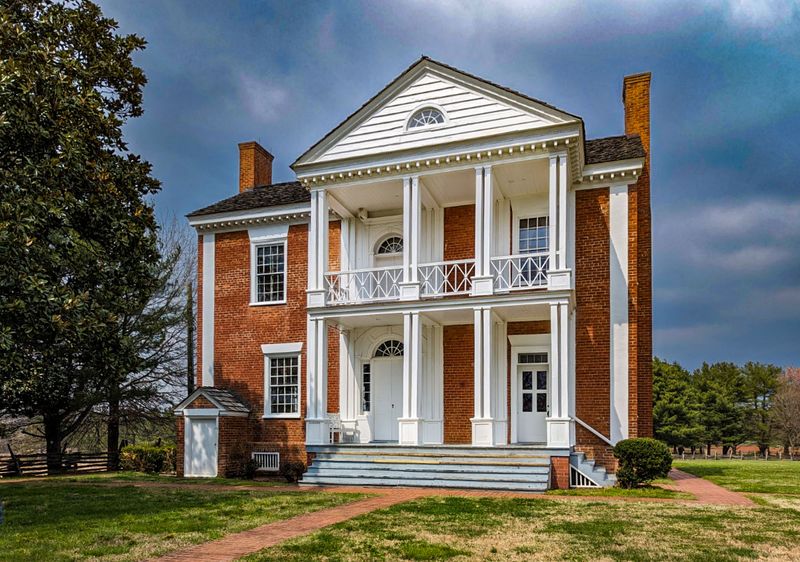
A Cherokee leader built the finest brick mansion in the Cherokee Nation in 1804. That sentence rearranges a lot of assumptions about early American history.
James Vann’s house features a cantilevered staircase that seems to float. Carpenters still study how it holds together without visible support.
Hand carved woodwork covers the mantels and doorframes. The colors are bold, painted in blues and reds that match early nineteenth century taste.
Cherokee families here ran farms, mills, ferries, and stores. The exhibits do not soften the complicated parts, including enslaved labor on the property.
The Vann family lost the house during the period leading to forced removal. Standing in the front hall, that ending lands harder than any textbook paragraph.
Guides wear period clothing and know the details cold. Asking questions is encouraged and usually rewarded.
The grounds include a small visitor center with artifacts and a short film. Start there before touring the house.
North Georgia scenery makes the drive pleasant in any season. Fall color around the property is especially good.
The site sits at 82 GA Highway 225 N in Chatsworth. Combining it with New Echota makes a full, worthwhile day.
8. New Echota State Historic Site, Calhoun
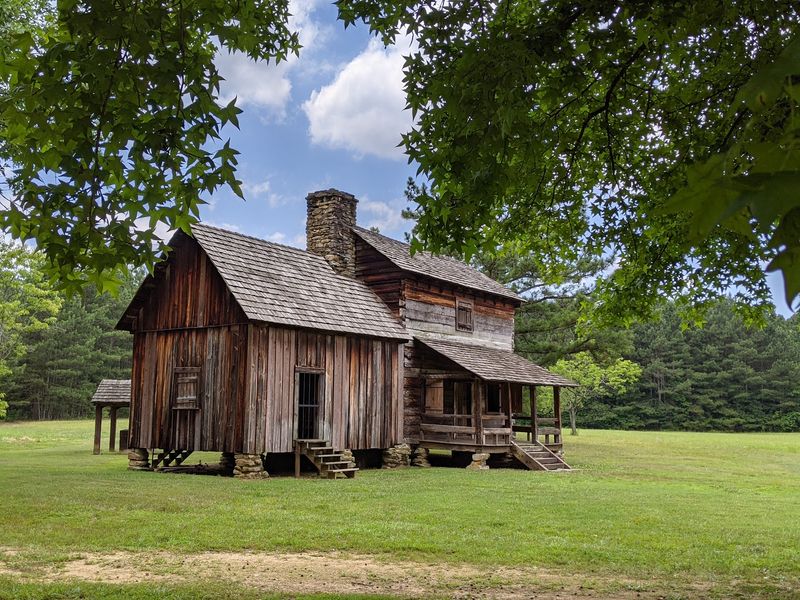
The Cherokee Nation had a capital city with a printing press, a court system, and a bilingual newspaper. Most people finish school without ever hearing that.
New Echota served as that capital from 1825 to 1838. Reconstructed and original buildings now stand across a quiet open field.
The print shop is the highlight. The Cherokee Phoenix published in English and in Sequoyah’s syllabary, a writing system one man invented from scratch.
Sequoyah’s achievement deserves more attention than it gets. He created a functional alphabet without being able to read any language.
Walking the grounds takes about an hour. Buildings include a courthouse, a council house, a tavern, and a missionary’s home.
The Treaty of New Echota was signed here in 1835. It led directly to forced removal along the Trail of Tears.
Exhibits in the visitor center explain how few Cherokee actually supported that treaty. The details are uncomfortable and important.
Wear comfortable shoes since paths are grass and gravel. Shade is limited in summer, so mornings work best.
The address is 1211 Chatsworth Hwy NE in Calhoun, just off the interstate. Admission stays low, and picnic tables make it easy to linger.
9. National Museum Of The Mighty Eighth Air Force, Pooler
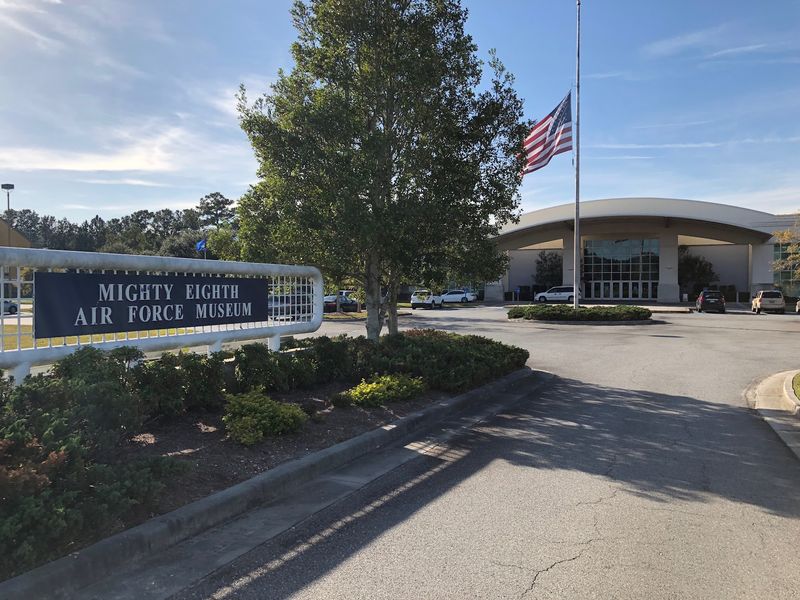
A B-17 bomber fills an entire hangar here, and restoration work happens right in front of visitors. You can watch volunteers piece history back together.
The Eighth Air Force was formed in Savannah in 1942. Within a few years it became the largest air combat force ever assembled.
Exhibits follow crews from training through missions over Europe. Interactive displays put you inside a simulated bombing run.
Most crew members were remarkably young. Reading their ages next to their photographs is the part that stays with you.
A full scale English village street recreates where airmen were stationed. Details include a pub sign, shop fronts, and cobblestones.
The chapel on site features stained glass honoring the units. It is quiet, and most visitors slow down there naturally.
Outdoor aircraft and a memorial garden extend the visit. Walking paths are easy and well maintained.
Located at 175 Bourne Ave in Pooler, it is minutes from the Savannah airport. Free parking makes the stop simple.
Aviation fans should plan three hours. Everyone else will still want at least two.
The gift shop carries serious history books, not just souvenirs. Worth a browse before you leave.
10. Ocmulgee Mounds National Historical Park, Macon
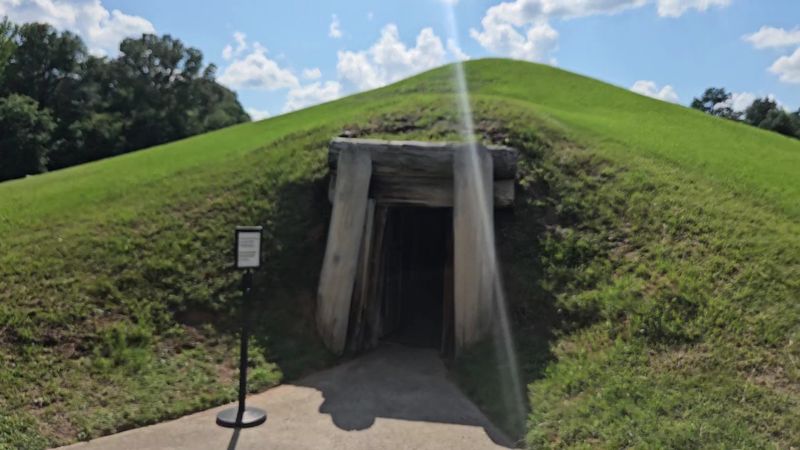
People have lived on this land for roughly 17,000 years. That timeline dwarfs almost everything else on this list.
The Mississippian culture built massive earthen mounds here around 900 to 1100 CE. Climbing the Great Temple Mound gives you a wide view over the river valley.
An original earth lodge floor survives, dated to about 1015 CE. Stepping through the low tunnel entrance into that circular room is unforgettable.
The clay floor includes molded seats arranged in a ring. Archaeologists believe leaders met there for council.
The museum holds thousands of artifacts pulled from excavations in the 1930s. Pottery, tools, and beads fill the cases.
Trails wind through wetlands and open fields. Birdwatching is genuinely good, especially near the water.
Muscogee people trace their heritage directly to this place. Annual celebrations bring descendants back each fall.
The park became a National Historical Park in 2019 after decades as a monument. Its boundaries have expanded since.
You will find it at 1207 Emery Hwy in Macon, only minutes from downtown. Admission is free, which feels almost unfair given the scale.
Half a day works well. Bring water and decent walking shoes.
11. Roosevelt’s Little White House Historic Site, Warm Springs
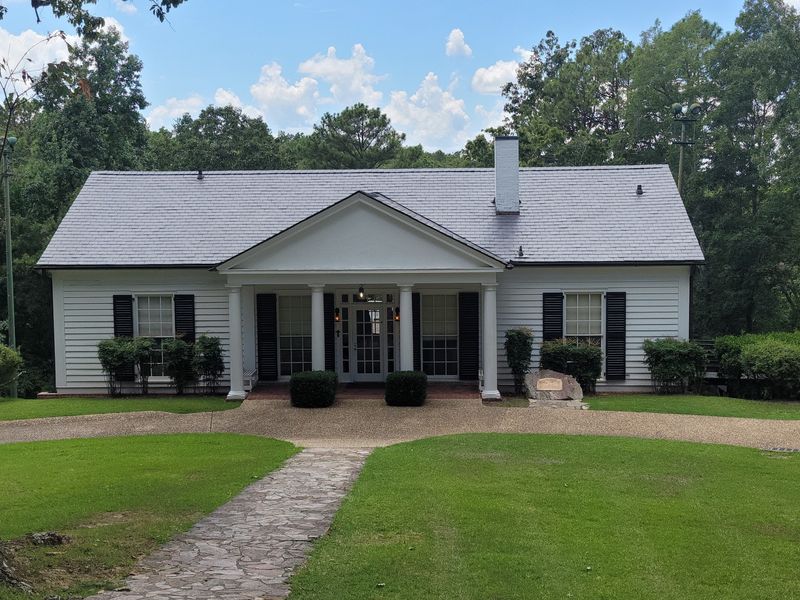
A sitting president built a modest six room cottage instead of a mansion. Seeing it in person reframes how you picture the man.
Franklin Roosevelt first came to Warm Springs in 1924 seeking relief in the mineral springs. He returned dozens of times over twenty one years.
The house remains furnished exactly as he left it. His dog’s chain still hangs by the door.
Hand controlled cars sit in the garage. Roosevelt drove himself around the countryside and talked with local farmers regularly.
Those conversations shaped real policy. Rural electrification grew partly from what he saw in this corner of the state.
The Unfinished Portrait is displayed in the museum. It was being painted during his final visit and was never completed.
A memorial walkway features flags and stones from every state. It makes a good slow stroll before or after the house tour.
The polio treatment center nearby changed how the country understood disability. Exhibits explain that legacy clearly.
The address is 401 Little White House Rd in Warm Springs. Two hours covers house, museum, and grounds comfortably.
Spring visits are especially pleasant. The surrounding pine woods stay cool even in warmer weather.
12. The Wren’s Nest, Atlanta
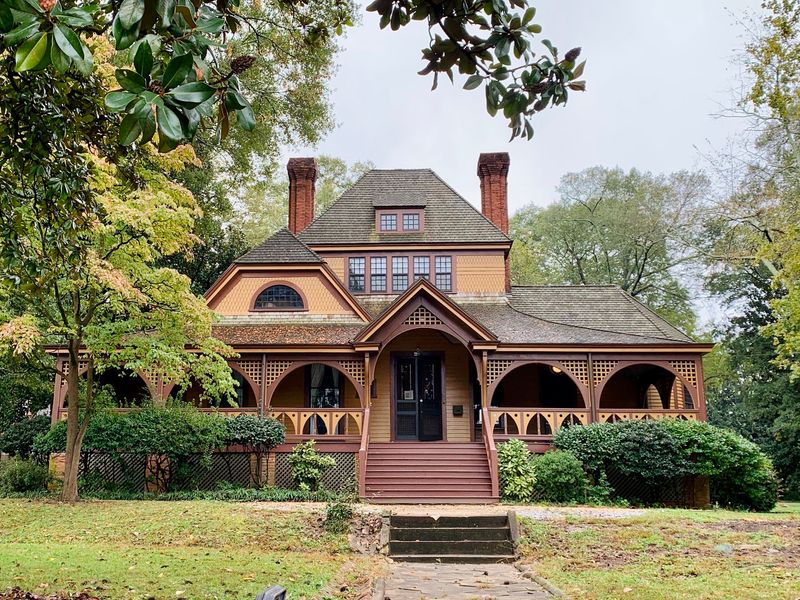
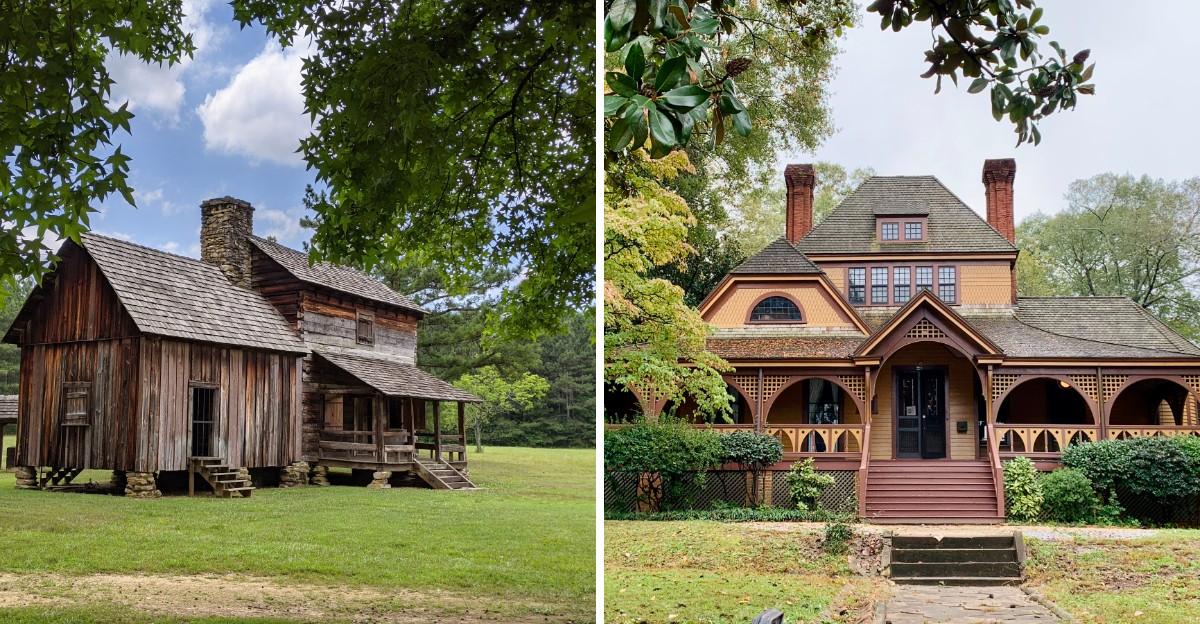
A Victorian house in West End Atlanta holds one of the trickiest literary stories in American history. It does not pretend otherwise.
Joel Chandler Harris lived here and published the Uncle Remus tales. He collected the stories from enslaved storytellers he listened to as a boy.
The folktales themselves came from African oral tradition. Brer Rabbit outsmarting stronger animals carried meaning that went far beyond entertainment.
Modern exhibits address the complicated legacy directly. Visitors get the full picture, including criticism of how the stories were framed.
Live storytelling happens on scheduled days. Hearing the tales spoken aloud is the way they were meant to travel.
The house holds original family furnishings. Little has changed since the early 1900s, down to the wallpaper patterns.
A wren once nested in the mailbox, which gave the property its name. The family left the mail alone until the birds moved out.
It is one of the oldest house museums in the city, open since 1913. The porch alone is worth the visit.
Find it at 1050 Ralph David Abernathy Blvd SW. Tours run on the hour, and reserving ahead is smart on weekends.