7 Must-Do Road Trips In Texas For An Unforgettable Lone Star Adventure
Thinking about hitting the road in Texas? You’ve come to the right place.
The Lone Star State is huge, and there’s so much to see. Forget just driving through. I’m talking about real adventures.
The sheer variety of the landscape ensures that every turn leads to a new and unexpected discovery.
You can find hidden small-town spots or stand in awe of towering natural wonders. The open road invites you to discover the local culture and history at your own pace.
So, grab your keys, pack a snack, and set out for an unforgettable journey across Texas. You won’t regret it!
1. Big Bend National Park
Have you ever wondered what it would be like to stand at the very edge of the world?
Few places on Earth feel as gloriously remote as Big Bend National Park. It is tucked deep into the southwestern corner of Texas along the Rio Grande.
The drive to get there is already part of the adventure. Highways like US-90 and TX-118 lead through vast stretches of Chihuahuan Desert where the sky seems to double in size.
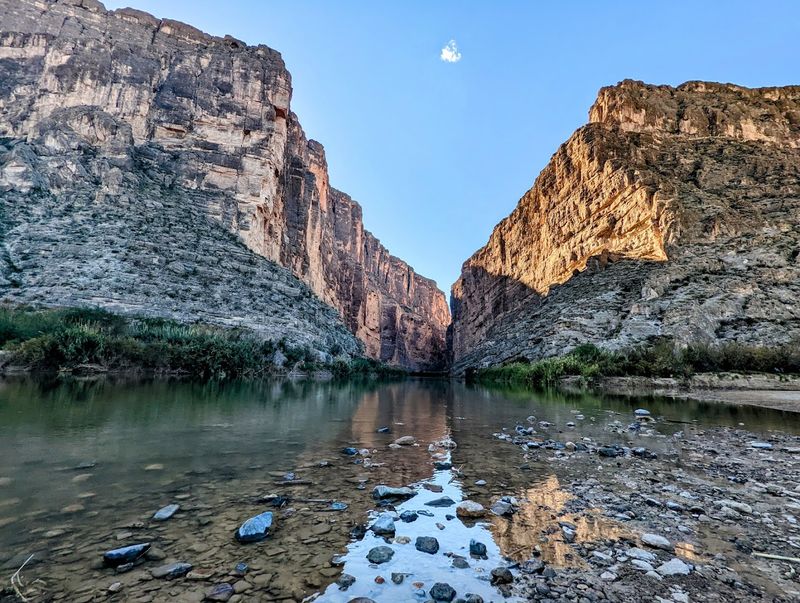
The sheer scale of the horizon makes every traveler feel small against the vast Texas landscape. Once inside the park, the Santa Elena Canyon is a jaw-dropping must-see.
Towering limestone walls rise nearly 1,500 feet on both sides of the river. This creates a corridor that feels ancient and humbling.
The Chisos Basin loop road is another highlight. It winds through the only mountain range in the continental U.S. entirely contained within a national park.
The elevation here provides a surprising refuge from the heat of the lower desert floor. Spring and fall are the best seasons to go.
Summer temperatures can push well past 100 degrees Fahrenheit in the desert lowlands. Stargazing here is extraordinary because Big Bend holds one of the lowest levels of light pollution.
The Milky Way is clearly visible to the naked eye on clear nights. The silence of the desert at midnight provides a rare opportunity for deep reflection.
Hiking options range from short nature walks to multi-day backcountry treks. The nearby town of Terlingua adds a quirky, ghost-town charm to the whole experience.
It has weathered adobe buildings and friendly locals who are happy to share their world. Big Bend rewards patience and curiosity in equal measure.
Every mile of the journey out there feels completely worth it. The rugged beauty of this park stays with you long after the dust settles.
2. Palo Duro Canyon State Park
I’ve seen my fair share of canyons, but nothing quite prepares you for the way the earth just opens up here.
Nicknamed the Grand Canyon of Texas, Palo Duro Canyon State Park sits just south of Amarillo. It genuinely earns that bold comparison.
The canyon stretches about 120 miles long, making it one of the largest canyons in the U.S. It reveals layers of red, orange, and purple rock that record millions of years of history.
Getting there along TX-217 from Canyon, Texas, is a surprisingly scenic drive. The sudden appearance of the canyon feels almost theatrical after miles of flat farmland.
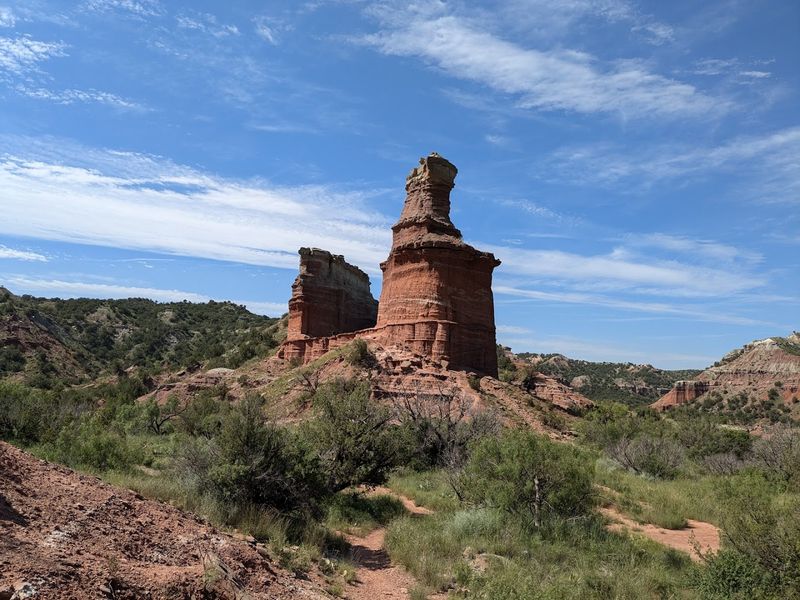
The visual contrast between the high plains and the deep gorge is a photographer’s dream. Inside the park, the Lighthouse Trail is the most popular hike.
It leads to a 310-foot rock formation that has become the unofficial symbol of the canyon. Mountain biking trails wind through the canyon floor.
Horseback riding is also available for those who want to channel a little cowboy energy. Every summer, the outdoor musical drama called TEXAS plays at the Pioneer Amphitheater.
It tells the story of the Texas Panhandle settlers against a backdrop of actual canyon walls. This performance uses the natural landscape to create an unforgettable cultural experience.
Camping inside the park puts you right in the middle of the colors. Sunrises paint the rock faces in shades of gold and pink that no photograph fully captures.
The best time to go is between March and November. This is when temperatures are comfortable and the canyon colors are at their most vivid.
Palo Duro is the kind of natural wonder that refuses to leave your memory. You will likely find yourself planning a return trip before your first visit even ends.
3. Guadalupe Mountains National Park
You might mistake it for a distant fortress of stone, but this ancient reef is teeming with hidden life.
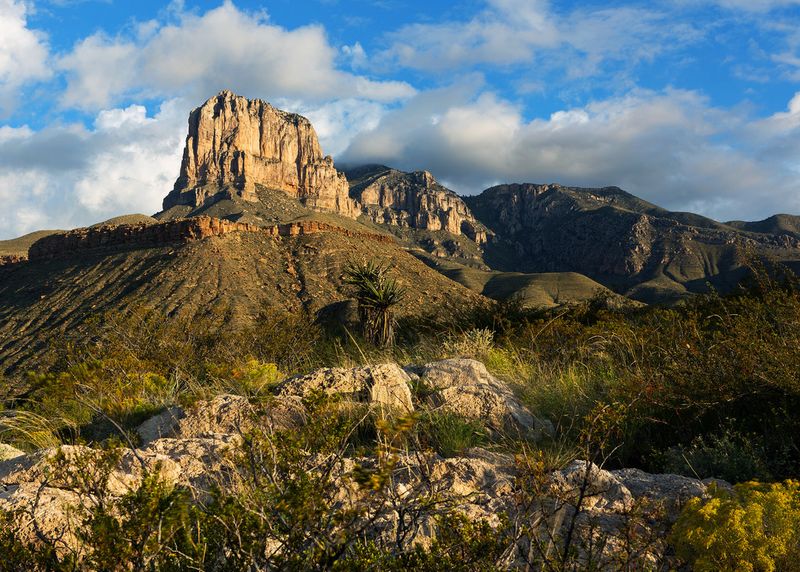
Standing at 8,751 feet, Guadalupe Peak is the highest point in all of Texas. The road trip to reach it through West Texas is one of the most underrated drives.
US-62/180 cuts through the Chihuahuan Desert with El Capitan growing larger on the horizon. This massive limestone cliff face creates one of the most dramatic natural approaches in the country.
Guadalupe Mountains National Park protects an ancient fossil reef from 265 million years ago. Every hike feels like a geology lesson you actually want to attend.
The desert floor is littered with remnants of life from an ancient inland sea. The Devil’s Hall Trail follows a dry streambed through a narrow canyon of towering walls.
It requires scrambling over rocks in a way that keeps things interesting without being dangerous. Fall is a special time to visit because McKittrick Canyon explodes with color.
Its maple and oak trees turn red and gold in an unexpected autumn display. This foliage creates a stunning contrast against the stark white limestone of the canyon walls.
The park sees far fewer crowds than Big Bend. You can often have entire trails to yourself, which is a rare luxury today.
There are no food services or gas stations inside the park. Planning ahead and stocking up in nearby Whites City or Van Horn is essential.
The lack of commercial development allows the natural beauty of the mountains to remain untouched. Quiet and raw, Guadalupe Mountains rewards those who seek out the roads less traveled.
It is a sanctuary for those who value peace over popular tourist attractions.
4. Fredericksburg
Would you believe me if I said you could find a slice of old-world Germany tucked away in the Texas hills?
Rolling through the Texas Hill Country on US-290, the landscape shifts to gentle hills. Wildflowers, vineyards, and peach orchards practically beg you to pull over.
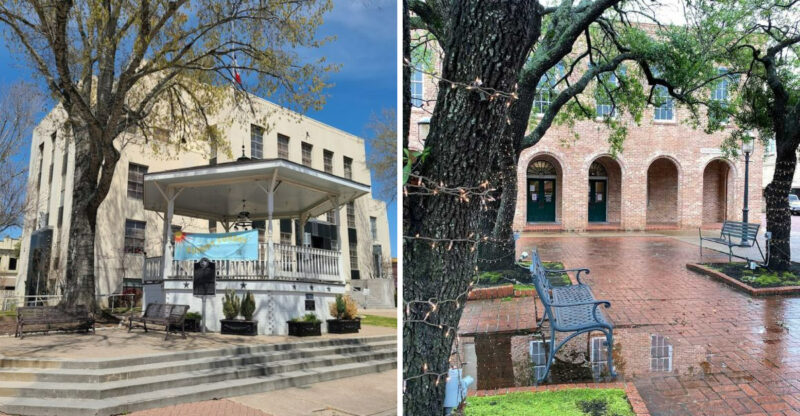
Fredericksburg was founded in 1846 by German immigrants. That heritage is still alive in the architecture, the food, and the unhurried pace of life.
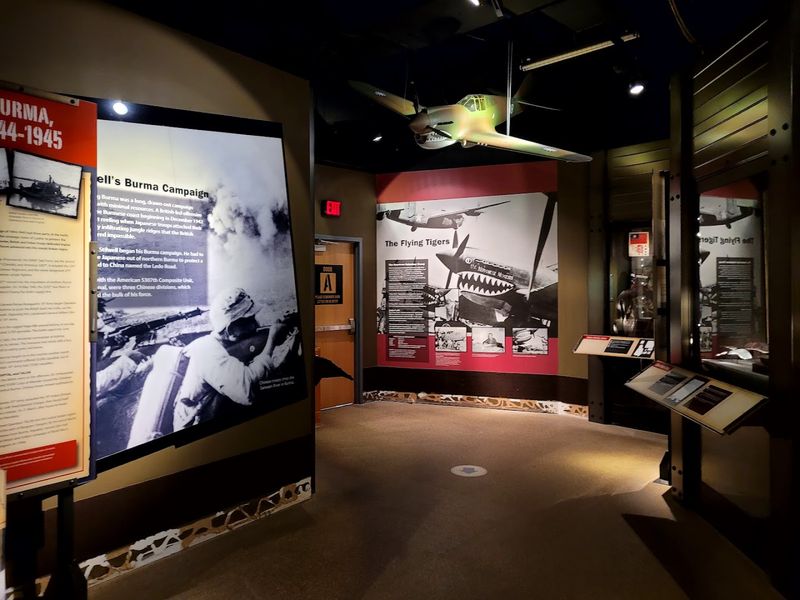
The National Museum of the Pacific War is located right in town. It is one of the most comprehensive museums dedicated to World War II in the country.
Visitors can explore interactive exhibits that tell the personal stories of those who served. Spring is perhaps the most spectacular time to make this drive.
Bluebonnets carpet the roadsides in waves of blue that seem almost too vivid to be real. Peach season runs from May through August.
Stopping at a roadside stand for a fresh peach is a rite of passage here. You can enjoy a picnic under a shaded oak tree while sampling the local harvest.
The town itself is highly walkable with boutique shops and family-owned restaurants. These charming blocks reward slow, leisurely exploration.
Enchanted Rock State Natural Area is only about 18 miles north of town. It offers a massive pink granite dome that hikers can climb for 360-degree views.
The summit provides a clear look at the rolling hills stretching out to the horizon. Fredericksburg is the kind of stop where you plan one night and stay for two.
The warm local welcome makes it very difficult to leave when your trip is over.
5. Marfa
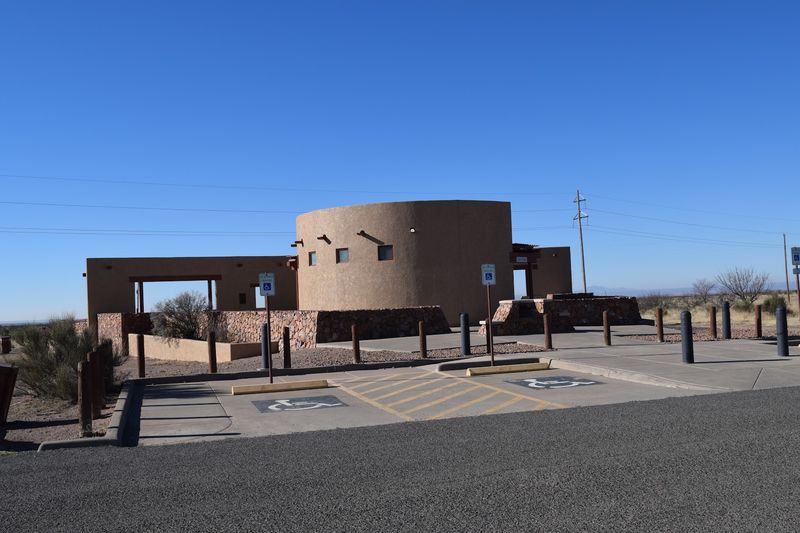
If you’re looking for a place where reality starts to blur at the edges, you’ve found it.
Somewhere between Alpine and Marfa, the West Texas desert opens up wide and quiet. You start to wonder if you have accidentally driven off the edge of the world.
Marfa is a tiny town that has become one of the most talked-about art communities. It draws artists, architects, and curious travelers from around the globe.
The Chinati Foundation was established by minimalist artist Donald Judd in the 1980s. It transformed a military fort into a world-class contemporary art museum.
Massive aluminum sculptures fill old artillery sheds in a way that is genuinely thought-provoking. The natural light in the sheds changes the appearance of the art throughout the day.
The Prada Marfa art installation is a mock storefront sitting alone in the desert. It is located northwest of town and is a famous roadside attraction.
The famous Marfa Lights are mysterious glowing orbs that appear in the desert at night. They have puzzled scientists and thrill-seekers for well over a century.
The mystery behind the lights only adds to the town’s enigmatic and cool reputation. The town itself has a relaxed energy with good coffee and independent bookstores.
It also has a surprisingly strong food scene tucked into its small streets. You can find everything from food truck grilled cheese to fine dining in restored buildings.
Marfa rewards travelers who slow down and look carefully. It is a place that refuses to be easily explained or quickly forgotten.
This desert outpost proves that art can thrive in even the most isolated locations.
6. San Antonio
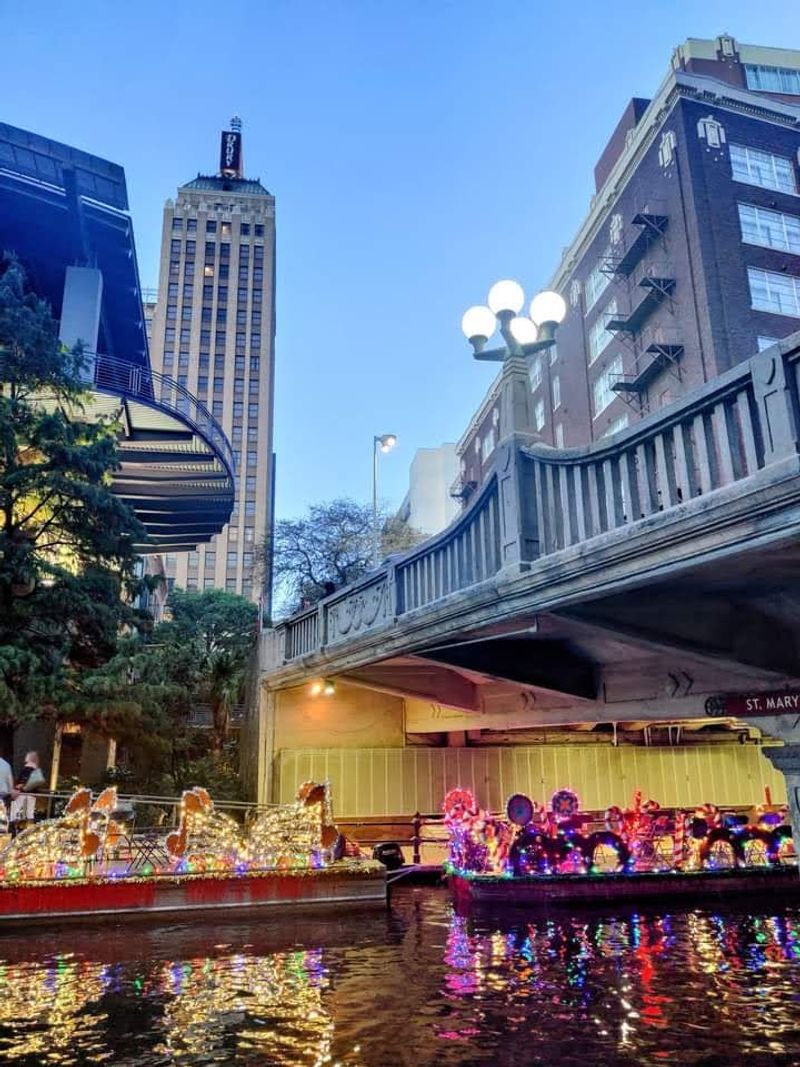
I always find that the best way to understand Texas is to walk these streets where the history is layered three centuries deep.
San Antonio carries more than 300 years of layered history in its streets and food. This makes it one of the richest road trip destinations in the state.
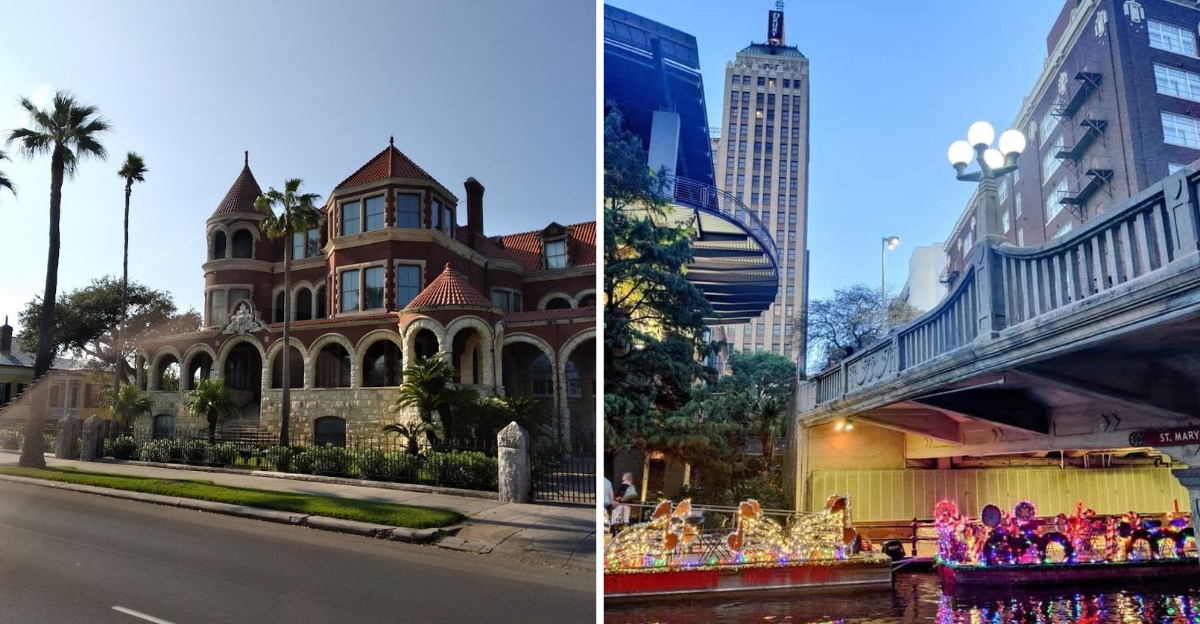
The River Walk is a network of stone pathways lining the San Antonio River. It is a pleasant place to spend an afternoon with restaurants and public art.
The atmosphere becomes even more romantic as the trees light up after the sun goes down. The Alamo is located right in the heart of downtown.
It is one of the most recognized landmarks in American history. Standing in front of its limestone facade brings a tangible sense of the past.
Beyond downtown, the San Antonio Missions National Historical Park preserves four Spanish missions. The drive between them is a peaceful loop that most tourists overlook entirely.
Each mission has its own distinct architectural style and story to tell about colonial life. Market Square, or El Mercado, is the largest Mexican market in the United States.
It is packed with handmade crafts, colorful textiles, and great street food. You can hear live mariachi music while browsing the stalls for unique souvenirs.
The best time to experience the city is during Fiesta in April. This ten-day celebration features parades, music, and food.
San Antonio is a destination that layers its rewards slowly. It reveals something new with every street turned and every conversation.
The city blends the traditions of the past with a modern urban energy.
7. Galveston
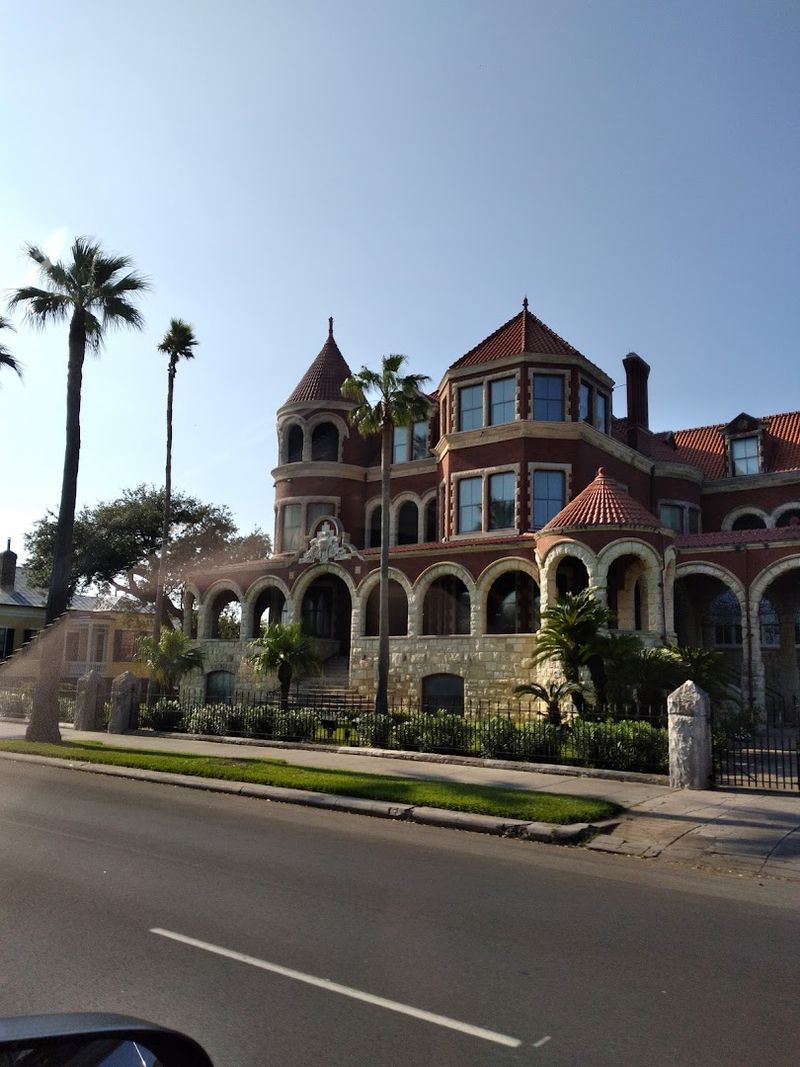
You can almost taste the salt on the breeze the second you cross the causeway and leave the mainland behind.
Driving down I-45 South from Houston, the causeway lifts you over Galveston Bay. The moment the island comes into view, there is a palpable shift in the air.
Galveston Island sits on the Gulf of Mexico and carries a fascinating dual identity. It is both a laid-back beach town and a city packed with Victorian architecture.
The Strand Historic District was once called the Wall Street of the Southwest. Its restored buildings now house shops, galleries, and restaurants with real character.
The brick streets and horse-drawn carriages make you feel like you’ve traveled back in time. The 1877 tall ship Elissa is one of the oldest operational sailing ships.
It offers tours that bring the age of sail to life in a hands-on way. Galveston’s beaches stretch along the seawall for miles.
The wide sandy shores and warm temperatures make for enjoyable days outdoors. You can rent a bike and cruise the seawall while taking in the ocean breeze.
Moody Gardens is a popular family attraction with a rainforest pyramid and aquarium. These glass pyramids look wonderfully out of place against the flat landscape.
Inside, you can walk among free-roaming birds and exotic plants from around the world. The aquarium features a massive tunnel where sharks swim directly over your head.
Galveston has the rare quality of being easy to reach yet feeling like a full escape. The drive home always seems to come too soon.
The island’s unique history makes it far more than just a typical seaside resort.