13 Must-See Stops Across Nevada That Make Desert Travel Exciting
Traveling across Nevada can feel repetitive without the right places to break things up.
Long stretches of road become more engaging when there are stops that offer something worth noticing.
Small towns, roadside attractions, and natural features all help shift the pace.
What turns a simple drive into something memorable? Often, it’s the places you didn’t expect to enjoy as much.
These stops add variety without overcomplicating the route. Each one gives you a reason to slow down briefly and look around.
Together, they make the journey feel more complete, adding moments that stand out long after the drive itself is finished and remembered.
1. Red Rock Canyon National Conservation Area
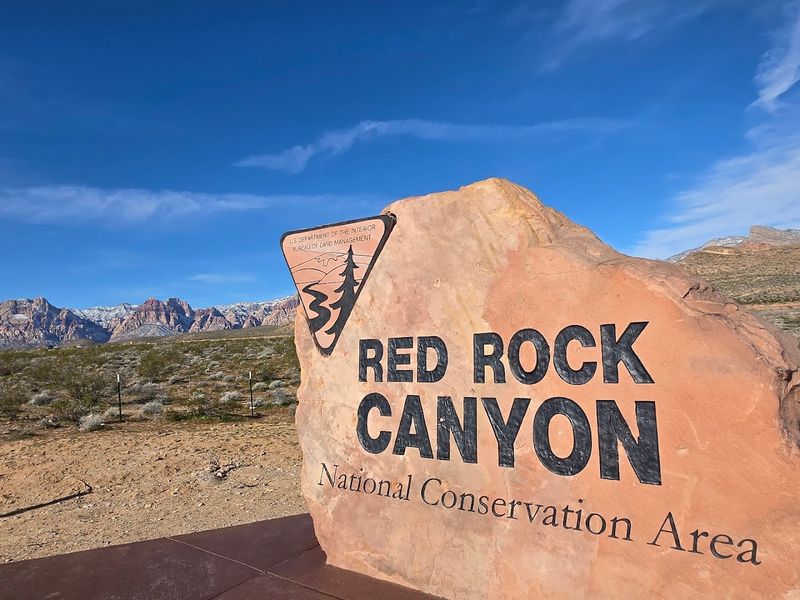
I’ve always felt that these massive crimson walls are the only thing in Nevada that can truly outshine the Las Vegas Strip.
Just a short drive west of that Strip, the landscape shifts from neon chaos to something that feels genuinely ancient.
Red Rock Canyon National Conservation Area sits about 17 miles from downtown Las Vegas and the contrast is almost surreal.
The star of the show is a 13-mile scenic loop drive that winds past towering sandstone cliffs in shades of deep red and burnt orange. Over 30 hiking trails range from easy strolls to serious climbs, so every fitness level is welcome here.
Rock climbers from around the world come specifically for the vertical sandstone walls. The Calico Hills section is especially popular for both scrambling and photography.
Spring and fall are the best seasons, when temperatures hover in the comfortable 60s and 70s. Summer heat can be intense, so early morning starts are smart.
Pack water, wear sunscreen, and bring a camera because every turn on that loop road is a potential screensaver moment.
2. Valley Of Fire State Park
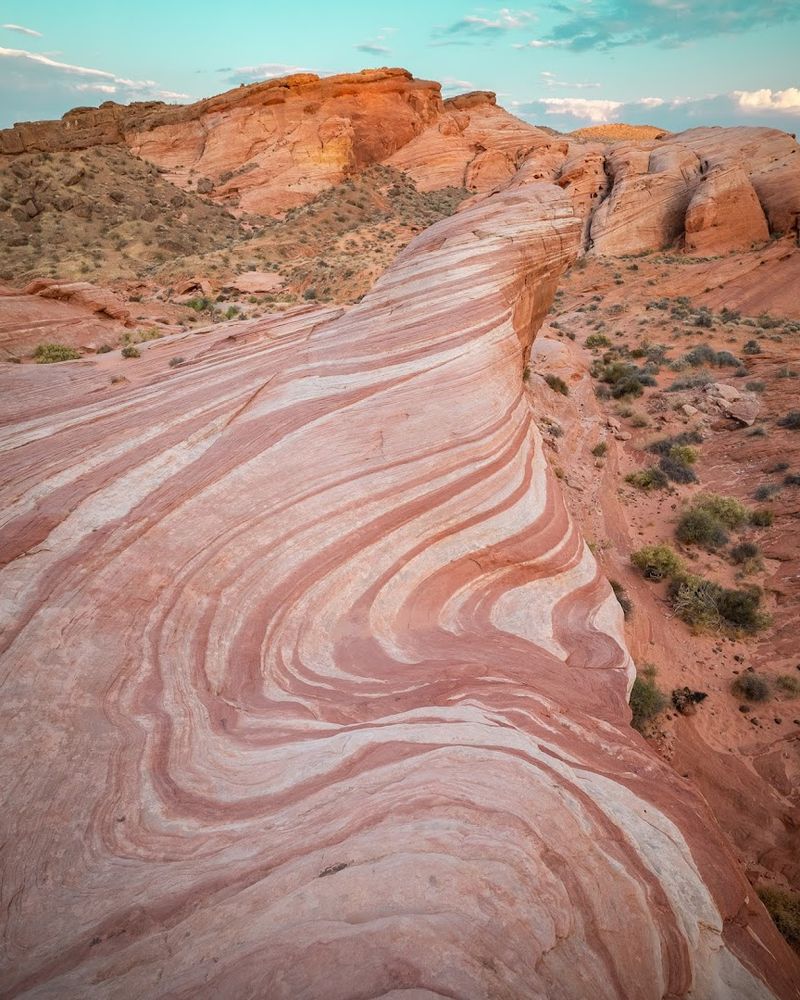
Would you believe me if I said the rocks here look like they’ve been frozen mid-flame for millions of years?
There is a moment, driving into this park, when the rocks ahead of you seem to actually glow.
Valley of Fire State Park, located about 50 miles northeast of Las Vegas in Overton, earns its name every single time the sun gets low in the sky.
Nevada’s oldest and largest state park covers 46,000 acres of Aztec sandstone formations sculpted over millions of years. The shapes are wild and unpredictable, from domed mounds to narrow slot canyons that twist through the rock.
Ancient petroglyphs left by the Ancestral Puebloans are scattered throughout the park, some estimated to be over 3,000 years old. Mouse’s Tank Trail is an easy walk that passes several well-preserved rock carvings.
The Beehive formations and Fire Wave are among the most photographed features here. Sunrise and sunset light transforms the already-vivid red rock into something almost electric.
Camping is available on-site, making a two-day trip here very manageable and deeply rewarding.
3. Hoover Dam
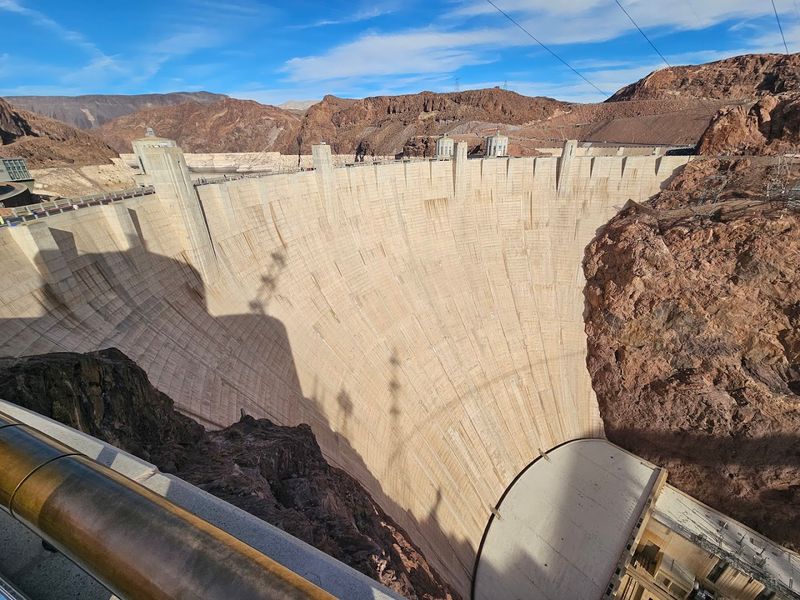
Few human-made structures can genuinely compete with the scenery around them, but Hoover Dam absolutely holds its own.
Trust me, standing on this concrete giant makes you realize just how small, and how powerful, we really are.
Straddling the Nevada-Arizona border on the Colorado River, this concrete giant stands 726 feet tall and took just five years to build, completing in 1935.
The dam sits in Black Canyon, and the walls of rock rising on both sides make the scale of the structure even more dramatic. Standing on the crest with the canyon dropping away on one side and Lake Mead stretching behind you is a genuinely memorable experience.
Guided tours take you inside the dam itself, through tunnels and down to the massive generators that still power homes across the Southwest. The history here is layered and fascinating, from the engineering feat to the human stories of the workers who built it.
The Mike O’Callaghan-Pat Tillman Memorial Bridge nearby offers a spectacular aerial view of the dam from above. Visiting early on weekday mornings helps you avoid the biggest crowds.
Budget at least two to three hours to do it justice.
4. Lake Mead National Recreation Area
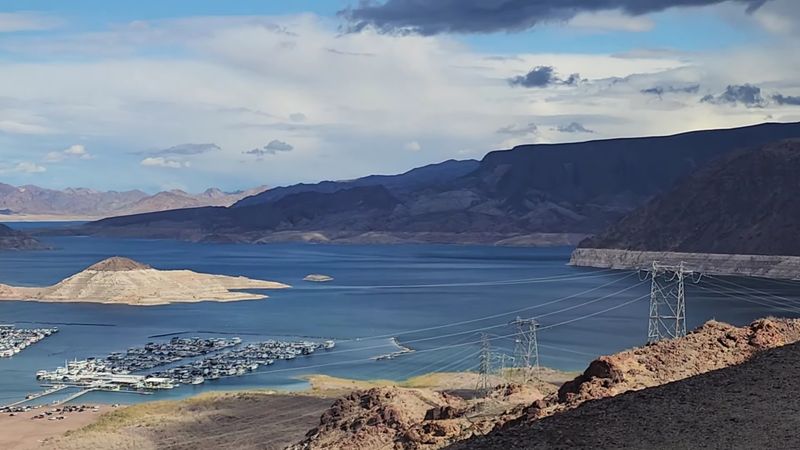
Isn’t it amazing how a single blue horizon can make you completely forget you’re standing in a bone-dry desert?
Stretching across 1.5 million acres of Nevada and Arizona, Lake Mead is the largest reservoir in the United States by volume, and the sheer scale of it still surprises people who see it for the first time.
The contrast of deep blue water against pale desert rock is genuinely striking.
Boulder City serves as the main gateway town, sitting just a few miles from the lake’s western edge. Marinas at Boulder Beach and Callville Bay offer boat rentals, kayak launches, and swimming beaches that stay busy on summer weekends.
Beyond the popular zones, quieter coves and canyon arms reward anyone willing to paddle or motor a bit farther from the launch points. Fishing for striped bass and catfish is a serious draw for anglers throughout the year.
Hiking trails along the shoreline pass through desert scrub and occasionally reveal stunning canyon overlooks. Water levels fluctuate seasonally, which actually exposes fascinating geological layers in the canyon walls.
5. Death Valley National Park
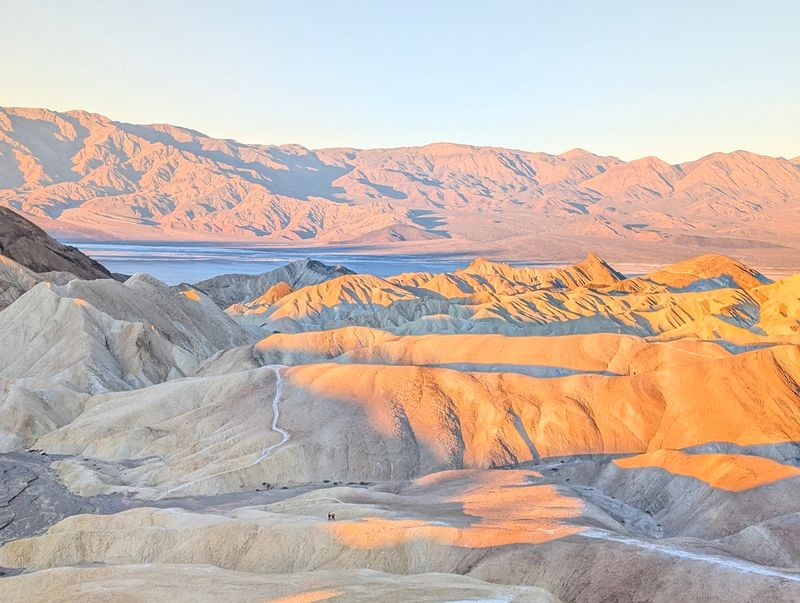
Imagine the absolute thrill of standing at the very bottom of the continent, where the earth feels completely alien.
Holding the record for the hottest air temperature ever recorded on Earth, this park is not exactly a soft introduction to desert landscapes.
Death Valley National Park straddles the Nevada-California border, and several of its most dramatic viewpoints sit right along the Nevada side.
Zabriskie Point offers a panoramic view over a landscape of eroded golden badlands that looks almost planetary. The Mesquite Flat Sand Dunes near Stovepipe Wells rise in perfect photogenic curves against the surrounding mountains.
Badwater Basin, the lowest point in North America at 282 feet below sea level, is a vast expanse of salt crust that crunches underfoot and gleams white in the sun. The geometry of the salt polygons is oddly satisfying to photograph up close.
Timing a trip here matters enormously. October through April brings manageable temperatures and occasionally even wildflower blooms after wet winters.
Summer is only for the very prepared and very serious. Sunrise and golden hour light here are among the most spectacular you will find anywhere in the American Southwest.
6. Great Basin National Park
Who would’ve thought you could find a living connection to the ancient past hiding in Nevada’s loneliest mountain range?
Remote does not begin to cover it. Great Basin National Park sits near Baker close to the Utah border.
Getting there requires a serious commitment to driving through some of the emptiest stretches of highway in the continental United States.
Wheeler Peak rises to 13,063 feet and offers one of the few true alpine environments in Nevada. A trail near the summit passes a remnant glacier, one of the southernmost in the country, which is a remarkable thing to find in the desert state.
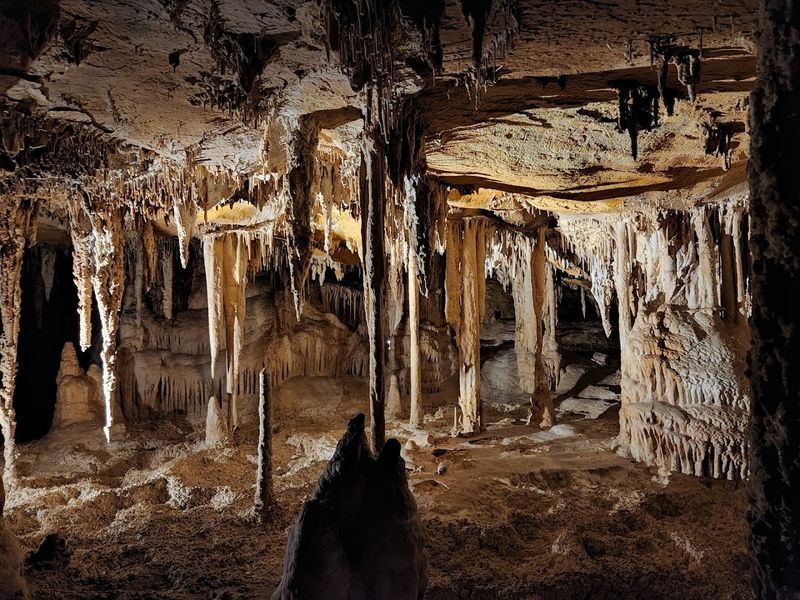
Lehman Caves, located at the base of Wheeler Peak, contain some of the most elaborate cave formations in the National Park system. Shield formations, stalactites, and rare cave bacon are all part of the guided tour experience.
The park is also designated as an International Dark Sky Park, meaning the nighttime views here are extraordinary. Bristlecone pines, some over 4,000 years old, grow on the high rocky slopes and have a haunting, twisted beauty.
7. Black Rock Desert
I suspect you’ll feel a strange, beautiful vertigo when you stand on a surface so flat the world actually curves.
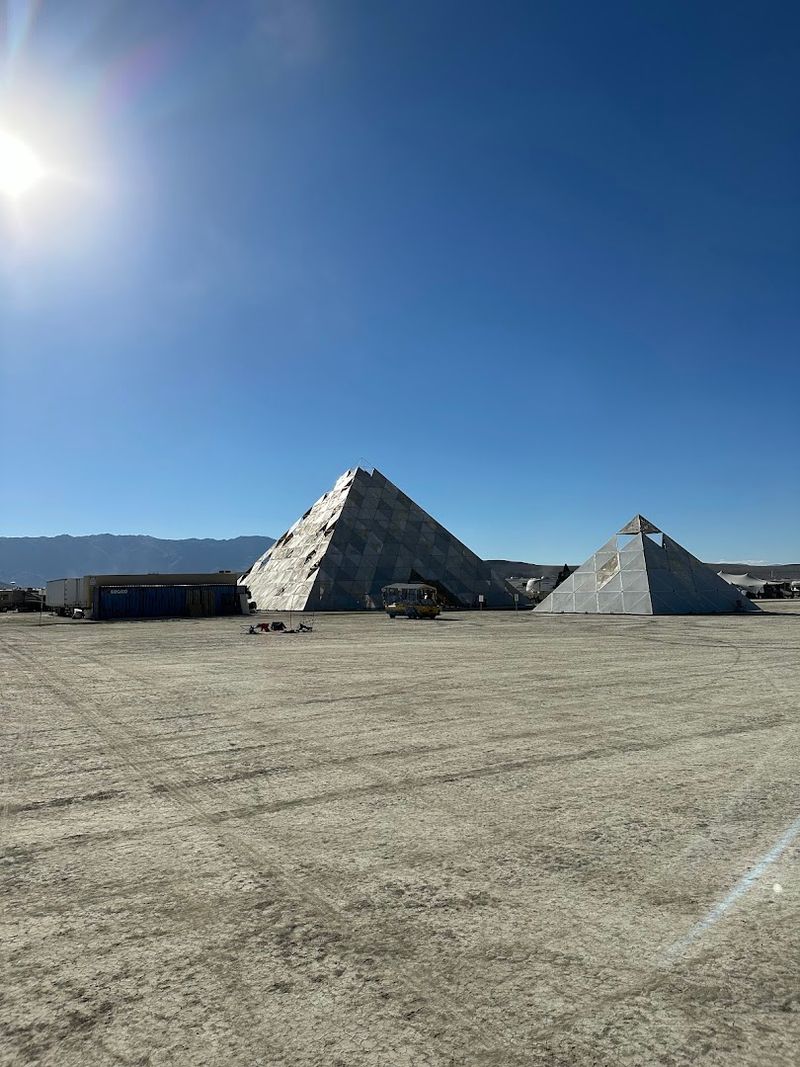
Black Rock Desert, located in Humboldt County in northern Nevada, is one of the largest flat surfaces on the planet, and it is genuinely disorienting in the best possible way.
The playa, as the dry lakebed is called, covers roughly 400 square miles of cracked, sun-bleached earth. For most of the year, it sits nearly empty, visited only by adventurous travelers and land speed record chasers drawn to its perfectly flat surface.
Every year in late August, the temporary city of Black Rock City rises here for the Burning Man festival, transforming the playa into a pop-up metropolis of tens of thousands. After the festival ends, the desert reclaims its silence completely.
The Black Rock Desert is also home to the Black Rock Hot Springs, a series of geothermal pools where you can soak under an open sky.
Stargazing here rivals the Great Basin for sheer darkness and clarity. A high-clearance vehicle is strongly recommended for accessing the playa floor.
8. Pyramid Lake
I don’t think anything can beat that first glimpse of prehistoric limestone towers rising out of water so teal it looks like a mirage.
Turquoise water in the middle of a tan and beige desert landscape is not something you expect, but Pyramid Lake delivers exactly that kind of beautiful contradiction.
About 35 miles north of Reno, this lake sits entirely within the Pyramid Lake Paiute Tribe Reservation.
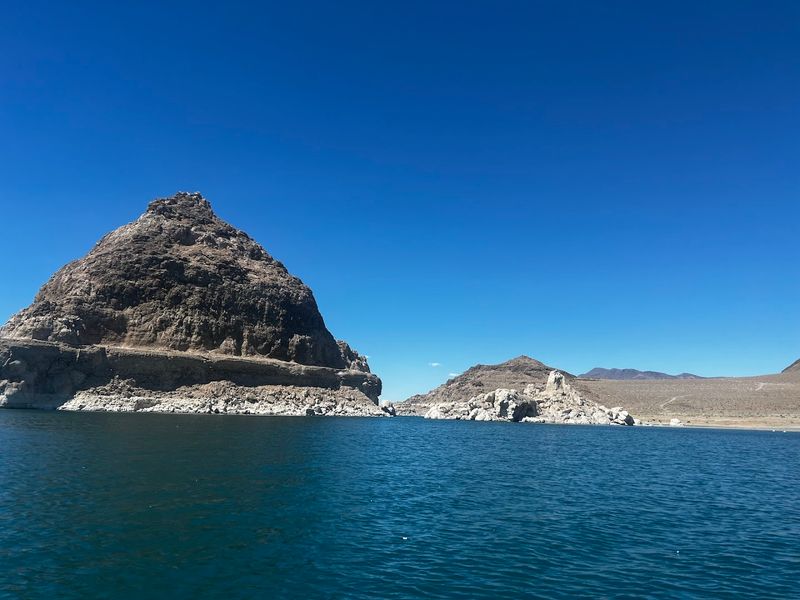
The lake stretches 27 miles long and reaches depths of 350 feet, making it the largest natural lake in Nevada. Its vivid color comes from the high concentration of dissolved minerals, which shift from blue-green to deep teal depending on the light.
The most iconic feature is the Pyramid, a massive limestone tufa formation rising about 25 stories out of the water near the eastern shore. Smaller tufa towers dot the shoreline and give the lake an otherworldly, almost prehistoric atmosphere.
Fishing permits are required and available from the tribe, and the lake is famous for trophy-sized Lahontan cutthroat trout. A recreation permit is also needed for access to the shores.
Visiting at sunrise turns the water into a mirror of pinks and purples that is impossible to forget.
9. Cathedral Gorge State Park
Wait until you see how the clay walls here twist into narrow corridors that feel like a secret, underground city. Not every great Nevada landscape screams for attention from the roadside.
Cathedral Gorge State Park, tucked near Panaca in Lincoln County, southern Nevada, is the kind of discovery that makes you feel like you found something most people drive right past.
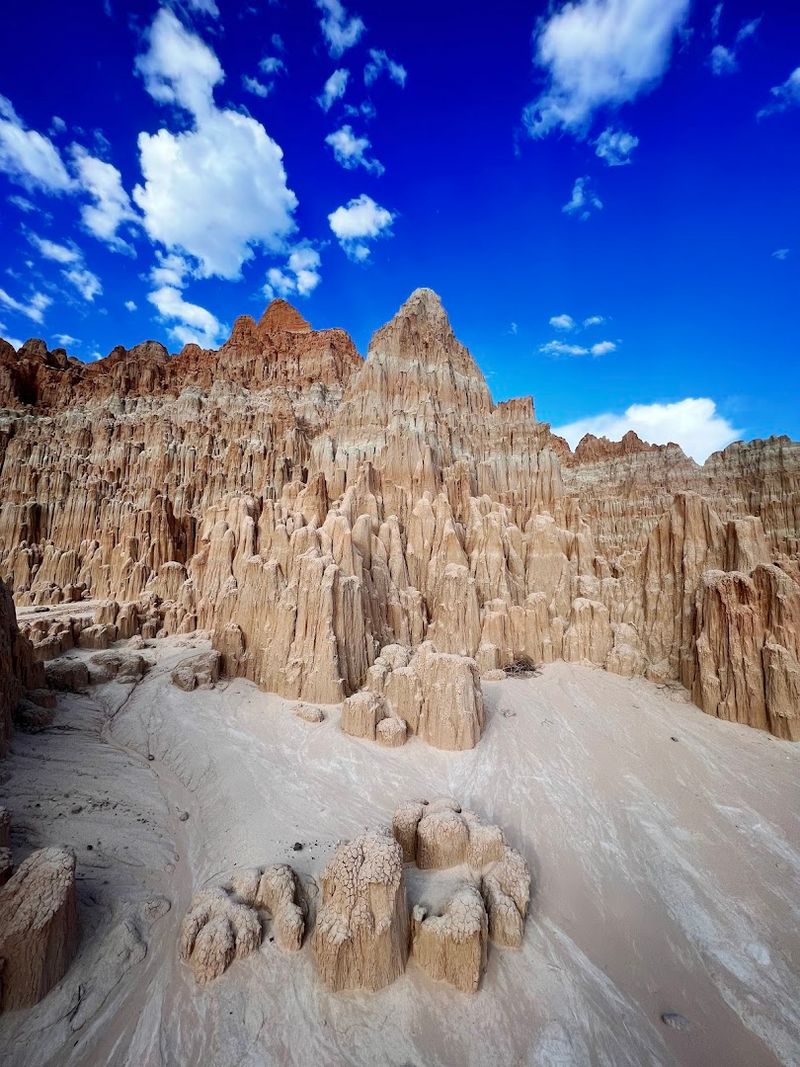
Millions of years of erosion carved this valley into a labyrinth of narrow clay canyons, spires, and cathedral-like chambers that give the park its poetic name.
The pale tan and cream formations contrast sharply with the blue sky above, creating a natural color palette that feels almost designed.
Miller Point Overlook gives a sweeping bird’s-eye view of the entire gorge, which is worth the short hike up. Down in the canyon floor, narrow passages squeeze between walls that rise overhead, creating cool, shadowy corridors even on hot afternoons.
Camping is available right in the park, and nights here are impressively quiet and dark. The park sees far fewer crowds than Nevada’s more famous parks, which means you can actually stand in silence and just listen to the wind.
That alone is worth the drive out here.
10. Sand Mountain Recreation Area
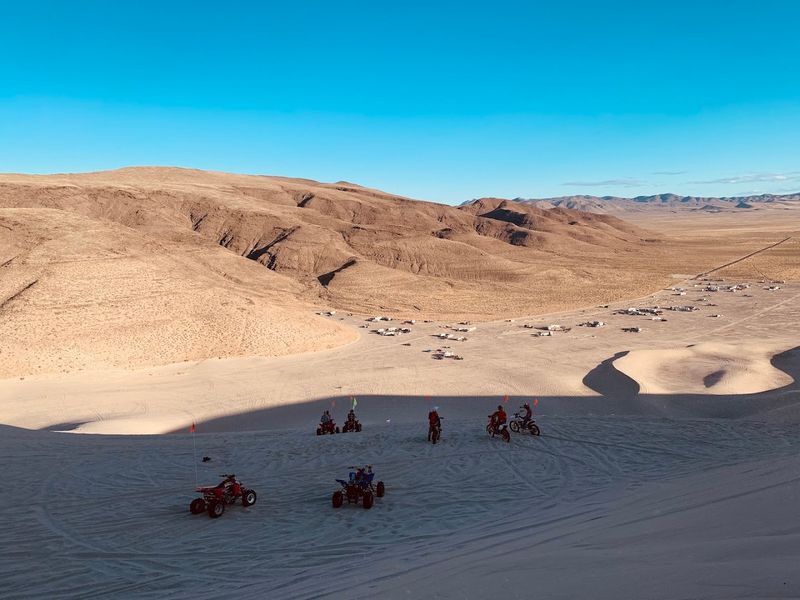
I’ve noticed that the desert silence gets even more mysterious when the dunes under your feet start to hum.
Rising about 600 feet above the surrounding desert floor, this lone sand dune looks like it was accidentally dropped in the middle of the Nevada wilderness.
Sand Mountain Recreation Area sits about 25 miles east of Fallon, and it is one of the more unusual landscapes in the entire state.
The dune is actually a singing sand dune, meaning the sand produces a low, rumbling sound when it moves, caused by friction between the grains. Hearing it for the first time is genuinely strange and memorable.
Off-highway vehicle enthusiasts treat this place as a serious playground, with dune buggies, ATVs, and sand rails tackling the steep slopes year-round. The Bureau of Land Management oversees the area and charges a modest recreation fee for access.
For those without OHV gear, simply hiking up the dune on foot is a solid workout with a rewarding view from the top. The surrounding desert stretches out flat and wide in every direction.
Bring plenty of water, because the sand reflects heat intensely, even on cooler days.
11. Virginia City
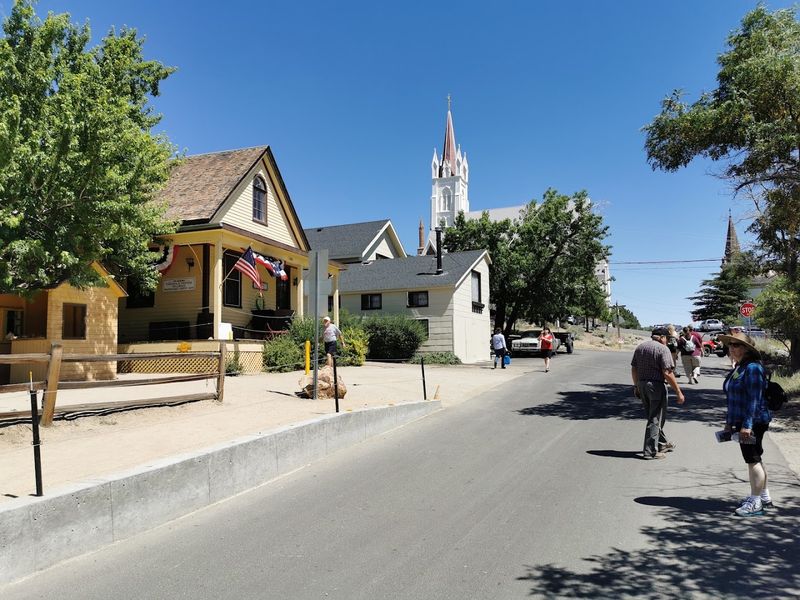
Not many places would give you the opportunity to go through a living ghost town that still feels like the Wild West never ended.
The wooden boardwalks creak under your boots, the storefronts lean at slightly improbable angles, and the whole town feels like a film set that just never got torn down.
Virginia City, perched on the slopes of Mount Davidson in western Nevada, was once one of the richest cities in North America.
The Comstock Lode silver discovery in 1859 turned this mountain town into a booming metropolis almost overnight. At its peak, Virginia City had over 25,000 residents, multiple newspapers, and a reputation for wild, unpredictable energy.
Today the main street is lined with Victorian-era buildings housing museums, shops, and historic sites that are genuinely fascinating to explore. The Fourth Ward School Museum at 537 S C St is definitely worth an hour of your time.
The V and T Railway offers scenic train rides through the surrounding hills, giving you a sense of how goods and silver once traveled through this rugged terrain.
October brings the famous International Camel Races, which are exactly as wonderfully odd as they sound. Virginia City rewards slow, curious exploration far more than a quick drive-through.
12. Extraterrestrial Highway, Nevada State Route 375
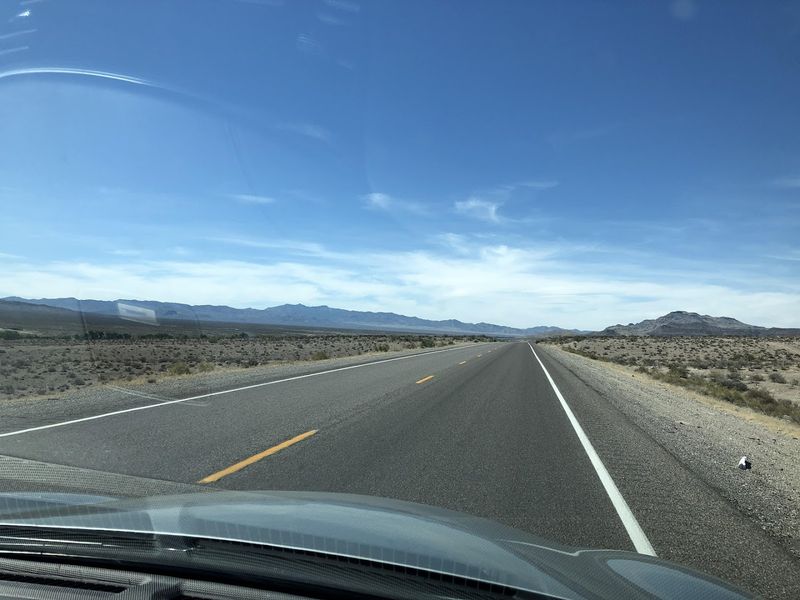
Somewhere between the tiny town of Crystal Springs and the even tinier town of Warm Springs, the road gets very straight, very empty, and very interesting.
Nevada State Route 375, officially nicknamed the Extraterrestrial Highway, cuts through a stretch of high desert that sits adjacent to the mysterious boundaries of Area 51.
The Nevada Legislature officially gave the route its unusual name in 1996, partly to embrace the UFO tourism that had already taken hold in the region. The Little A’Le’Inn in Rachel, population roughly 50, is the undisputed social hub of the highway and a genuinely fun stop.
Roadside mailboxes, alien-themed signs, and the occasional unmarked dirt road disappearing toward restricted military land keep the intrigue level high throughout the drive.
If you believe in extraterrestrial activity or not, the landscape itself is eerie and captivating.
The highway runs about 98 miles through some of the most desolate terrain in the Lower 48.
Cell service disappears for long stretches, so a full tank of gas and a downloaded map are essential. Driving it at dusk, when the sky turns strange colors, is an experience that is hard to shake.
13. Spring Mountains National Recreation Area
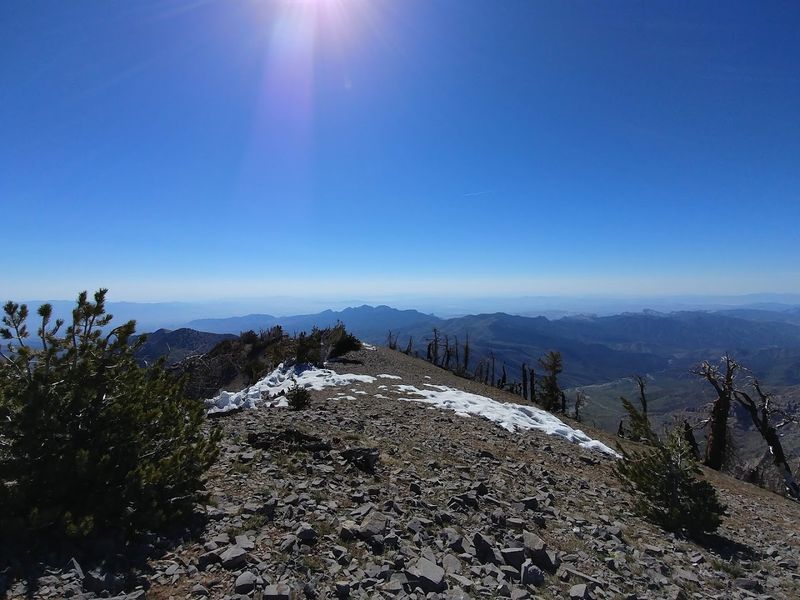
Few things feel as refreshing as trading the city’s heat for a pine-scented breeze that belongs in a different state.
Less than an hour from the Las Vegas Strip, the temperature drops by 20 to 30 degrees and the desert gives way to ponderosa pines and white fir trees.
Spring Mountains National Recreation Area, centered around Mount Charleston in Clark County is the escape valve that Las Vegas locals rely on all summer long.
Charleston Peak tops out at 11,918 feet, making it the highest point in the Spring Mountains range and one of the tallest peaks in Nevada. The Summit Trail is a challenging but rewarding 17-mile round trip that passes through multiple ecological zones.
Shorter, family-friendly trails wind through cool forested canyons where the air smells like pine sap and the silence is total. Mary Jane Falls Trail leads to a seasonal waterfall tucked into a limestone cliff, a genuinely surprising find close to a major city.
In winter, Lee Canyon ski resort operates on the mountain, offering a surreal option of skiing in the morning and eating on the Strip by evening.
The spring wildflower bloom on the lower slopes is colorful and underappreciated. This mountain range rewards every season with something distinctly different.