10 Must-Visit Wisconsin Destinations Travelers Absolutely Love
Wisconsin travelers have standards and these destinations have consistently met them.
The list reaches across the state and covers genuinely different experiences. Some are widely known and some are still quietly building their reputations.
What connects them is the feeling they leave behind after every visit. That feeling draws people back season after season without any real explanation.
Each destination offers something a photograph suggests but presence actually delivers fully. I have visited several and each one rewarded the decision to go.
The state exceeds expectations for people who explore past the obvious choices. Start with one and come back wanting to add many more.
1. Door County
You might not believe me, but a narrow strip of land between two bodies of water can completely steal your heart.
Door County sits on a peninsula between Green Bay and Lake Michigan, stretching roughly 70 miles long. The area is famous for its cherry and apple orchards, which bloom brilliantly each spring.
Roadside farm stands pop up everywhere, selling fresh-picked fruit and homemade preserves that are hard to resist.
Five state parks line the peninsula, giving outdoor enthusiasts plenty of room to hike, kayak, and camp. Peninsula State Park at 9462 Shore Rd alone covers over 3,700 acres with trails that wind through cedar forests and overlook stunning bluffs.
Small fishing villages like Fish Creek and Egg Harbor offer charming shops and cozy restaurants serving fresh whitefish. The sunsets over the bay turn the sky shades of orange and pink that feel almost unreal.
Fall is particularly magical here, when the maple trees ignite in red and gold. Summer draws boaters and cyclists who cruise the quiet county roads at a relaxed pace.
Winter brings a quieter, snow-dusted beauty that surprises those willing to brave the cold.
2. Madison

Who would have thought that a city built on a narrow strip of land between two lakes could become one of America’s most livable cities?
Madison is on an isthmus between Lake Mendota and Lake Monona, giving it a geography unlike most Midwestern capitals.
The Wisconsin State Capitol building at 2 E Main St anchors the city center with its stunning granite dome. Walking the surrounding square reveals a busy farmers market every Saturday from spring through fall, drawing thousands each week.
University of Wisconsin-Madison at 500 Lincoln Dr adds a youthful, creative energy to the entire city. The campus borders Lake Mendota and features gorgeous limestone buildings alongside a thriving arts and music scene.
Olbrich Botanical Gardens at 3330 Atwood Ave offers a peaceful escape with 16 acres of outdoor gardens and a glass-enclosed Thai pavilion. Henry Vilas Zoo is free to enter and home to hundreds of animal species, making it a family favorite.
The city’s food scene leans heavily local, with cheese curds and Friday fish fries appearing on nearly every menu. Bike paths connect neighborhoods, parks, and lakeshores across the whole metro area.
Madison’s mix of politics, education, and natural beauty creates an atmosphere that is genuinely hard to replicate.
3. Wisconsin Dells
I never would have guessed that a small town could earn the title of Waterpark Capital of the World.
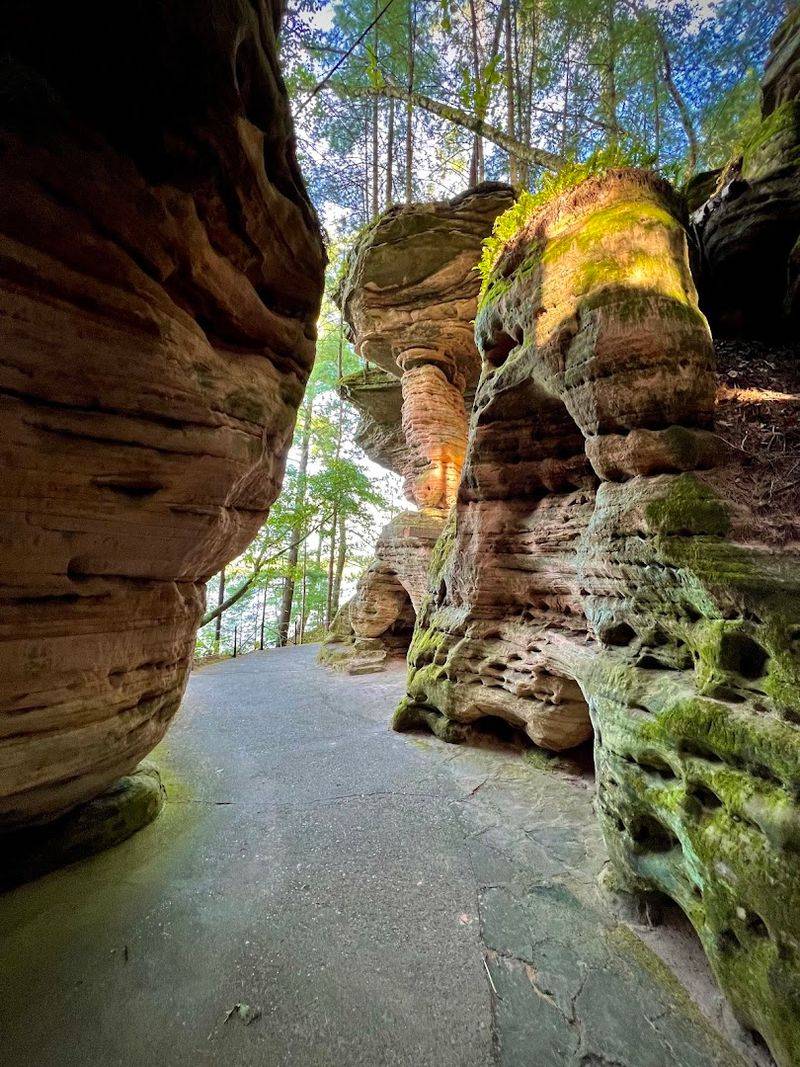
Wisconsin Dells is in the heart of the state along the Wisconsin River, where dramatic sandstone cliffs and gorges tell a story millions of years in the making.
The natural rock formations along the river are genuinely awe-inspiring. Boat tours through the Upper and Lower Dells have been a popular tradition since the late 1800s, letting passengers float past towering canyon walls.
Beyond the water parks, the area holds some surprisingly rich outdoor adventures. Stand Rock, a famous sandstone pillar rising above the river, has drawn curious travelers since the 19th century.
Hiking trails around Mirror Lake State Park and Rocky Arbor State Park at N101 US Hwy. 12 and 16 offer calm, wooded retreats just minutes from the busier attractions.
Kayaking and paddleboarding on the Wisconsin River provide a quieter way to appreciate the geology.
Families flock here during summer for the sheer variety of things to do in a compact area. Go-kart tracks, mini golf, and outdoor concerts fill the evenings with non-stop activity.
Even without the water parks, Wisconsin Dells has enough natural drama to justify the trip. The cliffs alone are worth every mile of the drive.
4. Milwaukee
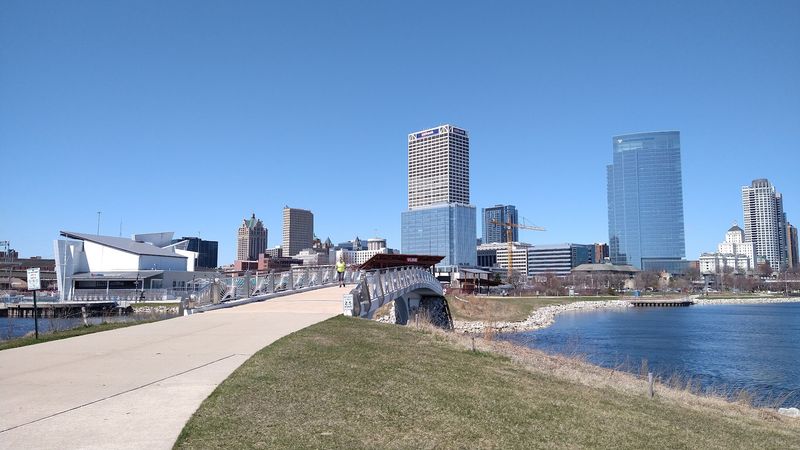
Believe me, not every big city earns its reputation, but Milwaukee absolutely delivers on every promise it makes.
Milwaukee is Wisconsin’s largest city and a cultural powerhouse that often flies under the national radar.
The Milwaukee Art Museum at 700 N Art Museum Dr is worth the trip, with its stunning Calatrava-designed building that opens its winglike brise soleil each morning.
Inside, the collection spans 30,000 works ranging from Old Masters to contemporary American art.
Historic Third Ward is the city’s creative hub, packed with galleries, boutiques, and restaurants housed in beautifully preserved red-brick warehouses.
The Milwaukee Public Market at 400 N Water St anchors the neighborhood with local cheeses, baked goods, and freshly caught fish.
Summerfest, held each summer along the lakefront, is one of the largest music festivals in the world. The festival grounds stretch along Lake Michigan and draw massive crowds over multiple weeks.
Harley-Davidson Museum at 400 W Canal St celebrates the iconic motorcycle brand born right here in Milwaukee back in 1903. Displays cover everything from early prototypes to custom bikes ridden by celebrities.
Bradford Beach along Lake Michigan offers sandy shores and stunning city views.
5. Devil’s Lake State Park
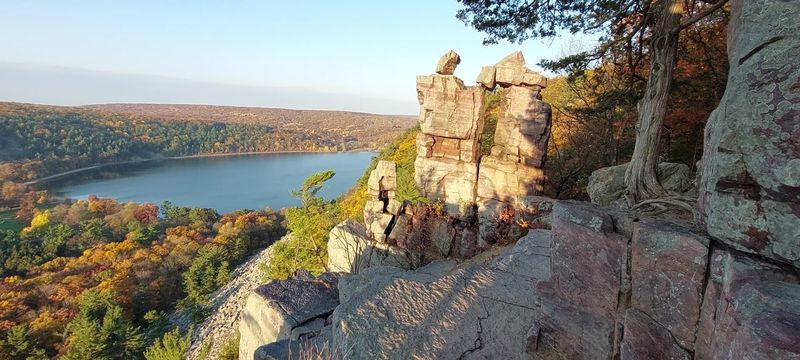
I know, a lake sitting inside an ancient glacial basin surrounded by 500-foot quartzite bluffs sounds almost too dramatic to be real.
Devil’s Lake State Park, with the access point at S5975 Park Rd near Baraboo in south-central Wisconsin, is one of the most visited state parks in the entire state.
The 360-acre lake has no inlet or outlet, making it one of Wisconsin’s unique natural oddities. Its water stays remarkably clear because it is fed entirely by springs and rainwater filtering through the surrounding bluffs.
Rock climbers travel from across the Midwest to scale the quartzite faces on the East and West Bluffs. The park has over 500 established climbing routes ranging from beginner-friendly to seriously technical.
Hikers have more than 29 miles of trails to explore through forests, along ridgelines, and past glacially deposited boulders.
The Balanced Rock Trail is a short but rewarding climb leading to a massive perched quartzite boulder with panoramic lake views.
Swimming beaches on the north and south shores get busy on summer weekends, so arriving early is a smart move.
Fall brings some of Wisconsin’s best foliage color to the bluffs, turning the park into a patchwork of red, orange, and gold. Camping here puts you right in the middle of it all.
6. Apostle Islands National Lakeshore
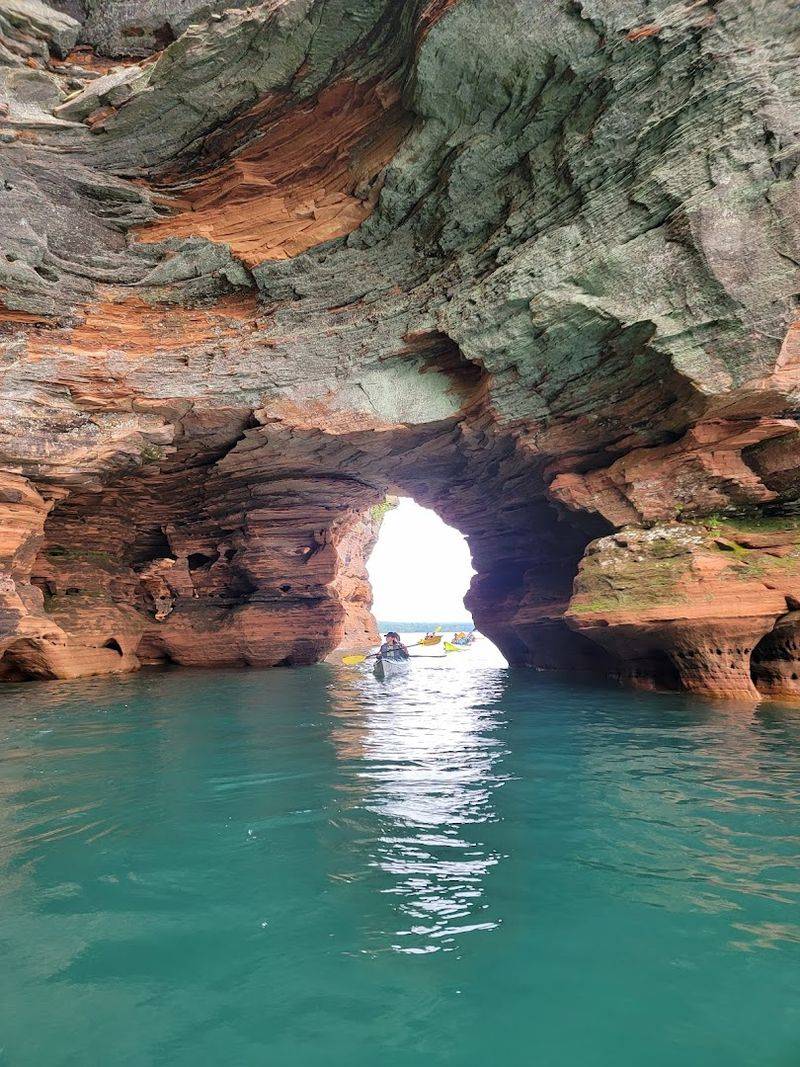
Can you believe that some of the most breathtaking sea caves in North America are tucked away along the shores of a freshwater lake in Wisconsin?
Apostle Islands National Lakeshore stretches across 21 islands and 12 miles of mainland shoreline along Lake Superior’s Bayfield Peninsula.
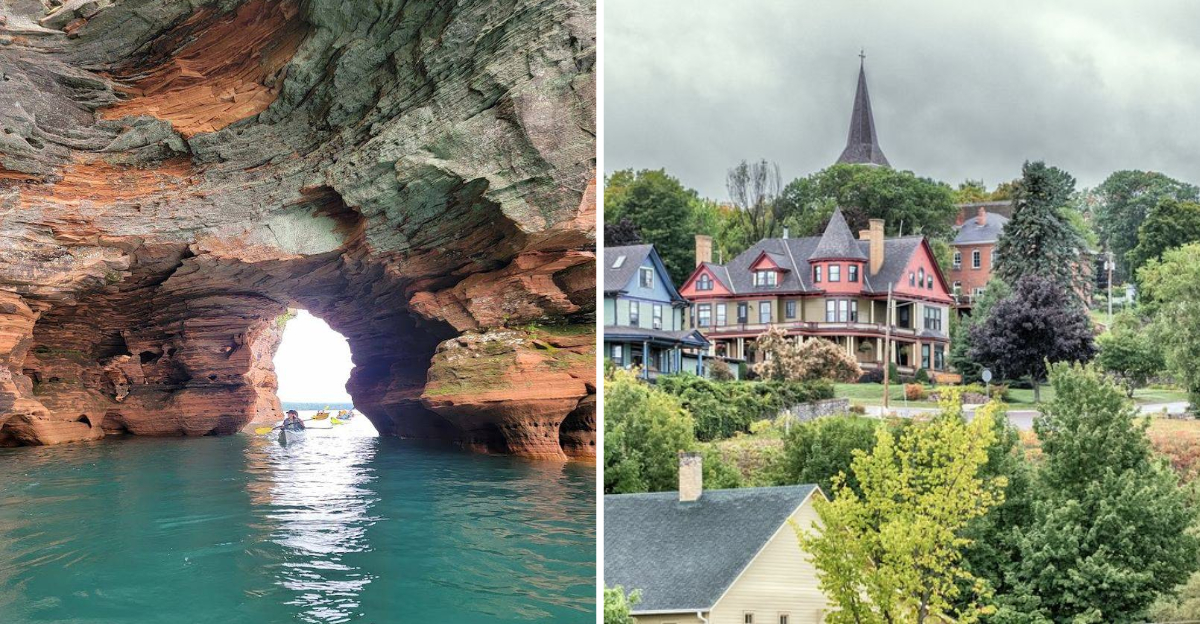
The sea caves near Meyers Beach are the crown jewel of the lakeshore. Waves have carved the red sandstone cliffs into arches, tunnels, and chambers that glow with color in the right light.
In winter, the caves transform into a frozen wonderland of ice formations. When the lake freezes solid, visitors can walk directly to the caves across the ice, a rare and unforgettable natural spectacle.
Kayaking around the islands in summer is one of the top paddling experiences in the entire Midwest. The water is remarkably clear, and the island interiors hold old-growth forests and historic lighthouses dating back to the 1800s.
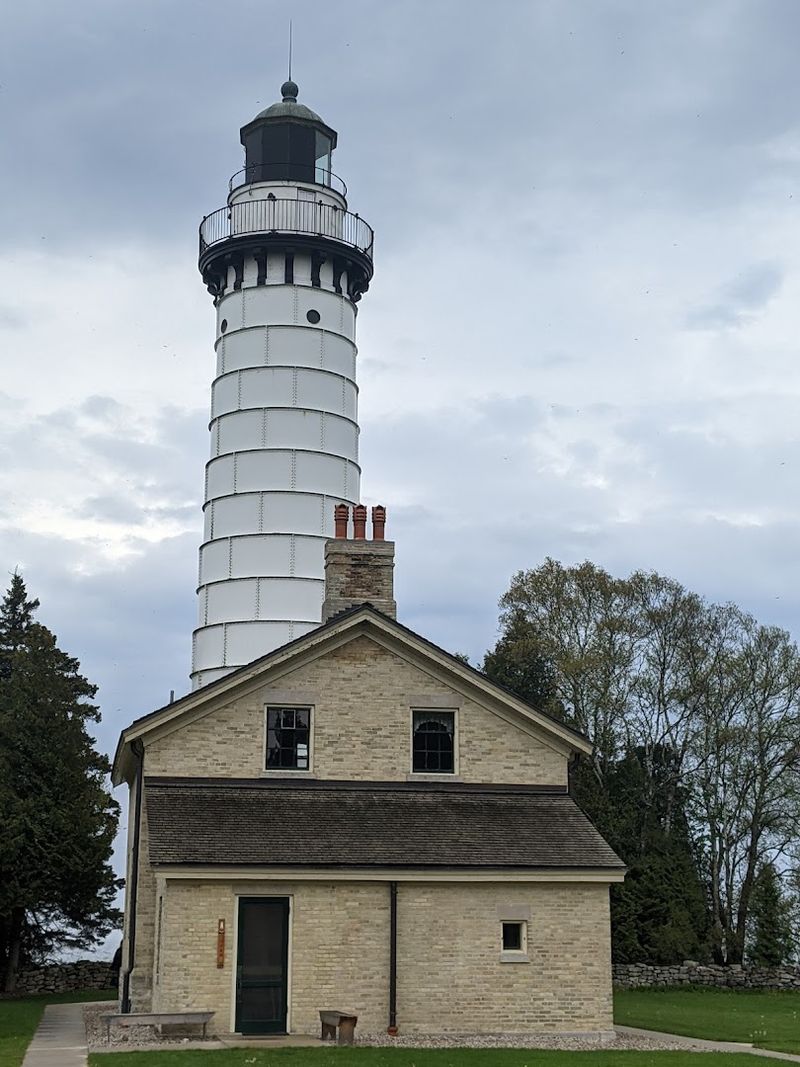
Nine of the islands feature lighthouses, the most of any national park in the country. Camping on the islands means waking up to loon calls and misty lake mornings.
7. Bayfield
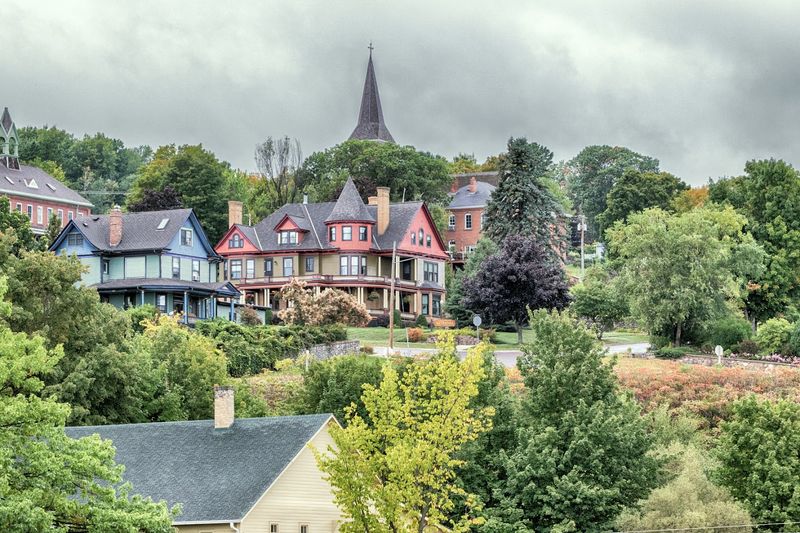
Doesn’t it seem like the best small towns are always the ones you almost drove past by accident?
Bayfield is on a hillside above Lake Superior on the tip of the Bayfield Peninsula, with a population of just over 400 people and an outsized personality.
The town serves as the main gateway to Apostle Islands National Lakeshore, and the marina buzzes with kayakers, sailboats, and ferry traffic all summer long.
Main Street is lined with galleries, independent shops, and restaurants that take full advantage of the local apple and berry harvests.
Bayfield is apple country, and the hillside orchards surrounding town are a genuine point of pride. Each fall, the Apple Festival draws tens of thousands of people to celebrate the harvest with fresh cider, apple pies, and orchard tours.
Historic Victorian-era homes line the streets above the waterfront, many converted into charming bed-and-breakfasts. The architecture gives the town a timeless quality that feels removed from the modern world.
Winters here are dramatic, with heavy Lake Superior snowfall that buries the town under deep, quiet drifts. Cross-country skiing and snowshoeing take over the trails that hikers use in warmer months.
Sunsets over the Apostle Islands from Bayfield’s waterfront are the kind that stay with you long after you have driven home. This tiny town punches well above its weight in every possible way.
8. Lake Geneva
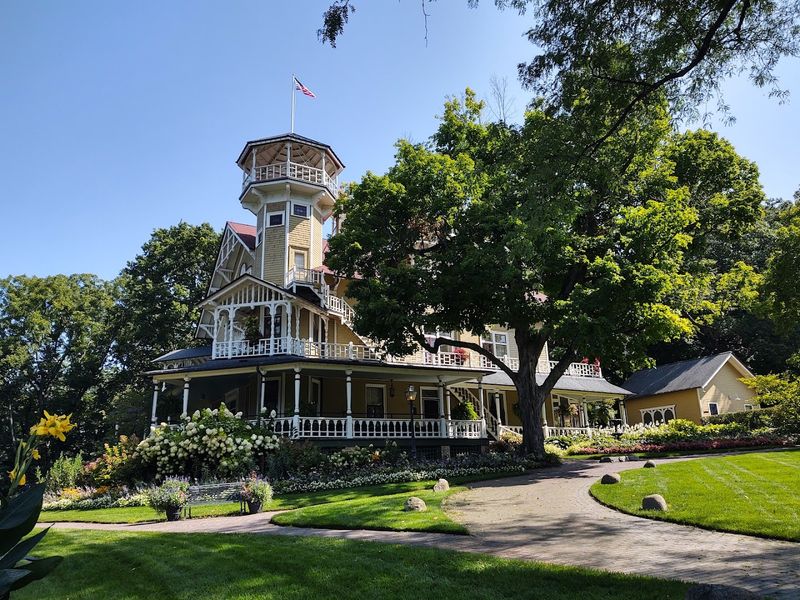
Trust me, not many places in the Midwest can claim a lakeside path that wraps around the entire shoreline and passes by historic Gilded Age mansions.
Lake Geneva sits in Walworth County in the southeastern corner of the state, about 75 miles north of Chicago.
The 26-mile Geneva Lake Shore Path is completely open to the public and circles the entire lake. Along the way, you pass private estates, wooded stretches, and small sandy beaches that invite a quick rest.
Lake Geneva became a summer retreat for wealthy Chicago families in the late 1800s after the Great Chicago Fire of 1871. Many of those grand estates still stand today, giving the shoreline a distinctly historic character.
The downtown area is compact and walkable, with boutique shops, fudge shops, and restaurants clustered near the waterfront. Boat tours of the lake depart regularly and give a unique perspective on the mansion-lined shores.
Wintertime brings a completely different energy, with the town hosting one of the longest-running snow sculpting competitions in the country. Warmer months fill the marina with sailboats, kayaks, and paddleboards.
Horseback riding, hot air ballooning, and zip-lining are available in the surrounding countryside. Lake Geneva is one of those rare destinations that somehow manages to feel both timeless and endlessly entertaining.
9. Taliesin
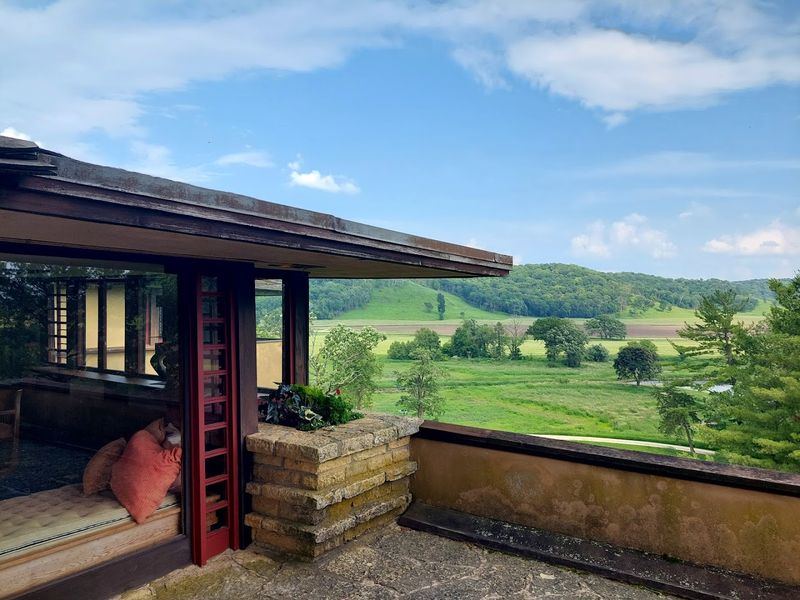
Would you ever think that one of the most important architectural landmarks in American history is hiding on a quiet hillside in rural part of the state.
Taliesin, located at 5481 County Rd C in Spring Green was the home, studio, and school of legendary architect Frank Lloyd Wright for most of his adult life.
Wright designed Taliesin beginning in 1911, and he continued modifying it until his passing in 1959. The estate reflects his philosophy of organic architecture, meaning buildings should grow naturally from their surroundings rather than impose on them.
The name Taliesin comes from a Welsh poet and means shining brow, which perfectly describes how the buildings seem to emerge from the brow of the hill rather than sitting on top of it.
Guided tours take visitors through the living quarters, studio spaces, and gardens.
The surrounding landscape is deliberately integrated into the design, with terraces, ponds, and plantings that blur the line between structure and nature.
The Hillside Home School, also on the property, is where Wright trained generations of apprentice architects.
Spring Green itself is a charming small town worth exploring before or after a Taliesin tour. American Players Theatre at 5950 Golf Course Rd, an outdoor classical theater nearby, draws audiences from across the region each summer.
Taliesin is not just a building. It is a living argument for how thoughtfully designed spaces can change the way you see the world around you.
10. Copper Falls State Park
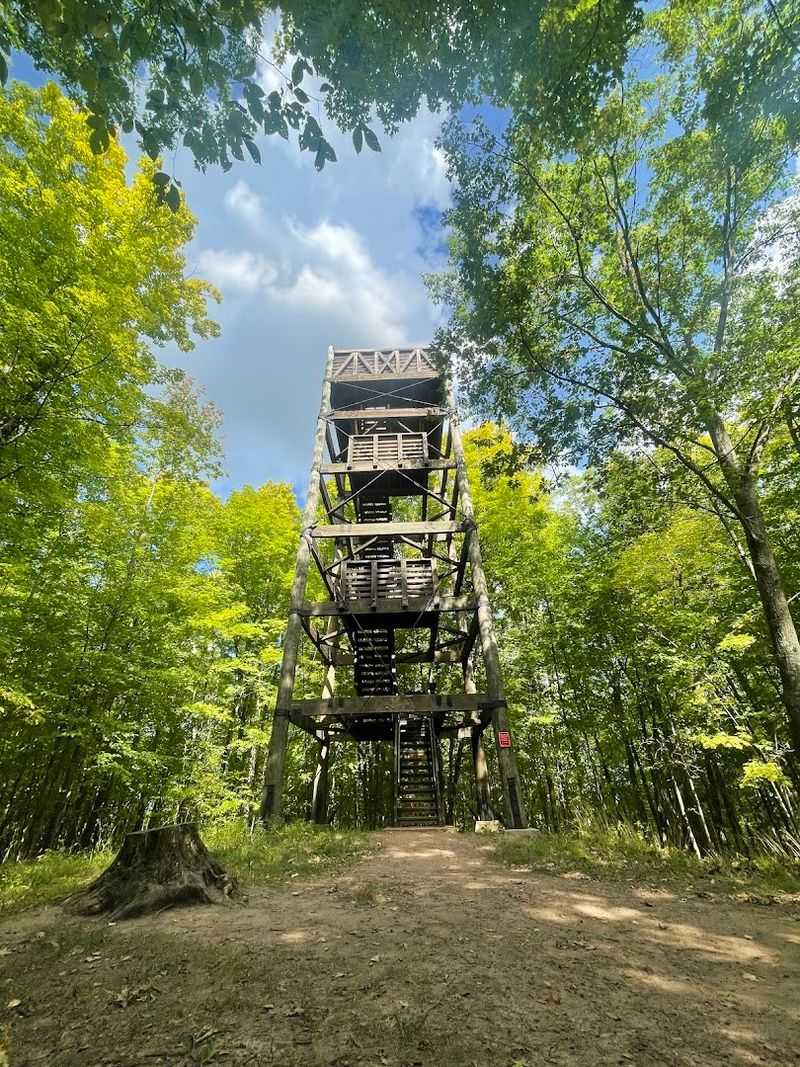
I must admit, there is something almost otherworldly about watching copper-tinted water tumble over billion-year-old volcanic rock into a deep forested gorge.
Copper Falls State Park is at 36764 Copper Falls Rd in Mellen in Ashland County, far from the crowds that fill more well-known parks.
The park gets its name from the copper deposits found in the surrounding rock, which give the Bad River and Tyler Forks River their distinctive reddish-brown color.
Copper Falls and Brownstone Falls are the two main cascades, both easily reached by a short loop trail through old-growth forest.
The gorge carved by these rivers is surprisingly dramatic for the upper Midwest, with sheer rock walls dropping sharply below the trail overlooks.
Geologists point to this area as one of the best places in Wisconsin to observe ancient volcanic and sedimentary rock formations.
Beyond the waterfalls, the park has a sandy swimming beach on Tyler Forks Flowage, a campground tucked into the pines, and miles of hiking trails. Mountain biking and cross-country ski trails extend the park’s appeal across multiple seasons.
Copper Falls State Park is the kind of hidden treasure that makes you feel like you discovered something truly special all on your own.