My Go To Park In Georgia For Wildlife Viewing Is Seminole State Park And This Is 15 Reasons Why It’s So Special
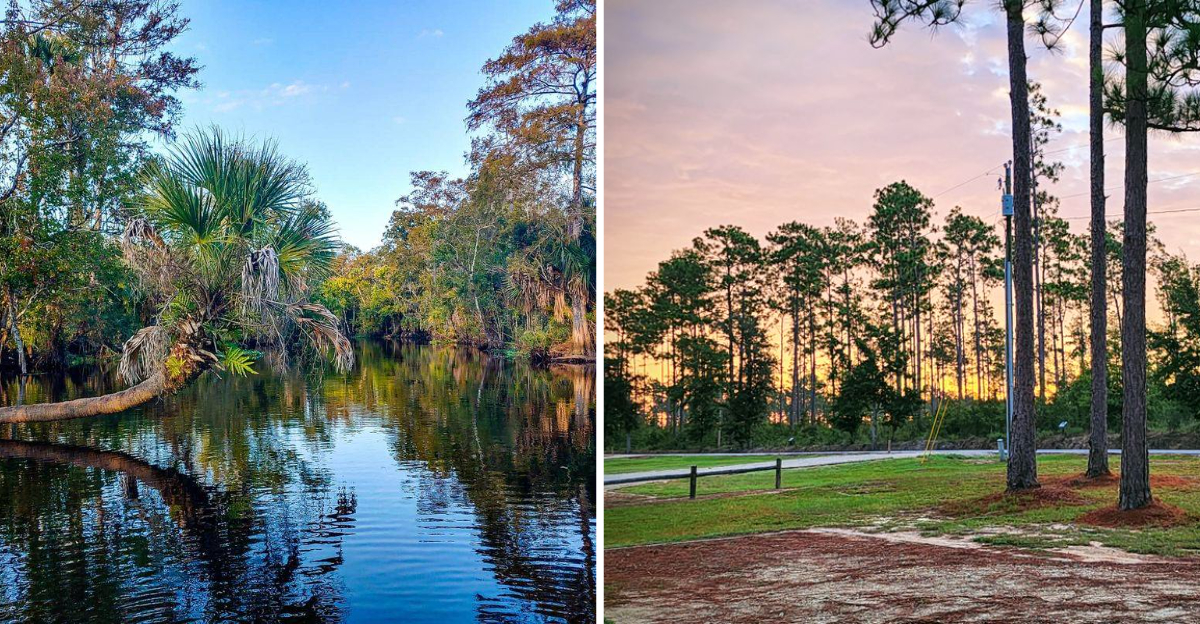
If you are looking for a place where nature truly comes alive with birds, gators, and a wide variety of fascinating wildlife, Seminole State Park deserves a spot on your list.
Located at 7870 State Park Drive in Donalsonville, Georgia, this beautiful park stretches along the quiet shores of Lake Seminole. The mix of wetlands, forest, and open water creates a perfect environment for animal watching in every season.
Great blue herons wade along the edges, turtles bask in the sun, and alligators glide silently through the water. Each trail, boardwalk, and overlook offers a chance to see something unexpected. I have spent countless hours here observing animals in their natural habitat, and no two visits have ever felt the same.
Whether you are a wildlife photographer, a nature lover, or simply curious, Seminole State Park delivers unforgettable moments and a deep connection to Georgia’s wild side.
1. Incredible Alligator Population
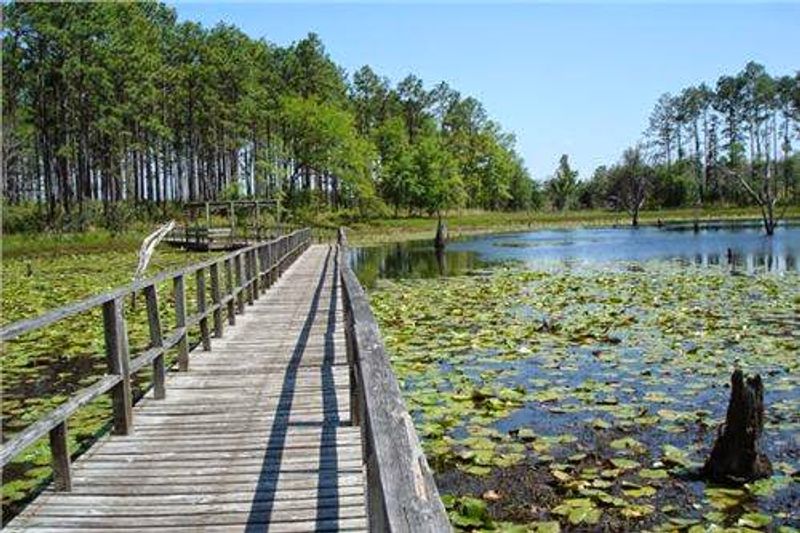
You’ll be amazed at how many alligators call this place home. The park’s location along Lake Seminole creates perfect conditions for these ancient reptiles to thrive. You can spot them sunbathing on the banks, floating quietly in the water, or even crossing the trails during warmer months.
I’ve seen gators ranging from tiny hatchlings to massive adults that look like they’ve been around since dinosaur times. The best viewing happens early morning or late afternoon when they’re most active. Bring binoculars for a safe, close-up look at these incredible creatures.
Rangers offer educational programs about alligator behavior and safety, which I highly recommend attending. You’ll learn how to observe them responsibly while respecting their space. The gator population here is healthy and thriving, making every visit a guaranteed wildlife encounter that you won’t forget anytime soon.
2. Outstanding Bird Diversity Year-Round
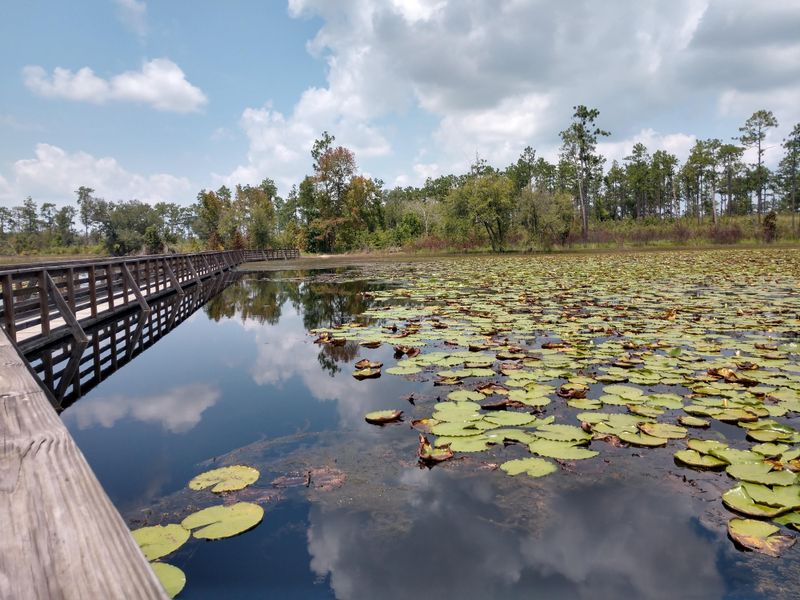
Bird lovers will find themselves in absolute paradise at this location. Over 200 species have been documented here throughout different seasons. From tiny warblers to massive bald eagles, the variety keeps growing with each visit I make.
Spring and fall migrations bring waves of colorful songbirds passing through on their journeys. Winter months attract waterfowl like ducks, geese, and loons seeking warmer southern waters. Summer residents include herons, egrets, and anhinga that nest in the surrounding wetlands.
I always pack my bird identification guide and camera because you never know what rare species might show up. The park’s diverse habitats—from open water to dense forest—support different bird communities. You’ll hear woodpeckers drumming, owls hooting at dusk, and songbirds creating a morning chorus that sounds like nature’s own symphony performed just for you.
3. Prime Location On Lake Seminole
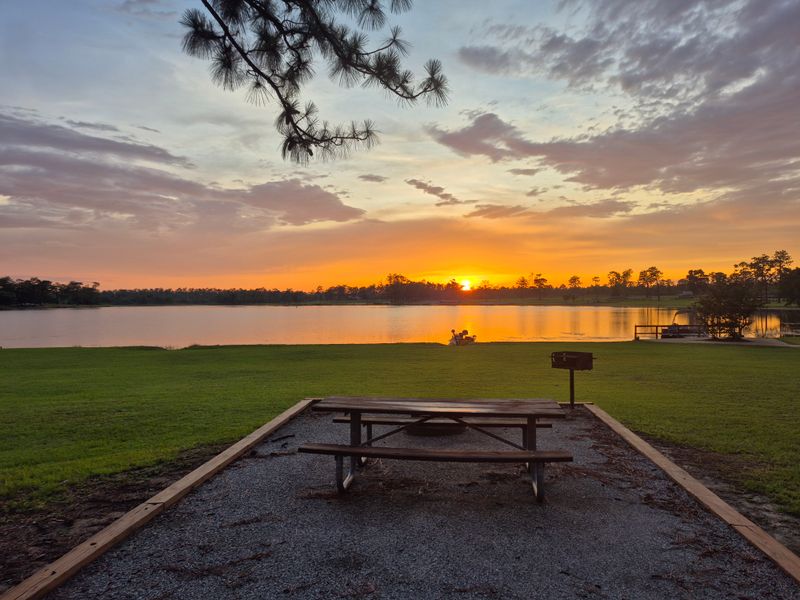
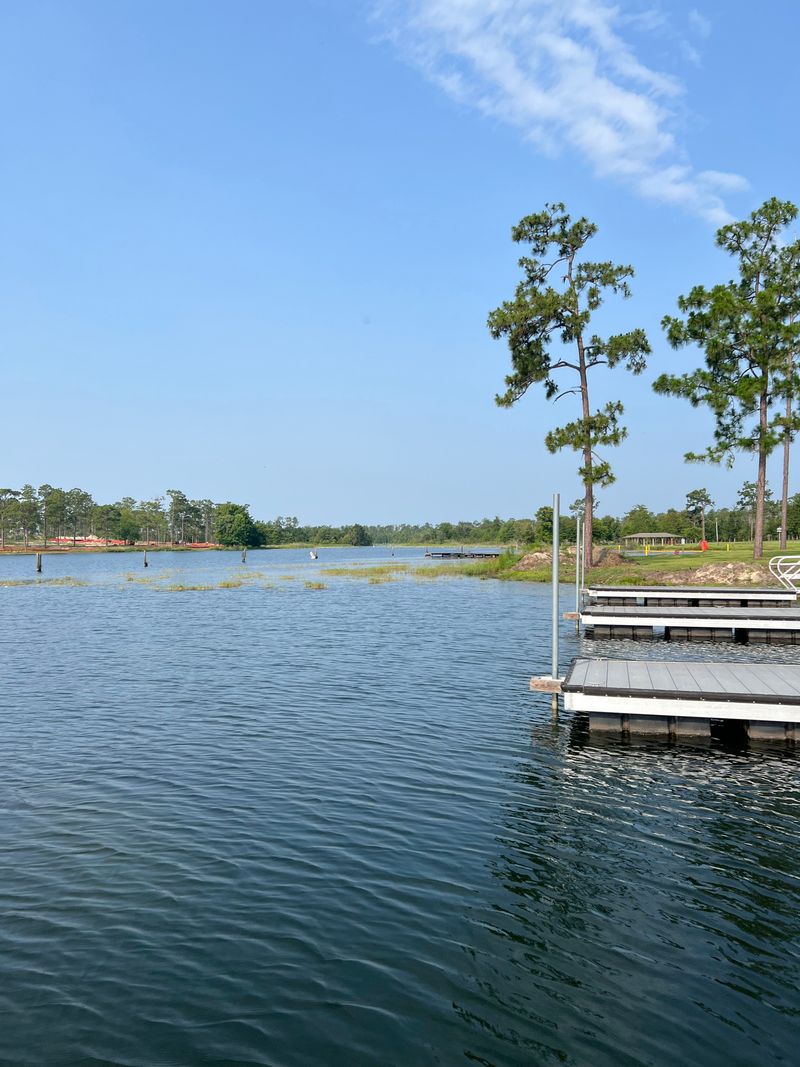
The park’s position right on Lake Seminole gives it a massive advantage for wildlife viewing. This 37,500-acre reservoir sits at the junction of three rivers and creates an ecosystem that attracts animals from miles around. Water sources always draw wildlife, and this lake is no exception to that rule.
Fish-eating birds gather where the water is rich with prey. Mammals come to drink at the shoreline during dawn and dusk hours. Reptiles bask on logs and rocks jutting from the shallow areas near the camping zones.
I’ve watched the sunrise over the lake countless times, and the wildlife activity during those golden hours is absolutely unmatched. The water reflects the sky beautifully while creating a backdrop for whatever creatures decide to make an appearance. You can access multiple viewing points along the shore for different perspectives and wildlife opportunities throughout your visit.
4. Abundant Turtle Sightings
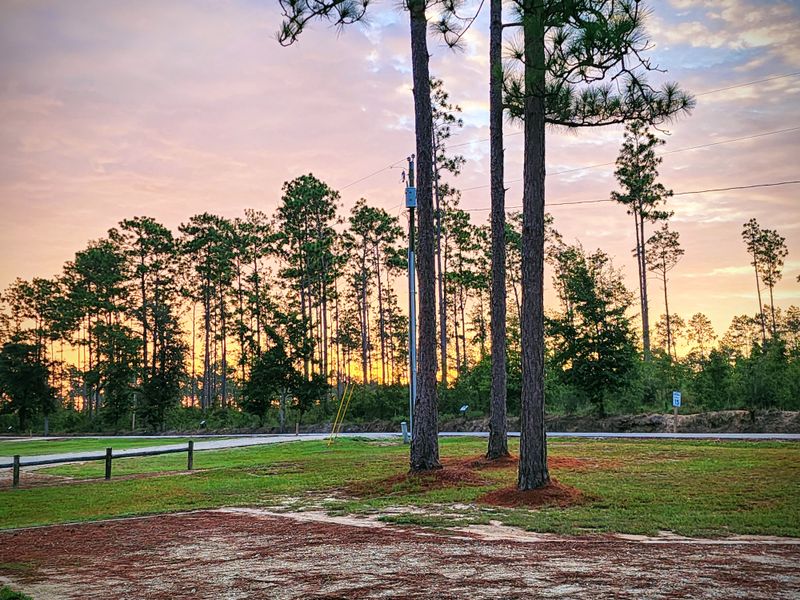
Turtles of all sizes populate the park’s waterways and trails. You’ll encounter several species including sliders, cooters, softshells, and snapping turtles during your explorations. They’re often seen stacked on logs like nature’s own balancing act, soaking up the warm Georgia sunshine.
I find turtle watching surprisingly relaxing and entertaining at the same time. Some are bold and curious, while others disappear into the water the moment they sense movement. The variety in shell patterns, sizes, and behaviors makes each sighting unique and memorable.
Spring brings nesting season when female turtles dig holes in sandy areas to lay their eggs. If you’re lucky and patient, you might witness this ancient ritual. The park’s protected status helps these populations thrive without excessive human interference, ensuring future generations can enjoy these shelled residents too.
5. Excellent Trail System For Wildlife Encounters
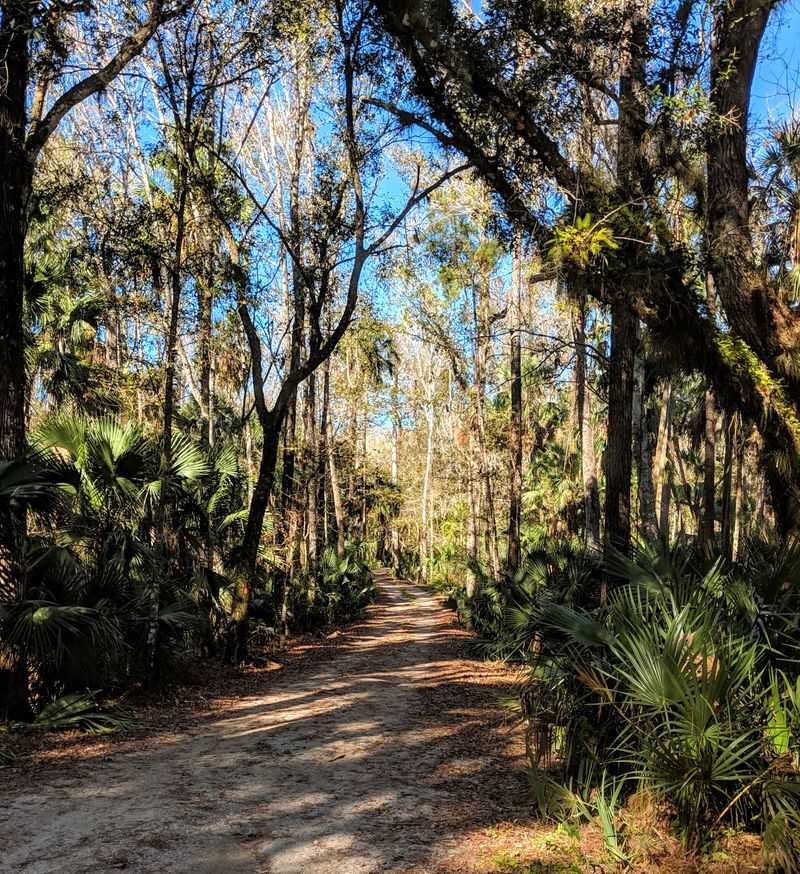
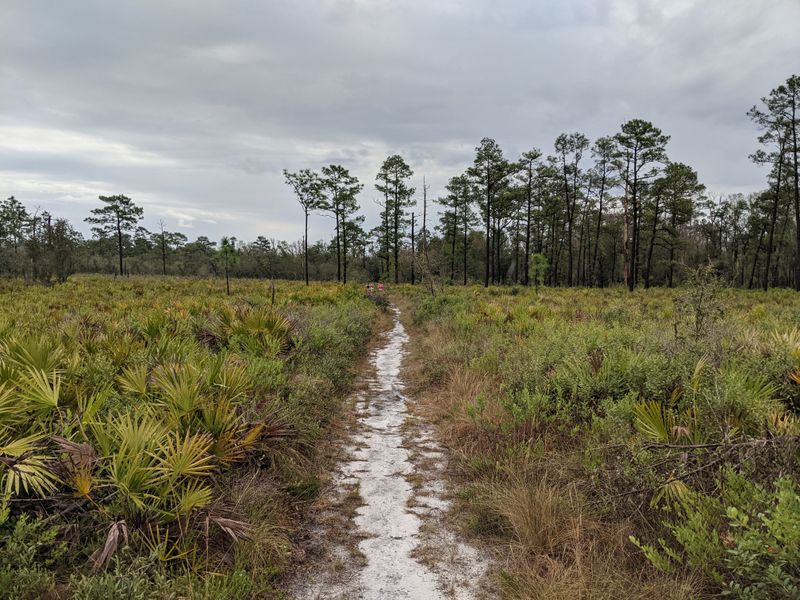
The park maintains several trails that wind through different habitats, each offering unique wildlife viewing opportunities. These paths take you through pine forests, along wetland edges, and past open meadows where animals feed and rest. I’ve had some of my best wildlife moments while quietly walking these trails.
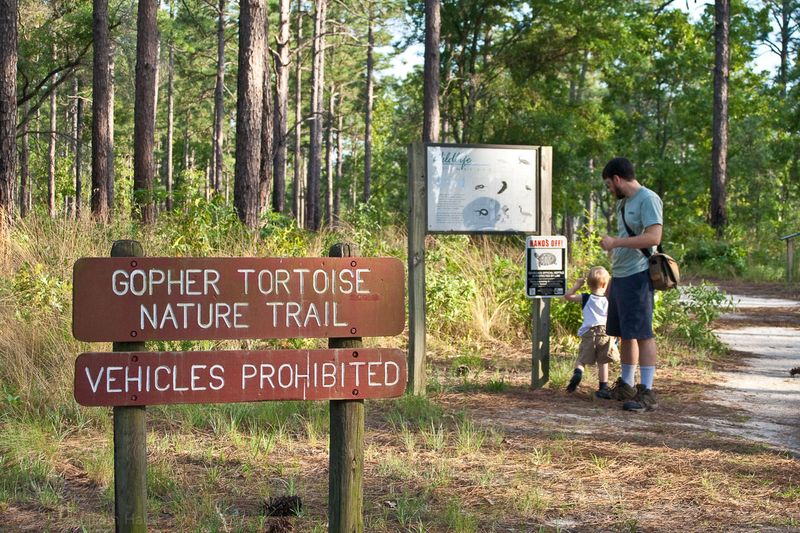
The Gopher Tortoise Trail is particularly good for spotting these threatened reptiles in their burrows. Other paths lead through areas where deer browse and wild turkeys scratch for food. Trail markers help you navigate while interpretive signs explain the ecosystem around you.
Early morning walks reward you with the most activity before the heat drives animals into shade. I recommend wearing neutral colors and moving slowly to avoid startling wildlife. The trails are well-maintained but natural enough that animals feel comfortable using them too, creating perfect opportunities for unexpected encounters around every bend.
6. Thriving Deer Population
White-tailed deer are common residents you’ll likely encounter during your visit. These graceful mammals browse throughout the park, especially in areas where forest meets open space. Their large ears swivel constantly, listening for any signs of danger while they feed on vegetation.
I’ve watched does with spotted fawns during spring and summer months, which is absolutely adorable. Bucks grow impressive antlers in preparation for fall rutting season. The deer here seem relatively comfortable with human presence, though they maintain a respectful distance from visitors.
Dawn and dusk are prime times for deer sightings when they emerge from cover to feed. You might spot them crossing trails, drinking from the lake, or resting in shaded areas during midday heat. Their tracks are visible in soft soil along pathways, showing just how frequently they use the same routes we do for traveling through their territory.
7. Spectacular Wading Bird Colonies
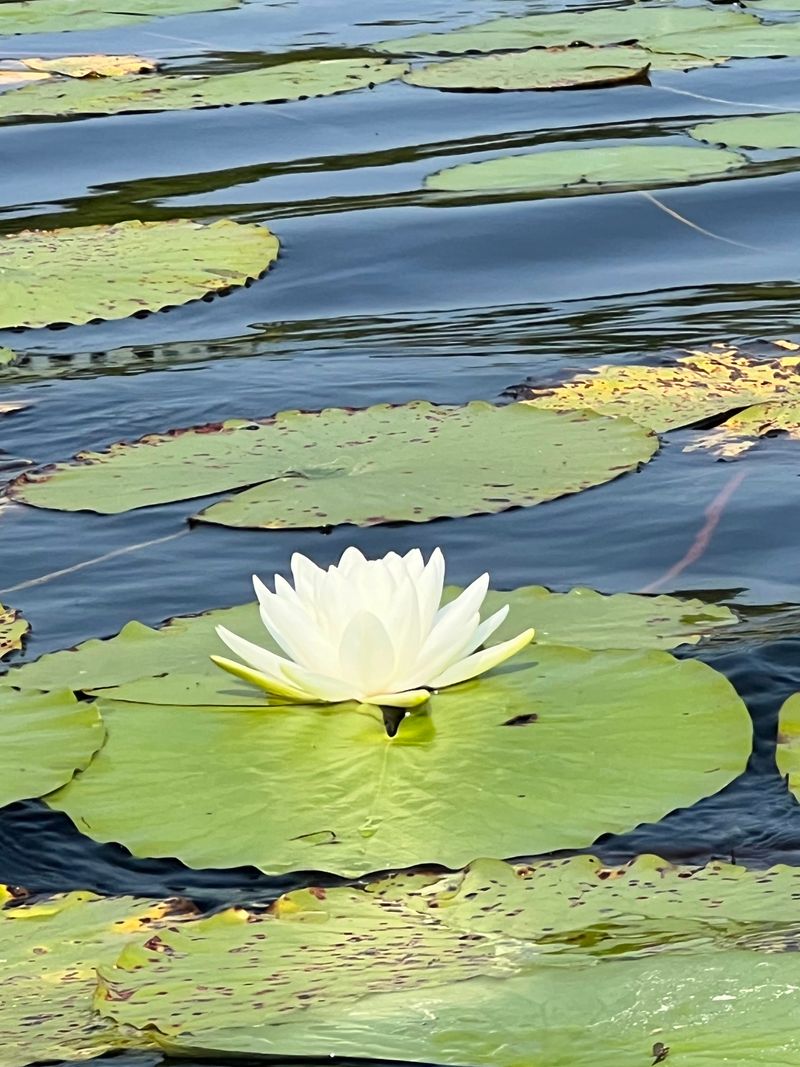
Great blue herons, great egrets, and little blue herons are just a few of the long-legged beauties you’ll see here. These birds stalk through shallow waters with incredible patience, waiting for the perfect moment to strike at fish. Watching them hunt is like observing skilled fishermen at work.
I’m always impressed by their slow, deliberate movements followed by lightning-fast strikes. Some species nest in colonies called rookeries in trees near the water. During nesting season, the activity and noise levels increase dramatically as parents fly back and forth feeding hungry chicks.
The white plumage of egrets stands out brilliantly against the dark water and green vegetation. Herons often stand motionless for minutes at a time, blending into their surroundings until they suddenly spear a meal. These birds are indicators of a healthy aquatic ecosystem, and their abundance here speaks volumes about water quality.
8. Active Beaver Engineering Projects
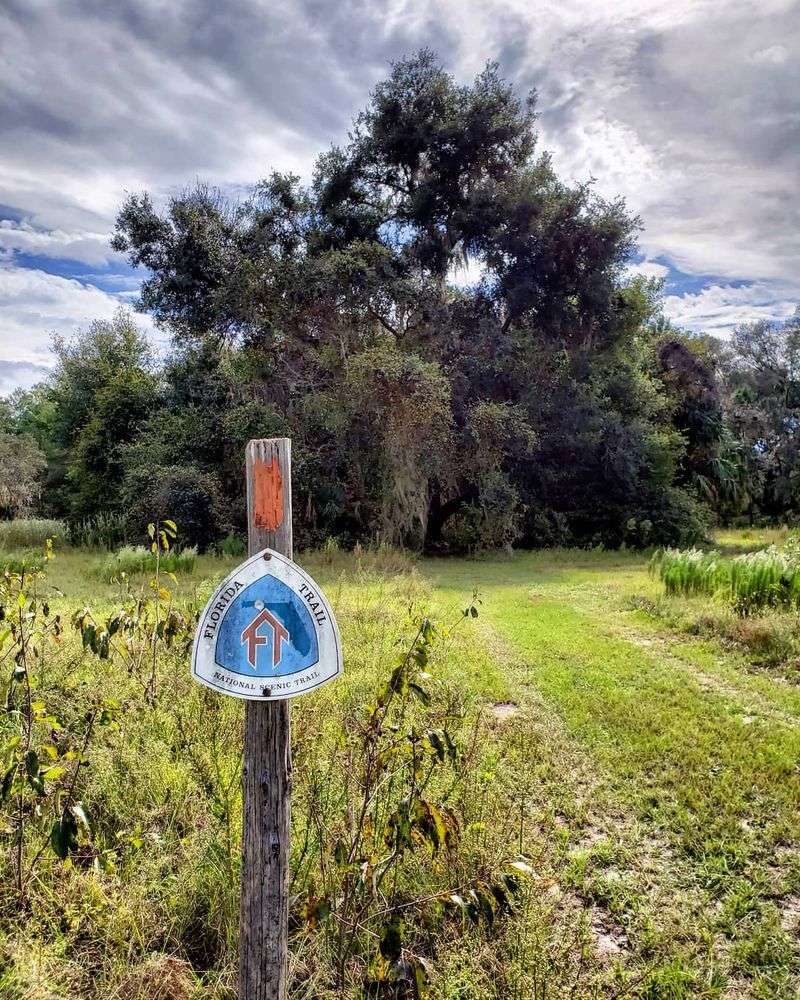
Beavers work tirelessly throughout the park, creating dams and lodges that reshape the landscape. These industrious rodents are mostly nocturnal, but evidence of their construction projects is visible everywhere. You’ll find gnawed tree stumps, dam structures, and canals they’ve dug to move materials.
I’ve spent evenings watching them swim with branches clenched in their teeth, paddling toward their lodge. Their flat tails slap the water surface when they sense danger, creating a loud warning sound. Beaver activity creates wetland habitat that benefits countless other species from ducks to dragonflies.
The engineering skills these animals possess are truly remarkable for creatures without formal training. Their dams slow water flow and create pools where fish and amphibians thrive. If you visit near sunset, position yourself quietly near a beaver lodge and wait patiently for these master builders to emerge for their night shift.
9. Impressive Bald Eagle Presence
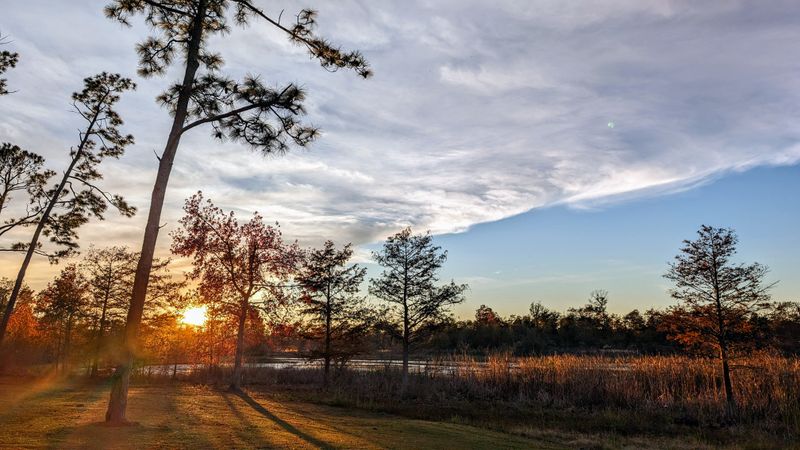
Seeing our national bird soaring overhead never gets old for me. Bald eagles have made a remarkable comeback in Georgia, and this park hosts both nesting pairs and winter visitors. Their massive wingspans and distinctive white heads make them unmistakable even from a distance.
I’ve watched them dive from incredible heights to snatch fish from the lake surface. They also scavenge and will steal catches from other birds like ospreys. Eagles often perch in tall dead trees called snags, scanning the water below for their next meal.
Winter months bring additional eagles migrating from northern regions seeking open water and abundant fish. The lake’s healthy fish population provides plenty of food to support multiple eagles. Bring binoculars or a spotting scope for the best views of these magnificent raptors.
Their presence indicates a thriving ecosystem with clean water and plentiful prey species throughout the area.
10. Diverse Waterfowl During Migration
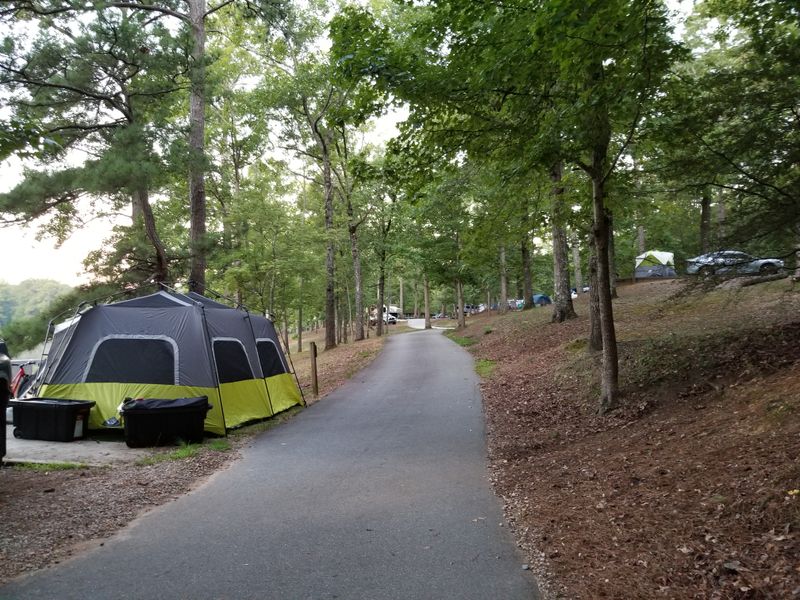
When migration seasons arrive, the lake becomes a stopover for thousands of ducks and geese. Wood ducks with their colorful plumage nest in tree cavities near the water. Mallards, teal, and ring-necked ducks raft together in large groups on open water, creating quite a spectacle.
I love identifying different species and watching their varied behaviors and feeding strategies. Diving ducks disappear underwater for extended periods while dabbling ducks tip tail-up in shallow areas. Canada geese honk loudly as they fly overhead in V-formations heading to feeding grounds.
Winter brings the peak numbers when northern birds escape frozen lakes and rivers. The constant activity of landing, taking off, and vocalizing creates an energetic atmosphere along the shoreline. Even people who don’t consider themselves birders find the sheer numbers and variety impressive during these peak migration periods throughout the year.
11. Fascinating Snake Species Diversity
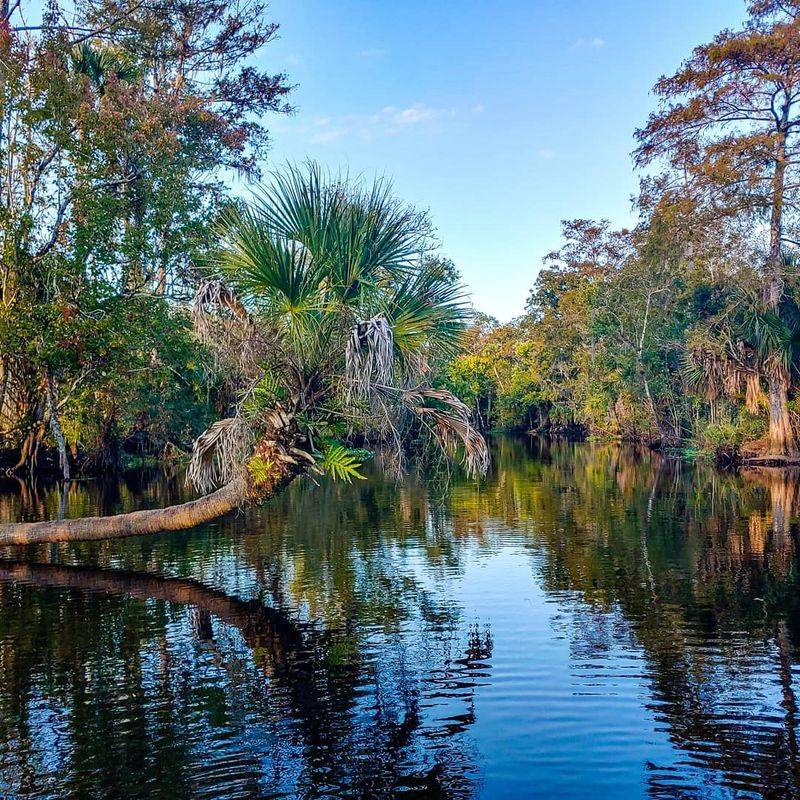
The park supports numerous snake species from harmless water snakes to venomous cottonmouths. Most snakes you’ll encounter are completely harmless and play important roles controlling rodent populations. Water snakes are often mistaken for cottonmouths but lack the venomous bite and triangular head shape.
I’ve learned to appreciate these misunderstood reptiles and their ecological importance. Rat snakes climb trees hunting bird eggs and young. Garter snakes prowl through grass seeking frogs and insects.
Even venomous species like cottonmouths prefer to avoid humans and will retreat if given space.
Spring and fall are best for snake sightings when temperatures are moderate. They bask on trails and rocks to warm their cold-blooded bodies. The park offers educational programs teaching visitors how to identify species and coexist safely.
Understanding snake behavior reduces fear and increases appreciation for these fascinating predators that help maintain balanced ecosystems.
12. Abundant Fish-Eating Osprey
Ospreys are specialized fish hawks that hover over water before plunging feet-first to catch their prey. Their success rate is impressive, and watching them hunt is absolutely thrilling entertainment. They carry fish headfirst in their talons to reduce wind resistance during flight back to their nests.
I’ve seen them battle with bald eagles over catches, creating dramatic aerial encounters. Osprey nests are massive stick structures built on platforms, dead trees, or channel markers. Both parents share duties feeding their noisy chicks throughout spring and summer breeding season.
Their distinctive call is a series of sharp whistles that echo across the water. Unlike eagles, ospreys dive completely underwater to grab fish, sometimes submerging entirely before bursting back into the air. The park’s fish-rich waters provide ideal hunting grounds for these skilled fishermen who return year after year to the same nesting territories they’ve claimed.
13. Wild Turkey Flocks Year-Round
These large ground birds are surprisingly common throughout the park’s woodlands and clearings. Males, called toms, display elaborate feathers during spring mating season trying to attract females. Their gobbling calls echo through the forest at dawn, announcing their presence to rivals and potential mates.
I find their social dynamics fascinating to observe as flocks scratch through leaf litter. They’re constantly vocalizing with clucks, purrs, and yelps while searching for acorns, seeds, and insects. Turkeys roost in trees at night despite their large size and seemingly awkward flight.
The park’s mix of open areas and forest edge provides perfect turkey habitat. Hens lead their poults in single-file lines during summer, teaching them where to find food and water. These birds are much smarter and more alert than many people realize, making successful sightings feel like real accomplishments for patient wildlife watchers.
14. Threatened Gopher Tortoise Habitat
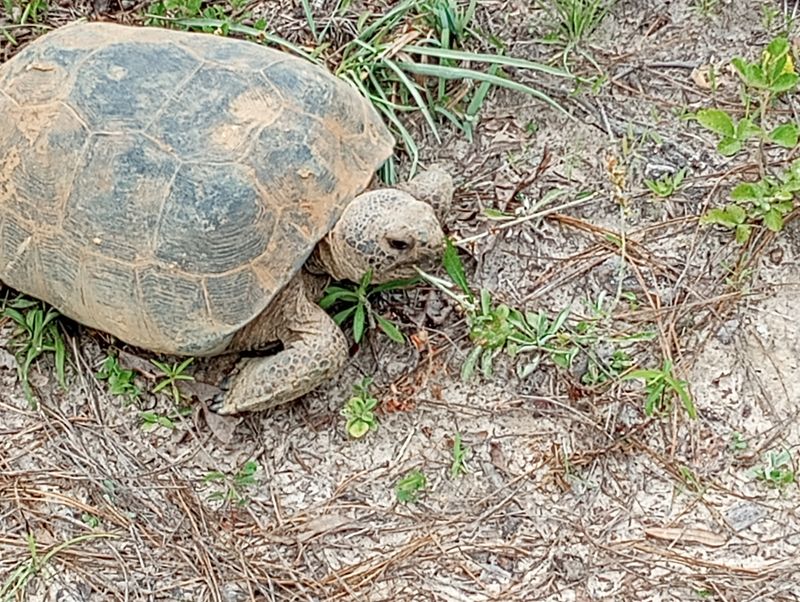
These land-dwelling reptiles dig extensive burrow systems that provide shelter for over 350 other species. Gopher tortoises are considered a keystone species because so many animals depend on their engineering work. The park protects important habitat where these threatened creatures still thrive in decent numbers.
I always get excited spotting their distinctive burrow entrances with sandy aprons spreading outward. The tortoises emerge to feed on grasses and low-growing plants during warmer parts of the day. Their domed shells and stumpy elephant-like legs make them unmistakable when you encounter one crossing a trail.
Conservation efforts here include protecting nesting areas and educating visitors about their importance. These slow-moving reptiles can live over 60 years in the wild. The sandy, well-drained soils in parts of the park create ideal conditions for their underground homes that stay cool in summer and warm in winter months.
15. Exceptional Wildlife Photography Opportunities
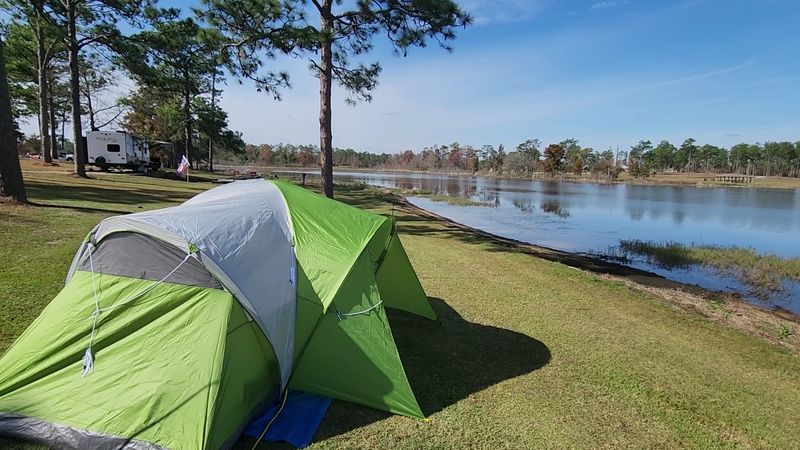
The combination of diverse species, accessible viewing areas, and beautiful natural settings makes this park a photographer’s dream location. I’ve captured some of my best wildlife images here because animals are relatively tolerant of quiet observers. The lighting during golden hours creates stunning conditions for photography.
Multiple habitats mean you can photograph forest species, water birds, and open-country animals all in one visit. The park’s regulations protect wildlife while allowing photographers reasonable access for ethical image-making. Bring telephoto lenses for distant subjects and macro lenses for smaller creatures like butterflies and dragonflies.
I recommend visiting during different seasons to capture the changing wildlife cast of characters. Spring migration brings colorful birds, summer showcases breeding behaviors, fall features changing foliage backdrops, and winter concentrates waterfowl. Whether you’re a serious photographer or just enjoy taking phone pictures, you’ll leave with memorable images of Georgia’s incredible wildlife in their natural environment.