13 Natural Springs In Georgia And Where To Find Them
Georgia’s natural springs offer a refreshing escape into some of the state’s most beautiful landscapes.
I’ve explored these hidden gems scattered across mountains, forests, and valleys, where crystal-clear water bubbles up from deep underground.
Whether you’re looking for a cool swim on a hot summer day or simply want to experience nature’s artistry, these springs provide unforgettable adventures for the whole family.
1. Radium Springs
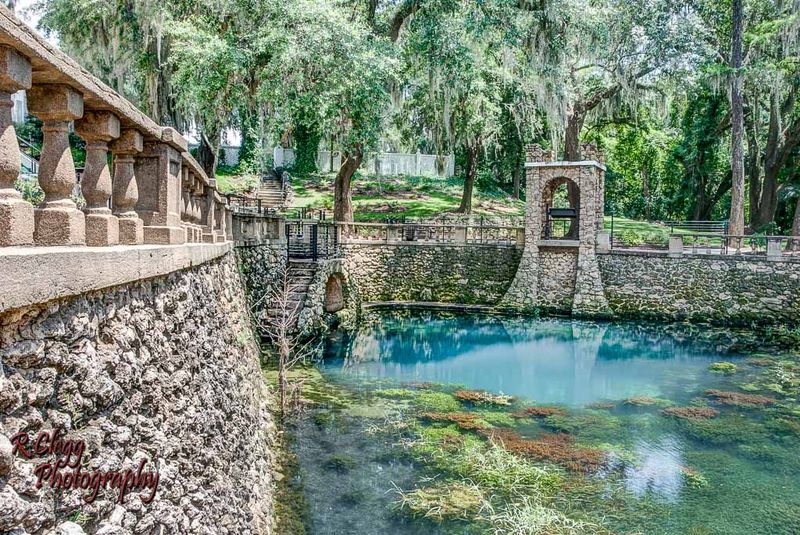
Clear blue water flowing at 70,000 gallons per minute creates one of Georgia’s most spectacular natural wonders. The spring maintains a constant 68-degree temperature year-round, making it comfortable for visitors during any season. You’ll find this incredible site at 2500 Radium Springs Road in Albany, Georgia 31705.
Originally developed as a resort and casino in the 1920s, the area now serves as a peaceful park perfect for photography and nature walks. The spring forms a beautiful pool where you can observe the water’s stunning azure color caused by limestone deposits. Historic ruins from the old resort add an interesting touch to your visit.
Families enjoy picnicking along the shaded walkways while watching the massive volume of water emerge from underground caverns. The gardens surrounding the spring feature native plants and offer educational signs about the spring’s geology. I recommend visiting during weekday mornings for a quieter experience with better photo opportunities.
2. Indian Springs

Creek Nation people considered these waters sacred long before European settlers arrived in Georgia. The spring produces sulfur-rich water believed to have healing properties, attracting visitors seeking natural wellness remedies. You’ll find this historic spring at 678 Lake Clark Road, Flovilla, Georgia 30216, within Georgia’s oldest state park.
Indian Springs State Park opened in 1825, making it a cornerstone of Georgia’s conservation history. The spring house built over the source allows you to sample the mineral water, though its strong sulfur smell takes getting used to. Many visitors fill containers to take the water home for drinking.
The park offers camping, hiking trails, and a lake for swimming separate from the spring itself. Stone steps lead down to the spring house, creating a mystical atmosphere enhanced by surrounding forest vegetation. Local legends tell stories of the spring’s discovery and its importance to Native American communities who gathered here for centuries before modern times.
3. Panther Creek Falls Spring
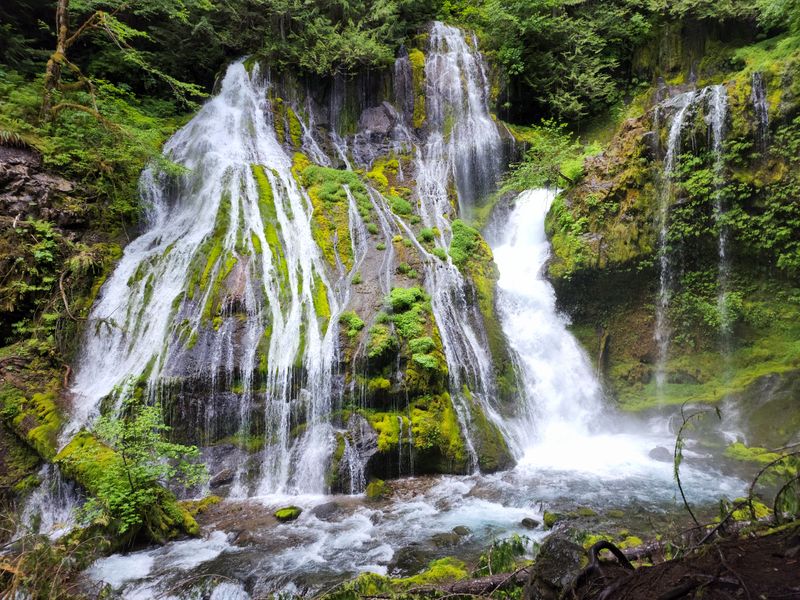
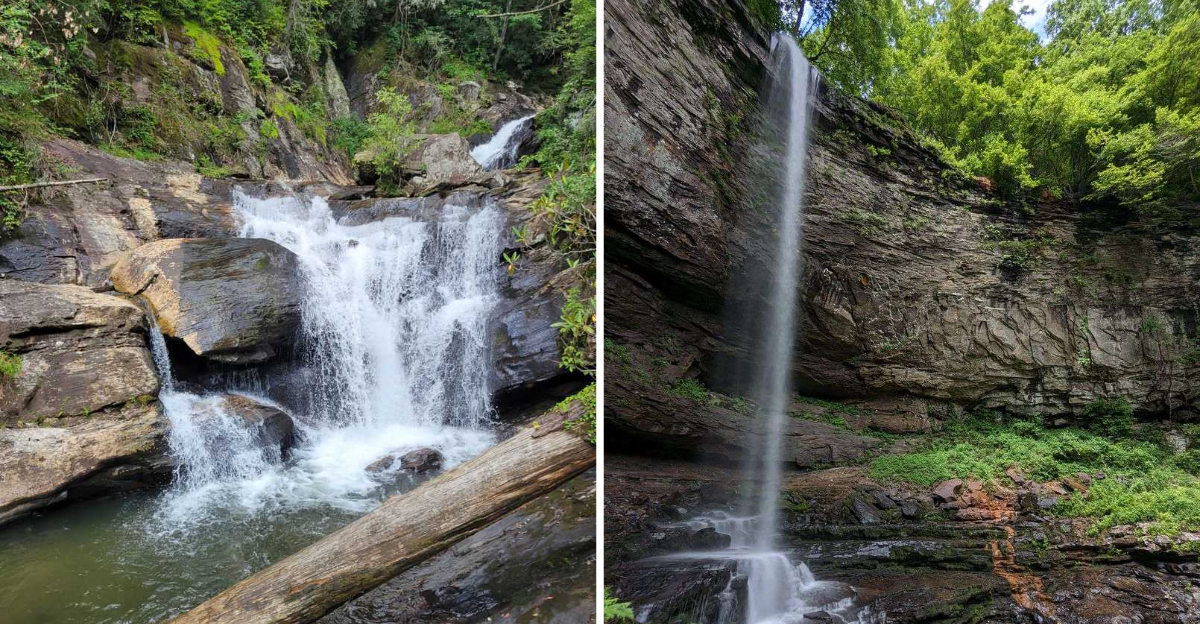
Hiking through hardwood forests rewards you with a spectacular 60-foot waterfall fed by underground springs. Water cascades over moss-covered rocks into a pool that stays refreshingly cold even during Georgia’s hottest months. The trailhead starts at Panther Creek Road near Clarkesville, Georgia 30523, offering a moderate 7-mile round trip adventure.
Spring water seeps through rock formations along the entire trail, creating smaller cascades and wet-weather waterfalls. The main falls provide the most dramatic display, especially after rainfall when the flow increases significantly. Rock outcroppings near the base offer perfect spots for resting and enjoying the natural beauty.
I recommend wearing sturdy hiking boots because the trail includes stream crossings and rocky sections. The forest canopy provides shade for most of the journey, keeping temperatures comfortable during summer hikes. Photographers love capturing the falls during different seasons, from spring wildflowers to autumn leaves, each offering unique color combinations against the flowing water.
4. Sweetwater Creek Spring
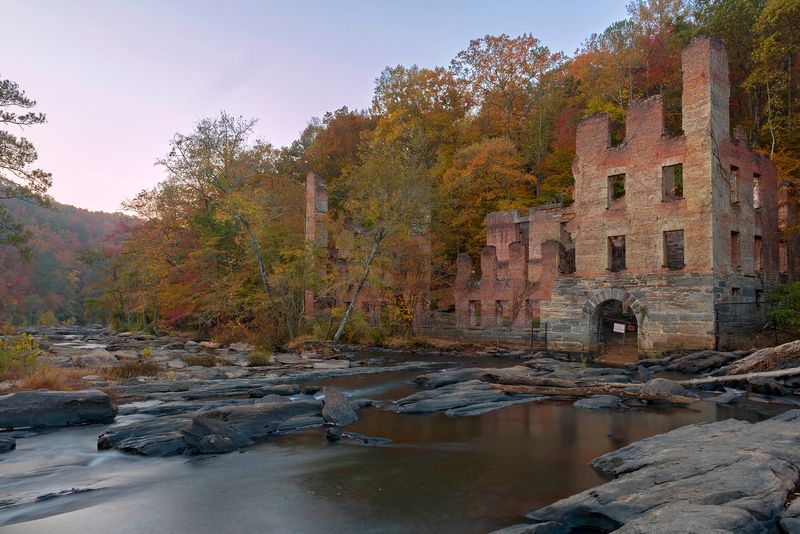
Factory ruins from the Civil War era create a hauntingly beautiful backdrop for this spring-fed creek. The New Manchester Manufacturing Company mill was burned during Sherman’s March, leaving red brick walls standing along the rushing water. Located at 1750 Mount Vernon Road, Lithia Springs, Georgia 30122, this state park combines history with natural beauty.
Springs feeding Sweetwater Creek maintain consistent water flow that powers through boulder-strewn passages. You can hike trails that follow the creek, passing the ruins and continuing into peaceful forest areas. The water’s clarity allows you to spot fish and aquatic plants thriving in the cool spring flow.
Families appreciate the relatively easy trails suitable for children, with plenty of spots to stop and explore. The park offers fishing opportunities downstream where the creek widens into calmer sections. I find early morning visits provide the best lighting for photographing the ruins reflected in the creek’s surface, creating memorable images of Georgia’s industrial and natural heritage combined.
5. Providence Canyon Spring Seeps
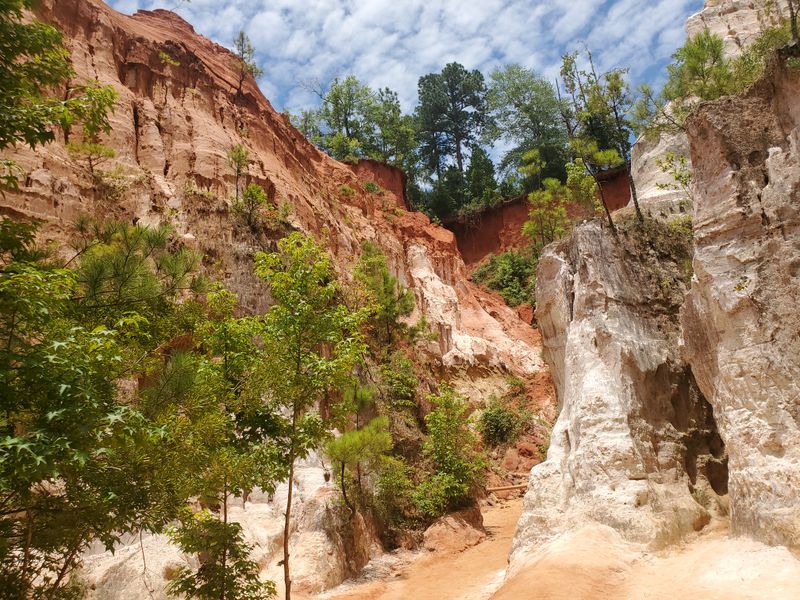
Georgia’s Little Grand Canyon features colorful walls created partly by spring water erosion over centuries. Underground water seeps continuously through the canyon walls, carrying iron and minerals that paint the soil in shades of pink, orange, red, and purple. The park entrance is at 8930 Canyon Road, Lumpkin, Georgia 31815.
Springs emerging from the canyon floor create small streams that continue carving the landscape. You can hike down into the canyon on several trails, getting close-up views of the water-sculpted formations. The constant moisture supports unique plant communities different from the dry uplands above.
Geologists find this site fascinating because it demonstrates how human land use combined with natural springs to create dramatic erosion. Poor farming practices in the 1800s started the process that spring water accelerated into today’s canyon system. I suggest visiting after dry periods when you can safely explore the canyon floor without muddy conditions, though the springs flow year-round regardless of weather patterns.
6. Blue Hole Spring
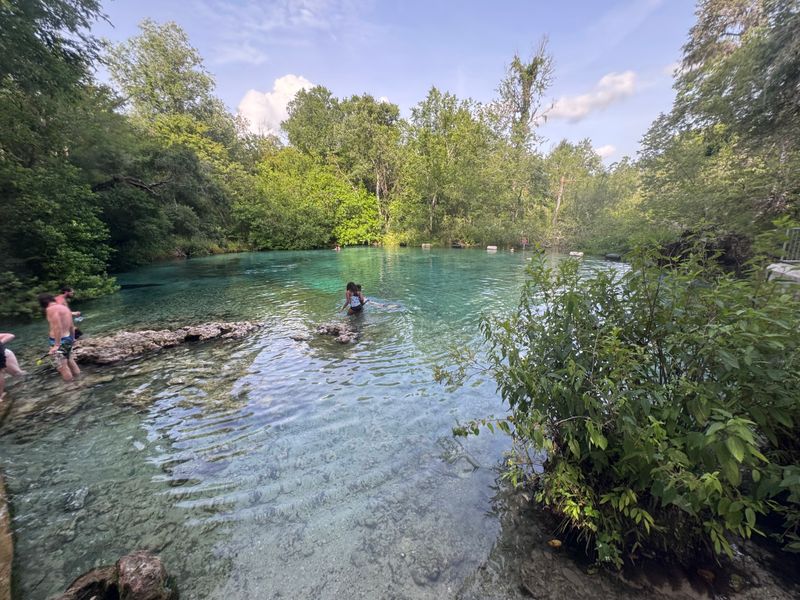
Swimmers flock to this popular swimming hole fed by cold springs near the Chattahoochee River. The water maintains a deep blue-green color thanks to its spring source, staying cooler than the surrounding river. You’ll find this local favorite near Turner’s Corner Road in Buford, Georgia 30518, though exact access requires local knowledge.
Spring water mixing with river flow creates a unique swimming environment perfect for hot summer days. The depth varies from shallow edges to deep central areas where brave swimmers jump from surrounding rocks. Families and teenagers especially enjoy the social atmosphere on weekends.
Access involves a short walk from parking areas through wooded paths to the water’s edge. I recommend bringing water shoes because rocks can be slippery near the spring outlets. Local residents have enjoyed this spot for generations, treating it as a community gathering place where people share food and stories while cooling off in nature’s own swimming pool created by underground water sources.
7. Tallulah Gorge Spring-Fed Streams
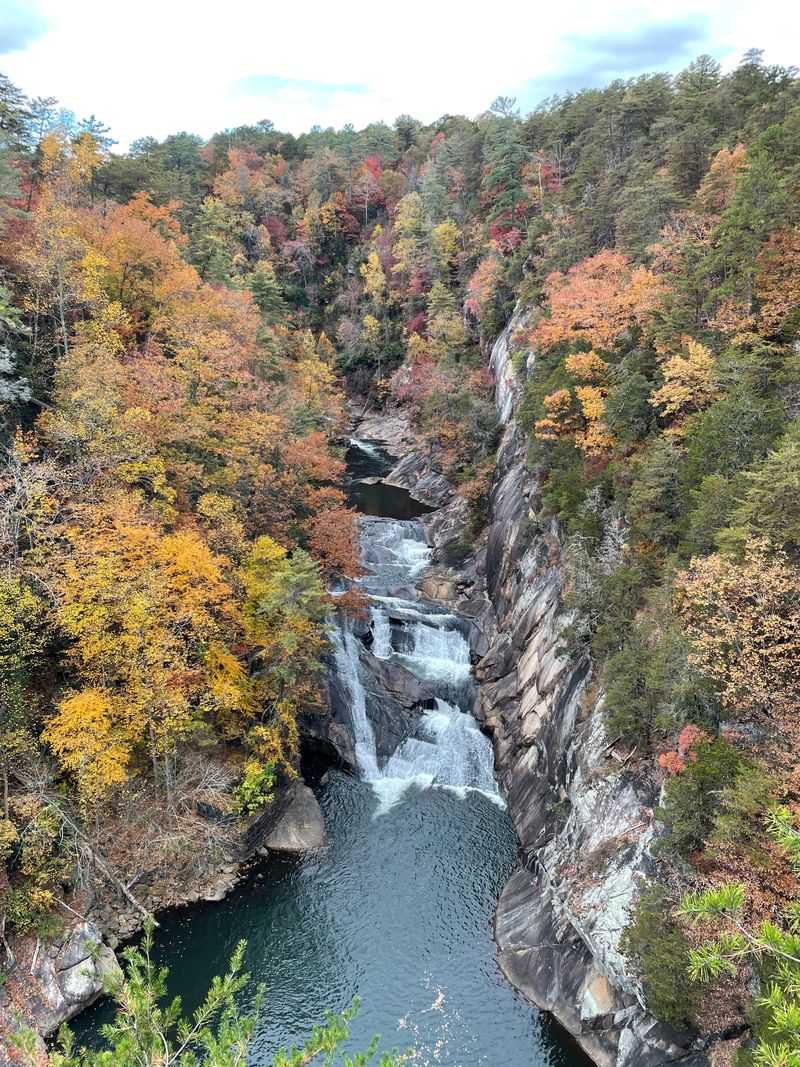
Waterfalls cascading 1,000 feet into a dramatic gorge receive constant flow from mountain springs. The gorge cuts through ancient rock formations, creating one of Georgia’s most impressive natural attractions. Located at 338 Jane Hurt Yarn Drive, Tallulah Falls, Georgia 30573, this state park offers stunning overlooks and challenging trails.
Springs emerging along the gorge walls add to the main river’s volume, creating misty conditions near the waterfalls. You can obtain permits to hike down to the gorge floor where the spring-fed streams are most visible. The combination of spring water and rainfall creates powerful waterfalls that have carved the gorge deeper over millennia.
Suspension bridges spanning the gorge provide thrilling viewpoints for observing the water’s journey. Rock climbers scale the gorge walls while hikers explore miles of rim trails with varying difficulty levels. I recommend visiting during spring when water flow peaks, making the waterfalls most impressive, though the springs contribute year-round regardless of seasonal rainfall variations affecting the main river.
8. Cloudland Canyon Spring
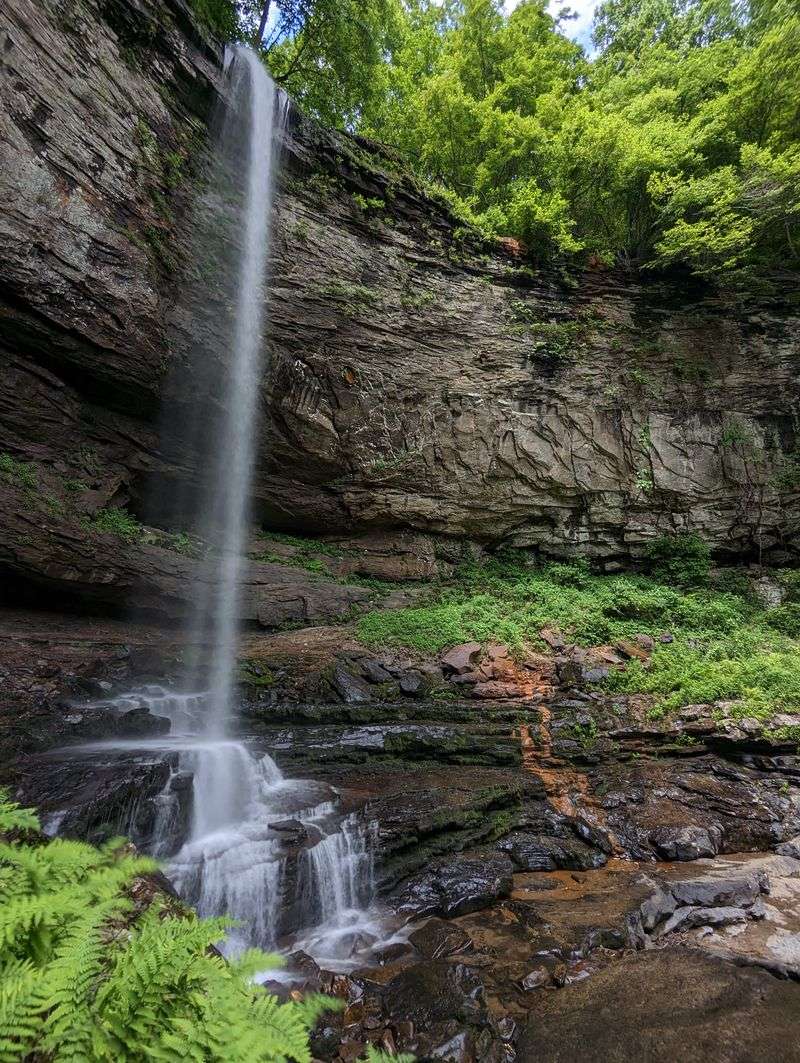
Waterfalls fed by mountain springs plunge into a rugged canyon carved through Lookout Mountain. The park showcases two major waterfalls where spring water has created deep pools and carved rock formations. You’ll find the park entrance at 122 Cloudland Canyon Park Road, Rising Fawn, Georgia 30738.
Cherokee Falls and Hemlock Falls both depend on spring sources that maintain flow even during dry summers. Hiking trails descend into the canyon through staircases that challenge your legs but reward you with close waterfall views. The springs create cool microclimates supporting ferns and mosses.
Camping facilities allow overnight stays where you can hear the distant sound of falling water. The canyon rim offers panoramic views across multiple states on clear days. I suggest tackling the waterfall trail early in the day before crowds arrive and temperatures rise, giving you peaceful moments to appreciate how underground water sources have shaped this dramatic landscape over countless years through persistent erosion.
9. Vogel State Park Spring
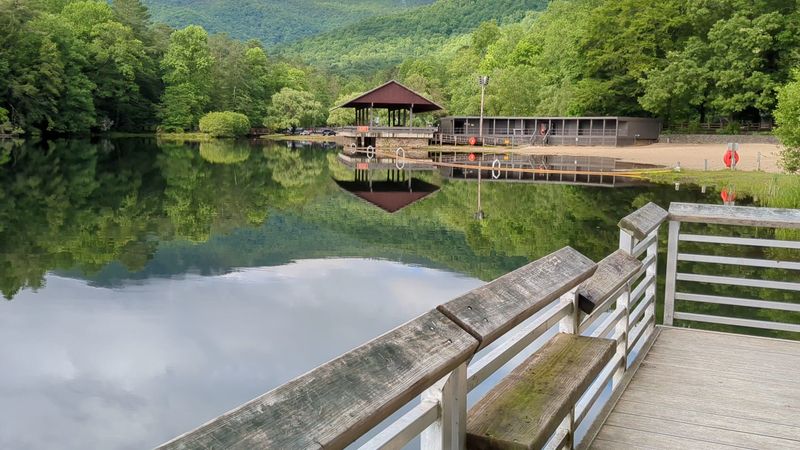
Mountain springs feed a pristine lake nestled in the Blue Ridge Mountains. The park represents one of Georgia’s oldest state parks, established in the 1930s with facilities built by the Civilian Conservation Corps. Located at 7485 Vogel State Park Road, Blairsville, Georgia 30512, this mountain retreat offers year-round natural beauty.
Springs flowing from surrounding mountains maintain the lake’s water level and clarity throughout all seasons. You can swim in designated areas during summer or paddle across the calm surface in rented boats. The cold spring water keeps the lake refreshing even during hot weather.
Hiking trails lead to nearby waterfalls and mountain overlooks, all fed by the same spring systems. The park’s campground stays popular with families who return annually to enjoy the cool mountain environment. I love visiting during fall when the spring-fed streams reflect colorful leaves, creating perfect photography conditions.
The combination of accessible facilities and pristine spring water makes this an ideal introduction to Georgia’s mountain springs for first-time visitors.
10. Amicalola Falls Spring Source
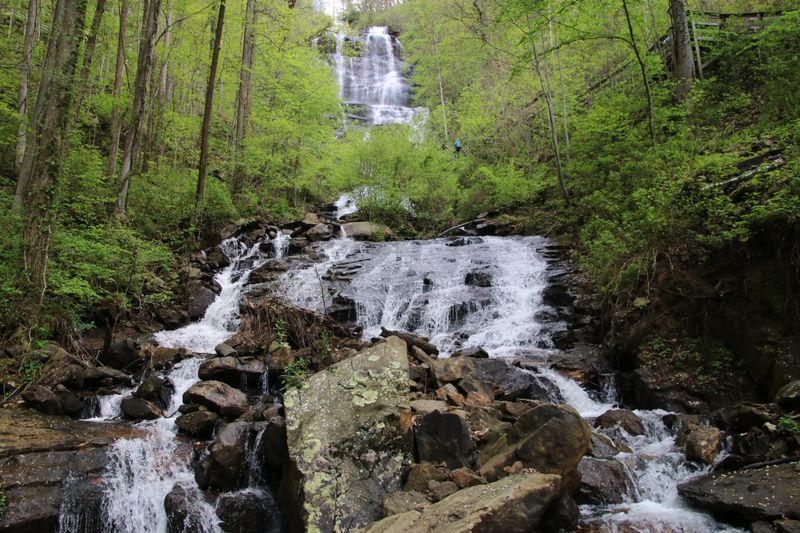
Georgia’s tallest waterfall begins from springs high in the Chattahoochee National Forest. The 729-foot cascade starts where mountain springs collect before plunging down multiple tiers of rock faces. The park address is 418 Amicalola Falls State Park Road, Dawsonville, Georgia 30534.
Springs feeding the falls maintain year-round flow, though volume varies with seasonal rainfall. You can hike to the falls’ base via a challenging trail or drive to upper viewing areas. The spring source area features smaller cascades and pools before the main dramatic drop.
The southern terminus of the Appalachian Trail begins in this park, attracting long-distance hikers preparing for their journey north. Stone staircases climb alongside the falls, offering multiple viewpoints at different heights. I recommend the staircase climb for active visitors who want close-up waterfall experiences and the chance to feel the spring water’s mist.
The lodge provides comfortable accommodations with waterfall views, letting you wake up to the sound of spring water beginning its spectacular descent down the mountainside.
11. Dukes Creek Falls Spring
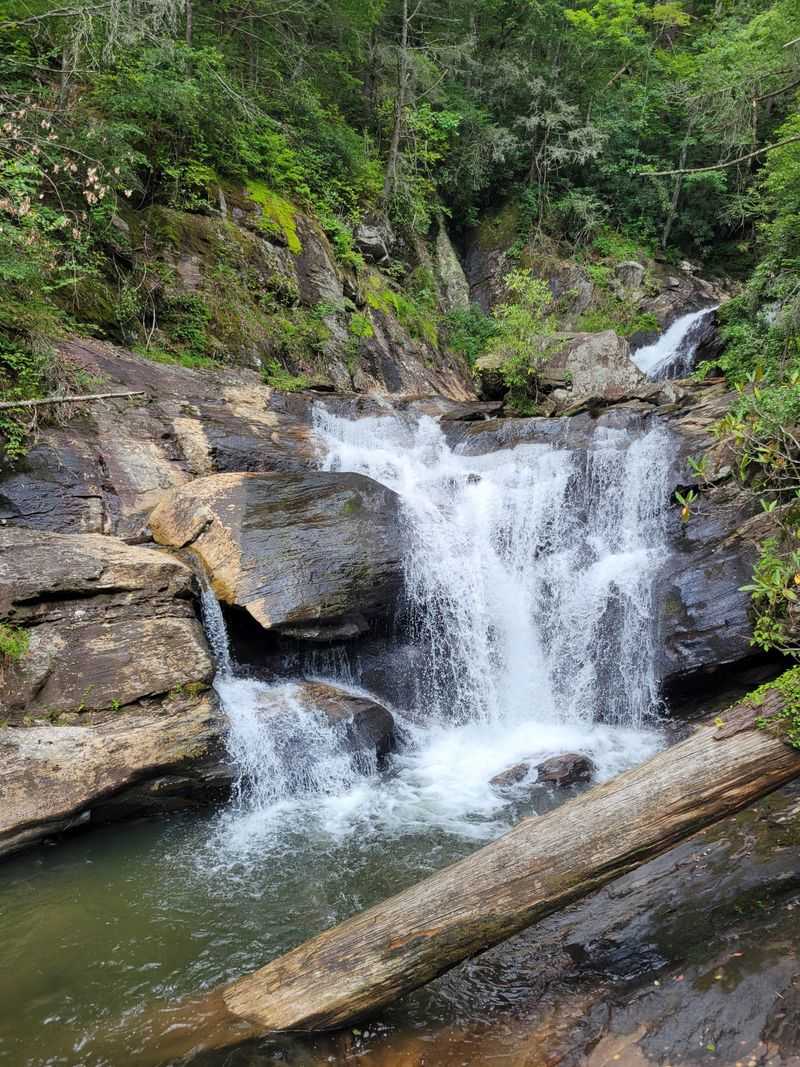
A relatively easy hike leads to impressive waterfalls fed by mountain springs in the Chattahoochee National Forest. The spring-fed creek drops over multiple cascades totaling about 300 feet in elevation. Access begins at the Smithgall Woods Conservation Area near Helen, Georgia, with parking at Richard Russell Scenic Highway, Helen, Georgia 30545.
Springs maintain consistent water flow that creates photogenic cascades visible from multiple viewing platforms. The paved trail makes this waterfall accessible to more visitors than many other mountain springs. Wooden boardwalks and observation decks provide safe viewing spots with excellent angles for photography.
The forest surrounding the falls features old-growth hemlocks and hardwoods that shade the spring-fed creek. Wildlife including salamanders and native trout thrive in the cold spring water. I appreciate this location for its combination of accessibility and natural beauty, making it perfect for families with young children or visitors with limited mobility who still want to experience Georgia’s mountain springs without strenuous hiking requirements that other locations demand.
12. High Falls State Park Spring
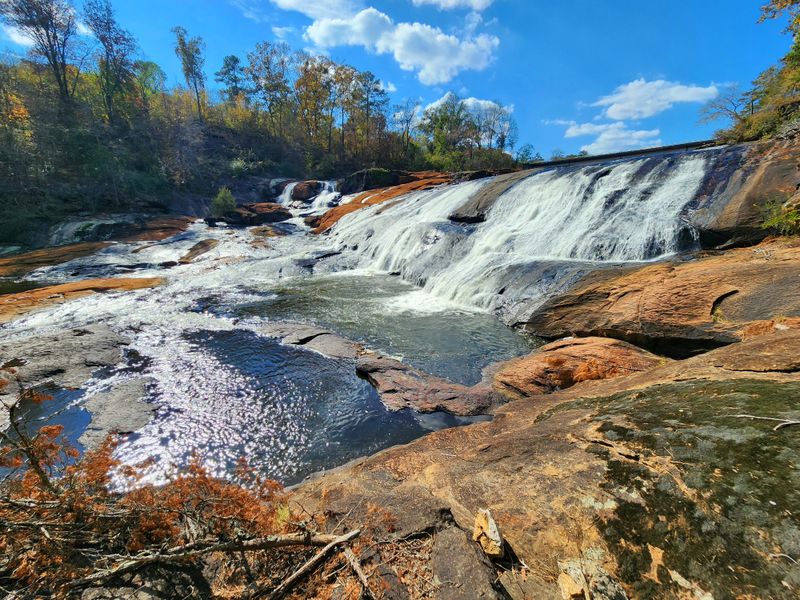
Tumbling water creates a scenic cascade where Towaliga River drops over layered rock formations. Springs feeding the river maintain flow that has carved interesting patterns into the stone over thousands of years. The park is located at 76 High Falls Park Drive, Jackson, Georgia 30233, making it easily accessible from metro Atlanta.
The falls span about 100 feet wide, creating a curtain of water especially impressive after spring rains. You can walk to multiple viewpoints including a pool area below the falls where the spring-fed water collects. Historic remnants of a power plant show how people once harnessed the spring-fed river’s energy.
Hiking trails follow the river both upstream and downstream from the falls, revealing smaller cascades and spring seeps. The park offers camping, fishing, and a swimming pool separate from the natural springs. I find this location perfect for day trips when you want to experience natural springs without driving deep into mountain regions, providing convenient access to beautiful water features within an hour of Georgia’s largest city.
13. Anna Ruby Falls Twin Springs
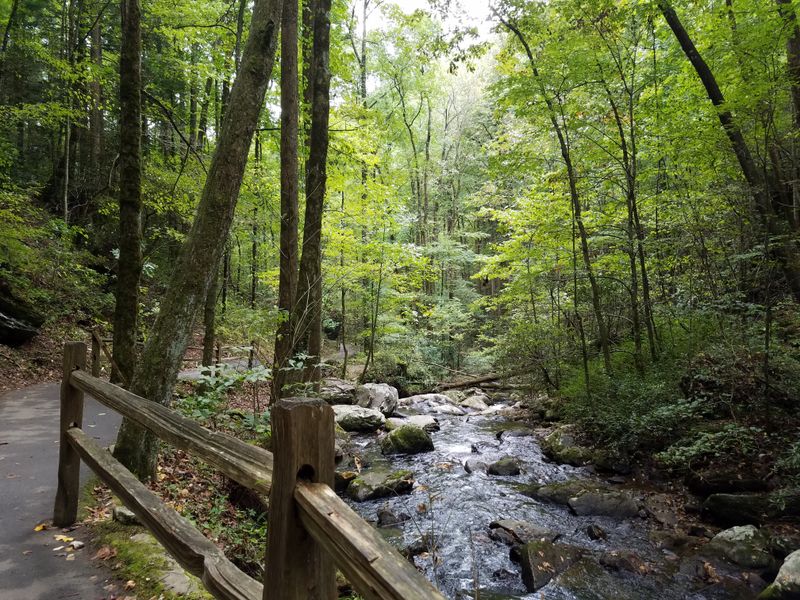
Two separate waterfalls merge from different spring-fed streams, creating a unique double cascade. Curtis Creek and York Creek each tumble down from their own spring sources before joining together. The falls are located at Anna Ruby Falls Road, near Helen, Georgia 30545, within the Chattahoochee National Forest.
Mountain springs feeding both creeks maintain year-round water flow that keeps the falls active during all seasons. A paved trail makes the half-mile walk accessible to most visitors, ending at a viewing platform facing both falls. The left waterfall drops 153 feet while the right falls 50 feet.
The cold spring water supports native trout populations in the streams below the falls. Visitor center exhibits explain the spring systems and local ecology. I recommend visiting during weekday mornings to avoid crowds that gather during peak tourist seasons in nearby Helen.
The combination of twin waterfalls from separate spring sources makes this location unique among Georgia’s natural springs, offering double the beauty in a single accessible destination perfect for all ages.