12 Nebraska Courthouses And Historic Buildings That Deserve More Than A Passing Glance
Old buildings are easy to underestimate from the car.
You catch a tower, a courthouse dome, or a row of windows. Then the light changes, and suddenly the place looks like it deserves a proper stop.
Nebraska has historic buildings that do more than fill a town square. They give a place its face.
A courthouse can tell you what a community once wanted to show the world. A preserved theater can make a downtown feel alive again.
That is why slowing down matters.
Details hide in brickwork. Stories sit above doorways. A quick glance misses the craftsmanship and the pride built into these places.
These 12 Nebraska courthouses and historic buildings are the kind of stops that make a road trip feel richer once you actually look up.
1. Nebraska State Capitol, Lincoln
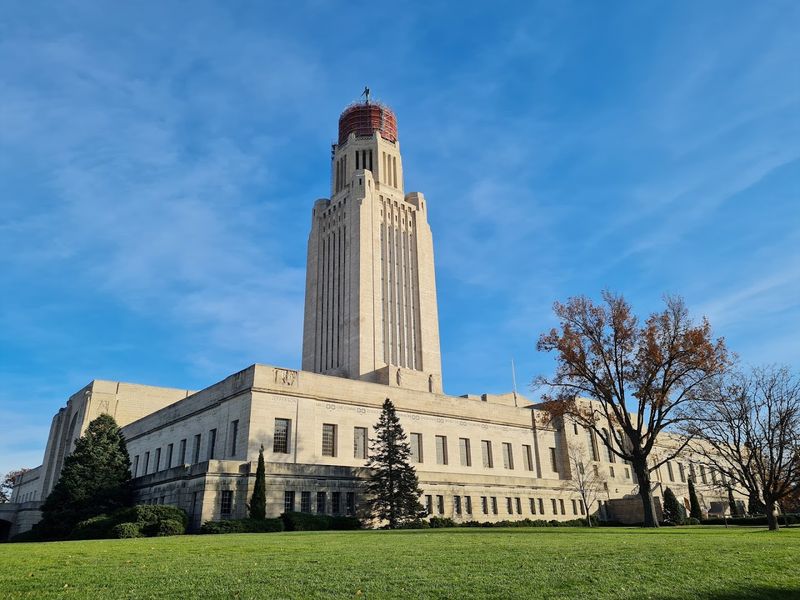
Standing at 400 feet tall, the Nebraska State Capitol in Lincoln is unlike any other statehouse in the country.
Designed by Bertram Grosvenor Goodhue and built between 1922 and 1932, it is considered the nation’s first truly vernacular State Capitol.
The tower rises dramatically above the flat prairie landscape, making it visible from miles away.
Inside, the building holds some genuinely breathtaking details. Mosaics and murals by artist Hildreth Meiere line the walls and ceilings, depicting Nebraska’s natural history and the development of democracy.
Carvings by sculptor Lee Lawrie wrap the exterior with symbols and figures drawn from philosophy and civic life.
The Capitol is a National Historic Landmark and welcomes visitors year-round. Tours are available and offer access to areas most people walk past without realizing their significance.
The interior rotunda alone could hold attention for a full hour, with its layered tile work and filtered light creating a quietly dramatic atmosphere.
2. Otoe County Courthouse, Nebraska City
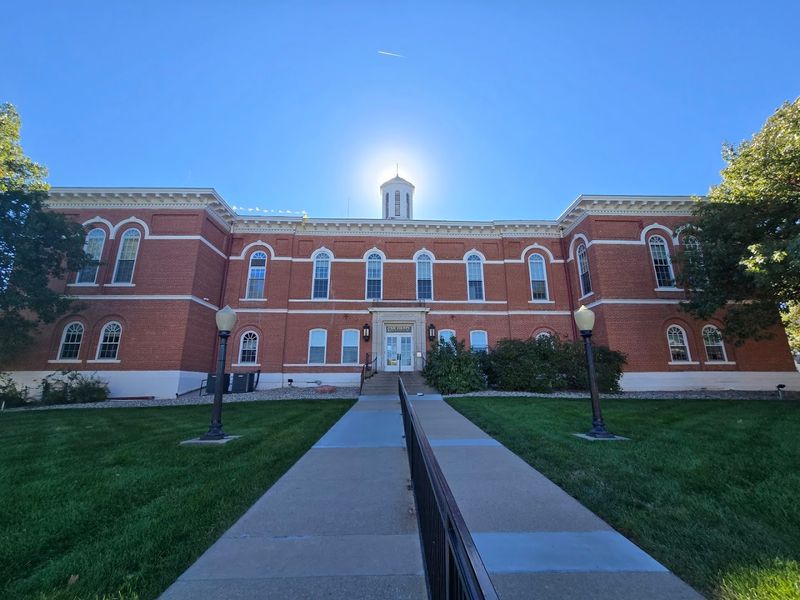
Nebraska City may be best known as the birthplace of Arbor Day, but the Otoe County Courthouse gives visitors another compelling reason to slow down and look up.
The courthouse sits as a proud centerpiece of the town’s civic identity, its brick and stone construction reflecting the ambition of early Nebraska communities to build something lasting.
Listed on the National Register of Historic Places, the building carries the kind of architectural weight that speaks to craftsmanship no longer common in public construction.
The detailing on the facade rewards careful attention, with stonework and proportions that reflect the courthouse styles popular in the late nineteenth century.
Visiting during a weekday tends to offer a quieter experience, with the building’s surroundings calm and easy to navigate on foot.
Nebraska City itself is a walkable town with other historic sites nearby, so pairing a courthouse visit with a stop at Arbor Lodge State Historical Park makes for a well-rounded afternoon.
The courthouse is located at 1021 Central Avenue in Nebraska City, and the surrounding blocks offer a genuine sense of what small-town Nebraska civic pride looked like more than a century ago.
3. Cass County Courthouse, Plattsmouth
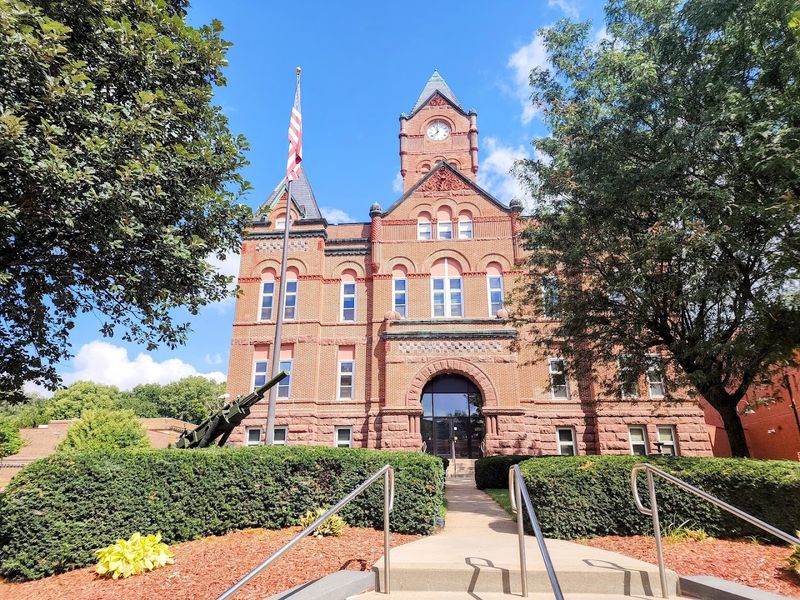
Plattsmouth sits along the Missouri River bluffs, and the Cass County Courthouse fits right into that setting – sturdy, deliberate, and built to endure.
The courthouse is listed on the National Register of Historic Places and stands as one of the more visually striking county buildings in eastern Nebraska.
Its brick construction and ornate detailing reflect the confidence that communities had in public architecture during the late 1800s.
The building anchors downtown Plattsmouth in a way that newer construction rarely does.
Walking around it gives a strong sense of how much care went into the original design, from the roofline to the entryway proportions.
The surrounding streets still hold a number of historic storefronts, making the area worth a longer look.
Plattsmouth is roughly 20 miles south of Omaha along Highway 75, which makes it a reasonable detour for anyone exploring the Missouri River corridor.
The courthouse is located at 346 Main Street in Plattsmouth. Weekday mornings tend to be quieter, which may allow for a more relaxed walk around the exterior.
The river views nearby add an extra layer to any visit here, making the stop feel complete rather than just a quick architectural check-in.
4. Hamilton County Courthouse, Aurora
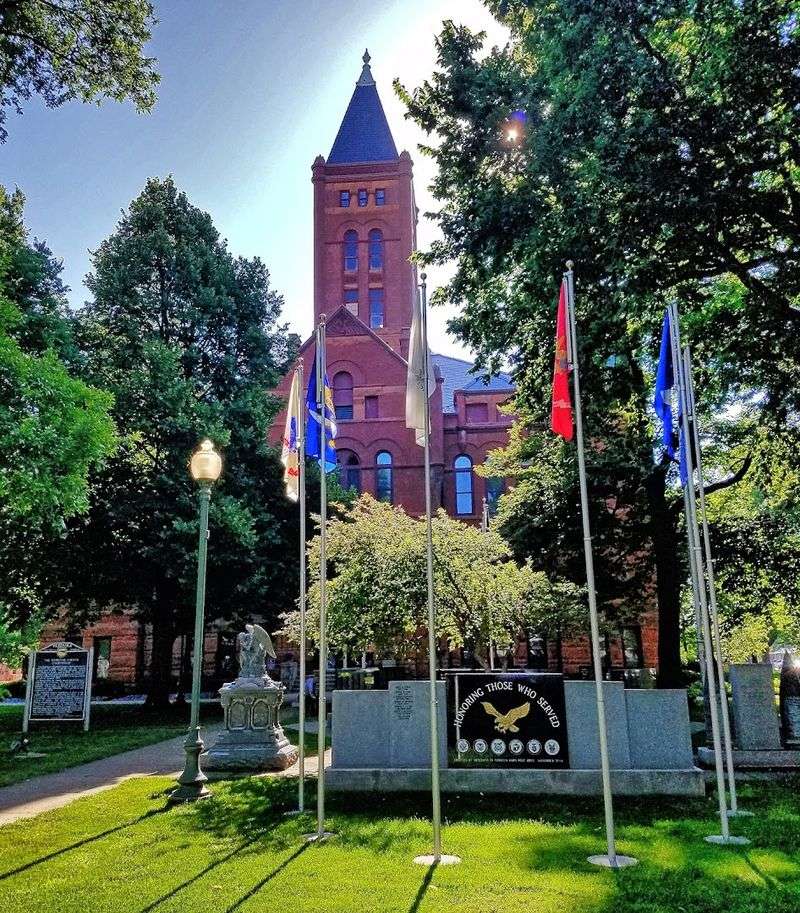
At first glance, the Hamilton County Courthouse in Aurora looks like something transplanted from a larger city.
Completed in 1895, it was built in what historians describe as the County Capitol Style – modeled loosely after the U.S. Capitol but using a tall spire instead of a dome.
Red brick and Colorado sandstone give the exterior a warm, layered texture that photographs beautifully in afternoon light.
The American Round Arch detailing along the windows and entryways adds a rhythm to the facade that feels both formal and approachable.
Listed on the National Register of Historic Places, the building has held up remarkably well for its age and continues to function as an active county courthouse.
That combination of preserved beauty and ongoing civic use is rarer than most people realize.
Aurora is a small city in central Nebraska, roughly an hour west of Lincoln along Interstate 80. The courthouse is located at 1111 13th Street in Aurora.
The surrounding town square gives the building room to breathe, and a short walk around the block reveals details that are easy to miss from a moving car.
Hamilton County Courthouse is one of those buildings that earns genuine admiration once a visitor takes the time to stand still in front of it.
5. Gage County Courthouse, Beatrice
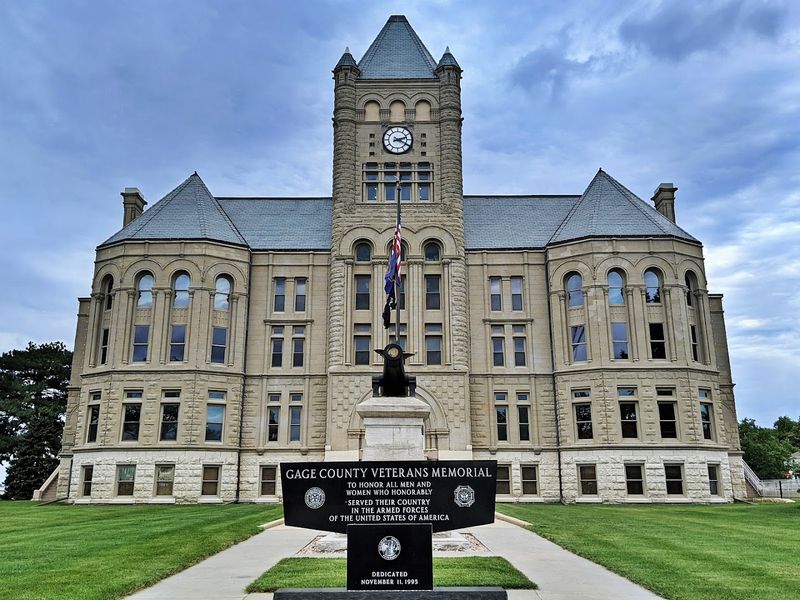
Beatrice is a town that takes its history seriously, and the Gage County Courthouse reflects that commitment in stone and brick.
The building anchors the downtown area with a presence that draws attention without demanding it.
Listed on the National Register of Historic Places, it represents the kind of civic investment that small Nebraska cities made in the late nineteenth and early twentieth centuries.
The courthouse exterior features the kind of careful masonry work that has aged gracefully over the decades.
Details like the window casings and cornice lines show a level of craftsmanship that contrasts sharply with modern public buildings.
Spending a few minutes walking the perimeter reveals angles and proportions that photographs rarely capture fully.
Beatrice sits in southeastern Nebraska, about 40 miles south of Lincoln along Highway 77, and the drive itself passes through rolling farmland that adds to the sense of arrival when the courthouse tower comes into view.
The building is located at 612 Grant Street in Beatrice.
The surrounding downtown still has active storefronts and a public square atmosphere that makes combining a courthouse visit with a broader downtown walk a genuinely pleasant way to spend a couple of hours in Gage County.
6. Hall County Courthouse, Grand Island
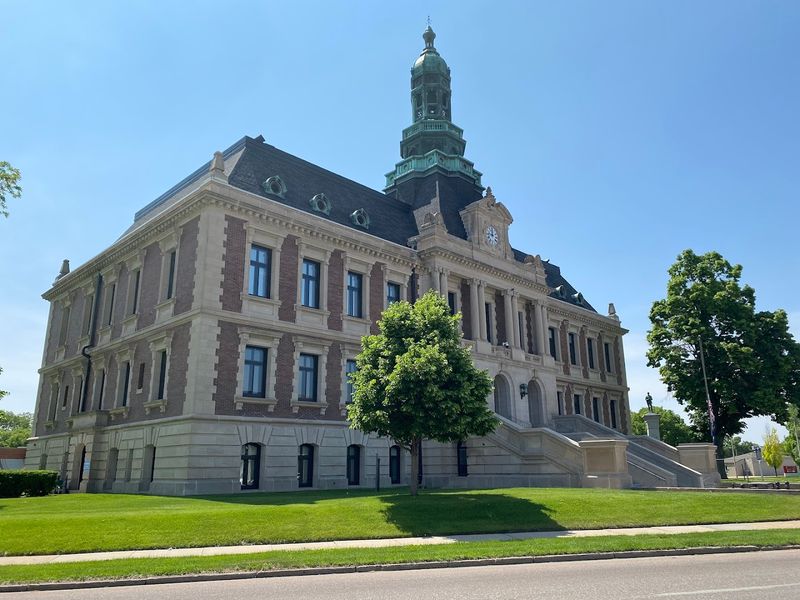
Grand Island is Nebraska’s third-largest city, and the Hall County Courthouse carries a scale and presence to match.
The building has been a fixture of the city’s civic landscape for well over a century, and its architectural detailing reflects the ambition that communities brought to public construction during that era.
The facade features stonework and proportions that hold up well against the surrounding streetscape.
Grand Island itself sits at the heart of central Nebraska, and the courthouse is easy to find from most directions into town.
The building is an active county courthouse, so weekday visits offer the chance to see the building in its working context rather than as a static landmark. That energy adds a different dimension to the experience.
The 4th Street Commercial Historic District nearby was recently added to the National Register of Historic Places, which means a visit to the courthouse can easily extend into a broader exploration of Grand Island’s historic downtown.
The courthouse is located at 111 W 1st St, Grand Island, NE 68801. Taking time to walk the surrounding blocks reveals a city that has retained more of its historic commercial fabric than many Nebraska cities of similar size.
The courthouse and the district together make Grand Island worth a deliberate visit rather than just a highway exit.
7. Lincoln County Courthouse, North Platte
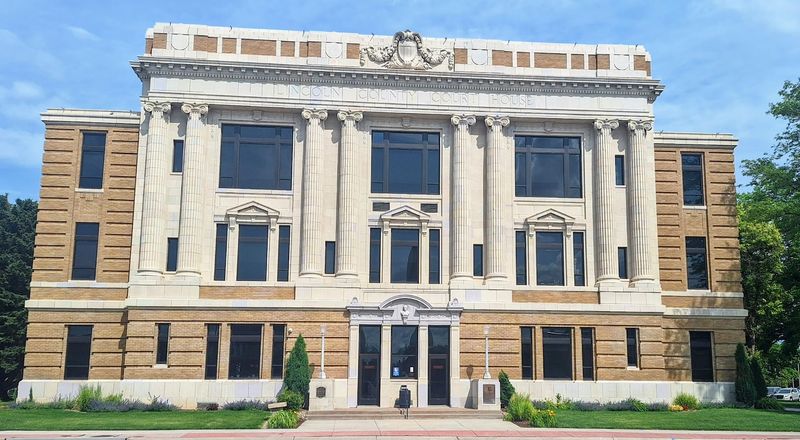
Built in two phases between 1921 and 1932, the Lincoln County Courthouse in North Platte is one of the more architecturally refined buildings in western Nebraska.
Designed by prominent Nebraska architect George A. Berlinghof, it reflects Beaux Arts stylistic influences with raised pavilions and an uncommon use of terra cotta that sets it apart from most county courthouses in the state.
The terra cotta detailing is worth a close look. It adds texture and color to the exterior that changes subtly depending on the time of day and the angle of the light.
North Platte sits along the Platte River in the heart of the Sandhills region, and the courthouse feels like a deliberate statement of permanence in a landscape defined by wide open space.
Visitors to North Platte often focus on Buffalo Bill’s Ranch State Historical Park nearby, but the courthouse deserves a stop of its own.
Located at 301 North Jeffers Street in North Platte, the building is accessible and easy to walk around.
The surrounding downtown blocks still hold enough historic character to make a short walking tour feel worthwhile.
For anyone traveling Interstate 80 through central Nebraska, North Platte offers a compact cluster of genuinely interesting historic stops.
8. Platte County Courthouse, Columbus
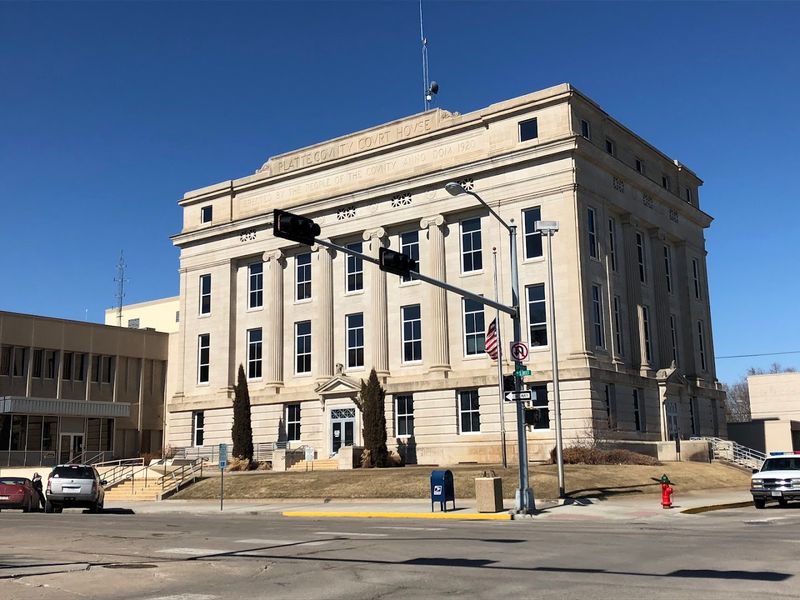
Columbus occupies a meaningful spot in Nebraska history as one of the state’s early agricultural and commercial hubs, and the Platte County Courthouse reflects that civic confidence.
The building sits at the center of town and has served as the seat of county government for well over a century.
Its brick construction and classical proportions give it a solidity that feels entirely appropriate for its purpose. The courthouse exterior rewards a slow walk around the building rather than a quick drive-by.
Details in the stonework and the window framing reveal a level of attention to craft that was standard in late nineteenth and early twentieth century public construction but has become increasingly rare.
The surrounding downtown area still has an active, working character that adds context to a visit.
Columbus sits about 80 miles northwest of Omaha along Highway 30, making it a reasonable stop on a route through northeastern Nebraska. The courthouse is located at 2610 14th Street in Columbus.
The Platte River runs nearby, and the combination of the river, the historic downtown, and the courthouse makes Columbus worth more than a fuel stop.
Visitors who take an hour to walk the area tend to leave with a stronger sense of why this part of Nebraska developed the way it did.
9. Minden Opera House, Minden
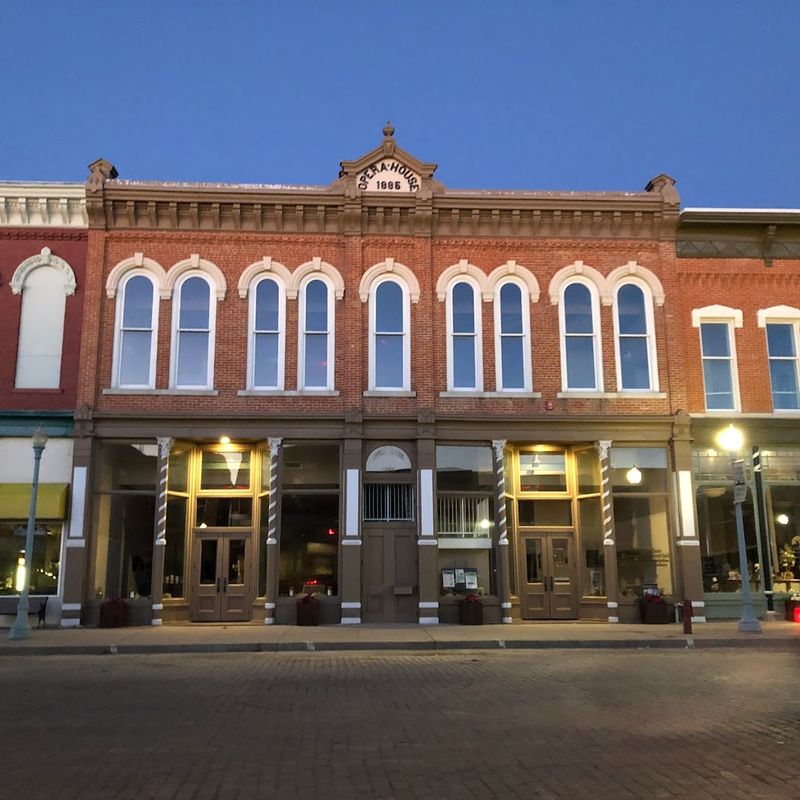
Opera houses in small Nebraska towns were once the cultural heartbeat of their communities, and the Minden Opera House in Kearney County is a surviving example of that tradition.
Built during the era when traveling performers, political speakers, and local productions all shared the same stage, the building carries a layered sense of community life embedded in its walls.
Minden is a compact, tidy town, and the opera house fits naturally into its historic downtown.
The building’s exterior reflects the practical elegance that characterized civic and cultural construction in late nineteenth century Nebraska.
Brick construction, measured proportions, and careful detailing give it a presence that stands out even on a block of well-maintained historic storefronts.
Inside, the space retains enough of its original character to make the history feel tangible rather than reconstructed.
Minden is located in south-central Nebraska, roughly 15 miles south of Interstate 80 along Highway 10.
The town also hosts the Harold Warp Pioneer Village, which gives visitors a full day of historic exploration if they plan accordingly.
Stopping here on a route through the central plains offers a chance to connect with a piece of Nebraska cultural history that does not always make the highlight reels but absolutely deserves its moment.
10. Red Cloud Opera House, Red Cloud
Red Cloud is a town that carries its literary legacy proudly, largely because of its connection to author Willa Cather, whose childhood home is a National Historic Landmark nearby.
The Red Cloud Opera House adds another dimension to that cultural depth, offering a beautifully preserved example of the kind of performance space that once served as the social center of rural Nebraska communities.
The opera house has been carefully maintained and continues to host events, which means visitors can experience the building as a living venue rather than a static exhibit.
That distinction matters – there is a difference between a building that is preserved and one that is still in use, and the Red Cloud Opera House falls into the latter category.
The acoustics and the intimate scale of the interior create a setting that feels genuinely special for any kind of performance or gathering.
Red Cloud sits along the Republican River in Webster County, about 20 miles north of the Kansas border.
The town is compact enough to explore entirely on foot, and combining a visit to the opera house with a stop at the Willa Cather sites makes for a full and satisfying day.
The opera house is located at 411 N Webster St, Red Cloud, NE 68970, right in the heart of the historic downtown area.
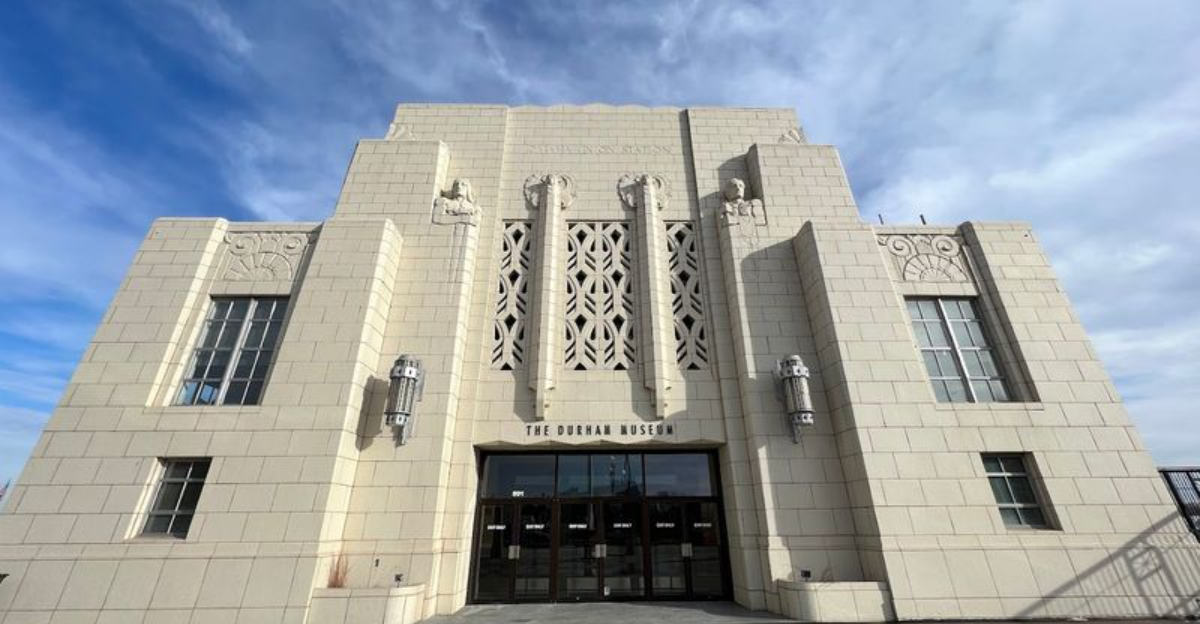
11. The Durham Museum / Omaha Union Station, Omaha
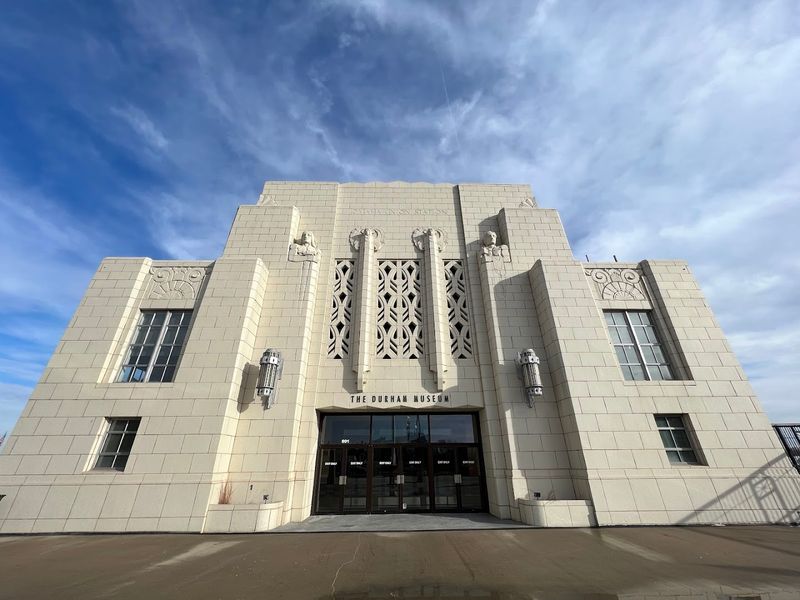
Few buildings in Nebraska stop people in their tracks quite like Omaha Union Station.
Designed by Gilbert Stanley Underwood and completed in 1931, the building is a masterpiece of Art Deco architecture, with a facade that layers geometric ornamentation and polished stone.
The Great Hall interior carries that same energy, with soaring ceilings and marble floors that echo with every footstep.
Today the building operates as The Durham Museum, which uses the historic spaces to house rotating and permanent exhibits on regional history, natural history, and Omaha’s development as a city.
The train cars preserved on the lower level add a tactile dimension that children and adults both respond to with genuine curiosity.
The building and its contents work together in a way that makes the visit feel coherent rather than scattered.
Located at 801 South 10th Street in Omaha, The Durham Museum is one of the most accessible historic buildings in the state, with parking nearby and a schedule that accommodates both weekday and weekend visits.
Admission fees apply, and the museum’s calendar often includes special exhibitions and events that give repeat visitors a reason to return.
The combination of architectural beauty and substantive exhibits makes this one of Nebraska’s most rewarding indoor destinations.
12. Joslyn Castle & Gardens, Omaha
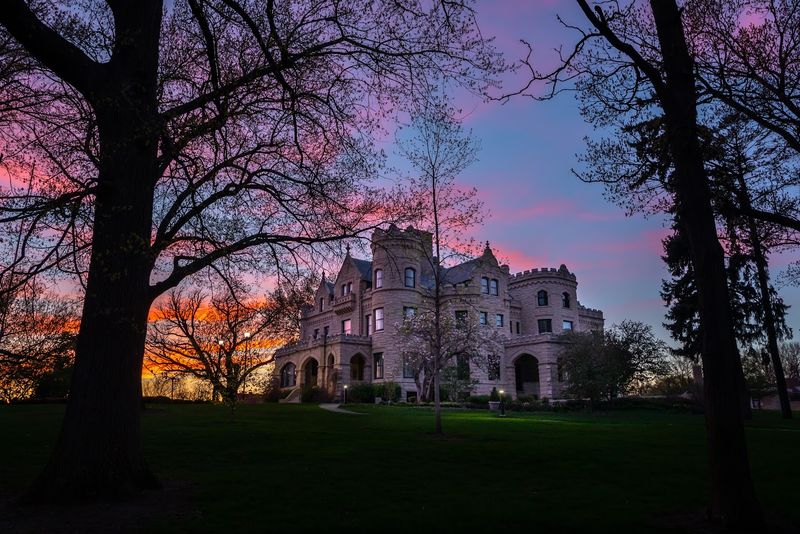
In a residential neighborhood in midtown Omaha, Joslyn Castle looks like something that wandered in from the Scottish Highlands and decided to stay.
Built in 1902 in the Scottish Baronial Revival style, the castle was designed by architect John McDonald and features turrets, steep gabled rooflines, and stone masonry that gives the exterior a distinctly romantic character.
The surrounding gardens add a softer, more seasonal dimension to the visit.
The interior has been carefully preserved and is open for tours, offering a look at the craftsmanship and decorative choices that defined upper-class domestic architecture at the turn of the twentieth century.
The woodwork, fireplaces, and room proportions all reflect a level of investment and attention that makes the building feel genuinely extraordinary rather than simply old.
Touring the space tends to prompt real curiosity about the people who lived and worked there.
Located at 3902 Davenport Street in Omaha, the castle sits within easy reach of other midtown attractions and can be combined with a visit to the nearby Joslyn Art Museum for a full afternoon of architecture and art.
Tour schedules vary by season, so checking ahead before visiting is a practical step. The gardens are particularly pleasant in late spring and early summer when the plantings are at their most colorful.