11 Nebraska Hiking Trails With Views That Surprise First-Time Visitors
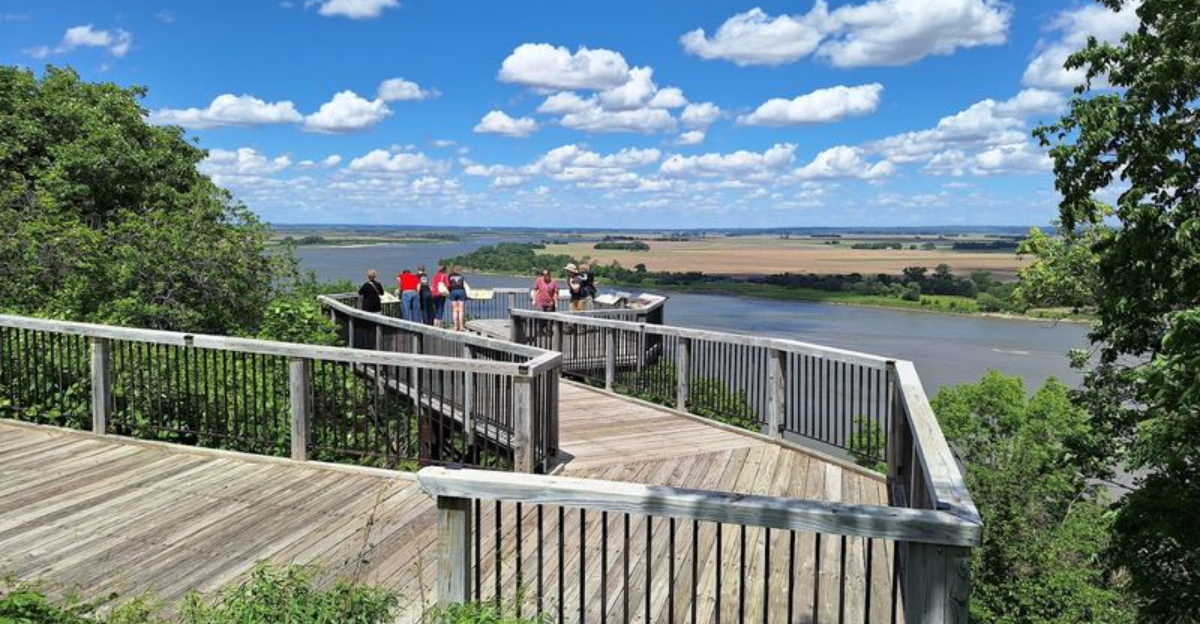
Nebraska can catch first-time hikers off guard in the best way.
People show up expecting quiet trails and gentle scenery, then find themselves staring out at wide river valleys and the kind of open views that feel much bigger than they imagined.
That surprise is part of the charm. A trail here does not need towering peaks to leave an impression. Space does the work. Sky does too.
The landscape opens slowly, then all at once, and suddenly the whole walk feels more memorable than anyone planned on.
These Nebraska hiking trails have a way of changing expectations mid-hike, which is exactly what makes them so satisfying.
1. Saddle Rock Trail At Scotts Bluff National Monument
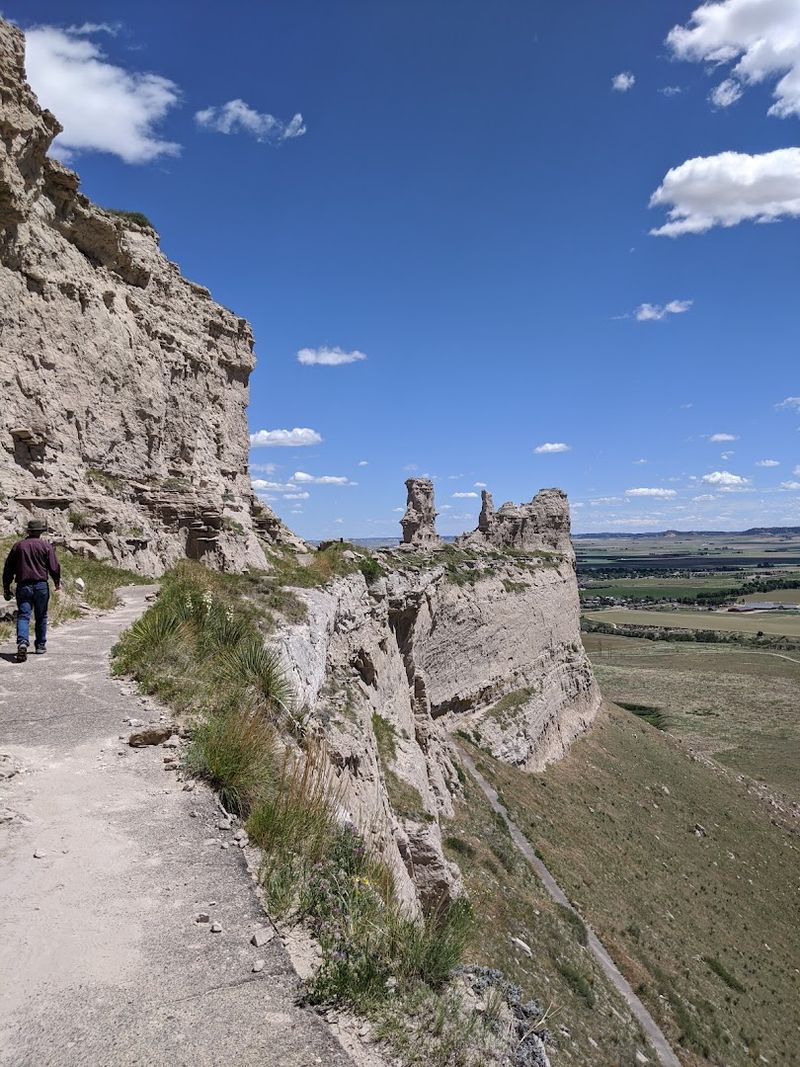
Standing at the top of Scotts Bluff and looking out over the North Platte River Valley tends to produce a genuine double-take from first-time visitors who had no idea Nebraska looked like this.
The Saddle Rock Trail runs 1.6 miles one way and climbs 435 feet through a mix of open switchbacks and a narrow foot tunnel carved directly into the rock.
That tunnel moment alone makes the hike memorable, stepping through cool stone into a completely different view on the other side.
The bluffs here were a landmark along the Oregon Trail, and standing on the summit gives a real sense of why wagon trains used them as a navigation point across the plains.
Scotts Bluff National Monument is located in Gering, Nebraska, and the trail starts near the visitor center where maps and trail conditions are available.
Morning light tends to hit the sandstone in warm tones that make the formations look almost orange. Sturdy footwear matters here because some sections are rocky and uneven, especially closer to the summit.
The payoff at the top is a panoramic view that stretches far beyond what most visitors expect from a Nebraska hike.
2. Toadstool Geologic Park Trail
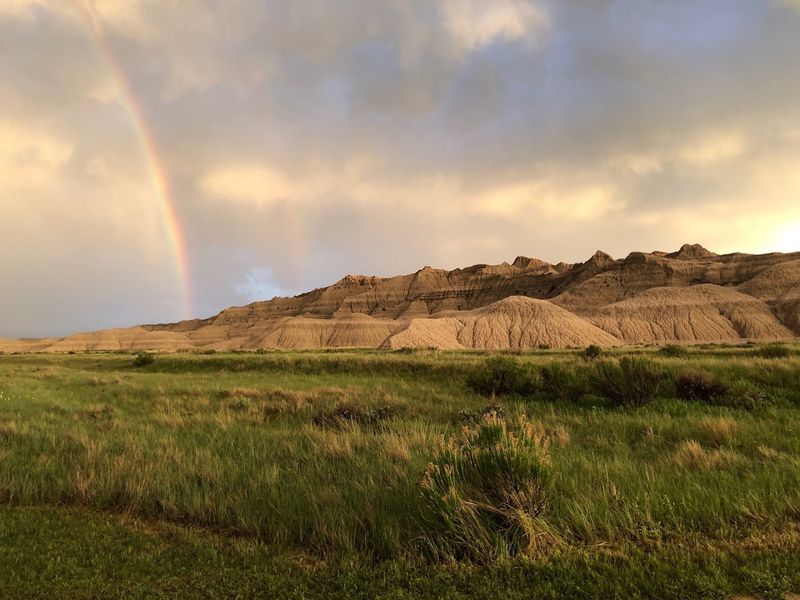
Few places in Nebraska stop hikers in their tracks quite like Toadstool Geologic Park, where the landscape looks more like something from the American Southwest than the Midwest.
The trail winds through badlands-style formations that have been shaped by millions of years of erosion, producing mushroom-shaped rocks balanced on narrow pedestals of softer sediment.
Visit Nebraska describes the geology here as complex enough to make visitors genuinely question whether they are still in the state, and that reaction is completely understandable.
Fossilized remains of ancient animals have been found in these formations, adding a layer of prehistoric wonder to a hike that is already visually striking.
Located in Oglala National Grassland in the northwestern corner of Nebraska, the main trail loop is short and manageable for most fitness levels, making it accessible without requiring serious preparation.
The open sky above the formations creates a wide, cinematic feeling that is hard to replicate anywhere else in the region.
Visiting on a weekday tends to mean fewer people on the trail, which makes the silence and scale of the place even more noticeable.
3. Black Hills Overlook Trail At Chadron State Park
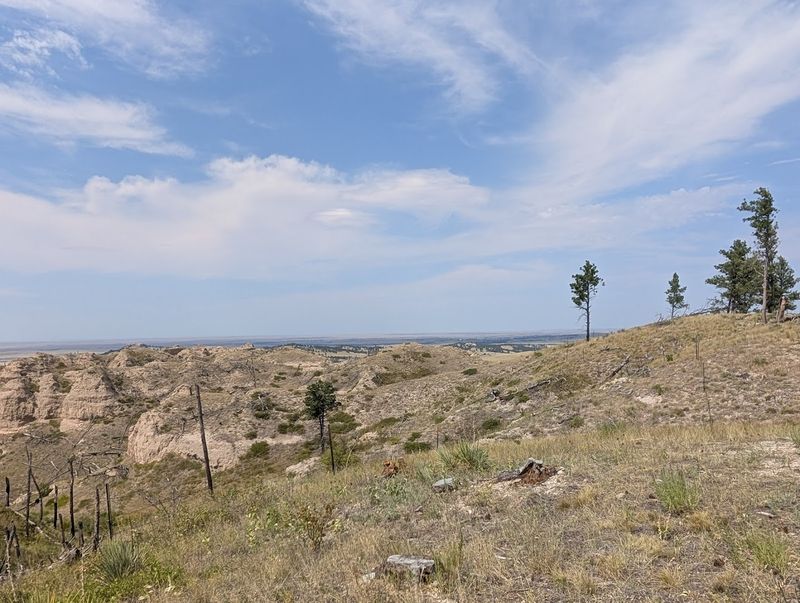
Chadron State Park sits in the Pine Ridge region of northwestern Nebraska, and the trail system there climbs high enough to deliver views that genuinely feel like they belong in a different part of the country.
Nebraska Game and Parks describes the trails as taking hikers high above the park scenery to some of the most scenic vistas in the entire state, and the Black Hills Overlook lives up to that description.
The forested ridgelines and rolling hills visible from the top look nothing like the Nebraska that most people picture, and that contrast is exactly what makes the hike so rewarding.
Ponderosa pines cover the hillsides, and the air carries that clean, resinous scent that makes forested hikes feel particularly refreshing.
Chadron State Park is Nebraska’s oldest state park and covers terrain that connects visually and geographically with the broader Pine Ridge landscape.
Trail conditions can vary by season, so checking with the park office before heading out is a practical step.
The overlook itself is worth the elevation gain, offering a wide sweep of forested hills that stretches toward the horizon.
Cooler mornings are generally the most comfortable time to hike here, especially during summer months when afternoon temperatures can climb noticeably.
4. Turkey Run Trail At Wildcat Hills State Recreation Area
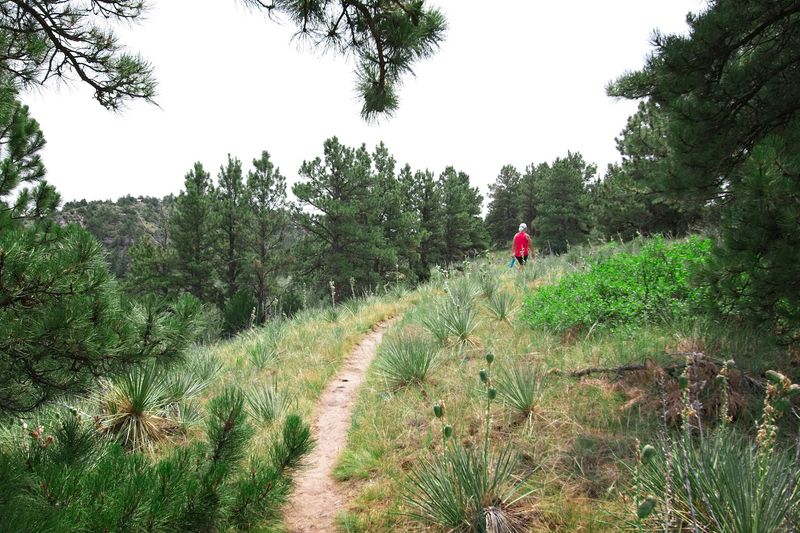
Rocky buttes, ponderosa pines, and wide views over the North Platte River Valley make Turkey Run Trail one of those short hikes that delivers a surprisingly dramatic payoff.
Nebraska Game and Parks specifically highlights the trail’s rock formations and valley scenery, and both are genuinely impressive for a route that does not require a long time commitment.
The landscape here has a rugged, almost western character that catches many visitors off guard, especially those who assumed the area would be flat and unremarkable.
The combination of exposed sandstone and pine forest creates a textured visual contrast that holds up well from multiple points along the trail.
Wildcat Hills State Recreation Area is located near Gering in the western part of the state, putting it within reasonable driving distance of Scotts Bluff for anyone planning a multi-stop hiking day.
The trail itself is not especially long, which makes it a good option for families or hikers who want impressive scenery without a strenuous commitment.
Rock surfaces can be slippery after rain, so checking the weather before visiting is worth the effort. The valley views from the higher sections of the trail tend to be the most photographed spots, and it is easy to see why once you reach them.
5. Indian Cave Trail System At Indian Cave State Park
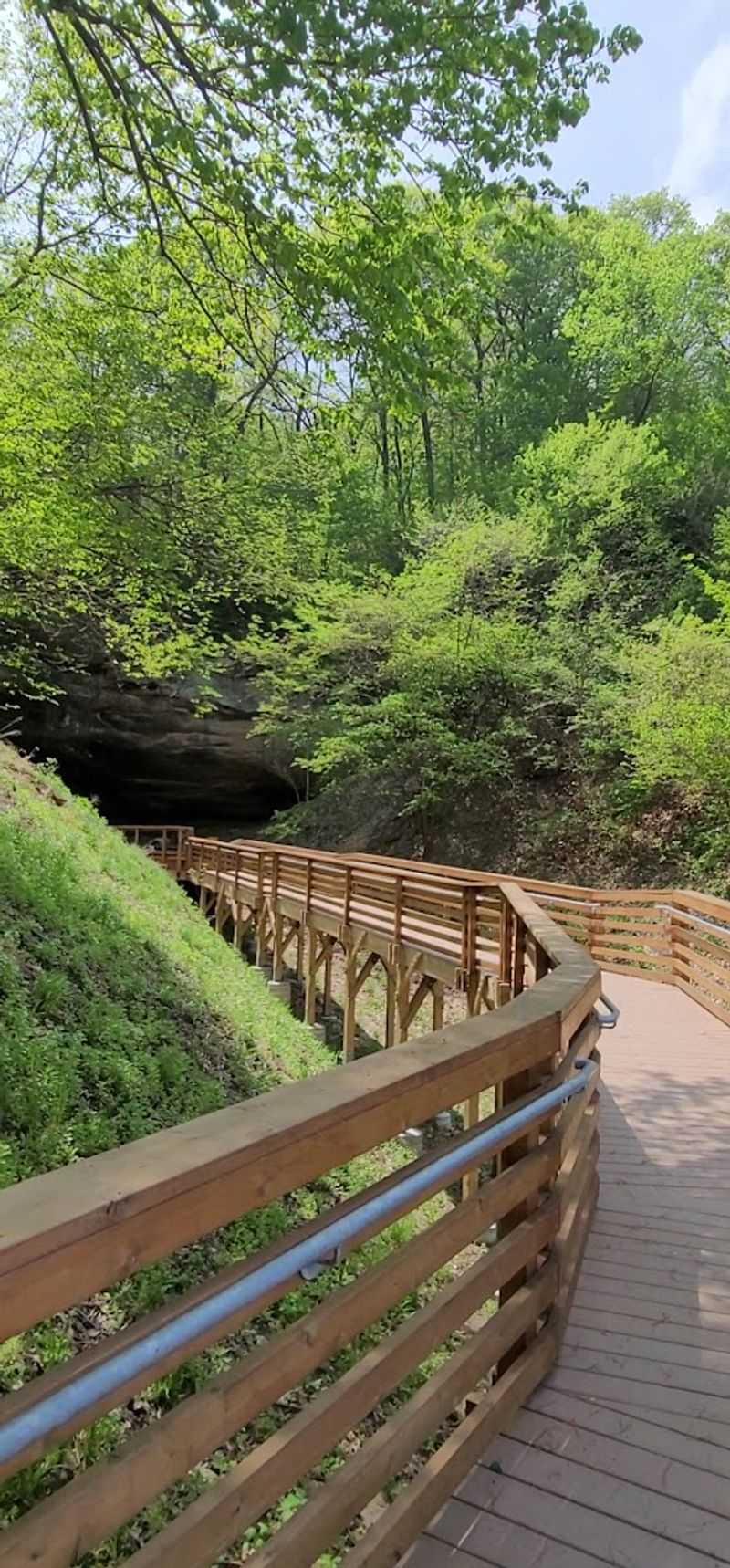
Eastern Nebraska does not always get credit for dramatic hiking scenery, but Indian Cave State Park makes a strong case for paying attention to this corner of the state.
Nebraska Game and Parks notes the park has 22 miles of hiking trails and some of the best views along the Missouri River, which flows wide and powerful at the base of heavily forested bluffs.
The wooded trails wind through hardwood forest that transforms into vivid color during fall, making autumn one of the most popular seasons to visit.
Sandstone cave formations add an extra layer of interest to the landscape, giving the park a character that feels distinct from other Nebraska hiking destinations.
Located near Shubert in southeastern Nebraska, Indian Cave State Park sits close enough to the Missouri border that the river views feel genuinely significant rather than incidental.
The trail network offers options for both casual walkers and hikers looking for a longer day on varied terrain. Mud can be a factor on some sections after heavy rain, particularly on the steeper bluff trails.
Wildlife sightings are relatively common here, including deer and wild turkey, which adds a nice element of unpredictability to a walk through the trees.
6. Smith Falls Boardwalk Trail At Smith Falls State Park
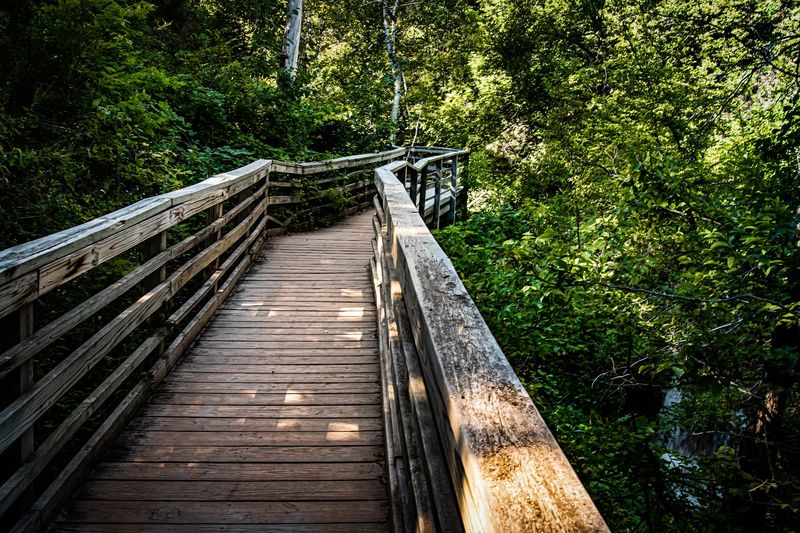
Nebraska’s tallest waterfall is not something most people expect to find tucked into the Niobrara River corridor, but Smith Falls delivers exactly that kind of pleasant shock.
Nebraska Game and Parks identifies Smith Falls as standing more than 60 feet tall, reached by crossing a footbridge over the Niobrara River and following a short boardwalk through a lush, sheltered canyon.
The contrast between the open river valley and the cool, green enclosure around the falls is striking, and the sound of the water hitting the pool below carries well before the falls even come into view.
The boardwalk makes the approach accessible for a wide range of visitors, and the crossing over the Niobrara adds a bit of adventure to what is otherwise a short and manageable walk.
Smith Falls State Park is located near Sparks in north-central Nebraska, sitting within the broader Niobrara National Scenic River corridor.
Summer tends to be the busiest season, and arriving earlier in the day helps avoid the midday crowd near the falls.
The surrounding landscape along the Niobrara River is worth taking time to appreciate beyond just the waterfall itself, as the river corridor supports a surprisingly diverse mix of plant and animal life.
7. Fort Robinson State Park Trails
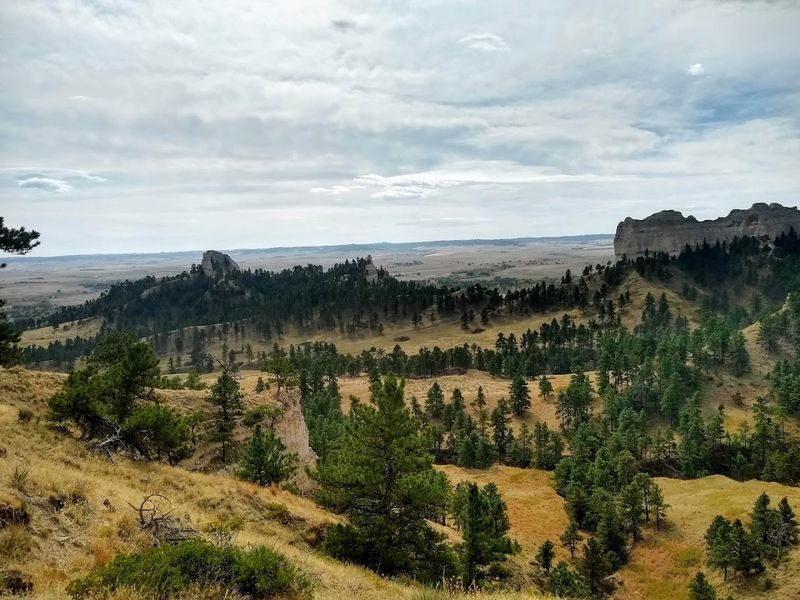
Covering more than 22,000 acres in the Pine Ridge region of northwestern Nebraska, Fort Robinson State Park operates on a scale that genuinely surprises visitors who arrive without knowing what to expect.
Nebraska Game and Parks notes the park offers 60 miles of hiking trails, which means there is enough variety here to fill multiple days of exploration without repeating the same terrain.
Wide butte landscapes, open ridgelines, and ponderosa pine forest give the park a visual character that feels more aligned with Wyoming or Colorado than the Nebraska most people picture.
The historical significance of the site adds another dimension to the experience, as the land carries a deep and complicated history tied to the U.S. Army and the Lakota people.
Fort Robinson State Park is located near Crawford in the far northwestern part of the state, making it a natural anchor for a Pine Ridge hiking trip.
Trail conditions vary across the network, with some routes being more technical than others, so picking up a trail map at the park entrance is a practical first step.
Early morning hikes tend to offer the best light on the buttes and the quietest conditions on the trails.
The sheer size of the park means that even on busier weekends it is possible to find stretches of trail that feel genuinely remote.
8. Pine Ridge Trail Near Fort Robinson And Chadron
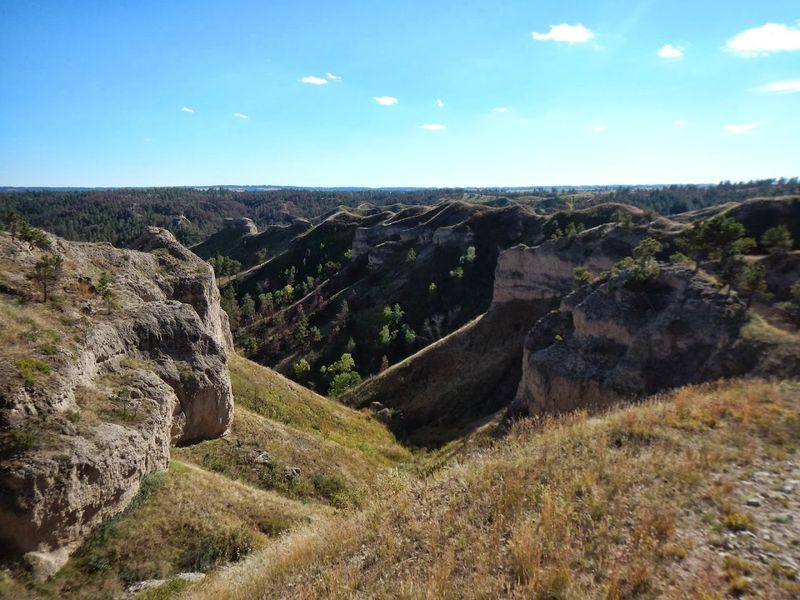
Rugged, forested, and far less visited than parks in other states with similar scenery, the Pine Ridge Trail corridor near Fort Robinson and Chadron offers a hiking experience that rewards those willing to travel to the far northwest corner of Nebraska.
Trail coverage consistently points to the Pine Ridge region as one of the state’s most scenic and geologically interesting areas for hikers who want something more immersive than a quick overlook stop.
The terrain here involves real elevation changes, rocky footing, and long stretches of ponderosa pine forest that create a canopy trail feel uncommon in this part of the country.
Views from the higher ridgelines stretch across a landscape of hills and valleys that looks genuinely wild and unhurried.
Planning a trip to this area works best when paired with a stop at either Fort Robinson or Chadron State Park, since the trails in this corridor connect thematically and geographically with both parks.
Water sources are limited on longer stretches, so carrying enough for the full planned route is essential.
The trail surface can be uneven and rocky, making trekking poles a helpful addition for longer outings. Fall and spring tend to offer the most comfortable hiking temperatures, while summer mornings are the best window for avoiding peak heat on exposed ridge sections.
9. Platte River State Park Trails
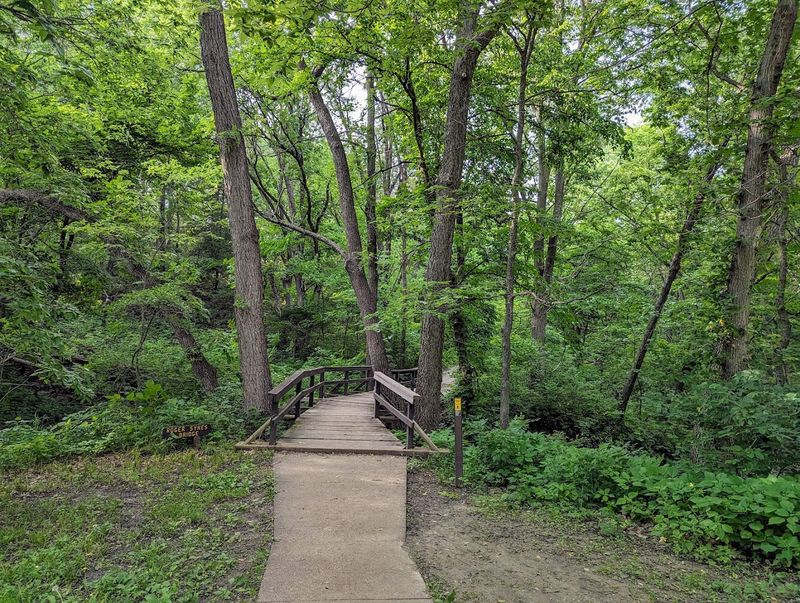
Sitting between Omaha and Lincoln, Platte River State Park tends to catch first-time visitors off guard because the landscape feels far more wooded and hilly than expected for a park located in the middle of the state’s most populated corridor.
Nebraska Game and Parks describes the park as a woodland setting, and the trails reflect that with shaded paths that wind through deciduous forest and along stream-fed valleys.
The park is a practical choice for hikers based in eastern Nebraska who want a genuine outdoor experience without driving several hours west.
Trail options range from short loops to longer routes that take in more of the park’s varied topography, giving visitors flexibility depending on available time and energy.
Platte River State Park is located near Louisville, Nebraska, roughly halfway between the state’s two largest cities.
The trails are generally well-maintained and accessible across seasons, though fall brings particularly vivid color to the hardwood forest.
Weekends can be moderately busy given the park’s proximity to urban areas, so arriving early helps secure parking and quieter trail conditions.
The wooded terrain provides reliable shade during summer, which makes afternoon hikes here more comfortable than on the exposed western trails.
10. Ponca State Park Trails
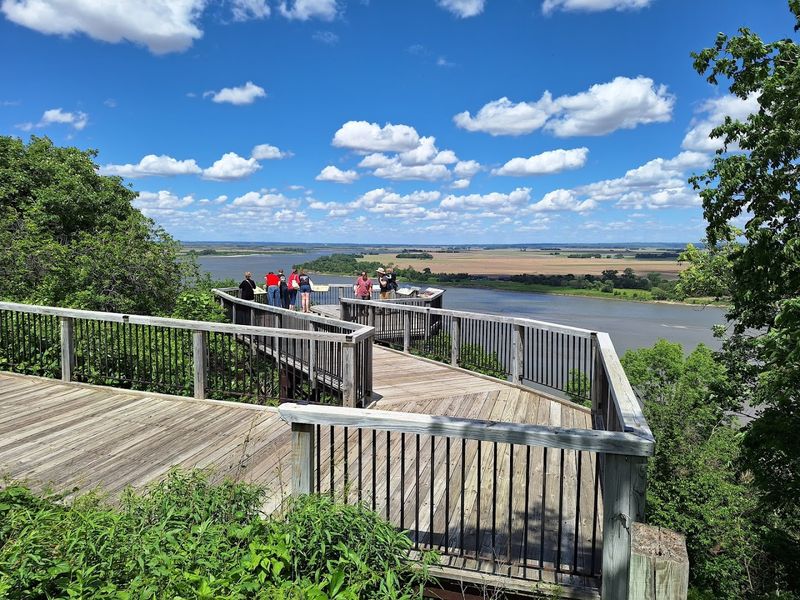
Northeast Nebraska does not usually come up in conversations about dramatic hiking scenery, but Ponca State Park makes a compelling case for reconsidering that assumption.
Nebraska Game and Parks has highlighted Ponca for groomed trails with Missouri River views, and standing on a bluff above the wide, slow-moving river produces a sense of scale that feels genuinely unexpected in this part of the state.
The Missouri River here is wide enough that the opposite bank looks far away, and the bluffs give hikers an elevated perspective that adds real depth to the view.
Hardwood forest covers much of the trail network, creating a canopy that shifts dramatically with the seasons and makes autumn hiking here particularly atmospheric.
Ponca State Park is located near Ponca in Dixon County, and the trail system offers a range of difficulty levels that accommodate both casual walkers and more serious hikers.
The park also sits along the Lewis and Clark National Historic Trail, which adds historical context to a landscape that already carries considerable natural interest.
Trail conditions after heavy rain can be muddy on some bluff sections, so waterproof footwear is a smart precaution during spring.
Morning visits tend to offer quieter trails and better chances of seeing wildlife along the river corridor before midday foot traffic picks up.
11. Niobrara State Park Trail Areas
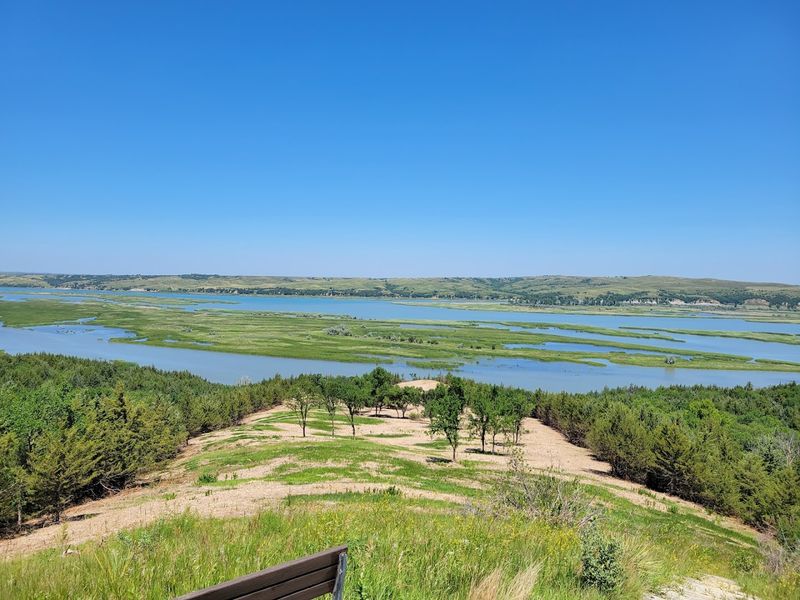
At the point where the Niobrara River meets the Missouri, the landscape takes on a layered, almost panoramic quality that hikers exploring northeastern Nebraska rarely anticipate finding.
Nebraska Game and Parks notes that the Niobrara Loop Trail offers great views and borders the confluence of the two rivers, making it one of the more geographically distinctive hikes in the state.
The bluffs above the confluence provide elevated vantage points where both rivers are visible simultaneously, which creates a view that feels genuinely significant rather than just scenic.
The surrounding forest and the sound of moving water below give the trail a calm, immersive quality that holds up well throughout the walk.
Niobrara State Park is located near the town of Niobrara in Knox County, and the trail system is manageable for most fitness levels while still delivering views that justify the trip.
The park experienced significant flooding in past years, so checking current trail conditions before visiting is always a practical step.
The confluence viewpoint tends to be the most memorable stop on the loop, and taking time to sit and watch the two rivers meet is a rewarding way to end the hike.