10 Nebraska Places That Still Bear The Marks Of Pioneer Travel
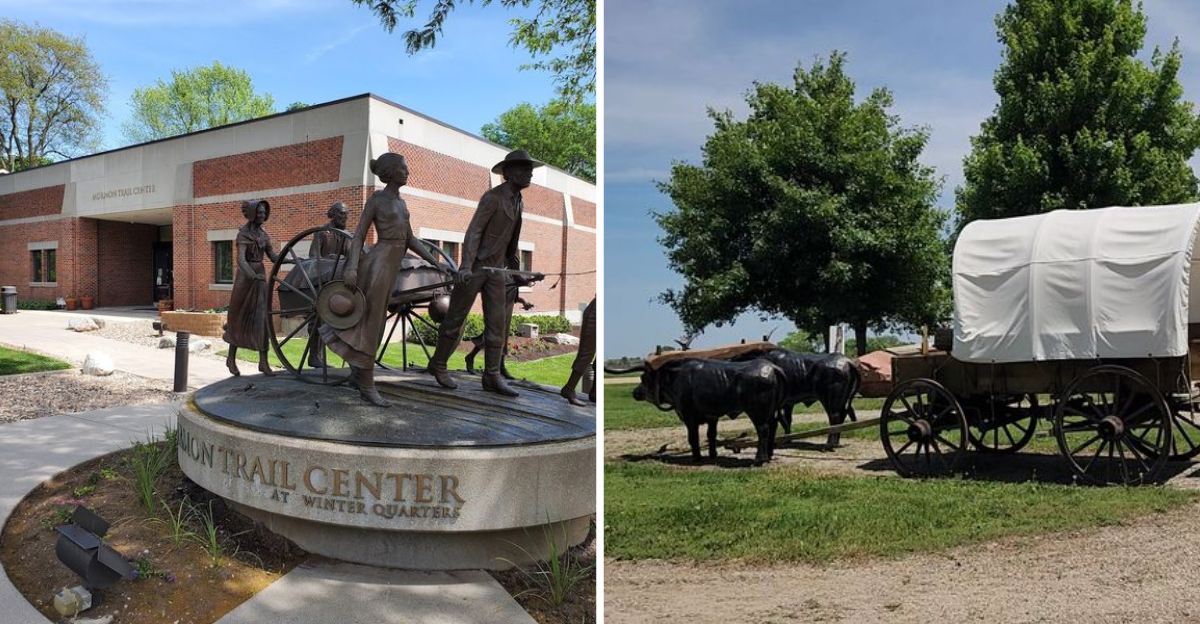
Wagon ruts pressed into the prairie a century and a half ago still show today. That detail alone makes Nebraska feel like an open-air history book.
Crumbling stone stations and towering rock landmarks mark the routes hundreds of thousands of travelers once followed.
I have driven these old trails, and standing in those same tracks stirs something deep. Some sites sit right beside the highway, others wait at the end of a patient backroad hunt.
The landmarks each carry a frontier story worth hearing.
Interpretive signs and worn paths help the past land. You start feeling closer to the people who crossed these paths.
Ready to stand where the wagons once rolled?
1. Chimney Rock National Historic Site, Bayard
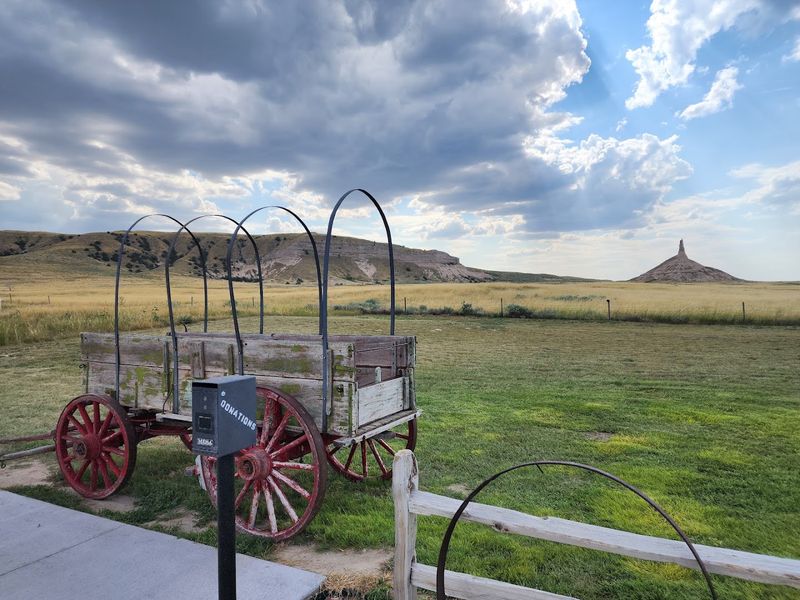
This single rock formation guided more westward travelers than any road sign ever could.
Chimney Rock stands roughly 325 feet above the valley floor. Pioneers spotted it from miles away and recorded it in their journals more than almost any other landmark.
The spire itself is made of ancient volcanic ash and clay. It once stood even taller before erosion slowly wore it down. Today it remains one of the most iconic symbols of the Oregon Trail journey.
A visitor center nearby gives excellent context about trail life. Interactive exhibits explain what pioneer families carried, how long the crossing took, and how dangerous the journey truly was.
You can also walk a short path toward the base for a closer look.
The surrounding prairie is quiet and wide open. On a clear day, the sky feels endless and the rock seems to pierce right through it.
Early mornings are especially peaceful out here, with golden light hitting the formation at just the right angle.
Chimney Rock Museum is at 9822 County Rd 75, Bayard. Spring and fall bring the most comfortable temperatures for exploring the grounds.
This is one of those rare places where a single glance at the horizon connects you instantly to a chapter of American history that shaped an entire nation.
2. Scotts Bluff National Monument, Gering
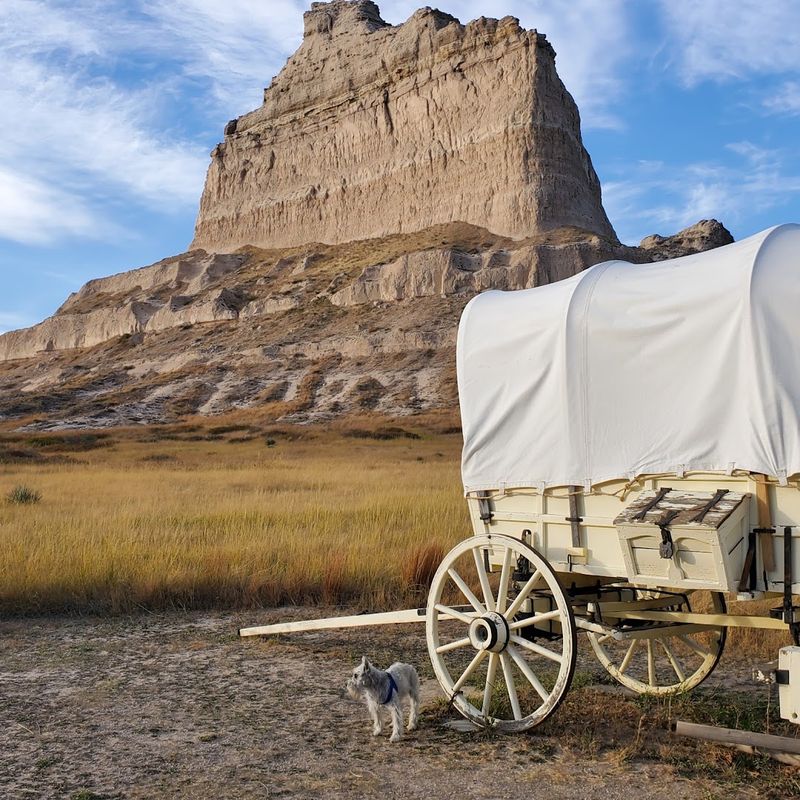
My jaw literally dropped when I first saw those worn grooves cutting through Mitchell Pass.
They are real wagon ruts, pressed into the earth by thousands of wheels rolling west. You can stand right beside them and feel the weight of that journey.
Scotts Bluff National Monument towers over the North Platte River valley in western Nebraska. The bluffs rise nearly 800 feet above the surrounding plains.
Pioneers navigated through Mitchell Pass because the bluffs were simply too massive to go around.
A paved road and a hiking trail both lead to the summit. From the top, you get sweeping views across three states on a clear day.
The perspective alone makes the climb completely worth it.
The monument also has a well-curated museum at the base. It houses original watercolor paintings made along the trail by artist William Henry Jackson.
Those paintings bring the trail experience to life in a way that photographs rarely do. Wildlife is plentiful around the bluffs. Deer, hawks, and prairie dogs are common sightings throughout the year.
Wildflower season in late spring adds bursts of color to the already dramatic scenery. The address is 190276 Old Oregon Trail, Gering. Plan a half day here at minimum.
There is genuinely more to absorb than one quick pass-through allows, and the ruts alone deserve your full, unhurried attention.
3. Ash Hollow State Historical Park And Windlass Hill, Lewellen
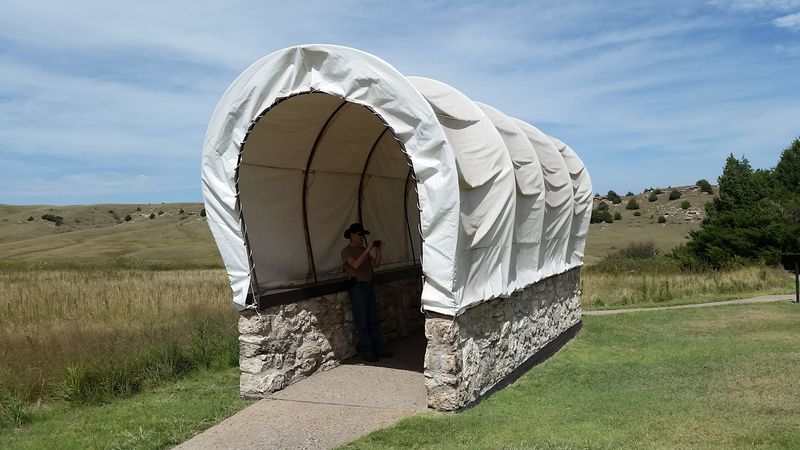
What if one of the most dramatic moments of the entire westward journey happened on a single steep hill in Nebraska?
Windlass Hill at Ash Hollow is exactly that. Pioneers used ropes and log drag brakes to lower their heavy wagons down this treacherously steep slope.
The wagon ruts here are among the deepest and most visible anywhere on the trail. You can walk right alongside them and trace the exact paths those wheels carved.
It is one of the most physically tangible connections to pioneer travel in the entire state.
Ash Hollow itself was a celebrated campsite along the trail. Fresh spring water, shelter from the wind, and shade from cedar trees made it a welcome relief after crossing the open plains.
Journals from the 1840s and 1850s mention it repeatedly with genuine enthusiasm.
The park also contains a cave used by humans for thousands of years before the pioneer era. Archaeological finds from the site include projectile points and animal bones.
That deep timeline adds an extra layer of meaning to an already rich landscape.
Native wildflowers bloom throughout the hollow in spring and early summer. The contrast between the fragile blooms and the rugged ruts is striking.
A small interpretive center near the entrance provides helpful background on both the geology and the history.
Mornings here are calm and cool, making them ideal for a slow, thoughtful walk along the ruts before the day heats up.
4. Courthouse And Jail Rocks, Bridgeport
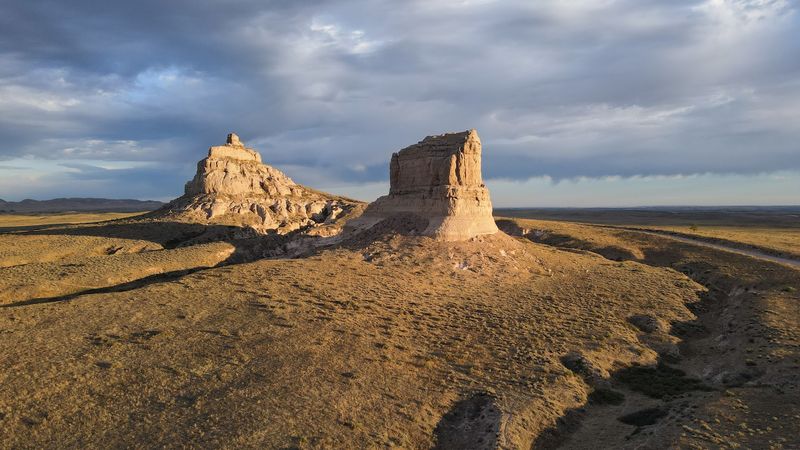
Are you seeing what I am seeing, because these two enormous rock formations look like something dropped from another planet onto the Nebraska prairie.
Courthouse Rock and its smaller neighbor Jail Rock rise dramatically from the flatlands. Pioneers used them as early navigation markers long before reaching Chimney Rock.
These formations sit near Bridgeport in the western Nebraska panhandle. They are made of ancient Brule clay and Arikaree sandstone.
Erosion shaped them over millions of years into their distinctive courthouse-like silhouettes.
There is no formal entrance fee or gate here. You can walk right up to the base and touch the rock itself.
The informality of the access makes it feel like a genuine discovery rather than a packaged attraction.
Hikers who make the climb to the top are rewarded with panoramic views across the surrounding grasslands. The trail is not marked, so you navigate by instinct and terrain.
That sense of independence feels fitting given the pioneer spirit of the area.
Birdwatching is surprisingly good around these formations. Raptors frequently circle overhead, scanning the open prairie below.
Sunsets here are spectacular, painting the rock faces in deep orange and amber tones.
Go early on a weekday if you want the place mostly to yourself. Standing beneath these ancient spires with nothing but wind and open sky is a quietly unforgettable experience.
5. California Hill Oregon Trail Ruts, Brule
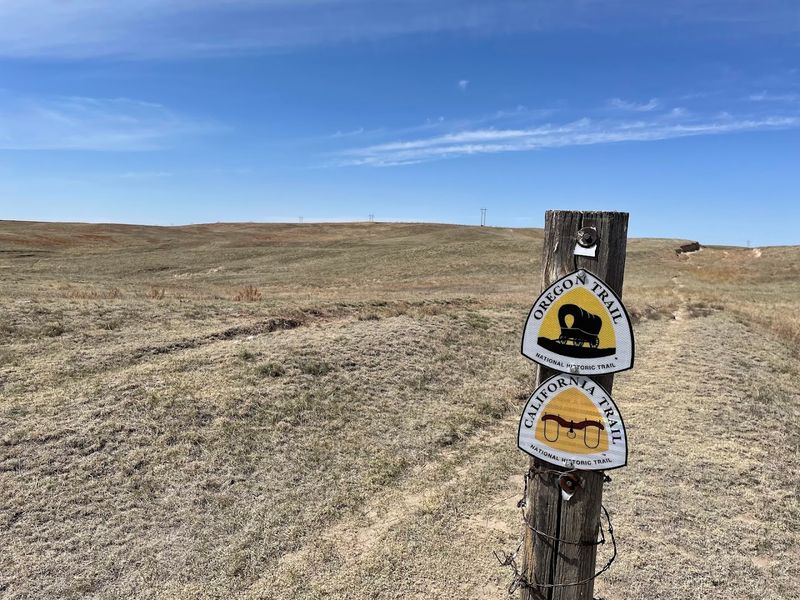
What if the most powerful history lesson in Nebraska is not inside any building at all?
California Hill delivers exactly that kind of outdoor classroom experience. The wagon ruts here cut several feet deep into the earth and stretch visibly across the hilltop.
Located off US-30 west of Brule in Keith County, this is where pioneers faced a challenging climb out of the South Platte River valley. The grade was steep enough that teams of oxen sometimes struggled.
Extra animals were borrowed from neighboring wagons to make the pull.
The ruts at California Hill are exceptional because the soft loess soil preserved them so well. Erosion and farming have destroyed similar ruts in many other locations.
These survived largely because the hilltop was never plowed.
Access is straightforward and the site is low-key by design. There are no crowds, no ticket booths, and no gift shops. Just open sky, prairie grass, and the silent testimony of those deep grooves in the ground.
Photographers love this location in late afternoon when the low sun casts long shadows into the ruts, making them appear even more dramatic. The surrounding landscape is wide and uncluttered, giving every shot a timeless quality.
Pack water and wear sturdy shoes. Walking the ridge beside those ruts, with the wind in your face and nothing but plains ahead, is genuinely one of Nebraska’s most moving outdoor experiences.
6. O’Fallon’s Bluff Trail Ruts, Sutherland
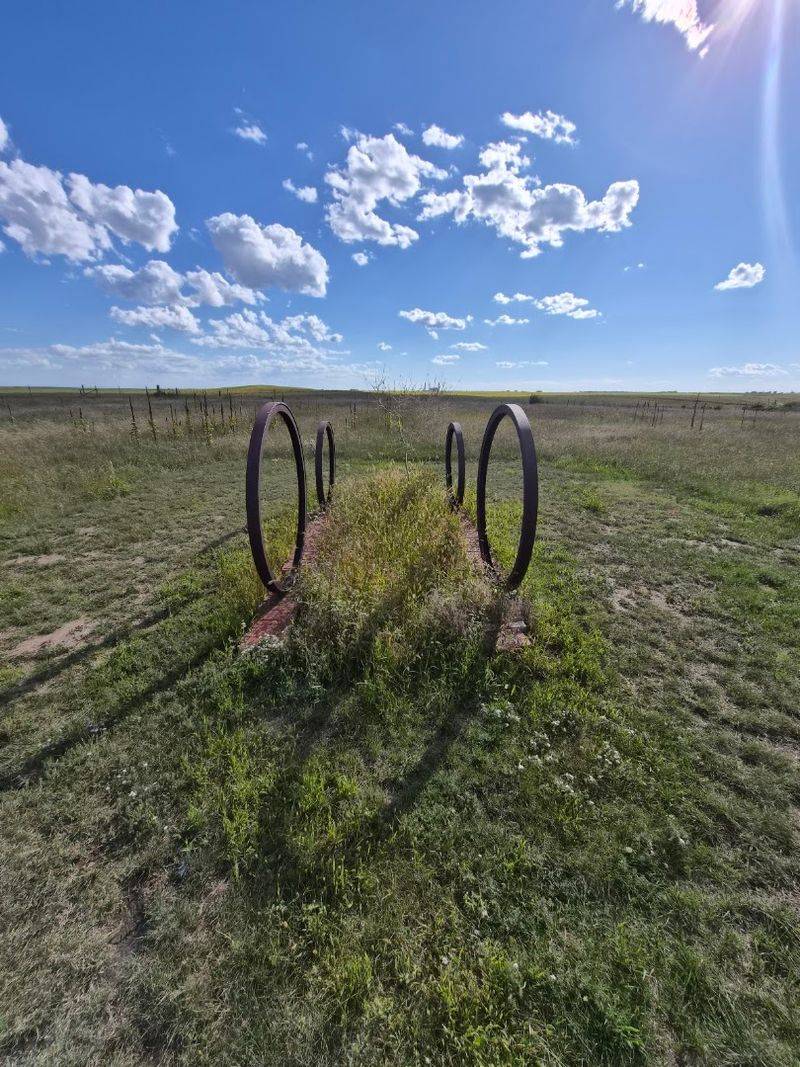
Let’s be real for a second, most highway rest stops are forgettable. The one near Sutherland on I-80 westbound is a completely different story.
Pull off here and you will find genuine Oregon Trail ruts just steps from the parking area.
O’Fallon’s Bluff forced pioneers to navigate a narrow passage between the South Platte River and a ridge of bluffs. The terrain left them with almost no choice of route.
That funnel effect is exactly why the ruts here are so deeply worn and clearly defined.
An interpretive marker at the rest area explains the history in clear, accessible language. You do not need to be a history scholar to appreciate what you are looking at.
The marker does a solid job of putting the ruts in context.
This is one of the most accessible Oregon Trail landmarks in the state. You are already stopping for a break anyway, so adding a ten-minute walk to see real pioneer ruts costs nothing extra.
The combination of convenience and authenticity is hard to beat.
Sunset light hits the bluff terrain beautifully from this angle. The ruts cast long shadows that make them easier to photograph. Early evening in summer is an especially good time to stop here.
This is a brief but surprisingly meaningful stop. Few places in America let you step off a highway and directly onto a path walked by hundreds of thousands of pioneers.
7. Pony Express Station, Gothenburg
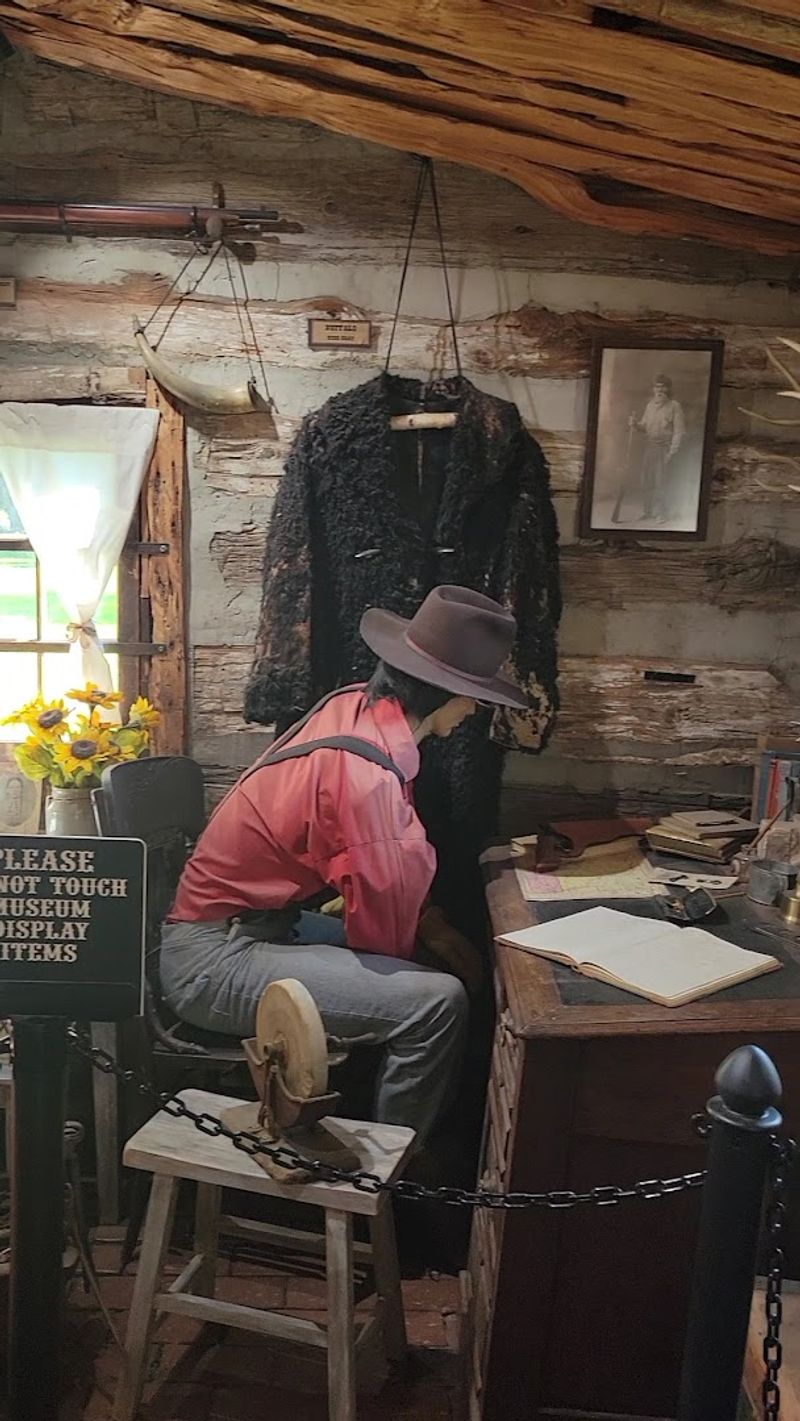
Honestly, you could have knocked me over with a feather when I realized this tiny log cabin once played a role in one of America’s most romanticized communication systems.
The Gothenburg Pony Express Station is a genuine piece of frontier history. It sits quietly in Ehmen Park, easy to miss if you are not looking for it.
The Pony Express operated for only about 18 months between 1860 and 1861. Riders carried mail nearly 2,000 miles between Missouri and California.
The Nebraska stretch was one of the most demanding sections of the entire route.
This station is one of the few surviving relay structures from that era. The cabin was originally built as a fur trading post before being repurposed for Pony Express use.
Its history layers make it richer than a single-purpose building would be.
The park setting is pleasant and relaxed. Families often picnic nearby while kids explore the cabin and read the interpretive panels.
The atmosphere is casual, which somehow makes the history feel more approachable.
A bronze rider statue stands near the cabin, capturing the urgency and grit of the Pony Express mission. It makes for a great photo and a natural focal point for the site.
Local events occasionally bring the history to this museum at 510 15th St, Gothenburg. Summer weekends bring the most activity here. Still, even on a quiet Tuesday afternoon, this small cabin carries a surprisingly big historical punch.
8. Fort Kearny State Historical Park, Kearney
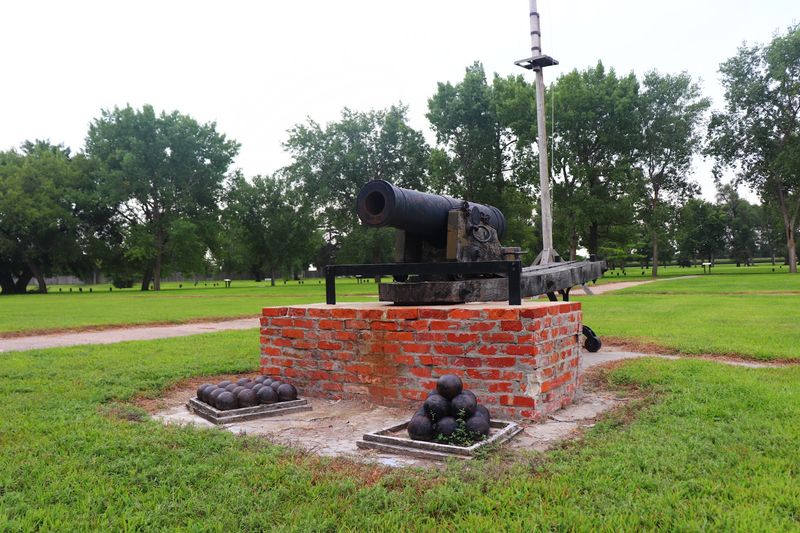
Most people drive through Kearney without realizing they are passing one of the most strategically important sites in American frontier history.
Fort Kearny was the first military post established specifically to protect Oregon Trail travelers. It was their first major landmark after leaving the Missouri River settlements.
The fort was founded in 1848 and served as a critical resupply and safety point. Pioneers could get mail, medical attention, and basic supplies here.
For many families, it was the last organized outpost of familiar civilization for hundreds of miles.
Today the park features a reconstructed stockade, a blacksmith shop, and interpretive buildings filled with period artifacts. Living history demonstrations run throughout the warmer months.
Watching a blacksmith work at a forge while standing on trail-era ground is genuinely transporting.
The surrounding landscape still has the wide, flat character that made the area so strategic. You can easily imagine wagon trains stretched across the horizon approaching the fort.
The sense of open exposure that pioneers felt is still very present.
Sandhill cranes gather near the park in massive numbers each spring during their annual migration. That natural spectacle layers beautifully over the historical significance of the location.
It is worth timing a trip around both events if possible.
The park is at 1020 V Rd, Kearney. Spring and early fall are the most rewarding seasons to explore the grounds and take in everything this richly layered historical park has to offer.
9. Rock Creek Station State Historical Park, Fairbury
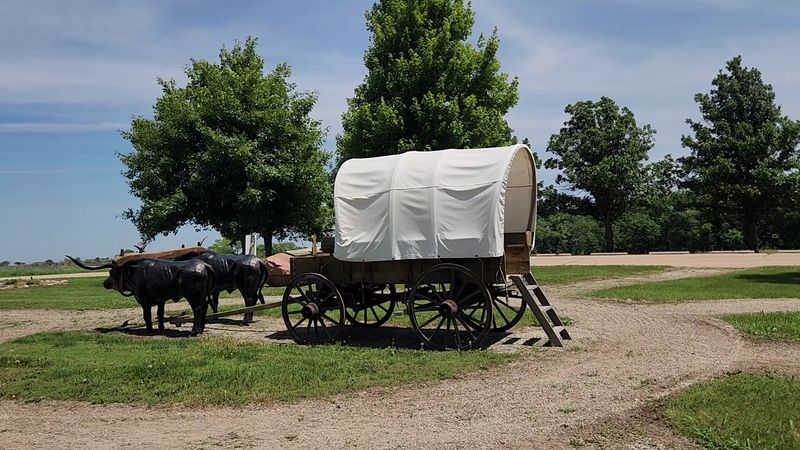
It came completely out of left field, because I expected a small roadside marker and found instead a fully preserved trail station with visible swales stretching across rolling Nebraska grassland.
Rock Creek Station is one of the most complete Oregon Trail historic sites in the entire country. The trail swales here are broad, shallow depressions worn by thousands of passing wagons.
The station served as a toll bridge crossing and a supply stop in the late 1850s. It sits along Rock Creek in Jefferson County, surrounded by the kind of peaceful rural landscape that has changed very little since pioneer times.
The setting feels genuinely removed from the modern world.
Reconstructed buildings include a barn, a stable, and a cabin that reflect what the station looked like during its operational years.
Walking between them gives you a concrete sense of the modest infrastructure that supported trail travel. Nothing is glamorized or overdone.
Hiking trails loop through the site and along the creek. Wildflowers line the banks in spring and butterflies are plentiful in summer. The combination of natural beauty and layered history makes this a rewarding half-day stop.
Fishing is permitted in Rock Creek, adding a relaxing outdoor activity to complement the historical exploration. The creek is small but clear and pleasant. Picnic areas make it easy to settle in and spend a full afternoon.
The address is 57426 710th Rd, Fairbury. Weekdays are quiet here, which makes the trail swales even more evocative when you have them nearly to yourself under a wide Nebraska sky.
10. Mormon Trail Center At Winter Quarters, Omaha
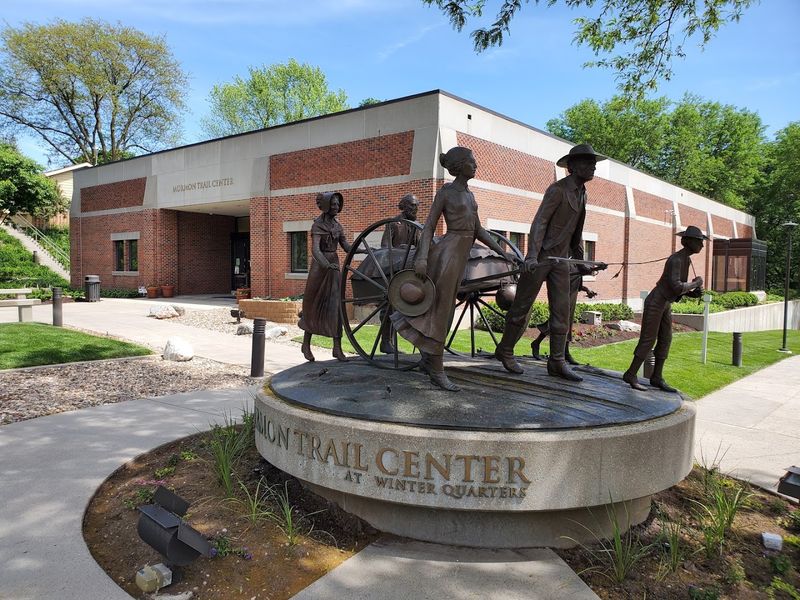
I had to do a double-take when I realized that one of the most significant pioneer departure points in American history sits right inside the city limits of Omaha.
The Mormon Trail Center at Winter Quarters tells the story of the Latter-day Saint exodus west with striking depth and emotional honesty. This is where roughly 6,000 pioneers sheltered through the brutal winter of 1846 to 1847.
The museum features life-size dioramas, original artifacts, and an immersive handcart exhibit that physically demonstrates how much weight pioneers pulled across the plains.
The handcart display alone tends to stop people cold. It reframes endurance in a way that feels immediate and personal.
A historic cemetery adjacent to the center holds the graves of pioneers who did not survive that first winter. The grounds are carefully maintained and deeply respectful in atmosphere.
Walking among the markers is a quiet, contemplative experience.
Interactive stations throughout the museum allow you to explore individual pioneer stories. The personal details, names, ages, origins, and destinations, make the broader migration feel human and specific.
The surrounding neighborhood still carries the name Winter Quarters, connecting the modern urban landscape to its frontier past. Local historical walking tours sometimes depart from near the center.
The blend of city life and pioneer history in one location is genuinely unusual. The address is 3215 State St, Omaha. Plan at least two hours inside.
The stories housed here are layered, moving, and told with a care that rewards anyone willing to slow down and listen.