11 Nebraska Places Where One Historic Bridge, Fort, Or Depot Still Explains Why Towns Took Root
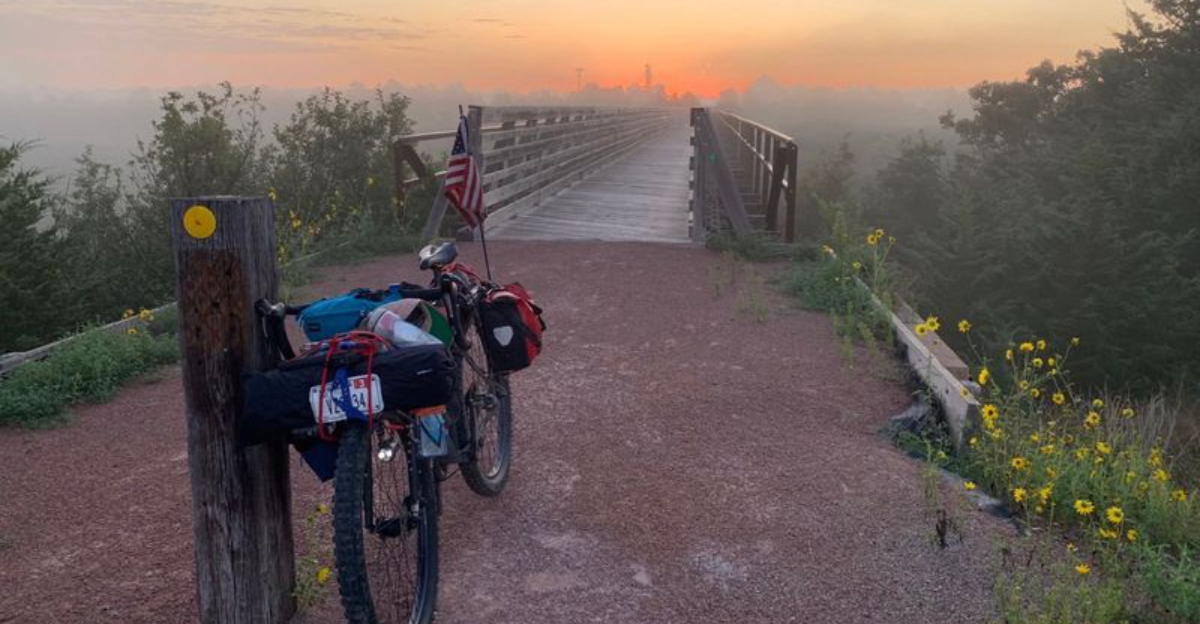
Some towns make more sense once you find the thing that came first.
A bridge. A fort. A depot. One sturdy piece of history can explain why people stopped, traded, and eventually called the place home.
Nebraska has plenty of spots where the old structure is not just a photo stop. It is the clue that makes the whole town’s story click.
Before the cafés, courthouses, and main streets, Nebraska had crossings, tracks, and hard reasons to gather.
These places show how practical history can be. A bridge meant movement. A fort meant protection. A depot meant connection to the wider world.
Around those anchors, communities found their shape. Some grew fast. Some stayed small. Others changed completely, but the original reason still lingers if you know where to look.
That is what makes this kind of trip satisfying.
You are not just seeing old boards, stone, rails, or brick. You are seeing the moment a dot on the map started becoming somewhere.
1. Fort Calhoun, Fort Atkinson State Historical Park
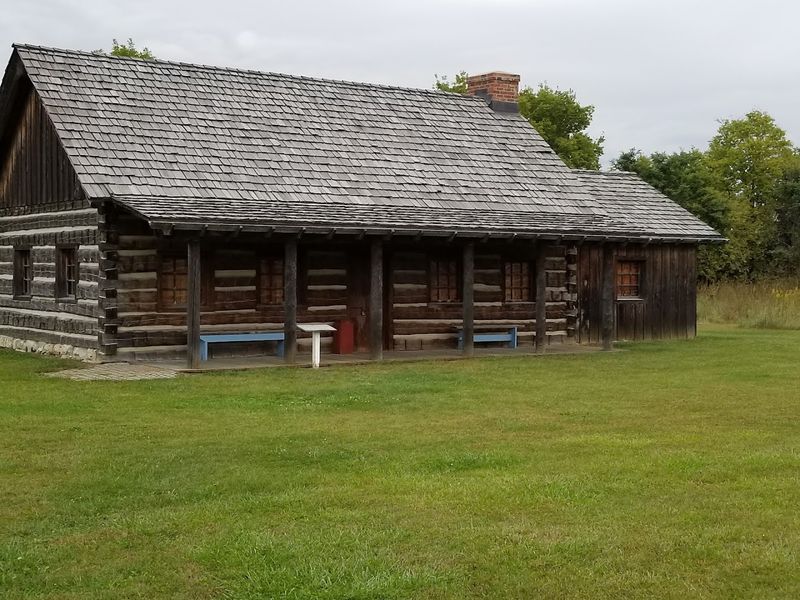
Before any town existed along the Missouri River bluffs of eastern Nebraska, a U.S. Army post was already doing the hard work of holding a frontier together.
Fort Atkinson, established in 1819, holds the distinction of being the earliest and largest American military settlement in what would eventually become Nebraska Territory.
The Harold W. Andersen Visitor Center sits at the heart of the park and welcomes visitors from Memorial Day through Labor Day.
Walking through the reconstructed log fort gives a real sense of what daily military life looked like during the 1820s.
Volunteers in period dress sometimes demonstrate crafts, cooking, and soldier routines throughout summer months.
The park grounds stay open year-round from 8 AM to 5 PM, though visitor center hours follow a seasonal schedule.
A Nebraska state park entry permit is required for access, and a modest admission fee applies at the visitor center.
Fort Calhoun’s identity has circled this site for generations, and the park makes that connection easy to feel firsthand. History here is not abstract – it is laid out in timber, earth, and open sky.
2. Nebraska City, Old Freighters Museum
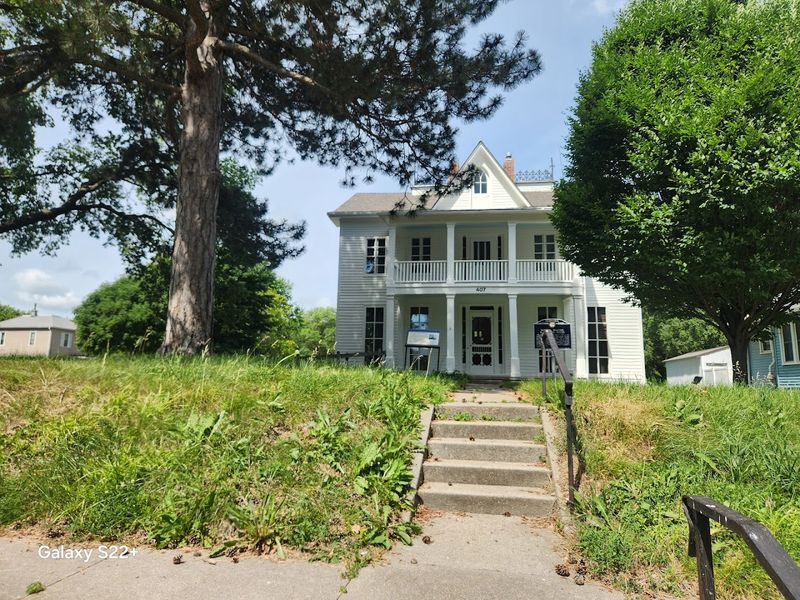
Russell, Majors, and Waddell is not a name most people recognize today, but in the 1850s, that freighting company turned Nebraska City into one of the most active commercial hubs west of the Missouri River.
The Old Freighters Museum preserves the story of that era inside the company’s former office building, giving visitors a direct connection to the supply chains that fed westward migration.
The museum is located at 407 N 14th St, Nebraska City, NE 68410, and explores the full arc of the freighting industry that shaped this town’s early identity.
Exhibits cover the massive wagon trains that rolled out of Nebraska City loaded with military supplies, trade goods, and settler equipment.
The same company that ran those freight lines also launched the Pony Express in 1860, which adds another layer of significance to the building itself.
Guides at the museum tend to bring these stories to life in ways that printed displays alone cannot match.
Admission is considered affordable, and the museum draws visitors who are curious about the Oregon Trail era and the commercial machinery behind westward expansion.
Nebraska City’s founding logic becomes much clearer after spending time inside these walls.
3. Kearney, Fort Kearny State Historical Park
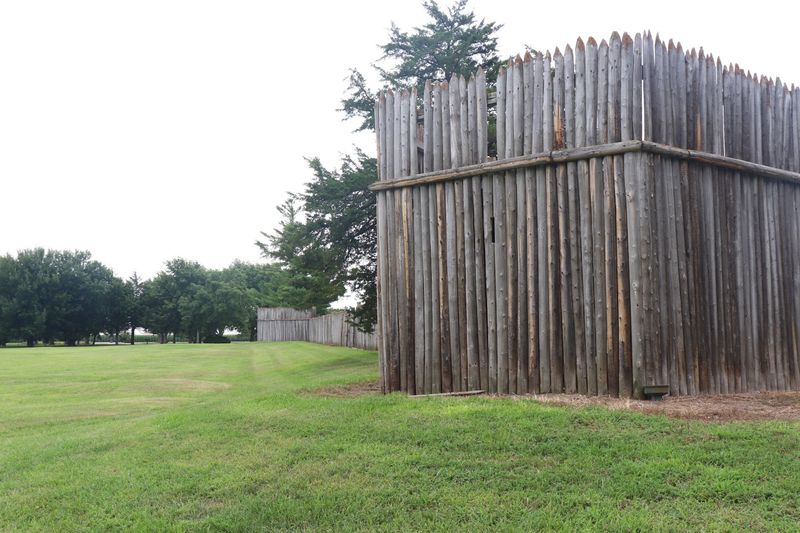
Few places in Nebraska carry the layered trail history that Fort Kearny does.
Established in 1848 specifically to protect emigrants heading west on the Overland Trails, the fort served as a Pony Express home station, a military outfitting depot, and later a key support point for Union Pacific construction crews pushing across the Great Plains.
The visitor center at 1020 V Rd, Kearney, NE 68847, opens daily from 9 AM to 5 PM between Memorial Day and Labor Day and also welcomes Sandhill Crane watchers during early spring.
Original sod and adobe structures did not survive the decades, but several fort buildings including the stockade, powder magazine, and carpenter-blacksmith shop have been carefully reconstructed on the original grounds.
An 18-minute film inside the visitor center walks through the fort’s history with enough detail to orient first-time visitors before they head outside to explore.
The parade grounds feel surprisingly spacious, and the surrounding landscape still reads as wide-open trail country.
A Nebraska state park permit is required for entry, and admission to the visitor center is modest. Kearney’s trail-era importance becomes unmistakably clear once the fort’s timeline is laid out in front of you.
4. Sidney, Fort Sidney Museum and Post Commander’s Home
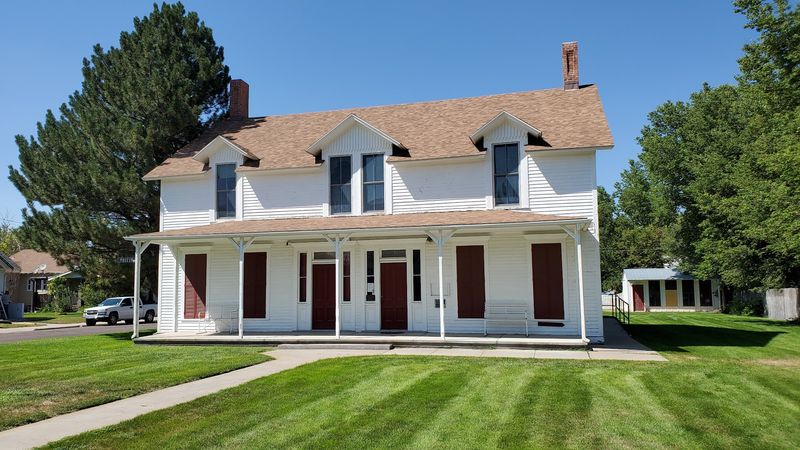
When Union Pacific crews were blasting and grading their way across the Nebraska panhandle in 1867, Sidney Barracks was planted right alongside the tracks to keep the operation safe.
What started as a rough military camp eventually became Fort Sidney, a fully established post that later served as the main supply depot for the Sidney-to-Black Hills trail during the gold rush years of the 1870s.
The Fort Sidney Museum and Post Commander’s Home are located at 544 Jackson St, Sidney, NE 69162, and a handful of original 1870s military structures still stand on the site.
The museum features sixteen themed rooms filled with period artifacts, photographs, and interactive displays that cover the fort’s evolution from railroad guardian to frontier outpost.
The Post Commander’s Home offers a restored interior with furnishings that reflect what officer life looked like during the fort’s active years.
Admission is free for all visitors, which makes it an easy stop for families passing through western Nebraska.
Summer hours run from 9 AM to 5 PM on weekdays and 1 PM to 4 PM on weekends, with off-season visits available by appointment. Sidney’s railroad-and-gold-rush origin story comes through clearly at this site.
5. Crawford, Fort Robinson State Park
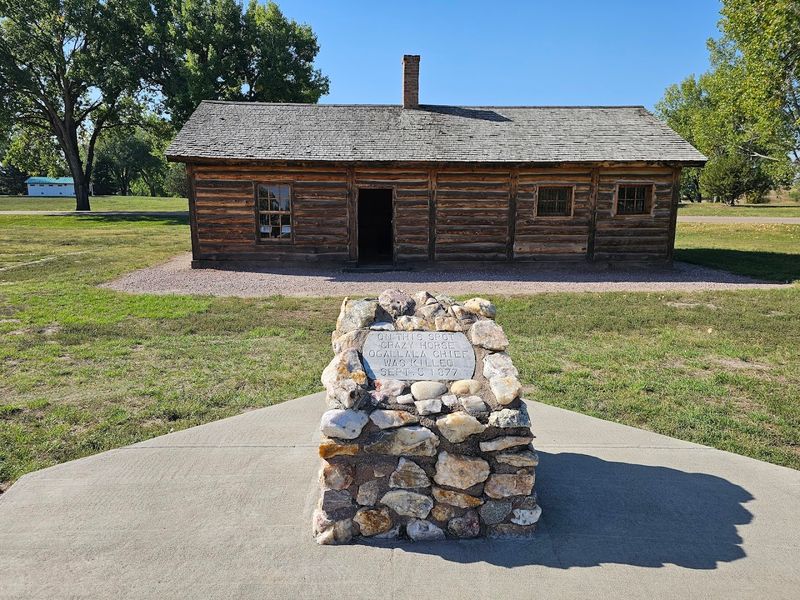
Crawford did not plan to become a town – it sort of materialized around the needs of a fort.
Tent cities popped up near Fort Robinson as soldiers, traders, and workers needed somewhere to sleep and eat that was not inside the military post itself.
Over time that informal settlement became Crawford, a supply and service town tied directly to the fort’s operations.
Fort Robinson State Park now covers more than 22,000 acres and stands as Nebraska’s largest state park.
The park’s history is genuinely layered – the fort witnessed the death of Chief Crazy Horse in 1877, the 1879 Cheyenne Outbreak, and later served as a K-9 training center and a German prisoner-of-war camp during World War II.
Historic and reconstructed buildings are scattered across the grounds, and the Fort Robinson History Center houses museum exhibits that walk through these distinct chapters.
Bison and Texas longhorn herds roam within the park, which adds a visual element that most history sites cannot offer.
The park office keeps weekday hours from 8 AM to 5 PM, extending to around-the-clock access during peak summer season. A state park permit is required for entry.
6. Valentine, Fort Niobrara National Wildlife Refuge Visitor Center
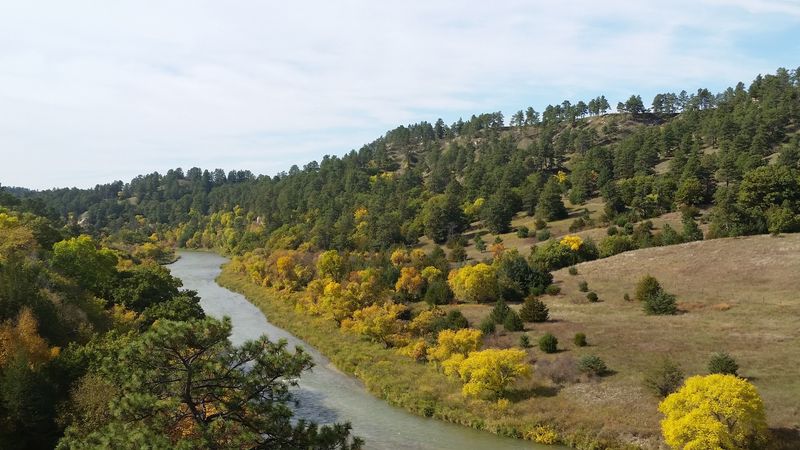
Early economy in Valentine leaned hard on Fort Niobrara, and then the railroad arrived and leaned even harder.
The fort was established in 1879 to manage relations between settlers and the Lakota people, and it stayed active until 1906 before transitioning into a cavalry remount station.
By 1912 the land became Fort Niobrara National Wildlife Refuge, protecting more than 19,000 acres of Sandhills terrain.
The visitor center operates Monday through Friday from 9 AM to 4 PM, with extended daily hours between Memorial Day and Labor Day.
Inside the visitor center, displays cover the fort’s military history alongside fossil exhibits featuring ancient animals discovered in the region’s geology.
Outside, a driving tour route winds through grasslands where bison, elk, deer, and prairie dogs can be spotted at various times of year.
The Fort Falls Hiking Trail offers a closer look at the Niobrara River canyon landscape that made this area so strategically and naturally significant.
Refuge access is free and open year-round during daylight hours, though a small fee applies for launching canoes or tubes onto the Niobrara River. Valentine’s roots run straight through this landscape.
7. North Platte, Golden Spike Tower and Visitor Center
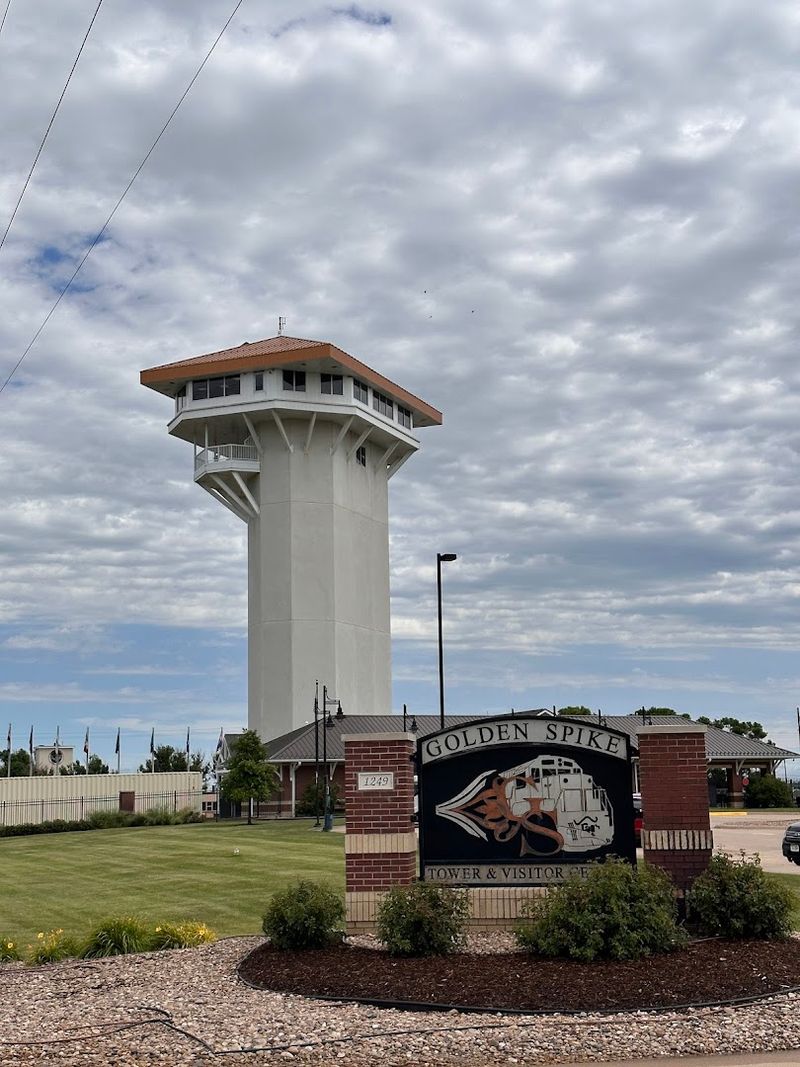
North Platte was not chosen at random – it was plotted deliberately as a railroad town during the construction of the transcontinental railroad, and the rail industry never really left.
Today, Bailey Yard operates just outside the city as the largest railroad classification yard in the world, sorting more than 10,000 railcars every single day across nearly 400 miles of track.
The Golden Spike Tower and Visitor Center gives visitors an eight-story perch from which to watch that operation unfold in real time.
The seventh floor features an open-air observation deck and the eighth floor offers an enclosed viewing area, both providing a scale of view that genuinely surprises most visitors.
Lobby displays trace the history of Union Pacific, the transcontinental railroad’s construction, and Bailey Yard’s development over more than a century.
Former Union Pacific employees often serve as guides and tend to share operational details that no exhibit panel can fully convey.
The tower is open daily year-round from 9 AM to 7 PM, with admission at $12 for adults, $10 for seniors, and $6 for youth ages 6 to 16. Children five and under enter free.
8. Potter, Potter Depot Museum
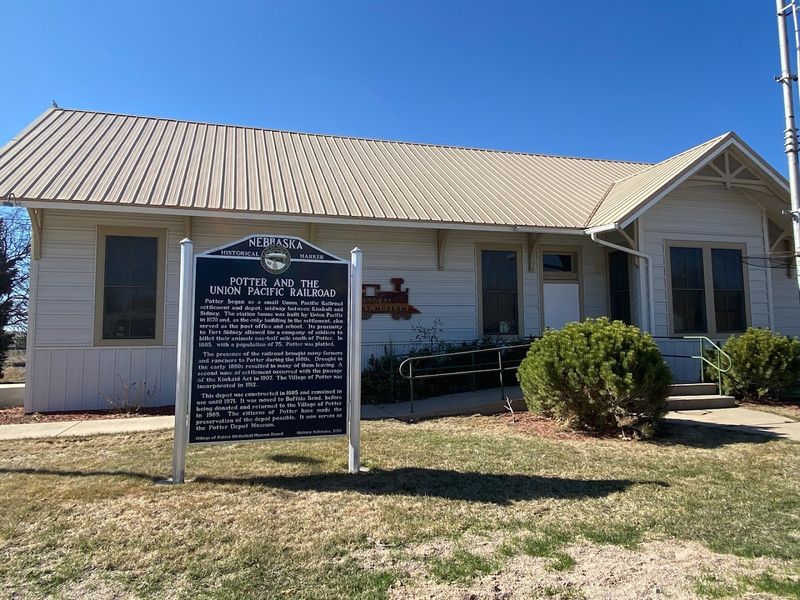
Some towns began with a single building doing the work of several institutions at once, and Potter is one of them.
When Union Pacific established a depot stop here in 1870, the station house served simultaneously as the train depot, the post office, and the town’s first schoolroom.
It was a practical arrangement that reflects how spare and functional early railroad settlements tended to be.
The Potter Depot Museum holds onto that founding story and keeps it accessible to visitors.
The museum opens by appointment and during special community events, so reaching out ahead of a visit is the practical move.
Exhibits inside cover local history with a focus on the railroad’s role in bringing the town into existence and sustaining it through its early decades.
The dedication of local volunteers has kept the collection organized and the building maintained through the years.
Potter sits in the Nebraska panhandle, and the depot museum fits naturally into a road trip that takes in several of the region’s railroad history sites.
The building itself is modest in size, which somehow makes it feel more honest about the small-scale, practical origins of a place like this.
9. Lodgepole, Lodgepole Depot Museum
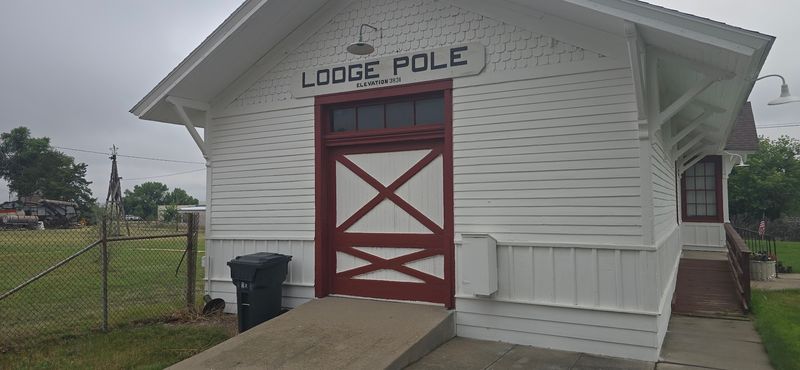
Lodgepole’s entire reason for existing traces back to a single decision made in 1867 – Union Pacific needed a station here, and so a town began.
The depot building that replaced the original structure in 1887 served active railroad operations until 1968, which means it spent over eighty years doing exactly what it was built to do before becoming a museum.
The Lodgepole Depot Museum is open by appointment for visitors who want to explore its collection up close.
Inside, the exhibits cover the town’s history through artifacts that span multiple eras – horse buggies, antique furniture, and early agricultural machinery all share space.
The transcontinental route that Lodgepole sat along carried enormous traffic during the railroad’s early decades, and the depot was a functional node in that system rather than a symbolic one.
Reaching out ahead of time to arrange a visit is straightforward, and the museum’s local caretakers tend to be genuinely knowledgeable about the town’s past.
Western Nebraska has several railroad history sites worth stringing together, and Lodgepole fits comfortably into that kind of itinerary.
10. Elm Creek, Union Pacific Siding Historical Marker
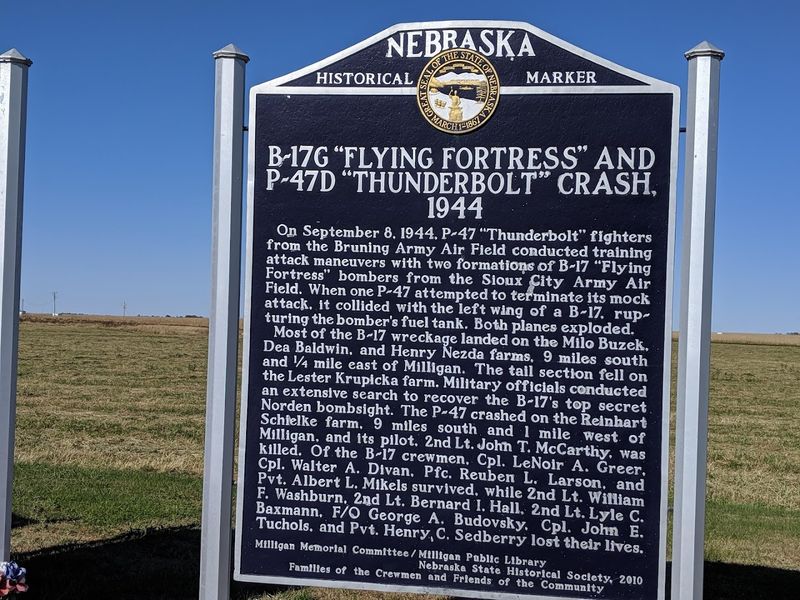
Not every founding story gets a full museum – sometimes a roadside marker is the most honest form a piece of history can take.
Elm Creek began in August 1866 as a Union Pacific Railroad siding during the transcontinental construction push across Nebraska, and the nearby creek provided two things locomotives absolutely needed: water and timber.
That practical combination drew early workers and settlers, many of them Irish emigrants who had been following the rails westward for months.
A historical marker commemorates the siding’s role in the town’s beginnings.
Around 1880, a depot was constructed roughly one mile east of the original siding location, which prompted the village itself to shift and grow around that new hub.
The marker stands as a freely accessible open-air reference point that connects the present-day town to its specific railroad origin.
Stopping here takes only a few minutes, but the context it provides for the surrounding landscape is worth the pause.
Elm Creek sits along a stretch of the Platte Valley where the railroad logic of the 1860s is still readable in the town’s layout and location. The marker makes that logic explicit in a concise and grounded way.
11. Long Pine, Railroad Bridge and Roundhouse History
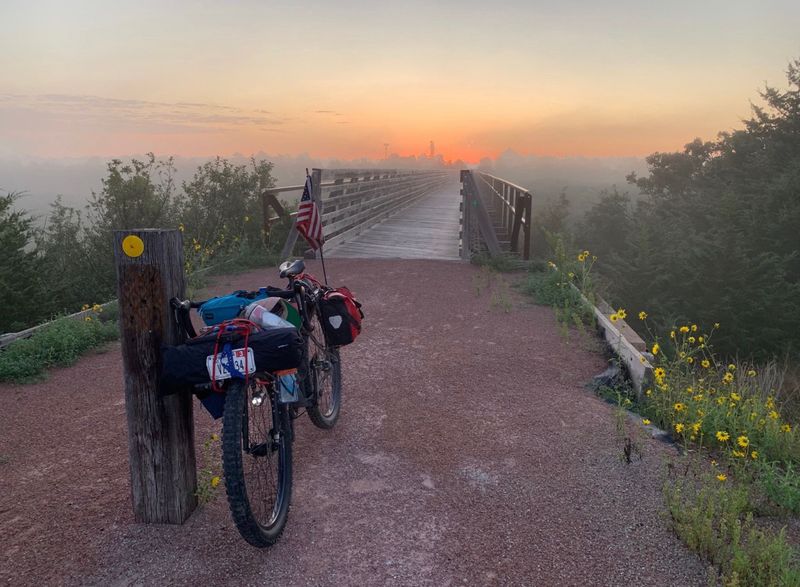
Long Pine earned its place on the map because a railroad needed a division point, and the geography here made sense for one.
When the Fremont, Elkhorn and Missouri Valley line pushed through this part of northern Nebraska, the town grew up quickly around the operational needs of the railway.
The tall railroad bridge that crossed the local terrain helped establish Long Pine as a functional hub rather than just a passing stop.
A roundhouse once anchored the railroad workforce here, giving the town the kind of institutional weight that translated into steady population and commerce.
Division points along a rail line tended to develop more durably than simple siding stops because they required permanent staff and maintenance facilities.
Long Pine still carries some of that railroad-era character in its layout and in the stories that local historical sources preserve.
The bridge and roundhouse history is best explored through the town’s local historical resources and signage, which reflect the community’s awareness of how the railroad shaped its identity.
Pine-covered hills surrounding the valley give Long Pine a distinctly different feel from the flat panhandle railroad towns, making it a worthwhile stop on a northern Nebraska history route.