10 Nebraska Rivers Where Rockhounds Hunt For Agates, Jasper, And Glimmers Of Gold
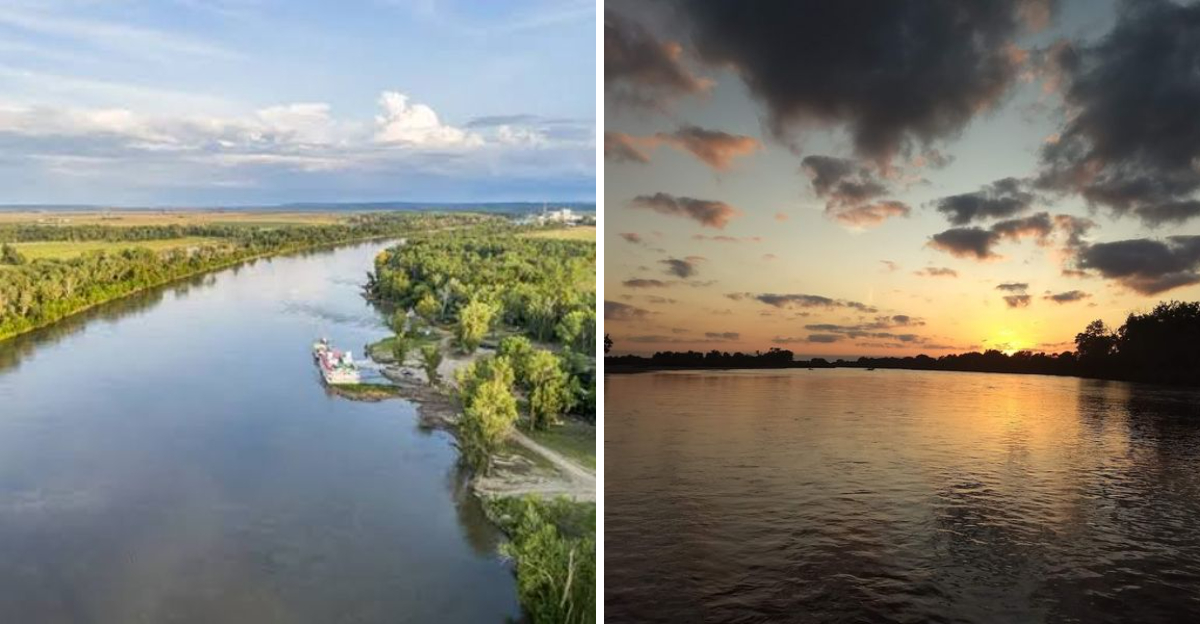
Most people drive through Nebraska assuming the most exciting thing out there is a corn field. They are wrong.
Beneath the gravel beds of Nebraska’s rivers, there are agates banded in red and white, jasper in every shade of earth, and yes, actual glimmers of gold.
People call this rockhounding, but it feels more like being a wild treasure hunter who skipped the treasure map.
You just need a good eye, boots you don’t mind ruining, and the willingness to crouch in a riverbed while the rest of the world does something sensible.
Nebraska has nearly 80,000 miles of rivers and streams. That is a staggering number of places to find something spectacular.
The good news is you don’t need to search all of them.
These rivers give you the best odds of heading home with a pocket full of proof that this state has been sitting on a secret.
1. Platte River
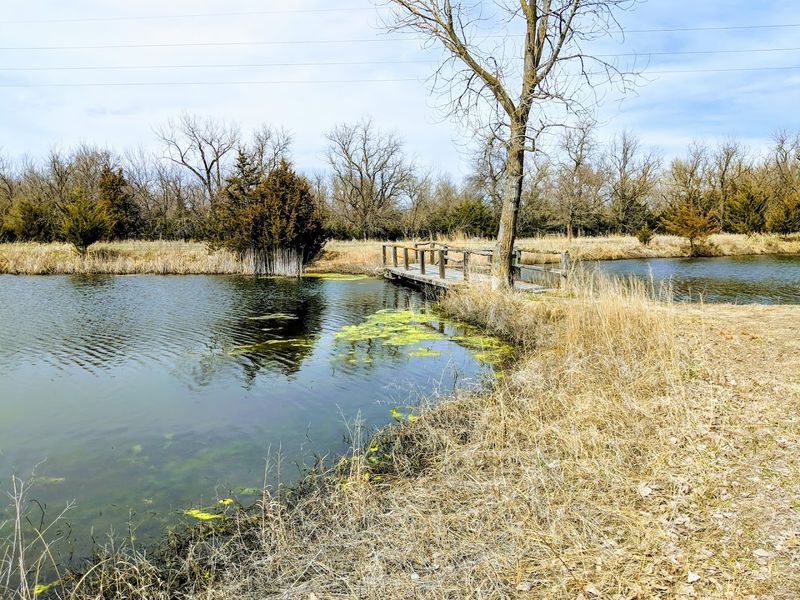
Few rivers in Nebraska get rockhounds as excited as the Platte, and for good reason.
Stretching nearly the entire width of the state, this wide, braided river delivers a constant supply of gravel from the Rocky Mountains, and that gravel is full of surprises.
Agates, jasper, and petrified wood tumble along its bed for miles.
The best spots tend to be the exposed gravel bars that appear during low water in late summer. Walk slowly, keep your eyes down, and look for anything with a waxy sheen or unusual color.
Translucent stones that catch sunlight are worth picking up every single time.
Veteran collectors recommend checking near Lexington and Kearney, where the gravel bars are wide and accessible.
The river is shallow enough to wade safely in most stretches, which makes searching easy and enjoyable.
Bring a bucket, a hand lens, and plenty of water because once you start finding things, stopping is genuinely difficult. The Platte rewards patience more than luck, so slow down and enjoy the hunt.
2. Niobrara River
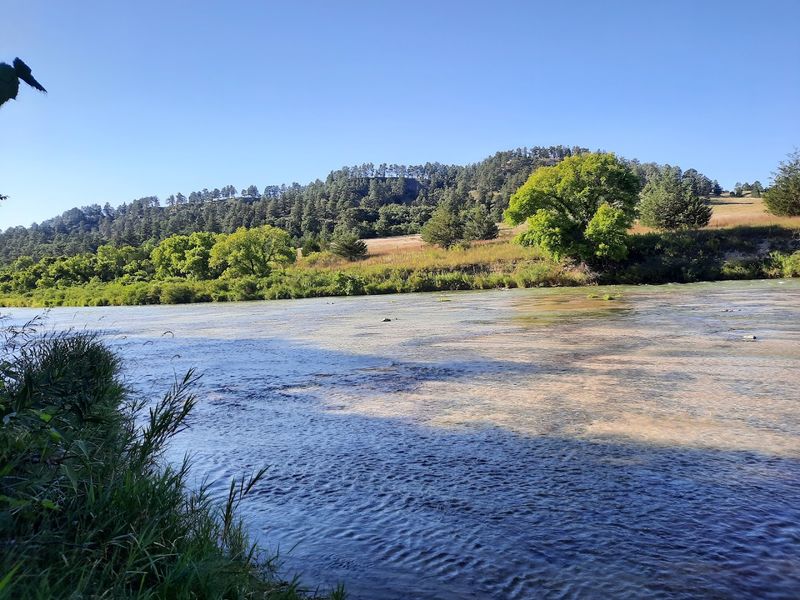
The Niobrara River is basically a rockhound’s dream wrapped inside one of Nebraska’s most scenic landscapes.
Flowing through the northern Sandhills and cutting through ancient sedimentary formations, this river exposes geology that most collectors only read about in books.
It is genuinely one of the most geologically rich rivers in the entire state.
Chalcedony, agate nodules, and petrified wood are common finds along the Niobrara’s gravel bars.
The river cuts through the Valentine Formation and other Miocene-age deposits, which means fossils occasionally show up alongside the mineral specimens. That combination makes every outing feel like a double win.
The stretch near Valentine, Nebraska, is particularly popular with collectors. Access is good, the scenery is stunning, and the gravel is plentiful.
Paddlers who float the river often stop to search the banks, combining a kayaking trip with a treasure hunt.
One thing worth knowing: parts of the Niobrara corridor are protected as a National Scenic River, so always check regulations before collecting.
Respecting the rules keeps this incredible resource open for future generations of rockhounds.
3. Big Nemaha River
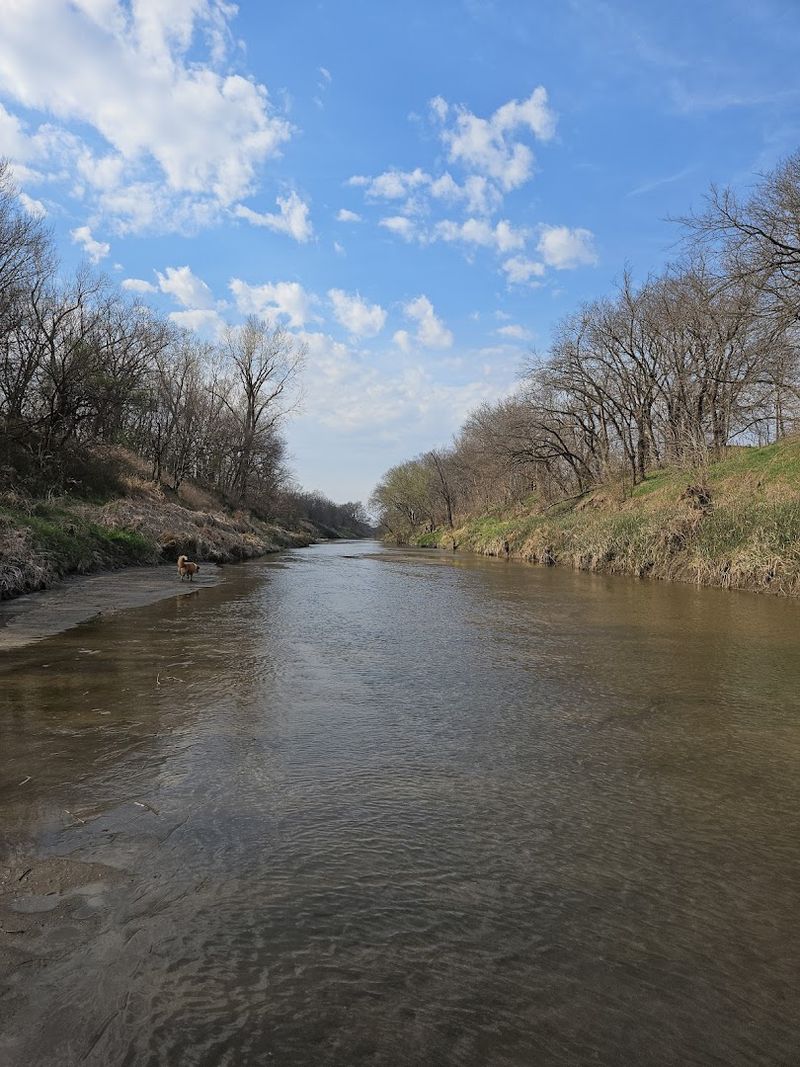
Southeast Nebraska does not always get the rockhounding spotlight, but the Big Nemaha River is quietly delivering some interesting finds to those willing to explore it.
This river drains a large portion of the southeastern corner of the state, picking up material from glacial deposits as it goes.
Glaciers left behind an impressive mix of rocks here, including jasper, chert, and occasional agates.
The glacially transported material is what makes the Big Nemaha worth visiting. During the last ice age, glaciers pushed rocks from as far away as Minnesota and Canada into this region.
That means you might find specimens that have no local origin story, which adds a layer of mystery to every find.
Gravel bars appear after periods of lower water, and that is when searching is most productive. The riverbanks near Falls City and Humboldt offer decent access points for collectors.
The finds here tend to be smaller than what you might score along the Platte, but the variety is impressive. Chert nodules with interesting banding patterns are especially common.
Bring a spray bottle of water to wet stones and reveal their true colors before deciding what to keep.
4. North Platte River
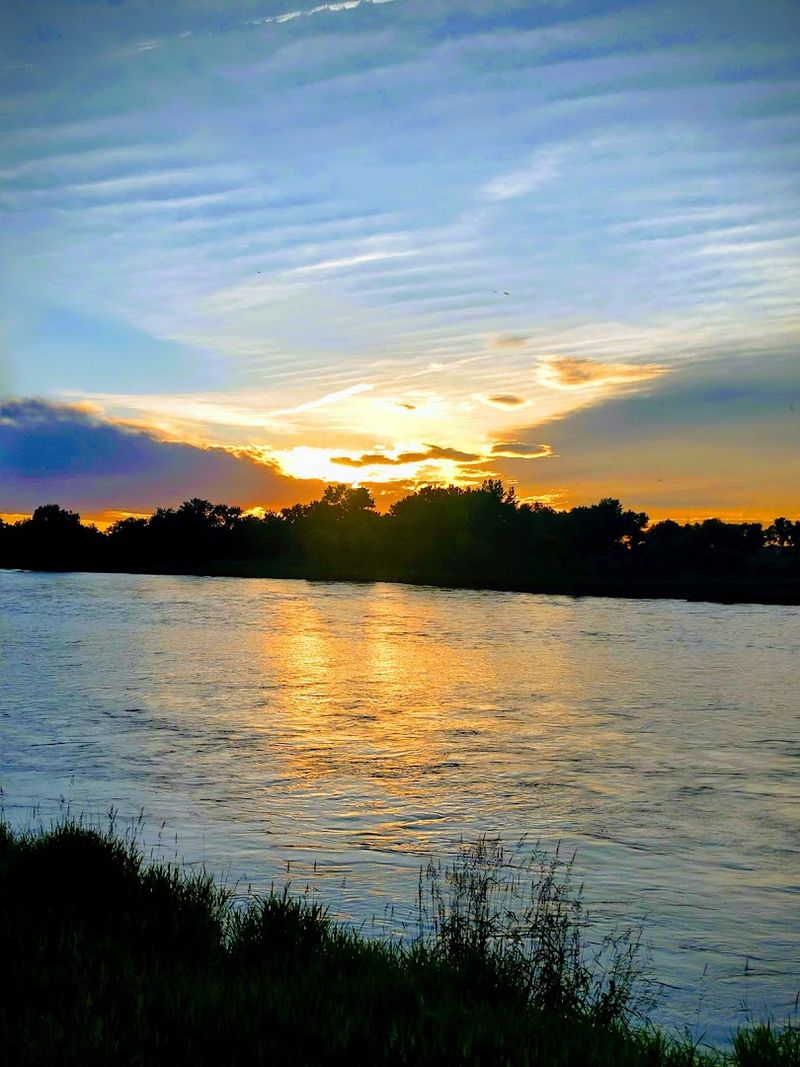
If the Platte River is a great rockhounding destination, then the North Platte is where things get even more interesting.
Originating in Colorado and carving through western Nebraska, this river brings material from the Rocky Mountain region that the lower Platte simply cannot match.
The gravel here has traveled a long way, and it shows in the quality of specimens available.
Moss agates, banded agates, and colorful jasper pieces are among the top finds along the North Platte.
The river corridor near Scottsbluff and Bridgeport is especially productive, and the dramatic scenery of western Nebraska makes the whole experience feel like an adventure.
Chimney Rock is visible from some collecting spots, which is a pretty remarkable backdrop for a gravel hunt.
Water levels fluctuate significantly with seasonal snowmelt, so late summer and early fall tend to offer the best exposed gravel bars. Wear sturdy shoes because the cobbles can be slippery and uneven.
Local rockhound clubs in the Scottsbluff area sometimes organize group outings along the North Platte, which is a great way to learn from experienced collectors.
Beginners especially benefit from seeing what experienced eyes notice that beginners walk right past.
5. Republican River
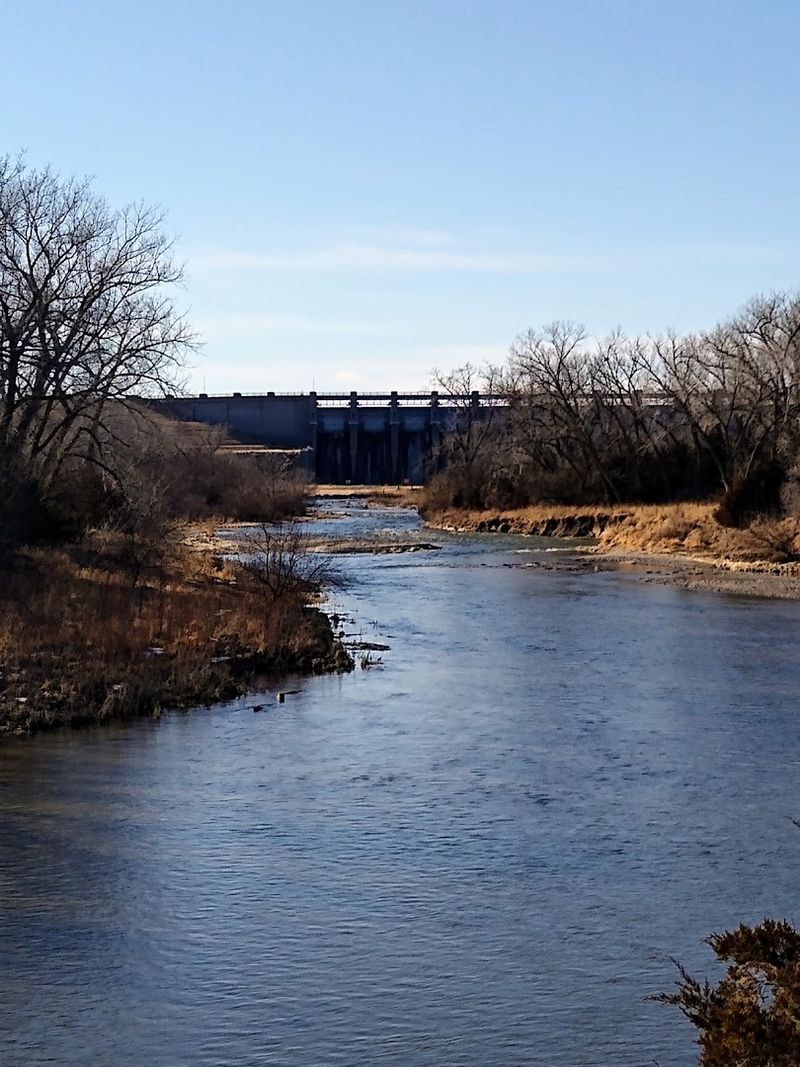
The Republican River runs along Nebraska’s southern border, and it has a reputation among collectors for producing some surprisingly colorful material.
This river drains parts of Colorado and Nebraska before entering Kansas, picking up a diverse mix of rocks along the way. The result is a gravel bar assortment that keeps you guessing with every handful you pick up.
Chert, flint, and jasper are the most common finds along the Republican. Some of the chert pieces show beautiful banding and can be mistaken for agate by newer collectors, which is actually a fun discovery in itself.
Occasional petrified wood pieces also show up, especially after high water events that stir up fresh material from the riverbed.
The area around Harlan County Reservoir is a popular starting point for Republican River rockhounding.
The reservoir’s fluctuating water levels expose different sections of the old riverbed depending on the season, and those exposed areas can be surprisingly productive.
6. Little Nemaha River
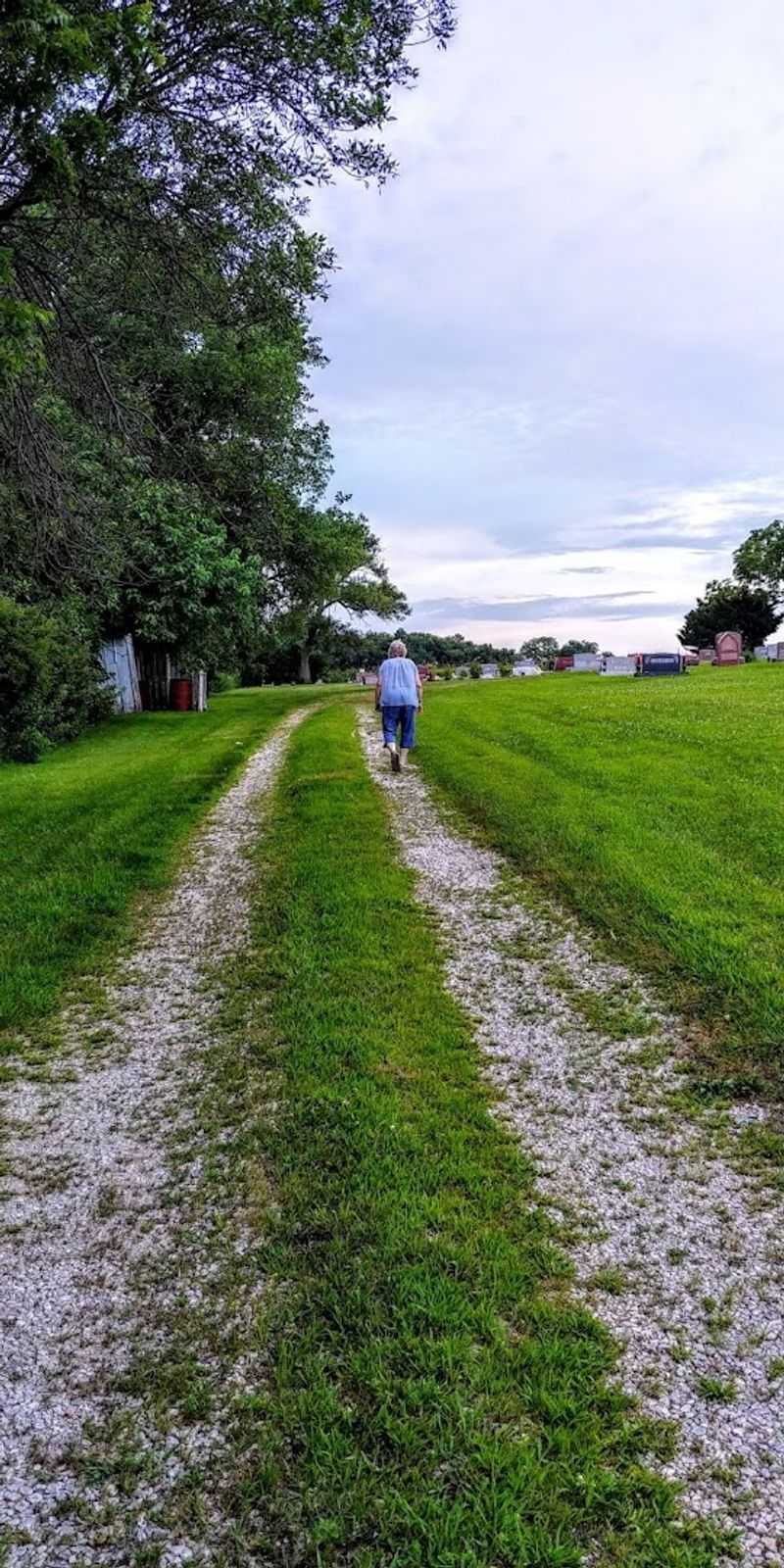
The Little Nemaha River might not sound like a powerhouse of geological riches, but underestimating it is a mistake that many rockhounds make exactly once.
Running through southeastern Nebraska, this smaller river taps into the same glacial till deposits that make its bigger sibling, the Big Nemaha, worth visiting.
The difference is that fewer people search here, which means the good spots are less picked over.
Chert, jasper, and glacially transported quartzite are the most reliable finds along the Little Nemaha.
The quartzite pieces sometimes show interesting color variations, ranging from pink to deep red, and they polish up beautifully if you have a rock tumbler at home.
Finding a piece with natural banding always feels like a small victory.
Access points along the Little Nemaha tend to be rural, so a good map and permission from landowners when necessary are important parts of planning a trip.
The river flows through Syracuse and Auburn, Nebraska, and those towns make decent base camps for a day of collecting.
After rain events, fresh material gets exposed along the banks, making post-storm visits particularly rewarding. Patience and a willingness to explore less obvious stretches of river always pay off here.
7. Loup River
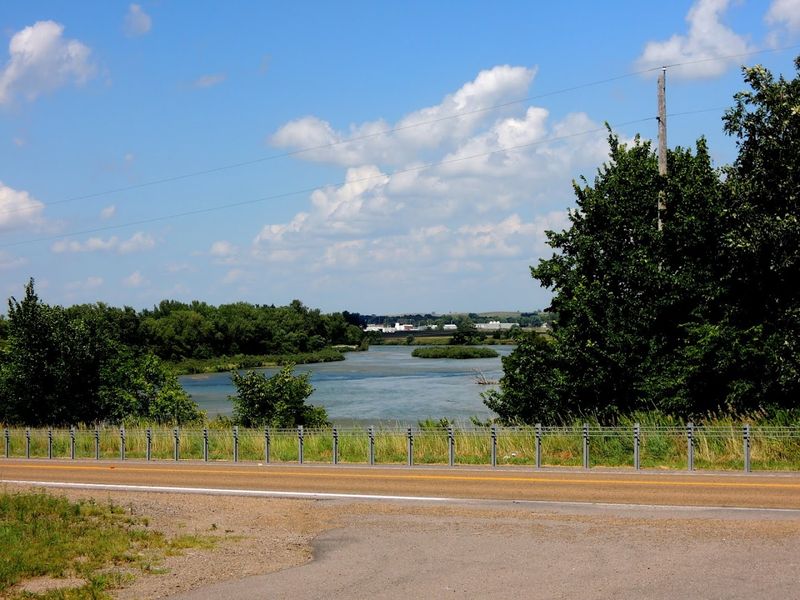
Central Nebraska’s Loup River system is one of the most underappreciated rockhounding destinations in the state, and collectors who know about it tend to keep it close to their chest.
The Loup drains the Sandhills, one of the largest stabilized dune systems in the Western Hemisphere, and its clear, spring-fed water creates excellent conditions for spotting colorful stones on the riverbed.
Agates and petrified wood are the headline finds along the Loup, but chalcedony nodules and occasional jasper pieces round out a solid collection in a single afternoon.
The water is unusually clear compared to other Nebraska rivers, which makes spotting stones while wading genuinely enjoyable rather than a muddy guessing game.
The stretch of the Loup near Fullerton and Genoa tends to produce good material, and the river is accessible at several public road crossings.
Summer is the best season because water levels drop and gravel bars become more exposed.
A polarized lens on your sunglasses is one of the best investments you can make for river rockhounding because it cuts glare and lets you see into the water much more clearly.
The Loup rewards the observant collector who takes time to look carefully.
8. South Loup River
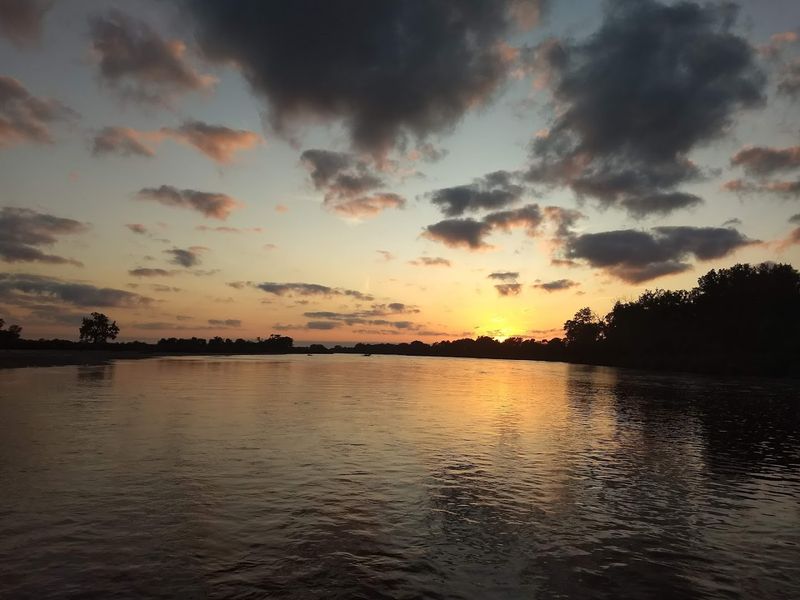
The South Loup River flows through the heart of the Nebraska Sandhills, and it carries a quiet kind of magic that collectors who have visited it never quite forget.
Spring-fed and remarkably clear, this river runs through some of the most remote and beautiful terrain in the state. The isolation actually works in your favor because competition for good spots is nearly nonexistent.
Chalcedony, agate nodules, and petrified wood make up the bulk of what collectors find along the South Loup.
The Sandhills region sits atop ancient river and lake sediments, and the South Loup gradually exposes that material as it meanders through the dunes. Every bend in the river can reveal a fresh gravel bar worth checking.
The area around Callaway, Nebraska, is a good starting point for exploring the South Loup. Road crossings are spaced far apart in this part of the state, so planning your route ahead of time saves frustration.
Carrying a topographic map or a reliable GPS device is strongly recommended.
The rewards for the extra effort are real: collectors regularly find well-formed agate nodules along this stretch that would look right at home in any serious collection.
Bring a good rock hammer and protective eyewear just in case.
9. Missouri River
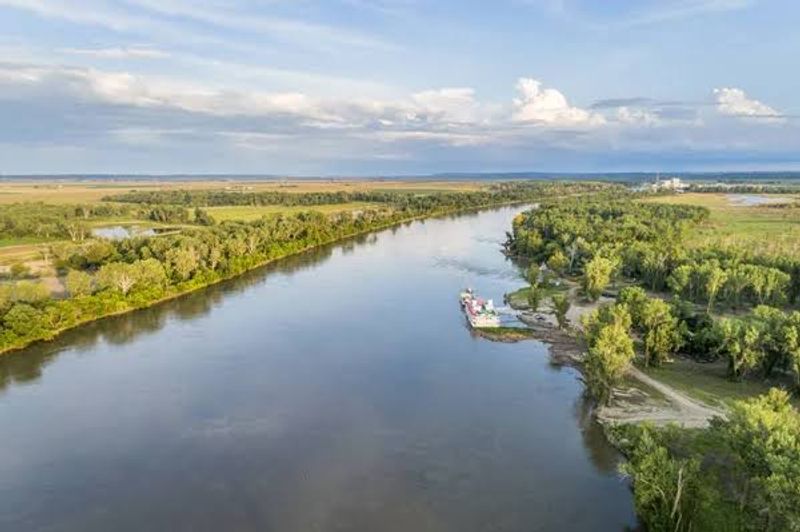
The Missouri River forms Nebraska’s entire eastern border, and it is one of the most geologically complex rivers on the continent.
For rockhounds, that complexity translates into an enormous variety of material washing up along its banks.
Gold panning along the Missouri is a real activity, not just a legend. The river carries fine placer gold that has washed down from upstream sources, and patient panners working the right gravel bars do find color.
The amounts are modest, but finding even a tiny flake of real gold in your pan is one of the most satisfying feelings in outdoor recreation.
Fossil hunting is another major draw along the Missouri. Mastodont teeth, mosasaur fragments, and marine invertebrate fossils have all been found in the river’s deposits over the years.
The area near Ponca State Park in northeastern Nebraska offers good access and a beautiful setting for a full day of exploring.
Always check Nebraska state regulations regarding fossil collection before heading out, since rules vary depending on what you find and where you find it.
10. Big Blue River
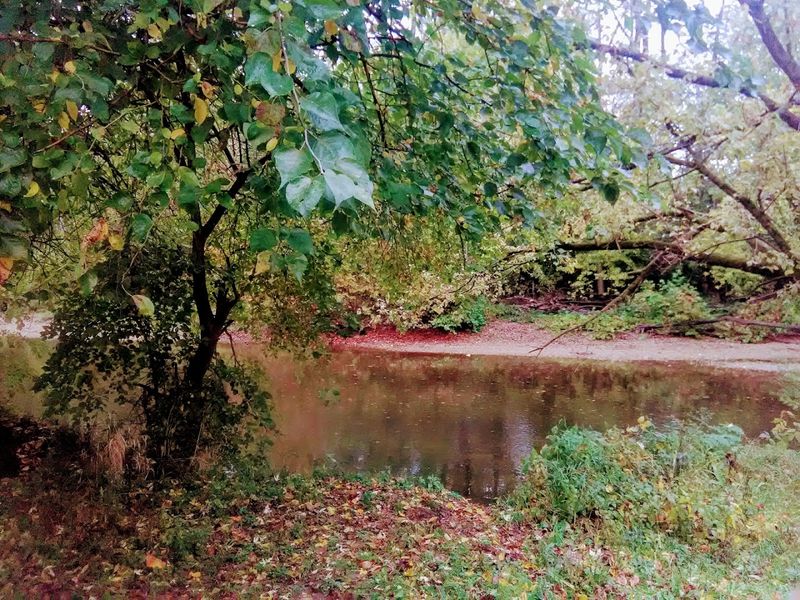
The Big Blue River runs through southeastern Nebraska before crossing into Kansas, and it flows right through some of the state’s richest glacial till territory.
That geology makes it one of the better spots for finding glacially transported rocks, including material that originated hundreds of miles to the north and east.
Every gravel bar is essentially a sampling of an ancient glacier’s cargo.
Jasper, chert, and colorful quartzite are the most consistent finds along the Big Blue. Some of the quartzite pieces show stunning pink and red hues that make them worth polishing.
Occasional agate pieces also show up, especially in areas where the river cuts through older gravel deposits rather than just sandy sediment.
The stretch near Crete and Beatrice, Nebraska, offers some of the most accessible collecting along the Big Blue.
Public river access points exist at several bridge crossings, and local rockhound clubs occasionally organize group outings in this area.
Beatrice is a convenient home base with good amenities for a weekend rockhounding trip.
One practical tip that experienced collectors swear by: always search both upstream and downstream from bridge crossings because gravel tends to accumulate in predictable patterns near bridge pilings and channel bends.
Those spots consistently produce the best material.