11 Nebraska Small Towns Worth Exploring After The Summer Crowds Thin Out
Wait until the inflatable tubes disappear from the car roofs and the busiest patios finally have an empty table.
That is when these towns get interesting in a different way.
The sidewalks breathe again. Parking stops feeling competitive. You can linger over coffee and actually hear yourself think while exploring places that felt much busier only a few weeks earlier.
Fall gives small-town Nebraska a slower rhythm that can make familiar destinations feel almost newly discovered.
Pick a town you usually visit in summer and return after the rush. Take the long way through downtown.
Stop at the place you skipped last time because the line looked ridiculous. Stay for dinner instead of racing home before traffic builds.
These 11 towns reward that second look.
1. Valentine
Few places in Nebraska deliver a sense of raw, unhurried natural beauty quite like this north-central town after the summer tubing crowds have gone home.
The Niobrara River, a designated National Scenic River, winds through deep sandstone canyons and past pine-covered hills, offering canoe and kayak trips that feel genuinely peaceful once the peak season passes.
Wildlife sightings become more frequent, and the canyon walls seem to hold a different kind of light in the cooler months.
Smith Falls State Park, home to Nebraska’s tallest waterfall at nearly 70 feet, remains one of the most rewarding stops in the region.
The park sits at 90159 Smith Falls Rd, Valentine, NE 69201, and the falls are reachable via a short trail and a historic truss bridge spanning the river.
A Nebraska state park entry permit is required and can be purchased on-site or in advance.
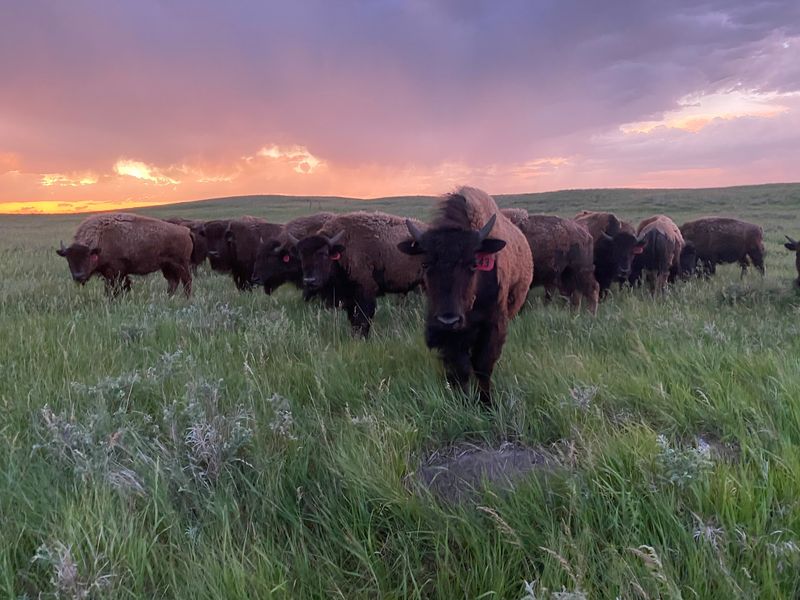
Beyond the river corridor, the expansive Sandhills landscape stretches in every direction, offering trails, open grasslands, and the Fort Niobrara National Wildlife Refuge where bison and elk herds roam.
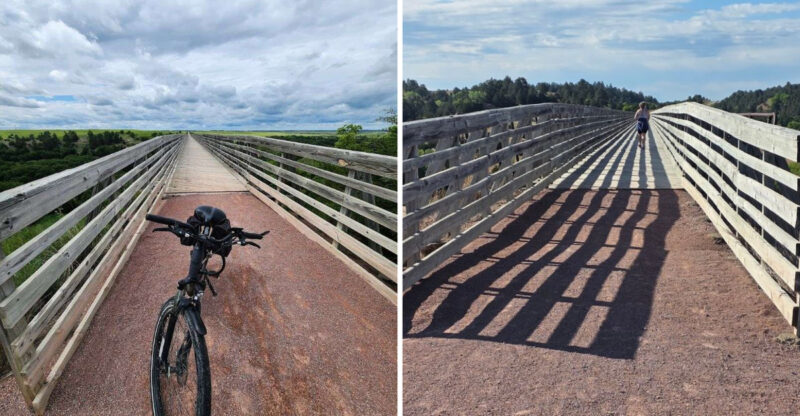
The Cowboy Trail also passes through the area, providing accessible paths for hiking and biking through these quiet, stabilized sand dune landscapes.
2. Chadron
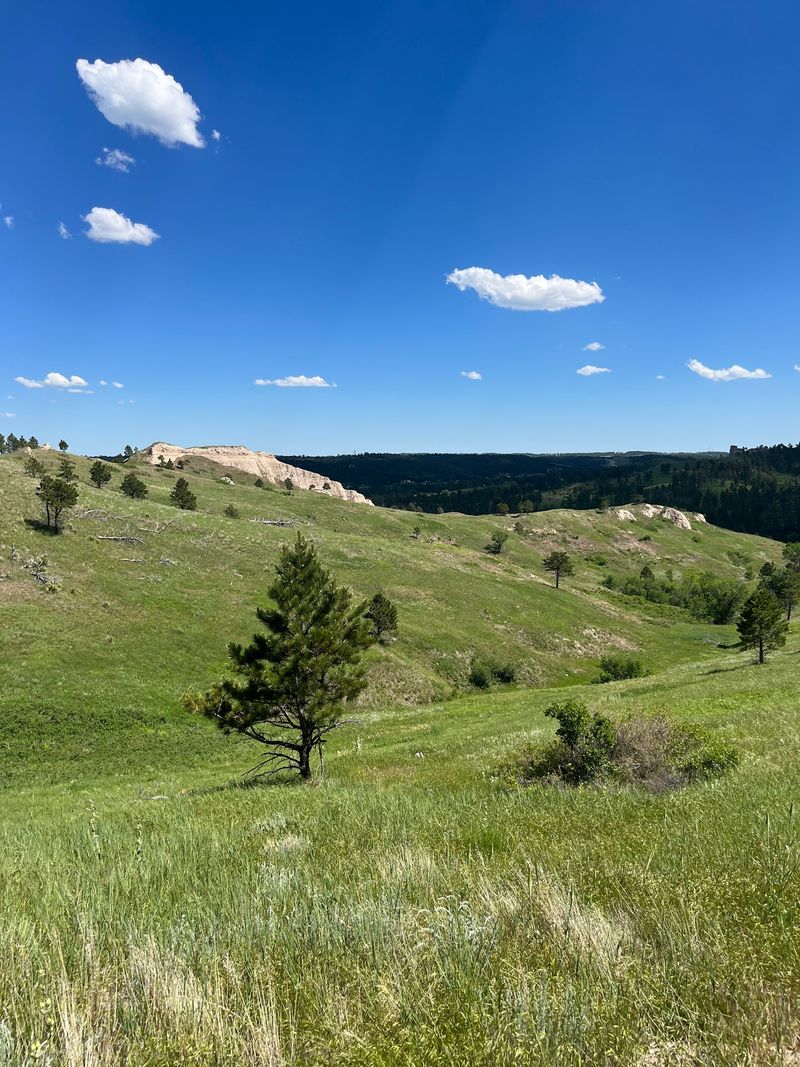
Western Nebraska has a landscape unlike anything in the eastern part of the state, and this town sits right in the middle of it.
Rugged buttes, ponderosa pine forests, and dramatic ridgelines define the Pine Ridge region, and the cooler post-summer temperatures make exploring it genuinely enjoyable.
The shift in season also tends to bring quieter roads and more opportunities for spotting wildlife moving through the hills.
Chadron State Park, Nebraska’s first state park, anchors the outdoor experience here.
Hiking and mountain biking trails wind through pine forests, and horseback riding offers yet another perspective on the terrain.
The park’s atmosphere after the summer rush is noticeably calmer, which suits the kind of slow, observant visit the landscape deserves.
History adds another layer to a visit here. The Museum of the Fur Trade preserves the story of the North American fur trade through an impressive collection of artifacts and exhibits.
Taken together, the outdoor scenery and the historical depth make Chadron a well-rounded base for exploring one of Nebraska’s most visually striking corners.
3. Red Cloud
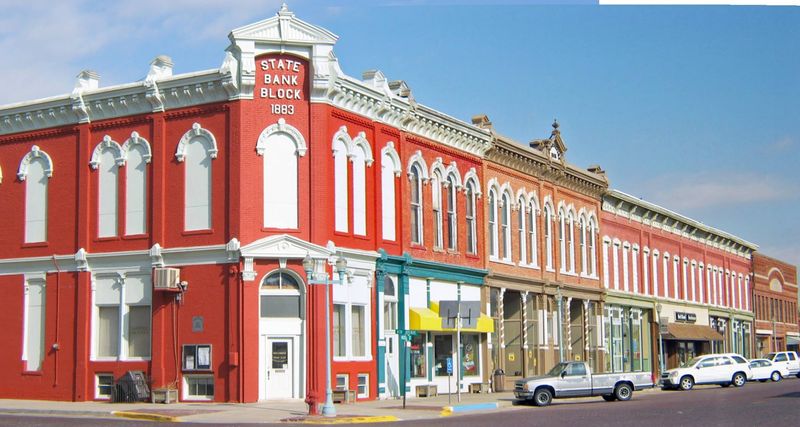
Literary history has a physical address in south-central Nebraska, and it runs right through the streets of this quietly compelling town.
Red Cloud is famously tied to author Willa Cather, who grew up here and returned to its landscapes again and again in her fiction.
Walking the town after summer ends means fewer visitors competing for space inside its carefully preserved historic sites, which makes the whole experience feel more contemplative.
The National Willa Cather Center serves as the heart of that preservation effort.
The center functions as a museum, archive, and educational facility, and it organizes tours of related sites around town including Cather’s childhood home and the historic Red Cloud Opera House.
Each building has been maintained to reflect the era Cather knew, offering a tangible connection to the novels she set in this region.
Beyond the literary attractions, the town’s historic architecture rewards a slow walking tour on its own terms.
The brick storefronts and civic buildings along the main streets carry the kind of quiet dignity that feels more accessible in the off-season.
4. Brownville
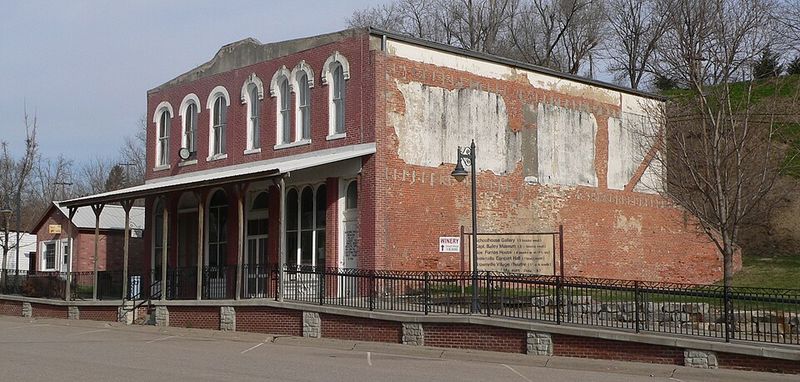
Perched along a bend in the Missouri River, this small southeastern Nebraska village carries the atmosphere of a place that has seen a great deal of history and chosen to hold onto most of it.
The preserved storefronts, brick sidewalks, and river views combine to create a setting that feels genuinely unhurried, especially once the warmer months have passed and visitor numbers drop.
The changing foliage along the riverbanks adds a visual richness to an already picturesque setting.
The Meriwether Lewis Dredge Museum offers one of the more unusual historical experiences in the state, housed within sections of the actual dredge boat.
Exhibits inside explore the history of river navigation and the working life aboard these massive vessels. The quirky, vessel-based setting alone makes it worth a stop.
The arts scene in Brownville adds a lively counterpoint to the historical focus.
The Brownville Village Theatre hosts performances in a historic venue that contributes meaningfully to the town’s cultural identity.
Local galleries and studios along the main street round out the experience, making this village a genuinely layered destination for those who enjoy both history and creative expression.
5. Ogallala
The western Nebraska town of Ogallala carries a well-earned reputation as a former cow town, and that frontier identity still shapes how the community presents itself to visitors.
Historic Boot Hill Cemetery offers a quiet and grounded connection to that past, with markers that reflect the rougher edges of life during the trail drive era.
Visiting in the off-season means more room to wander and reflect without the summer foot traffic.
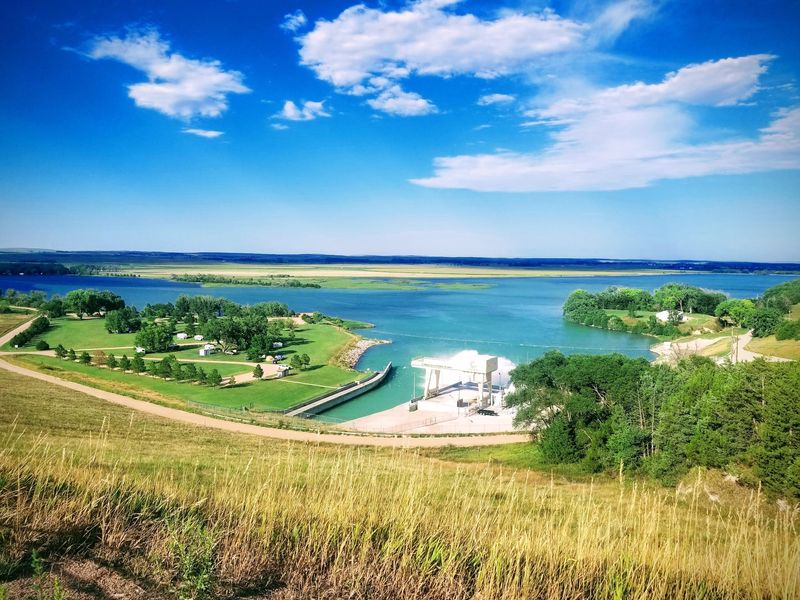
The bigger draw for many travelers is Lake McConaughy, Nebraska’s largest reservoir, which sits just north of town.
After the busy boating season ends, the lake’s wide sandy shoreline and open water take on a different character entirely.
Birdwatching becomes especially rewarding during migration season, and the expansive views of the water and surrounding bluffs reward photographers willing to make the drive.
Kingsley Dam, which created the reservoir, is accessible for viewing near Lake McConaughy Rd.
The scale of the structure is easier to appreciate when crowds are minimal, and the surrounding landscape provides context for understanding the engineering and agricultural history of the region.
Ogallala works well as both a destination and a base for exploring the broader Platte River corridor.
6. Seward
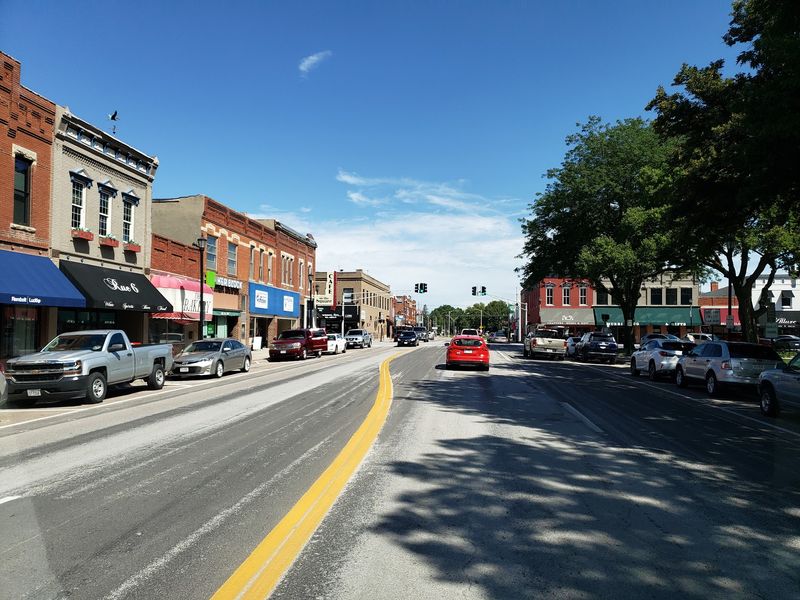
Every Fourth of July, this eastern Nebraska town transforms into one of the state’s most energetic celebrations, drawing visitors from across the region for its renowned festivities.
Once that summer spectacle concludes and the crowds disperse, what remains is a walkable, well-kept small town that reveals itself at a much more comfortable pace.
The transition from summer to fall brings a noticeable calm to the streets that makes exploring far more enjoyable.
The town square anchors the downtown experience, and the Seward County Courthouse provides an impressive architectural focal point.
Mature trees shade the surrounding area, and the open green spaces around the courthouse invite a slow, appreciative walk.
The historic buildings lining the square house a mix of local businesses that reflect the everyday character of the community.
Community parks throughout the town offer additional green space for stretching out and enjoying the cooler weather.
The overall layout of the town is genuinely walkable, meaning a visit here does not require a car to cover most of the interesting ground.
Without the July crowds, Seward shows a quieter side of Nebraska small-town life that is easy to appreciate and genuinely hard to rush through.
7. Burwell
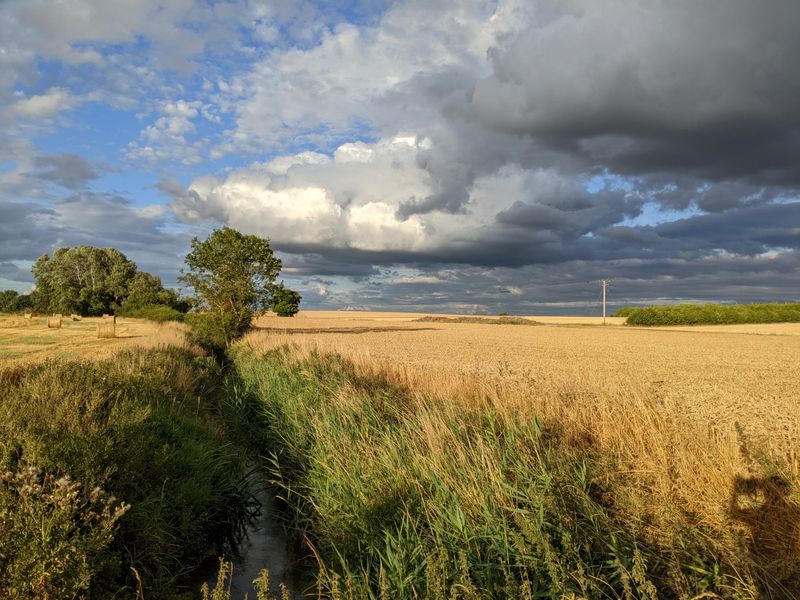
Nebraska’s Big Rodeo puts Burwell on the map every summer, drawing enthusiastic crowds to this Sandhills community for one of the state’s most celebrated western events.
Once the rodeo season wraps up, the town settles back into its natural rhythm, and the surrounding landscape becomes the main attraction.
The rolling Sandhills grasslands and wide, uninterrupted skies create an environment that rewards slow travel and patient observation.
The reconstructed 1870s army post includes original and replica structures such as barracks, an officer’s quarters, and a guardhouse, all set against an open prairie backdrop.
Exploring the fort when visitor numbers are low allows for a more absorbing experience of the preserved buildings and interpretive exhibits that detail frontier military life.
The broader Sandhills environment surrounding Burwell is itself a destination for those drawn to wide-open spaces and natural quiet.
The region’s stabilized sand dunes, covered in native grasses and supported by the Ogallala Aquifer beneath them, represent one of the most ecologically intact landscapes in the Great Plains.
Cooler fall temperatures make walking and exploring far more comfortable, and the lack of crowds adds to the sense of genuine solitude that defines this corner of Nebraska.
8. Neligh
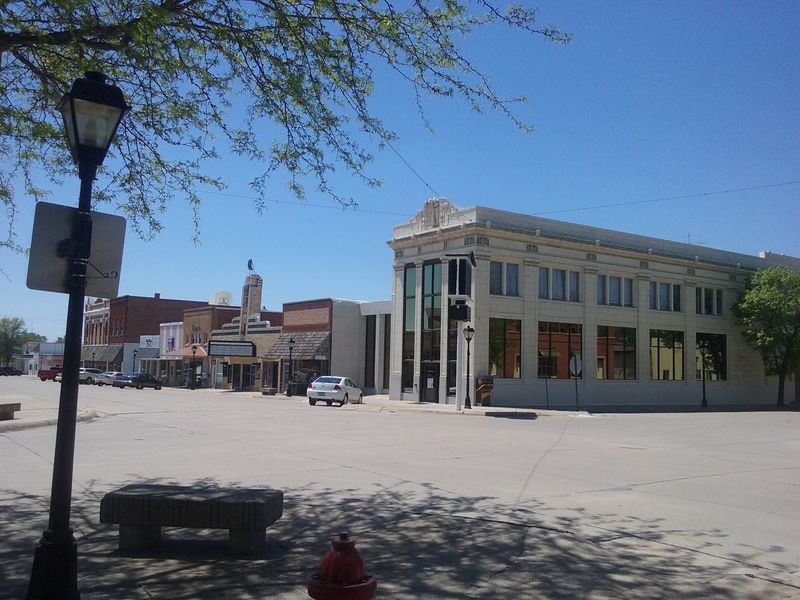
Northeastern Nebraska does not always make the top of travel lists, which is exactly what makes a town like Neligh worth seeking out.
The pace here is genuinely easygoing, and the community’s historic character comes through in its buildings, its streets, and the way the surrounding countryside opens up around it.
Visiting after the peak summer season means fewer distractions and more room to absorb the details that make the place distinctive.
The Neligh Mill State Historic Site stands as the town’s most significant attraction.
The preserved 19th-century grist mill retains much of its original machinery, offering a rare look at the industrial processes that once sustained rural Nebraska communities.
Interpretive exhibits inside explain how the mill operated and what it meant to the local economy during its working years.
Beyond the mill, the town’s main streets offer a pleasant environment for a relaxed walk, with historic storefronts and civic architecture that speak to the community’s past.
The unhurried atmosphere of the off-season supports the kind of visit where a traveler can stop, look closely, and actually absorb what they are seeing.
Neligh rewards patience, and the quieter months provide exactly the right conditions for that kind of thoughtful exploration.
9. O’Neill
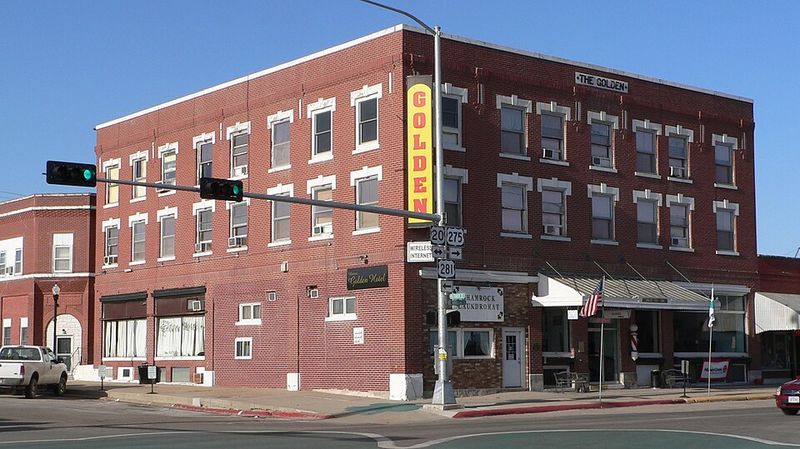
There is a large shamrock painted at a central intersection in O’Neill, and it is not decorative whimsy.
The town has carried the title of Irish Capital of Nebraska with genuine pride for generations, and that heritage shapes everything from local traditions to the way the community tells its own story.
Arriving here outside the busiest months means the historic downtown is accessible without the summer rush, and the brick-paved main street invites a genuinely unhurried stroll.
The Holt County Courthouse anchors the civic heart of the community with architectural confidence.
The building reflects the kind of civic investment that characterized growing Nebraska towns in the late 19th and early 20th centuries, and it remains a well-maintained landmark worth a close look.
The surrounding area gives a sense of how the town was designed to function as a regional center for north-central Nebraska.
As a hub community in the region, O’Neill also works well as a base for exploring the surrounding natural landscapes and neighboring small towns.
The local dining and commercial district along the main street provides practical stops for travelers moving through the area.
The calmer post-summer atmosphere makes conversations with locals easier and the overall experience of the town more personal and memorable.
10. Cozad
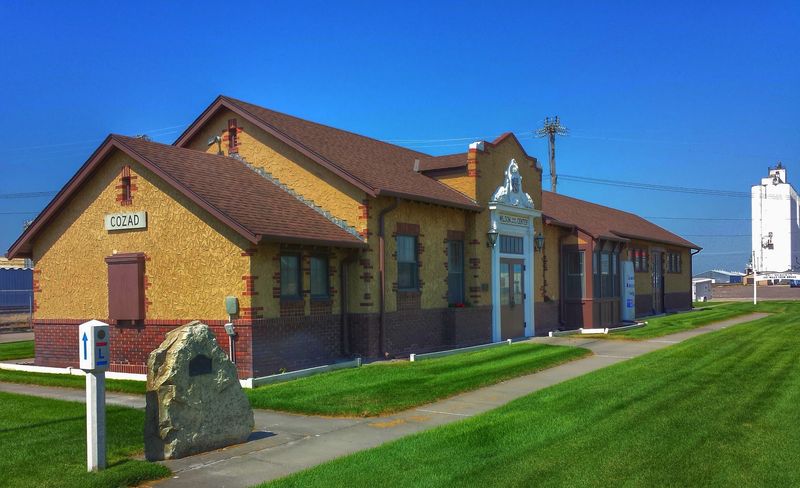
Central Nebraska’s Haymaker District runs through a stretch of communities that have invested in creative identity, and Cozad stands out as one of its most interesting stops.
Public art installations appear throughout the downtown area, often referencing the agricultural heritage and westward settlement history that defined the region.
The creative energy feels organic rather than manufactured, and the cooler months give visitors space to engage with it without the distraction of crowds.
The 100th Meridian Museum focuses on the geographical and historical significance of the 100th meridian, a line that played a meaningful role in shaping American settlement patterns and agricultural policy.
Exhibits explore the challenges faced by early settlers in the region and the innovations they developed in response.
The museum provides a grounding context for understanding the broader landscape that surrounds the town.
Walking through the downtown district reveals a layered environment where historic architecture and contemporary creativity exist side by side.
Murals and sculptures complement older brick facades, and the overall effect is a main street that rewards slow exploration.
The post-summer pace of Cozad suits exactly this kind of visit, where the goal is not to check off attractions but to spend time with a place and let its character come through naturally.
11. Harrison
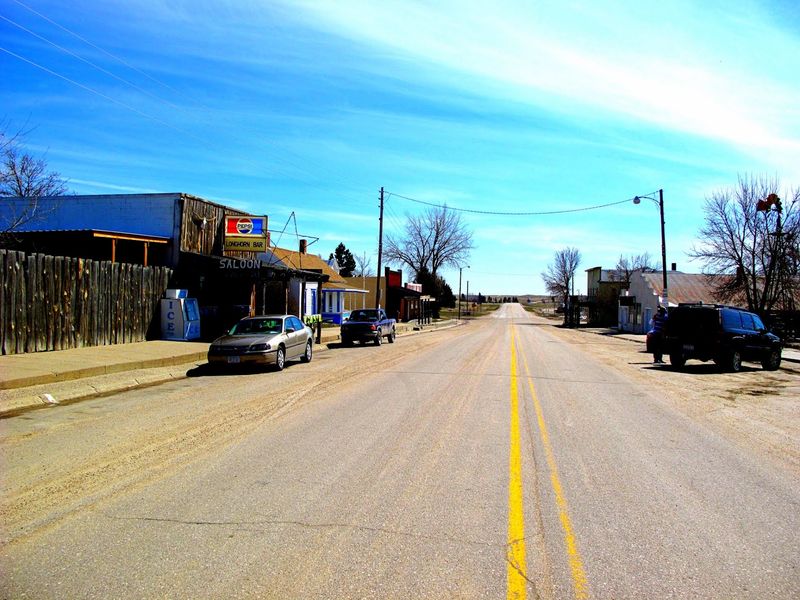
Remote is not a drawback in Harrison, it is the whole point.
Sitting in the far northwestern corner of Nebraska as the state’s northernmost and westernmost county seat, this tiny town is surrounded by rugged buttes, open grasslands, and a landscape that genuinely feels untouched.
After summer ends, the sense of solitude here deepens considerably, and the absence of other travelers becomes part of what makes the experience so memorable.
The biggest draw in the area is Agate Fossil Beds National Monument, located a short drive south of town.
The monument preserves a remarkable collection of Miocene-era mammal fossils, and the visitor center provides exhibits that explain the ancient ecosystems these creatures inhabited millions of years ago.
Walking trails lead past actual fossil quarries, offering a rare and grounding encounter with deep prehistoric time.
Harrison is also included among Nebraska’s 2026 Passport communities, a designation that reflects the town’s growing recognition as a destination worth seeking out.
The night skies above this remote corner of the state are exceptionally clear due to minimal light pollution, making stargazing a genuine highlight of an overnight stay.
The combination of paleontological history, dramatic western scenery, and profound quiet makes Harrison one of the most distinctive small-town destinations Nebraska has to offer.