13 Nebraska Spots That Make People Rethink Everything They Assumed About The State
Nebraska gets underestimated so often that it could probably roll its eyes by now.
People hear the name and think they already know the story. Flat roads. Farm fields. Maybe a quick drive-through with snacks from a gas station.
Then the state starts proving them wrong in the most satisfying ways.
Nebraska has range, and it is not shy about showing it.
There are places here that feel strange, beautiful, peaceful, and far more memorable than the stereotype allows.
A single stop can change the whole conversation.
One view makes the landscape feel bigger. One odd attraction makes the road trip better.
That is what makes these spots worth paying attention to.
They do not beg for hype. They just quietly wreck old assumptions and leave visitors wondering what else they missed.
1. Toadstool Geologic Park, Harrison
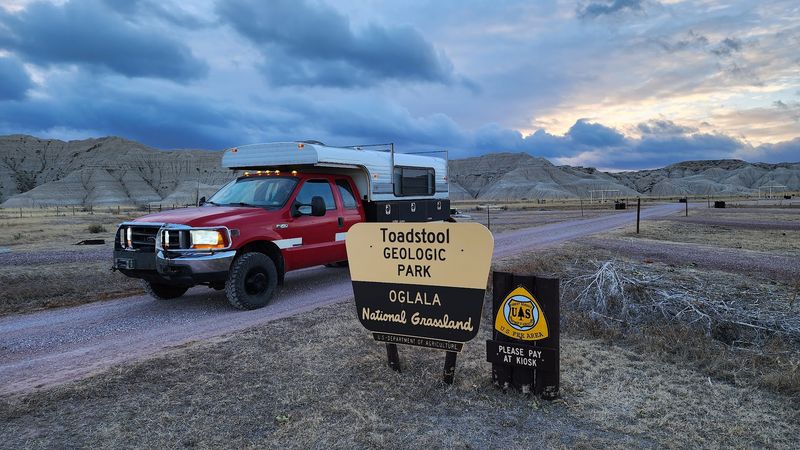
Located within the Oglala National Grasslands near Harrison, Nebraska, the landscape is defined by pale sandstone and clay formations that have been slowly sculpted by wind and water over millions of years.
The shapes are strange and stacked, with wide flat tops balanced on narrow eroded bases that give the park its name.
Fossils found here date back more than 30 million years, making every trail walk feel like a quiet journey through deep time.
Short hiking paths wind through the formations, and the terrain stays manageable for most visitors without requiring advanced gear or experience.
The overall mood is dry, quiet, and genuinely eerie in the best possible way.
There are no crowds pushing through, which adds to the raw and unfiltered experience of the place. Toadstool is the kind of stop that resets expectations about what Nebraska can look and feel like.
2. Smith Falls State Park, Valentine
At 63 feet tall, Smith Falls is Nebraska’s highest waterfall, and the reaction from first-time visitors tends to be genuine disbelief.
The park sits along the Niobrara River near Valentine, Nebraska, a stretch of water that earned National Scenic River designation and was recognized as North America’s first International Quiet Trail in 2023.
Getting to the falls involves a short hike through a wooded canyon that feels completely removed from the open prairie just miles away.
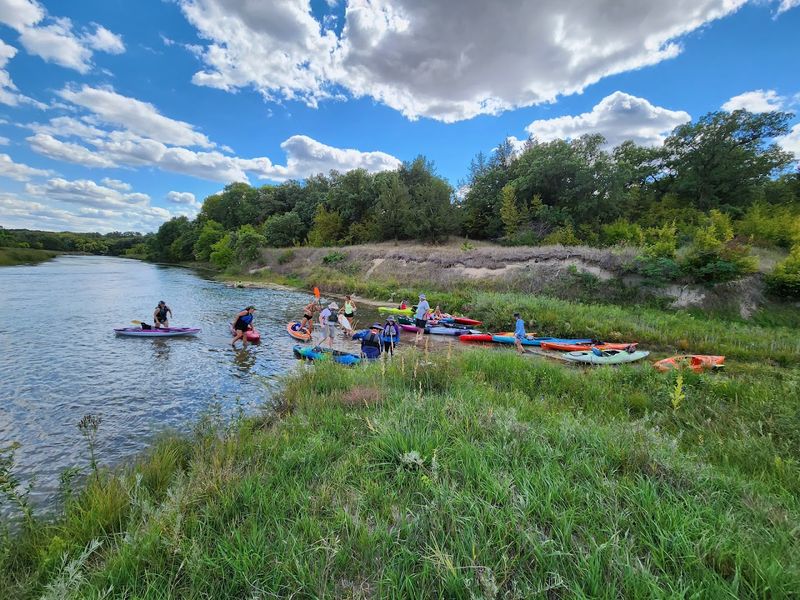
The Niobrara River adds a full layer of seasonal activity to the area, with floating, kayaking, and camping drawing visitors throughout the warmer months.
The sound of moving water and the shade of surrounding trees create a cooling, immersive atmosphere that feels more like the Pacific Northwest than the Great Plains.
Camping options within the park allow for overnight stays that stretch the visit well beyond a quick afternoon stop.
3. Ashfall Fossil Beds State Historical Park, Royal
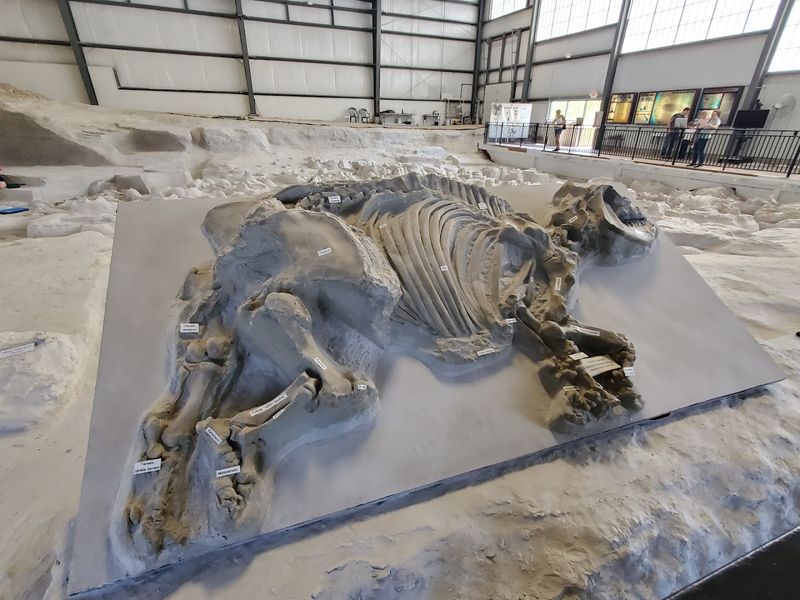
Around 12 million years ago a massive volcanic eruption blanketed a Nebraska watering hole in ash, preserving the animals that gathered there in extraordinary detail.
Ashfall Fossil Beds State Historical Park near Royal, Nebraska protects that site today, offering visitors a close look at more than 200 complete skeletons still embedded in the ground where they fell.
The species include ancient rhinos, three-toed horses, barrel-bodied camels, and saber-toothed deer, none of which most people associate with Nebraska at all.
The main covered excavation building called the Hubbard Rhino Barn allows visitors to walk directly above the fossil layer on elevated platforms, watching ongoing research up close.
Interpretive displays explain the volcanic event, the animals’ behavior, and the preservation process in language that connects well for all ages.
The experience leans more toward a natural history documentary than a typical state park visit.
Seasonal hours apply, so checking ahead before visiting helps avoid a wasted trip.
4. Scotts Bluff National Monument, Gering
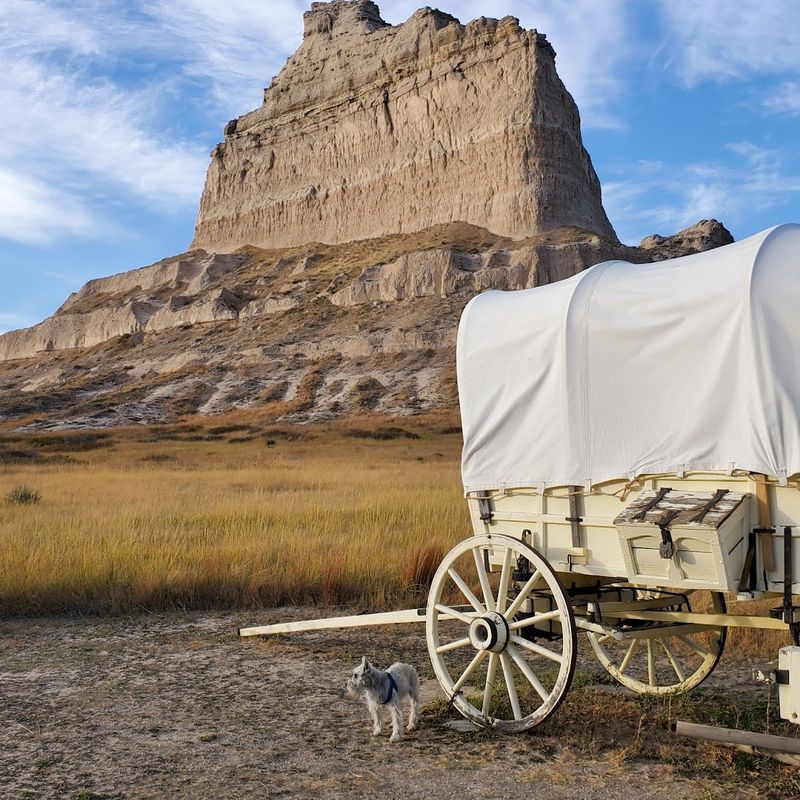
Few places in Nebraska deliver a visual gut-punch quite like Scotts Bluff National Monument.
Rising dramatically above the North Platte River valley near Gering, Nebraska, the bluffs climb hundreds of feet and offer sweeping views that stretch far into Wyoming on a clear day.
The monument preserves one of the most significant landmarks along the historic Oregon Trail, a route that carried hundreds of thousands of westward-bound travelers through this exact corridor.
Trails wind both around and up the bluffs, with the summit road offering an alternative for those who prefer driving to hiking.
The visitor center at the base provides detailed Oregon Trail history including original wagon ruts that remain visible nearby.
The combination of geological drama and human history gives the site a layered depth that pure nature parks sometimes lack.
The light in the late afternoon hits the sandstone in warm tones that make the entire scene feel cinematic without any effort.
5. Carhenge, Alliance
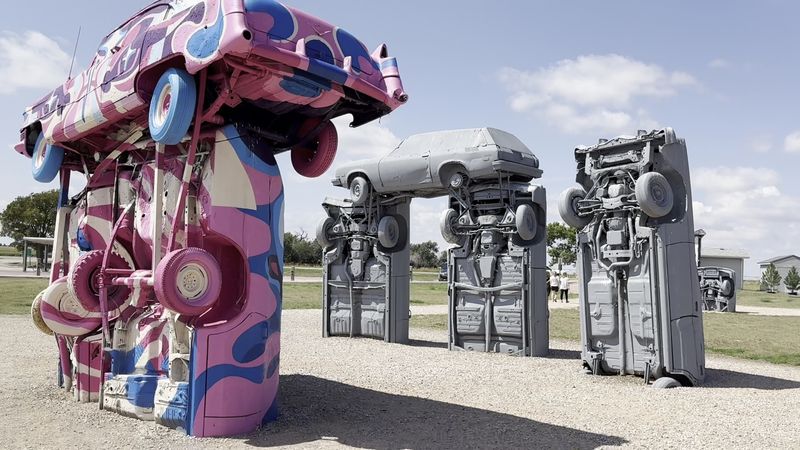
Out on the open plains west of Alliance, Nebraska, a circle of vintage cars rises from the flat ground in an arrangement that is immediately recognizable and completely absurd in the best possible way.
Carhenge is a full-scale replica of England’s Stonehenge constructed from 38 automobiles, all painted gray to mimic the look of the original stone monument.
The project was built in 1987 by a local artist as a tribute to his father, and it has been pulling curious travelers off the highway ever since.
The scale of the installation surprises most visitors, who expect something smaller and find instead a genuinely imposing structure that photographs dramatically against the prairie sky.
Walking among the upright and stacked cars gives a strange sense of both humor and reverence, as if the piece is simultaneously a joke and a sincere homage.
A small surrounding sculpture garden adds additional car-based art pieces that extend the experience beyond the main circle.
6. Sandhills Journey National Scenic Byway
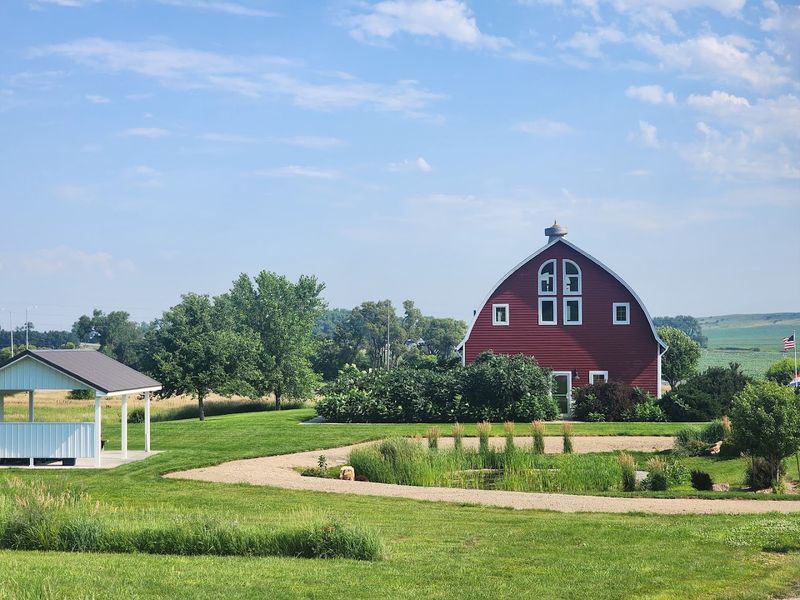
Driving the Sandhills Journey National Scenic Byway feels like entering a version of Nebraska that most people never knew existed.
The route passes through a vast region of grass-stabilized sand dunes that roll gently across the central and western parts of the state, covering roughly 20,000 square miles in total.
The landscape is quiet, wide, and surprisingly varied, with winding rivers, isolated lakes, and ranch country spreading out in every direction.
The Sandhills are recognized as one of the largest sand dune regions in the Western Hemisphere, though the grasses that cover them give the terrain a soft, green appearance that reads more like gentle hills than desert.
Dark sky conditions across the region rank among the best in the entire Midwest, making evening drives and overnight stops especially rewarding for anyone interested in stargazing.
The remoteness that some travelers find intimidating is exactly what makes the experience feel so rare.
7. Merritt Reservoir State Recreation Area, Valentine Area
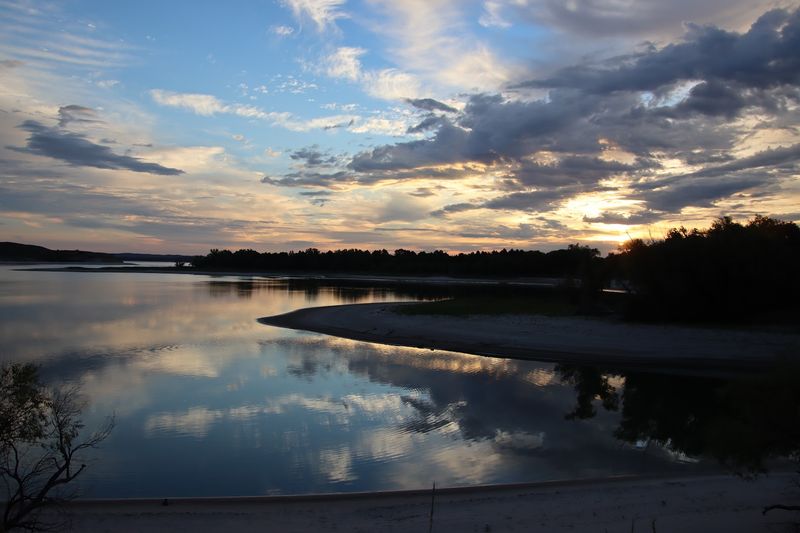
Clear water, open skies, and a genuinely remote feel set Merritt Reservoir apart from most recreation areas in the Midwest.
Located near Valentine, Nebraska, the reservoir covers approximately 3,000 surface acres and stays open year-round for fishing, boating, swimming, and camping.
The surrounding landscape is classic Sandhills country, with rolling grass-covered terrain and very little light pollution reaching the shoreline after dark.
In 2022 Merritt Reservoir became Nebraska’s first certified International Dark Sky Park, a designation that reflects the exceptional quality of the night sky above the water.
Stargazing here can be a genuinely overwhelming experience, with the Milky Way visible on clear nights in a way that feels almost impossible this close to the center of the country.
Astronomy enthusiasts and casual campers alike tend to find the nighttime sky the most memorable part of any visit.
Daytime activities hold their own appeal, with fishing for walleye, bass, and catfish drawing anglers throughout the season.
8. The Archway, Kearney
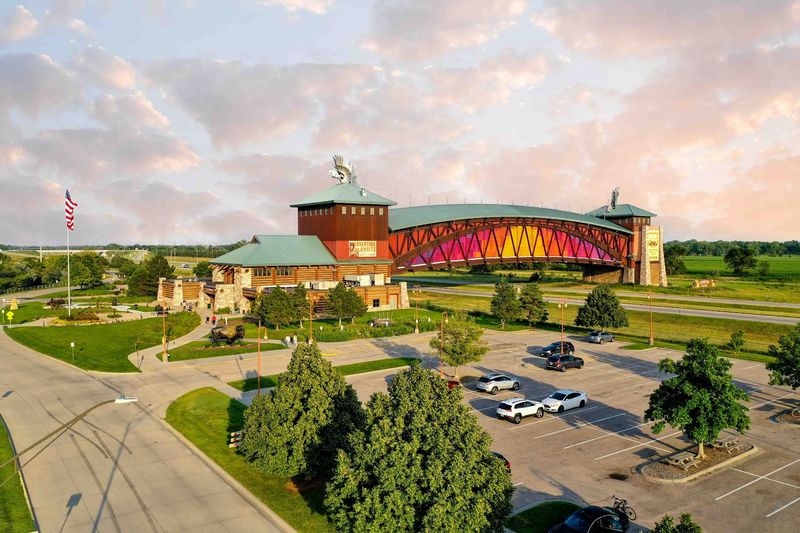
Built directly over Interstate 80, The Archway in Kearney, Nebraska is one of the more visually unusual museum concepts in the entire country.
The building literally bridges the highway, allowing visitors to walk through story-driven exhibits while traffic moves beneath their feet.
The museum focuses on the history of westward travel across America, covering everything from Native American trails and pioneer wagon routes to the transcontinental railroad and the rise of the interstate highway system.
The exhibits use immersive environments, audio storytelling, and period recreations to move visitors through different eras of American movement and migration.
The pacing feels more like walking through a documentary than reading static panels, which keeps the experience engaging for a wide range of ages.
The physical sensation of standing over a live interstate while learning about the history of that same road adds a layer of context that no other museum in the region can replicate.
9. Museum of American Speed, Lincoln
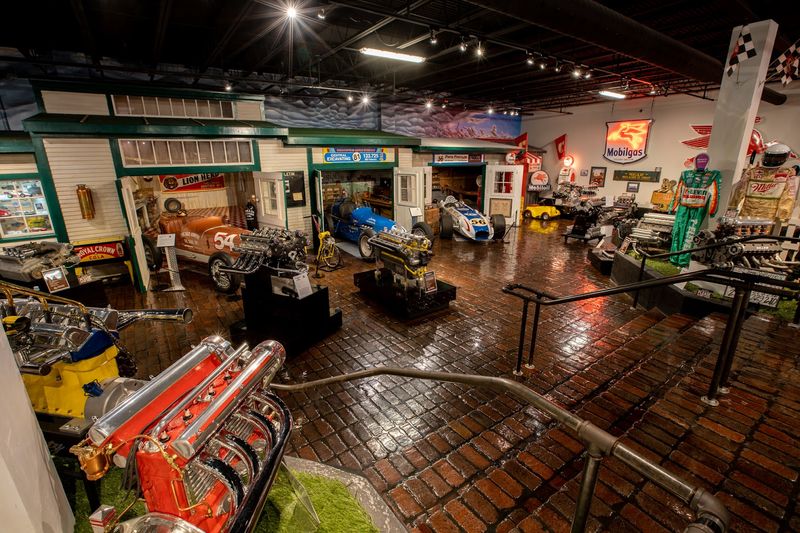
Racing history, mechanical craftsmanship, and decades of American automotive culture come together in a single building on the south side of Lincoln.
The Museum of American Speed at 340 Victory Ln, Lincoln, NE 68528 houses one of the most comprehensive collections of race cars, engines, and vintage automobilia found anywhere in the country.
The scale of the collection tends to catch first-time visitors off guard, as the museum spans multiple floors and covers far more ground than its location in an industrial area might suggest.
Exhibits include everything from early land speed record vehicles to championship-winning race cars and rare production models from across the 20th century.
Mechanical components, trophies, and period memorabilia fill the spaces between vehicles, giving the collection a layered depth that rewards slow and careful browsing.
The museum has been noted on hidden-gems lists for Nebraska precisely because its size and quality exceed what most people expect from a regional attraction.
10. Indian Cave State Park, Shubert
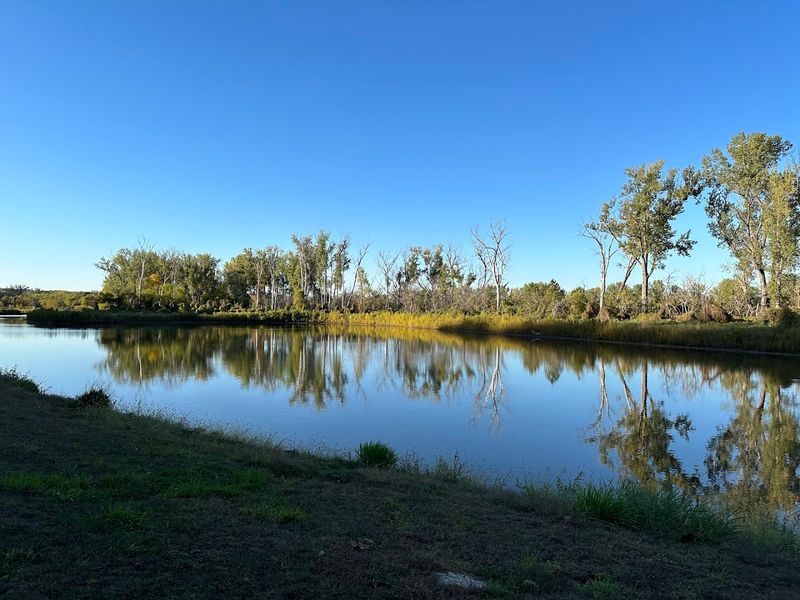
Southeastern Nebraska carries a moodier, wilder energy than most visitors expect to find in the state, and Indian Cave State Park near Shubert captures that quality better than anywhere else in the region.
Forested bluffs rise above the Missouri River along the park’s eastern edge, offering views and trail conditions that feel more like the Ozarks than the Great Plains.
Dense tree cover, creek crossings, and varied terrain give the hiking here a genuinely immersive feel that rewards those willing to put in the miles.
The sandstone cave at the heart of the park features prehistoric carvings and offers a tangible connection to the people who moved through this landscape long before European settlement.
Cabin rentals and full camping facilities make multi-day stays practical, allowing visitors to settle into the park’s rhythms rather than rushing through in an afternoon.
The Missouri River views from the upper trails add a scenic dimension that shifts the experience from simply pleasant to quietly spectacular.
11. Crane Trust Nature and Visitor Center, Wood River
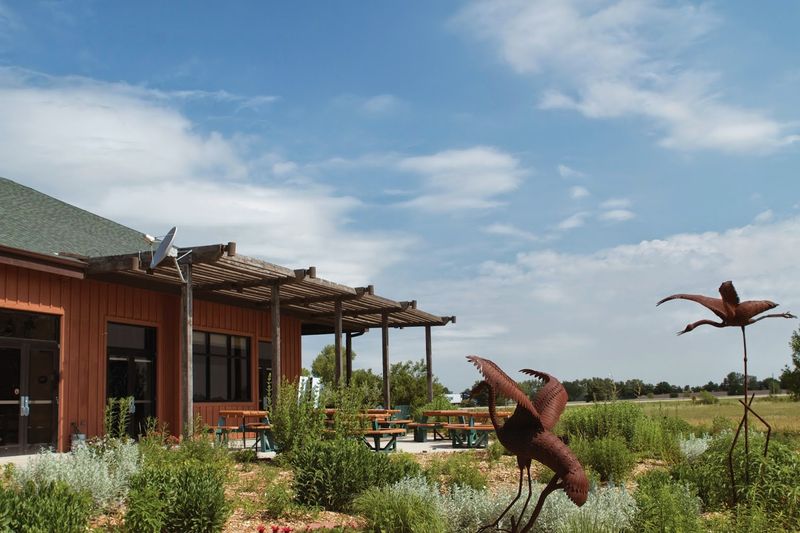
Every spring the Platte River valley near Wood River, Nebraska becomes the stage for one of the most dramatic wildlife spectacles found anywhere in North America.
Roughly 80 percent of the entire sandhill crane population converges on this stretch of river during migration, with numbers reaching into the hundreds of thousands at peak times.
The sight of cranes filling the sky and lining the riverbanks in dense, shifting masses is the kind of experience that stays with people for a very long time.
The Crane Trust Nature and Visitor Center provides guided viewing tours during migration season, which typically runs from late February through early April.
The tours take visitors to carefully positioned blinds along the river where cranes can be observed at close range without disturbance, and the early morning and evening viewing windows tend to offer the most dramatic activity.
Outside of migration season the center remains open and the surrounding prairie and river habitat continues to support diverse bird and wildlife populations.
12. Chimney Rock National Historic Site, Bayard
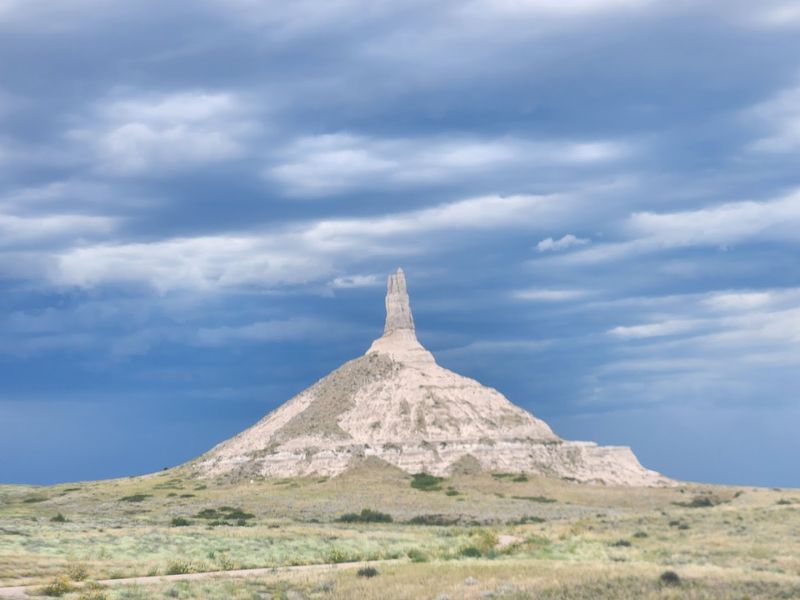
Standing more than 300 feet above the surrounding prairie, Chimney Rock is one of the most recognizable natural landmarks in the entire American West.
The formation served as a critical waypoint for pioneers traveling the Oregon, California, and Mormon trails during the 19th century, and journals from that era describe the anticipation and relief of spotting it from miles away.
Seeing it in person for the first time tends to produce the same response, a genuine sense of scale that photographs rarely fully capture.
The visitor center at the site tells the story of westward migration through exhibits, artifacts, and firsthand accounts drawn from pioneer journals.
The surrounding landscape reinforces the frontier atmosphere, with open plains stretching away in all directions and very little modern development interrupting the view.
The combination of geological drama and layered human history makes Chimney Rock more than just a scenic stop.
Chimney Rock National Historic Site is managed by the National Park Service, and an entrance fee applies.
13. Agate Fossil Beds National Monument, Harrison Area
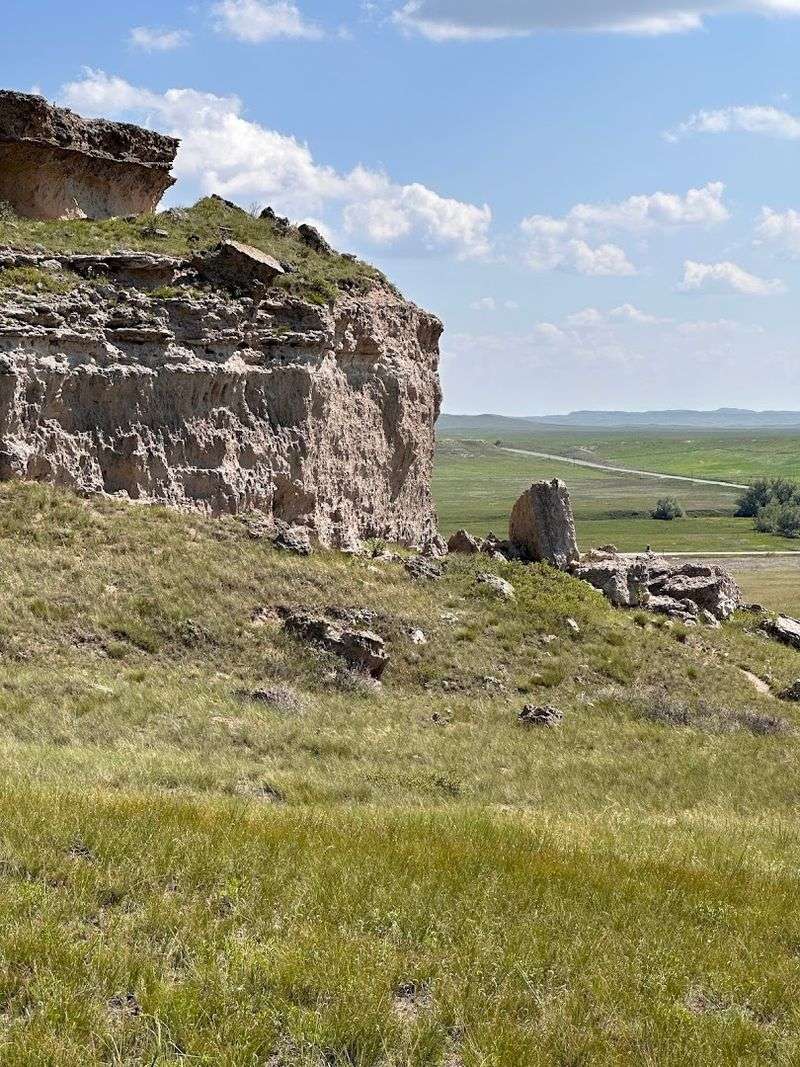
Quiet and unhurried, Agate Fossil Beds National Monument sits in the northwestern corner of Nebraska near Harrison and rewards visitors who approach it with patience and curiosity.
The site preserves fossil deposits from roughly 19 to 20 million years ago, when the area supported a diverse population of ancient mammals including early horses, small rhinoceroses, and a bear-dog species that no longer exists anywhere on Earth.
The fossils were excavated in the late 19th and early 20th centuries and helped reshape scientific understanding of mammal evolution in North America.
Two hiking trails wind through the monument, covering about four miles in total and offering unobstructed views of the surrounding high plains and the Niobrara River valley below.
The visitor center houses original fossil specimens alongside a significant collection of Native American ledger art donated by a local ranching family.
That combination of natural and cultural history gives the monument a richer context than many visitors expect from a small federal site.