13 Nebraska Summer Day Trips That Turn An Ordinary Afternoon Into Something Special
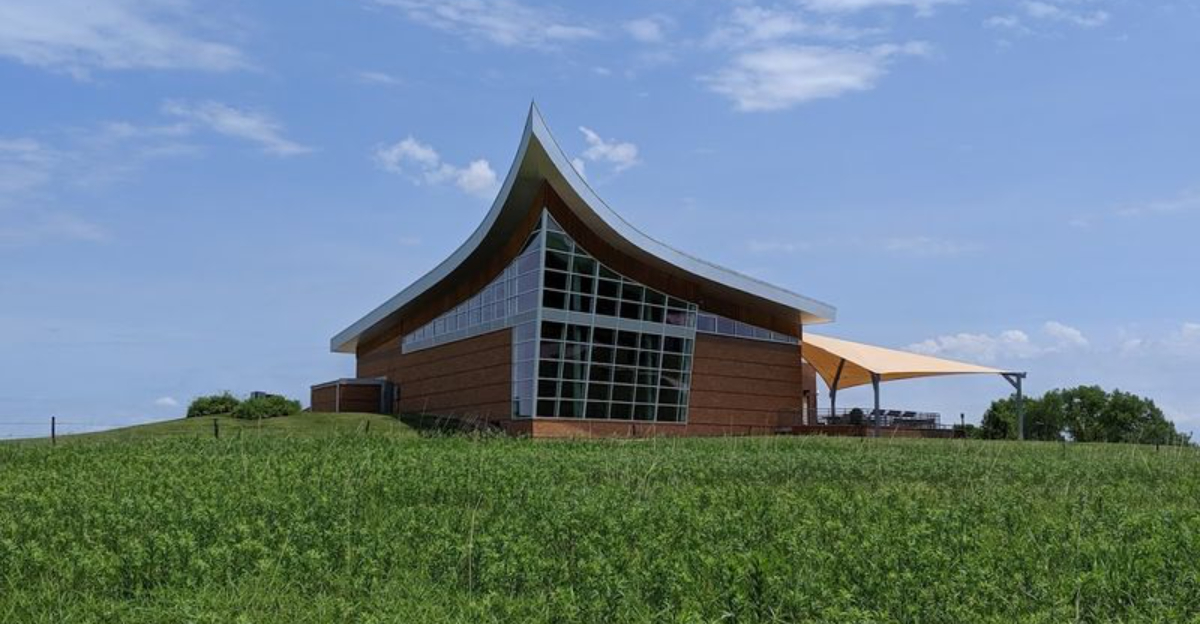
Ordinary afternoons are dangerously easy to waste.
A few errands become one more stop. Lunch runs late. Someone checks the time, and suddenly the best part of the day has slipped away without anything memorable happening.
These trips offer a better option.
Within a manageable drive, travelers can trade routine for trails, lakes, small-town discoveries, historic sites, and places that make returning home before bedtime feel almost disappointing.
No elaborate itinerary is required. A full tank and the willingness to take the scenic route can be enough.
Summer gives Nebraska’s wide-open spaces extra room to show off.
How much adventure can fit between lunch and sunset? More than most people expect.
1. Fort Robinson State Park, Crawford
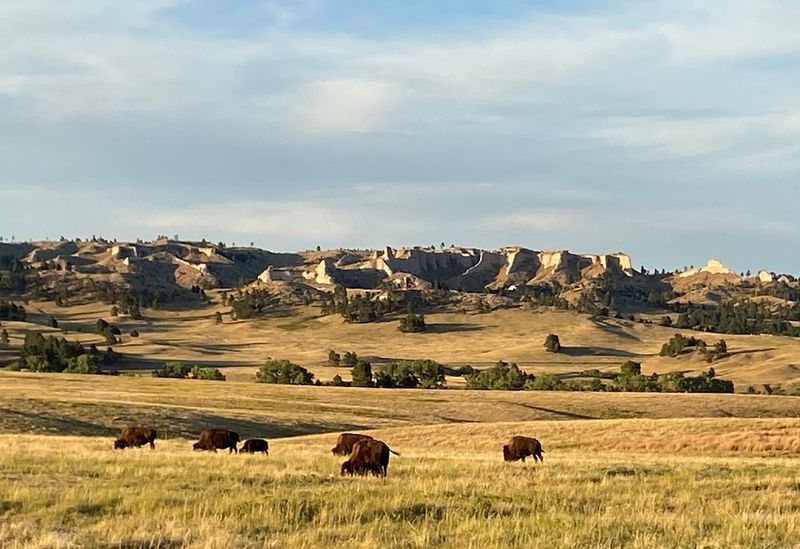
Spanning 22,000 acres across the Pine Ridge bluffs, Fort Robinson is the largest state park in Nebraska and one that rewards visitors who come without a rigid schedule.
The land holds a layered history tied to frontier military life, Native American heritage, and the open rangeland that still supports roaming herds of bison and Texas Longhorn cattle today.
Trails range from easy family walks to moderate ridge climbs, winding through pine forests and past distinctive red rock formations that glow in afternoon light.
The Fort Robinson History Center offers exhibits that connect visitors to the military and cultural stories embedded in the land, making it a worthwhile stop before heading out on the trails.
Jeep tours and stagecoach rides are available seasonally, adding a hands-on dimension that goes beyond a typical hike.
Horseback riding is another popular option for those wanting to cover more ground across the open terrain.
Summer days here tend to run warm, so bringing water and sun protection is a practical move before setting out.
The park grounds are open year-round for day use, though the most activity clusters between Memorial Day and Labor Day when the park office extends its hours.
2. Toadstool Geologic Park, Near Crawford
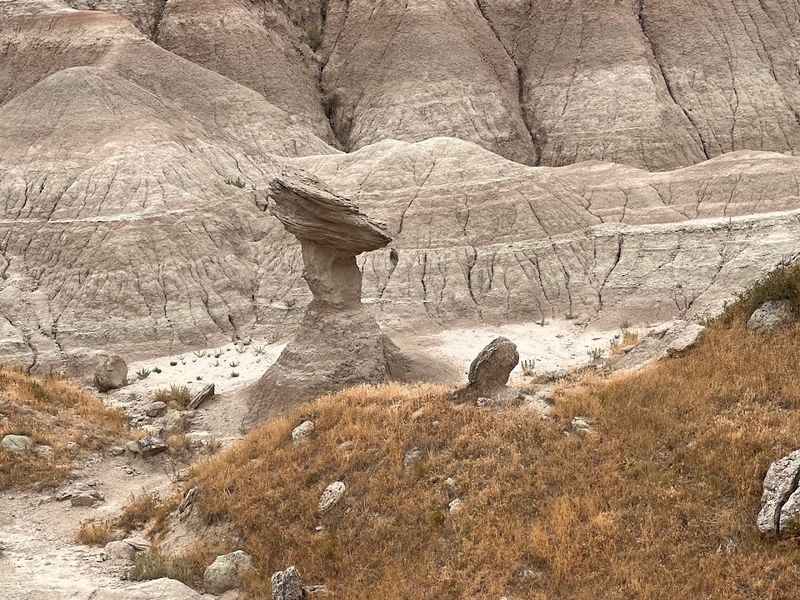
There are very few places in the country where the ground looks like it belongs on another planet, but Toadstool Geologic Park earns that description honestly.
The formations here are narrow clay pedestals capped with flat sandstone slabs, shaped over millions of years of erosion into the mushroom-like silhouettes that give the park its name.
Fossils and ancient footprints of tortoises, rhinos, and early horses have been preserved in the surrounding rock layers, though collecting them is prohibited.
The park sits within the Oglala National Grassland and stays open 24 hours a day year-round with no admission fee.
A one-mile loop trail covers the main formations, while a three-mile Bison Trail connects to the Hudson-Meng Education and Research Center for those wanting a longer outing.
A reconstructed sod house near the trailhead adds a quiet glimpse into early homesteader life.
Spring and fall tend to offer more comfortable hiking temperatures than the peak of summer, when the exposed terrain can get quite warm.
No drinking water is available on-site, so carrying enough for the full visit is essential before arriving.
3. Scotts Bluff National Monument, Gering
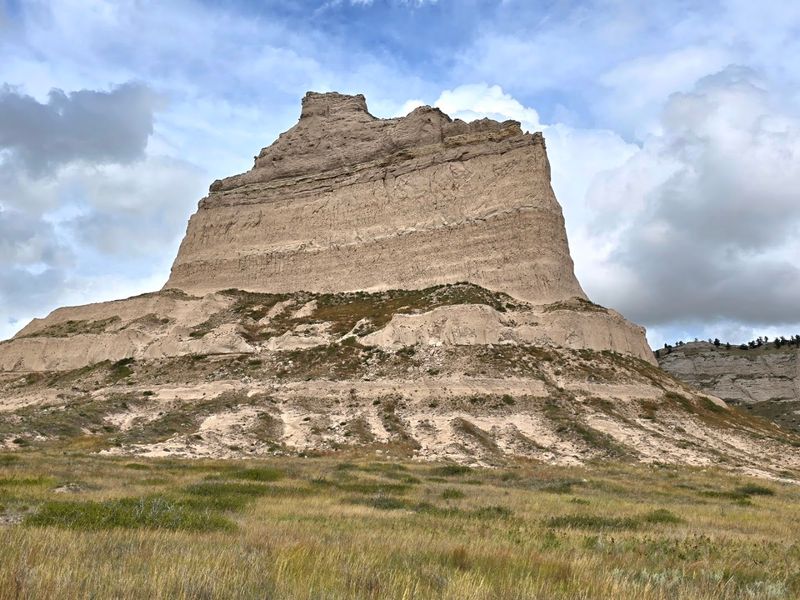
Rising sharply from the flat surrounding plains, the bluffs at Scotts Bluff National Monument were one of the most recognizable landmarks along the Oregon Trail, Mormon Trail, and California Trail.
Pioneers traveling west used these formations as a navigational reference point, and the monument preserves that history alongside the dramatic geology that made it so memorable.
The North Platte River Valley stretches out below the summit, offering a sense of scale that is genuinely hard to capture in photos.
The Scotts Bluff National Monument Visitor Center provides exhibits covering pioneer journeys, Native American perspectives, and the regional geology that shaped the landscape.
Summit Road can be driven for panoramic views when weather conditions allow, and the Saddle Rock Trail offers a hiking route directly to the top for those who prefer to earn the view on foot.
The trail passes through tunnels carved into the rock, which adds a memorable texture to the climb.
The monument is generally open year-round, though Summit Road accessibility can vary with weather. Arriving earlier in the day during summer helps avoid midday heat on the exposed trail sections.
4. Agate Fossil Beds National Monument, Near Harrison
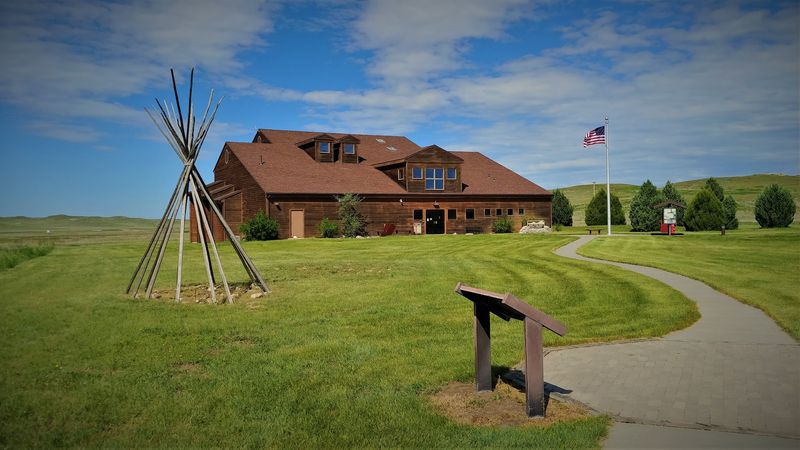
Agate Fossil Beds National Monument holds one of the most significant collections of Miocene-era mammal fossils found anywhere in the world, and visitors can walk directly past the quarry sites where those discoveries were made.
The Fossil Hills Trail covers 2.8 miles round trip on a mostly concrete path with boardwalk sections over wetland areas, keeping the route accessible for a range of visitors.
Along the way, interpretive signs explain what once lived in this landscape roughly 19 to 21 million years ago.
The visitor center there houses full-skeleton specimens as well as the James H. Cook collection of Lakota artifacts, including pieces gifted by Chief Red Cloud.
The Daemonelix Trail offers a shorter one-mile walk to see the corkscrew-shaped fossilized burrows of prehistoric beavers, which are one of the more unusual sights in the park.
Wheelchairs and walkers are available to borrow at the visitor center, and an elevator provides second-floor access for special events.
Nearest gas and food services are approximately 30 miles away, so fueling up and packing a meal before arriving makes the visit much smoother.
5. Carhenge, Alliance
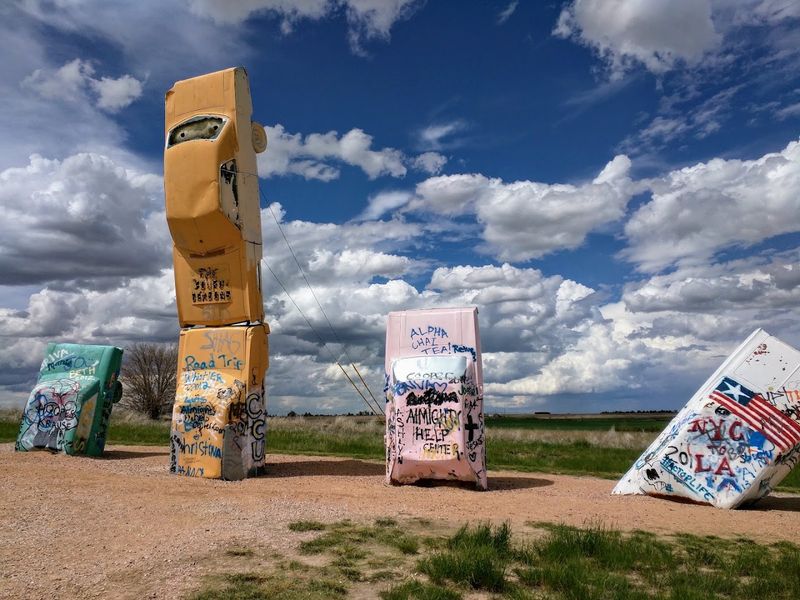
Built from vintage American automobiles painted gray and arranged to mirror the layout of Stonehenge in England, Carhenge is one of those roadside attractions that genuinely earns a stop rather than just a slow drive-by.
The cars are welded together and planted upright in the ground, with some balanced horizontally across the tops of others to replicate the famous trilithon arches.
Walking around the full sculpture gives a sense of just how large the original Stonehenge layout actually is.
The site is open year-round from dawn to dusk with no admission fee, making it one of the most accessible day trip additions in the western part of the state.
The ground around the installation is generally flat, which makes it easy to walk the full perimeter without much difficulty.
Several additional car sculptures are scattered nearby as part of the Car Art Reserve, adding a bit of extra quirk to the visit.
Alliance itself offers basic dining and fuel options for those building a longer day around the stop.
The open prairie setting around Carhenge means the sky tends to dominate the view, which makes early morning or late afternoon visits especially photogenic.
6. Smith Falls State Park, Near Valentine
Standing nearly 70 feet tall, Smith Falls is Nebraska’s highest waterfall, fed by a natural spring that keeps it flowing consistently even through the driest stretches of summer.
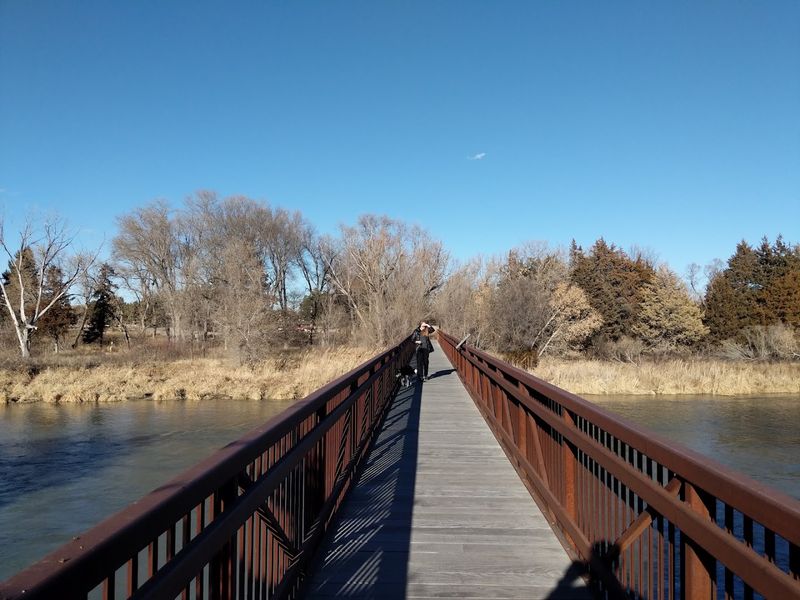
Reaching the falls involves a short hike and a walk across a historic truss bridge spanning the Niobrara River, with the sound of the water growing louder as the path curves toward the viewing boardwalk.
The mist near the base of the falls provides a welcome cool-down on a warm summer afternoon.
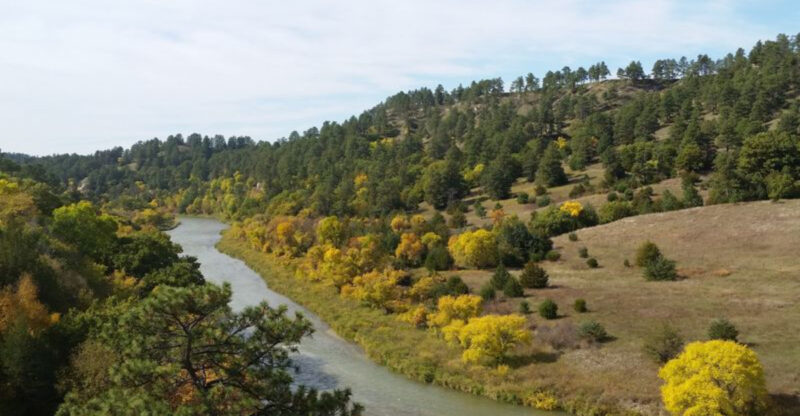
The park sits within one of Nebraska’s most biologically diverse river corridors, where six distinct biological systems converge along the Niobrara.
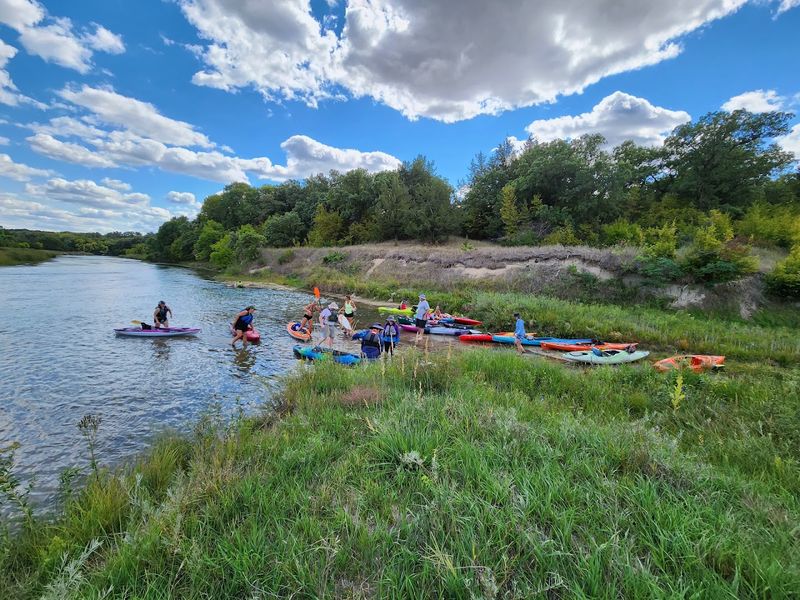
Canoe, kayak, and tube rentals are available through outfitters in the area for those wanting to experience the river beyond the falls.
The Jim MacAllister Nature Trail adds over a mile of self-guided hiking through the surrounding river valley.
Facilities include a visitor center, picnic areas, restrooms, and pay showers, with the park generally open from April through November.
Accessible boardwalks lead to both the falls viewing platform and the visitor center, making the highlight of the park reachable for most visitors regardless of mobility level.
7. Nebraska National Forest, Near Halsey
The Bessey Ranger District near Halsey holds the distinction of being the largest hand-planted forest in the Western Hemisphere.
That fact that feels genuinely remarkable when standing beneath the canopy of trees that were placed here on what was once open sandhills grassland.
The forest has a quieter, more contemplative atmosphere than many Nebraska parks, with the sound of wind through the pines replacing the usual open-sky silence of the plains.
Wildlife viewing opportunities are plentiful, and the Middle Loup River runs through the area, adding fishing to the list of activities.
The Bessey Ranger District Office serves as a starting point for learning about the forest’s history and current trail options.
Camping, hiking, horseback riding, and OHV use are all available within the forest, giving visitors a range of ways to spend time here depending on energy and interest.
The Bessey Recreation Area includes campgrounds and picnic areas for those planning a longer stay.
The forest is generally open year-round, though access to certain areas can shift with seasonal conditions and weather.
A summer visit tends to feel shaded and cooler under the tree cover than the surrounding open landscape.
8. Ponca State Park, Ponca
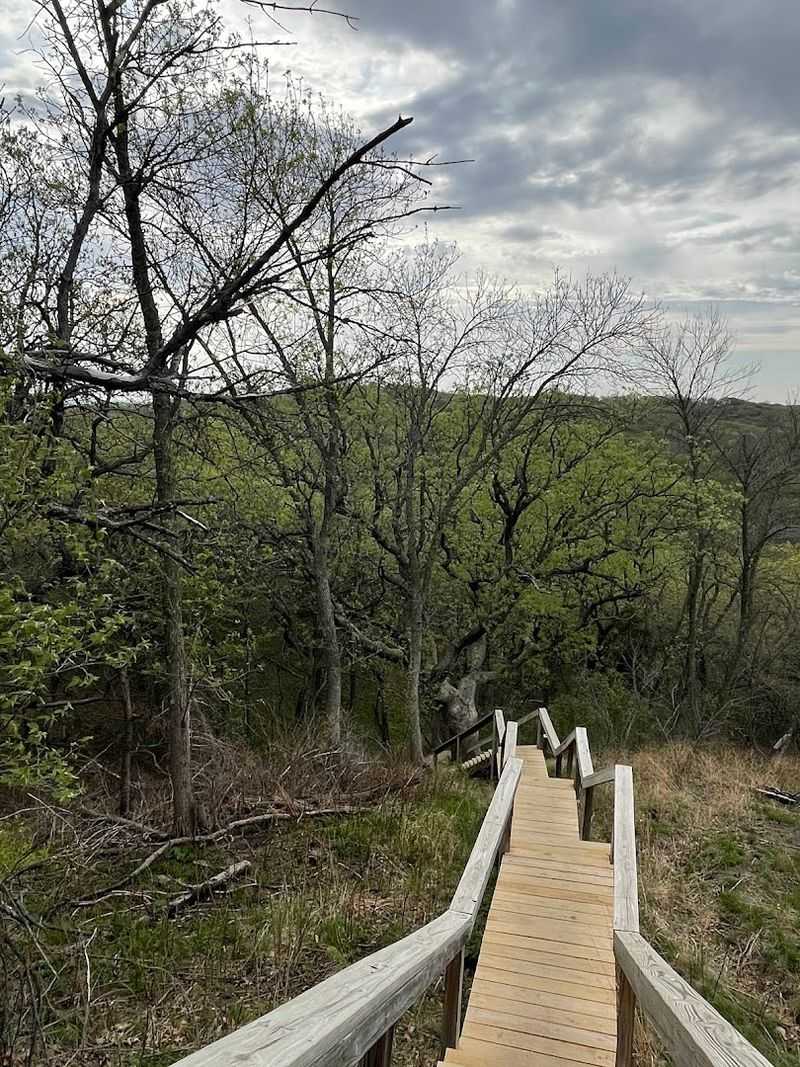
Perched on the bluffs above the Missouri River, Ponca State Park offers a landscape that feels distinctly different from the flat open plains that define much of Nebraska.
More than 20 miles of trails wind through forested ravines and along ridge tops, with difficulty levels ranging from easy paved paths to steeper climbs that reward hikers with wide river views.
The Missouri National Recreational River runs along the park’s edge, connecting this stretch to a 59-mile section of protected waterway.
The park is open year-round and draws visitors across all seasons, though summer brings the fullest range of activities including boating, fishing, and use of the on-site aquatic center.
A paved hike and bike trail starting at the Missouri National Recreational River Resource and Education Center within the park is wheelchair accessible and approximately one mile long.
White-tailed deer and wild turkeys are commonly spotted along the forested trails throughout the warmer months.
Bald eagles gather along the river corridor in fall and winter, making the park worth revisiting beyond the summer season.
Group camping facilities and an interpretive center add options for those planning a more structured visit with family or a larger group.
9. Ashfall Fossil Beds State Historical Park, Near Royal
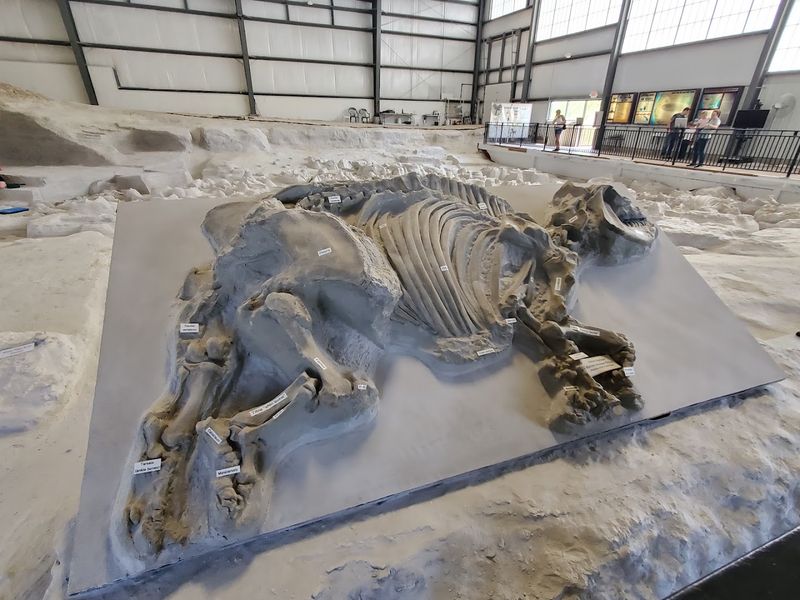
Roughly 12 million years ago, a massive volcanic eruption blanketed this part of Nebraska in ash, preserving entire herds of prehistoric animals exactly where they fell.
Ashfall Fossil Beds State Historical Park near Royal is built around that remarkable event, with the Hubbard Rhino Barn serving as the centerpiece: an enclosed building where articulated skeletons of rhinos, camels, and other ancient creatures lie in the positions they died in, still embedded in the ash layer.
Walking the boardwalk directly above the fossil beds creates an unusually direct connection to deep time.
The park operates seasonally from late spring through early fall with guided tours available during open hours.
Accessibility features allow most visitors to experience both the barn and the surrounding exhibits without significant difficulty.
The visitor center includes interpretive displays explaining the volcanic event and the paleontological work that continues at the site.
Because the park is active with ongoing excavation, the experience can feel more like watching science in progress than viewing a static museum display.
Bringing a light jacket is worth considering even in summer since the enclosed barn tends to run cooler than the outdoor temperature.
10. Platte River State Park, Louisville
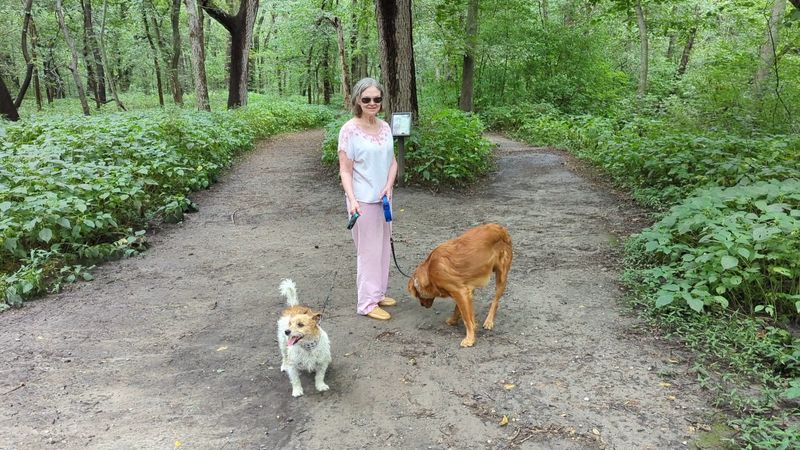
A short drive from the Omaha metro area, Platte River State Park packs a surprisingly wide range of activities into a landscape of hardwood forests and river bottomland.
Two lookout towers offer elevated views of the Platte River and surrounding forest canopy, and the Stone Creek Waterfall adds a natural focal point for hikers exploring the trail network.
Crawdad Creek gives younger visitors a hands-on spot to explore, while a seasonal spray park provides relief from summer heat for families with small children.
The park sits offers an archery range, rifle range, trap range, and axe-throwing area through the Roger G. Sykes Outdoor Heritage Education Complex for those interested in outdoor skills.
Paddle boating and fishing are available on Jenny Newman Lake, and free outdoor movie nights run in the amphitheater on Saturday evenings during the summer.
Lodging options include glamping cabins, modern cabins, and camper cabins for those turning the day trip into an overnight.
The trail system accommodates both hikers and cyclists, making it flexible for mixed groups.
Weekends during summer tend to draw larger crowds, so arriving earlier in the day helps secure a comfortable pace through the park.
11. Indian Cave State Park, Near Shubert
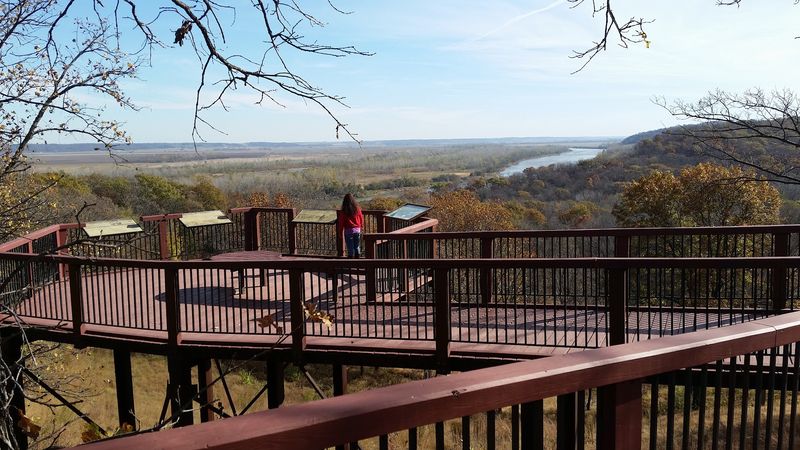
In the southeastern corner of Nebraska along the Missouri River, Indian Cave State Park is anchored by a large sandstone cave adorned with prehistoric petroglyphs that offer a tangible connection to the people who lived in this region.
The cave itself is a striking geological feature, carved by natural forces into the bluffs that rise sharply above the river.
More than 20 miles of hiking and biking trails wind through the surrounding deciduous forest, with some sections involving steep climbs and rewarding ridge-top views.
The park is generally open year-round for day use and camping, with specific programs and facilities operating on a seasonal basis.
A reconstructed 1880s schoolhouse and general store within the park offer living history demonstrations during select times, adding a historical dimension to what is already a richly layered landscape.
Fishing and picnicking are popular activities for visitors who prefer a slower pace along the river.
The forested terrain stays noticeably cooler than open prairie parks during summer, which makes midday hiking here more comfortable than expected.
Trail conditions can vary after heavy rain, so checking park updates before a visit is a reasonable precaution.
12. Homestead National Historical Park, Beatrice
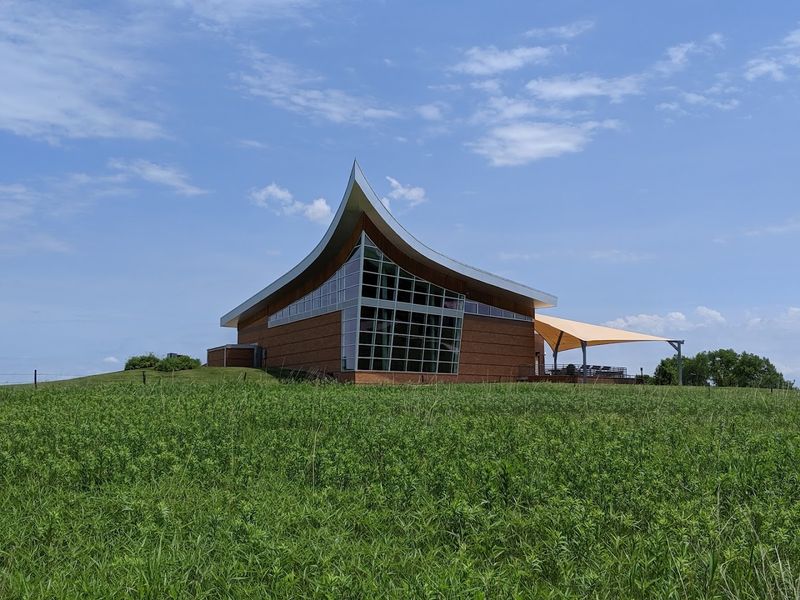
The Homestead Act of 1862 reshaped the American landscape by opening millions of acres of public land to settlers willing to farm and improve it.
Homestead National Historical Park in Beatrice preserves one of the very first homesteads claimed under that law.
Nearly three miles of trails wind through a restored tallgrass prairie on the property, giving visitors a sense of what the land looked like before it was broken by the plow.
The Heritage Center houses interactive exhibits and an award-winning film called Land of Dreams: Homesteading America that provides essential context for the site.
The park is open daily from 9 a.m. to 5 p.m., with trails and grounds accessible from sunrise to sunset.
No entrance fee is required, which makes this one of the more accessible stops on any Nebraska day trip itinerary.
The historic Palmer-Epard Cabin and the Freeman School on the grounds offer a firsthand look at the physical realities of frontier life.
Living history demonstrations run daily from Memorial Day through Labor Day, adding movement and storytelling to the visit.
The Education Center also features a Farm Implement Room displaying tools used by homesteaders, which grounds the history in practical, everyday detail.
13. The RiverFront And Old Market, Omaha
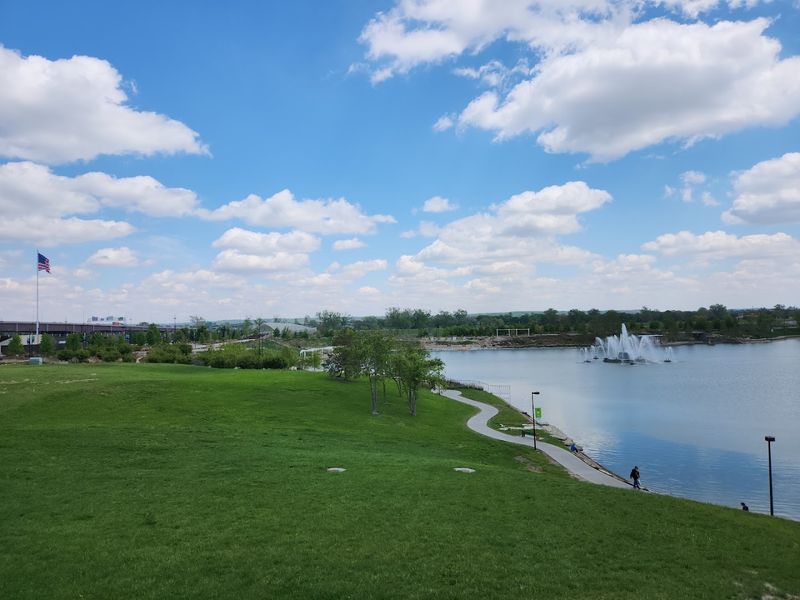
Downtown Omaha offers two distinct experiences within easy walking distance of each other, making it a natural pairing for a summer day trip.
The RiverFront stretches across 72 acres of revitalized parkland connecting the city center to the Missouri Riverbank through three interconnected spaces: Gene Leahy Mall, Heartland of America Park, and Lewis and Clark Landing.
A skate ribbon, lakeside amphitheater, and seasonal cascades at Gene Leahy Mall give the area an active, open feel that works well for both relaxed strolling and more energetic outings.
The RiverFront is generally open daily from 5:00 AM to 11:00 PM.
The cascades operate seasonally from 10:00 AM to 9:00 PM and are closed on Tuesdays. Metered parking and parking garages are available nearby for those driving in.
The Old Market Passageway serves as a useful entry point into the historic district, where cobblestone streets and preserved brick buildings house independent shops, galleries, and dining options.
The area is highly walkable and moves at a relaxed pace, making it a natural complement to the more expansive outdoor spaces of The RiverFront just a few blocks away.