Nebraska’s 10 Best Places To Hunt For Agates, Fossils, Petrified Wood, And Other Natural Treasures
A promising stone can look completely ordinary until sunlight catches the color hiding beneath its dusty surface.
Searching for natural treasures rewards patience and a willingness to study the ground closely. Gravel bars, exposed rock layers, and quiet rural stretches can all produce unexpected finds.
Agates may show delicate banding, fossils can preserve details from ancient life, and petrified wood often carries patterns that resemble carefully carved grain.
Rockhounding gives Nebraska’s wide-open landscapes another layer of intrigue.
Success rarely comes from rushing. Careful collectors watch for unusual shapes, changes in texture, flashes of color, and materials that stand apart from the surrounding soil.
Conditions also matter, since rain, erosion, and shifting water levels can uncover pieces that remained hidden during an earlier visit.
Responsible collecting keeps the experience enjoyable for everyone.
These ten destinations offer plenty of reasons to slow down and discover what thousands or even millions of years have left behind.
1. Oglala National Grassland, Dawes and Sioux Counties
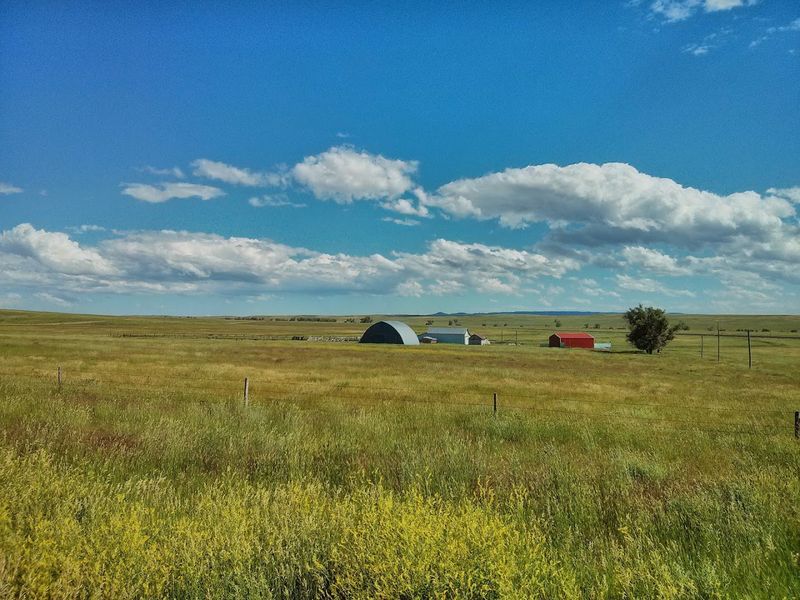
Prairie agates, jasper, and blue chalcedony are the calling cards of the Oglala National Grassland, a sweeping stretch of public land spread across Dawes and Sioux Counties in northwestern Nebraska.
The terrain here belongs to the White River Group, a geological formation built from ancient volcanic ash and sediment that has been carved by weather into buttes, draws, and winding gullies over millions of years.
That constant erosion keeps pushing fresh material to the surface, which is exactly what makes this area so appealing for surface collectors.
Casual surface collection of rocks, agates, and chalcedony is permitted for personal and noncommercial use, with a daily limit of 25 pounds and an annual cap of 250 pounds.
Digging into formations is not allowed, and vertebrate fossils require a special permit to collect.
Invertebrate and plant fossils found on the surface may be gathered for personal and educational purposes, but any archeological artifacts must be left completely undisturbed.
Access roads through the grassland are often dirt or gravel, and they can become difficult to navigate after rain.
A vehicle with high ground clearance handles the varied landscape much more reliably than a standard sedan.
Patience is a genuine asset here, since a prairie agate often looks like an ordinary pebble until water or light catches its translucent interior.
2. Pine Ridge Region, Northwestern Nebraska
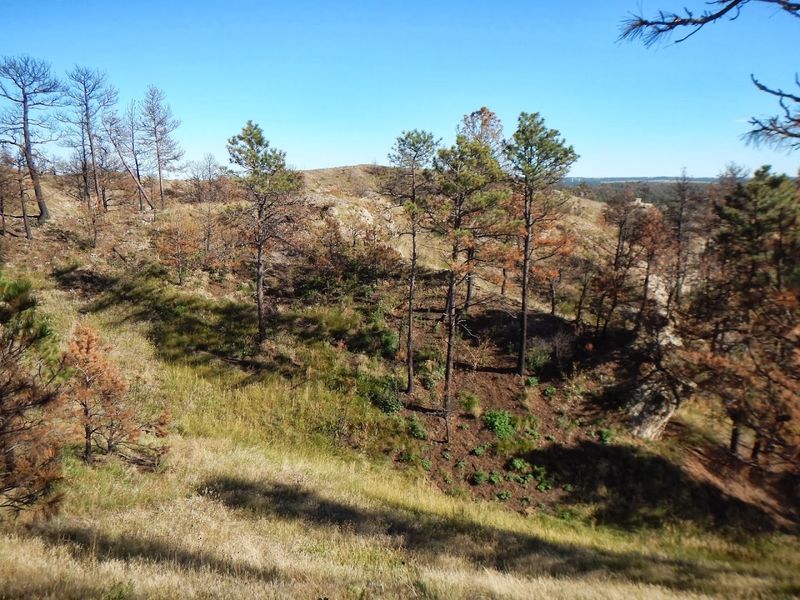
Rugged country rarely looks as rewarding as the Pine Ridge Region does when the light hits an exposed slope and catches the flash of a colorful agate.
Stretching across the area surrounding Crawford, Chadron, and Harrison, this geological escarpment marks the dramatic transition between the High Plains and the White River drainage system.
It exposes layers of the White River Group that have been a reliable source of chalcedony, jasper, and occasional agates for generations of collectors.
Finds here can include blue chalcedony nodules, red and yellow jasper cobbles, selenite crystals, barite roses, common opal, and calcite formations.
Fairburn-type agates are rare but not unheard of in this region, making each outing feel like a genuine treasure hunt.
The ancient volcanic ash deposits from the Rocky Mountain region played a key role in forming these silica-rich minerals, giving the Pine Ridge its reputation as one of Nebraska’s most productive rockhounding destinations.
Land ownership throughout the area is mixed, blending Forest Service parcels with private ranches and farms.
Staying on permitted public land or securing explicit landowner permission before stepping onto private property is essential.
Roads are mostly unpaved, and wet weather can make them hazardous, so checking conditions before heading out and bringing a high-clearance vehicle adds a meaningful layer of safety to the trip.
3. Nebraska National Forest, Near Halsey
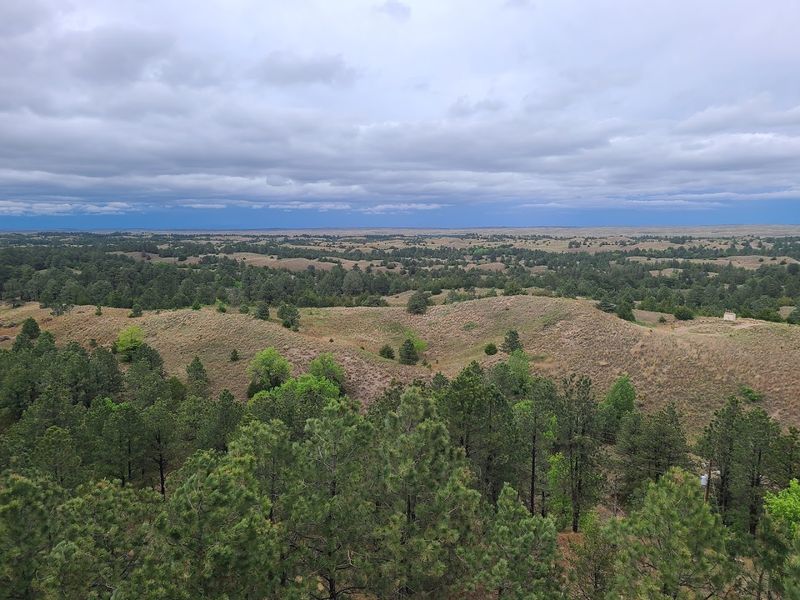
Something quietly remarkable exists near Halsey, Nebraska – the largest hand-planted forest in the United States, where rows of ponderosa pines shade sandy soil that may hide interesting rocks and mineral specimens.
The Bessey Ranger District within the Nebraska National Forest gives collectors a large stretch of Forest Service land to explore, offering a noticeably different atmosphere compared to the open badlands terrain found farther west.
The forested setting provides shade and a more relaxed pace, making it a comfortable destination for families or those who prefer gentler terrain.
Surface collection of rocks, agates, and petrified wood for personal and noncommercial use is permitted here under general Forest Service guidelines.
The same daily limit of 25 pounds and annual cap of 250 pounds applies, and digging is not allowed under any circumstances.
Vertebrate fossils require a permit to collect, while common invertebrate and plant fossils found on the surface may be gathered for personal and educational use without a special permit.
The flat and relatively accessible terrain makes navigation straightforward, and the sandy soil in certain areas can occasionally reveal weathered stones and mineral specimens after erosion or wind exposure.
Planning a visit around dry weather conditions tends to make the experience more comfortable and productive.
4. Samuel R. McKelvie National Forest, Near Nenzel
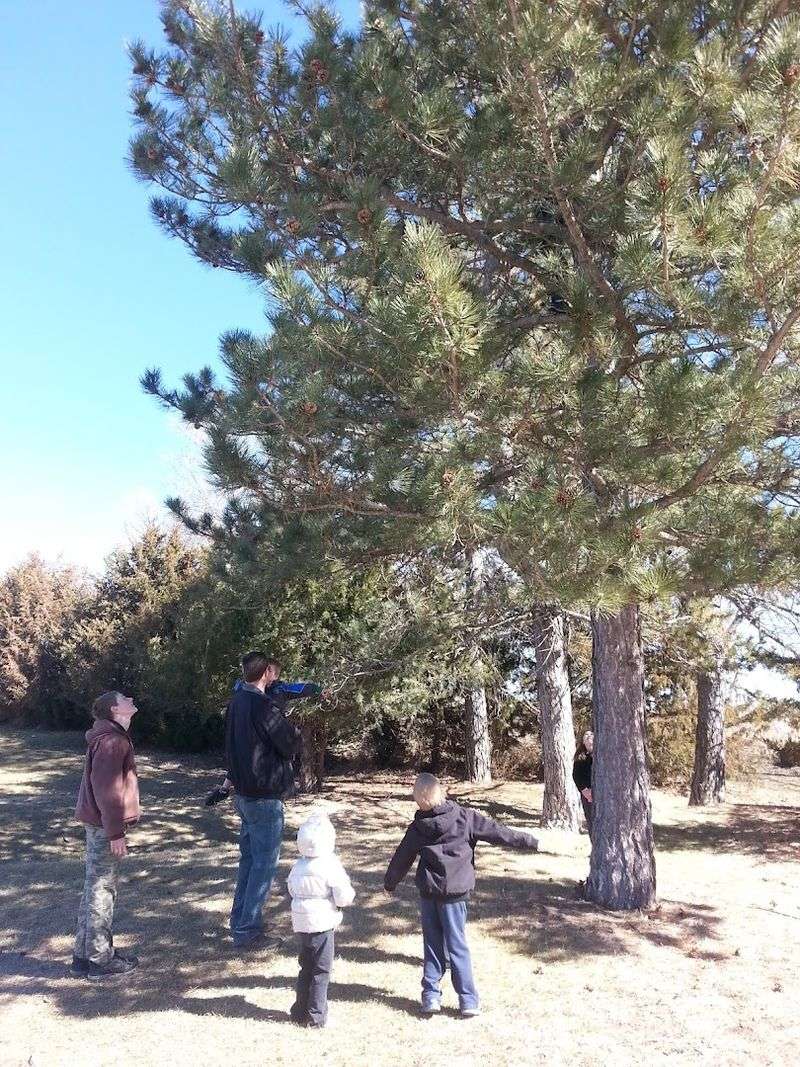
Solitude is part of the appeal at the Samuel R. McKelvie National Forest, a lesser-known stretch of federal land tucked near Nenzel in the heart of Nebraska’s Sandhills.
The undulating landscape, shaped by ancient dunes, creates a quiet and almost meditative environment for anyone willing to walk slowly and inspect the exposed ground with care.
Chalcedony, agate-like stones, and pieces of petrified wood are among the materials that erosion and wind occasionally bring to the surface in this remote setting.
Forest Service personal-use rules apply here just as they do in other Nebraska national forests.
Surface collection of rocks and agates for personal and noncommercial purposes is allowed, with a daily limit of 25 pounds and a yearly maximum of 250 pounds.
Digging into the ground is not permitted, and any vertebrate fossils encountered must be left undisturbed unless a proper permit has been secured.
Invertebrate and plant fossils found on the surface may be collected for personal and educational use.
The remote character of this forest means that visitors should prepare thoroughly before arriving.
Bringing ample water, wearing sturdy footwear, and letting someone know the planned route are all sensible precautions in an area where cell service can be unreliable.
The reward for that preparation is a genuinely peaceful collecting experience, set against a sweeping Sandhills backdrop that feels far removed from the noise of everyday life.
5. Toadstool Geologic Park, Near Crawford
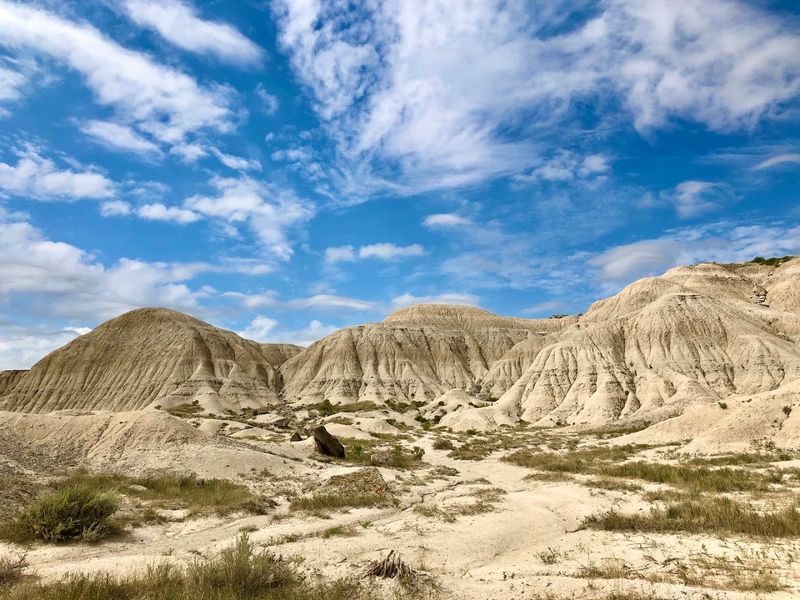
Toadstool Geologic Park feels like stepping onto the surface of another planet, where millions of years of erosion have sculpted soft clay into bizarre mushroom-shaped pedestals, winding gullies, and pale grey badlands formations.
Near Crawford in the Oglala National Grassland, this park preserves one of Nebraska’s most visually dramatic landscapes alongside a scientifically significant fossil record.
Ancient trackways left by three-toed horses, rhinos, and entelodonts are embedded in the rock here, telling a vivid story of predator-and-prey dynamics from deep in the Miocene epoch.
Fossil collecting within the designated park boundaries and along the interpretive trails is strictly prohibited, and that rule exists for good reason – the site holds ongoing scientific value that casual removal would permanently damage.
Visitors are welcome to photograph, observe, and enjoy the formations freely. A modest day-use parking fee of around three dollars applies, and the park itself remains open around the clock throughout the year.
The main interpretive loop trail covers approximately one mile and features informative signs explaining the local geology and fossil history.
Sturdy footwear is strongly recommended, as the clay surface can become slick and unpredictable after even light rain.
For those who want a longer adventure, the Bison Trail extends three miles one-way toward the Hudson-Meng Education and Research Center.
6. Agate Fossil Beds National Monument, Near Harrison
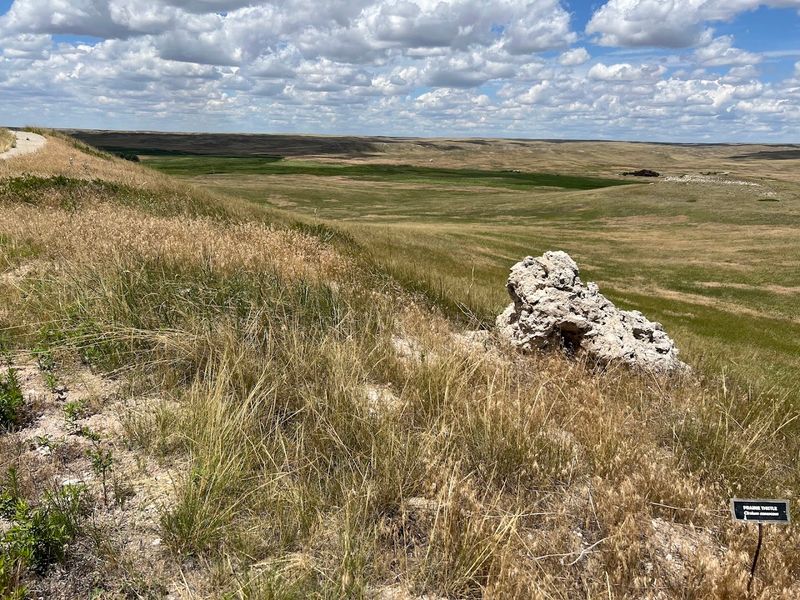
Preserved within the grass-covered buttes near Harrison, Agate Fossil Beds National Monument holds one of the most complete collections of Miocene mammal fossils ever discovered anywhere in the world.
Bones more than 20 million years old rest within these quiet hills, representing creatures like the pony-sized rhinoceros Menoceras, the bear-dog Moropus, ancient land beavers, and early ancestors of the modern horse.
The sheer completeness of the fossil record here transformed scientific understanding of life on the Great Plains during the Miocene epoch.
Collecting of any kind is strictly prohibited at this monument, and the site functions entirely as a preservation and education destination.
A well-designed visitor center provides exhibits on the Miocene mammals and screens a short orientation film.
The center also displays the James H. Cook Collection of Lakota artifacts, a remarkable assemblage of clothing, pipes, and painted hides gifted to rancher James H.
Cook by Chief Red Cloud and other Northern Plains tribal leaders.
More than four miles of walking trails wind through the mixed-grass prairie and past the historic excavation buttes.
The Fossil Hills Trail is wheelchair accessible and leads directly to the hillsides where fossils were first uncovered in the 1880s.
The visitor center operates year-round, with hours typically running from 9 a.m. to 5 p.m. between mid-May and late September, and slightly shorter hours during the remaining months.
7. Ashfall Fossil Beds State Historical Park, Near Royal
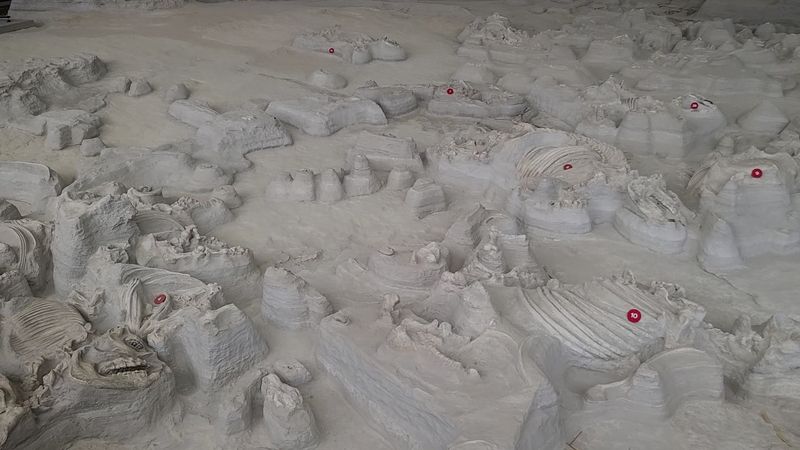
National Geographic once called it the Pompeii of prehistoric animals, and standing inside the Hubbard Rhino Barn at Ashfall Fossil Beds State Historical Park makes that comparison feel entirely earned.
Nearly 12 million years ago, a massive volcanic eruption blanketed this part of Nebraska in thick ash, trapping hundreds of animals at an ancient watering hole.
Over two hundred complete or nearly complete skeletons have since been exposed, including ancient rhinos, three-toed horses, camels, and barrel-bodied grazers, all preserved in the exact positions where they fell.
The Hubbard Rhino Barn is a large protective structure built directly over a portion of the fossil bed, allowing visitors to observe the skeletons precisely as paleontologists uncovered them.
Fossil and specimen collecting is strictly prohibited throughout the park.
The facility includes a visitor center with interpretive displays and active research areas where ongoing excavation work may be visible during the operating season.
The park is open seasonally from early May through early October, with hours varying by month.
Timed entry tickets are available through the official park website, and a state park entry permit is required for any vehicle entering the grounds.
Paved walkways connect the main facilities, making the visitor center, rhino barn, and picnic pavilion all accessible for wheelchairs, though some nature trails through the surrounding landscape may be uneven.
8. Niobrara River Gravel Bars, Northern Nebraska
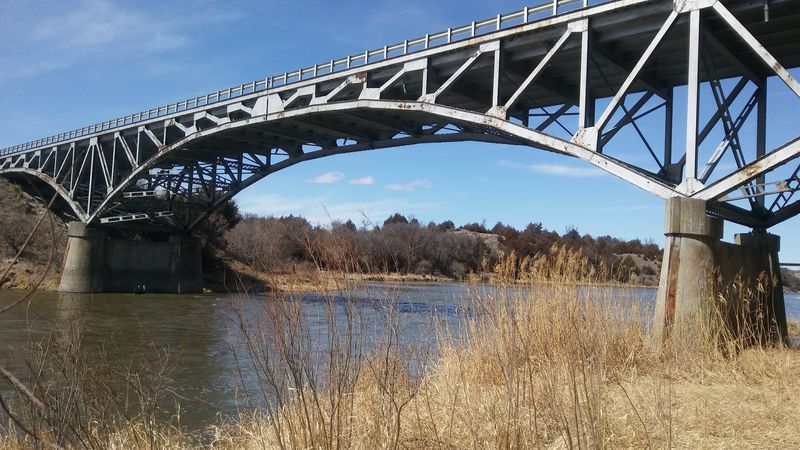
Clear water and river-polished stones define the experience of rockhounding along the Niobrara River gravel bars in northern Nebraska.
The river has spent thousands of years carrying and tumbling material downstream from the western plains and beyond, depositing a diverse mix of quartz, jasper, chalcedony, and agate-like stones along its gravel beds.
The continuous flow of the river keeps refreshing the surface material, meaning that each visit to a gravel bar can yield something different from the last.
Access to publicly available gravel bars requires careful attention to land boundaries, as many stretches of the riverbank border private property.
Checking with local county offices or the Nebraska Game and Parks Commission before a visit can clarify which areas are legally accessible to the public.
Trespassing on private land to reach a gravel bar is never acceptable, regardless of how promising the collecting might appear from a distance.
Late summer and early fall tend to offer the best conditions along the Niobrara, when water levels drop and expose a greater expanse of gravel for exploration.
Waterproof footwear with good ankle support handles the uneven footing of a river gravel bar much more comfortably than ordinary sneakers.
The soft sounds of moving water and the open riparian landscape add a genuinely pleasant sensory quality to the experience, making the hunt feel as much like a nature walk as a collecting trip.
9. Platte River Gravel Bars, Central Nebraska
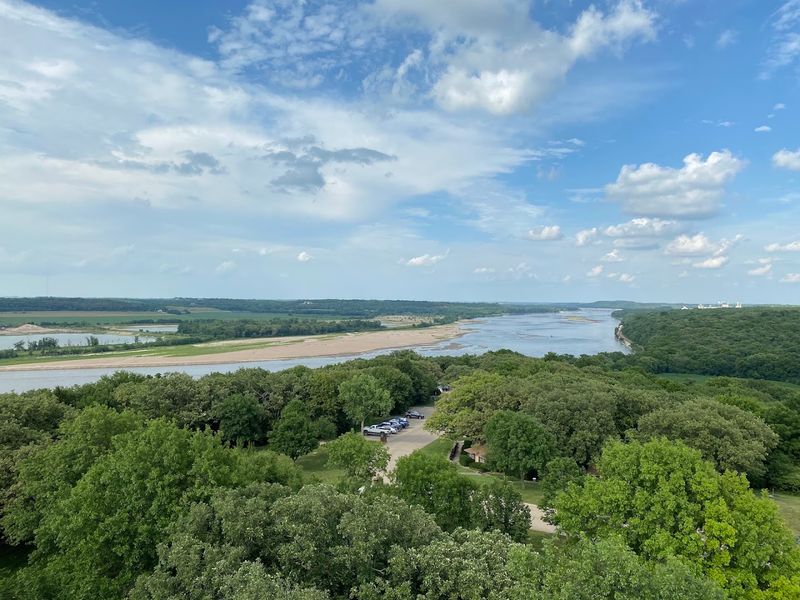
Stretching across the center of Nebraska in broad, braided channels, the Platte River has been moving rock and sediment eastward from the Rocky Mountains for an extraordinarily long time.
That geological conveyor belt has deposited a varied collection of stones along its gravel bars, including prairie agates, jasper, quartz, and naturally polished stones that reward a careful eye.
Occasionally, small pieces of petrified wood or rare Lake Superior-type agates carried south by ancient glacial outwash turn up among the more common material, adding an element of genuine surprise to any outing.
Rockhounding along the Platte focuses on walking the exposed gravel bars and cutbanks during periods of lower water, typically late summer and fall.
Wetting a stone with a spray bottle is one of the most practical field tips available, since moisture reveals the true color and translucency of a specimen in a way that dry examination simply cannot match.
Public access is generally available near communities like Kearney, Grand Island, and North Platte, though confirming specific entry points before arriving avoids unnecessary confusion.
Searching only where public access is clearly established and never crossing private land to reach a sandbar are non-negotiable rules for responsible collecting here.
Gravel bars below the ordinary high-water mark are typically open to personal collection, but local regulations can vary by county.
10. Prairie Agate Rock Shop and Fossil Museum, Crawford
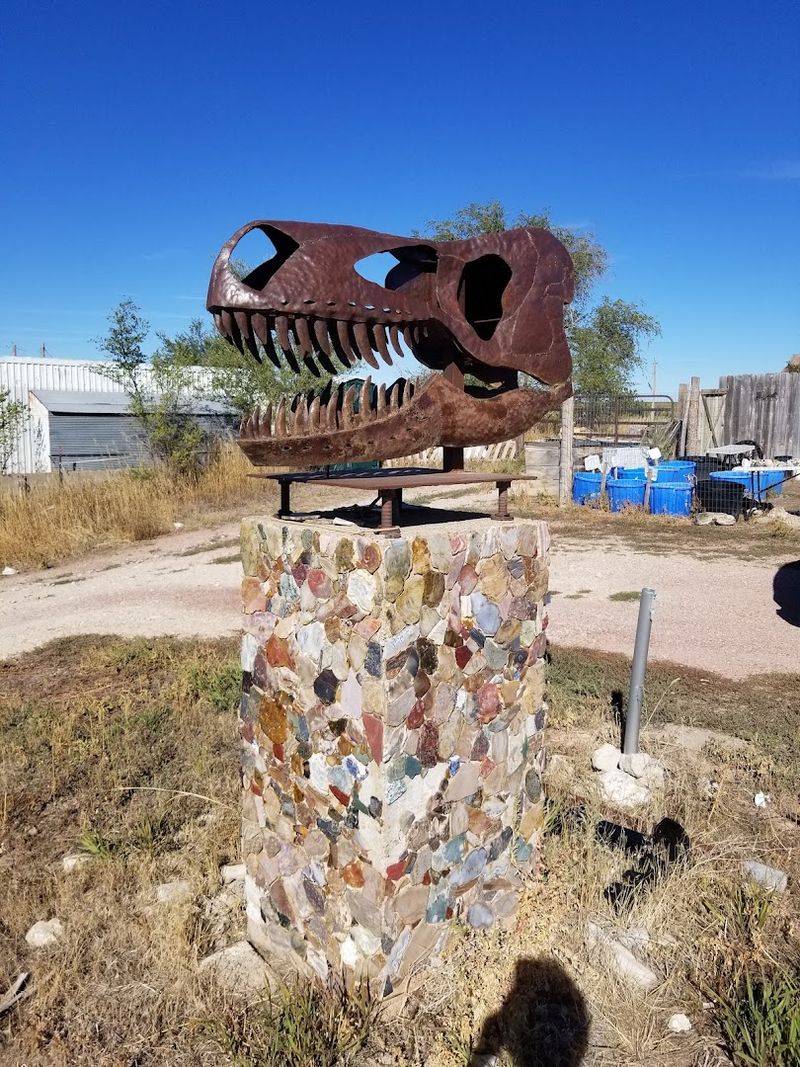
A giant metal T-Rex head mounted outside along Highway 20 makes the Prairie Agate Rock Shop and Fossil Museum in Crawford impossible to miss, and the contents inside live up to that dramatic first impression.
Before heading out to search the public lands of the Nebraska Panhandle, spending time in this small but genuinely informative shop gives collectors a much clearer sense of what regional specimens actually look like in hand.
Seeing a real prairie agate, a piece of local chalcedony, or an authentic fossil up close is far more useful than any photograph when it comes to training the eye for field identification.
The shop displays both local Nebraska finds and specimens from other regions, creating a broad reference point for mineral and fossil enthusiasts at any experience level.
The combination of a retail rock shop and a small fossil museum under one roof makes it a practical and educational stop rather than simply a souvenir destination.
Staff familiarity with the surrounding geology and collecting locations adds informal value to a visit that no guidebook can fully replicate.
Operating hours typically run from 10 a.m. to 5 p.m. during the spring through early fall season, seven days a week.
During the off-season, a contact number posted at the shop allows visitors to arrange access by request, which reflects the flexible and community-oriented character of this Panhandle stop.
Stopping here first and then heading out to the Oglala National Grassland or the Pine Ridge Region turns a single day into a genuinely well-rounded rockhounding experience.