Nebraska’s Railroad Past Comes Alive At These Must-See Landmarks
Nebraska did not just watch the railroad pass through on its way somewhere else.
It was built by it, shaped by it, and in many ways still defined by it in ways that surprise people who show up expecting flat land and not much else.
The iron rails did not simply connect towns here, they created them, dropping depots across the prairie like punctuation marks that eventually grew into communities with their own histories and identities.
Standing inside one of these old stations or looking out over the largest rail yard in the world from eight stories up, something shifts in the way you understand this state and how it got to be what it is.
Nebraska has more railroad history per mile than most people realize.
The landmarks that preserve it range from grand Art Deco train halls to small brick depots that have been sitting quietly in the middle of nowhere for over a century.
Every single one of them is worth the stop.
1. Historic Nebraska City Depot And Gram’s Place
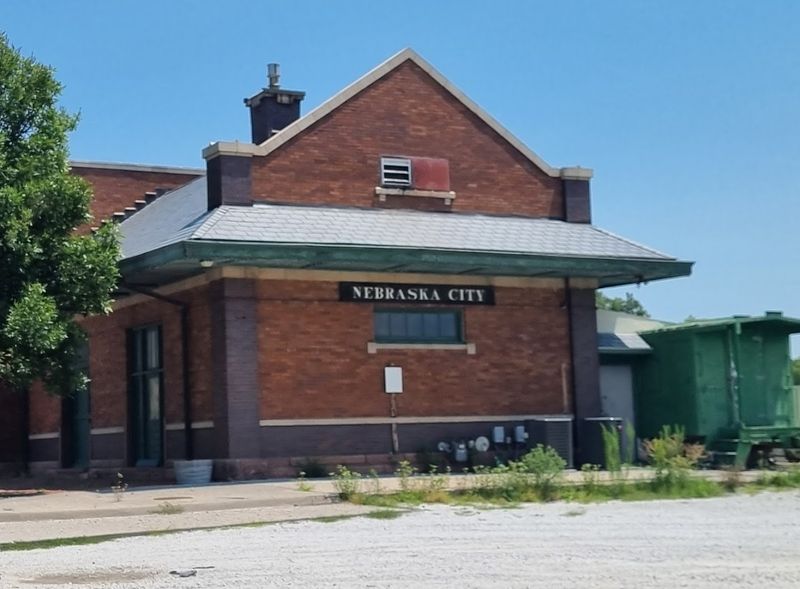
The historic depot at 725 S 6th St has entered a new chapter as Gram’s Place, a family-oriented restaurant established in 2025.
The preserved railroad building still reflects Nebraska City’s transportation history, but visitors today should expect a dining destination rather than a traditional railroad museum.
Nebraska City grew significantly because of its railroad connections, and this station was at the center of all that movement. Freight, passengers, and commerce all flowed through here.
The station is a great starting point if you want to understand how rail shaped small-town Nebraska. The architecture alone tells a story worth reading.
Brick walls, period details, and a layout that was designed for pure function make this place feel completely authentic.
If you are road-tripping through southeastern Nebraska, this stop is worth the detour. It is not flashy, and that is exactly the point.
Sometimes the most honest history lives in the places that never tried to dress themselves up.
2. Cozad Union Pacific Depot
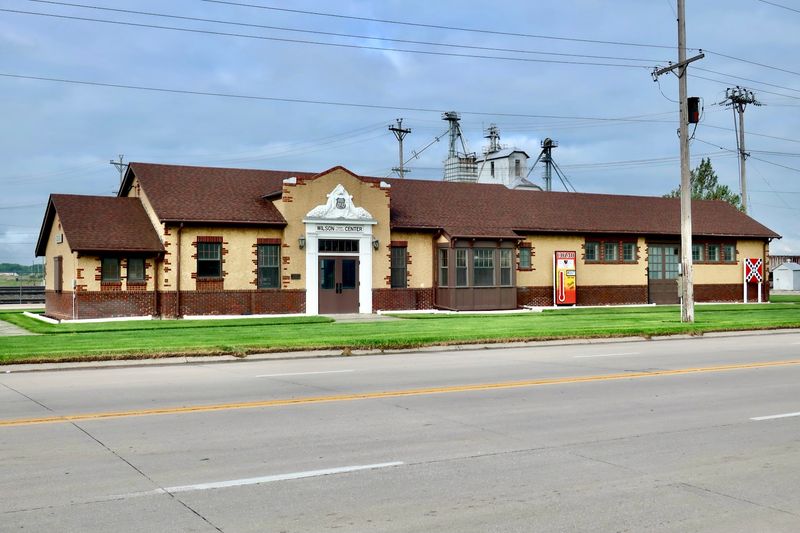
Right on the Lincoln Highway in the small town of Cozad, this Union Pacific Depot sits like a postcard from another era. The address is 105 E Highway 30, Cozad, and the location itself tells you something important.
The railroad and the highway grew up side by side here, each feeding the other.
Cozad was literally founded because of the railroad. John J.
Cozad, the town’s founder, selected this spot along the Union Pacific line in 1873.
The depot became the town’s economic engine almost immediately after it opened.
What makes this stop genuinely interesting is the layering of history. You have the rail era sitting right next to the highway era, and both shaped the American West in massive ways.
Standing here, you feel the overlap of two different kinds of American movement.
The depot building has been preserved with care, and visiting gives you a real sense of scale. These were not grand terminals.
They were working buildings, built for speed and practicality.
That no-nonsense approach to design is its own kind of beauty, and Cozad pulls it off with total conviction.
3. Plainview Historical Society
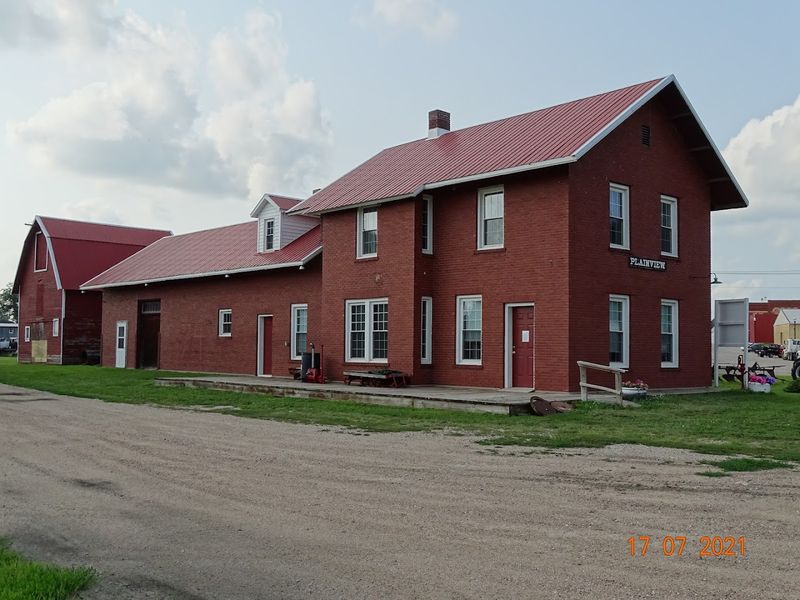
Not every railroad story gets told in a big museum with shiny displays and professional lighting.
Some of the best ones live in places like the Plainview Historical Society, at 304 S Main St in Plainview, where local volunteers have spent years collecting what matters to their community.
Plainview sits in the rolling hills of northeastern Nebraska, and the railroad connection here shaped everything from the grain trade to the social calendar of early settlers.
The Historical Society preserves that story with real specificity. These are not generic exhibits.
They are about this town, these families, this stretch of track.
Old photographs, railroad documents, and personal artifacts have a way of making history feel immediate.
You stop thinking about the past as something distant and start seeing it as something that happened to real people with real lives.
For anyone interested in grassroots preservation, this is an inspiring place. Small societies like this one do incredibly important work on tight budgets.
Their commitment to keeping local railroad history alive deserves genuine recognition and a visit from anyone passing through northeastern Nebraska.
4. Florence Railroad Depot Historical Museum
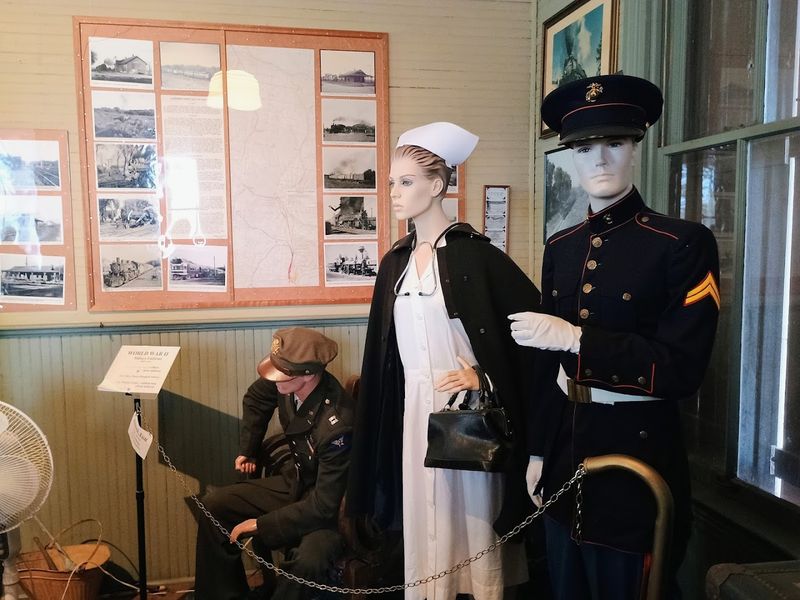
Florence used to be its own town before Omaha absorbed it, and the Florence Railroad Depot at 9000 N 30th St, Omaha is one of the few physical reminders of that independent identity.
The depot has been converted into a historical museum, and it wears that new role well without losing its original character.
The Florence area has deep roots in Nebraska history. It served as a major outfitting point for westward migrants before the railroad era fully took hold.
When the trains arrived, they added another layer to a place that was already historically dense.
The Florence Depot preserves an important piece of North Omaha’s railroad history.
Because the museum sustained substantial vandalism in April 2026 and volunteers have been working on repairs, visitors should confirm its current opening status before making a special trip.
What I appreciate most about this spot is how it connects neighborhood history to the larger railroad narrative of the region.
It would be easy to treat this depot as a footnote, but the people who maintain it refuse to let that happen.
Florence deserves its place in the story of how Omaha and Nebraska were built, and this museum makes that case clearly and convincingly.
5. Hastings Museum
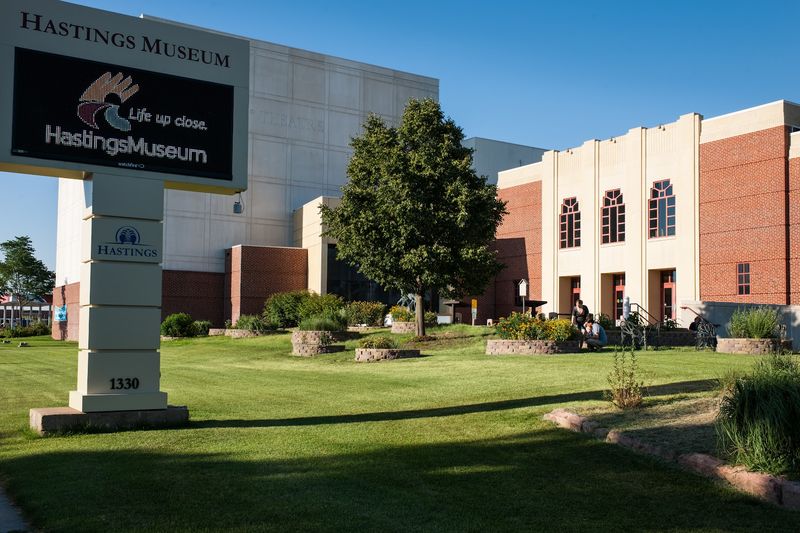
The Hastings Museum is one of those regional museums that consistently surprises people who show up expecting something modest.
It is large, well-curated, and covers an impressive range of Nebraska history, with railroad history woven throughout in a way that feels organic rather than forced.
Hastings itself grew because of the railroad junction established there in the late 1800s. The Burlington and Missouri River Railroad made Hastings a crossroads, and the city boomed as a result.
The museum captures that energy with exhibits that put the railroad in its proper economic and social context.
One of the standout features is the natural history collection, which sits alongside the human history displays in a way that tells the full story of the Great Plains. The railroad did not just move people.
It transformed the entire ecosystem of the region, for better and for worse.
Plan to spend at least two hours here. There is a planetarium on site, and the rotating exhibits keep things fresh even for repeat visitors.
For families with kids who are curious about how Nebraska became what it is today, the Hastings Museum at 1330 N Burlington Ave delivers answers with style and substance that genuinely hold attention.
6. The Durham Museum
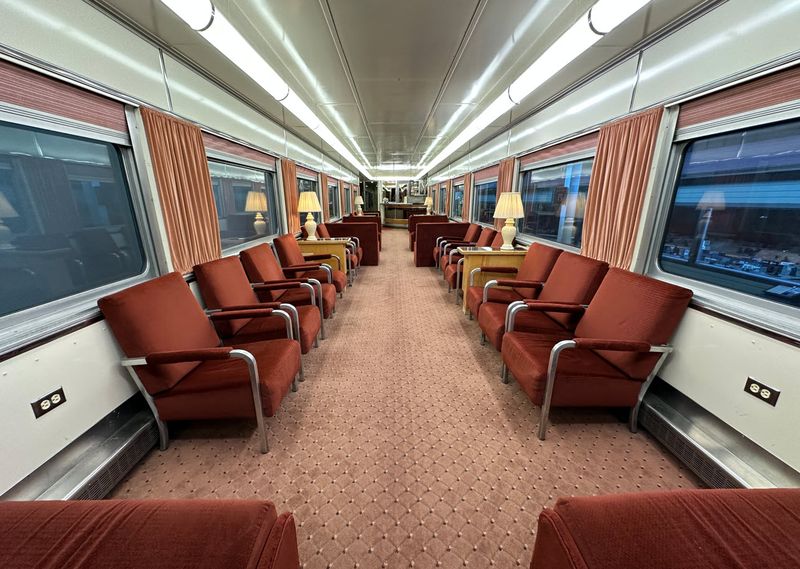
The Durham Museum lives inside one of the most beautiful buildings in Nebraska.
The old Union Station at 801 S 10th St in Omaha is a masterpiece of Art Deco architecture, and the museum inside does full justice to that setting.
This is the kind of place that makes you stop at the entrance and just look up for a moment.
Union Station opened in 1931 and served as the hub of rail travel in Omaha for decades. At its peak, thousands of passengers moved through daily.
The Durham Museum preserves that legacy with exhibits covering Omaha’s history, regional stories, and of course, the railroad that made all of it possible.
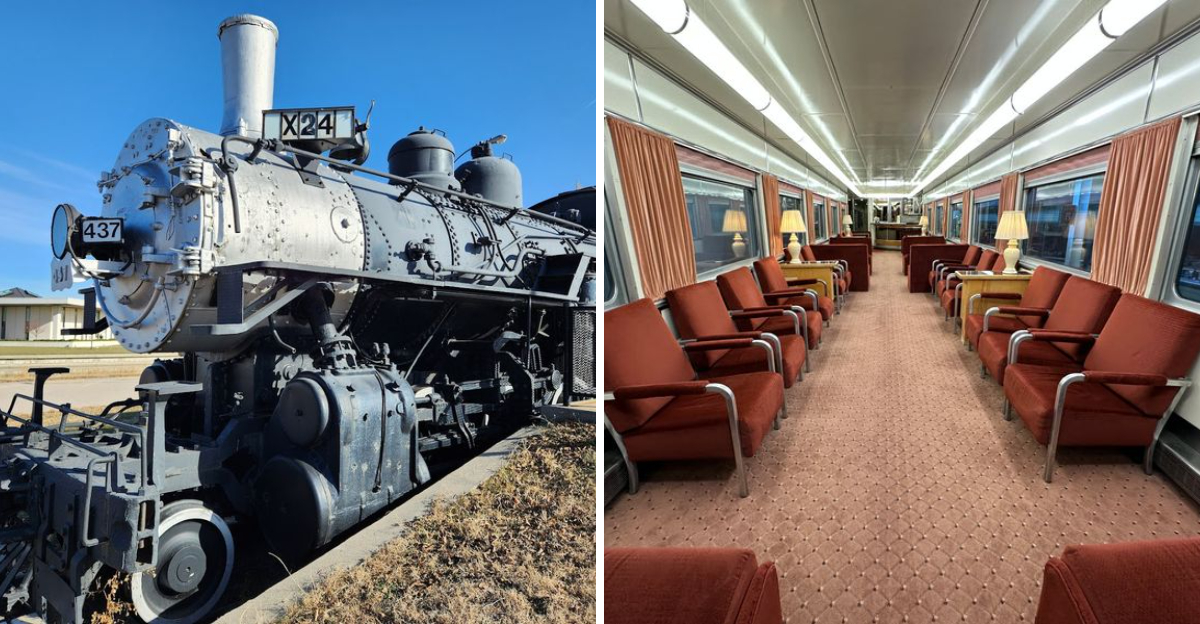
The vintage train cars on display are genuinely impressive. You can walk through restored passenger coaches and get a real sense of what long-distance rail travel looked like in its golden era.
The attention to detail in the restoration work is outstanding.
For anyone visiting Omaha, the Durham Museum belongs near the top of the list. The building alone justifies the trip.
Add the exhibits, the interactive displays, and the rotating special collections, and you have a full afternoon easily filled. It is one of those rare places where the container and the contents are equally extraordinary.
7. Golden Spike Tower
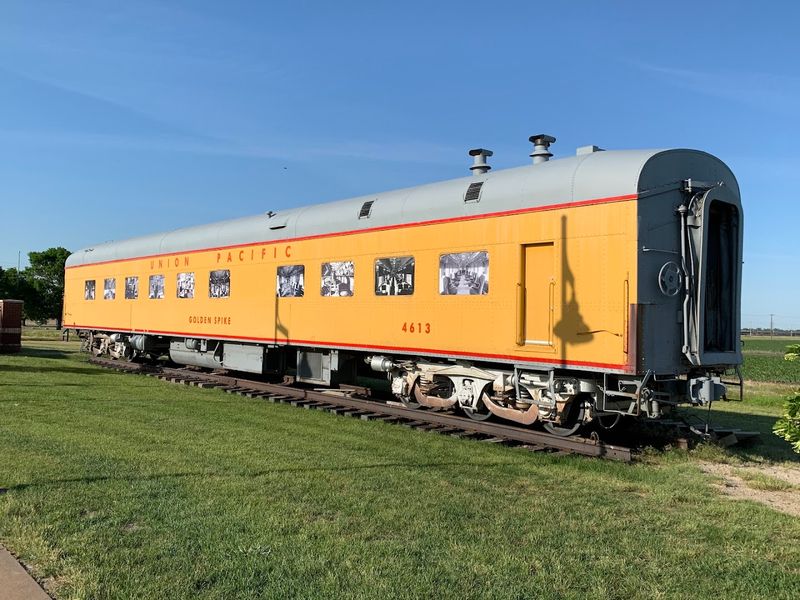
Nothing quite prepares you for the scale of what you see from the top of the Golden Spike Tower.
Located at 1249 N Homestead Rd in North Platte, this observation tower overlooks the Union Pacific Bailey Yard, which happens to be the largest railroad classification yard in the entire world.
That is not a local boast. That is a documented fact.
Bailey Yard covers more than 2,850 acres and sorts around 14,000 rail cars every single day. Watching it operate from the tower is genuinely mesmerizing.
Trains move in and out in a slow, coordinated ballet that goes on around the clock without stopping.
The tower itself has eight floors and an observation deck that gives you a panoramic view of the entire operation.
Inside, exhibits explain how the yard works and why North Platte became the heart of Union Pacific’s network. The information is presented clearly enough for kids but detailed enough to keep adults fully engaged.
I stood on that deck longer than I planned to. There is something hypnotic about watching that much machinery move with that much precision.
If you have ever been curious about how goods move across America, this is the place that makes it click. North Platte delivers a perspective you simply cannot get anywhere else.
8. Stuhr Museum
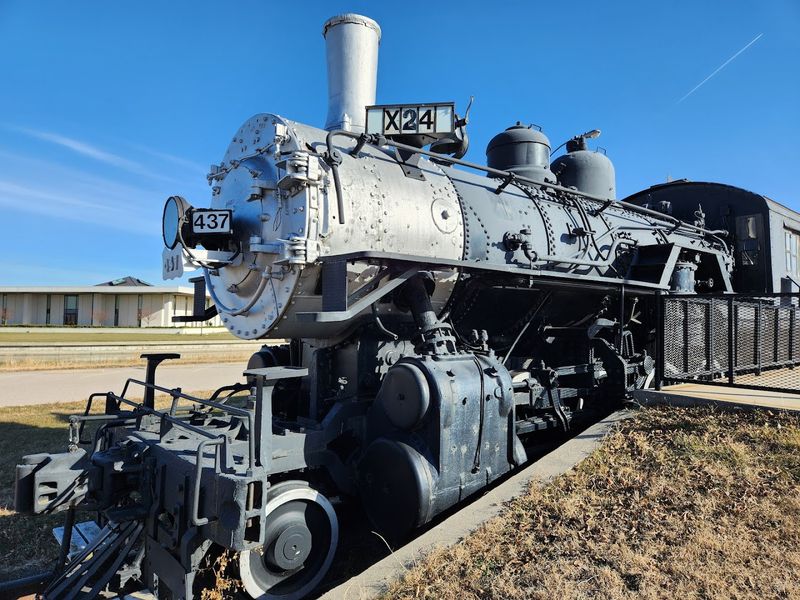
The Stuhr Museum takes a bold approach to history. Rather than putting artifacts behind glass, it reconstructs an entire railroad town from the 1890s and invites you to walk straight through it.
The result is one of the most immersive history experiences in the entire state.
Railroad Town, as the outdoor village is called, includes more than sixty original historic buildings relocated from across Nebraska.
You are not just reading about the past here. You are walking around inside it.
The museum complex also includes a round island designed by Edward Durell Stone, which houses the main collection of artifacts and exhibits.
The combination of outdoor village and indoor museum gives you two very different but equally valuable ways to engage with the same history.
Costumed interpreters bring the railroad town to life during special events, demonstrating period crafts and trades that would have supported a rail community in the late 1800s.
Stuhr at 3133 US-34 in Grand Island is the kind of place that works for every age group. Kids run ahead excited, and adults fall behind reading every single sign.
That balance is rare and worth celebrating.
9. Pioneer Village
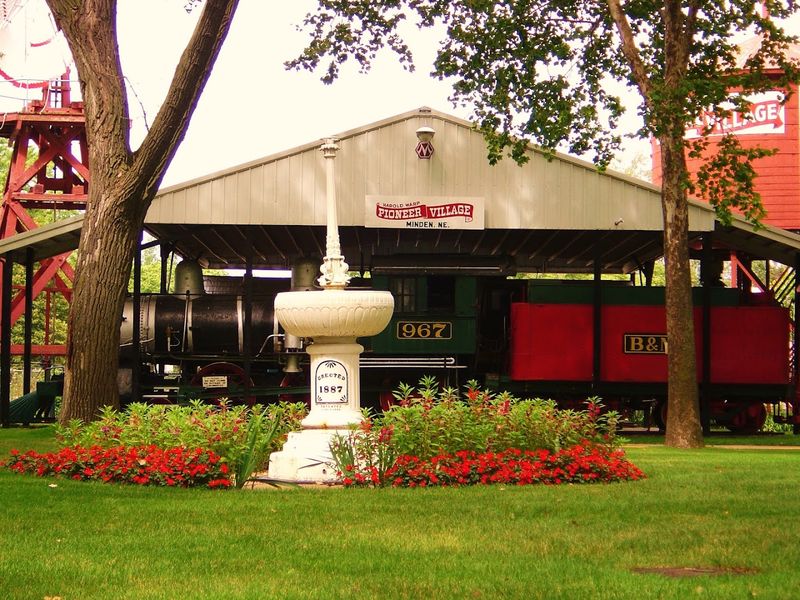
Pioneer Village in Minden is the kind of place that makes you realize how much stuff has been invented in the last two hundred years.
Located at 138 US-6, this sprawling museum complex was founded by Harold Warp in 1953 and houses one of the largest collections of Americana anywhere in the country. The railroad section is just one chapter in a very long book.
The transportation exhibits here are extraordinary in their range. From horse-drawn wagons to early automobiles to steam locomotives, Pioneer Village traces the full arc of American movement across the plains.
Seeing a steam engine parked next to a covered wagon puts the railroad era in sharp perspective.
With over 50,000 artifacts spread across more than twenty buildings, a single visit can honestly feel like too little time.
Most people end up picking a few sections to explore deeply rather than rushing through everything. The railroad and transportation buildings reward slow, curious visitors who read the labels and ask questions.
Pioneer Village is a genuinely underrated destination. It does not have the marketing budget of larger attractions, but it has the collection.
Minden is a small town, but this museum punches well above its weight class. Give yourself a full day, wear comfortable shoes, and bring your appetite for detail because there is a lot of it waiting here.