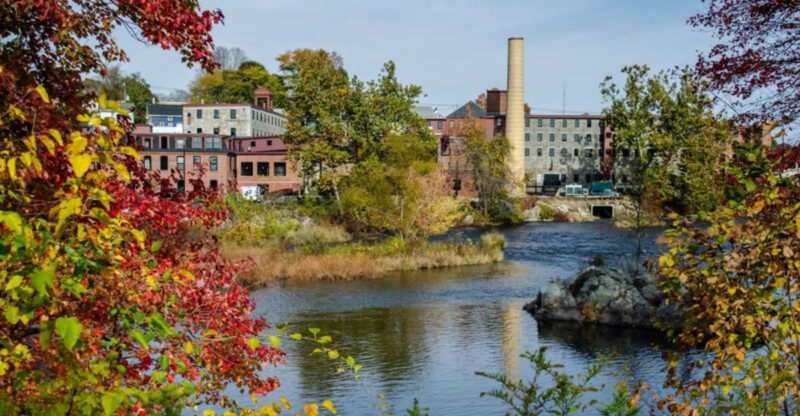
New England Charm Is Everywhere In This Scenic Connecticut Town Filled With Beautiful Trails
Small towns can be dangerous for your schedule. You stop for a quick look around, then somehow an hour disappears.
This one earns that effect with quiet roads, wooded paths, and a downtown that feels comfortably unhurried. The scenery never seems to be trying too hard. It simply works.
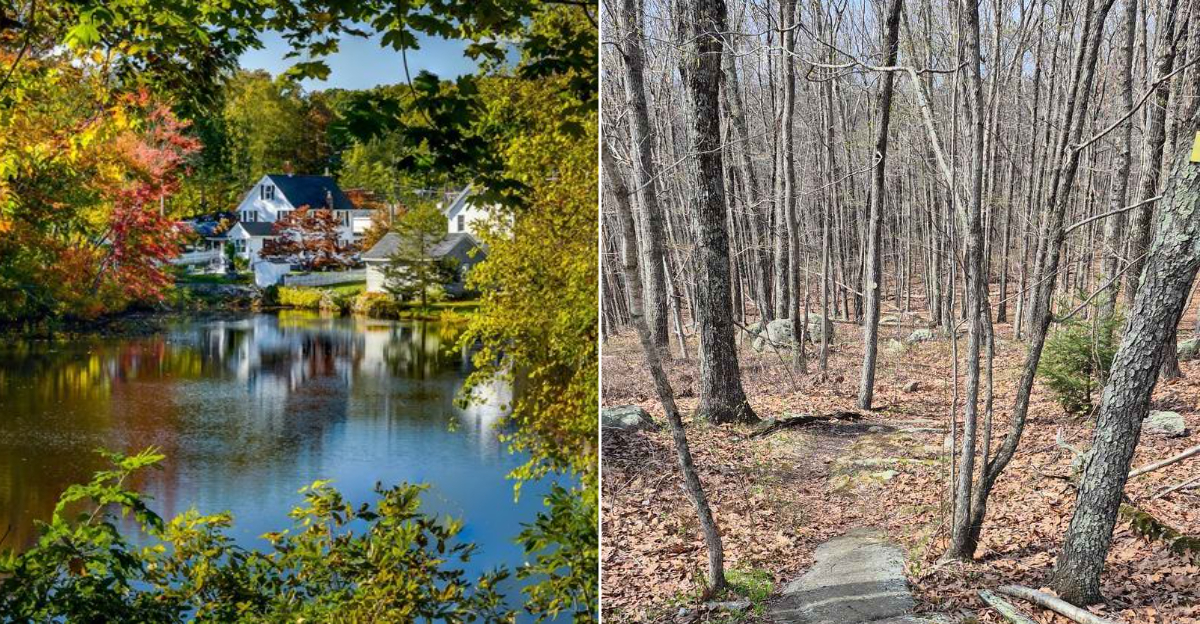
One of the nicest surprises is how easy it is to swap Main Street for a trail when you want some fresh air. Forested stretches and river views give the day a completely different pace.
You can wander for a while, then be back near town before it feels like you went very far.
Scenic corners like this are why Connecticut still does classic New England charm so ridiculously well.
There is a strong sense of community here too, but the town never feels staged for visitors. That may be its best trick.
You arrive expecting a pleasant little stop. Then you start wondering how long you could reasonably stay.
1. Main Street Sets The Small-Town Scene
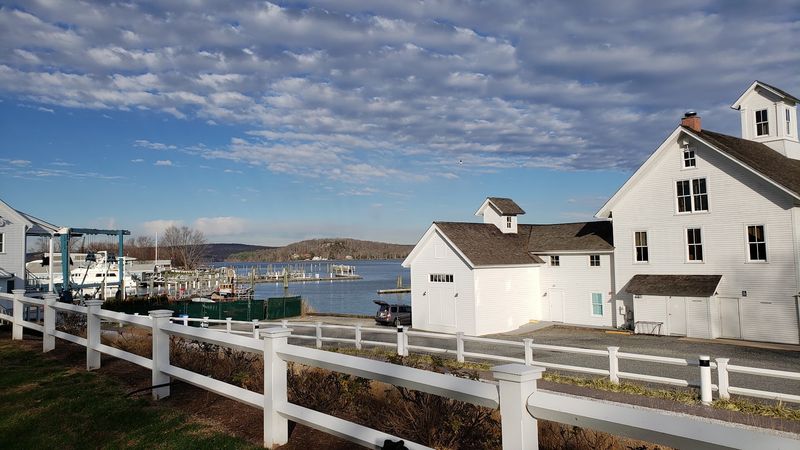
A walk down the central corridor of Deep River feels less like tourism and more like stepping into a neighborhood where people actually live and linger.
Antique wood and brick buildings line the street, giving the whole stretch a grounded, unhurried quality that is increasingly rare in New England towns of any size.
The architecture alone tells a quiet story of commercial life stretching back well over a century.
Shops along the street cover a practical and pleasurable range. Deep River Home carries housewares and gardening tools, while G’s Treasures draws those who enjoy browsing vintage finds without a set agenda.
The Nest Coffee House offers coffee, baked goods, and handcrafted items from local artisans, making it a natural stopping point for anyone who wants to slow down and settle in for a bit.
The Deep River Public Library sits at 150 Main Street, Deep River, CT 06417, housed inside an elegant Queen Anne Victorian residence built in 1881. Original woodwork and historic fireplaces remain intact inside, preserving the warmth of the original structure.
Not far away, the Deep River Town Hall at 174 Main Street was completed in 1893 and features a distinctive flatiron shape designed to fit the angle where Elm and Main Streets meet.
2. Deep River Landing Opens Onto Sweeping River Views
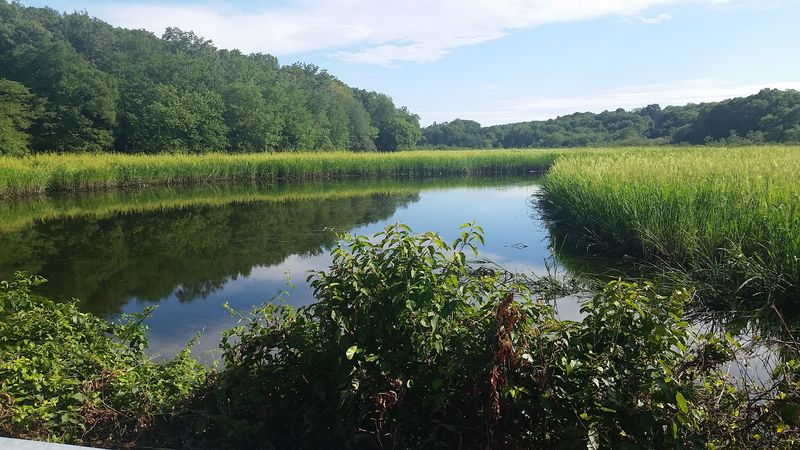
Standing at the edge of the landing on a clear morning, the Connecticut River stretches wide and unhurried, with the heavily wooded shapes of Eustacia and Selden Islands rising from the opposite bank.
The site sits roughly ten miles north of Long Island Sound, placing it at a point where the river still feels tidal and expansive.
There is a quietness here that feels almost out of proportion with how accessible the location actually is.
The Deep River Town Landing at 174 River Street, Deep River, CT 06417, provides a public boat launch, free transient moorings managed by the harbormaster, and a free dinghy dock with a two-hour limit for boaters exploring town on foot.
Parking at the site can be limited during busy weekends, so arriving earlier in the day tends to make for a smoother visit.
The landing is reachable from Route 9 via exit 5, heading east on Route 80 through one stop sign and a traffic light at Main Street.
Historical records trace active maritime use of this site back to 1653, when local vessels departed from here in search of goods including ivory.
Across the water, Selden Neck State Park offers hiking trails and seasonal campsites for boaters from May through September, extending the river experience considerably.
3. The Queen Of The Valley Nickname Runs Deep
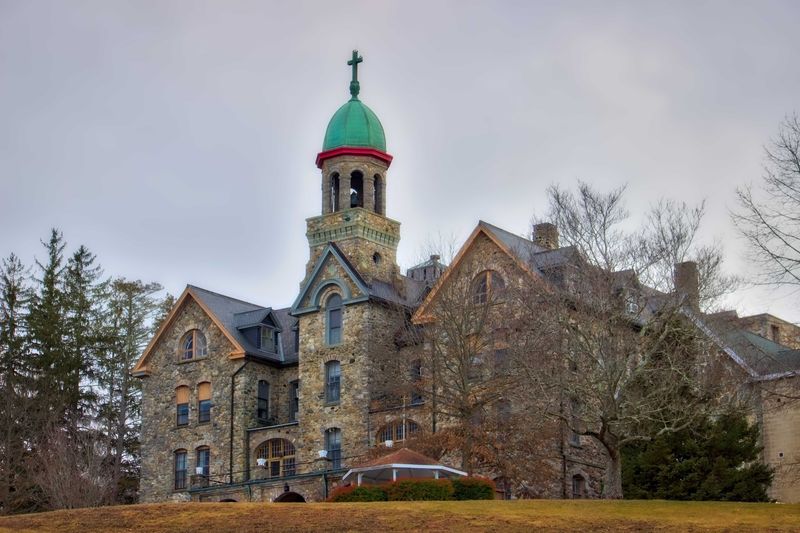
For roughly a century, Deep River held an outsized role in the global piano industry, and the nickname that came with that role still carries weight in local memory.
From approximately 1840 to 1940, a substantial share of the ivory imported into the United States passed through this town for processing.
That concentration of industry and the wealth it generated earned Deep River the distinction of being called the queen of the valley.
The trade grew significantly after Phineas Pratt developed an ivory lathe capable of shaping the material with precision. Local factories produced combs, buttons, and most notably the white key veneers used on piano keyboards, which were considered the finest available material at the time.
A single elephant tusk could yield enough material to veneer dozens of piano keyboards, and demand remained high as piano ownership spread across American households.
Deep River and neighboring Ivoryton together became the national center for ivory milling during this period.
A tangible reminder of that history stands outside the Deep River Town Hall, where an elephant statue acknowledges the industry that shaped the town’s economy and identity for generations.
The legacy is subtle but present throughout the town, woven into its architecture, its street names, and its sense of self.
4. Piano Works Preserves An Old Factory Landmark
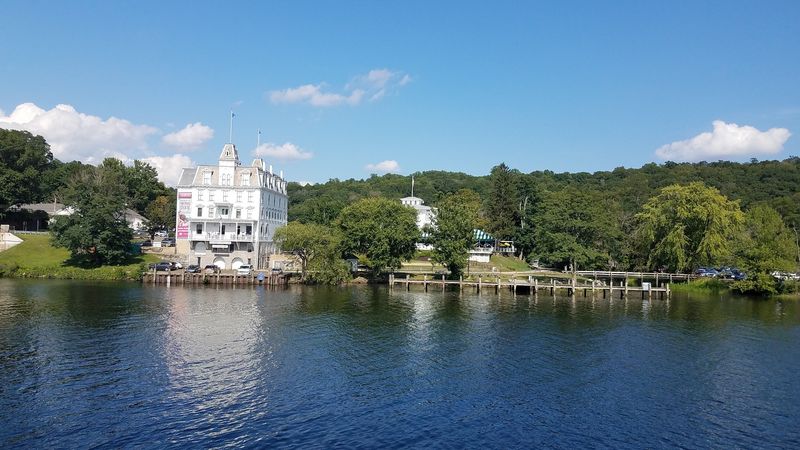
A long brick factory building on Main Street still tells the story of an industry that once shaped Deep River.
Today it is known as The Piano Works, but its roots reach back to Pratt, Read & Company, a major ivory-processing business whose products included piano keys, combs, buttons, and other goods shipped far beyond the region.
The factory complex grew during the 19th century as demand for piano components increased. Its surviving brick construction reflects the industrial character of that era, while later additions supported changing methods of production as the company expanded.
Much of that manufacturing history is still visible even though the building now serves an entirely different purpose. The former factory at 92 Main Street in Deep River was converted into condominiums in the 1980s and is listed on the National Register of Historic Places.
Many residences retain details such as exposed brick, timber beams, tall ceilings, industrial ductwork, and large arched windows. Those features give the building a distinctive loft-style atmosphere while preserving reminders of its earlier life.
Rather than disappearing with the factory era, this piece of Deep River’s industrial past continues as part of the town’s everyday landscape.
5. Canfield Woods Leads Into A Larger Trail Network
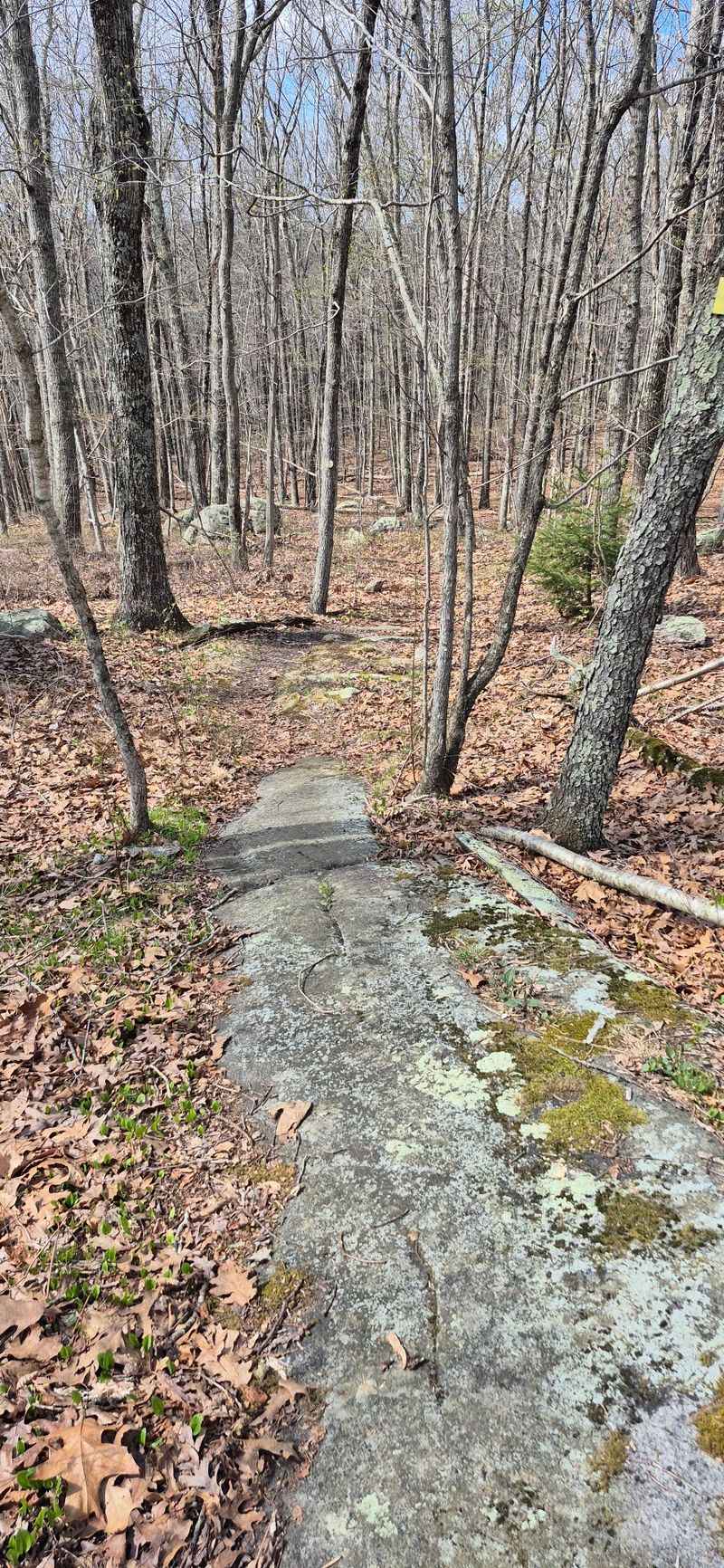
Beyond the storefronts and historic buildings, the landscape opens into something quieter and more expansive at Canfield-Meadow Woods Nature Preserve.
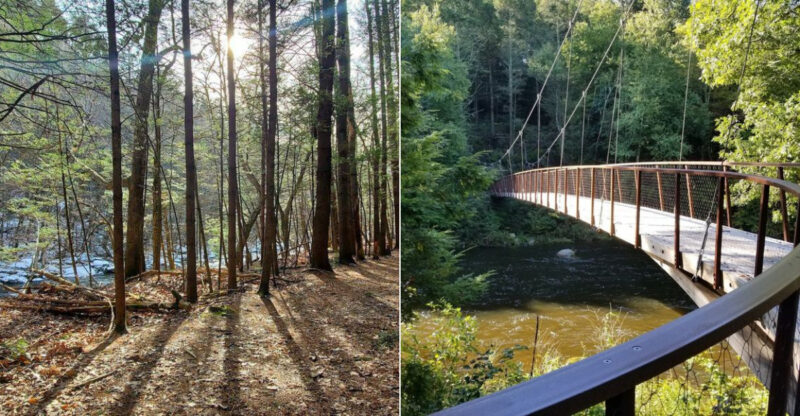
Spanning more than 300 acres across both Deep River and neighboring Essex, the preserve contains over 16 trails that wind through mixed old and new growth forest, along ridgelines, through valley wetlands, and past ancient colonial-era stone walls that surface unexpectedly from the undergrowth.
Trail difficulty ranges from easy to moderate throughout most of the preserve, though some sections climb more steeply toward the upper ridges.
A viewing platform positioned at roughly 300 feet in elevation rewards the effort with expansive views of the Lower Connecticut River Valley and on clear days extends the sightline toward Long Island Sound.
Remnants of an old stone quarry within the Deep River section of the preserve add a layer of historical texture to what is otherwise a straightforward nature walk.
An entrance to the preserve can be accessed along Route 154 in Deep River, which serves as a practical starting point for most trail routes. The preserve is managed cooperatively by the Deep River and Essex Conservation Commissions and the Essex Land Trust.
Dogs are welcome but must remain on a leash or under direct owner control throughout the trail network.
6. The Old Landing Still Connects Travelers To The River
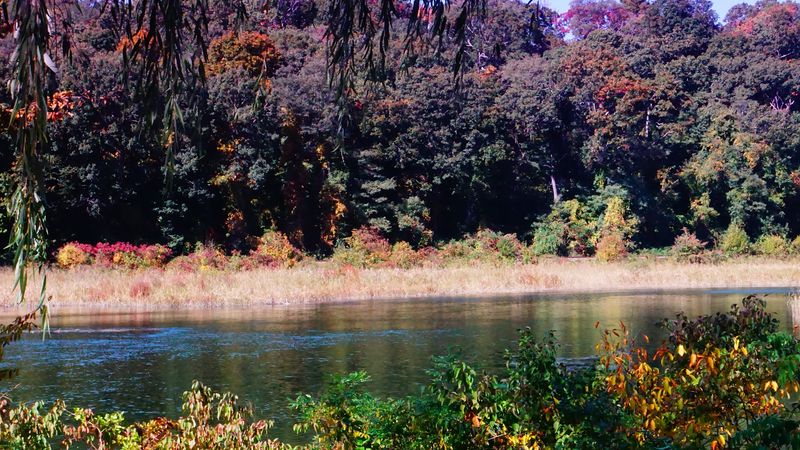
Long before recreational boating and riverside picnics defined the space, the Deep River landing served as a working waterfront where commerce and daily life intersected with the river.
Shipbuilding activity near the landing dates to the 1790s, and sloops and schooners regularly departed from here carrying goods and returning with materials that fed the town’s growing industries.
The river was not scenery then but infrastructure.
That practical relationship with the water has softened over time into something more recreational, but the landing has not been polished into something unrecognizable.
The views across to the wooded islands remain largely unspoiled, and the absence of heavy commercial development along the shoreline gives the site a quality that feels genuinely preserved rather than staged.
Visitors can launch boats, fish from the pier, or simply sit and watch the current move.
The landing also connects to the broader Connecticut River Paddlers Trail, which routes kayakers and canoeists through some of the most ecologically significant stretches of the river.
Community events including summer concert series have been held at the site, drawing local residents down to the waterfront on warm evenings.
The Deep River Town Landing at 174 River Street, Deep River, CT 06417, remains one of the most accessible and atmospheric points of entry to the river in the region.
7. Autumn Brings Extra Color To The River Valley
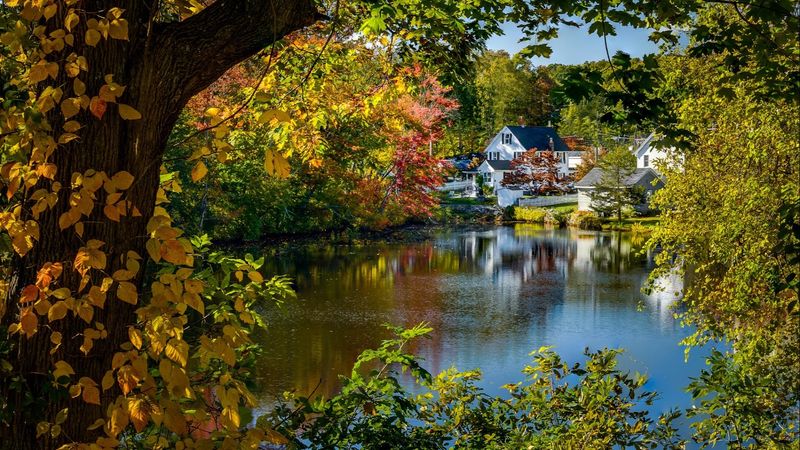
The lower Connecticut River Valley earns particular attention each autumn, when the surrounding hillsides shift through a progression of gold, orange, and deep red that tends to peak somewhere between mid and late October.
The landscape around Deep River benefits from its position within the valley, where the river moderates temperature swings enough to extend the color season slightly compared to inland areas.
Early November can still offer pockets of color along the lower river and shoreline.
Several driving routes make the most of the seasonal display. The Connecticut River Gateway route follows Route 154 south through some of the most consistently scenic stretches of autumn color in the region.
The Essex to Guilford Shoreline Loop also passes through the Deep River area, linking together multiple viewpoints across a single manageable drive.
For those who prefer being on the water, riverboat cruises during this season offer a perspective that no road can replicate, with the foliage reflected across the surface of the river in the early morning light.
Autumn is also a productive season for birdwatchers, as the lower Connecticut River corridor serves as a recognized migration route for numerous species moving through New England.
Paddling the river during this period tends to bring visitors into close proximity with wildlife in a way that feels unhurried and genuinely immersive rather than scheduled.
8. Historic Buildings Keep The Town’s Past In View
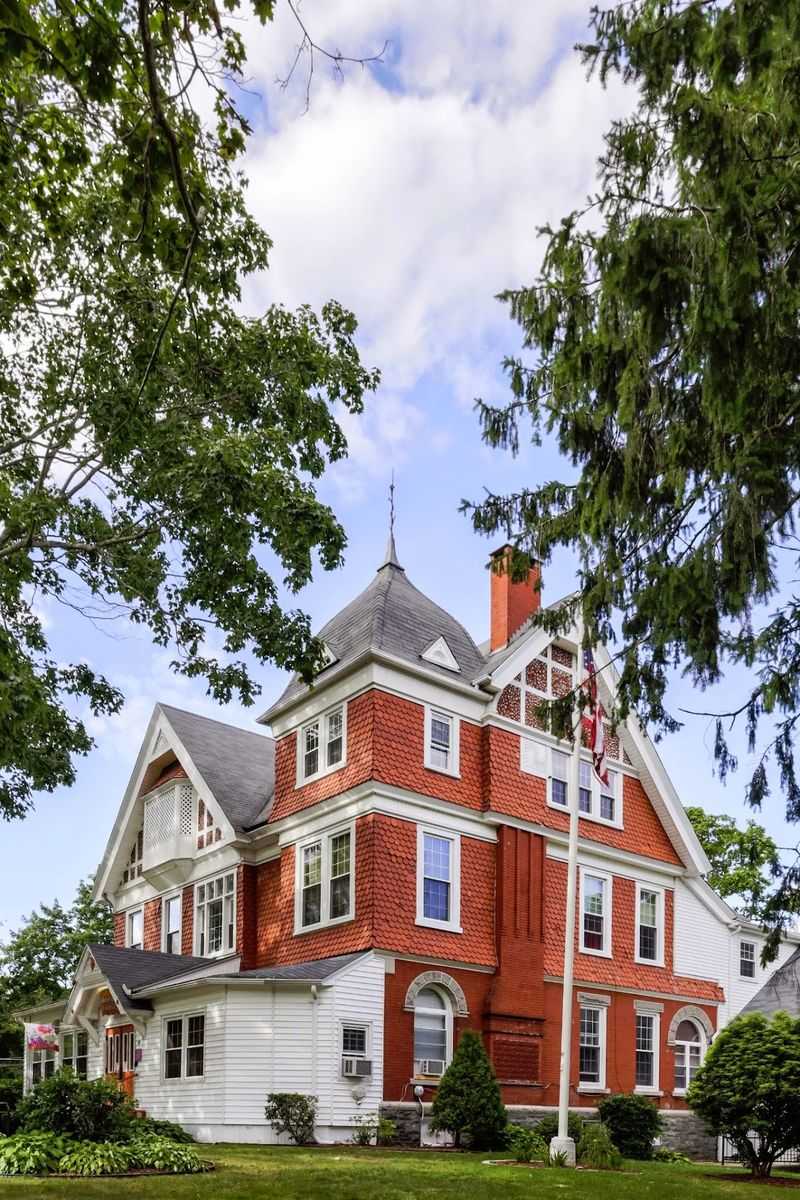
Pay attention to Deep River’s older buildings and the town begins to reveal its history without much effort.
Main Street still carries architecture from different periods, with former homes and civic structures showing how the community changed as industry grew around the Connecticut River Valley.
One of the best places to explore that story is The Stone House, home of the Deep River Historical Society. Ezra Southworth built the Greek Revival residence in 1841 using locally quarried stone.
Later additions softened its original lines with a wraparound veranda and Queen Anne details. The property also includes an 1889 Carriage House built on an older foundation.
Visitors can find the museum at 245 Main Street, where current seasonal hours run Thursday mornings and Sunday afternoons from June through September.
Another important survivor appears on River Street. The Deep River Freight Station was constructed around 1915 by the New York, New Haven and Hartford Railroad.
Its wood-frame design and original freight-handling features preserve a very different side of local history.
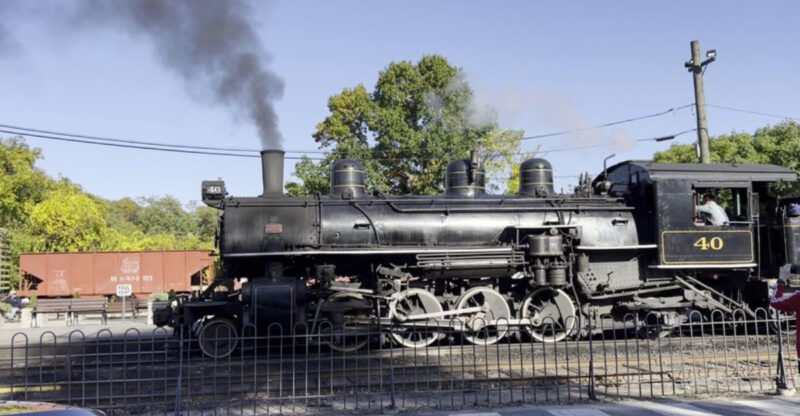
Today, the station remains part of the historic rail corridor used by the Valley Railroad, connecting the town’s architectural past with one of the region’s most recognizable heritage attractions.