10 New Hampshire Towns Nobody Mentions That Are Absolutely Worth The Drive
Everyone visiting New Hampshire drives the same three roads. They stop in the same towns and take the same photos.
You know the ones I mean.
Meanwhile the rest of the state sits there quietly. Old covered bridges and general stores that still function.
Village greens where absolutely nothing happens on schedule. That is not a criticism, it is the appeal.
These towns have a few hundred people each. Some have one restaurant and a very good post office.
Others have a church, a diner, and a mountain view. Nobody is trying to sell you a keychain.
You will drive longer than you expected. The roads wind and the phone signal disappears.
Both of those things are features here.
Pack a thermos and pick two or three. Save the rest for another weekend entirely.
The whole point is having somewhere left to go.
1. Sugar Hill, Grafton County
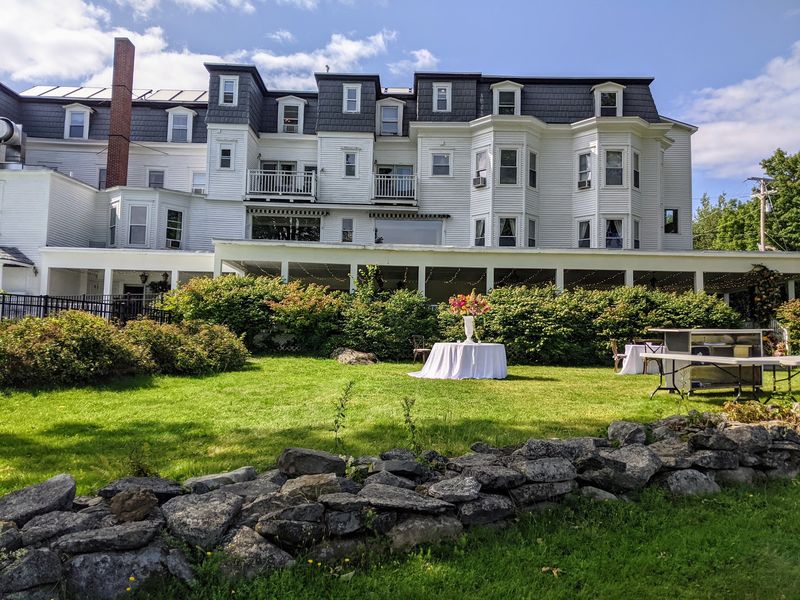
Fewer than a thousand people live here, and the flowers still outnumber them by a wide margin. Sugar Hill became its own town in 1962, making it one of the youngest in the state.
June is the month everyone whispers about. Fields fill with lupine, purple and pink, and the mountain ridge sits behind them like a painted backdrop.
Polly’s Pancake Parlor has been serving here since 1938. The batter is made with grains ground on site, and the maple products come from local sugarhouses.
Order the sampler if you cannot decide. Six small pancakes arrive, and you get to taste buckwheat, cornmeal, and oatmeal buttermilk in one sitting.
The views do a lot of heavy lifting in this town. Sunset Hill offers a long open ridge where the Presidential Range lines up in the distance.
Bring a camera and low expectations about cell service. Both decisions will improve your afternoon considerably.
Winter turns the place quiet in the best way. Cross country trails run through the fields, and the snow muffles everything except your own footsteps.
My advice is simple. Arrive early, eat first, then wander without a plan and let the roads decide.
2. Harrisville, Cheshire County
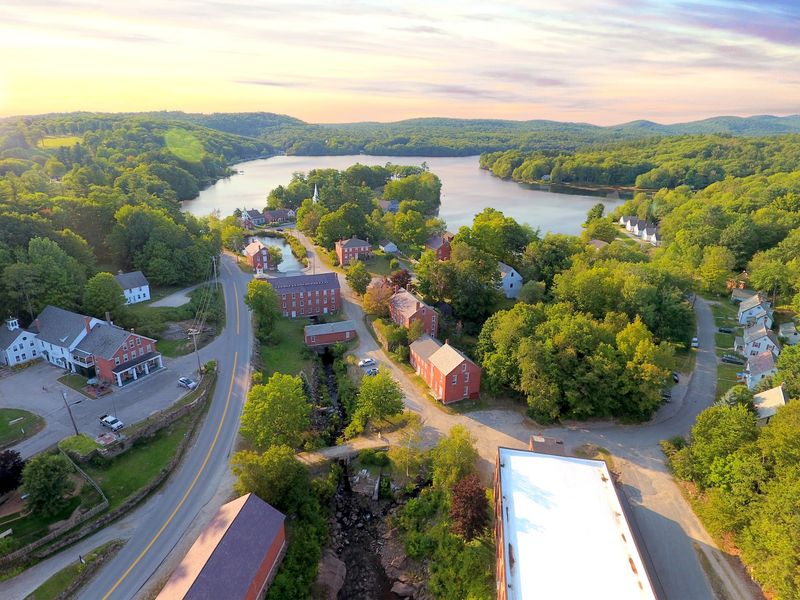
Brick mills, a millpond, and almost nothing changed since the 1800s. Harrisville is the rare American mill village that still looks like a mill village.
The entire center is a National Historic Landmark. Granite and brick buildings sit shoulder to shoulder along the water, and the reflection is almost too neat.
Harrisville Designs still operates here. The company sells yarn and weaving looms, and knitters drive hours just to touch the wool in person.
Stop at the general store for a sandwich and a seat by the window. Conversations there tend to include weather, fishing, and someone’s tractor.
Walk the loop around the pond in under twenty minutes. Do it twice, because the light changes and so does your mood.
Nearby trails climb into the Monadnock region. Mount Monadnock itself is close enough for a morning hike and an afternoon return.
What surprised me most was the sound. Water moving through the old channels makes a low steady hum you notice only when you stop talking.
Photographers love the place, and rightly so. Just remember people actually live in these buildings, so keep the drone in the car.
3. Walpole, Cheshire County
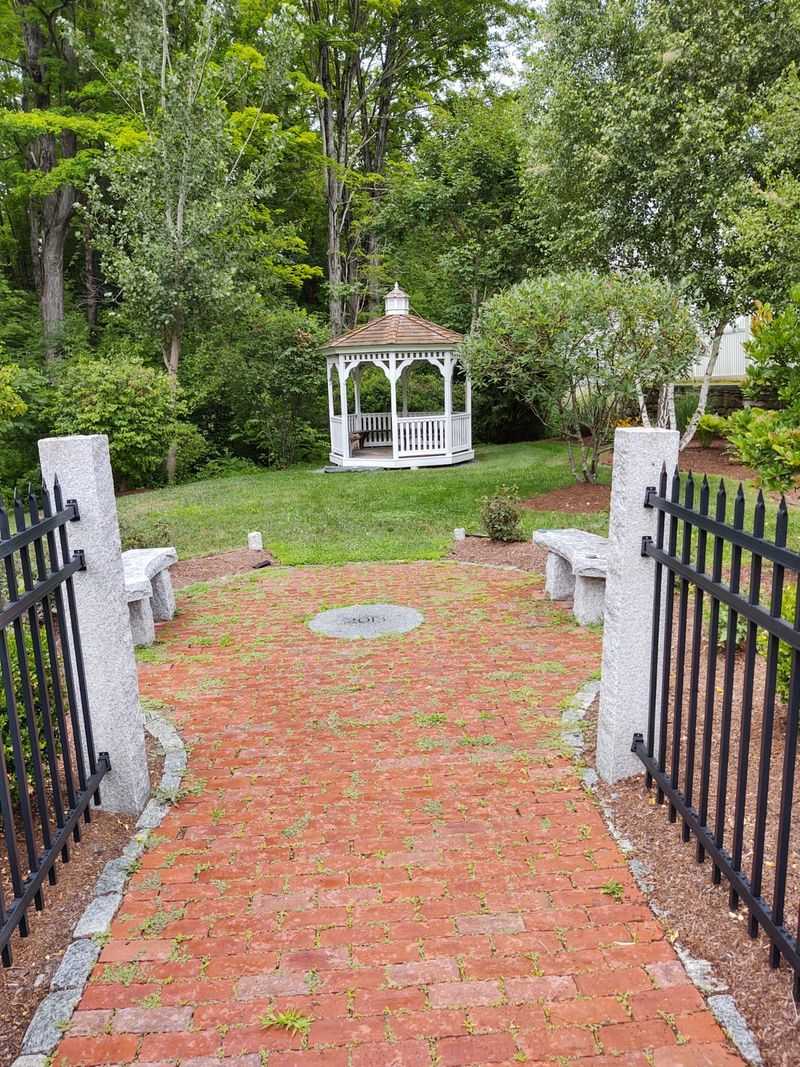
A world class chocolate maker set up shop in a village of roughly 3,700 people. That fact alone makes Walpole worth the turn off Route 12.
L.A. Burdick Chocolate has its kitchen and cafe here.
The mice shaped chocolates are the famous item, and yes, they taste better than they photograph.
The cafe serves lunch too. Soups, tarts, and pastries come out steady, and the hot chocolate is thick enough to hold a spoon upright.
Outside, the village green looks like a movie set nobody bothered to advertise. White clapboard houses line the street under enormous shade trees.
Filmmaker Ken Burns has lived in Walpole for decades. Locals mention it casually, the way you would mention a neighbor’s garden.
The Connecticut River runs just west of town. Farm stands along the valley sell corn and berries when the season cooperates.
Distant Hill Gardens and nearby orchards make good detours. Alyson’s Orchard offers pick your own fruit and long views over the valley.
My honest suggestion is to skip breakfast before arriving. You will want room for chocolate, and pretending otherwise is a mistake.
4. Bath, Grafton County
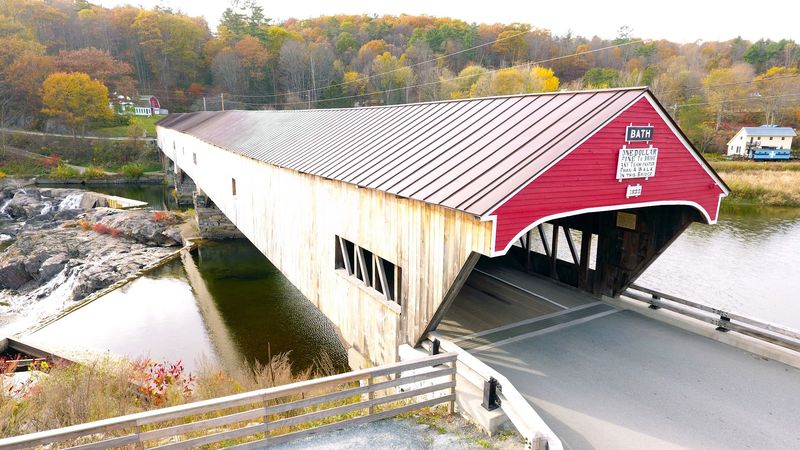
One town and three covered bridges. Bath punches far above its size.
The historic village center makes a good starting point, with old buildings clustered near the Ammonoosuc River and plenty of reminders that this community has been around for centuries.
The Brick Store is one of the most recognizable buildings in town. Dating to 1824, it operated as a general store for generations and was widely promoted as one of America’s oldest continuously operating general stores before closing in 2024.
The building remains an important part of Bath’s historic streetscape.
Covered bridges are the bigger reason to explore.
The Bath Covered Bridge carries Route 135 across the Ammonoosuc River and stretches more than 370 feet, making it one of New Hampshire’s longest covered bridges. Its current structure dates to 1832.
A short drive brings you to the Swiftwater Covered Bridge, another photogenic crossing over the Wild Ammonoosuc River. The present bridge dates to 1849.
Then there is the Bath-Haverhill Covered Bridge, an additional historic crossing that helps turn a simple drive around Bath into a miniature covered-bridge tour.
Come in fall and the combination gets even better. Red and gold foliage frames weathered timber, moving water, and quiet country roads.
Take your time between bridges. Around here, the drive is part of the attraction.
5. Center Sandwich, Carroll County
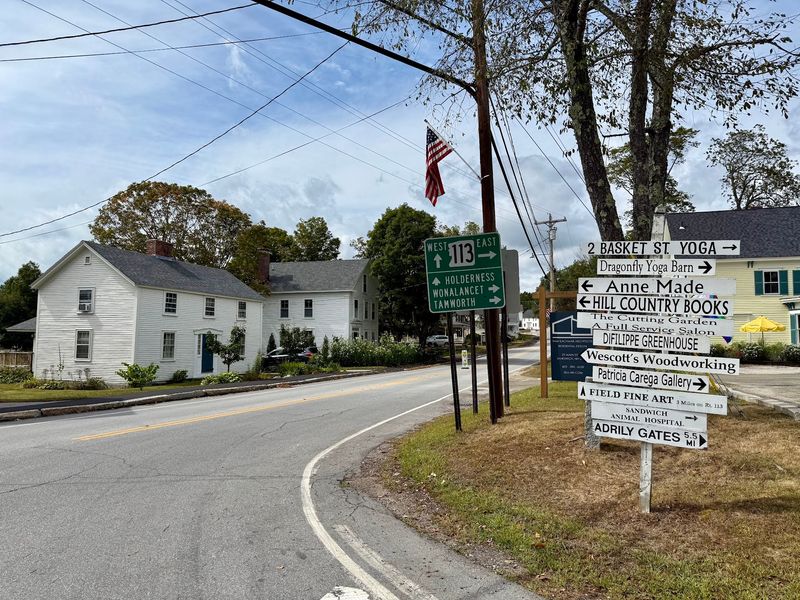
Craft nerds already know this address. Center Sandwich is where the League of New Hampshire Craftsmen began back in 1932.
The Sandwich Home Industries shop still sits at the crossroads. Pottery, woodwork, and hand woven goods fill the rooms, all made by state artisans.
Prices reflect real handwork, not souvenir shelves. You can also just browse and learn something, which the staff seems happy about.
The village itself is tiny and beautifully stubborn about staying that way. Clapboard buildings, a corner store, and mountains rising straight behind them.
Sandwich Notch Road climbs north from here. It is narrow, dirt, and one of the oldest mountain roads in New Hampshire.
Drive it slowly in a vehicle with decent clearance. The payoff is waterfalls, stone walls, and forest that feels genuinely remote.
Squam Lake sits just south. Loons nest there, and boat tours explain the ecology without turning it into a theme park.
October brings the Sandwich Fair, one of the state’s largest agricultural fairs. Expect oxen, pies, and traffic worth tolerating.
Come on a weekday if you prefer quiet. The village practically hums with nothing happening, and that is the appeal.
6. Orford, Grafton County
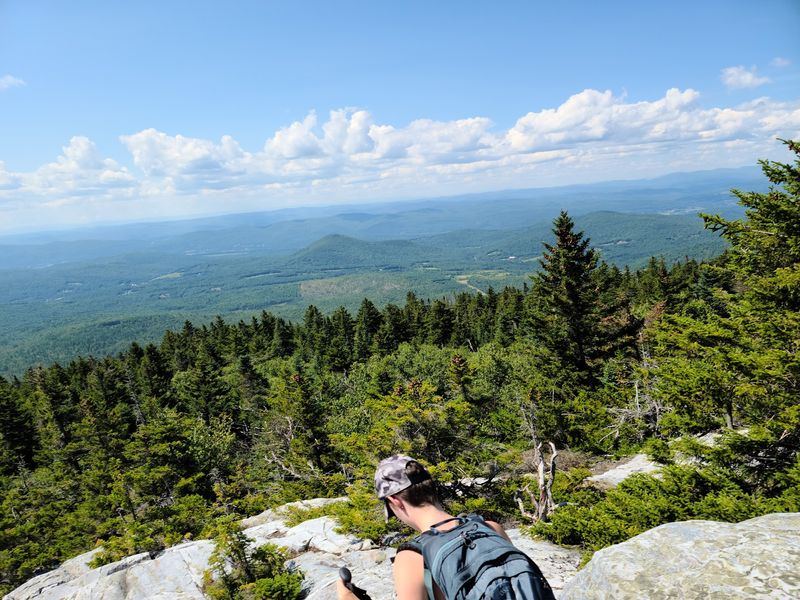
Seven grand houses stand in a row on a ridge, and most drivers pass without slowing. Their loss.
The Orford Ridge Houses were built between 1773 and 1839. Federal style architecture, generous proportions, and a setting that flatters every one of them.
These are private homes, so admire from the road. The sidewalk view is more than enough to understand why architects make the trip.
Orford sits along the Connecticut River across from Vermont. The valley floor is flat farmland, which makes the ridge feel taller than it is.
Cycling here is a pleasure. Route 10 rolls gently, and side roads climb into hills with almost no traffic.
Mount Cube rises east of town. The hike is moderate, and the bare summit ledges open up views toward the White Mountains.
A local sugarhouse operated on Mount Cube’s slopes for decades and became well known statewide. Maple season still draws visitors to the region.
Bring a picnic, since dining options are limited. A blanket, some bread, and the river make a fine lunch.
What I remember is the silence. Standing on that ridge, you hear wind in the elms and not much else.
7. Tamworth, Carroll County
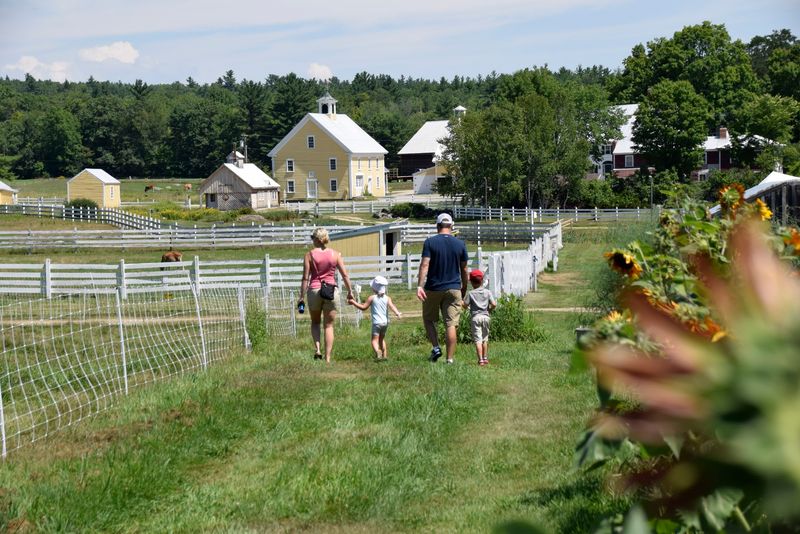
A professional summer theater in a village this small still surprises me. The Barnstormers Theatre has run since 1931.
Founded by Francis Grover Cleveland, son of President Grover Cleveland, the company is among the oldest professional summer theaters in the country. Shows change weekly through the season.
Tickets sell out, so book ahead. The building is intimate enough that every seat feels close to the stage.
Mount Chocorua looms over the area with that sharp rocky summit. Photographers know it from Chocorua Lake, where the reflection does most of the work.
The lake has a small beach area and no motorboats. Swimming there on a hot July afternoon is a genuine treat.
The Remick Country Doctor Museum and Farm sits in the village. Two centuries of one family’s medical practice and farming life, explained clearly and without gimmicks.
Kids meet farm animals while adults read about house calls by sleigh. Somehow both groups leave satisfied.
The Other Store in town handles snacks, gifts, and local gossip. It is exactly the kind of place chains cannot imitate.
Plan a full day here. Between hiking, swimming, and a show, the schedule fills faster than expected.
8. Francestown, Hillsborough County
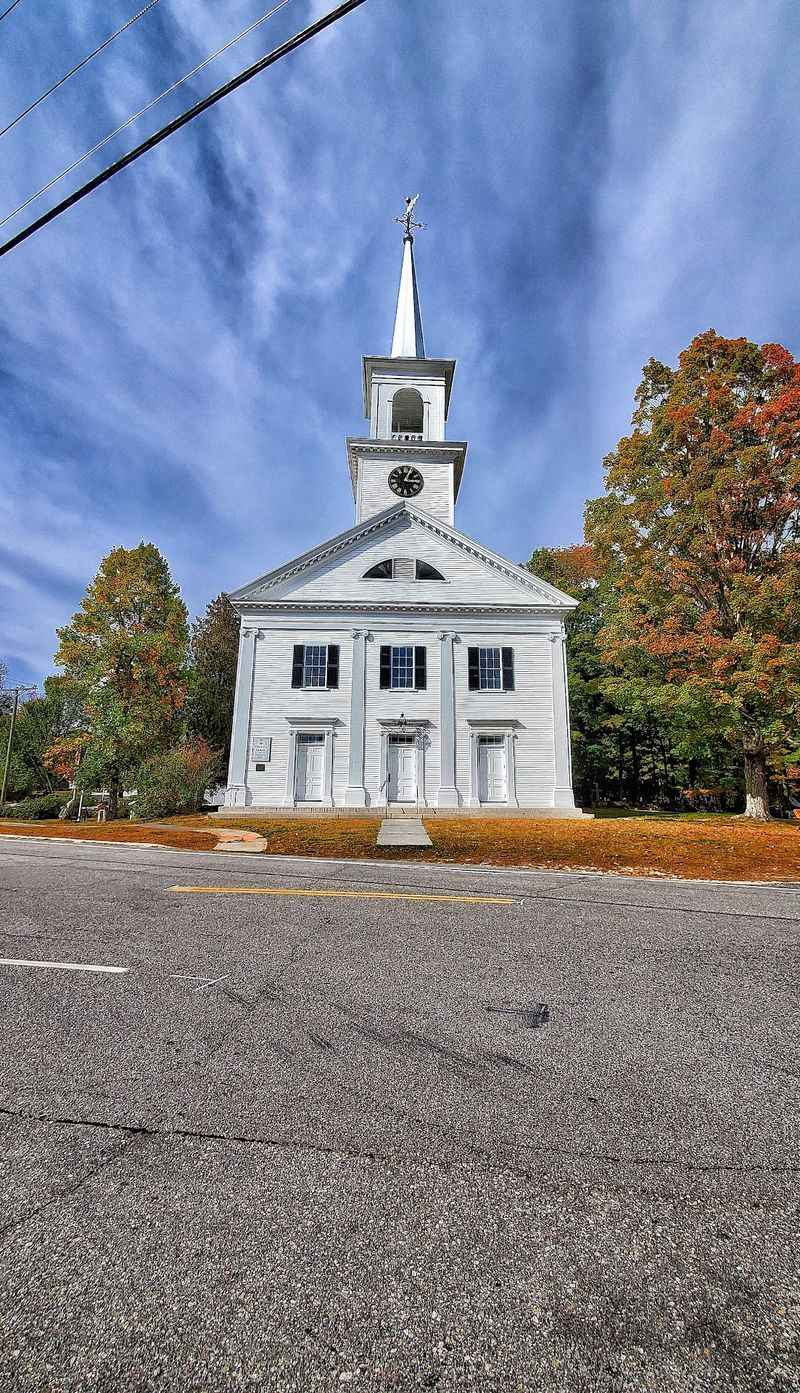
Soapstone made this town money once. Francestown quarries supplied stone for sinks, stoves, and griddles across the region.
Today the industry is gone, but the village center stayed intact. A white meetinghouse, an old academy building, and stone walls running off in every direction.
The whole center is listed as a historic district. Walking it takes maybe twenty minutes, less if you rush, which you should not.
Crotched Mountain rises nearby with a ski area on its slopes. Winter brings skiers, and summer brings hikers to the same ridge.
The Crotched Mountain trails include accessible paths with wide views. Families with strollers and wheelchairs can actually reach a real overlook.
The town hosts a Labor Day weekend Labor Day event and old home celebrations that feel refreshingly unpolished. Expect a parade, baked goods, and neighbors greeting each other by name.
Dirt roads spider out from the village. Driving them in October is one of the better free activities in the state.
Apple orchards and farm stands operate seasonally in the surrounding hills. Cider donuts appear, and resistance is pointless.
Go slow here. Francestown rewards curiosity, not itineraries.
9. Cornish, Sullivan County
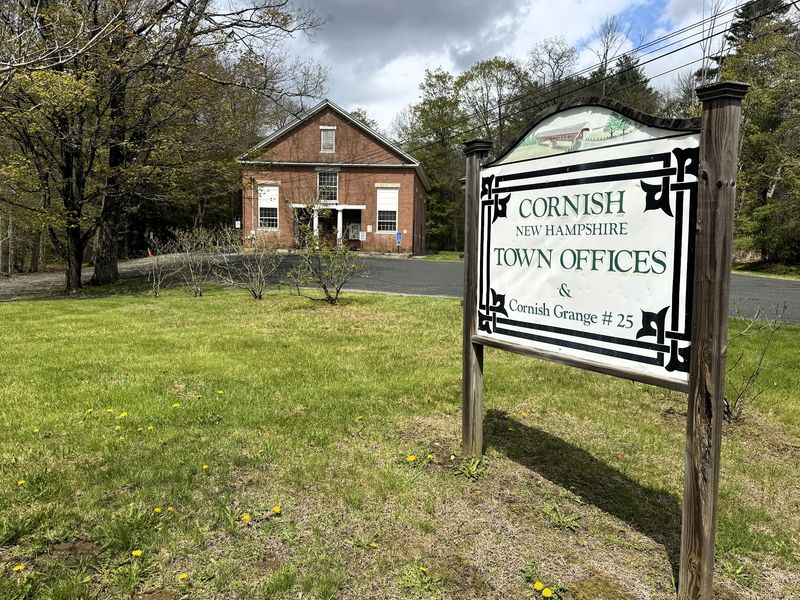
An artists’ colony once thrived in these hills. At its peak, painters, writers, and sculptors gathered in Cornish every summer.
Sculptor Augustus Saint-Gaudens led the group. His home and studio are now the Saint-Gaudens National Historical Park, the only National Park Service site in New Hampshire.
The gardens alone justify the drive. Formal hedges, reflecting pools, and casts of his famous works sit among the trees.
Concerts happen on the grounds during summer. Bring a folding chair and arrive early for a good patch of grass.
The Cornish-Windsor Covered Bridge crosses the Connecticut River into Vermont. At 449 feet, it is one of the longest wooden covered bridges in the United States.
Driving through it feels slightly ridiculous in a good way. The timbers creak, the light flickers, and then you are in another state.
Blow-Me-Down Farm and nearby trails add to the park experience. Paths wind through fields with views toward Mount Ascutney.
Author J.D. Salinger lived in Cornish for decades.
Residents protected his privacy fiercely, which tells you something about the town’s character.
Give yourself three hours minimum. The park deserves more than a quick loop.
10. Warner, Merrimack County
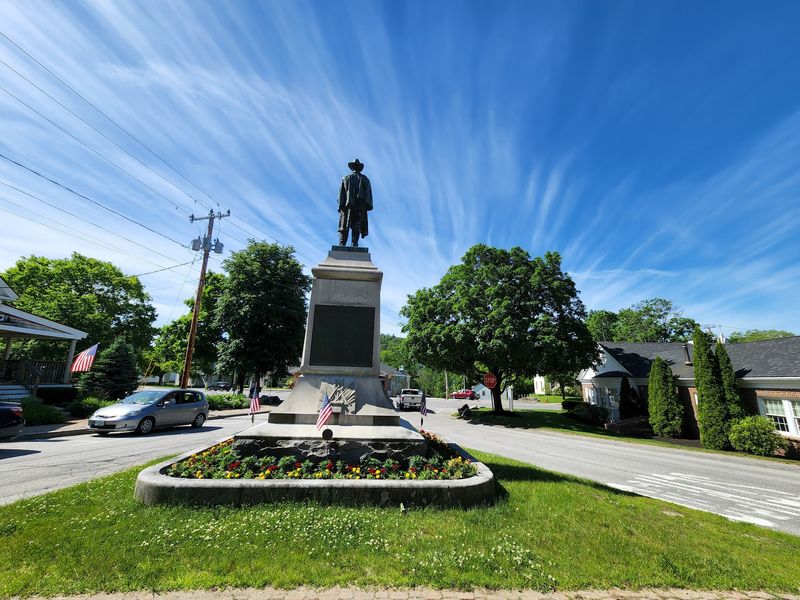
Mount Kearsarge has a road to the top, and Warner is where you start. That combination makes the town unusually easy to love.
Rollins State Park offers an auto road up the mountain’s south side. From the parking area, a short trail finishes the climb to the summit.
The view stretches across central New Hampshire. On clear days you can pick out lakes and distant ranges without much guessing.
Back in the village, the Mt. Kearsarge Indian Museum presents Native American art and history.
Exhibits cover cultures from across North America, with a strong Northeast focus.
The outdoor Medicine Woods trail identifies plants used for food and healing. It is short, thoughtful, and genuinely educational.
Main Street has brick storefronts, a bookstore, and a bakery or two depending on the year. Parking is free and plentiful, which never hurts.
Fall brings the Warner Fall Foliage Festival every Columbus Day weekend. Since 1947, it has featured a parade, oxen pulls, and a road race.
The Warner River runs through town for paddlers and waders. Nothing dramatic, just cool water and shade.
Warner works as a half day stop off Interstate 89. Most people blow past it, which is exactly the problem.