12 New Jersey Housing Trends That Could Hurt Home Values In 2026
New Jersey’s housing market is undergoing a significant transition as affordability challenges, demographic shifts, and economic uncertainty reshape buyer demand across the state.
While some properties continue to perform well, industry experts are increasingly identifying specific home types that appear vulnerable to declining values.
Rising property taxes, insurance costs, maintenance expenses, and changing lifestyle preferences are influencing how buyers assess long-term value more critically than ever before.
Homes that once sold quickly now face longer listing times as buyers become more selective and financially cautious.
Understanding which property types may struggle allows buyers and sellers to make better-informed decisions before market conditions worsen.
1. Older Suburban Split-Levels
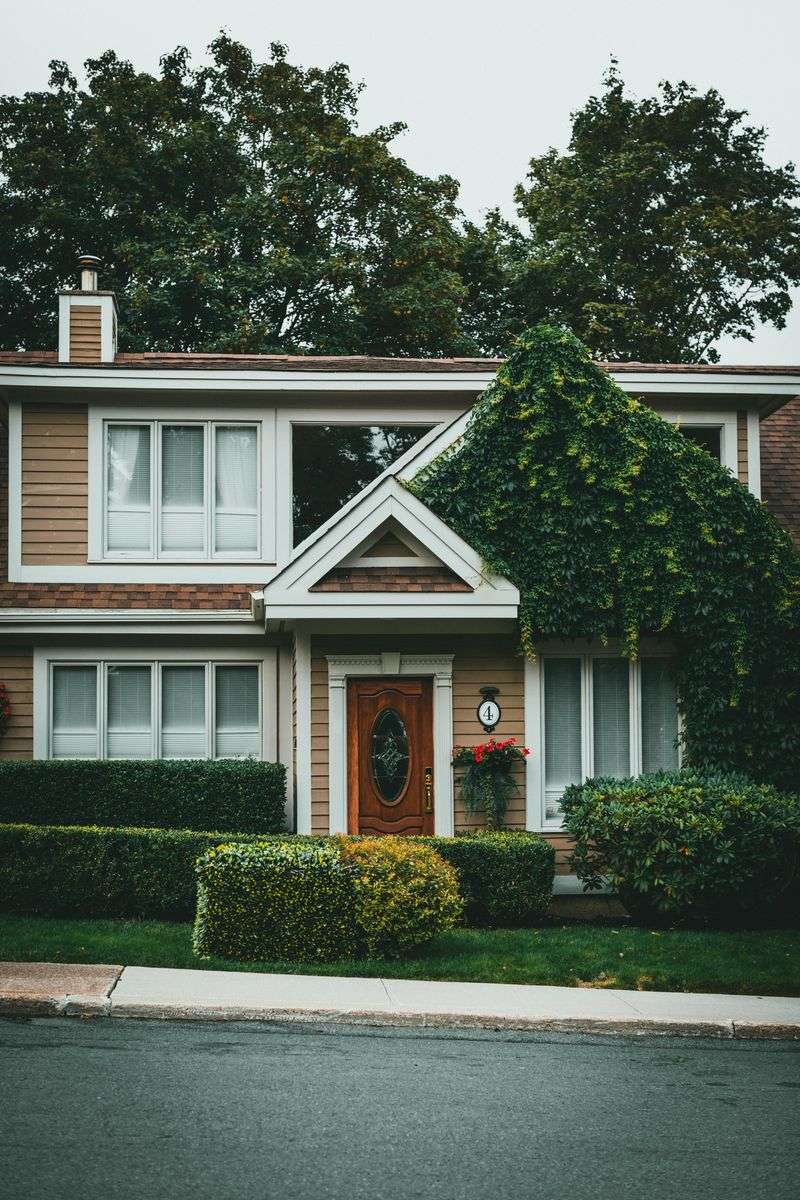
Split-level homes constructed during the 1960s and 1970s are increasingly losing favor among buyers who prioritize modern layouts and functional living spaces.
Many of these properties feature segmented floor plans that feel outdated compared to today’s open-concept design expectations.
The presence of multiple half-staircases creates inconvenience for families seeking seamless daily movement between rooms.
Electrical systems in older split-levels often require extensive upgrades to support modern appliances and technology usage.
Plumbing infrastructure in these homes frequently shows signs of age, leading to costly repairs or full replacements.
Heating and cooling inefficiencies further reduce buyer appeal as energy costs continue to rise statewide.
Renovation estimates regularly exceed one hundred thousand dollars, discouraging younger buyers with limited budgets.
Design limitations make meaningful layout changes difficult without significant structural alterations.
Natural light distribution is often poor, causing interiors to feel darker and smaller than their square footage suggests.
As buyers increasingly prefer move-in-ready homes, demand for older split-levels continues to soften across suburban markets.
2. Luxury Condos In Oversaturated Markets

Luxury condominium markets in cities like Jersey City and Hoboken are experiencing increased competition due to an oversupply of similar high-end units.
Developers have introduced far more inventory than current buyer demand can absorb efficiently.
When multiple comparable units compete simultaneously, sellers lose pricing leverage almost immediately.
High monthly homeowners association fees frequently exceed buyer comfort levels, reducing affordability even among affluent purchasers.
Remote work trends have reduced the urgency of living near Manhattan, weakening demand for urban luxury condos.
Investors are becoming more cautious as rental yields fail to justify purchase prices.
Many units remain on the market significantly longer than originally anticipated.
Developers are increasingly offering incentives to attract hesitant buyers.
Resale owners face stiff competition from newly built units with modern amenities.
Experts expect continued price softening through 2026 as supply continues to outpace demand.
3. Homes Near Closing Retail Centers
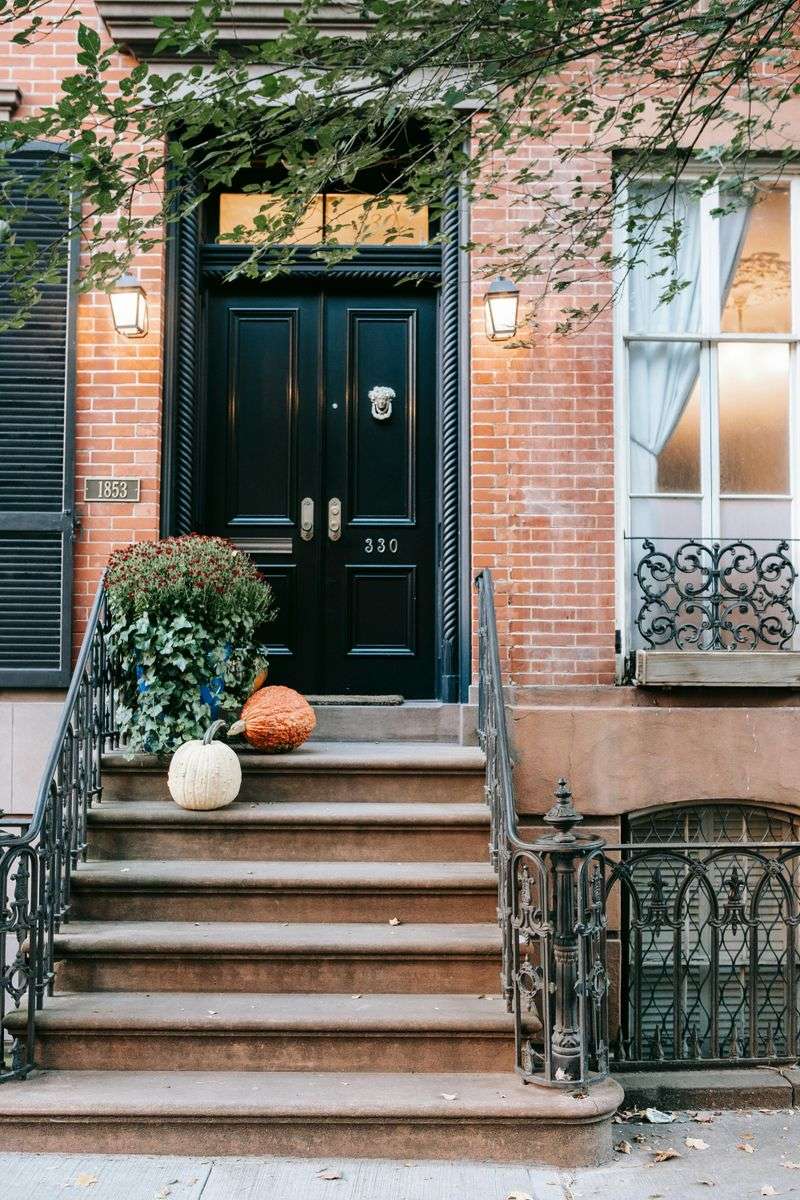
Residential properties located near struggling malls or declining retail centers are experiencing reduced buyer interest across many New Jersey communities.
Empty storefronts and abandoned parking lots create visible signs of economic decline that negatively affect neighborhood perception.
When anchor retailers close, surrounding foot traffic decreases significantly, impacting nearby businesses and residential desirability.
Buyers often associate retail decay with long-term economic instability and reduced community investment.
Local property values typically decline when commercial zones lose vitality and purpose.
Municipal budgets may suffer as tax revenue from retail properties declines.
Future redevelopment plans are often uncertain and slow to materialize.
Families prefer neighborhoods with vibrant amenities and active commercial centers.
Homes near declining retail zones experience longer listing times and increased price reductions.
Experts advise sellers in these areas to act sooner rather than later to minimize losses.
4. McMansions With High Property Taxes
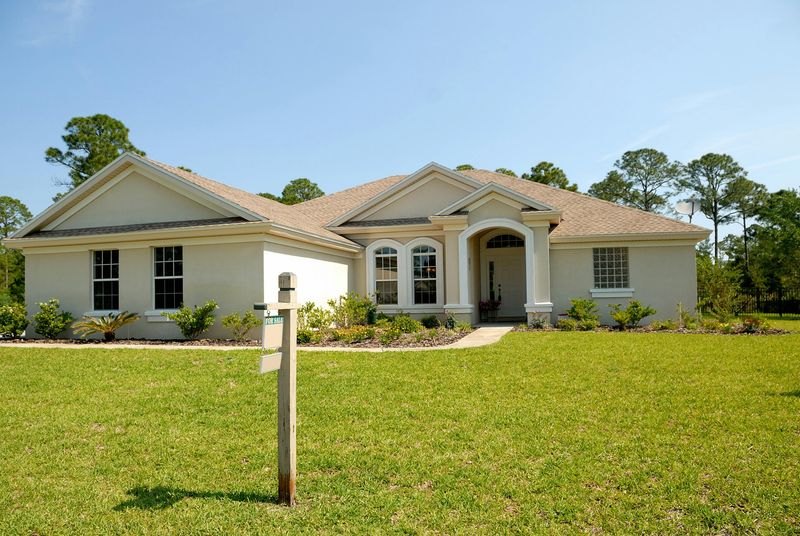
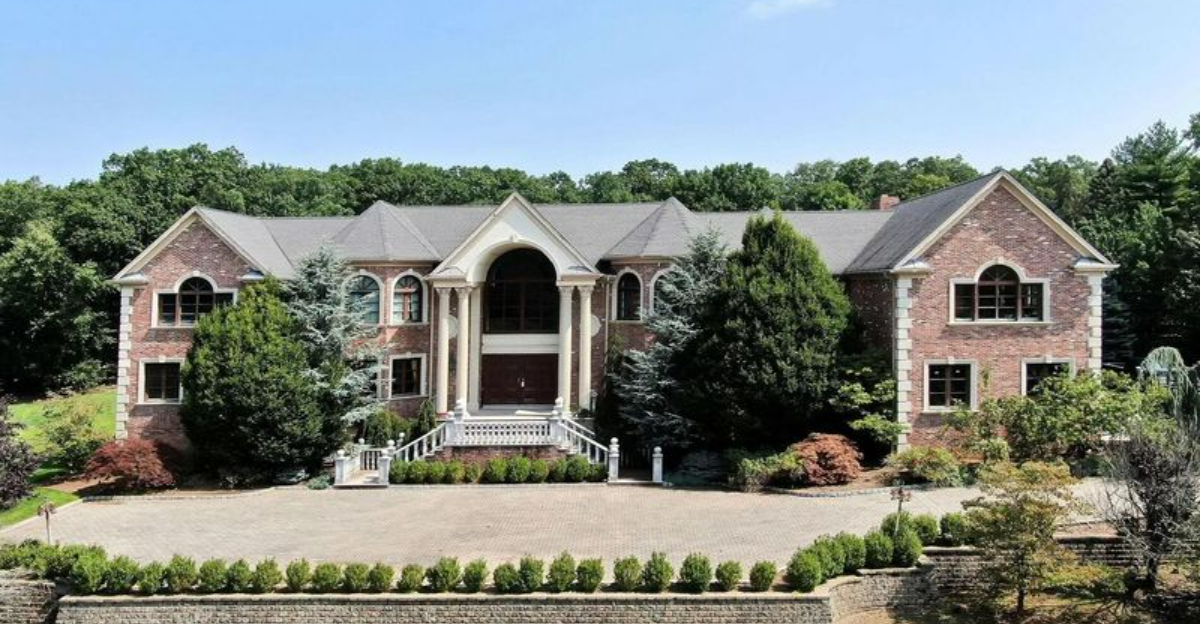
Large homes constructed during the early 2000s are becoming less attractive as buyers reassess long-term affordability.
Many of these oversized properties exceed four thousand square feet, creating significant maintenance and utility expenses.
Annual property taxes in some New Jersey counties can surpass twenty-five thousand dollars for these homes.
Buyers increasingly prioritize financial flexibility over excessive square footage.
Heating and cooling large spaces places additional strain on household budgets.
Unused rooms often feel wasteful rather than luxurious to modern buyers.
Younger families prefer homes that balance comfort with manageable operating costs.
Downsizing trends further reduce demand for oversized properties.
High carrying costs negatively impact resale potential.
Experts expect gradual but steady value declines for these homes through 2026.
5. Coastal Properties With Flood Risk
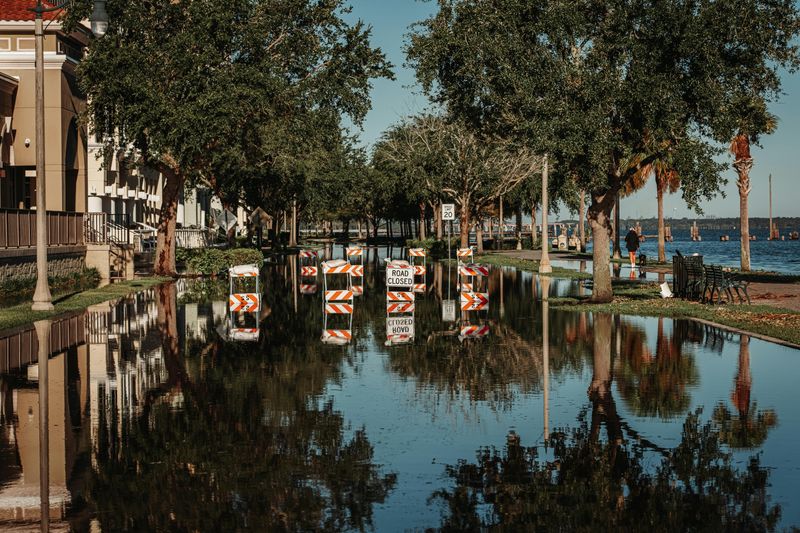
Coastal properties located in flood-prone zones are facing increasing resistance from buyers who are growing more concerned about long-term affordability, financial risk, and rising insurance obligations.
Flood insurance premiums have risen sharply in recent years, in some cases tripling annual expenses and significantly increasing the overall cost of ownership.
Repeated storm damage has made buyers far more cautious about committing to coastal investments that may require frequent repairs and ongoing maintenance.
Lenders are applying stricter financing requirements for properties located within designated flood zones, limiting access to mortgages for many potential buyers.
Prospective purchasers must carefully budget for insurance premiums, routine maintenance, and the possibility of costly future repairs following severe weather events.
Vacation home buyers are particularly sensitive to these added costs, as the properties are not used year-round.
Rental income projections have become less reliable due to storm-related cancellations and seasonal disruptions.
Climate change concerns increasingly influence purchasing decisions, especially among long-term investors.
Properties located in high-risk flood areas typically remain on the market longer than comparable homes outside these zones.
6. Fixer-Uppers Requiring Major Work
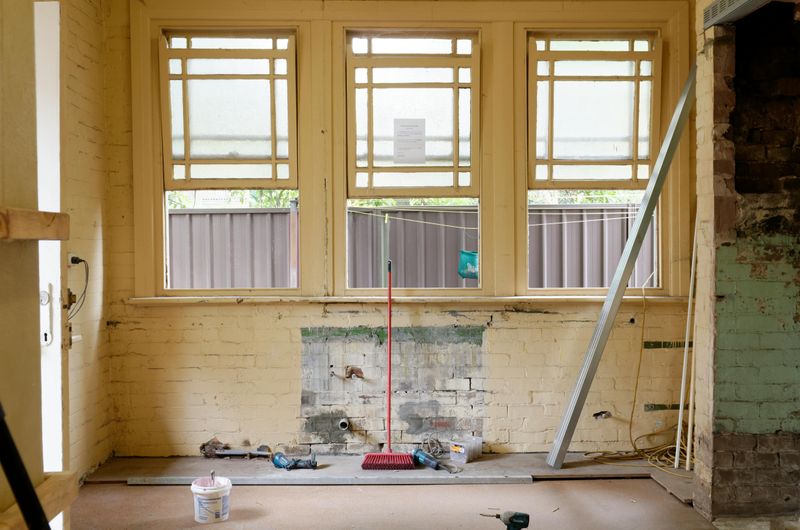
Homes requiring extensive renovations are no longer viewed as attractive investment opportunities by most buyers who are increasingly cautious about financial risk and long-term costs.
Construction labor shortages combined with rising wages have dramatically increased renovation expenses, often pushing projects far beyond original budgets.
Material prices remain volatile due to supply chain disruptions and inflation, making accurate cost planning extremely difficult for both homeowners and investors.
Project timelines frequently extend far beyond initial estimates, creating frustration and additional carrying costs such as taxes, insurance, and utilities.
Unexpected structural issues, including foundation problems or outdated wiring, often emerge during renovations and derail even well-planned projects.
First-time buyers struggle to secure renovation financing in a tighter lending environment that favors move-in-ready homes.
Investors face shrinking profit margins as resale prices fail to keep pace with rising renovation expenses.
Permit delays and inspection requirements add further uncertainty, time, and expense to already complex projects.
Buyers increasingly prefer homes that require little to no immediate work.
Real estate experts caution that fixer-uppers may continue losing value as market preferences shift toward convenience and predictability.
7. Homes With Oil Heat Systems
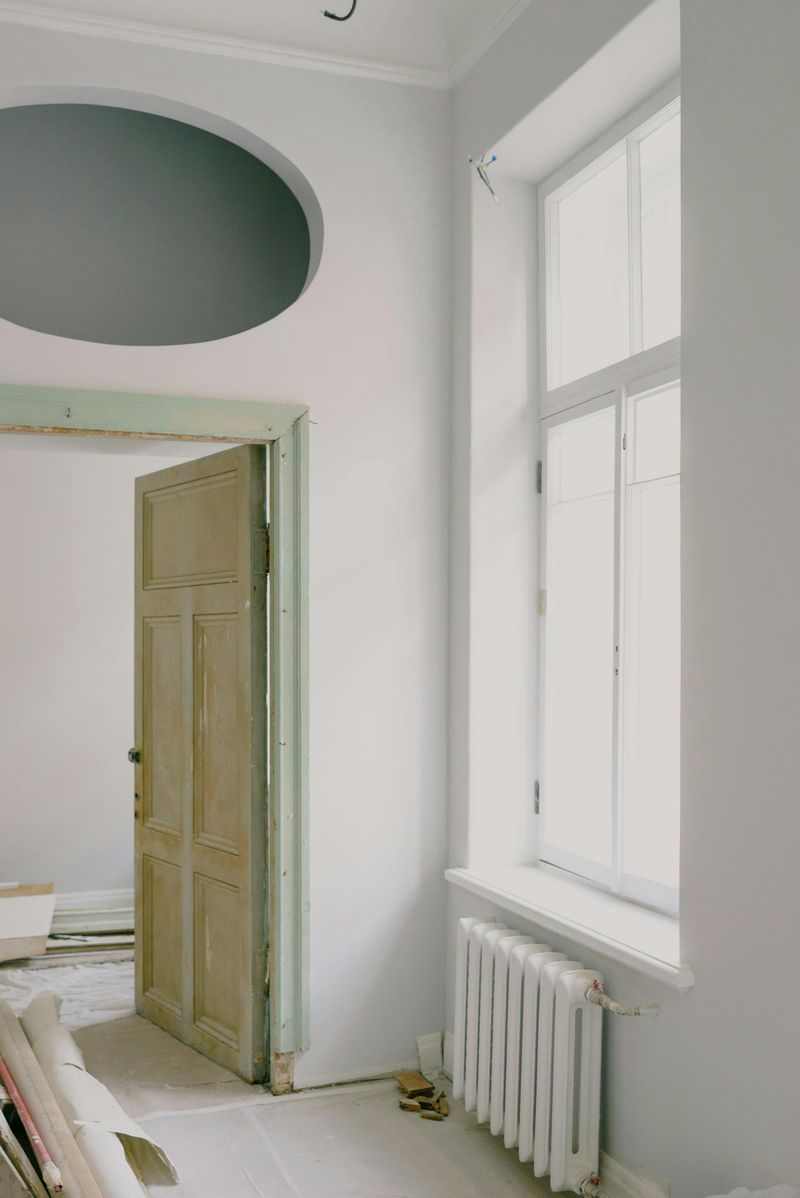
Properties relying on oil heating systems are increasingly viewed as outdated and undesirable by modern buyers who prioritize efficiency, environmental responsibility, and predictable household expenses.
Volatile fuel prices create unpredictable monthly heating costs, making it difficult for homeowners to budget confidently during colder months.
Environmental concerns surrounding fossil fuels further reduce buyer interest, especially among younger purchasers who value sustainability.
Conversion to alternative heating systems such as natural gas or electric heat pumps can cost tens of thousands of dollars, discouraging potential buyers from moving forward.
Older oil tanks raise serious contamination and liability concerns that many buyers are unwilling to assume.
Insurance costs may be higher for oil-heated homes due to spill risks and cleanup expenses.
Buyers often demand significant price reductions to offset future conversion and maintenance costs.
Listings with oil heat typically remain on the market longer than comparable homes with modern systems.
Sellers face difficult decisions about whether to invest in costly upgrades before listing.
Real estate experts widely expect continued depreciation for oil-heated properties as buyer preferences continue shifting toward cleaner, more efficient alternatives.
8. Properties Near Industrial Zones
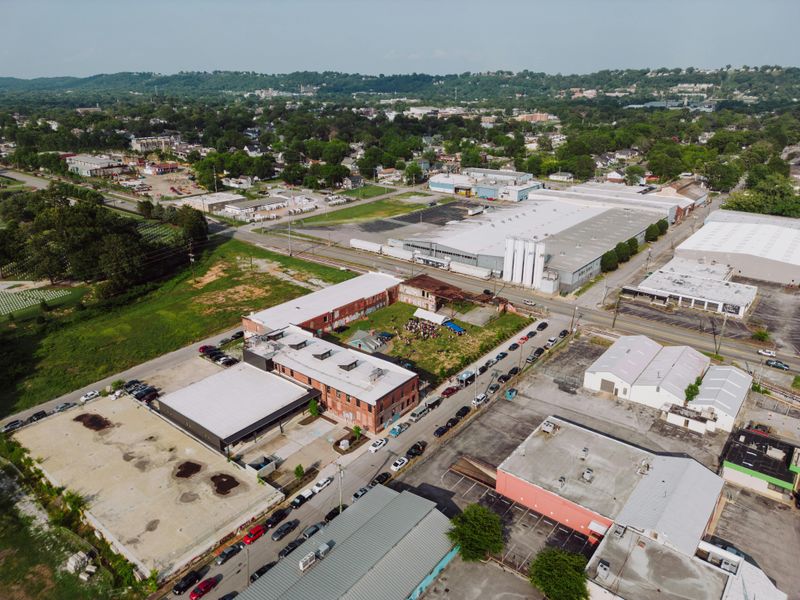
Residential properties located near industrial zones are becoming increasingly unattractive to buyers who prioritize peace, safety, and long-term quality of life.
Constant noise from warehouses, distribution centers, and trucking operations disrupts daily routines and makes outdoor living far less enjoyable.
Heavy truck traffic raises concerns about road safety, congestion, and accelerated infrastructure wear in surrounding residential streets.
Air quality issues associated with industrial activity create health concerns that many families are unwilling to compromise on.
As industrial expansion continues, residential buffers often shrink, worsening the impact on nearby homes.
Zoning changes tend to favor commercial growth rather than residential preservation, leaving homeowners with little protection.
Buyers frequently eliminate these properties from consideration before touring due to location alone.
Resale demand steadily weakens as industrial presence increases over time.
Even interior upgrades struggle to offset negative perceptions tied to proximity and environmental concerns.
Experts caution that properties near expanding industrial zones may continue to lose value as quality-of-life expectations rise.
9. Cookie-Cutter Townhomes In Sprawling Developments
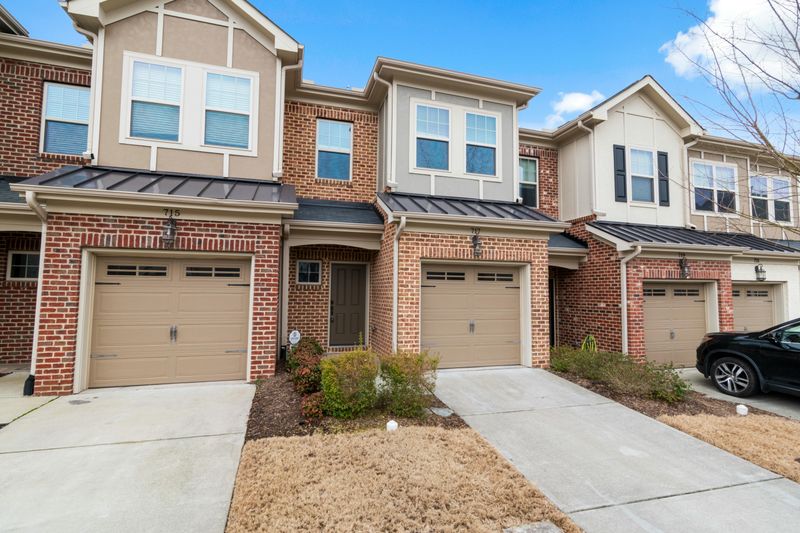
Large-scale townhome developments filled with identical units are increasingly losing appeal among buyers seeking individuality and character.
Uniform architecture makes it difficult for sellers to differentiate their homes during resale, especially when dozens of similar listings compete simultaneously.
High-density layouts often lead to noise complaints, limited privacy, and overcrowded common areas.
Parking shortages create daily frustrations that discourage prospective buyers during showings.
Homeowners association conflicts and rising fees further reduce desirability.
Buyers increasingly prefer smaller developments with stronger community identity.
Rental saturation within these developments suppresses appreciation potential.
Maintenance standards can vary widely, creating uneven curb appeal.
Days on market for these units are consistently longer than nearby single-family homes.
Experts expect continued downward pressure on values as buyer preferences shift toward uniqueness and flexibility.
10. Homes With Outdated Floor Plans
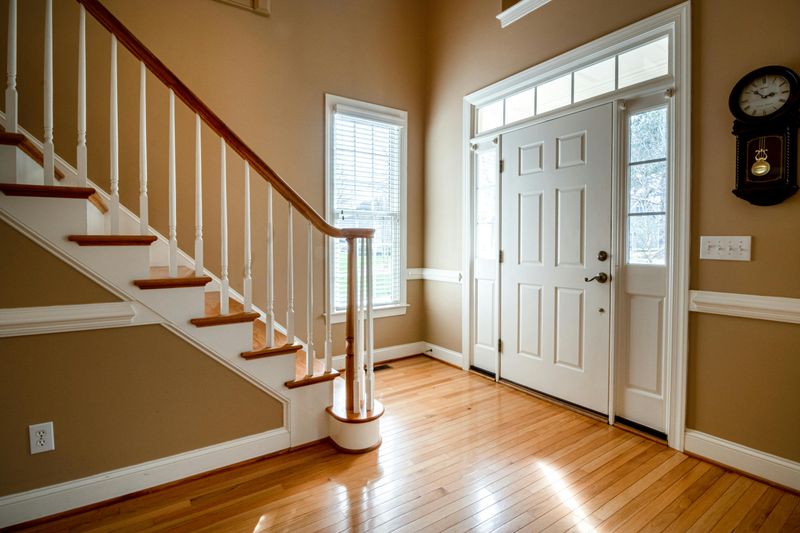
Homes featuring closed-off floor plans struggle to meet the expectations of modern buyers who prioritize openness and flexibility.
Formal dining rooms and segmented living spaces often feel impractical for contemporary lifestyles.
Smaller kitchens limit functionality for households that view cooking and gathering as central activities.
Walls that divide main living areas reduce natural light and create a darker interior atmosphere.
Buyers mentally factor renovation costs into their offers, lowering perceived value immediately.
Structural changes required to open layouts are expensive and disruptive.
Older floor plans feel inefficient compared to newer construction.
Even desirable locations cannot fully compensate for functional shortcomings.
Homes with outdated layouts frequently receive lower offers despite strong maintenance.
Experts expect these properties to face increasing resale challenges through 2026.
11. Properties With Septic Systems

Homes relying on septic systems introduce an additional layer of complexity that many buyers prefer to avoid entirely.
Routine maintenance requirements feel intimidating to buyers unfamiliar with septic operation.
System failures can result in replacement costs exceeding twenty thousand dollars.
Lenders often require inspections that uncover issues late in the transaction.
Unexpected findings frequently cause deals to collapse.
Usage restrictions limit household flexibility and expansion plans.
Insurance and liability considerations add further hesitation.
Municipal sewer connections are widely preferred for convenience and peace of mind.
Properties with septic systems remain on the market longer than comparable homes.
Experts anticipate ongoing value pressure as buyers increasingly prioritize simplicity and predictability.
12. Homes In Declining School Districts

School district performance plays a critical role in shaping residential demand throughout New Jersey.
Families research school rankings before scheduling showings, often eliminating homes without visiting.
Declining test scores and funding cuts immediately reduce buyer confidence.
Enrollment drops signal instability that raises long-term concerns.
Even beautifully renovated homes struggle to overcome poor district reputations.
Investors and owner-occupants alike avoid areas with weakening educational systems.
Rental demand also declines as families seek better alternatives.
Property values closely follow school performance trends over time.
Recovery from negative perceptions can take years or decades.
Experts consistently rank declining school districts among the strongest predictors of falling home values.