9 New Jersey Wildlife Rescues Where You Can Get Face-To-Face With Animals
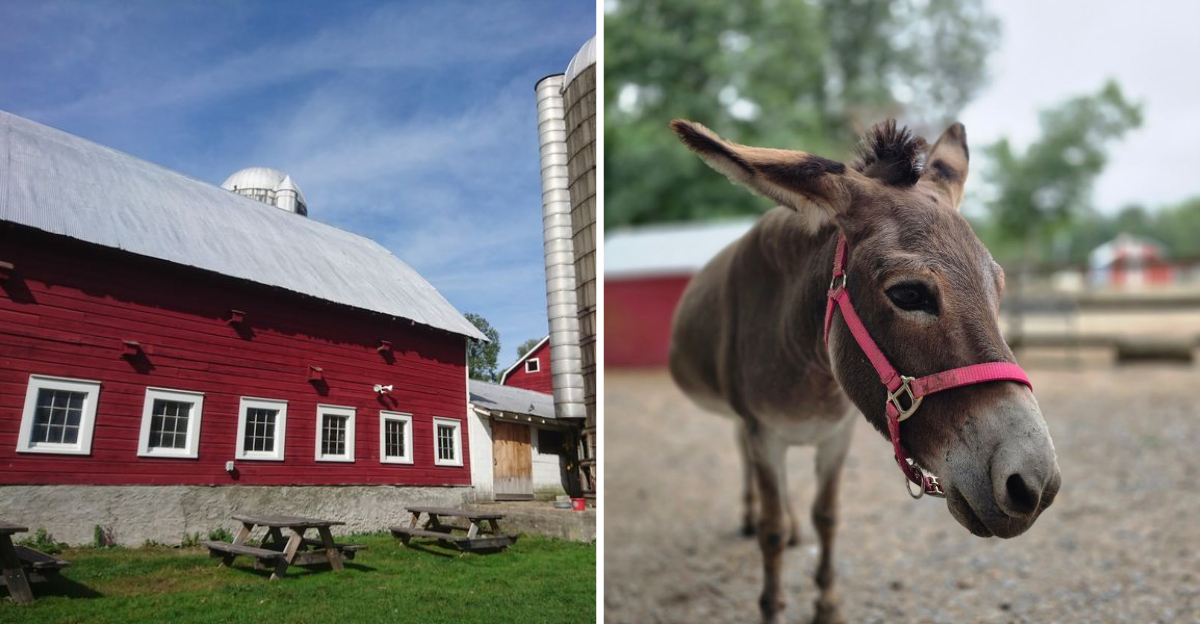
Bears, bobcats, parrots, peacocks, owls, and goats with absolutely no respect for boundaries can make for an interesting weekend.
Hidden around New Jersey are animal sanctuaries that offer something far different from another predictable Saturday outing.
These places care for rescued creatures with wildly different backgrounds, giving visitors a chance to learn what brought them there and what their care involves.
No two stops feel quite alike. One may introduce you to powerful animals from a respectful distance, while another lets a hungry goat become the undisputed star of your visit.
Take the quieter road for once. The resident you remember most may be the one you never expected to meet.
1. Popcorn Park Animal Refuge, Forked River
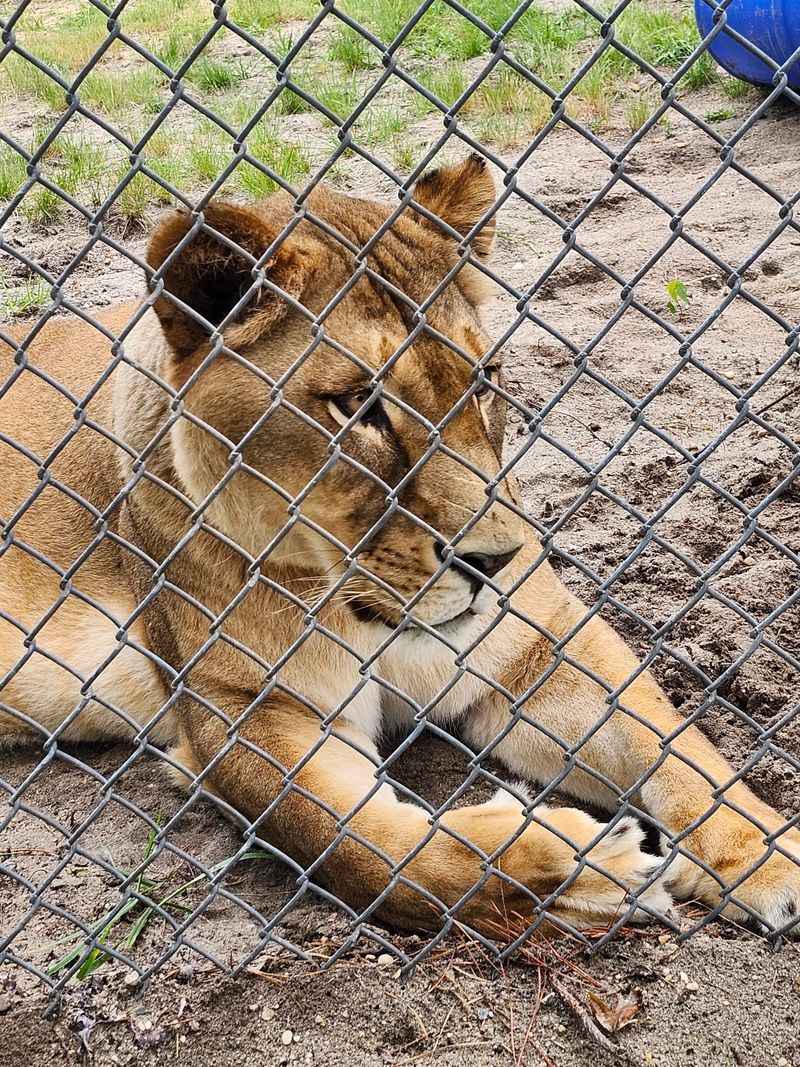
I was so surprised and shocked, in a good way, when I learned tigers live in the Pine Barrens. Yet here they are, lounging under pitch pines.
Popcorn Park Animal Refuge in Forked River spreads across seven acres of sandy woodland. More than 200 rescued wildlife, exotic, and farm animals call it home.
Big cats headline the roster, including tigers, cougars, and a regal lion. Bears, monkeys, deer, bobcats, horses, and goats fill out the rest.
The whole thing started back in 1977 with one raccoon caught in a leg-hold trap. That single rescue snowballed into decades of second chances.
Every resident arrived after abandonment, injury, or exploitation. Each now gets roomy quarters and steady, attentive care.
Guests wander the grounds at their own pace, pausing at whichever enclosure catches their eye. A shaded picnic area sits beneath the pines for a mid-tour breather.
Popcorn is sold on site, though outside food for the animals is a firm no. Staff monitor diets closely for good reason.
A separate adoption center handles dogs, cats, hamsters, and rabbits looking for families. Plenty of happy endings begin at that counter.
Accessibility is covered too, with a beach terrain wheelchair available by request. Standard wheelchairs struggle on the loose sandy paths.
Find the refuge at 1 Humane Way, Forked River, tucked into Ocean County greenery. Bring a camera, but keep your voice low near the cats. Few outings pack this much wonder into a single morning.
2. The Raptor Trust, Millington
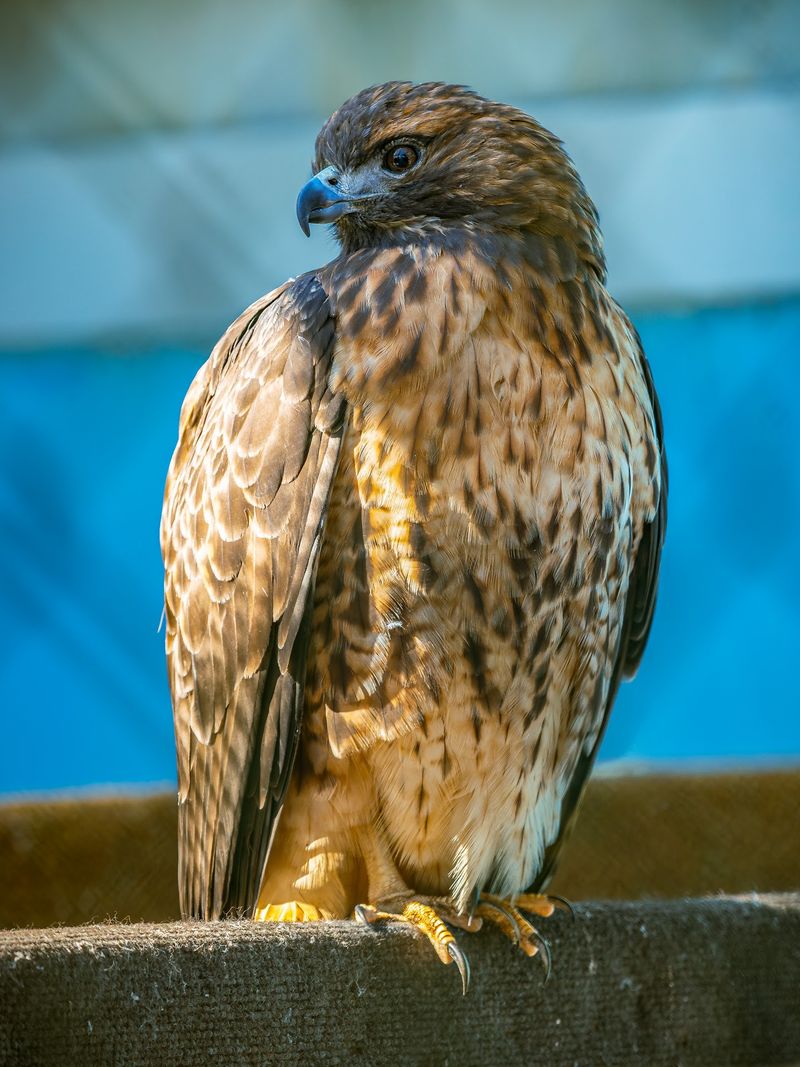
Just imagine for a second standing a few feet from a bald eagle. No zoom lens needed, no crowd pushing behind you.
The Raptor Trust in Millington ranks among the nation’s leading wild bird rehabilitation centers. Its neighbor is the Great Swamp National Wildlife Refuge.
Facilities include a bird hospital, an education building, and over 70 exterior cages and aviaries. Hundreds of birds pass through in a given year.
Roughly 50 permanently disabled birds live here for good. They became ambassadors after injuries ruled out release.
Self-guided tours follow gravel paths past enormous outdoor aviaries. Hawks, eagles, falcons, and owls sit at eye level. Look for bald eagles, golden eagles, and owls ranging from snowy to barred. Each species has its own posture and stare.
Admission for self-guided walks costs nothing, though donations keep the operation running. Gates open seven days a week with seasonal hours.
Educational programs and Open House events dig deeper into bird anatomy and artifacts. Kids tend to leave with a new favorite species.
Quiet feet matter here more than almost anywhere. Rehabilitation areas stay closed to the public so patients can heal without stress.
The address is 1390 White Bridge Rd, Millington, in Morris County. Pair it with a swamp walk for a full nature day.
Nothing quite prepares you for that first eagle making direct eye contact.
3. Woodford Cedar Run Wildlife Refuge, Medford
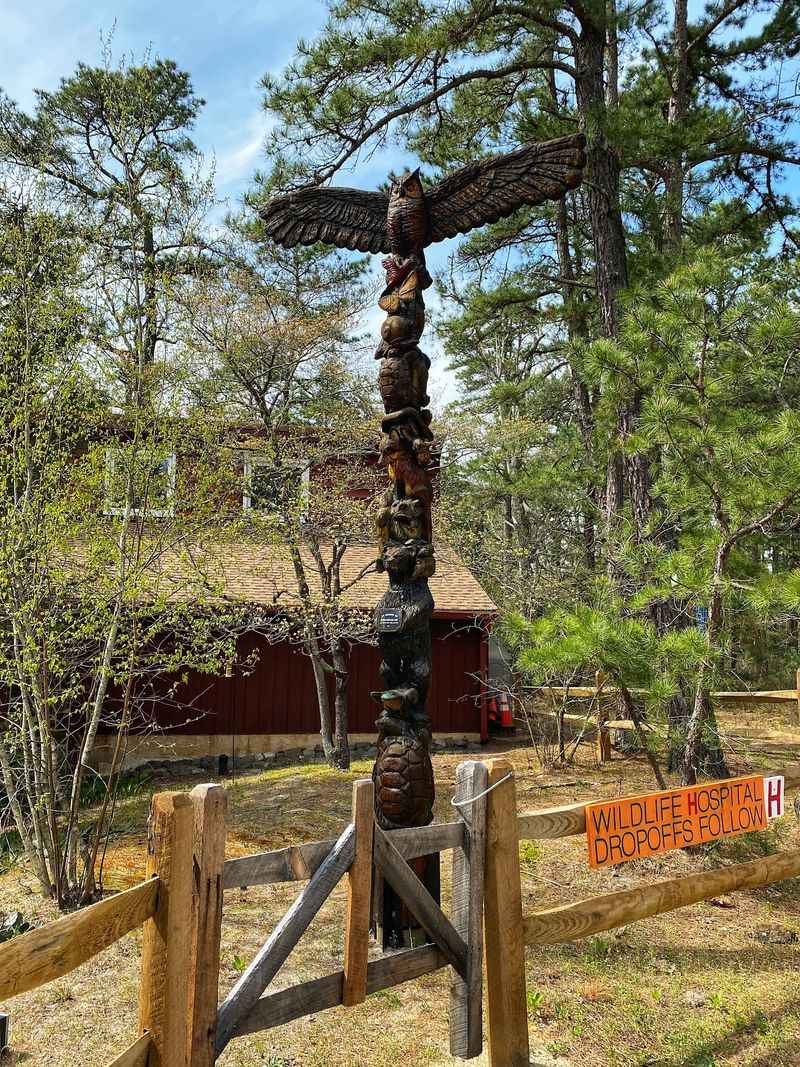
My jaw dropped at the scale of this operation. One hundred seventy-one wooded acres, all devoted to healing wild animals.
Woodford Cedar Run Wildlife Refuge in Medford blends rehabilitation with hands-on public education. Their aim is protecting healthy ecosystems for every living thing.
More than 60 species of wild animals live on the grounds. Mammals, birds, and reptiles all have representatives.
Most residents cannot return to the wild because of permanent injuries. The Wildlife Housing Area gives them safe, comfortable quarters. Each enclosure features clear educational signs that detail the animal’s personal rescue story.
Bald eagles and great-horned owls draw the biggest crowds. Raccoons, deer, beavers, squirrels, native snakes, and turtles round out the lineup.
Inside, the Woodford Nature Center runs exhibits including taxidermy displays. A resource room streams live video from a bird’s nest.
Another camera peeks straight into the wildlife hospital. Watching a patient get treated in real time is oddly gripping.
Three miles of hiking trails thread through forest, fields, and wetlands. Each habitat brings different sounds and different tracks in the mud.
Programs and summer camps run throughout the calendar year. Families often turn one trip into a seasonal habit.
You will find it at 4 Sawmill Rd, Medford, in Burlington County. Wear boots if rain came through recently.
Between the trails and the turtles, an afternoon disappears fast here. You walk away with a deeper appreciation for South Jersey’s native species and the dedicated team caring for them.
4. Woodlands Wildlife Refuge, Pittstown
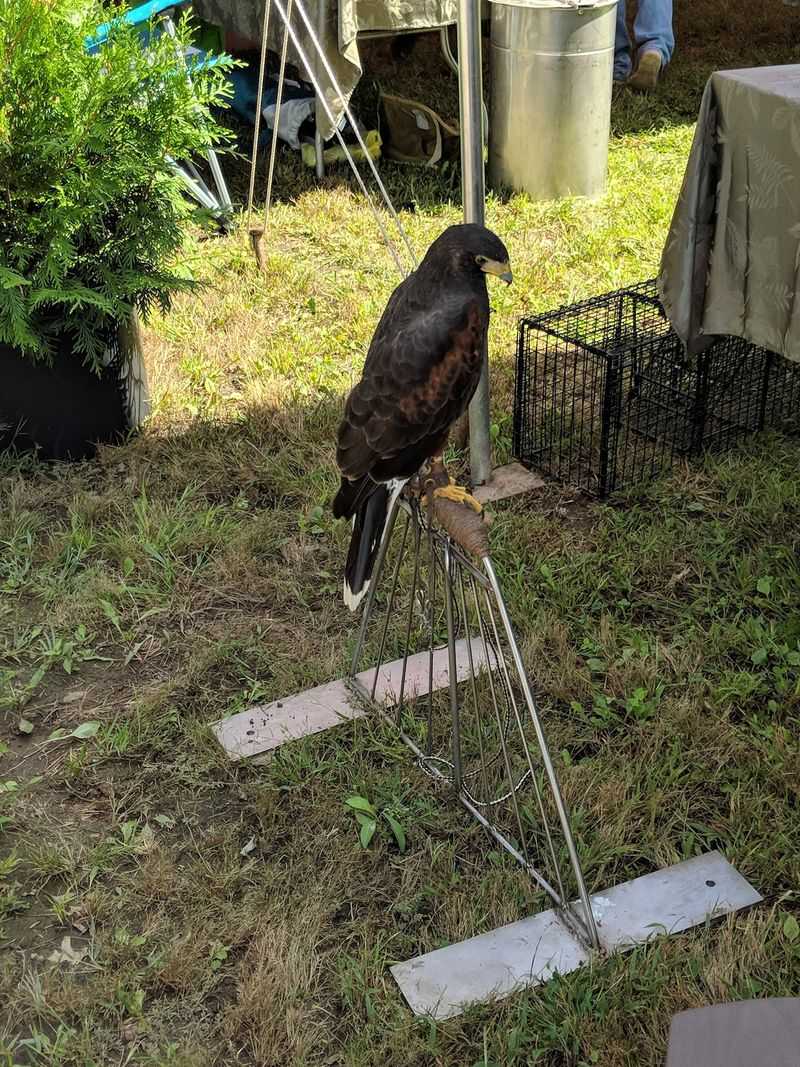
Let’s look at it from this angle: the most important conservation work often happens away from crowds. Some rescues stay quiet on purpose.
Woodlands Wildlife Refuge in Pittstown has followed that philosophy since 1986. Its focus stays fixed on care and release of native mammals and reptiles.
Thousands of wild patients arrive annually, orphaned or injured. The goal is always returning them to their own habitats.
Patients include raccoons, skunks, opossums, rabbits, and woodchucks. Foxes, squirrels, coyotes, bats, otters, and porcupines show up too.
Bears, venomous snakes, and bobcats occupy the more specialized enclosures. That range of species is unusual for one facility.
Woodlands pioneered black bear rehabilitation in New Jersey. It also launched the state’s endangered bobcat rehabilitation and release program.
Because of that expertise, it serves as the primary facility for both species. Cubs raised here grow up with minimal human contact.
Educational programs form a core part of the mission. Sessions cover wildlife habits, habitats, and how neighborhoods can coexist with wild residents.
Public access works by appointment only, which protects recovering animals from stress. Reaching out ahead is essential rather than optional.
The refuge sits at 676 County Road 513, Pittstown, in Hunterdon County. Country roads and rolling farmland surround it.
Respecting the appointment rule is exactly what makes those releases possible.
5. Tamerlaine Sanctuary & Preserve, Montague
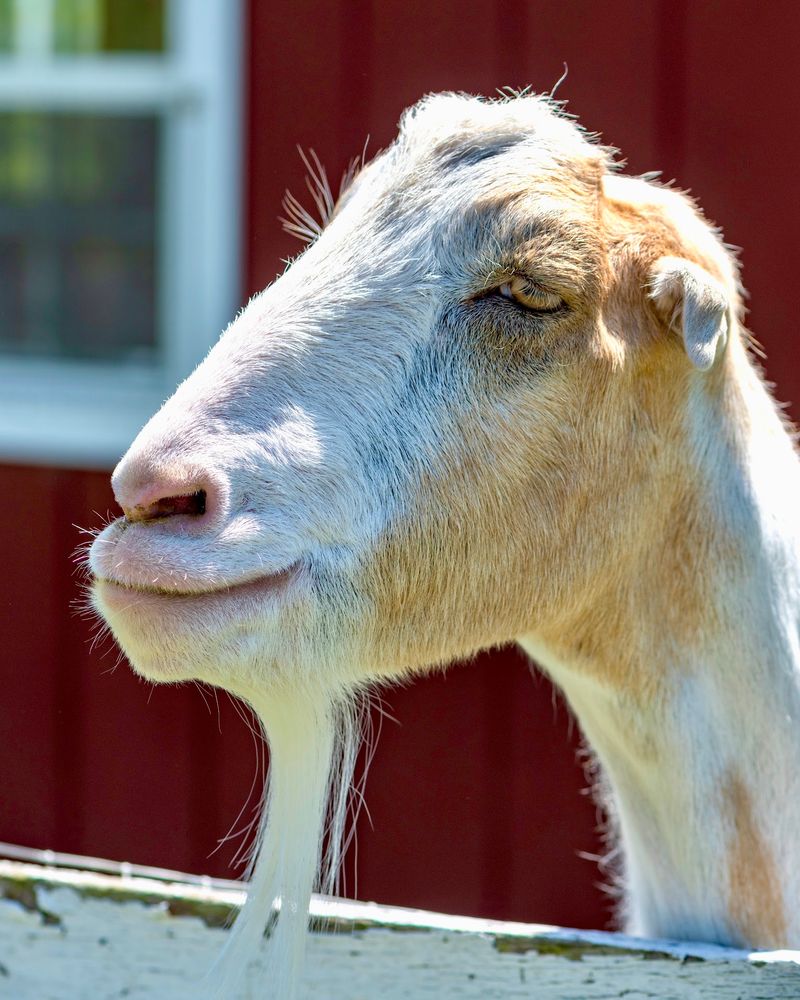
Preaching to the choir here, but sanctuaries do far more than house animals. Some restore whole landscapes at the same time.
Tamerlaine Sanctuary & Preserve in Montague carries a double mission. Rescue on one side, native conservation on the other.
Hundreds of farmed animals live here after abuse, neglect, or being discarded. Cows, sheep, hens, roosters, pigs, goats, ducks, geese, rabbits, and turkeys share the grounds.
Care standards here are unusually rigorous. Tamerlaine is the only New Jersey facility accredited by the Global Federation of Animal Sanctuaries.
The property covers 336 acres of lakes, meadows, and forest. That mix supports far more than the rescued residents.
Staff actively restore native habitat for grassland birds and pollinators. Butterflies work the meadows while hens patrol the barnyard.
Weekend tours run year-round on Saturdays and Sundays. Guides introduce individual animals and their histories. Conversations also cover the broader impact of animal agriculture. Nothing preachy, just context that sticks with you.
Educational programming anchors the whole operation. The aim is building empathy and respect for every living creature.
You will find the sanctuary at 141 Clove Rd, Montague, up in the far northwest corner of Sussex County. The drive alone is scenic.
Bring a hat, because those open meadows catch plenty of sun. Meeting a rescued cow who leans in for attention rearranges a few assumptions.
6. Funny Farm Rescue & Sanctuary, Mays Landing
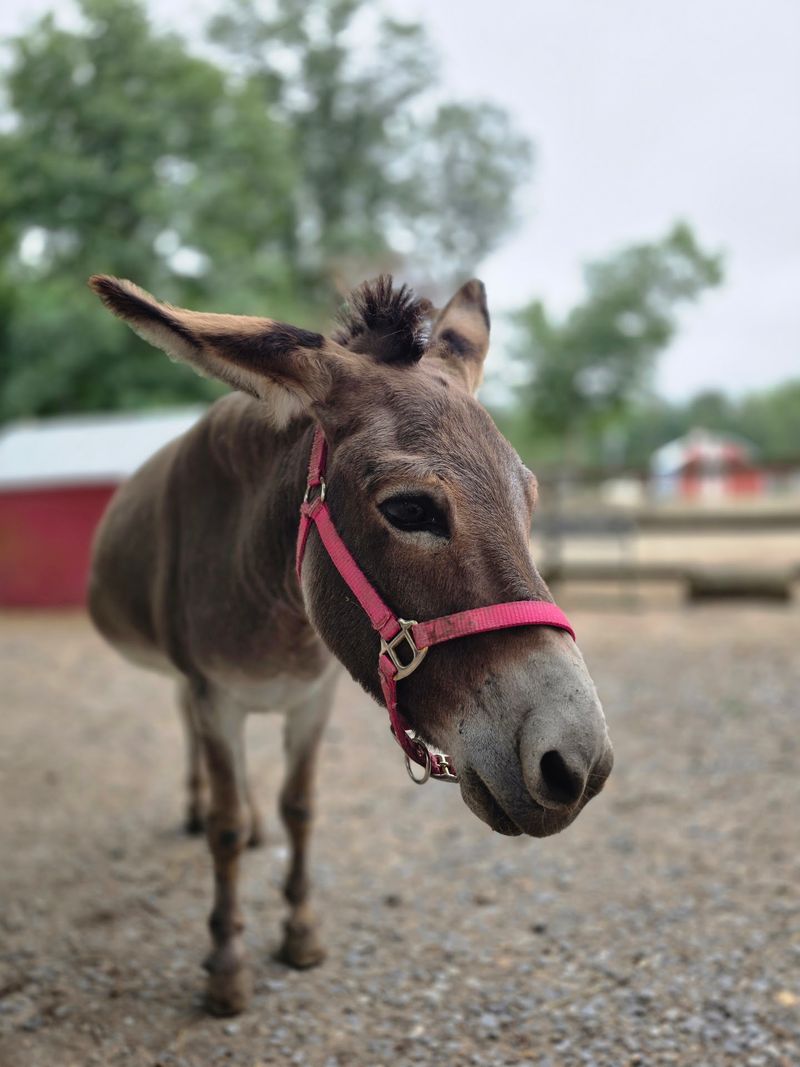
Are you seeing what I’m seeing? Chickens strolling beside cows while a peacock supervises the whole scene.
Funny Farm Rescue & Sanctuary in Mays Landing operates as a permanent home for over 700 rescued animals. Farm animals, former pets, and special-needs residents all mingle.
Many arrived from neglectful or abusive situations. Without this haven, plenty would not have made it.
The critter roster runs wide: dogs, cats, chickens, turkeys, and geese. Rabbits, goats, horses, cows, a cockatoo, and a peacock join in. Animals roam freely across much of the property. Unlikely interspecies friendships form constantly.
Seeing a goat snuggled up with a dog or a llama wandering alongside a pig is just a typical afternoon here.
Gates open year-round on Sundays and Tuesdays, from 8 am to 4 pm. Admission and parking cost nothing at all. Guests sign a waiver at entry before heading out. Simple step, quick to complete.
Feed buckets are sold at the General Store for approved animal interaction. Expect immediate popularity once you hold one.
Guided tours can be arranged for groups. Fundraising events pop up regularly to cover the enormous cost of feeding hundreds of mouths.
Purchasing a souvenir t-shirt or dropping a few dollars in the donation box directly helps keep their incredible mission alive.
Head to 6908 Railroad Blvd, Mays Landing, in Atlantic County. Closed-toe shoes are the smart call.
Fair warning, though. You may arrive planning a quick stop and end up staying until closing, covered in hay and completely fine with it.
7. Avian Wildlife Center, Wantage
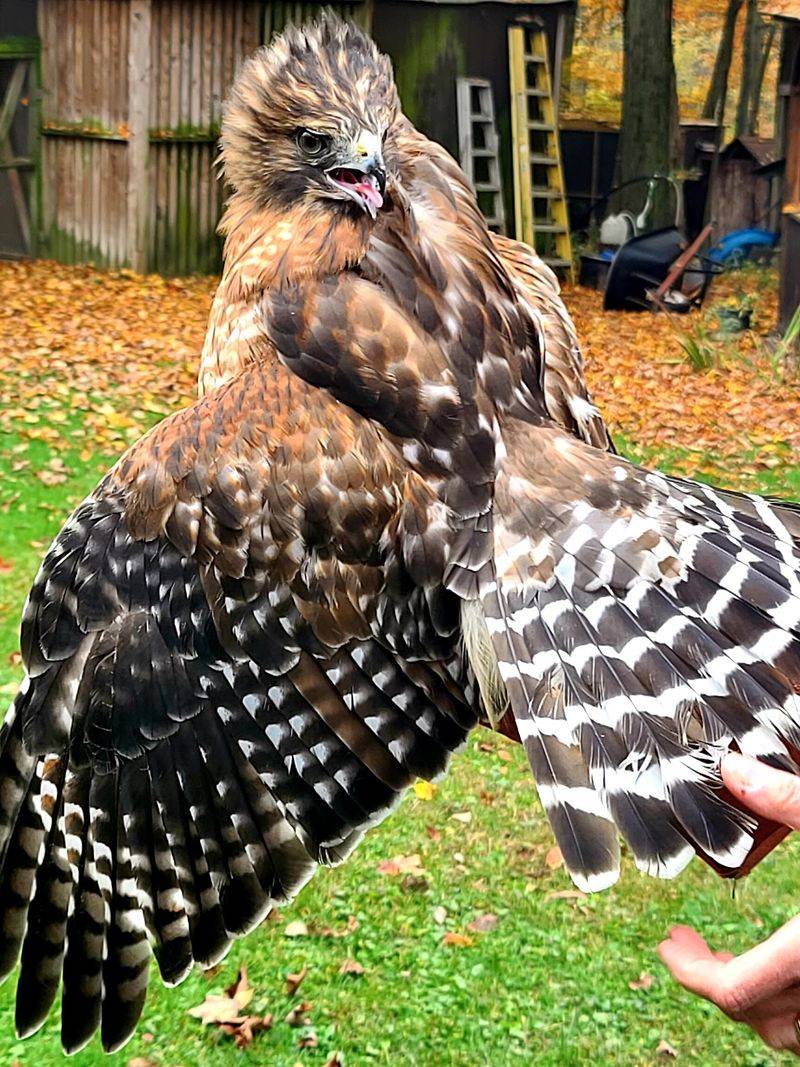
Songbirds get far less glory than eagles, which is a shame. One center in Sussex County treats every feathered patient with equal urgency.
The Avian Wildlife Center in Wantage focuses squarely on medical treatment and supportive care for wild birds. Getting them healthy and back outside is the whole point.
All species of wild birds are accepted. Raptors and songbirds are the house specialties. Hundreds of birds receive care annually. Emergency treatment often marks the first step.
Recovery includes intensive care, specialized diets, and time in flight aviaries. Rebuilding flight muscles takes patience.
Dedicated staff and volunteers work tirelessly through busy spring and summer months to hand-feed orphaned fledglings around the clock.
Non-releasable Ambassador birds live here permanently. They headline the center’s award-winning educational programs. Those natural history presentations suit all ages. Meeting a live bird up close tends to stick in a child’s memory for years.
Public events happen throughout the year. Some take place at partner sites like the Wallkill River National Wildlife Refuge.
Field research is part of the work too. Staff support conservation efforts for native species across the region.
Because the sanctuary relies heavily on public generosity, community donations directly fund the medical supplies and feed needed for every recovery.
Look for the center at 146 Neilson Rd, Wantage, surrounded by farmland and ridgelines. Checking the program calendar before heading out is wise.
Learning to identify an owl by its call is a souvenir nobody can pack in a bag.
8. Skylands Sanctuary & Animal Rescue, Wantage
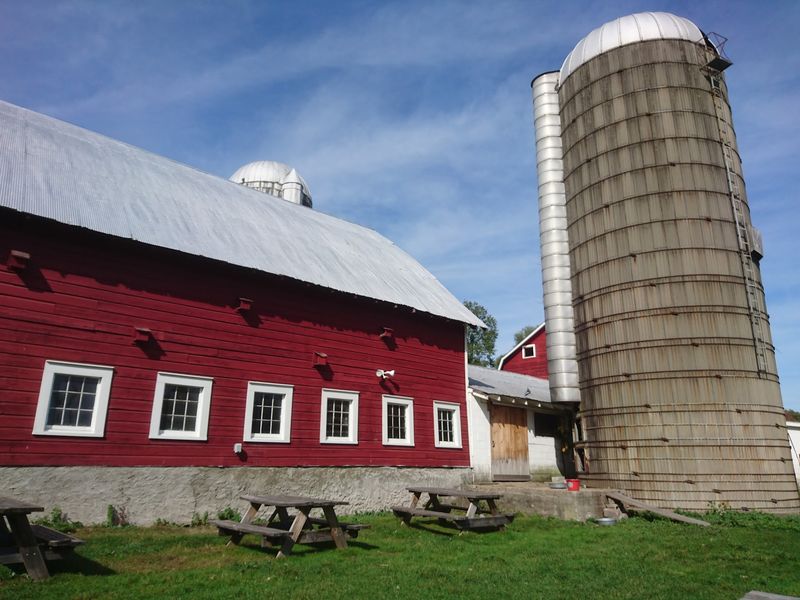
Two hundred forty acres. That is how much room these rescued animals get to stretch out and simply exist.
Skylands Sanctuary & Animal Rescue in Wantage provides lifelong refuge for over 400 rescued farm animals. Compassionate vegan living is promoted alongside the rescue work.
Mike Stura founded the operation back in 2014. What began small now houses a wildly varied animal family.
Cows, pigs, goats, sheep, turkeys, chickens, ducks, and geese fill the pastures. Miniature donkeys and a peacock wander the grounds as well.
Residents arrived from severe neglect, abuse, slaughterhouses, and live markets. Now they graze, root, nap, and behave like themselves.
Instead of being viewed as livestock, every single animal here is treated as an individual with its own distinct rights and feelings.
Individual stories matter enormously here. Staff know each personality and share those details freely.
Guided tours run mainly on weekends during warmer months. The structure keeps things calm for the animals while still allowing close contact.
Guides explain specific rescues and how the process actually works. Some backstories involve highway escapes and multi-state coordination.
School visits and farm sanctuary workshops extend the mission further. Building empathy in young guests is a stated goal.
The address is 50 Compton Rd, Wantage, in the rolling hills of Sussex County. Book a tour slot ahead of your trip.
Visiting this peaceful haven offers a rare, heartwarming glimpse into what true animal sanctuary looks like. Expect muddy boots, a few slobbery hellos, and a drive home spent thinking about pigs.