9 New Mexico Wonders That Blend Nature And Culture
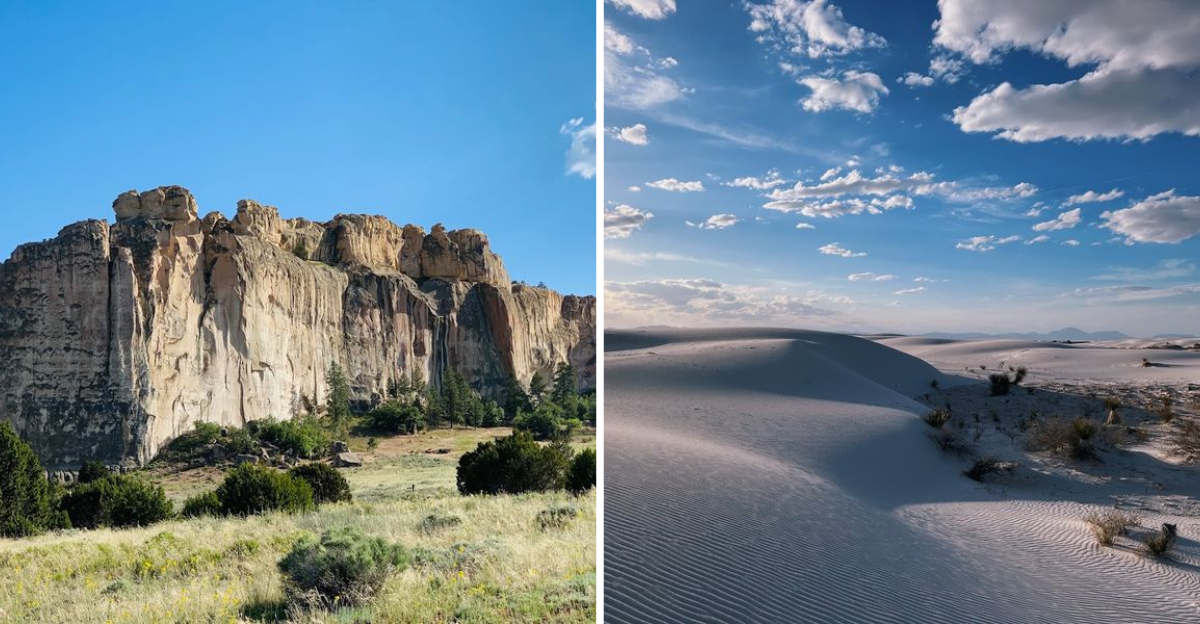
Petroglyphs thousands of years old share the desert with pale gypsum dunes. That collision of deep history and raw landscape is the pull of New Mexico.
Ancient ruins sit under open skies, and volcanic cliffs rise where you expect more sand. The terrain shifts fast, so a short drive can swap white dunes for black lava.
I gathered spots where the culture and the land feed each other rather than compete. Some ask for a long hike, others sit just off the pullout. The best part? No two stops feel alike, each stacking another layer onto the view.
The mix suits slow, curious travel. Few places layer history and landscape quite this tightly.
1. Taos Pueblo
Some places carry a weight of history that you can genuinely feel in your bones.
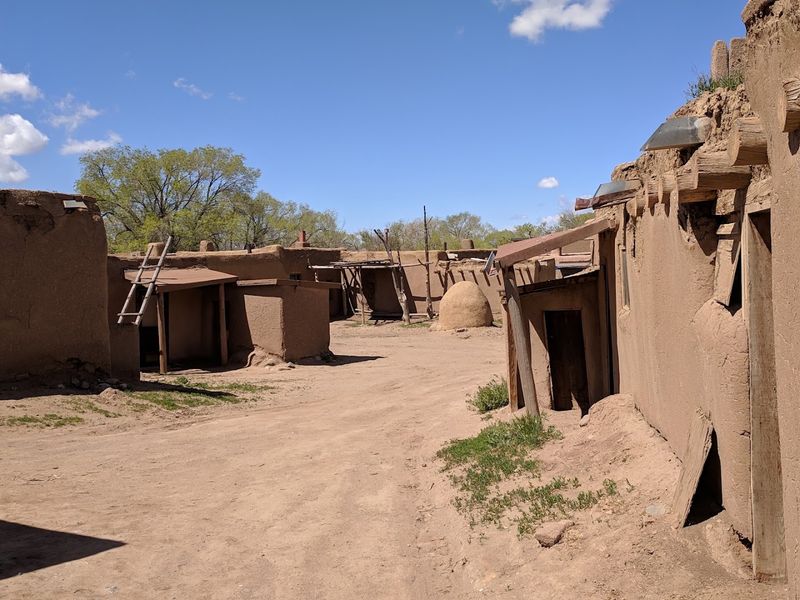
Taos Pueblo in Taos is one of the oldest continuously inhabited communities in the United States. People have lived here for over a thousand years, and the multi-story adobe structures still stand strong today.
The buildings are constructed from earth, straw, and water. They blend so naturally into the landscape that they almost seem to grow from the ground itself.
The Pueblo is home to members of the Tiwa-speaking community, who maintain their traditions with quiet pride.
Guided tours led by Pueblo members take you through the history of the site. You will learn about the spiritual significance of the land and the role of the Rio Pueblo de Taos, which flows right through the heart of the community.
Photography is allowed in certain areas, but always ask first.
The north and south house complexes are the most iconic structures. They rise up to five stories and were originally accessed by ladders rather than doors. That architectural choice was both practical and defensive.
Visiting during one of the feast days is a truly special experience. Traditional dances fill the plaza with color and sound that connect the present to centuries past.
Taos Pueblo welcomes curious travelers who approach with respect and genuine interest in Indigenous culture.
2. Bandelier National Monument, Los Alamos
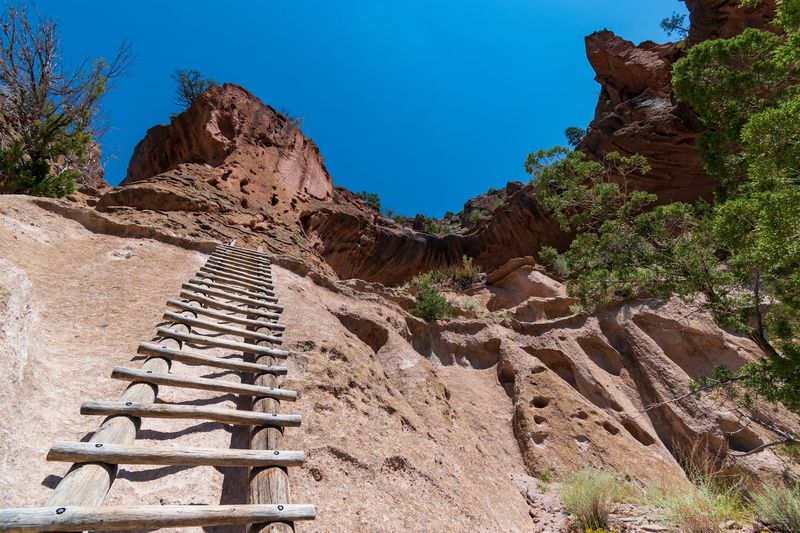
My jaw dropped when I first saw the cliff dwellings carved directly into the volcanic rock at Bandelier National Monument.
This site preserves the ancestral homeland of the Pueblo people. The canyon walls are riddled with small cave rooms called cavates, which were hollowed out by hand centuries ago.
Frijoles Canyon is the main attraction here. A paved trail winds along the canyon floor, passing ancient ruins and leading to the base of the cliffs.
Wooden ladders allow you to climb up into some of the cavates for a real hands-on history experience.
The monument covers over 33,000 acres of mesa and canyon terrain. Beyond the cliff dwellings, you can hike through ponderosa pine forests and across open mesas with sweeping views.
The landscape changes dramatically depending on the elevation.
Tyuonyi, a large circular pueblo ruin on the canyon floor, once held hundreds of rooms. Archaeologists believe it was a hub of community life for the ancestral Pueblo people.
Standing in the middle of it gives you a real sense of scale.
The best time to go is spring or fall, when temperatures are comfortable for hiking. Summer brings monsoon rains that can make trails slippery but also paint the canyon in vivid green.
The monument is open year-round with a small entrance fee that supports ongoing preservation work at the site.
3. Chaco Culture National Historical Park
What would it take to build a complex so advanced that astronomers still study its alignments today?
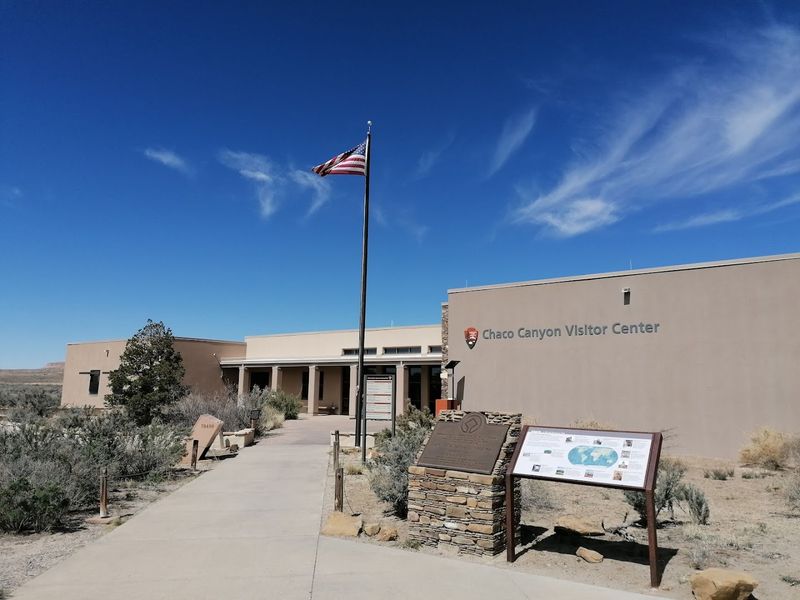
Chaco Culture National Historical Park in northwestern New Mexico answers that question with stone. The great houses here were constructed with remarkable precision by ancestral Pueblo people between 850 and 1150 CE.
Pueblo Bonito is the crown jewel of the park. It once stood four or five stories tall and contained over 600 rooms.
The walls are built from carefully shaped sandstone blocks in patterns so intricate they resemble fine masonry.
Chaco was a major ceremonial and trade center. Roads radiated outward from the canyon in straight lines for dozens of miles, connecting outlying communities to this central hub.
The sheer scale of planning involved is hard to wrap your head around.
The park is famously remote, requiring a long drive on unpaved roads to reach. That remoteness is also one of its greatest gifts.
The dark skies above Chaco are some of the clearest in the country, making it a top spot for stargazing.
Ranger-led programs run on weekends and cover the history, astronomy, and archaeology of the site in depth.
Night sky programs during new moon weekends are especially popular. Chaco Culture National Historical Park is a UNESCO World Heritage Site, which tells you everything about its global significance.
4. Acoma Pueblo, Sky City
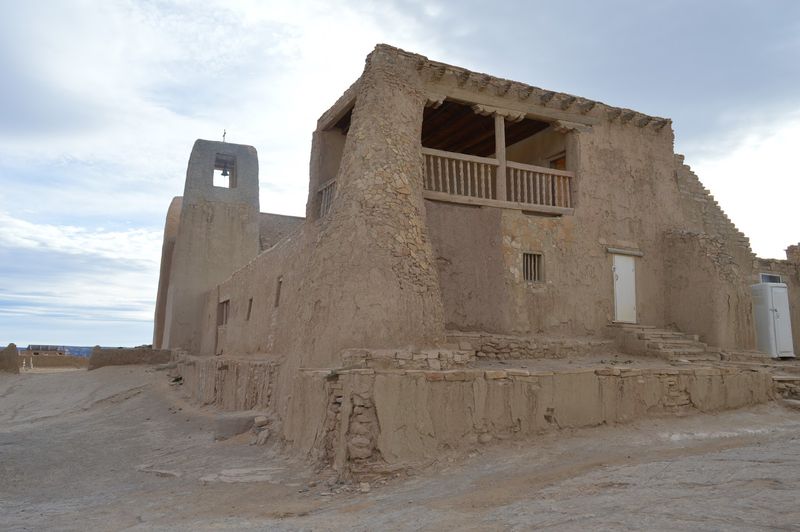
I was not fully prepared for the sheer drama of arriving at Acoma Pueblo.
Known as Sky City, this community sits on top of a 367-foot sandstone mesa in the Pueblo of Acoma. It is widely considered one of the oldest continuously occupied settlements in North America.
Access to the mesa top is by guided tour only, which departs from the Sky City Cultural Center at the base. The tour is led by Acoma community members who share the history, architecture, and traditions of their people.
It is an experience that is both humbling and deeply informative.
The San Esteban del Rey Mission, built in the early 1600s, dominates the mesa skyline. Its massive adobe walls and twin bell towers stand as a complex reminder of the colonial era.
The church required enormous effort to build, with all materials carried up by hand from the valley below.
The views from the mesa top stretch for miles in every direction. The surrounding landscape of red rock formations and open sky creates a setting that feels almost cinematic.
Pottery made by Acoma artisans is available for purchase, featuring the distinctive fine-line black and white designs the community is known for.
Photography on the mesa requires a permit, which is included with your tour ticket. The Sky City Cultural Center also houses a museum and a cafe serving traditional foods.
5. Petroglyph National Monument, Albuquerque
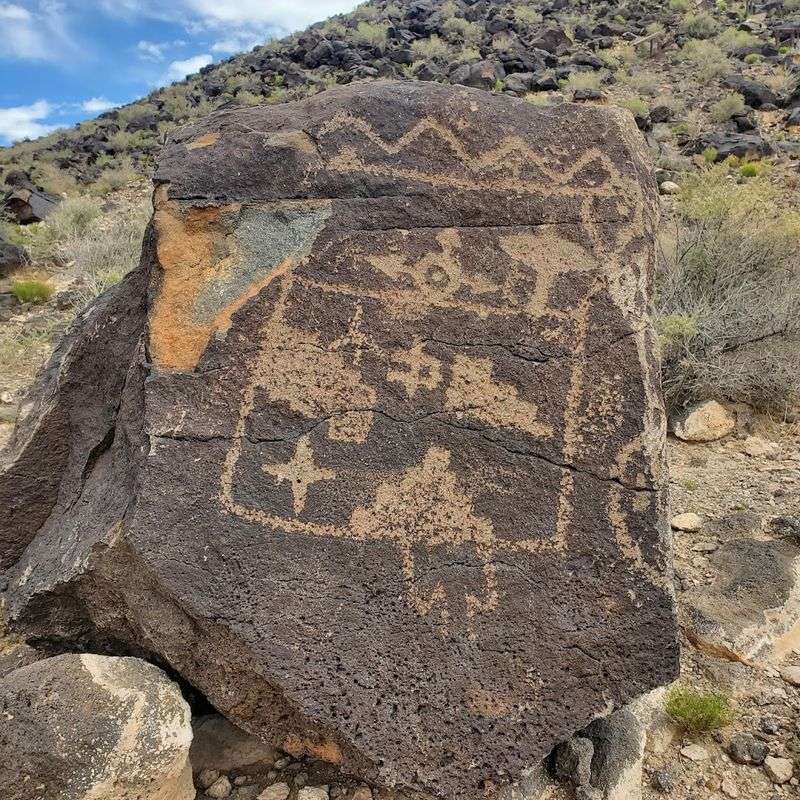
Just imagine for a second standing on the edge of a city and finding yourself face to face with 24,000 ancient rock carvings.
That is exactly what happens at Petroglyph National Monument on the west side of Albuquerque, New Mexico. The monument stretches along a 17-mile volcanic escarpment that cuts through the urban landscape in a surprising way.
Most of the petroglyphs were carved by ancestral Pueblo people between 400 and 700 years ago. Others date back even further, to an earlier period of habitation on the Rio Grande plateau.
The images include animals, human figures, spirals, and symbols whose meanings are still interpreted by descendant communities today.
Three main hiking areas make up the bulk of the monument: Boca Negra Canyon, Rinconada Canyon, and Piedras Marcadas Canyon. Boca Negra is the most accessible and has paved trails.
Rinconada is longer and wilder, giving you more time alone with the rocks and sky.
The volcanic cones in the northern section of the monument are also worth exploring. Five dormant volcanoes rise above the mesa, offering wide views of the Rio Grande valley and the Sandia Mountains to the east.
Sunrise and late afternoon are the best times to hike here, both for cooler temperatures and better lighting on the carvings. The main visitor center address is at the Western Trail NW, Albuquerque.
Admission to most areas is free, which makes this one of the most accessible ancient cultural sites anywhere in the American Southwest.
6. El Morro National Monument, Ramah
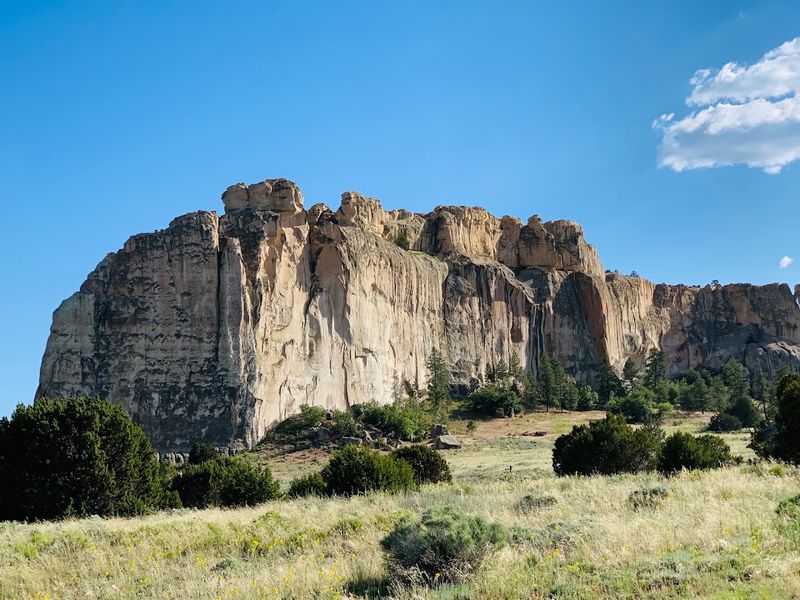
Correct me if I am wrong, but a giant sandstone bluff covered in centuries of carved signatures sounds like the world’s most fascinating guestbook.
El Morro National Monument near Ramah is exactly that. The soft Zuni sandstone has been a stopping point for travelers for over a thousand years.
The inscriptions range from ancestral Pueblo petroglyphs near the base to Spanish colonial signatures from the 1600s. American soldiers and pioneers added their names in the 1800s.
Every carving is a small window into the life of someone who passed through this remote stretch of desert.
The pool of water at the base of the bluff is what drew travelers here in the first place. In an arid landscape, a reliable water source was worth going out of your way to find.
Many inscriptions are clustered near this natural pool, as if people paused to drink and then picked up a sharp rock.
A two-mile loop trail takes you around and over the bluff. The upper portion of the trail leads to the ruins of an ancestral Pueblo village called Atsinna, which once held around 1,000 rooms.
The views from the top are genuinely breathtaking.
The monument is small and often overlooked on road trips, which means you can usually enjoy the trail without crowds. Morning light hits the inscriptions at an angle that makes them pop beautifully for photos.
The monument is open daily, making it an easy and rewarding stop on a southwestern New Mexico road trip.
7. Gila Cliff Dwellings National Monument, Mimbres
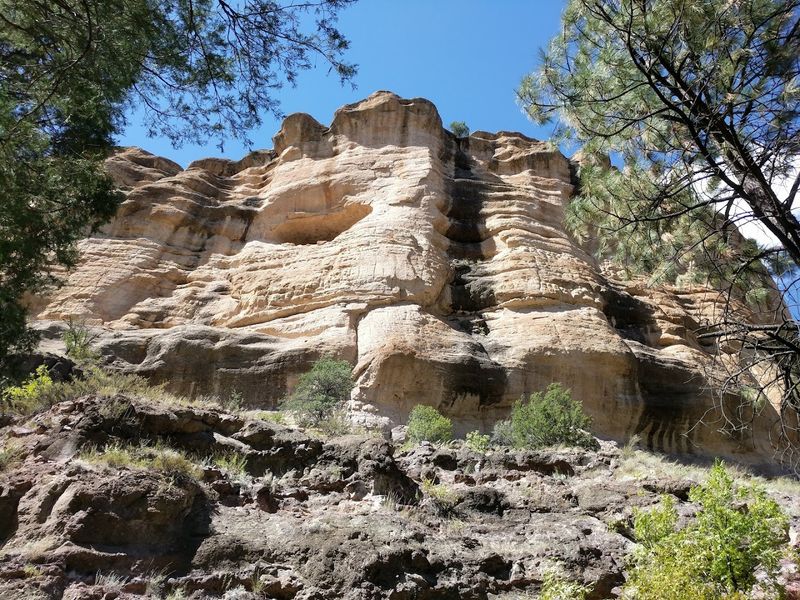
I had to do a double-take the first time I saw photos of this place, because it honestly looks like something from a fantasy novel.
Gila Cliff Dwellings National Monument near Mimbres tucks ancient stone rooms inside natural cave alcoves high on a canyon wall. The Mogollon people built these dwellings around 1280 CE and lived here for only a generation or two before moving on.
Getting here is half the adventure. The drive through the Gila National Forest winds through dramatic canyon landscapes and dense pine and juniper woodland.
The road itself is narrow and scenic, taking roughly two hours from Silver City.
A one-mile loop trail crosses a small stream multiple times before climbing up into the caves. Inside the alcoves, you can walk through actual rooms with original walls, doorways, and even some remaining wooden beams.
The scale is intimate compared to larger Pueblo sites, which makes it feel more personal. The surrounding Gila Wilderness was the first designated wilderness area in the United States, established in 1924.
Hiking trails from the monument extend deep into this wilderness for those who want a multi-day backcountry experience. Hot springs are accessible nearby on some of those trails.
Wildlife in the area includes black bears, elk, and javelinas, so keep your eyes open on the drive in. The monument is open year-round, though winter snow can occasionally close the upper road.
The access point is at 26 Jim Bradford Trail, Mimbres, and the cave trail is free to walk, though the national forest charges a small fee for the hot springs access.
8. White Sands National Park
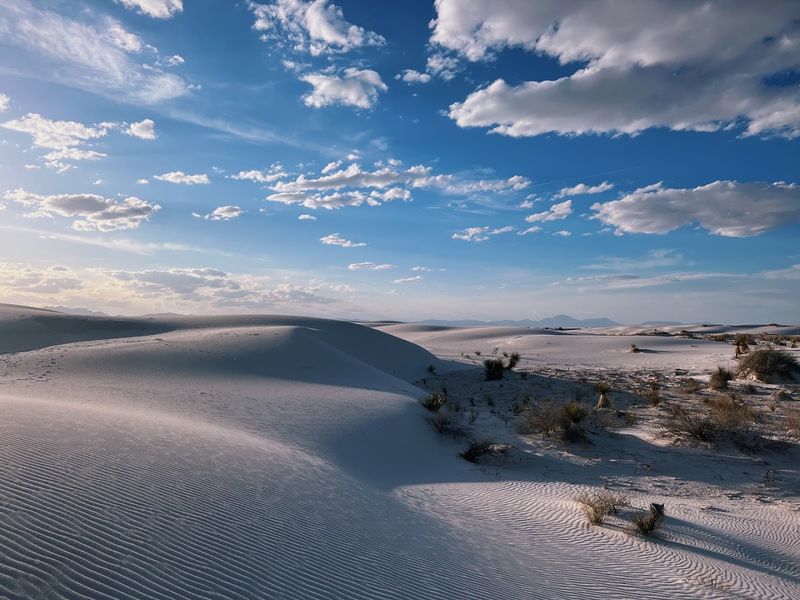
Look, I will be the one to admit that I underestimated what a field of pure white sand could do to a person.
White Sands National Park in southern New Mexico covers 275 square miles of glistening gypsum dunes, making it the largest gypsum dunefield on Earth. The white is so intense it can actually fool you into thinking it snowed in the desert.
Gypsum is a soft mineral that normally dissolves in water, but the closed basin of the Tularosa Basin has no drainage to the sea.
Over thousands of years, gypsum crystals from the surrounding mountains washed down and accumulated here, slowly grinding into fine white sand. The science behind it is just as stunning as the scenery.
Several trails wind through the dunes, ranging from a short boardwalk to a longer backcountry loop. The interdune area trail is a favorite because it takes you into the hollows between dunes where plants and animals have adapted to this unusual environment.
Sunset is the most magical time to be here. The white dunes turn shades of pink, orange, and lavender as the light fades, and the contrast with the San Andres Mountains in the background is unforgettable.
Sledding down the dunes on plastic discs available near the park entrance is a rite of passage for families. The park is located off US-70 between Alamogordo and Las Cruces.
Occasionally the highway closes briefly for missile testing from nearby White Sands Missile Range, so check ahead before you go.
9. Three Rivers Petroglyph Site, Tularosa
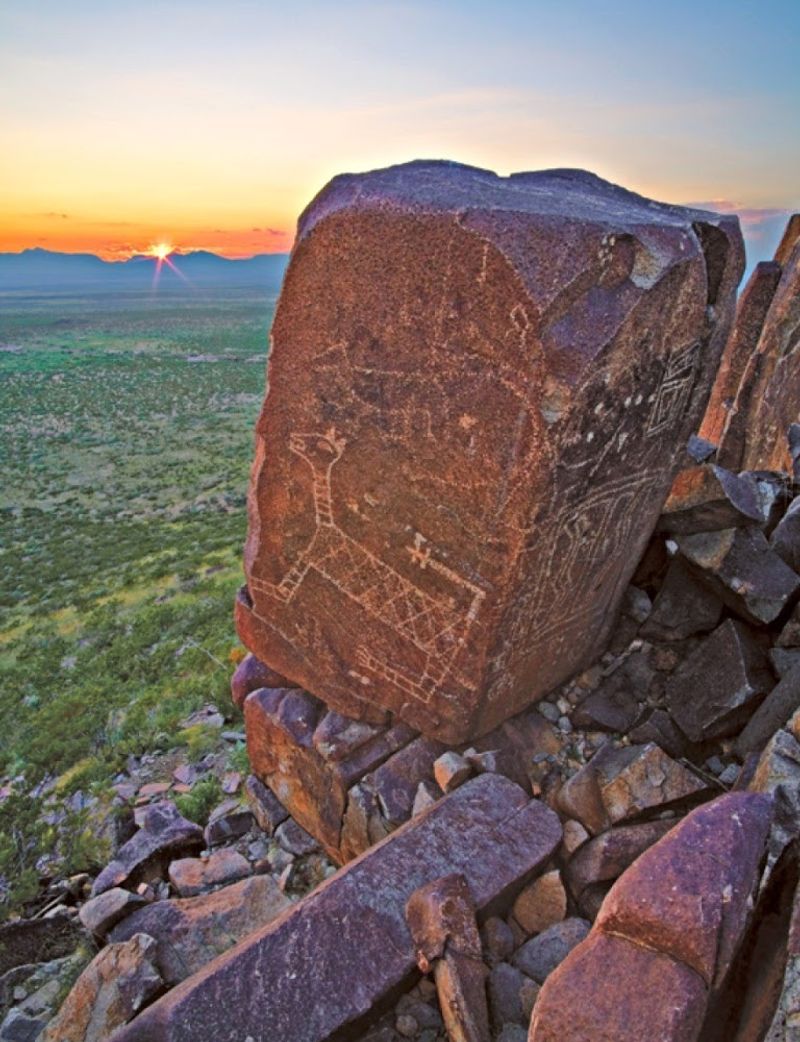
Over 21,000 individual rock carvings spread across a single basalt ridge, and most travelers have never even heard of this place. Wow!
Three Rivers Petroglyph Site near Tularosa is one of the most significant and least crowded petroglyph sites in the entire Southwest. The Jornada Mogollon people created these images between 900 and 1400 CE.
The carvings cover an astonishing range of subjects. You will find fish, birds, insects, human faces, geometric patterns, and masked figures called kachina-like beings.
The variety is unlike anything at most other petroglyph sites, and the sheer density of images along the trail is genuinely staggering.
A mile-long trail climbs the rocky ridge and passes hundreds of carvings with informational signs along the way. The trail is moderately challenging due to the uneven lava rock underfoot, so sturdy footwear is a must.
Trekking poles help on the steeper sections near the top. From the ridge, the views stretch west toward White Sands and south toward the Sacramento Mountains.
Sierra Blanca, one of the highest peaks in New Mexico, rises to the north and is often capped with snow in winter and spring. The landscape context makes the carvings feel even more connected to the natural world around them.
A partially excavated village site sits near the trailhead, giving additional context to the people who lived and created art here. The site is managed by the Bureau of Land Management and has basic facilities at the trailhead.
The address is 455 3 Rivers Rd, Tularosa, New Mexico, and the small entrance fee is absolutely worth every cent for what you get to experience here.