9 New York Factory And Workshop Tours Where Visitors Can Watch Something Being Made
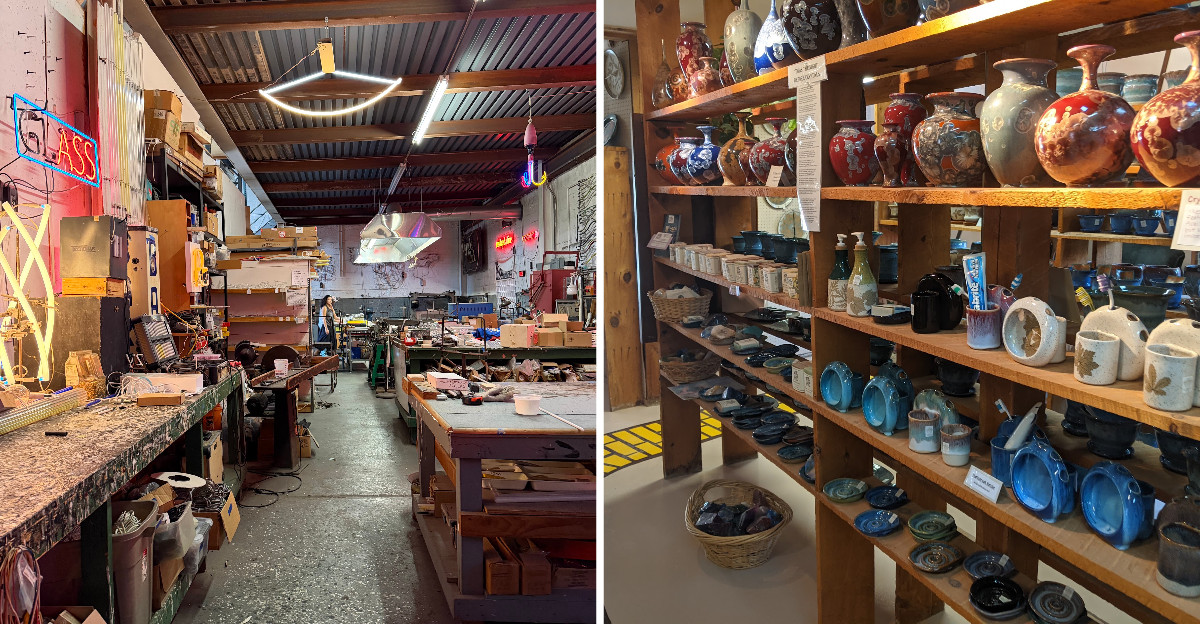
A chocolate maker in New York still uses copper kettles and marble cooling slabs, and you can watch it happen through a window.
Yes, a real window. Into a real candy kitchen.
Sure, factory tours sound like field trip material. Okay, but that’s not the part I want to talk about.
One museum on this list runs live glassblowing shows in a 500-seat theater. Another spot presses apples the way it was done in 1856.
Now this is where it gets good. These are working places, so the action in front of you is real. Molten glass, cracked cacao beans, a printing press that still puts ink on paper.
Across the state, some makers welcome walk-ins while others invite you to book a workshop. Which one are you seeing first?
1. Corning Museum Of Glass
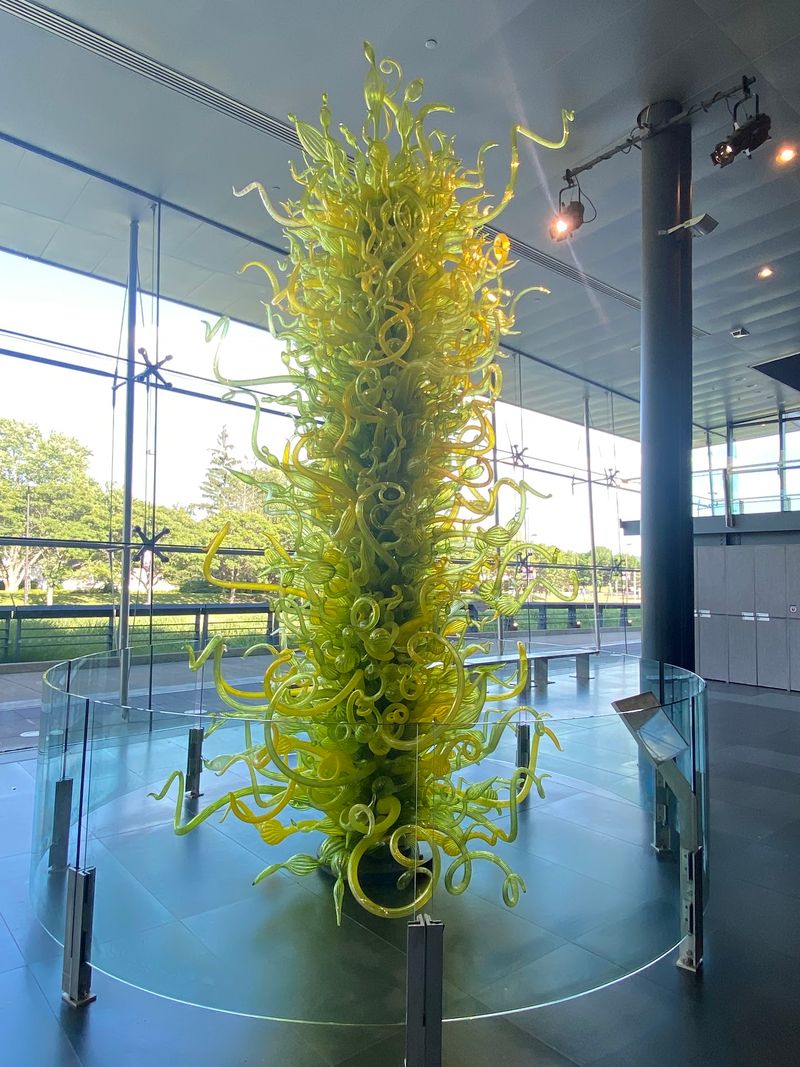
Molten glass and a 500-seat amphitheater sound like an odd pairing. At this Corning museum, it works beautifully.
The Hot Shop Amphitheater hosts live glassmaking demonstrations, with glassworkers gathering glowing material from the furnace and shaping it using tools, breath, and carefully controlled movements.
A presenter explains the process while screens help audiences follow details that would otherwise be difficult to see from the back rows.
Smaller flameworking presentations introduce another technique, using a torch rather than a large furnace. The contrast makes it clear how many forms one material can take.
For a more personal experience, Make Your Own Glass sessions let participants work with trained instructors on selected projects.
Some finished creations need additional cooling and cannot be collected immediately, so plan for later pickup or shipping.
A visit to 1 Museum Way, Corning, also includes galleries tracing approximately 3,500 years of glass, from ancient objects to contemporary sculpture.
Children and teenagers through age seventeen receive general admission without charge.
The museum celebrates its seventy-fifth anniversary in 2026, with special displays and projects adding to the usual exhibits. It generally opens from nine until five daily from April through December, with a different winter schedule.
Allow several hours for shows, galleries, and hands-on activities. There is much more of New York’s glassmaking story to explore than one spectacular furnace.
2. Fly Creek Cider Mill & Orchard
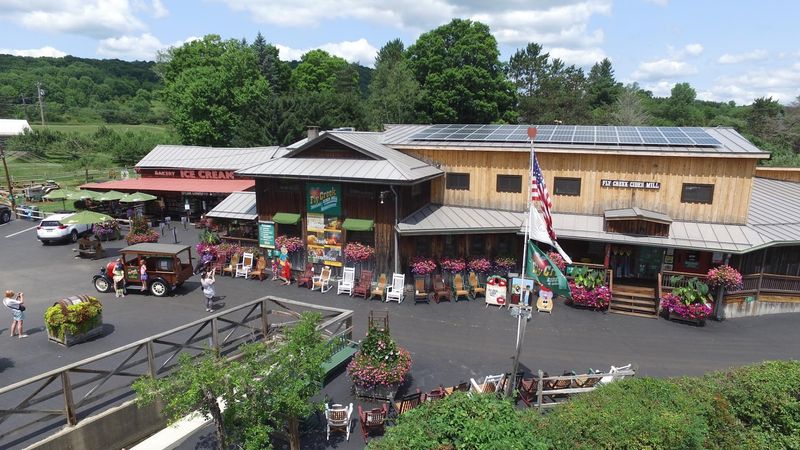
Apples get squeezed here the same way they were back in 1856. That’s a long time to stick with a method, and honestly, why change what works?
For a country outing, make your way to 288 Goose St, Fly Creek.
The store stocks apples, baked treats, aged cheese, preserves, and other regional foods. A snack barn offers an easy break when browsing turns into a longer visit.
Fly Creek Cider Mill & Orchard operates a historic water-powered mill near Cooperstown.
During scheduled pressing days, apples travel through traditional equipment before the mill’s Boomer and Boschert press extracts fresh, sweet cider using the rack-and-cloth method.
The most memorable part is seeing the machinery operate. Visitors can watch from the Cider Gallery and Learning Center while the equipment works below.
The demonstrations depend on harvest schedules and how much cider is needed, rather than running continuously throughout every opening hour.
Children can explore outdoor activities such as the duck racer, gemstone mining, and Tractorland, with some experiences operating seasonally. The mill’s setting adds a pond and rolling countryside to the day.
The 2026 pressing season began in September, with additional demonstrations scheduled through autumn. Regular store hours are nine until six daily through December twentieth.
Check the pressing calendar before traveling specifically to watch apples being transformed. On an operating day, the old equipment gives this hamlet an impressive soundtrack.
3. Original American Kazoo Company
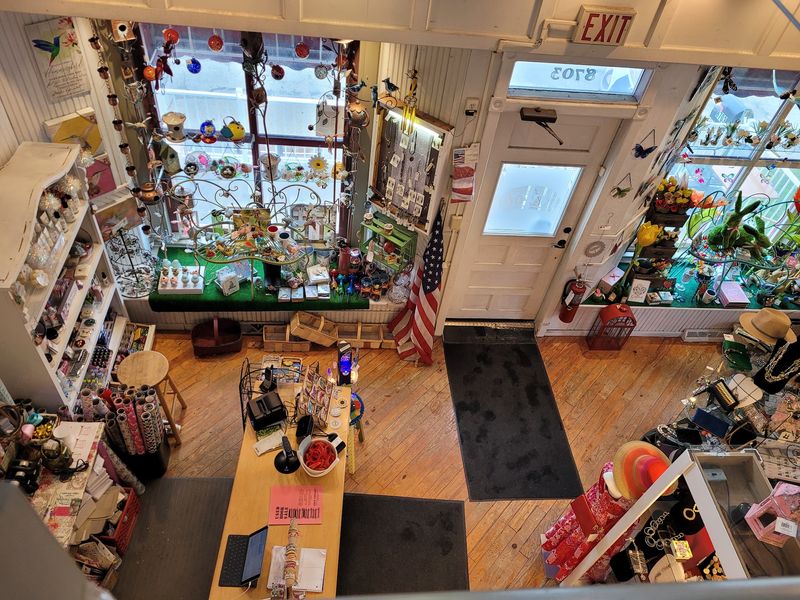
A factory that makes kazoos sounds like the setup for a joke. The machinery in Eden has been doing the serious part for more than a century.
The Original American Kazoo Company began in 1916, building metal instruments using equipment associated with an earlier sheet-metal workshop.
More than twenty machines are powered through overhead shafts and belts connected to a single motor. Watching that arrangement operate is a lesson in manufacturing history as much as music.
The factory museum explains how metal pieces become the familiar humming instrument, from shaping the body to inserting the vibrating membrane.
Displays include different designs and vintage examples, showing how an inexpensive little object developed its own following.
Manufacturing activity is concentrated on selected weekdays, with the business identifying Tuesday through Thursday as production days. Arrange a visit in advance if seeing the machines operating matters most, particularly for larger groups.
No musical training is necessary. You make a kazoo sound by humming into it, which means even a first attempt produces something recognizable.
You’ll find the operation at 8703 S Main St, Eden, south of Buffalo. The museum and gift shop welcome visitors, and the company offers opportunities to assemble a classic kazoo of your own.
It’s an especially entertaining stop for families who appreciate unusual American inventions. The final souvenir may be small, but the backstory is enormous.
4. Li-Lac Chocolates (Industry City)
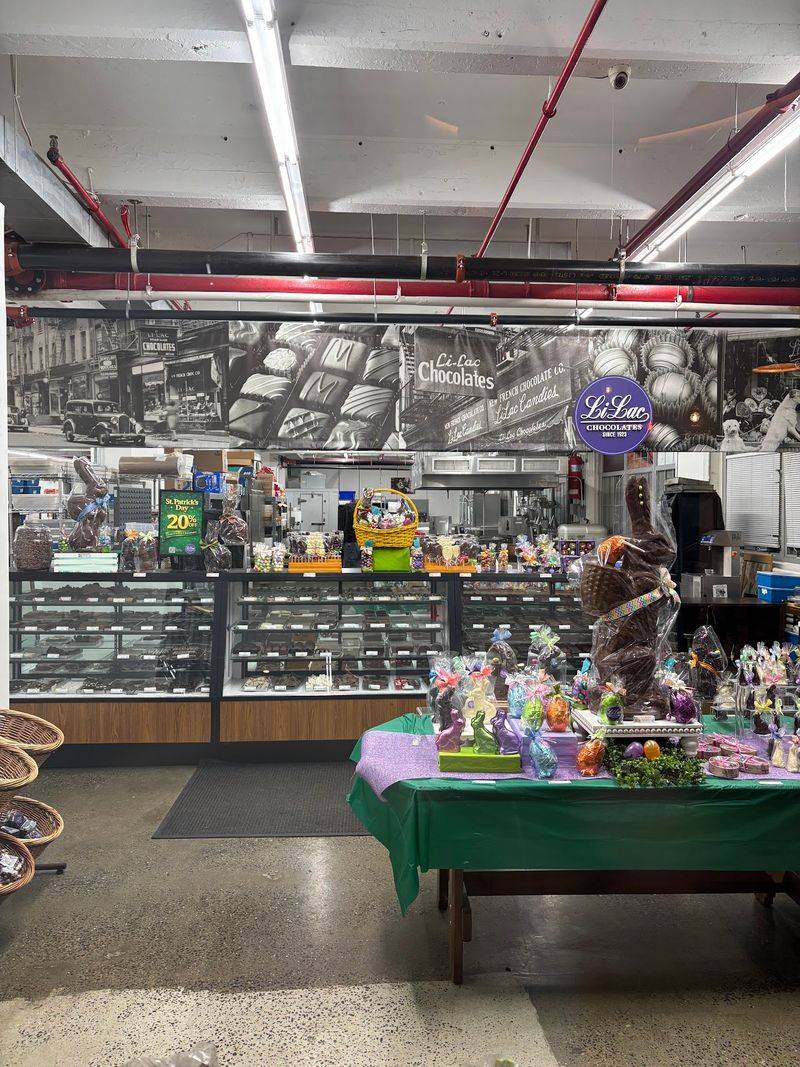
Copper kettles, marble cooling slabs, and recipes from the 1920s. Li-Lac clearly isn’t in a hurry to modernize, and your sweet tooth should be thankful.
Founded in 1923, Li-Lac is Manhattan’s oldest chocolate house. Its production home in Brooklyn’s Industry City gives the public a view into a working confectionery without requiring a guided tour.
A window along the ground floor looks directly into the production area. Depending on the day’s schedule, you might see chocolates being coated, fillings prepared, or confections arranged for finishing.
The New York factory makes more than 120 different chocolate items, including traditional pieces and assorted gift selections.
The factory shop at 68 35th St, Brooklyn, offers a convenient stop after watching the kitchen. Samples may be available, while the neighboring Industry City complex has additional shops and places to explore.
The copper kettles, marble tables, and scales are more than decorative nostalgia. Some of this equipment dates to the 1920s, and the company still uses small-batch methods associated with its earliest years.
Production generally takes place on weekdays between nine and five, sometimes extending into Saturday. Specific workstations may be quiet during a visit, so a view of every process is never guaranteed.
Come during a weekday for the strongest chance of seeing chocolatiers at work. Even a few minutes beside that viewing window makes the finished sweets more interesting.
5. Raaka Chocolate
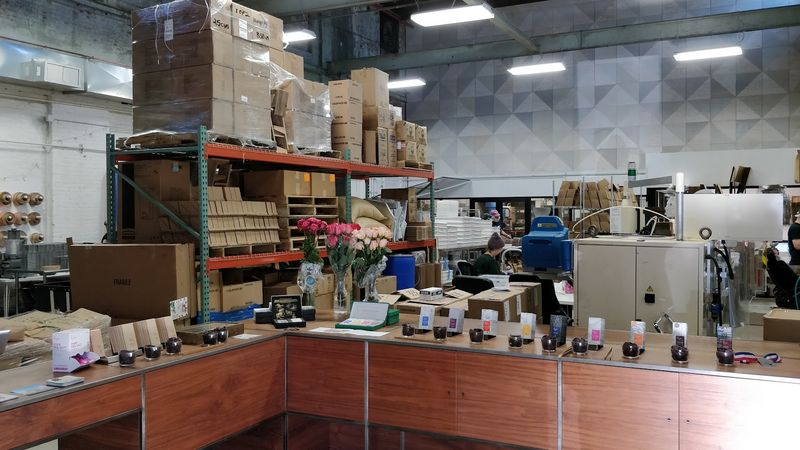
Ever cracked a cacao bean with your own hands? At Raaka, that’s step one, and the fun only gets messier from there.
Raaka makes unroasted, bean-to-bar chocolate in Brooklyn’s Red Hook neighborhood.
Its workshops let participants explore what happens between a cacao bean and a finished bar, starting with the beans themselves rather than ready-made chocolate chips.
The longer bean-to-bar class covers sorting, cracking, winnowing, grinding, and preparing chocolate for molding. Instructors guide the process, and participants make their own small bars.
Other scheduled experiences focus on truffles or tasting chocolate made from different cacao origins.
These are hands-on classes in a dedicated learning area beside the factory, rather than tours through the production floor. That’s an important distinction if you’re expecting to stand beside industrial equipment.
The shop is open eleven until four Monday through Thursday and eleven until six Friday through Sunday. Bean-to-bar sessions usually take place on Fridays, Saturdays, and Sundays, with advance registration required.
Set aside several hours for the full class, since making chocolate from scratch involves more stages than demonstrations.
Find the shop and classroom at 58 Seabring St, Brooklyn, NY 11231. The retail shelves carry the company’s chocolate bars, including limited offerings that aren’t necessarily available elsewhere.
The reward is understanding exactly why your finished bar looks, smells, and tastes the way it does. A little messy learning has never sounded sweeter.
6. Roycroft Campus
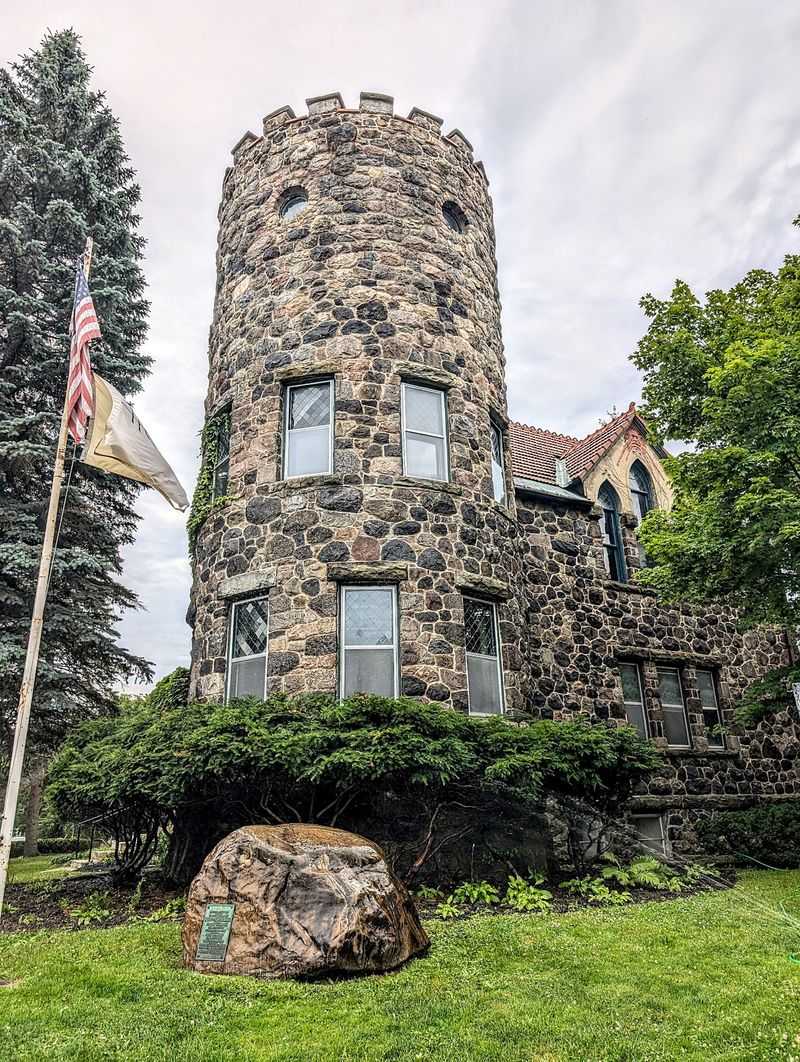
A printing press from the nineteenth century still putting ink on paper sounds like a museum trick. In East Aurora, it’s a working lesson in how books used to be made.
New York’s Roycroft Campus preserves the buildings of an Arts and Crafts community associated with Elbert Hubbard. Nine original structures remain, including the Print Shop, Copper Shop, and other spaces devoted to design and handwork.
The historic complex centers on 31 S Grove St, East Aurora, NY 14052. Its museum displays original furniture, books, photographs, and objects that reveal the wider Arts and Crafts movement.
The Press Room contains functioning historic presses. During guided tours, visitors learn about setting type, composing pages, and making printed sheets using equipment from the late nineteenth and early twentieth centuries.
Printers may also be working in the room on selected Wednesdays through Saturdays.
For groups, additional workshops offer opportunities to operate a press and make a print, bind a simple journal, or practice decorative illumination.
These hands-on sessions must be arranged rather than assumed to be available whenever the campus is open.
Guided tours usually operate on scheduled dates from May through October, with off-season visits possible by appointment. Some tour routes include stairs and outdoor segments, so accessibility and weather deserve consideration.
A printed page becomes something much more tangible after you’ve watched individual letters and machinery do their work.
7. Brooklyn Glass
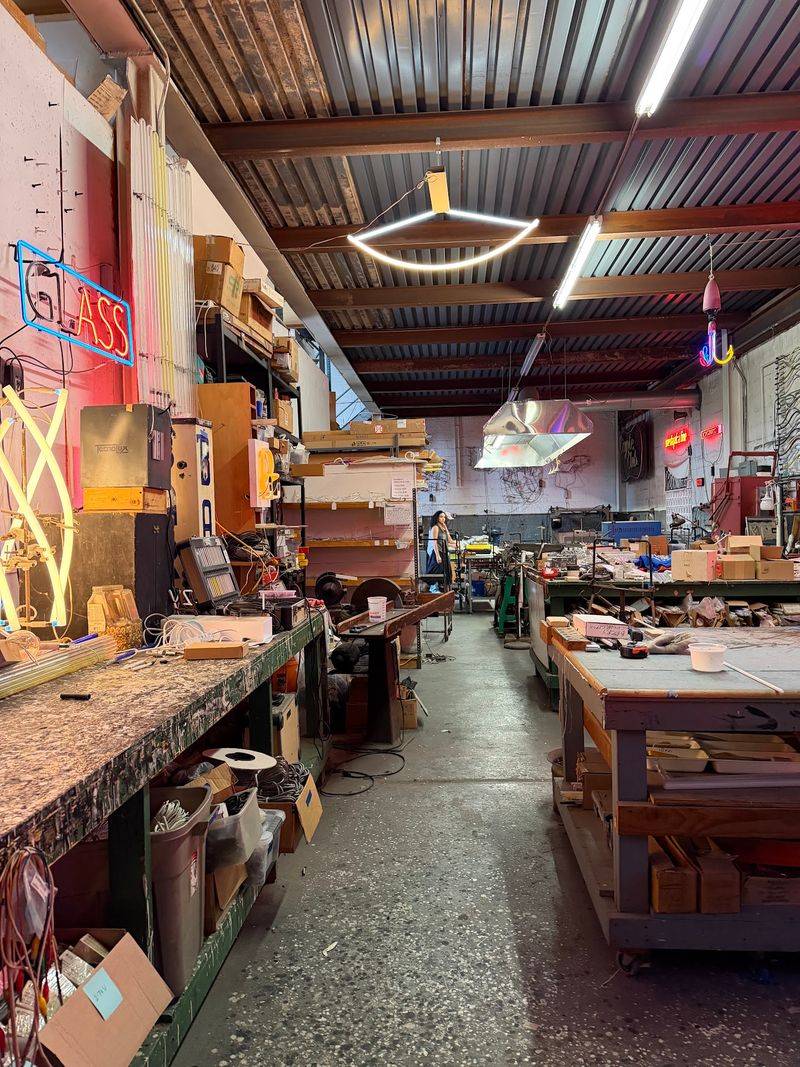
Neon signs don’t bend themselves. At Brooklyn Glass, you can learn what it takes to transform straight glass tubing into glowing shapes.
This artist-run Gowanus studio supports glassblowing, flameworking, casting, and neon work. Its space contains furnaces, specialized torches, cooling equipment, and stations where working artists can develop their pieces.
One-day workshops introduce beginners to individual techniques. Flameworking classes focus on heating smaller pieces with a torch, while glassblowing sessions use much larger equipment.
Neon instruction explores bending heated tubing into letters or other designs.
Brooklyn Glass operates at 142 13th St, Brooklyn, NY 11215. Closed-toe footwear is sensible in an environment where hot equipment and glass tools are used. Instructors provide technique and safety guidance suited to the class.
The hands-on classes are the dependable visitor experience here. It’s a functioning shared studio, not a museum offering public walk-in tours of every workspace, so reserve a session rather than expecting an informal demonstration at any hour.
Many sessions welcome complete beginners, although some projects take multiple visits and finished pieces may need cooling before pickup.
The studio is generally open between ten and six, with scheduled classes following their own timetable. Check the workshop calendar for available dates.
If you’ve ever wondered how a glowing tube becomes a sign, this experience turns curiosity into a much more hands-on education.
8. Golden Artist Colors
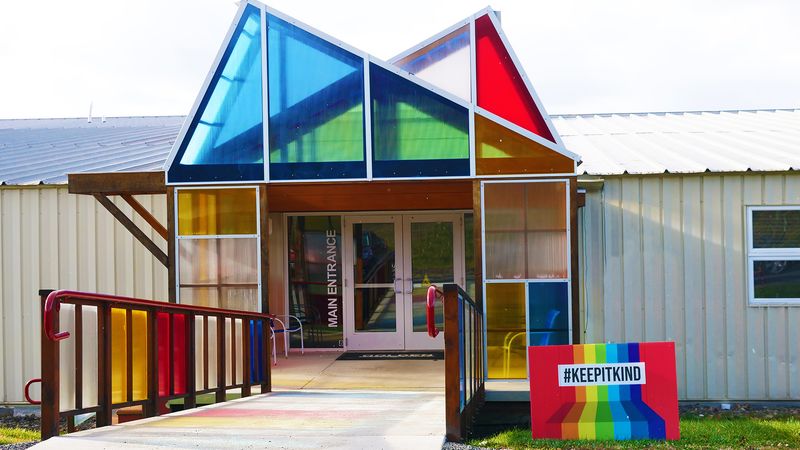
What happens before a tube of artist paint reaches the shelf? In New Berlin, you can find out inside a real factory that makes colors for painters.
Golden Artist Colors manufactures acrylic paints and other art materials, including watercolors and specialty products.
Its guided factory tours introduce visitors to the equipment, people, and processes involved in producing those materials.
The company offers approximately ninety-minute visits on selected dates, rather than daily drop-in tours.
The itinerary may include manufacturing areas and the Sam & Adele Golden Gallery, where artwork shows how different paints behave on a finished surface.
Production-floor access has specific rules. Closed, sturdy shoes and supplied eye protection are required; children younger than twelve cannot enter that area. Photography is restricted there, and the manufacturing floor is not wheelchair accessible.
The plant stands at 188 Bell Rd, New Berlin. Scheduled 2026 tours include a November seventeenth date, with advance registration needed and space limited to small groups. Larger groups can inquire about separate arrangements.
The gallery also welcomes visitors during weekday business hours when exhibitions are open, making it another reason to explore the facility.
This stop connects an ordinary art supply with complex manufacturing. For New York painters, those factory stages add fresh meaning to the final product.
After seeing how colors are developed and prepared, even a familiar paint tube may deserve a second look.
9. Wizard Of Clay
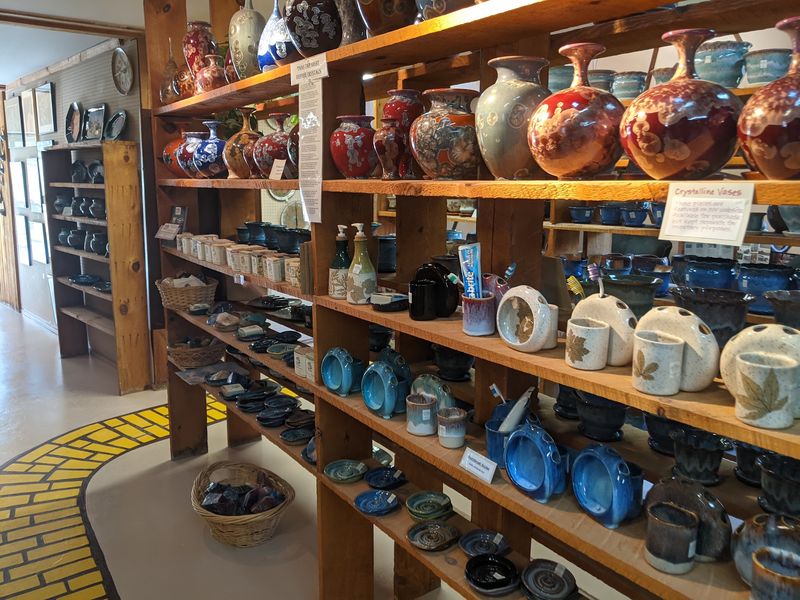
A real leaf pressed into wet clay can leave a pattern that lasts for years. In Bloomfield, that’s how some of the most recognizable pottery begins.
Wizard of Clay is a working family pottery studio in the Bristol Hills, housed inside a series of geodesic domes.
Its signature Bristoleaf pieces carry delicate impressions made with leaves gathered from nearby trees and plants.
The creation process begins at the wheel, where a potter centers soft clay and draws it into the shape of a bowl, mug, or vase.
After trimming, leaves are pressed into the surface. During firing, the plant material disappears, leaving the fine pattern in the ceramic beneath the glaze.
Visitors can see pottery work taking place in the public workshop, rather than relying solely on a display of finished pieces.
Production activity varies through the day, and the adjoining shop sells handmade bowls, mugs, planters, and other useful objects.
The studio generally opens from nine until five throughout the year. From April through December, it operates daily except certain holidays; January through March brings a Thursday closure.
Follow the yellow brick road to 7851 State Route 20A, Bloomfield, NY 14469. The domed buildings make the approach almost as memorable as the craft itself.
It’s a gentle reminder that everyday objects can begin with remarkably careful handwork. Even a plain bowl looks different after you’ve seen one take shape.