New Yorkers, You’re Holding Onto These 14 Fridge Items Way Too Long
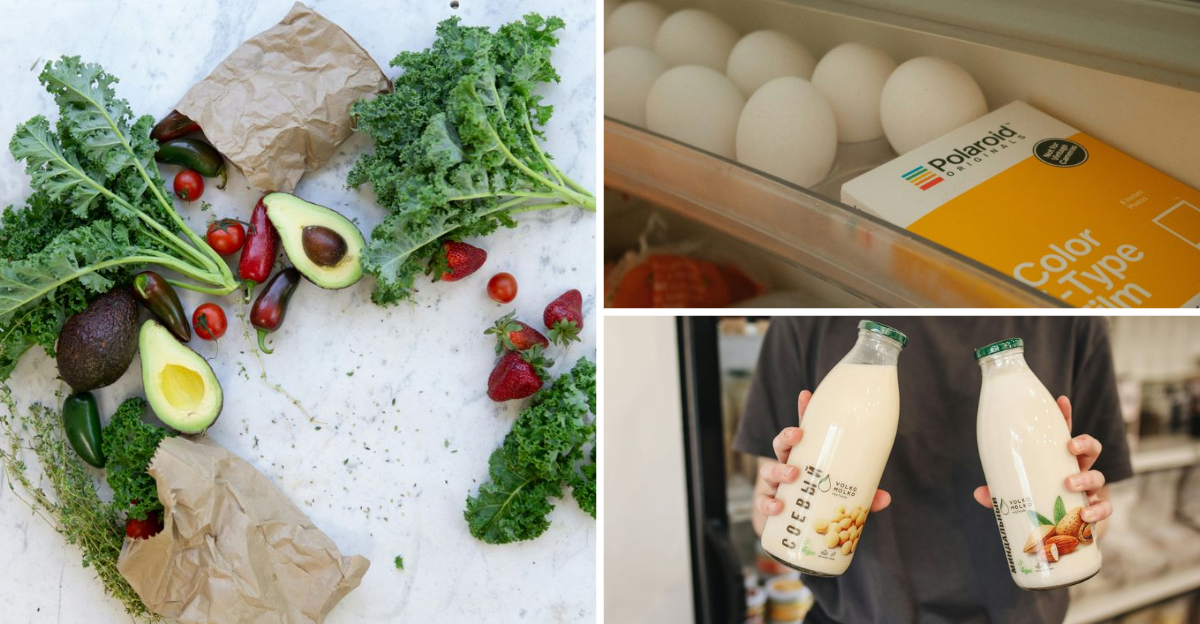
New York fridges are like tiny museums, with takeout sauces and mystery leftovers posing as exhibits.
Tonight, you open the door, the light flicks on, and you swear the dill pickles are planning a squatters protest.
You are not alone.
With small apartments, packed schedules, and food delivery just a swipe away, it is incredibly easy to keep things long past their prime, risking off flavors, wasted money, and real food safety issues.
This list is your quick reset.
You will find what to toss, how long things actually last according to reputable food safety guidance, and smart storage moves that fit a city schedule.
No scolding, just straight talk that saves you from stomach aches, weird smells, and the 2 a.m. “is this fine” roulette.
By the end, your fridge will feel bigger, your meals will taste better, and you will know exactly what deserves a spot and what should be shown the door.
1. Leftover Takeout Boxes
Leftovers feel like a win until they turn into a guessing game.
The USDA’s rule of thumb is simple and strict: most cooked leftovers are safe in the fridge for 3 to 4 days at 40 degrees Fahrenheit or below.
After that, bacteria like Listeria can grow even at fridge temps, and reheating cannot fix toxins some bacteria leave behind.
If you do not remember the delivery night, it is time to let it go.
Write dates on the container when it lands in your fridge.
New York takeout often arrives in deep plastic clamshells that trap moisture and speed up mushy textures.
Transfer leftovers into shallow, airtight containers so they cool faster and evenly.
Store rice, sauces, and proteins separately to keep flavors bright and reheating efficient.
When in doubt, freeze within two days in labeled portions so you can grab a late train dinner that actually tastes good.
Reheat to 165 degrees Fahrenheit until steaming hot.
Trust your senses for clues but not final answers!
Smell and sight miss many pathogens that have no odor.
If the box has condensation pooled, warped lids, or leakage, it is a red flag.
Keep a small “eat first” bin so the oldest items are front and center.
Your future self will applaud the lack of mystery meals and the calmer, cleaner shelf space.
2. Half-Used Salad Dressings
That zesty bottle had its moment, then you moved on.
Bottled dressings vary, but once opened they typically last 1 to 4 months refrigerated depending on ingredients.
Emulsified dressings can separate and oxidize, while anything with dairy, fresh garlic, or herbs has a shorter safe window.
Check the label for “refrigerate after opening” and use-by dates.
If the pour looks clumpy, the aroma is sour beyond normal vinegar tang, or the color has dulled dramatically, it is time.
New Yorkers love variety, which means lots of half-used bottles hogging the door.
The door is the warmest section thanks to frequent opening, so dressings spoil faster there.
Store sensitive dressings on an interior shelf instead and keep the door for stable condiments.
Wipe the cap after each use to avoid bacterial buildup.
If you are into DIY, small batches last a week tops when made with fresh aromatics and should be dated.
To reduce waste, plan two meals per week that use the same dressing for marinades and grain bowls.
If you see oil and vinegar separation, that alone is normal, but rancid oil smells like crayons or putty and means the party is over.
When buying, opt for smaller bottles you can finish!
Better to have one bright, fresh dressing than five tired ones lingering.
3. Open Deli Meats

Those thin-sliced turkey stacks are convenient until they are quietly past their prime.
The USDA recommends using opened deli meats within 3 to 5 days, and unopened vacuum packs within two weeks, or by the use-by date if sooner.
Listeria monocytogenes can grow in the cold, which is why vulnerable groups are advised to be extra careful.
If the slices look slick, smell sour, or edges appear rainbow-shiny, skip the sandwich and toss.
City living often means frequent door openings and higher average fridge temps from crowded shelves.
Store deli meats in the coldest zone, usually the back middle shelf, not the door.
Keep them in original packaging inside a sealed bag or switch to airtight containers to limit oxygen and fridge odors.
If you will not finish a pack quickly, divide and freeze portions with parchment layers for easy pull-apart.
Use what you buy by planning early week sandwiches and later week grain bowls or omelettes.
Reheating to steaming hot helps with quality but does not erase all risk once spoilage starts.
Trust the date, not wishful thinking.
That little corner bodega special is best enjoyed fresh, not as a science project.
Your sandwiches will taste cleaner, and you will avoid the dreaded midweek fridge funk.
4. Leftover Rice And Grains
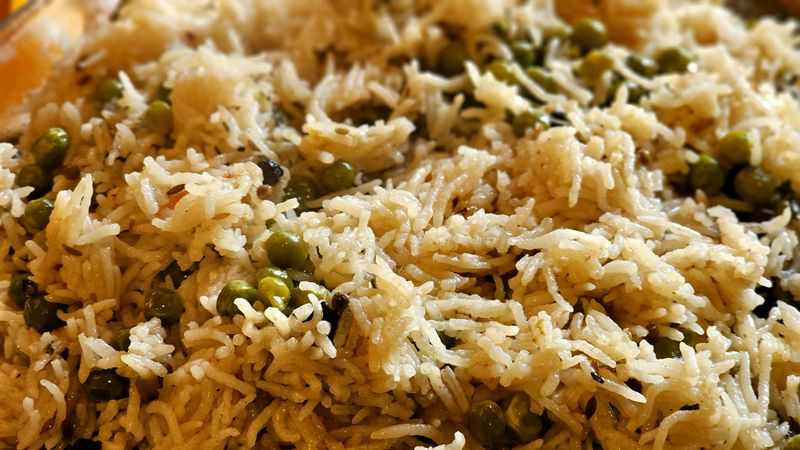
Cooked rice feels harmless, but time matters.
Bacillus cereus spores can survive cooking and multiply if rice sits too long at room temp before chilling.
Cool rice quickly by spreading it in a shallow container and refrigerating within one hour.
Eat within 3 to 4 days, reheating until piping hot with added moisture to restore texture.
If it smells sweetly funky or feels tacky and clumpy beyond normal, do not risk it!
Grains like quinoa, farro, and barley follow similar rules.
Portion into single-serve containers so you are not repeatedly warming the whole batch.
Freeze extras the same day they are cooked if plans change.
In a New York schedule, that means labeling right away while you still remember.
Add a splash of water when reheating to avoid dry, uneven bites.
Leftover rice is perfect for fried rice on day two because slightly dried grains crisp nicely.
But the clock is real.
If rice sat out during delivery night longer than two hours, it belongs in the bin.
Keep a shallow storage system and you will stop playing roulette with your stomach.
Your late nights deserve comfort, not regret.
5. Dark Back-Of-Fridge Jams
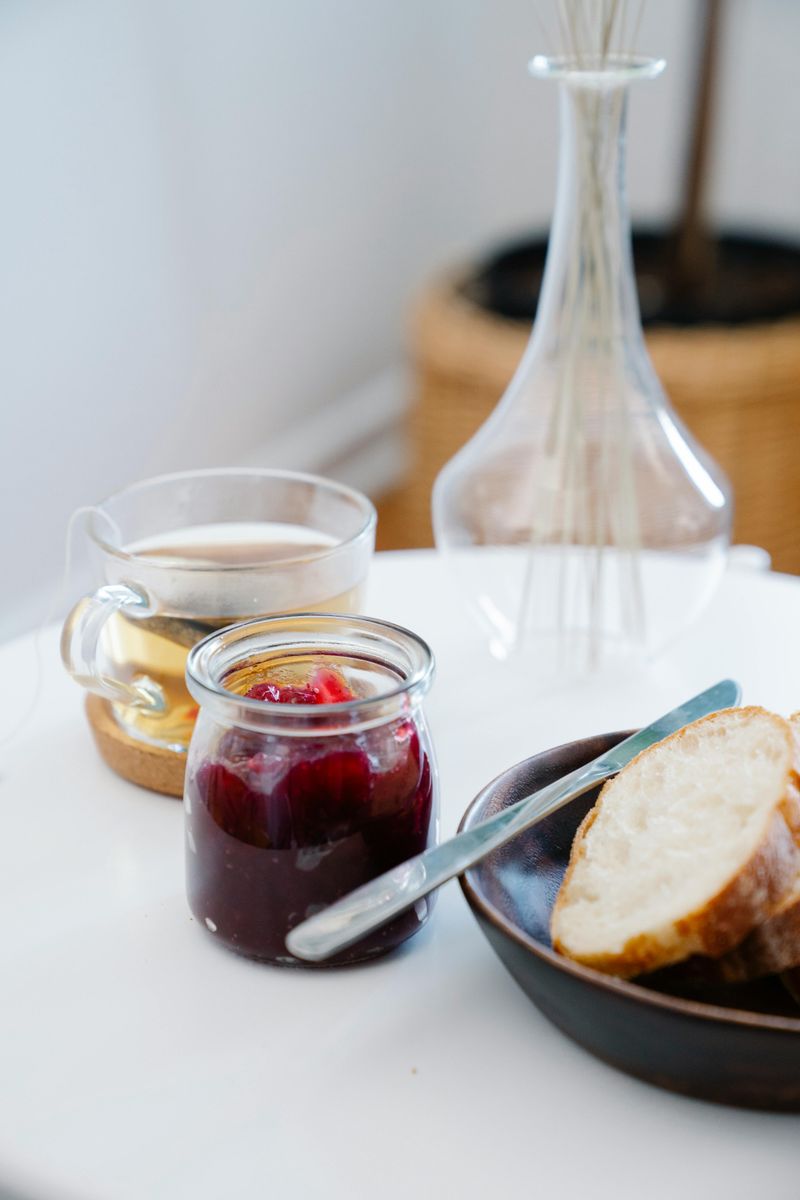
That fancy fruit spread from a Brooklyn market should not become a science experiment.
Once opened, jams and preserves usually last several months refrigerated, but contamination from double-dipping and temperature swings shortens that.
If you see mold, do not scrape and keep eating.
The USDA advises discarding moldy jams because mold can produce mycotoxins and invisible root threads can spread through the jar.
Use clean, dry spoons and avoid butter knives that carry moisture and crumbs.
Wipe the rim, cap tightly, and store on a stable interior shelf, not the warm door.
Sugary jams resist a lot, but they are not immortal.
If it smells fermented or looks watery with color fade, it is past its peak.
Smaller jars help city dwellers who rotate flavors.
To reduce waste, plan sweet plus savory uses like glazing roasted carrots or adding a spoon to yogurt.
Date the lid the day you open it so you are not guessing.
Any visible mold or fizzing is an automatic toss.
No bagel is worth the risk, and honestly, fresh jam tastes better anyway.
Keep just what you love and finish, and your breakfasts will be brighter and safer.
6. Open Hummus And Dips
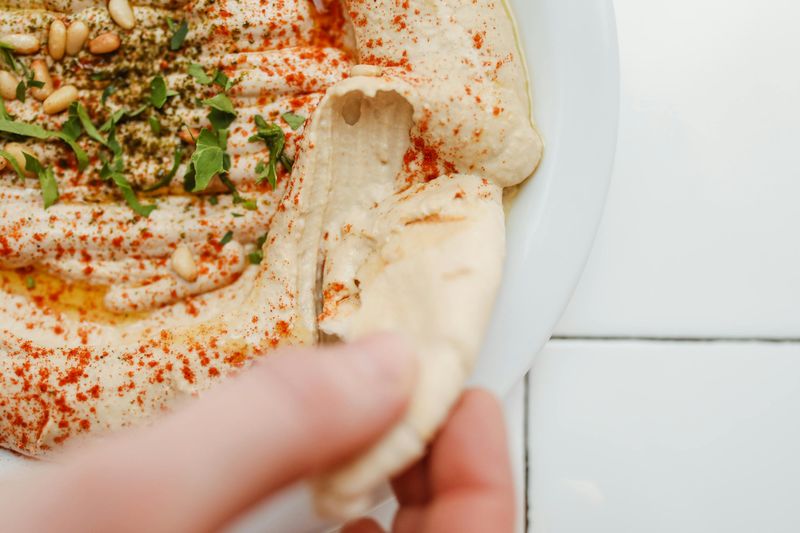
Hummus and creamy dips live on New York snack plates, then hide behind seltzers for weeks.
Most store-bought hummus is best 4 to 7 days after opening, even if the sell-by date is later.
Separation of tahini oils can be normal, but sour smells, yeasty notes, or a fizzy feel signal spoilage.
Because these dips are often shared, cross-contamination is common.
Use a clean spoon to portion into a bowl and cap the tub tightly.
Dairy-based dips like ranch or tzatziki tend to have even shorter windows.
Keep them on an interior shelf and avoid the door’s warmer swings.
If the surface looks crusty or the color darkens, skip the taste test.
For homemade versions with fresh garlic, lemon, and herbs, plan to finish within three to four days.
Freeze hummus in small portions if you will not finish it in time.
Set a “dip night” to clear the deck with veggies and pita before the week ends.
Label tops with the open date so roommates do not gamble with your stomach.
If in doubt, throw it out is not wasteful when the alternative is foodborne illness.
Fresh dip is inexpensive and easy to restock.
Your snacks will stay exciting instead of questionable.
7. Leafy Greens In The Crisper
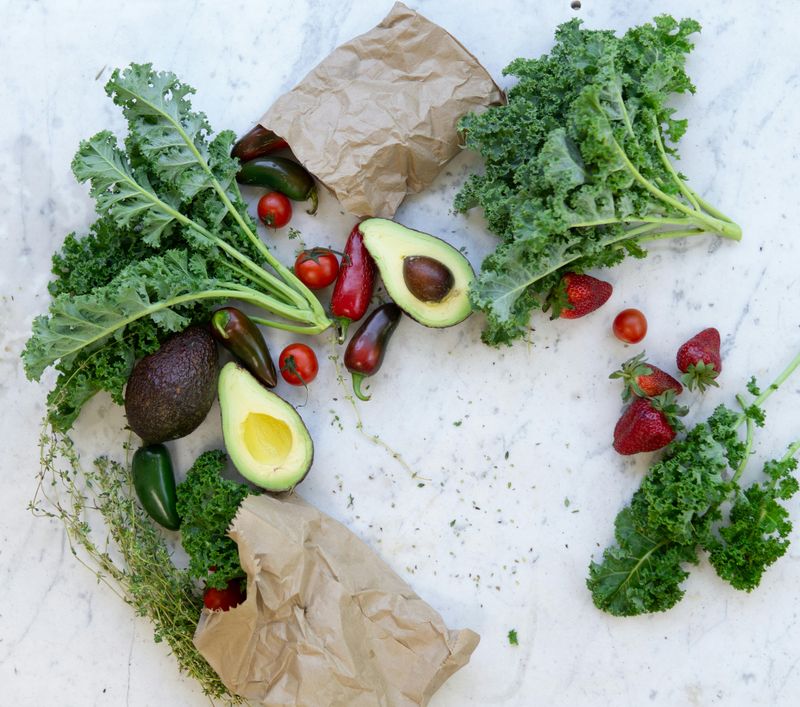
Salads start strong and then the greens melt into a sad pile.
Leafy greens are highly perishable and can harbor pathogens if they sit wet and warm.
Rinse only when ready to eat, or wash and spin dry thoroughly before storage.
Line a container with paper towels, add the greens, and top with another layer to wick moisture.
Most lettuces and spinach last 3 to 7 days when dry, cold, and gently packed with airflow.
Use the high humidity crisper for leafy greens and keep ethylene producers like apples out of the drawer.
If your New York fridge is tiny, try breathable produce bags that reduce condensation.
Rotate greens to the front and plan a “green sweep” meal on day three like a quick sauté or soup.
If leaves turn slimy or smell earthy sour, they are beyond rescue.
Pre-cut salad kits should be eaten within a few days of opening.
Buy smaller heads more often rather than giant clamshells you cannot finish.
Revive mildly wilted greens with a brief ice water soak, then dry well.
But sliminess and dark mushy spots mean it is time to toss.
Fresh greens taste brighter, and your weeknight meals will actually make it to the plate instead of the trash.
8. Opened Plant-Based Milks
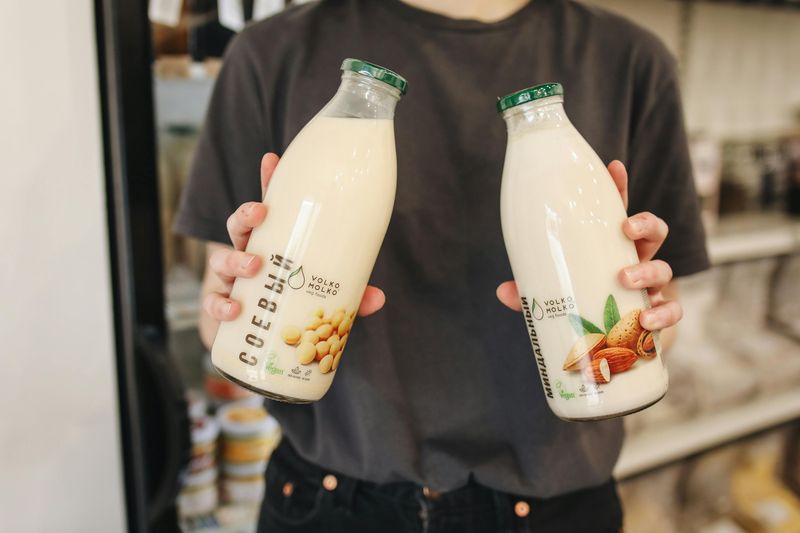
Oat, almond, and other plant milks feel shelf-stable until they are not.
Once opened, most need refrigeration and should be finished within 7 to 10 days, though guidance varies by brand.
Flavor turns from lightly sweet to stale or sour as microbes grow.
Sediment or chunky separation beyond a normal shake is a warning.
Always sniff and pour a small test before adding to coffee or cereal.
City routines mean cartons linger behind seltzer packs.
Write the open date in marker on the top so you are not guessing.
Store on a cold interior shelf rather than the door for a steadier temp.
If your space is tiny, buy smaller cartons you can finish.
For shelf-stable versions, chill after opening and follow the label strictly.
Do not rely on the printed date once the seal is broken.
Texture changes like sliminess or gelling are a no-go.
If your latte tastes off, it is not your beans, it is the milk.
Toss and move on!
A fresh carton will make your breakfast smoother and your recipes consistent without mystery flavors creeping in.
9. Eggs Past Their Prime
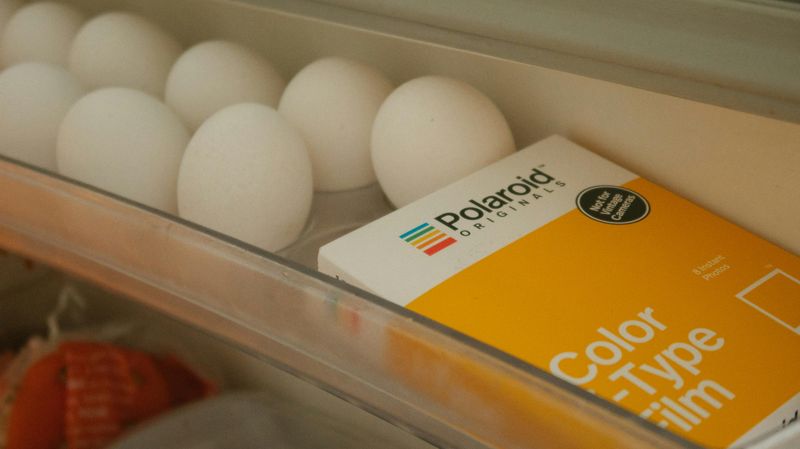
Eggs keep longer than many foods, but not forever.
The USDA says properly refrigerated eggs in the shell last about 3 to 5 weeks.
The sell-by date is not a safety date, but it is a good guide for peak quality.
A classic water float test can hint at age: older eggs stand up or float as air cells enlarge.
Still, use smell and cracks as final cues, and discard any egg that leaks or has off odors.
Store eggs in their original carton to block odors and protect from temperature swings.
Skip the door rack and keep them on a middle shelf.
For boiled eggs, the clock is shorter: about one week peeled or unpeeled, refrigerated.
If you see a powdery film or smell sulfur beyond normal, it is safer to toss.
Always cook eggs to safe temps if you are mixing into dishes.
New York brunch plans change, so buy smaller dozens if you waste them.
Date the carton the day you purchase.
If an egg cracks on the way home, cook it the same day.
A fresh egg is your best friend for quick meals, and it deserves a clean, cold spot, not a month-long staycation.
10. Moldy Block Cheese Edges
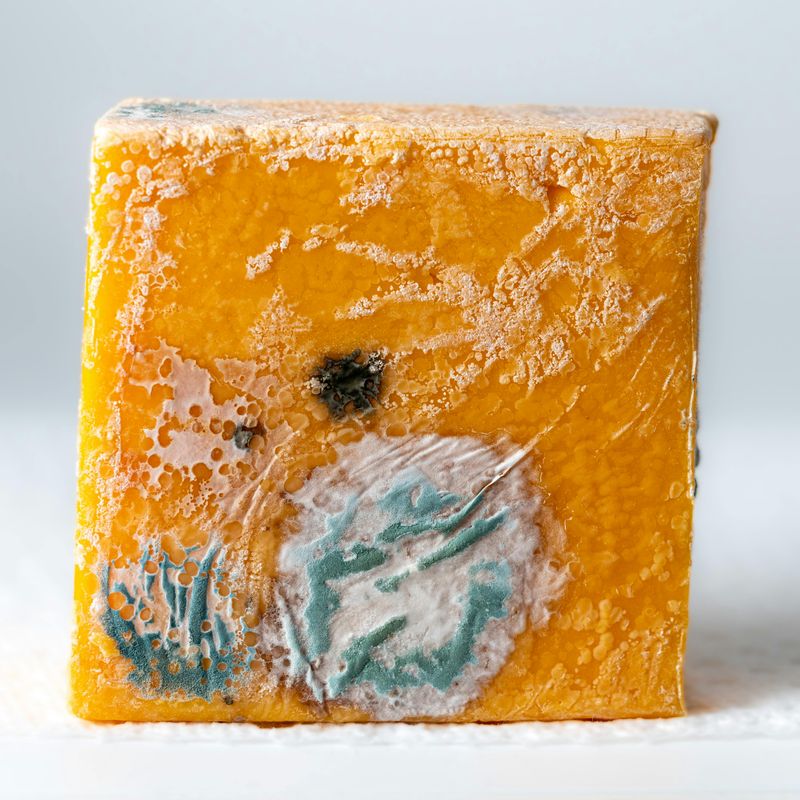
Cheese can be forgiving, but not all mold is your friend.
For hard and semihard cheeses like cheddar or Swiss, the USDA says you can cut at least one inch around and below the mold, keeping the knife out of the mold to avoid cross-contamination.
For soft cheeses like ricotta or crumbled feta, mold means the whole thing goes.
Soft, high-moisture cheeses allow roots to spread invisibly.
Wrap hard cheeses in breathable paper or parchment plus a loose plastic layer to prevent drying without trapping excess moisture.
Store soft cheeses tightly sealed and finish them within a week.
If a block smells like ammonia or feels slimy, that is beyond acceptable aging.
Keep cheese away from the fridge wall to avoid freezing in compact city models.
Plan cheese nights near purchase and shred leftovers to freeze for cooking.
Date everything!
If you see unusual colors, pinkness, or hairs on soft cheese, it is a firm no.
Lean on small cuts from your local shop rather than warehouse bricks.
You will enjoy better flavor and waste far less.
11. Raw Poultry On The Wrong Shelf
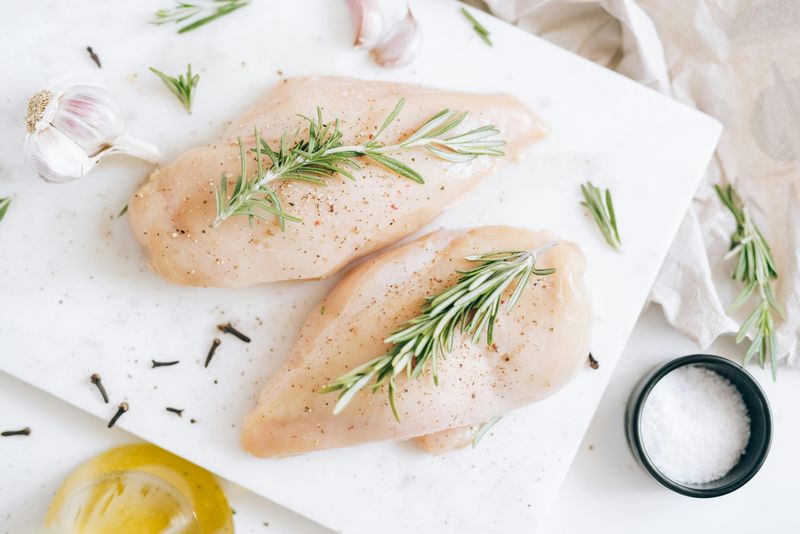
Raw chicken is a cross-contamination risk if stored high in a crowded fridge.
USDA guidance says keep poultry on the lowest shelf in a leakproof tray, and cook or freeze within 1 to 2 days.
The fridge should be at or below 40 degrees Fahrenheit, ideally around 37.
Any drips can contaminate produce and ready-to-eat foods.
If the package swells or smells sulfurous, do not try to salvage it.
New York refrigerators open constantly and warm faster, so organization is safety.
Keep a designated raw protein zone and a rimmed pan to catch drips.
Do not wash raw poultry; splashing spreads bacteria.
Thaw in the fridge, not on the counter, and cook to 165 degrees Fahrenheit measured at the thickest part.
Wash hands and sanitize handles and shelves after handling.
If plans change, freeze in meal-size portions right away.
Label with the date and cut to avoid surprises.
Your produce will thank you for the top-shelf life, and your weeknights will move smoother with clearly zoned shelves.
Clean, cold, and contained keeps your kitchen safer even in a tiny walk-up.
12. Yogurt Cups
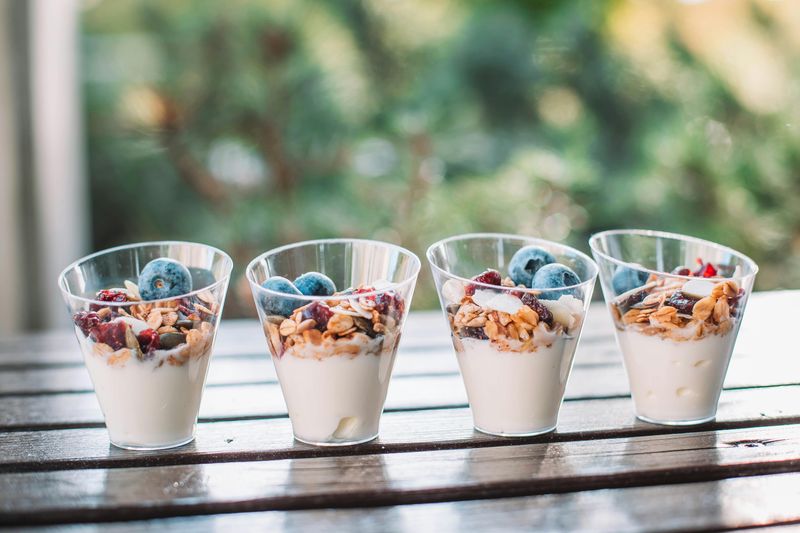
Single yogurts migrate to the back like lost socks.
Unopened, yogurt often lasts one to two weeks past the sell-by date when kept at or below 40 degrees Fahrenheit, but quality declines.
Once opened, finish within a few days.
If you see watery separation, that is usually normal whey, but mold, curdled texture, or a sharp sour smell means it is done.
Stirring cannot reverse spoilage.
Keep yogurts on an interior shelf where temps are steady.
Stack by date with older cups in front.
If your mornings are chaotic, make grab-and-go parfait jars on Sunday so those cups actually get eaten.
For big tubs, always use a clean spoon and avoid leaving the lid off while you prep.
Cross-contamination shortens life quickly.
Freeze extra yogurt for smoothies in ice cube trays if the week gets away from you.
Add a sticky note on the door for the “eat first” row.
If any mold appears, toss the whole cup.
Fresh yogurt is affordable and easy to replace, and your breakfasts will be brighter without the guessing game.
13. Old Pickles And Brines
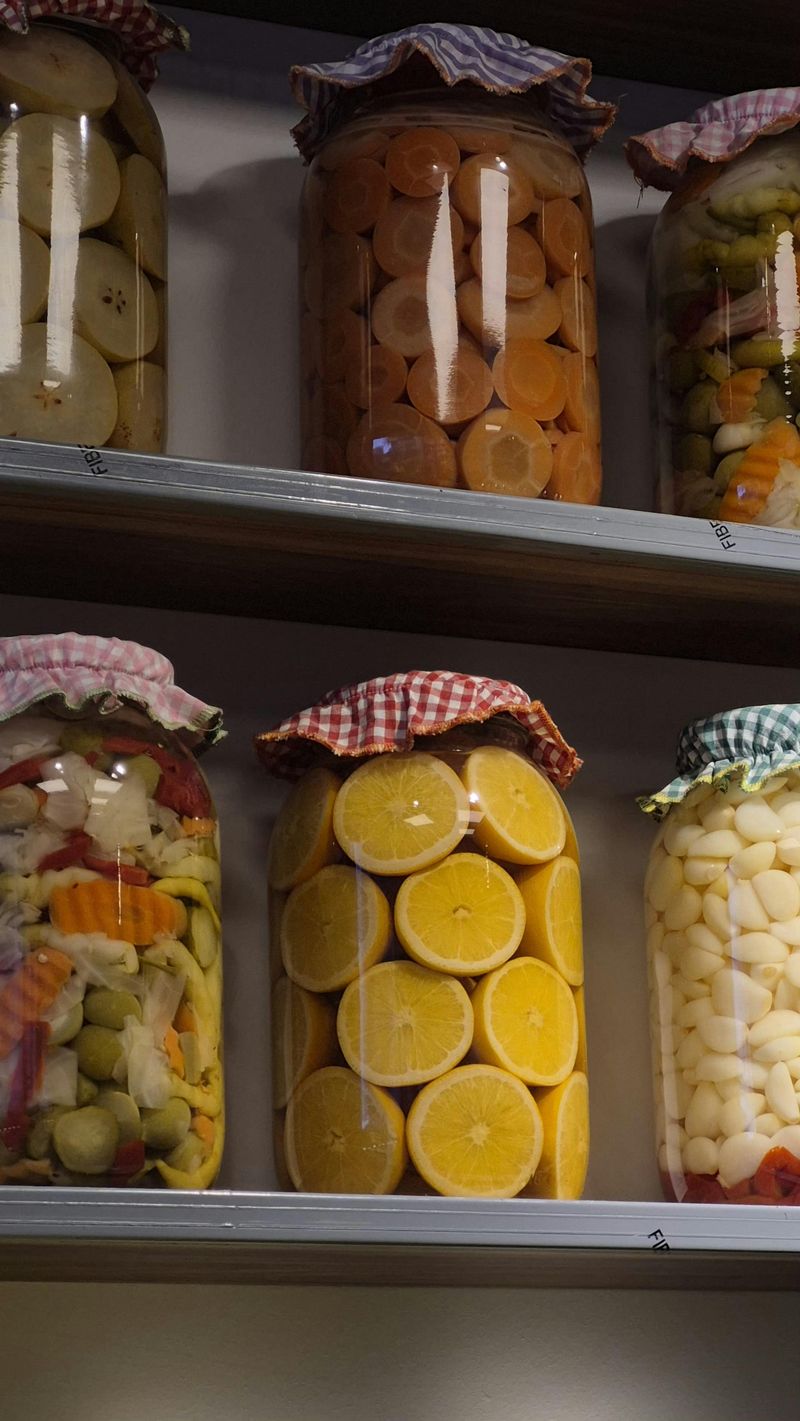
Pickles seem immortal, but opened jars do not last forever.
Acidic brines protect, yet quality and safety shift with time and handling.
If the brine turns unusually cloudy, the lid rusts, or you see soft, slippery pickles, it is over.
Never eat from a jar with bulging lids, fizzing, or off odors!
Use clean utensils only, because fingers introduce microbes that spoil the brine fast.
Store pickles cold on an interior shelf, not the door.
Many brands suggest finishing within one to three months after opening for best quality.
Fermented pickles may be cloudier by nature, but unexpected fizz or yeasty smells in a vinegar pickle are warnings.
Keep the cucumbers submerged and the rim wiped clean.
If the brine level drops, flavors suffer.
Plan charcuterie or grain bowls to cycle through jars before they stale.
Buy smaller jars from your favorite deli rather than gallon jugs.
You will enjoy that crisp snap instead of a bendy disappointment.
When in doubt, toss and reset!
A fresh jar will brighten sandwiches and snacks without the question marks.
14. Sauce Packets From Everywhere
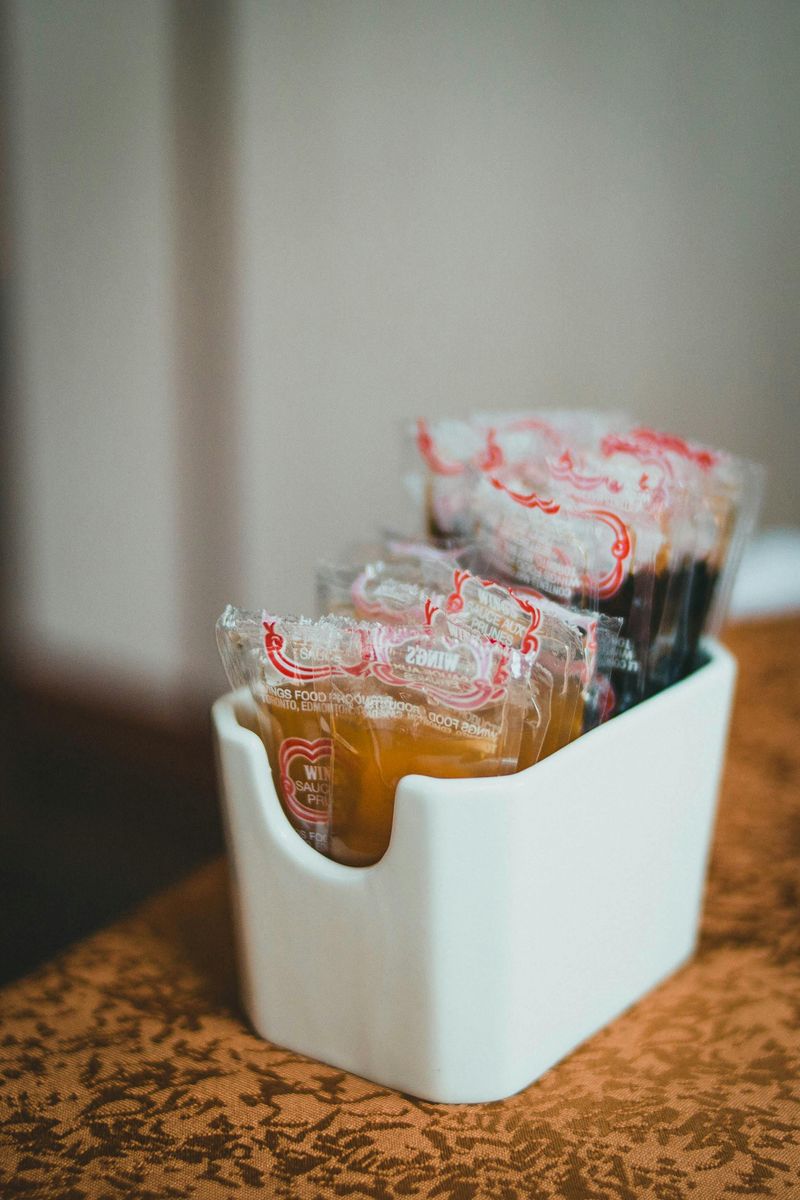
There is a universal New York drawer or fridge corner stuffed with sauce packets.
Many packets are shelf-stable, but once they are opened or refrigerated after a messy takeout night, all bets are off.
Oil-based or creamy sauces do not age well, and torn corners leak sugar that invites mold.
Manufacturers rarely print realistic open-after guidance on packets, so treat them like fresh condiments.
For safety, toss any swollen, sticky, or punctured packets.
If you stash packets in the fridge, set a monthly purge.
Keep a small jar for just a few favorites and skip hoarding.
Better yet, decant opened packets immediately into a clean container and use the same day.
Soy-based sauces last longer unopened, but once the seal breaks, the clock starts.
Decluttering packets frees space and eliminates mystery stickiness.
Ask for fewer extras when ordering, or choose your sauces intentionally.
A clean condiment setup beats a chaotic packet pile every time.
You will grab what you need, avoid stale flavors, and never meet a crusted corner again.
Your fridge will feel bigger just from losing the packet clutter.