10 North Carolina Albemarle Sound Waterfront Towns Where Rockfish Season Shapes The Whole Town
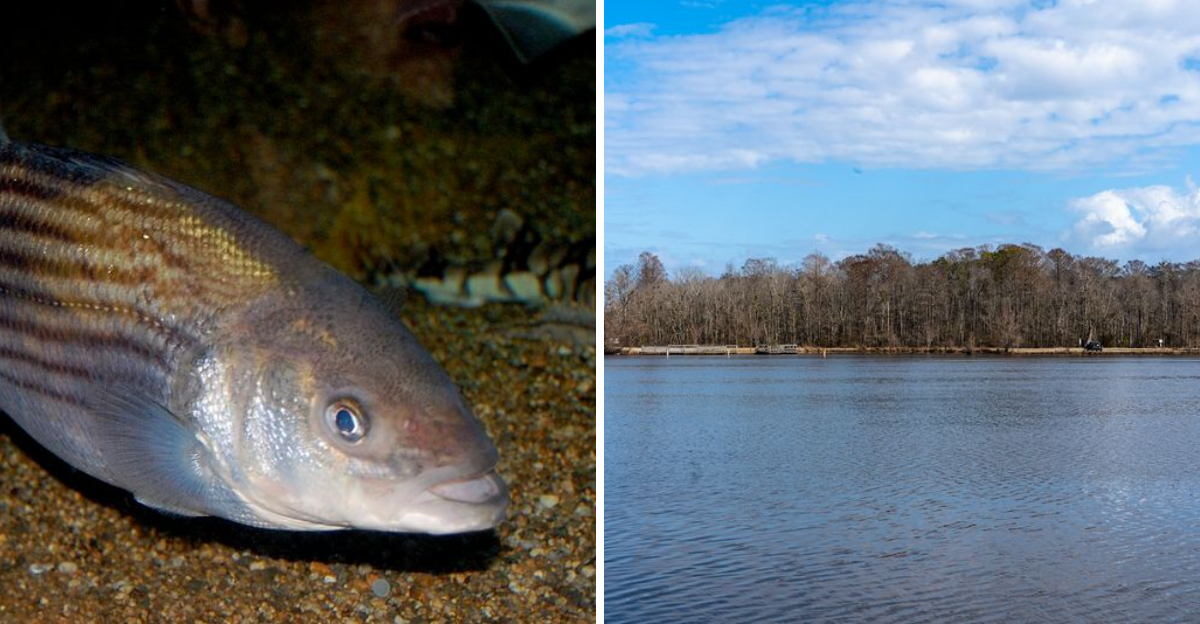
Rockfish season does something funny to the Albemarle Sound.
The water feels more awake before the sun is fully up, and the boat ramps start giving away the secret.
Something good is happening here.
Across this North Carolina stretch, waterfront towns begin moving with a rhythm tied to the catch, the tide, and the stories people swear are mostly true.
Breakfast conversations drift toward fishing.
Dinner starts sounding a lot more exciting.
Even the docks seem to know when striped bass are back in the conversation.
That is what makes these towns interesting beyond the water.
Rockfish may be the reason people start paying attention, but the real pull is the character waiting around the shoreline.
A good season brings more than a catch.
It brings early mornings, louder stories, better meals, and the kind of local energy that makes the whole sound feel alive.
1. Edenton
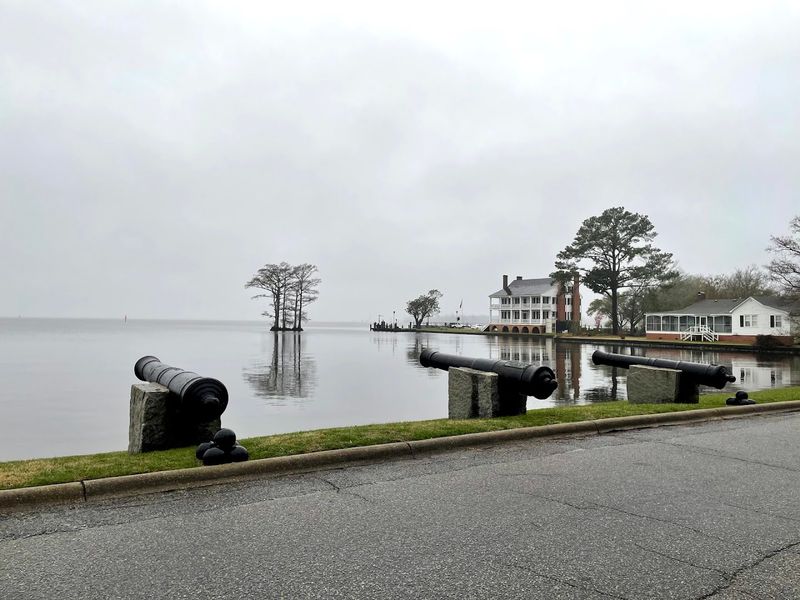
Colonial beauty gives Edenton its first impression, but water gives the town its deeper rhythm. Set along Edenton Bay where it opens toward the Albemarle, this is the kind of place where boating, fishing memory, and old waterfront life still feel closely linked.
Morning light across the bay has a calm, ceremonial quality, which makes it easy to understand why anglers and river people have long treated this town as more than a pretty backdrop.
Restaurants and porches, marinas and public views, all seem to face the same direction here: toward the water that shaped the place.
Edenton works because the history never feels separate from the shoreline. Rockfish culture fits naturally into that combination.
Stories, local meals, and early-launch habits all feel believable in a town where the bay is never far from sight.
City offices remain at 400 S Broad St, Edenton, NC 27932, reinforcing how closely civic life and waterfront identity still sit together in the historic center.
2. Hertford
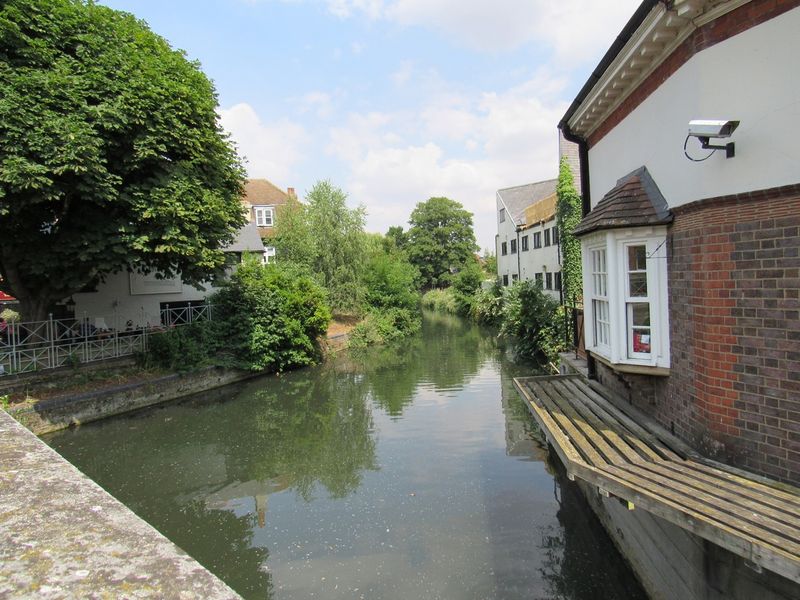
Curving along the Perquimans River, Hertford has the kind of softness that hides how deeply it belongs to the larger Albemarle fishing world. River access matters here, not just as scenery but as a way of life that has shaped habits for generations.
Even with shifting striped bass rules, Hertford still reads as a river town where boating and fishing remain part of everyday identity.
Hertford feels like one of those towns where people still pay attention to the river first and everything else second.
That changes the pace in a good way. Main Street, the riverfront, and the old swing bridge all help create a town that feels more lived in than packaged.
Local food and conversation both seem to bend back toward the water. For visitors, that means the place rewards slowing down.
Instead of treating the river as background, Hertford still lets it act like the town’s organizing force. Official town contact remains at 114 West Grubb Street, Hertford, North Carolina 27944, right in the middle of a community that still feels closely tied to its riverfront roots.
3. Elizabeth City
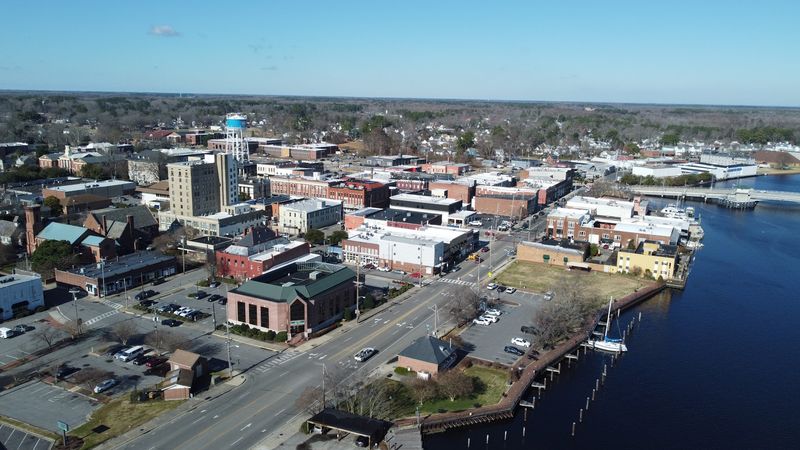
Harbor life gives Elizabeth City a different energy from the smaller towns around it. More active, broader in scale, and more visibly maritime, it earns its “Harbor of Hospitality” identity through a waterfront that still feels central to daily life rather than decorative.
Boats, public access, restaurants, and downtown movement all come together in a way that makes the city feel open to both visitors and longtime locals.
Rockfish culture fits here not because the town is quaint, but because it remains genuinely connected to Albemarle and Pasquotank water.
Charters, marinas, and waterfront food culture help keep that connection visible. Evenings can move easily from the docks to dinner, and mornings still carry enough river activity to remind you this is not simply a city with a pretty edge.
Elizabeth City blends working-water heritage with a livelier urban feel than most towns on this list, and that range is part of its strength. City government remains based at 306 E.
Colonial Avenue, Elizabeth City, NC 27909, close to the same waterfront district that still anchors much of the city’s identity.
4. Winfall
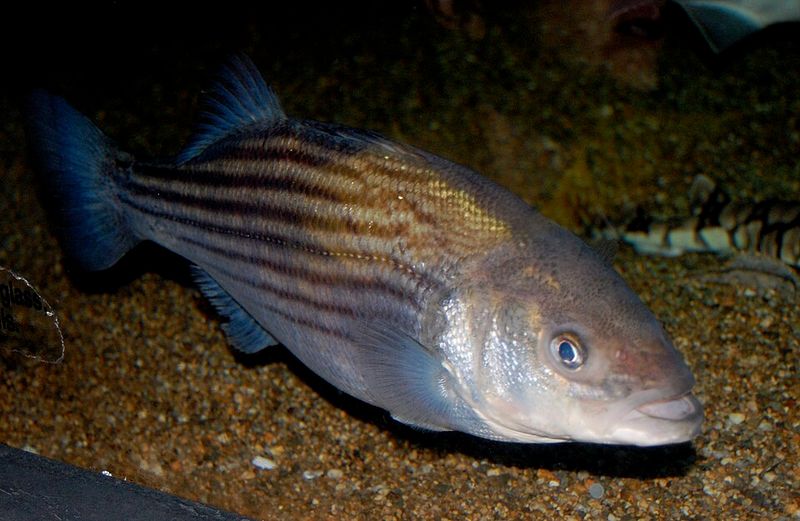
Winfall may be one of the smallest communities on this list, but its connection to the Perquimans River and the broader Albemarle region gives it a fishing identity that punches well above its size.
Perquimans County, where Winfall sits quietly near Hertford, has long been associated with the kind of laid-back, serious fishing culture that draws anglers who prefer authenticity over amenities.
Rockfish season here is a neighborhood affair. Residents launch their own boats from modest ramps, gather at the water’s edge to share bait recommendations, and trade stories about the ones that got away.
There are no fancy charters or crowded marinas in Winfall, just honest fishing in honest surroundings, which many visitors find deeply appealing after the noise of larger destinations.
The community’s small scale means that word travels fast when the fish are biting, and that informal network of local knowledge is one of its greatest assets.
Visitors should come prepared with their own gear and a flexible attitude, because Winfall operates on its own timetable.
The Town of Winfall’s contact address is listed at 100 Parkview Ln, Hertford, NC 27944, which reflects how closely this community is tied to its neighbors in the Perquimans River corridor. Winfall is for those who fish first and ask questions later.
5. Plymouth
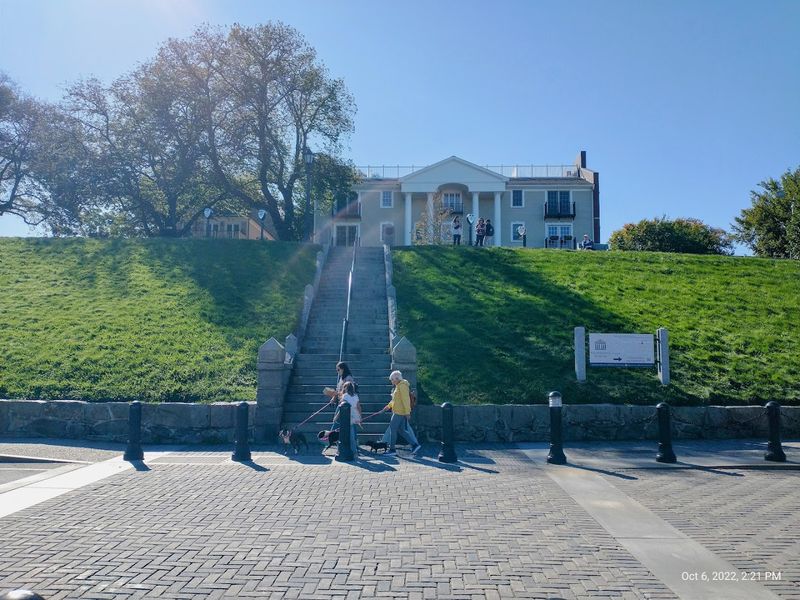
River geography makes Plymouth impossible to separate from striped bass culture. Sitting where the Roanoke nears the Sound, the town belongs to one of the most important water corridors in the broader Albemarle-Roanoke striped bass system.
North Carolina’s current management framework treats the Roanoke River Management Area separately from the Albemarle Sound Management Area, which matters because Plymouth’s identity is tied to that river connection as much as to the Sound itself.
Beyond regulation, the town still feels like a place that faces the water head-on.
Waterfront activity, local fishing talk, and a practical boating culture all give Plymouth a stronger connection to the striped bass story than many prettier or more polished towns could claim.
Historic layers add more depth here too.
Plymouth works because fishing is not one feature among many. It is one of the things that explains why the place feels the way it does.
6. Columbia
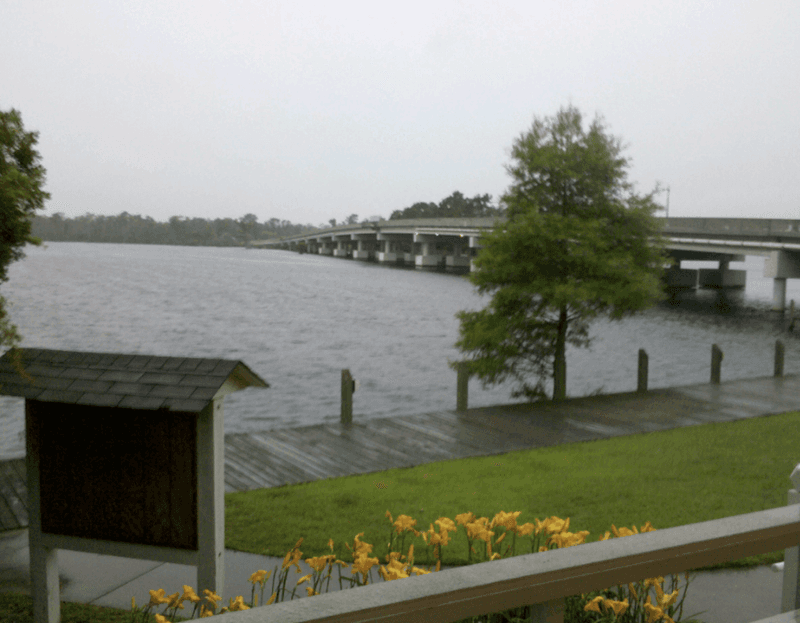
Quiet does a lot of good work in Columbia. Set along the Scuppernong River in Tyrrell County, the town feels less like a place trying to attract attention and more like one content to let the landscape speak first.
That landscape matters. Refuge country, open water, wetlands, and river bends all shape the mood before you ever hear anyone mention fishing.
Yet fishing remains part of the story here, especially because the Scuppernong feeds into the broader Albemarle estuarine system.
Columbia fits this list better as a quiet Scuppernong River town within the wider Albemarle basin than as a strongly documented striped-bass town.
This is the kind of town where local knowledge would matter more than noise, and where people who understand the water do not need to advertise it.
A diner, a municipal building, a launch point, a stretch of river at the right hour – places like this do not need much more.
Columbia appeals to travelers who want the quieter side of northeastern North Carolina, where wildness and community sit close together and the fish story feels like one part of a much bigger landscape.
7. Windsor
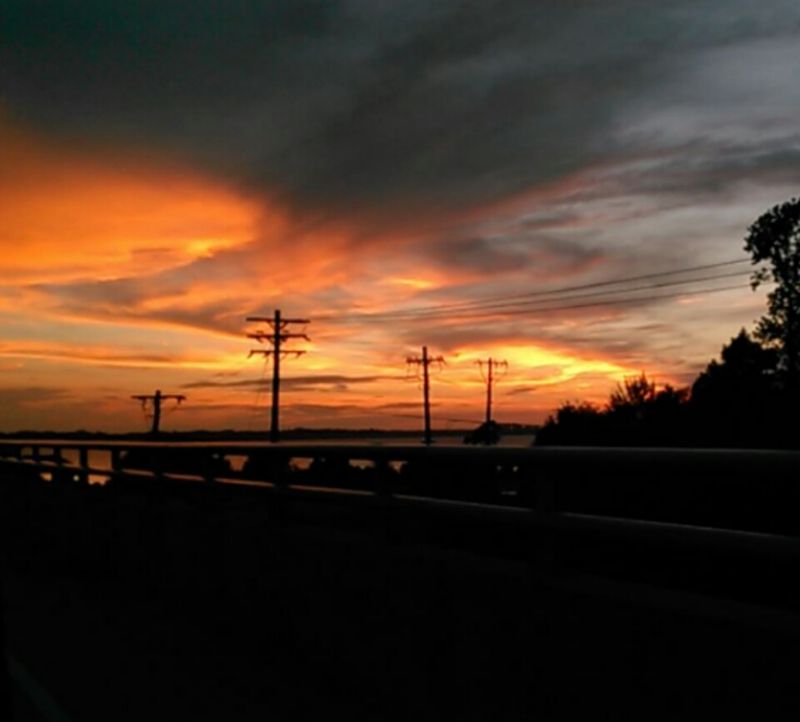
Windsor has a charm that sneaks up on you slowly and then holds on tight.
Sitting along the Cashie River in Bertie County, this small North Carolina town is woven into the wider geography of Albemarle striped bass country, and during rockfish season, that connection becomes impossible to ignore.
The Cashie winds its way through rich bottomland forests before reaching Albemarle Sound-connected waters, carrying fish and fishing culture with it.
Hope Plantation, a beautifully preserved historic estate just outside town, draws history lovers from across the state, but the waterfront draws a different kind of visitor entirely.
Anglers who have been coming to Windsor for years describe the Cashie as underrated, a river where the crowds stay thin and the fishing stays productive.
That combination is rare, and locals know it.
Restaurants in Windsor keep their menus grounded in regional flavors, and when rockfish is running, you can count on seeing it featured prominently.
The town operates at a pace that feels refreshing compared to busier coastal destinations, making every meal and every morning on the water feel unhurried.
Stop by the Town of Windsor at 128 S King St, Windsor, NC 27983 to learn more about public water access points and local fishing events throughout the season.
8. Winton
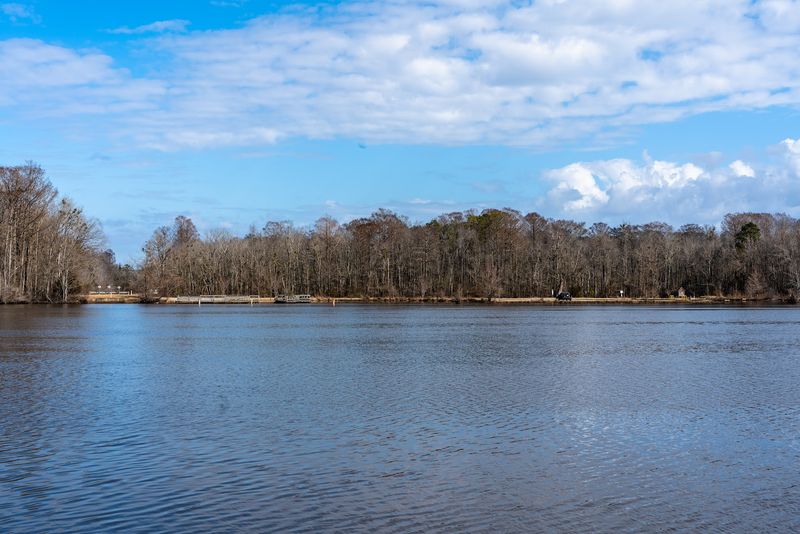
Mist, cypress edges, and open river views give Winton a visual calm that makes its fishing identity feel even stronger.
Set on the Chowan River, the town belongs to one of the most important pathways feeding into the Albemarle Sound.
That river connection helps explain why Winton still fits naturally into any broader story about Chowan and Albemarle fishing culture, even as striped-bass rules continue to shift.
Winton is not flashy, and it benefits from that.
Fishing in a place like this seems tied to routine, memory, and local confidence rather than spectacle. Riverbanks remain central, and the town’s small scale keeps everything feeling close to the water.
Historic weight adds another layer. Winton has seen more than most towns its size, and that sense of endurance carries into the atmosphere now.
Meals, conversations, and outdoor habits all seem shaped by a place that has stayed oriented toward the Chowan for a very long time.
For people who value undeveloped waterfront character and a quieter version of the Albemarle story, Winton offers something many larger places no longer do: room to notice how much a river can still shape a town.
9. Roper
Roper sits in Washington County in a part of North Carolina where the land feels vast and the water feels even more so.
While it is not directly on the open Albemarle Sound, Roper is part of the broader waterfront system tied to Albemarle-connected waterways. During rockfish season, that connection becomes especially important for local residents.
The community has a working-class, no-frills spirit that feels refreshing in the best possible way.
Farming and fishing have always coexisted in Washington County, and Roper reflects that dual identity with pride.
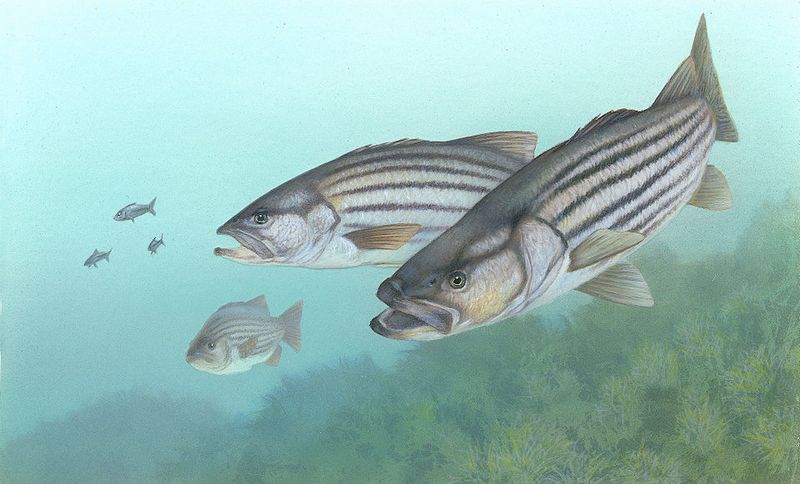
When striped bass begin their seasonal runs through the region’s interconnected waterways, local anglers shift their schedules accordingly, planning early mornings around the tides and the fish rather than the clock.
That kind of flexibility is only possible in a town where the community shares the same priorities.
Visitors who make their way to Roper often do so on the recommendation of someone who has already been, because the town does not advertise itself heavily.
The experience is genuinely grassroots, from the handwritten signs at bait shops to the casual conversations at the local diner.
The Town of Roper is based at 301 W Buncombe St, Roper, NC 27970, and the staff there welcome questions about local waterways and fishing access points in the area.
10. Creswell
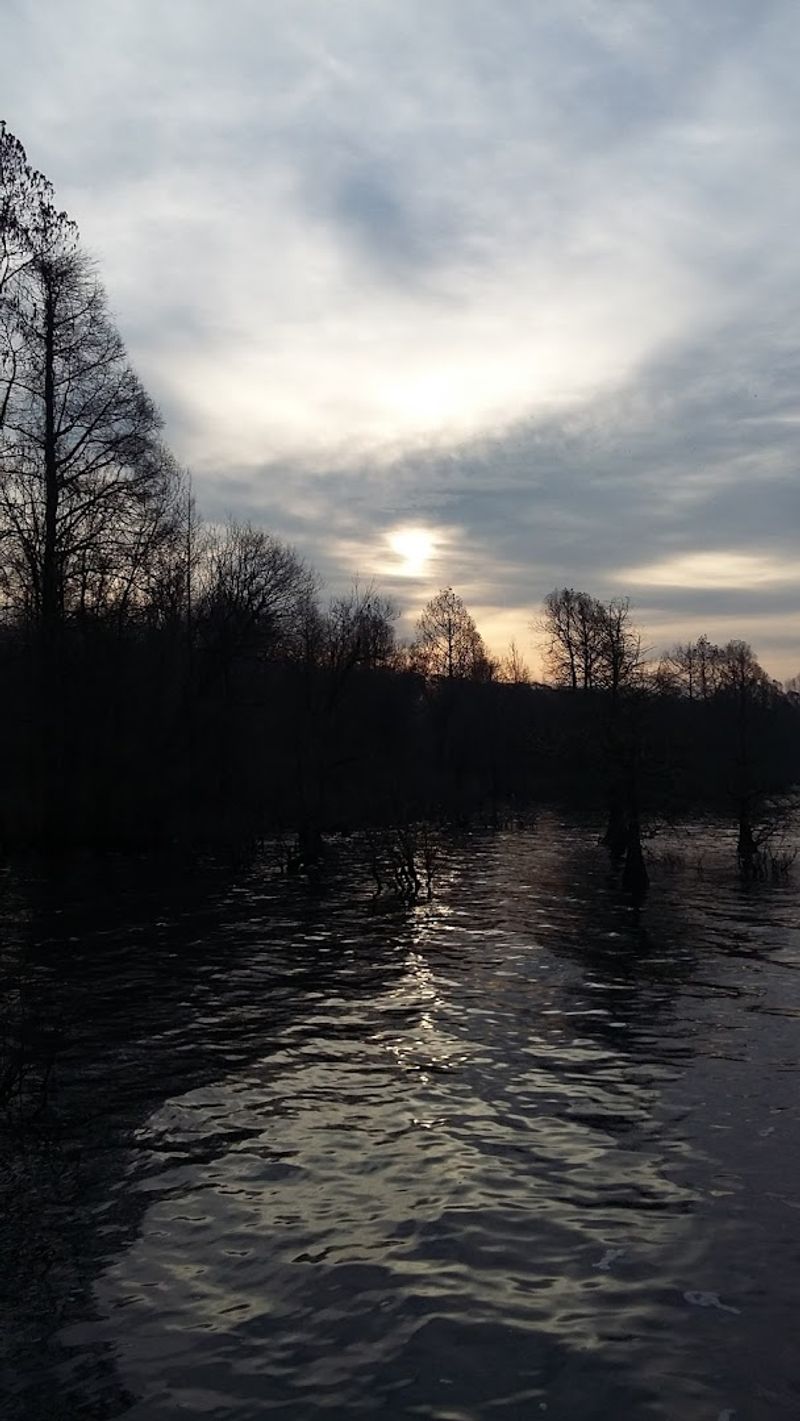
Wetlands, lake country, and river access give Creswell a different version of the Albemarle story.
It is not an open-Sound town in the same way some others are, but its place in the broader basin still matters, especially because the surrounding waterways connect it to one of the wildest landscapes in coastal North Carolina.
Phelps Lake, the Scuppernong corridor, and nearby refuge lands all help create a setting where fishing feels part of a bigger environmental picture instead of a single-purpose activity. Rockfish culture here reads more quietly, but it still belongs.
In a place with this much water and this much space, fish movement and seasonal river life remain part of how people understand the area.
Creswell also benefits from feeling relatively untouched by the sort of tourism pressure that can flatten a town’s identity.
What visitors get instead is a slower pace and a stronger sense of ecological scale.
That combination makes the town especially appealing to people who want the wilder edge of the Albemarle basin rather than its more public-facing waterfronts.
Disclaimer: This review is based on publicly available official town, city, fisheries-management, and state wildlife sources checked in 2026.
This review is provided for general informational and editorial purposes and is not legal, financial, or professional advice.