North Carolina Cities That Make Retiring On $1,200 A Month Feel Doable

Retirement planning often feels overwhelming when fixed income limits seem too tight to cover basic needs and still enjoy life. Many retirees discover that location makes all the difference between financial stress and comfortable living.
North Carolina holds hidden treasures where affordable housing, reasonable grocery costs, and lower utility bills stretch every dollar further than expected. These cities prove that modest retirement income can still provide quality living, friendly communities, and access to healthcare without constant budget worries.
Choosing the right place transforms retirement from surviving paycheck to paycheck into actually enjoying golden years with financial breathing room.
1. Eden
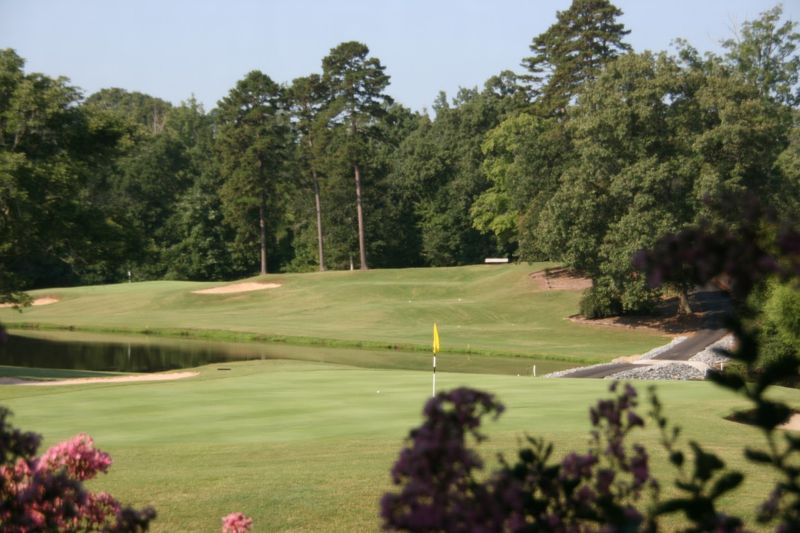
Housing costs drop dramatically compared to larger North Carolina cities, making monthly rent feasible on limited income. Many older homes and apartments stay well under $600 monthly, leaving substantial budget room for other necessities.
The downtown area maintains its historic charm with local businesses that keep prices reasonable for everyday shopping. Grocery stores offer competitive pricing, and several discount retailers provide affordable options for household goods.
Healthcare facilities include urgent care and primary physicians accepting Medicare, reducing medical expense worries.
The community atmosphere feels welcoming to retirees seeking quiet neighborhoods without tourist crowds or high-pressure sales environments. Parks and recreational spaces provide free activities throughout warmer months.
Utility costs remain moderate due to the region’s temperate climate requiring less extreme heating or cooling.
Transportation needs stay manageable with walkable neighborhoods near essential services. The slower pace of life reduces stress while maintaining access to larger cities within reasonable driving distance when specialized services become necessary.
2. Roanoke Rapids
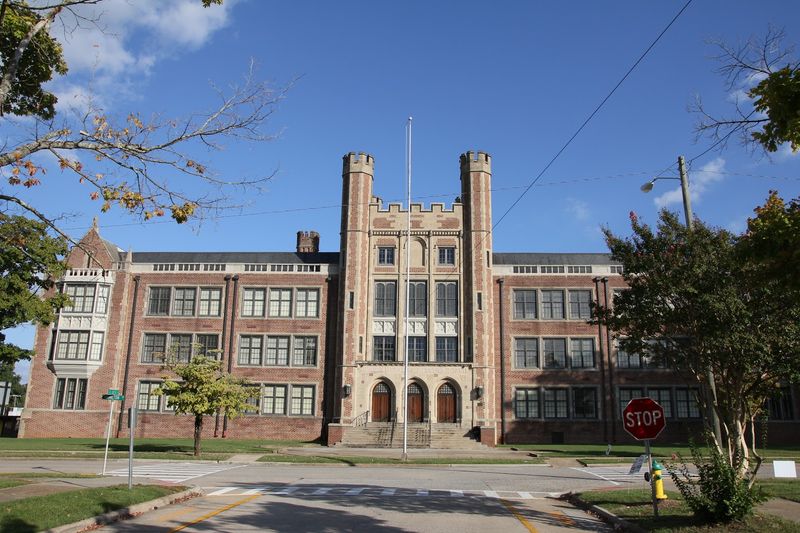
Rental properties frequently list below $700 monthly for comfortable one-bedroom apartments, making housing the most manageable expense category. Property taxes stay low for those considering purchasing small homes or mobile homes in established communities.
Local grocery chains compete with national discount stores, keeping food costs lower than state averages. Several thrift stores and consignment shops provide budget-friendly options for clothing and household items.
Medical facilities include a regional hospital and multiple clinics accepting standard insurance plans.
The town offers a genuine small-town atmosphere where neighbors know each other and community events bring residents together regularly. Free entertainment options include parks, walking trails, and seasonal festivals that don’t require admission fees.
Utility companies serve the area with rates that remain predictable and affordable year-round.
Public transportation options exist but many retirees find the compact layout allows for easy navigation on foot or bicycle. The proximity to Interstate 95 provides convenient access to larger metropolitan areas when necessary without paying urban living costs daily.
3. Laurinburg
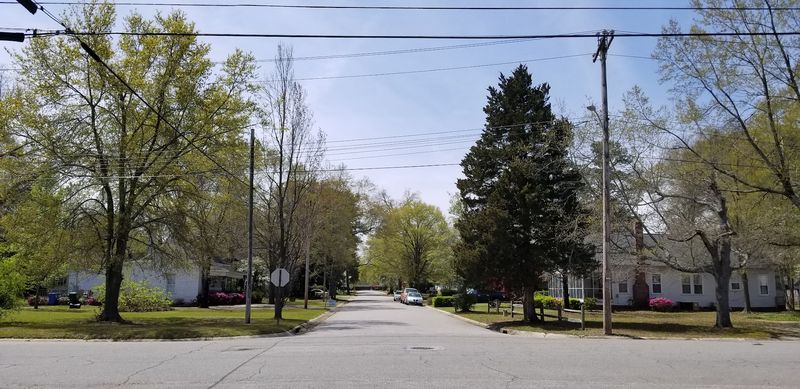
Monthly housing expenses rarely exceed $650 for decent apartments in safe neighborhoods, allowing retirees to allocate more budget toward healthcare and quality of life improvements. Mobile home parks offer even lower costs for those willing to consider alternative housing arrangements.
The downtown district features locally-owned shops where prices reflect the community’s modest income levels rather than tourist markups. Farmers markets during growing season provide fresh produce at prices below supermarket rates.
Healthcare access includes primary care physicians, specialists, and pharmacy options all accepting Medicare without difficulty.
Community centers offer free or low-cost activities specifically designed for older residents seeking social connections and entertainment. The library system provides internet access, educational programs, and entertainment options without membership fees.
Climate conditions require moderate heating and cooling, keeping utility bills from spiking dramatically during extreme seasons.
The walkable downtown area reduces transportation costs for routine errands and appointments. Larger cities remain within an hour’s drive for specialized medical care or shopping needs not available locally.
4. Lumberton
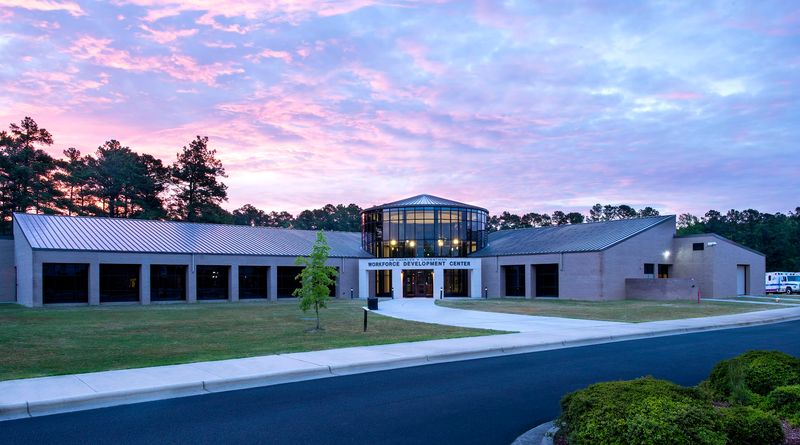
Rent prices consistently rank among the lowest in the state, with many comfortable options available between $550 and $750 monthly. The housing market includes numerous apartment complexes specifically catering to seniors with income restrictions that favor fixed-income retirees.
Major discount retailers maintain locations here, providing access to affordable groceries, medications, and household supplies without traveling to larger cities. Several dollar stores supplement shopping options for everyday items.
Medical facilities include a regional medical center with emergency services and numerous primary care practices accepting Medicare patients.
The area lacks the tourist infrastructure that drives up prices in more popular retirement destinations, keeping restaurant meals and services affordable. Parks and recreational facilities offer free access to walking paths, picnic areas, and community events throughout the year.
Utility costs remain reasonable with multiple provider options creating competitive pricing.
Transportation needs stay minimal due to the concentration of essential services within a compact area. The location along Interstate 95 ensures easy access to both eastern beaches and western mountains for occasional day trips without relocating to expensive areas.
5. Kinston
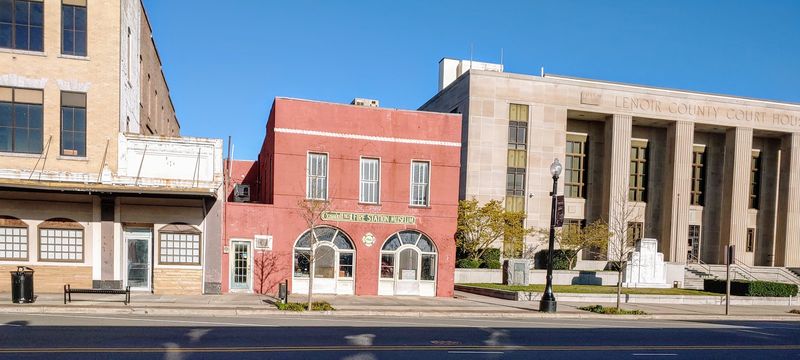
Housing markets here favor buyers and renters alike, with monthly costs rarely exceeding $700 for well-maintained properties. The town’s economic structure keeps property values modest, making homeownership possible even on limited retirement savings.
Local markets and grocery stores compete aggressively on price, benefiting budget-conscious shoppers. The downtown area has experienced revitalization bringing new businesses while maintaining affordable pricing structures.
Healthcare options include a full-service hospital, urgent care facilities, and numerous specialists accepting standard insurance coverage.
Cultural amenities like museums and historic sites offer free or discounted admission for seniors seeking entertainment beyond television. Community organizations host regular events providing social opportunities without expensive membership requirements.
The moderate climate reduces heating and cooling costs compared to more extreme regions.
The town’s layout allows for efficient navigation with most necessities located within a few miles of residential areas. Larger cities lie within reasonable driving distance for specialized shopping or medical appointments not available locally, striking a balance between affordability and accessibility.
6. Henderson
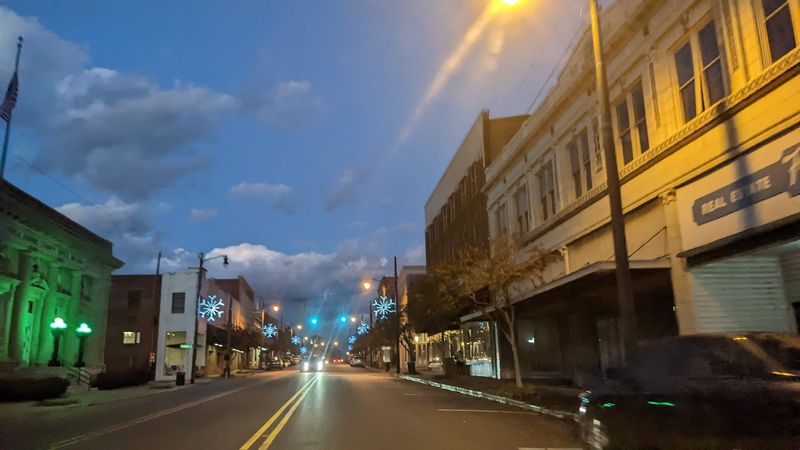
Apartment complexes throughout town offer senior-friendly units with rents consistently below $700 monthly, often including water and trash services. The housing stock includes older homes available for purchase at prices far below state averages, appealing to retirees with modest savings.
Grocery costs remain low due to competition among several chain stores and independent markets serving the area. Discount retailers provide affordable options for clothing, household goods, and pharmacy needs.
Medical care access includes primary physicians, a hospital with emergency services, and specialty clinics all participating in Medicare programs.
The community maintains a slower pace where daily life doesn’t require constant spending on entertainment or activities. Free public spaces include parks, walking trails, and a community center offering programs for older residents.
Utility expenses stay predictable with moderate usage requirements due to the region’s temperate weather patterns.
Transportation infrastructure allows for easy navigation whether driving, walking, or using limited public transit options. The central location provides access to Raleigh and other larger cities within an hour for occasions requiring specialized services or shopping variety.
7. Tarboro
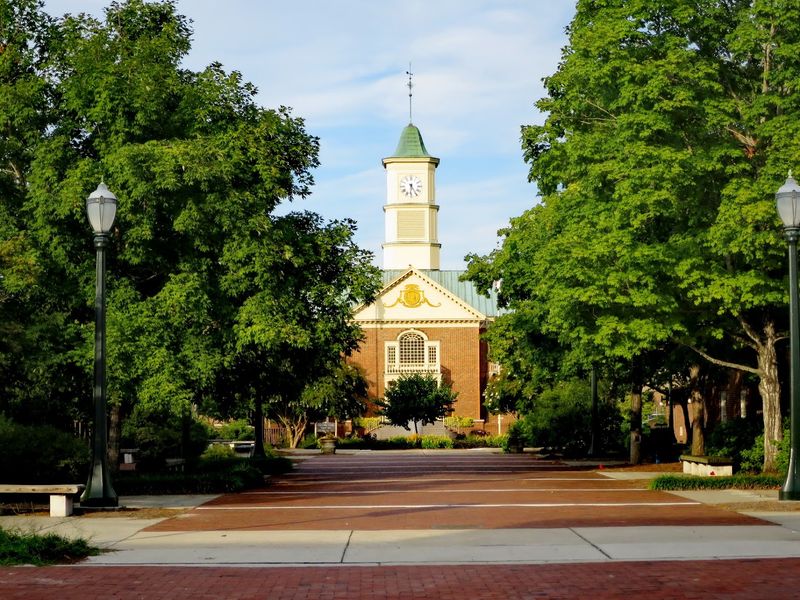
Rental markets here cater to modest incomes with numerous options falling between $550 and $700 monthly for comfortable living spaces. The town’s historic district includes converted apartments in older buildings offering character along with affordability.
Local businesses price goods and services for the community’s economic reality rather than inflated tourist rates. Grocery stores include both national chains and regional operators competing to offer the best values.
Healthcare facilities provide adequate primary care and emergency services with most practitioners accepting Medicare without complications.
The historic downtown creates a pleasant environment for walks and window shopping without pressure to spend money constantly. Seasonal events and festivals provide free entertainment throughout the year.
Climate conditions require only moderate heating and cooling, keeping utility bills manageable even during extreme months.
The compact town layout means essential services cluster within easy reach, reducing transportation costs and time spent driving. Larger metropolitan areas remain accessible for occasional trips requiring specialized shopping or medical care not available in smaller communities, maintaining connection without daily urban expenses.
8. Reidsville
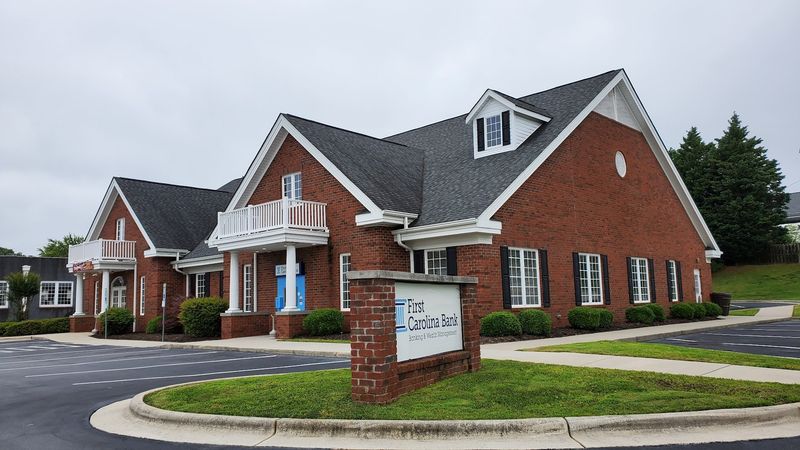
Property values stay approximately 25% below national averages, making both rental and ownership options financially feasible on fixed income. Many comfortable homes list for purchase under $100,000, while apartment rents rarely exceed $650 monthly.
The downtown district features local shops and restaurants with pricing that reflects the community’s modest income levels. Multiple grocery options create competitive pricing on food staples and household necessities.
Medical services include primary care physicians, specialists, and a hospital facility all accepting standard Medicare coverage.
Community atmosphere emphasizes neighborly connections rather than commercial entertainment requiring constant spending. Parks and public spaces provide free recreational opportunities throughout warmer months.
Utility costs remain reasonable with predictable billing that doesn’t spike dramatically during seasonal extremes.
The town’s size allows for efficient navigation with most daily needs located within a compact area. Interstate access provides connection to Greensboro and other larger cities when specialized services become necessary, offering the best of small-town affordability with metropolitan accessibility nearby for occasional needs.
9. Rocky Mount
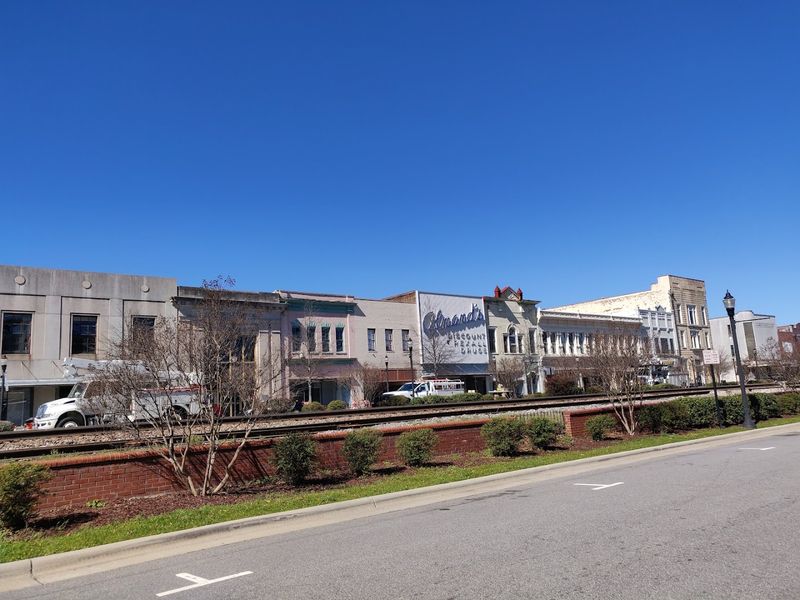
Housing markets include diverse options from apartments to small homes, with monthly costs typically ranging from $600 to $800 for comfortable living spaces. The variety of neighborhoods allows retirees to find areas matching their preferences for quiet versus convenience.
Multiple grocery chains and discount retailers compete for customers, resulting in competitive pricing on food and household goods. The town supports several pharmacies offering generic medication programs that reduce prescription costs significantly.
Healthcare infrastructure includes a regional medical center, urgent care facilities, and numerous primary care practices accepting Medicare patients.
Entertainment options include free community events, parks, and recreational facilities that don’t require expensive memberships or admission fees. The library system provides internet access, educational programs, and entertainment without cost.
Climate patterns require moderate heating and cooling, keeping utility expenses from dominating monthly budgets.
Transportation needs stay manageable with essential services distributed throughout town rather than concentrated in expensive downtown areas. The location between Raleigh and the coast provides day trip opportunities without paying to live in higher-cost tourist or metropolitan areas year-round.
10. Jacksonville
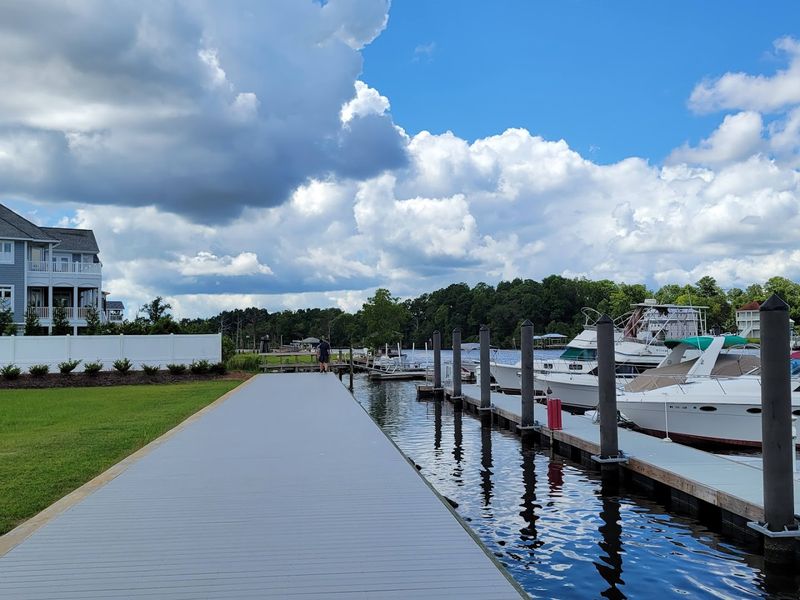
The military presence creates a stable economy with housing options catering to various income levels, including affordable apartments and rental homes. Monthly housing costs frequently fall between $650 and $800 for decent accommodations in safe neighborhoods.
Commissary and exchange privileges may be available to military retirees, offering significant savings on groceries and household goods. Civilian grocery stores compete with military facilities, keeping prices reasonable throughout the area.
Healthcare access includes military facilities for eligible veterans plus civilian hospitals and clinics accepting Medicare coverage.
The community offers a mix of military and civilian culture creating diverse entertainment and social opportunities. Parks, beaches, and recreational areas provide free or low-cost activities year-round.
Coastal location moderates temperature extremes, reducing heating costs while air conditioning needs remain manageable with proper planning.
Transportation infrastructure supports easy navigation whether accessing on-base facilities or civilian services throughout town. The coastal location provides beach access without paying resort prices, while larger cities remain within reasonable driving distance for specialized needs or occasional variety in shopping and entertainment options.
11. Burlington
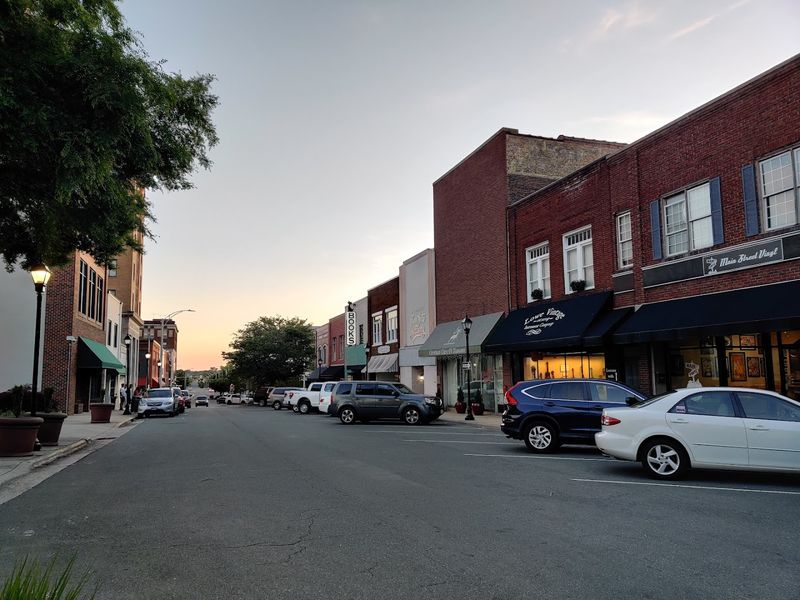
Housing costs remain below state averages despite the town’s proximity to larger metropolitan areas, with rental options typically ranging from $650 to $850 monthly. The variety of neighborhoods allows retirees to balance affordability with desired amenities and location preferences.
The retail landscape includes outlet malls offering discounted goods alongside traditional grocery stores and discount retailers. Competition among food retailers keeps grocery costs reasonable for budget-conscious shoppers.
Medical facilities include a regional hospital, multiple urgent care locations, and numerous primary care physicians accepting Medicare patients without difficulty.
Community programs offer activities and social opportunities specifically designed for older residents seeking connections and entertainment. Public parks and recreational facilities provide free access to walking paths, picnic areas, and seasonal events.
Utility costs stay moderate due to the region’s climate requiring balanced heating and cooling throughout the year.
The town’s location along major highways provides excellent access to Greensboro, Durham, and other cities when specialized services become necessary. This connectivity allows retirees to enjoy small-town affordability while maintaining access to metropolitan amenities within short driving distances for occasional needs.
12. New Bern
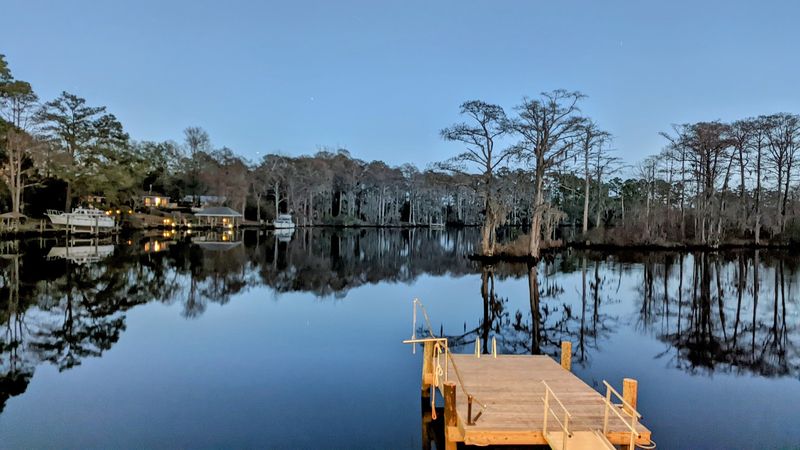
Despite its waterfront location and historic charm, housing costs remain surprisingly affordable with apartments available between $700 and $900 monthly. The town’s popularity with retirees has created housing options specifically designed for fixed-income residents seeking community and affordability.
Local markets and grocery stores serve year-round residents rather than tourists, maintaining reasonable pricing on everyday necessities. The downtown area features locally-owned shops and restaurants with pricing that locals can actually afford regularly.
Healthcare facilities include a regional medical center, specialty clinics, and numerous primary care practices all accepting standard Medicare coverage.
The historic district provides free entertainment through architecture, waterfront views, and seasonal events that don’t require admission fees. Parks and public spaces along the rivers offer beautiful settings for walks and relaxation.
Climate conditions favor mild winters and warm summers, keeping heating costs low while air conditioning needs remain manageable.
The town’s compact layout allows for walkable access to many necessities, reducing transportation costs. Larger cities remain within reasonable driving distance for specialized shopping or medical care, providing connectivity without requiring daily urban living expenses or traffic congestion.
13. Asheboro
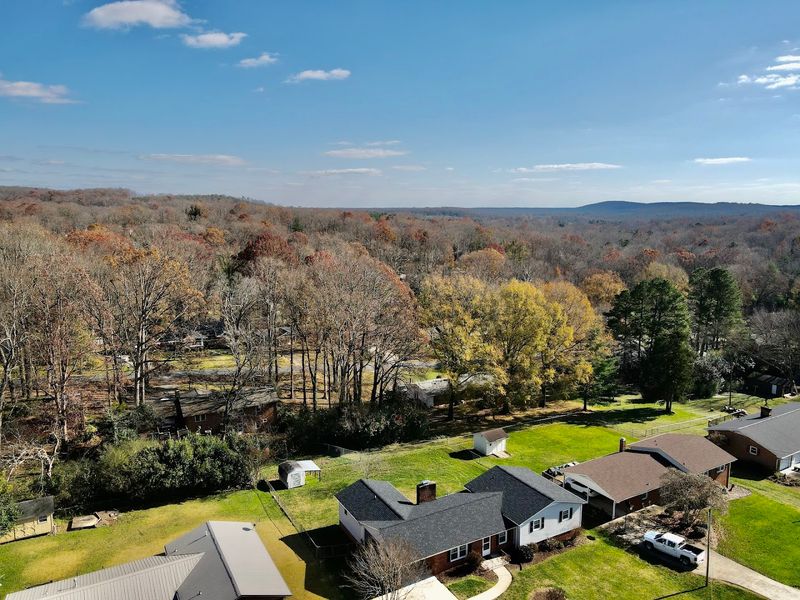
Housing markets favor affordability with rental options consistently available between $600 and $800 monthly for comfortable living spaces. The town’s central location and modest size keep property values reasonable for retirees considering home purchase on limited budgets.
Grocery stores and discount retailers serve the local population with competitive pricing on food staples and household necessities. The downtown area maintains an authentic small-town atmosphere where local businesses price goods fairly for regular customers.
Healthcare access includes primary care physicians, a hospital facility, and specialty clinics accepting Medicare coverage without complications.
Community organizations offer activities and social opportunities designed for older residents seeking connections beyond television and internet. Public parks and the nearby zoo provide entertainment options at reasonable costs or free admission on special days.
Utility expenses remain predictable with moderate usage requirements due to the region’s temperate climate patterns.
The town’s central North Carolina location provides easy access to mountains, beaches, and major cities all within two hours driving. This geographic advantage allows retirees to enjoy affordable daily living while maintaining access to diverse experiences and specialized services when occasional needs arise.