North Carolina Civil War Sites That History Lovers Cannot Miss
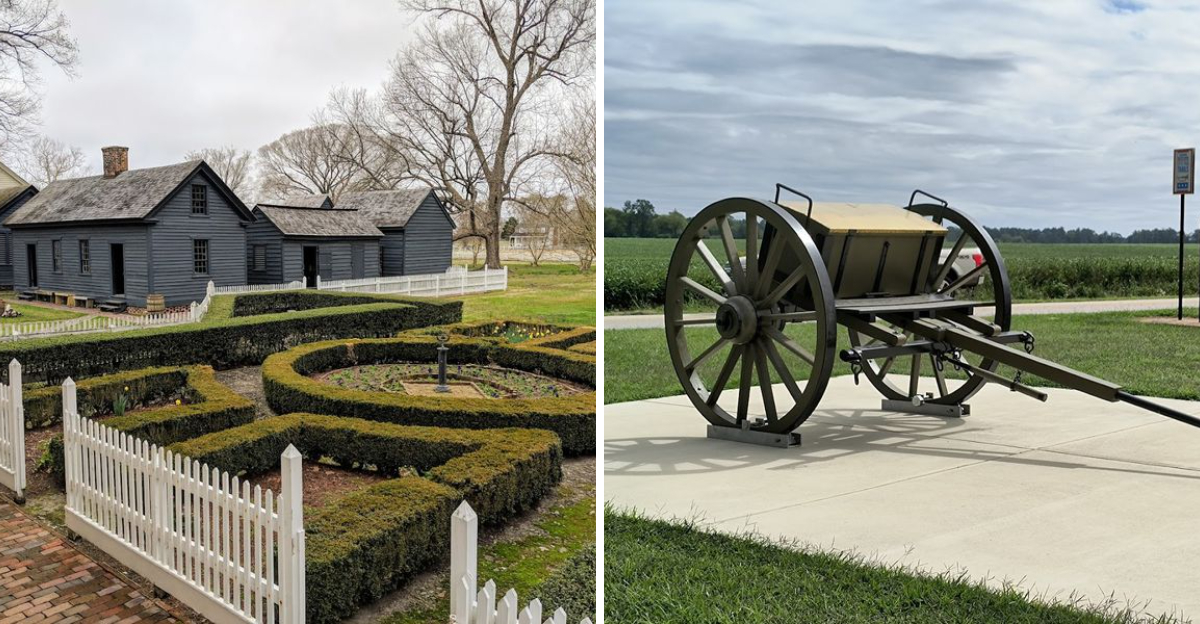
Somewhere between my third wrong turn and a gas station with no cell service, North Carolina handed me a history lesson I never saw coming.
You think you know American history, and then you pull off a back road somewhere between Raleigh and the coast and realize the textbooks left out about half of it.
This state was not just a backdrop for the Civil War. It was a stage, and some of the most dramatic moments of that conflict played out right here, in fields and farmhouses that still stand today.
I found one of these places almost by accident, expecting a ten-minute stop and walking out two hours later with my understanding of the war quietly rearranged.
That tends to happen in North Carolina. The history waits for you on quiet roads, in small towns and in buildings that have been standing since before the country figured out what it wanted to be.
1. Bentonville Battlefield State Historic Site
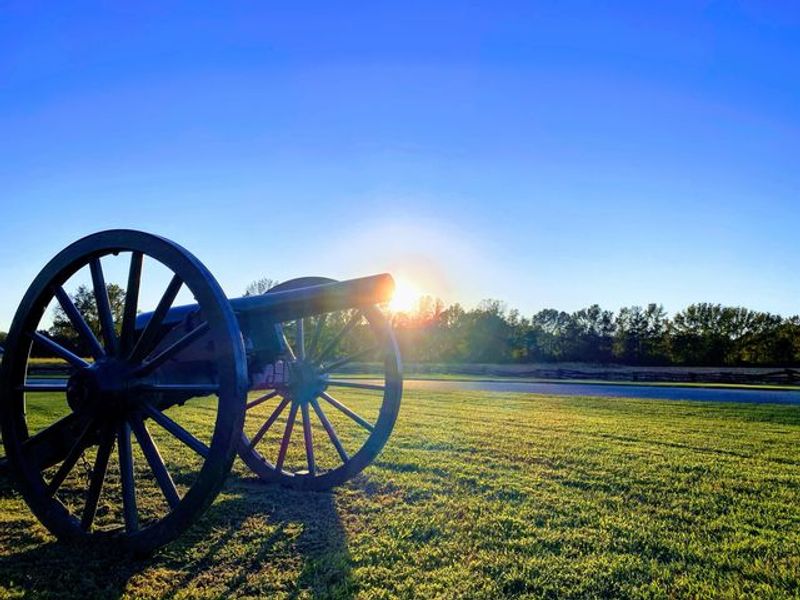
The largest Civil War engagement ever fought on North Carolina soil happened right here, and the battlefield still carries that weight.
Bentonville was the last major Confederate offensive of the Carolinas Campaign, and standing on these fields makes that feel very real.
Located at 5466 Harper House Rd, Four Oaks, the site stretches across acres of preserved land that look remarkably similar to how they did in 1865.
The Harper House itself is the real star. It served as a field hospital during the fighting, and the restoration inside is detailed and sobering.
Period furniture, medical instruments, and interpretive panels walk you through what soldiers experienced without being overdramatic about it.
The trails are well-marked and easy to walk, even for younger visitors. Rangers lead tours that bring the tactical decisions of generals like Johnston and Sherman to life in a way that no textbook really can.
I spent a full morning here and barely scratched the surface. Plan to stay longer than you think you need to, because this site rewards the curious visitor every single time.
2. Bennett Place State Historic Site
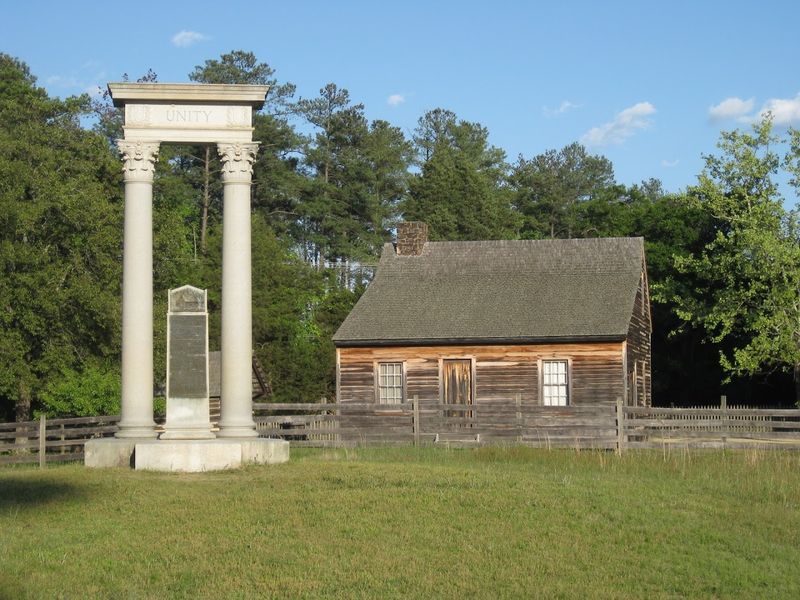
Most people know Appomattox, but fewer know that the largest surrender of the entire Civil War happened in a modest farmhouse in Durham.
At Bennett Place, Confederate General Joseph Johnston surrendered to Union General William Sherman in April 1865, effectively ending the conflict across the Carolinas, Georgia, and Florida.
That is a staggering piece of history for one small farm to hold.
The reconstructed farmhouse at 4409 Bennett Memorial Rd, Durham, is humble and unassuming, which somehow makes the story hit harder.
You walk into a simple room and realize that decisions made right there affected hundreds of thousands of lives. The museum building nearby does a solid job of giving context without overwhelming you.
Staff here are genuinely passionate, and that enthusiasm is contagious. I asked one ranger a single question and ended up in a thirty-minute conversation about Sherman’s personality and negotiating tactics.
The grounds are peaceful and well-maintained, with a unity monument that has its own interesting backstory.
Admission is free, which makes this one of the best value history stops in the entire state. Go on a weekday if you want a quieter experience.
3. Fort Fisher State Historic Site
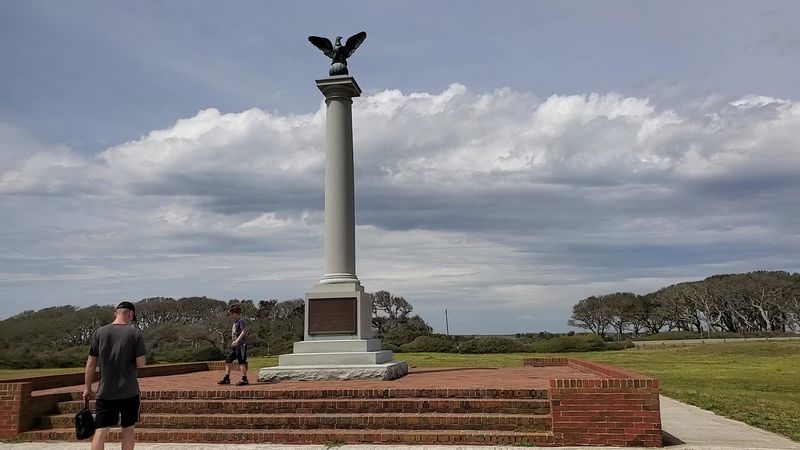
Fort Fisher is the kind of place that makes you stop and recalibrate your sense of scale. The earthworks here are enormous, and they survived because the sandy soil absorbed artillery fire better than brick or stone ever could.
This fort protected the last open Confederate port, and the Union assault on it in January 1865 was one of the largest combined land and naval operations of the entire conflict.
The visitor center at 1610 Fort Fisher Blvd S, Kure Beach, is excellent.
Exhibits explain the engineering genius behind the fort’s design, the desperate Confederate defense, and what the fall of Fisher meant for the outcome of the conflict.
There is a reconstructed gun emplacement outside that gives you a real sense of how the defenders were positioned.
The location right on the coast adds an element that most battlefield sites cannot offer. Ocean breezes, stunning views, and the sheer physical presence of the surviving earthworks make this a full sensory experience.
Kids tend to love climbing around the mounds, and adults tend to go quiet once they understand what happened here. Pair it with a visit to the nearby aquarium for a full day out.
4. Brunswick Town/Fort Anderson State Historic Site
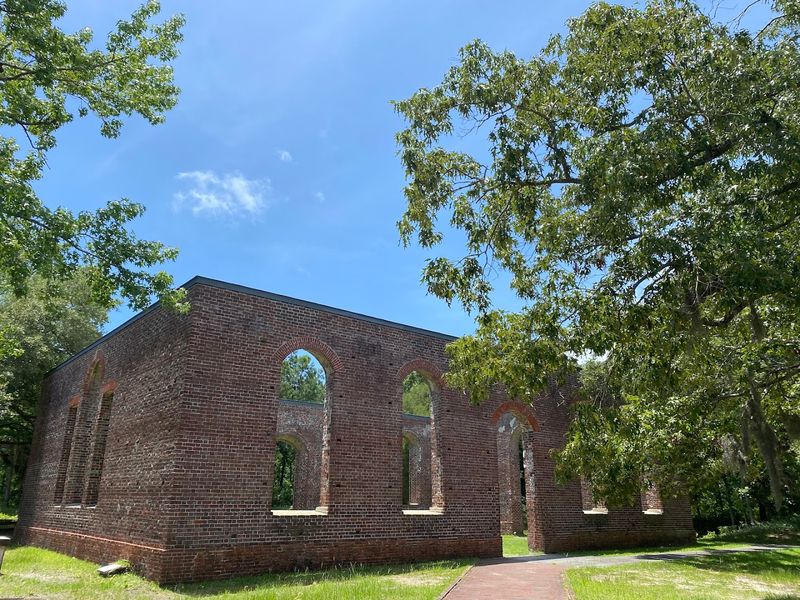
Two completely different chapters of American history share the same ground here, and the combination is unexpectedly powerful.
Brunswick Town was a thriving colonial port that British forces burned in 1776, and the ruins of St. Philips Church still stand eerily intact among the trees.
Decades later, Confederate forces built Fort Anderson directly on top of the colonial ruins to defend the Cape Fear River.
The layering of history at 8884 St. Philips Rd SE, Winnabow, is unlike anything else in North Carolina. You can walk from colonial-era brick foundations directly into Civil War earthworks without crossing a parking lot.
The interpretive trail is well-designed and does a great job of separating the two stories while showing how they connect.
The setting along the river is genuinely beautiful, and the towering trees draped in Spanish moss give the whole place an almost cinematic atmosphere.
I visited on a gray autumn morning, and the mood was absolutely perfect for absorbing this kind of layered, complicated history.
It is quieter than many other state historic sites, which means you get a more personal experience. Weekends in spring are especially nice here when wildflowers bloom along the trail edges.
5. CSS Neuse Civil War Museum
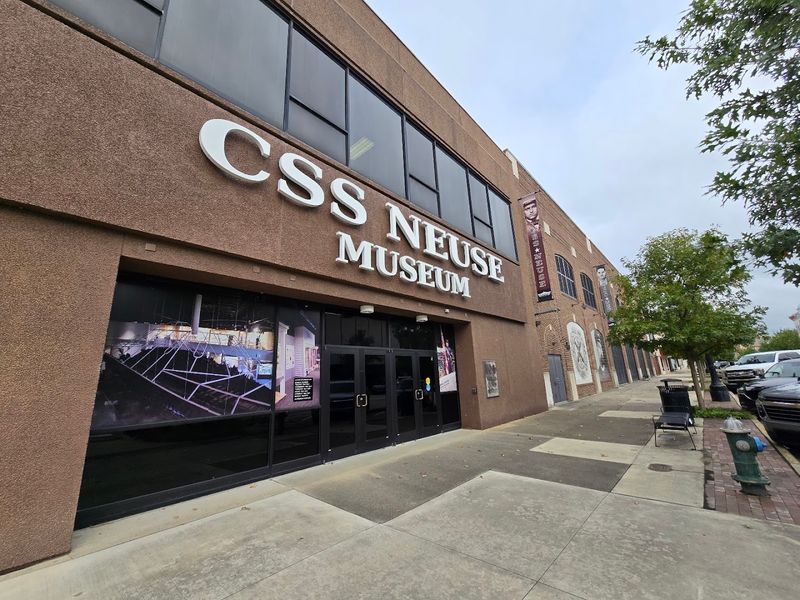
There is something genuinely thrilling about standing next to an actual Civil War ironclad.
The CSS Neuse was a Confederate gunboat built on the Neuse River, and large portions of its original hull are preserved and on display right in Kinston.
It is one of only three surviving Confederate ironclad vessels in the entire country, which makes this stop a pretty big deal for anyone who cares about naval history.
The museum at 100 N Queen St, Kinston, is compact but packed with well-organized exhibits about the vessel’s construction, its limited but dramatic operational history, and its eventual scuttling by Confederate forces to prevent Union capture.
The story of how the hull was recovered from the river decades later is fascinating all on its own.
What I appreciate most about this museum is that it does not try to be more than it is.
It tells one focused story with clarity and passion, and the artifact collection is genuinely impressive for a regional museum.
The cannon and personal items recovered from the river alongside the hull add real texture to the narrative.
If you are traveling through eastern North Carolina, this is a stop that punches well above its weight. Admission is very affordable and worth every penny.
6. Averasboro Battlefield Museum
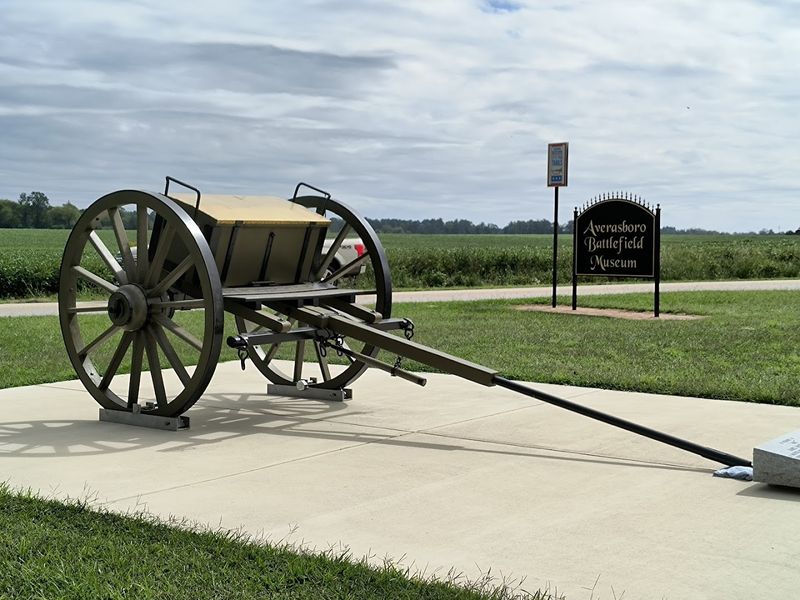
Averasboro does not get the attention it deserves, and that is a genuine shame. The fighting here on March 15 and 16, 1865, was a deliberate Confederate delaying action designed to slow Sherman’s march and protect Johnston’s army.
It worked, at least temporarily, and the tactical story is more interesting than most casual visitors expect. This battlefield is one of the least crowded major Civil War sites in the state.
The museum at 3300 NC Hwy 82, Dunn, is volunteer-driven and has an authentic community feel that larger state-run sites sometimes lack.
The exhibits are earnest and informative, and the staff clearly love what they do. A short driving tour of the surrounding area helps visitors understand the terrain that shaped the fighting.
What makes Averasboro worth a special trip is how undeveloped the landscape remains.
Fields and tree lines still look recognizable compared to period maps, which is increasingly rare for Civil War sites near growing communities.
Walking the ground here feels like actual discovery rather than a scripted tour experience. I found myself lingering at the Chicora Cemetery, where soldiers from both sides are buried, longer than I planned.
It is a quiet, honest, and moving place that history lovers will genuinely connect with.
7. Port O’ Plymouth Museum
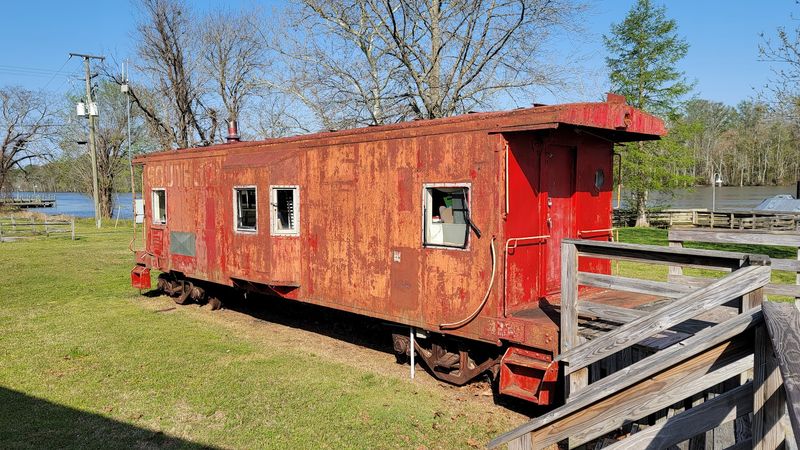
Plymouth, North Carolina, was the site of one of the most dramatic Confederate victories of 1864, and the Port O’ Plymouth Museum tells that story with real energy.
The CSS Albemarle, a Confederate ironclad built upriver in a cornfield, played a central role in retaking the town from Union forces. That detail alone, building a warship in a cornfield, should be enough to get you through the door.
The museum at 302 E Water St, Plymouth, sits right along the Roanoke River, which gives it an appropriate and atmospheric setting.
Inside, exhibits cover the naval engagement, the Union occupation of the town, and the community experience of living through a contested occupation.
The scale model of the Albemarle is excellent and helps visitors visualize what the actual vessel looked like in action.
Plymouth is a small town, and the museum reflects genuine local pride in a complicated and significant chapter of its history.
The staff are welcoming and knowledgeable, and they seem genuinely pleased when visitors show up with real curiosity.
The surrounding waterfront area is worth a short walk after your visit. I left with a much deeper appreciation for how naval technology shaped Civil War outcomes in ways that often get overshadowed by the more famous land campaigns.
8. Fort Macon State Park
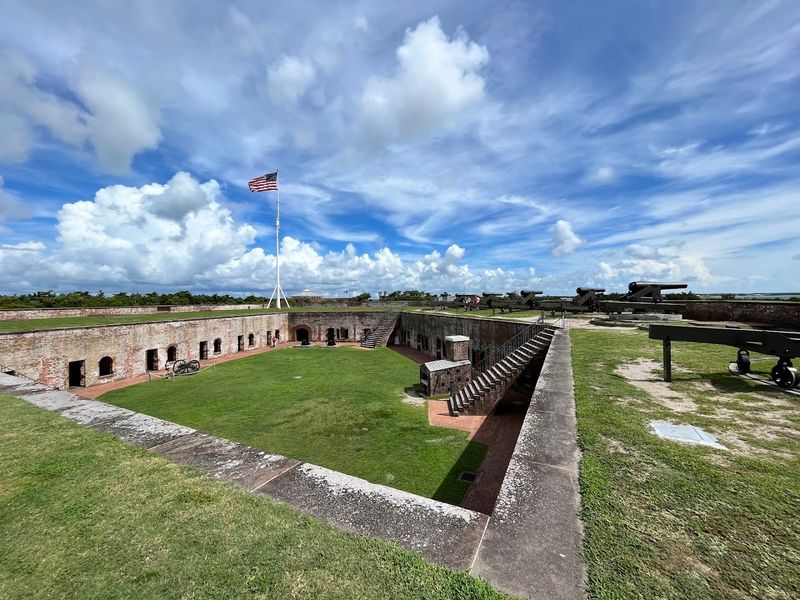
Not many Civil War sites come with an ocean view, but Fort Macon earns its place on this list long before you reach the water.
Built between 1826 and 1834 to guard Beaufort Inlet, this five-sided brick fort was seized by North Carolina militia just two days after the Civil War began.
Confederate forces held it for nearly a year, arming it with 54 cannons, before Union forces under General Burnside launched a sustained bombardment in April 1862 that forced its surrender in eleven hours.
The fort at 2303 E Fort Macon Rd, Atlantic Beach, is one of the best-preserved Civil War fortifications in the South.
Walking its 26 vaulted casemates, you get a genuine sense of how soldiers lived, worked, and prepared for a fight they ultimately could not win.
Rangers lead guided tours daily, and the exhibits inside are focused and well-organized without trying to cover too much ground at once.
The cannon demonstrations are genuinely impressive and give you a physical sense of what the bombardment must have felt like.
Admission is free, which makes this an easy decision. The setting on the coast adds something that purely inland battlefield sites simply cannot match.
Go in the morning before the beach crowds arrive and you will practically have the fort to yourself.
9. North Carolina Museum Of History
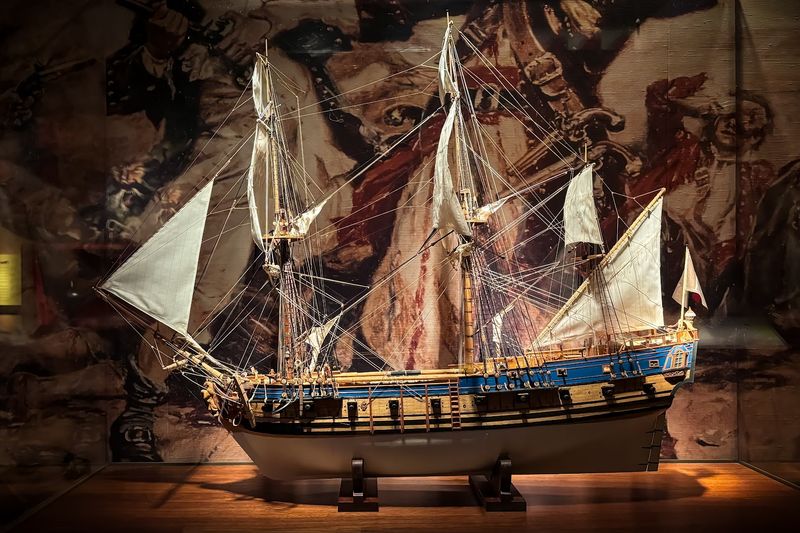
If you want the full sweep of North Carolina history under one roof, this is the place.
The North Carolina Museum of History in Raleigh covers everything from prehistoric peoples through the modern era, and the Civil War section is substantial, well-curated, and genuinely illuminating.
It is the kind of museum that gives you the context you need to make all the other sites on this list click into place.
Located at 5 E Edenton St, Raleigh, the museum is free and accessible, which makes it a no-brainer starting point for any serious history tour of the state.
The Civil War galleries include actual regimental flags, personal letters, uniforms, and equipment that bring individual human stories into sharp focus.
The interpretive panels are written clearly and do not talk down to visitors of any age.
The broader collection is worth your time too.
Exhibits on the Piedmont furniture tradition, the state’s Indigenous history, and the stories of enslaved North Carolinians add crucial layers to any understanding of what the Civil War was actually about.
I always recommend this museum as a first stop rather than a last one. It reframes everything else you will see and makes the outdoor sites feel dramatically more meaningful when you get to them.
10. Somerset Place State Historic Site
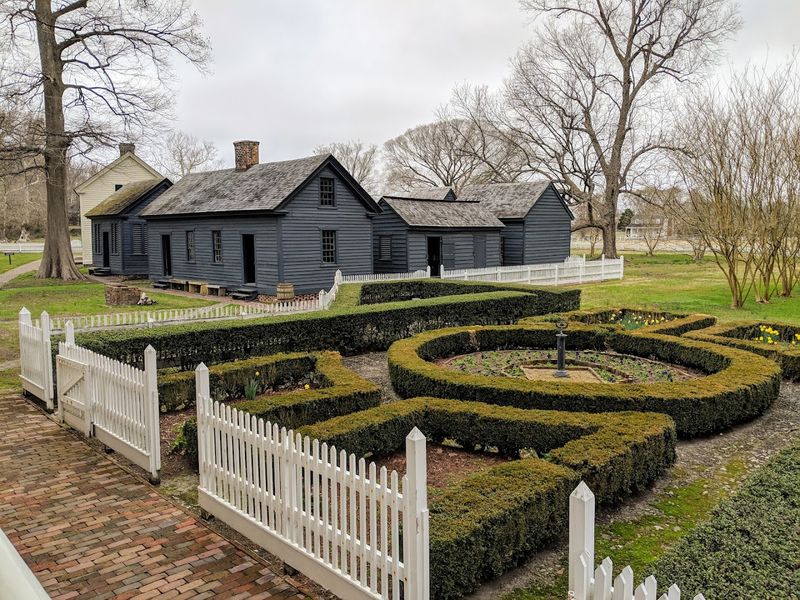
Somerset Place is one of the most emotionally significant historic sites in North Carolina, and it approaches its subject with honesty and care that I deeply respect.
This was one of the largest plantations in the antebellum South, and the site tells the stories of the enslaved people who lived and worked here with the same seriousness it gives to the planter family. That balance is not common, and it matters enormously.
The setting at 2572 Lake Shore Rd, Creswell, near Lake Phelps, is hauntingly beautiful. Cypress trees line the canal system that enslaved workers dug by hand to drain the surrounding swampland, and that physical labor is now part of the landscape itself.
The restored main house, outbuildings, and slave quarters are all accessible on a self-guided tour that is thoughtful and thorough.
What sets Somerset apart is its connection to a remarkable reunion. In 1986, descendants of the enslaved people who lived here gathered on the grounds for the first time in over a century.
That event helped reshape how the site tells its story. Walking these grounds feels important in a way that is hard to fully articulate.
It is not a comfortable visit, but it is a necessary one, and you will leave thinking about it for a long time afterward.