15 North Carolina Destinations That Look Like They Were Made For Movies
Hollywood spends millions building sets that North Carolina already has for free. And once you see it, you’ll understand why.
This state has a strange talent for stopping you in your tracks. It makes you question whether what you’re seeing is real or just an exceptionally convincing backdrop.
North Carolina doesn’t just offer beautiful scenery. It offers the kind that makes you reach for your camera before your brain even registers what’s happening.
I’ve covered a lot of ground across this state, and the jaw-drop moments never got old. Not once.
Each of these destinations carries that rare quality where a single photograph barely does it justice, yet every shot somehow still looks like a still pulled straight from a major motion picture.
1. Blue Ridge Parkway
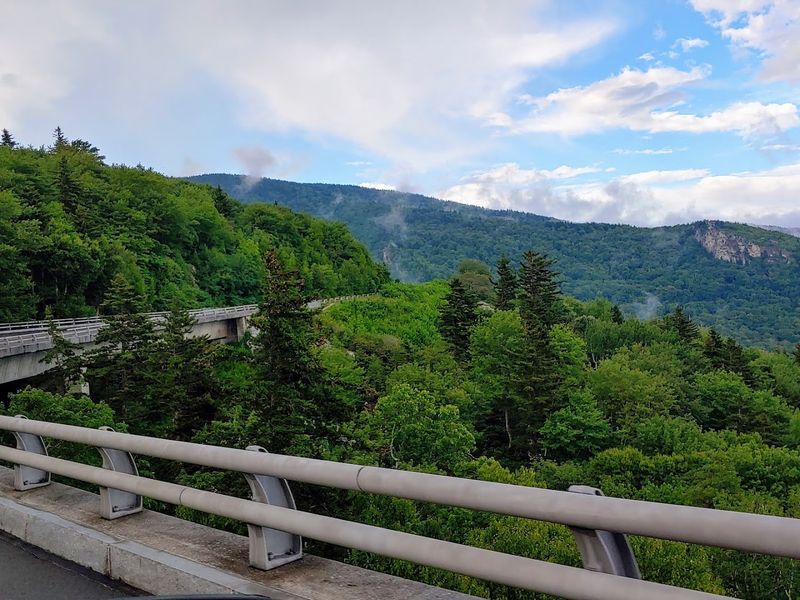
Some roads exist to get you somewhere. The Blue Ridge Parkway exists to make you forget where you were going in the first place.
The parkway stretches 469 miles from Virginia through the western part of the state. It is managed by the National Park Service and sits at elevations that regularly exceed 6,000 feet.
This stretch is widely considered the more dramatic half, with overlooks like Waterrock Knob and Rough Ridge delivering panoramic views that genuinely stop conversation mid-sentence.
Hardwood forests turn shades of amber, crimson, and gold, drawing photographers and road trippers from across the country. But spring’s wildflower blooms and summer’s deep green canopy make those seasons equally worth the drive.
The parkway is known for its uninterrupted scenic drive with minimal commercial traffic.
Pull off at Craggy Gardens for a short hike through rhododendron tunnels that bloom brilliantly in June, and bring a jacket regardless of the season because the ridge elevations keep things refreshingly cool.
2. Linville Gorge Wilderness Area
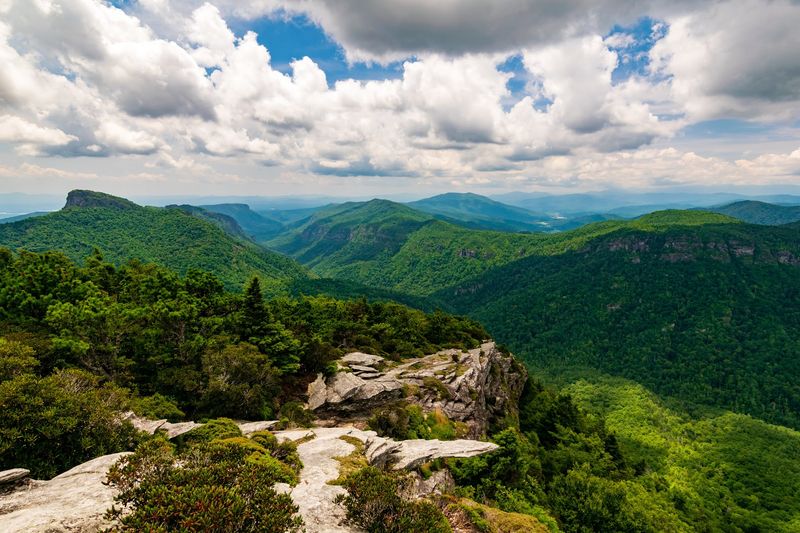
Two thousand feet deep and completely indifferent to how difficult it is to reach, Linville Gorge does not make itself easy, and that is exactly the point.
Located in Burke County near the town of Linville Falls, this designated wilderness area is one of the more rugged landscapes in the eastern United States. The Linville River carved this gorge through ancient Precambrian rock.
Table Rock and Hawksbill Mountain are two of the most popular rim hikes, offering exposed rocky summits with bird’s-eye views straight down into the forested canyon below.
This is not a beginner destination. Trails are steep, rocky, and sometimes unmarked, so solid footwear and a downloaded map are non-negotiable.
Camping permits are required for weekends and holidays from May through October, and they fill up fast. Visit on a weekday and you might have the whole dramatic landscape almost entirely to yourself.
3. Lake Lure
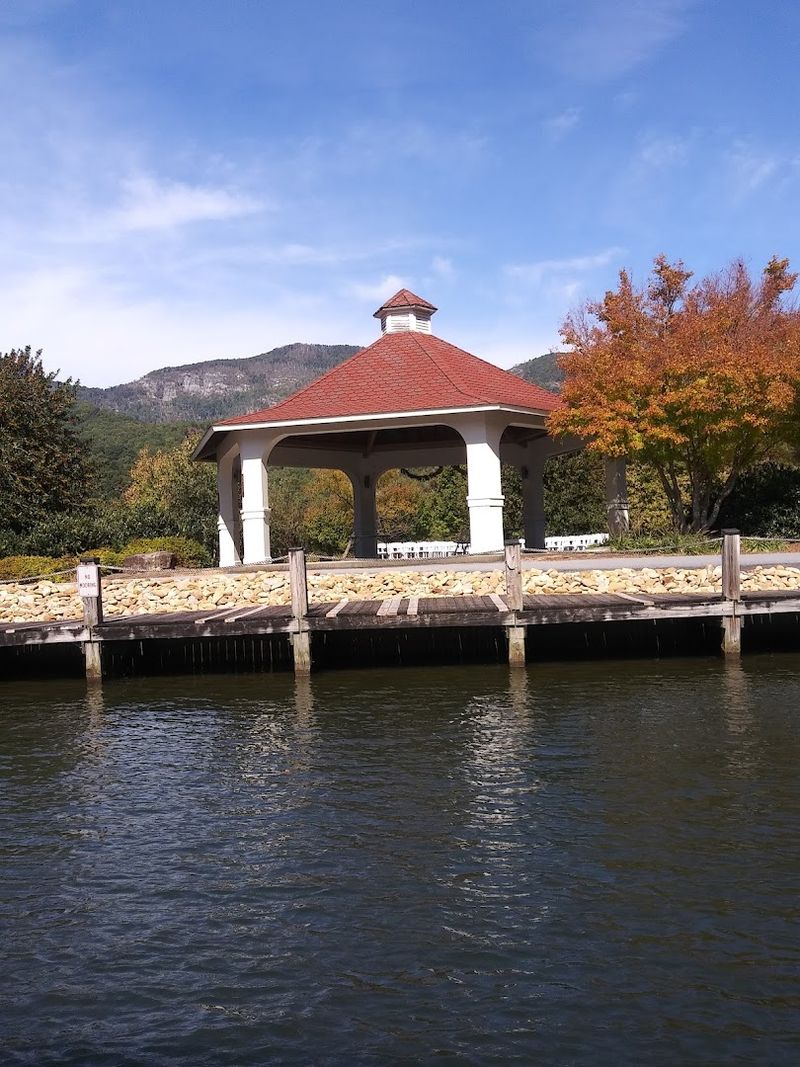
Not many lakes can claim a Hollywood legacy, but Lake Lure isn’t really interested in being like other lakes. The 1987 classic film Dirty Dancing was partially filmed here.
The lake’s mirror-smooth surface framed by mountain ridges made it the perfect romantic backdrop.
This man-made reservoir in Rutherford County was created in the 1920s, and it has aged into one of the most naturally beautiful spots in the entire state.
The town itself is small and unhurried, with a charming beach area, paddle boat rentals, and boat tours that narrate the lake’s surprisingly rich history.
Chimney Rock looms over the eastern shoreline, and on clear days the reflection of its rocky summit in the water creates the kind of composition that photographers plan entire trips around.
Summer is peak season, but fall is when Lake Lure truly earns its cinematic reputation, with the surrounding hardwood forests turning the hillsides into a blaze of warm color that doubles in the reflection below.
The lake’s calm morning hours are particularly special. Arriving before 8 a.m. on a still day will reward you with glassy water and a quietness that feels almost too good to be real.
4. Biltmore Estate, Asheville
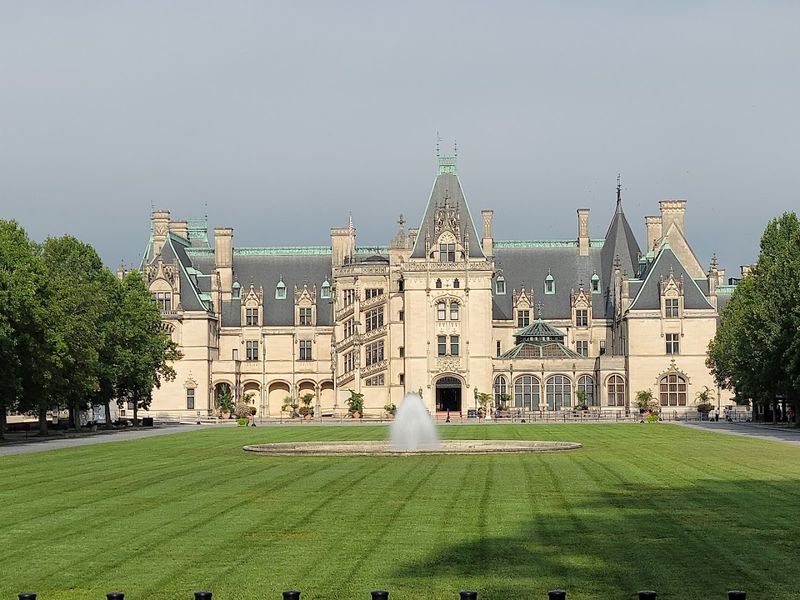
Walking through the iron gates of the Biltmore Estate in Asheville feels like stepping directly into a period drama, and honestly, the feeling never quite wears off.
Built by George Vanderbilt in 1895, this 8,000-acre property is the largest privately owned home in the United States. It features 250 rooms of impressive architecture that blends French Renaissance chateau style with American craftsmanship.
The formal gardens, designed by Frederick Law Olmsted, the same landscape architect behind New York’s Central Park, stretch across the property in perfectly sculpted symmetry.
Inside, every room tells a story through hand-carved fireplaces, historic tapestries, and original Vanderbilt family collections. The library alone holds over 10,000 volumes and that reflects the estate’s rich literary collection.
Spring brings an explosion of color through the estate’s famous Festival of Flowers, while December transforms the entire property into a candlelit fantasy.
Tickets sell out quickly, especially around the holidays, so booking in advance is a smart move. Arriving early on a weekday gives you the best chance of experiencing the grounds without large crowds.
5. Chimney Rock State Park
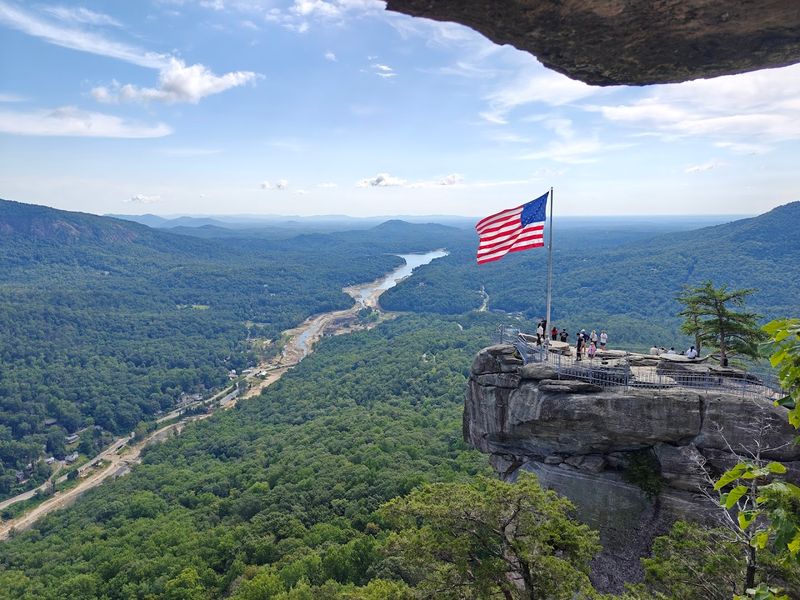
Geology has no business being this dramatic. And yet, here we are.
Chimney Rock State Park is located in Rutherford County near the town of Chimney Rock, with access at 174 Main St. It centers around a dramatic granite monolith that can be reached either by elevator (yes, an actual elevator built into the rock) or by a series of steep trail staircases.
The views from the top stretch across Hickory Nut Gorge and down to Lake Lure, creating a layered panorama that looks almost too composed to be natural.
The park also featured prominently in the 1992 film The Last of the Mohicans, and standing at the summit, it’s easy to see exactly why the filmmakers chose it.
Beyond the main chimney, the park offers trails leading to Hickory Nut Falls, one of the taller waterfalls in the eastern United States at 404 feet. The hike to the base is moderate and very much worth the effort.
Spring and early fall offer the most comfortable hiking temperatures. Weekday mornings are significantly less crowded, and the golden light through the gorge before 10 a.m. is genuinely hard to beat.
6. Outer Banks (Cape Hatteras & Ocracoke)
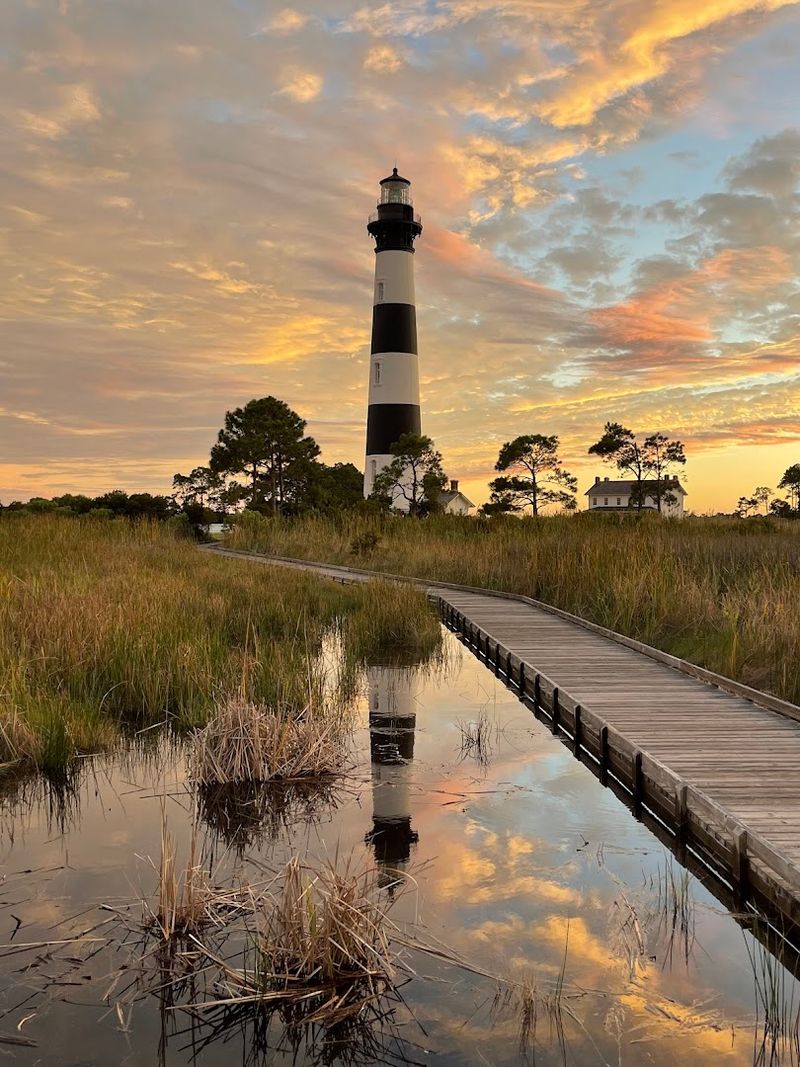
© Cape Hatteras National Seashore
Most coastlines meet the ocean politely. The Outer Banks crashes into it.
This narrow chain of barrier islands stretches along the state’s Atlantic coast like a long, wind-battered brushstroke between the ocean and the sound.
Cape Hatteras National Seashore protects miles of undeveloped shoreline. The landscape feels wild, with crashing waves, shifting sand dunes, and the iconic black-and-white spiral of Cape Hatteras Lighthouse standing 198 feet tall as the tallest brick lighthouse in the country.
Ocracoke Island, reachable only by ferry, takes things even further off the grid. Its small village has no traffic lights, very few chain restaurants, and a pace of life that feels borrowed from a different era entirely.
The island was once a favorite haunt of the pirate Blackbeard, and that swashbuckling history still lingers in the atmosphere of its narrow lanes and cedar-shake cottages.
Wild horses roam the northern Outer Banks near Corolla, descendants of Spanish mustangs that have lived on these islands for centuries.
Late spring and early fall offer warm water, thinner crowds, and the kind of dramatic coastal light that makes every photograph look effortlessly composed without even trying.
7. Grandfather Mountain
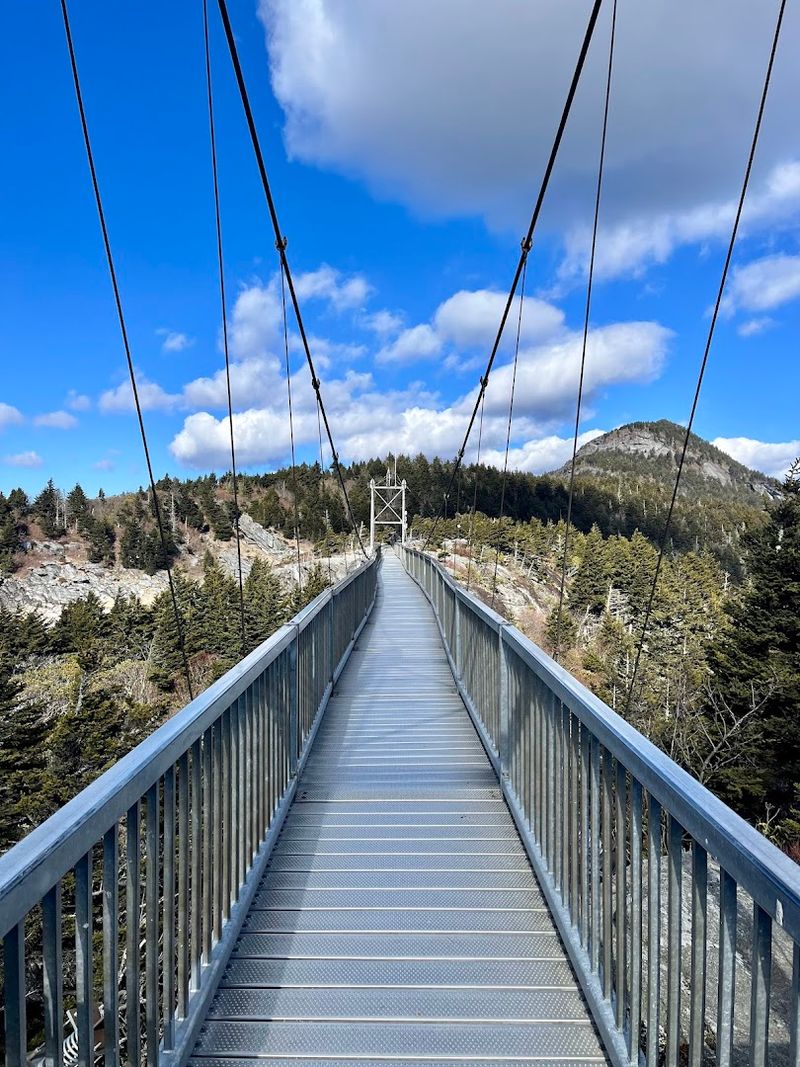
There is a specific kind of silence that happens when you’re standing on a bridge suspended a mile above sea level and the wind picks up without warning.
Suspended 5,280 feet above sea level and spanning 228 feet between two rocky peaks near Linville in Avery County, this bridge sways gently in the mountain breeze while offering 360-degree views of the southern Appalachians that stretch for what feels like forever.
Grandfather Mountain itself is a UNESCO International Biosphere Reserve, protecting rare and diverse plant and animal communities.
The nature museum at the base is excellent and genuinely worth your time, with exhibits on the mountain’s geology, wildlife, and the story of how the Grandfather Mountain Stewardship Foundation came to protect it.
Black bears, river otters, bald eagles, and white-tailed deer are all part of the resident animal habitats on the property.
The mountain sees heavy fog and cloud cover frequently, but honestly, a misty Grandfather Mountain is just as cinematically beautiful as a clear one. Visiting in October during peak fall color transforms the entire ridge into something that belongs on a cinema screen.
8. Dry Falls
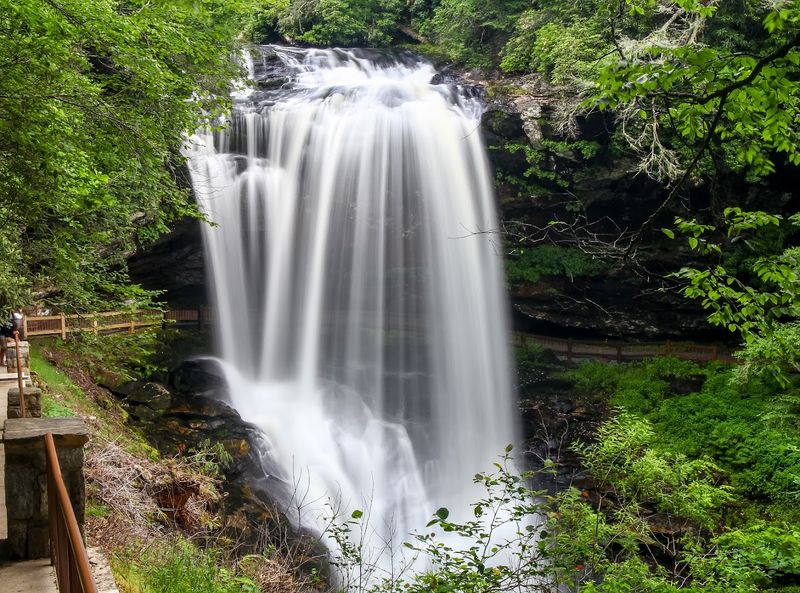
Dry Falls earns its name from the best possible reason: you can walk directly behind it without getting soaked, which is a sentence that should immediately make you want to visit.
Located near the small mountain town of Highlands in Macon County, this 75-foot waterfall on the Cullasaja River spills over a rocky ledge that extends far enough out to create a dry walkway underneath the full curtain of falling water.
Standing behind the falls while the water thunders past just feet away feels surreal.
Highlands itself sits at 4,118 feet and is one of the highest towns in the eastern United States, which gives the surrounding landscape a cool, misty quality that makes it a popular spot for photography.
The trail to Dry Falls is short and paved, making it accessible for most visitors. The surrounding Nantahala National Forest offers deeper hiking options for those who want to extend the adventure.
Summer is the most popular season here, but spring visits after heavy rain reward you with the falls at their most powerful and dramatic, with mist rising through the forest canopy in long, photogenic tendrils.
9. Pisgah National Forest
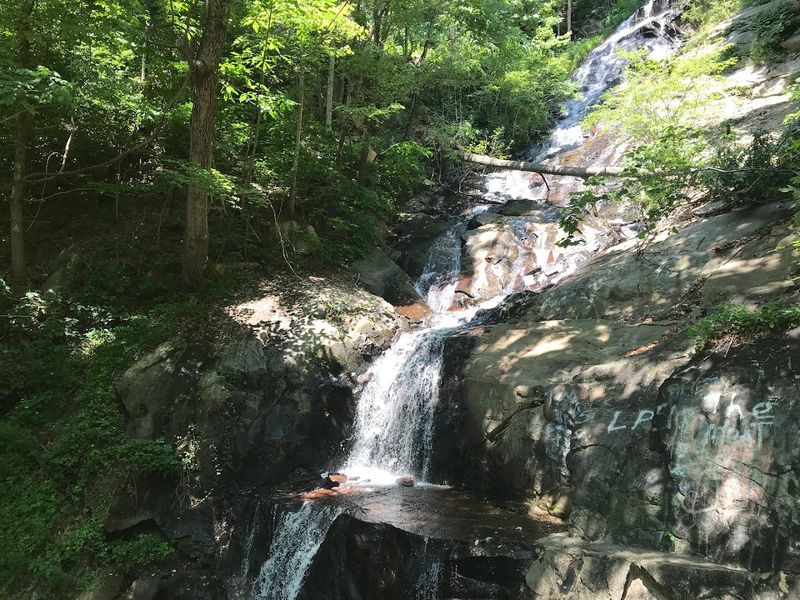
Five hundred thousand acres of forest, and it still manages to feel surprisingly quiet in many areas.
Covering nearly 500,000 acres across the western part of the state, Pisgah was one of the earliest and most historically significant national forests in the eastern United States, established in 1916 on land that once belonged to the Vanderbilt family of Biltmore fame.
The forest is threaded with hundreds of miles of hiking trails.
It also holds some of the most impressive waterfalls in the region.
Looking Glass Falls is a 60-foot cascade that drops into a clear pool visible right from the roadside.
The Davidson River area near Brevard is a favorite for fly fishing, while the Black Balsam Knob trail offers above-treeline views across a bald ridge that is often compared to landscapes found in parts of Europe rather than the surrounding region.
Wildlife is abundant here, and spotting black bears, wild turkey, and whitetail deer on a morning hike is entirely realistic.
Fall color peaks in mid to late October, and the combination of golden light, rushing waterfalls, and dense forest canopy creates a visual layering that photographers return to year after year without ever quite capturing it perfectly.
10. Jockey’s Ridge State Park
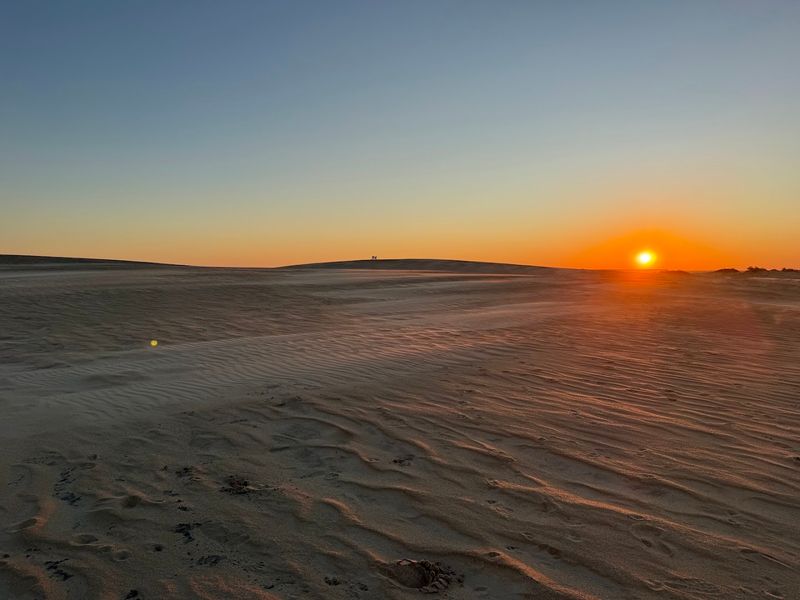
The scale of these dunes becomes clear the moment you reach the top.
Located in Nags Head on the Outer Banks, Jockey’s Ridge, with access points near 300 W Carolista Dr, is home to the tallest natural sand dune system in the eastern United States, and the scale of it genuinely catches first-time visitors off guard.
The dunes shift constantly with the wind, which means the landscape literally looks different every time you visit.
Hang gliding is one of the park’s signature activities, and the Kitty Hawk Kites school has been teaching people to catch the wind here for decades. Watching beginners launch from the ridge against a blue Atlantic sky is its own kind of entertainment.
Sunsets from the top of the main dune are extraordinary, with the sound on one side and the ocean on the other turning the sky into a full panoramic color show.
The park is free to enter and open year-round. Early morning visits in the off-season give you miles of rippled sand and absolute quiet that makes the whole experience feel almost otherworldly.
11. Hanging Rock State Park
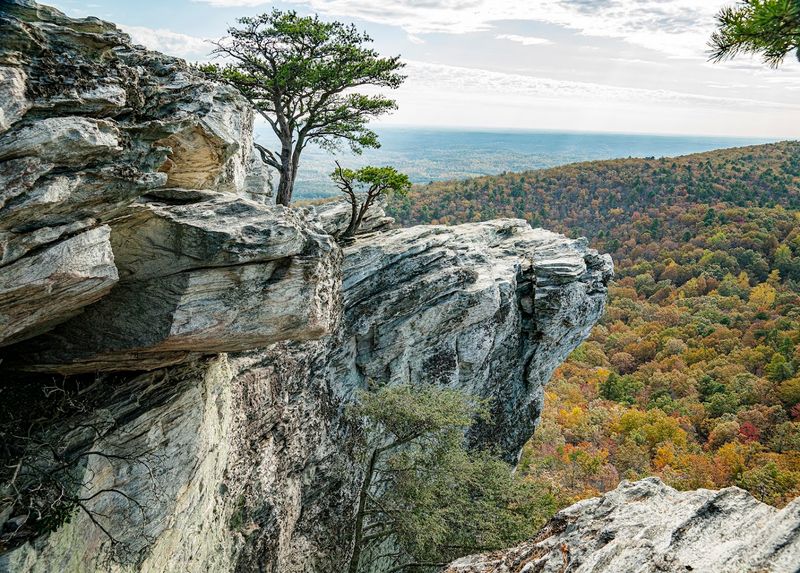
Most state parks offer a nice walk. Hanging Rock offers a summit that makes your stomach drop in the best possible way.
This park sits near Danbury in Stokes County in the Piedmont region of the state, with access at 1790 Hanging Rock Park Rd.
It centers on a series of ancient monadnocks, isolated rocky summits that rise dramatically above the surrounding forest like something out of a fantasy film set.
The hike to Hanging Rock is about 1.8 miles one way, making it roughly 3.6 miles round trip.
The park also features a beautiful 12-acre lake with a swimming beach, making it one of the few state parks where you can summit a mountain and go for a swim on the same afternoon.
Moore’s Wall, another rocky escarpment within the park, is a favorite among technical rock climbers and offers some of the most dramatic cliff faces in the Piedmont.
Waterfalls including Upper Cascades and Hidden Falls add even more variety to the trail system here.
Spring mornings are especially beautiful, when the forest begins to leaf out and a soft mist lingers in the valleys.
The entire landscape takes on a layered, painterly look that feels quietly cinematic.
12. Bald Head Island
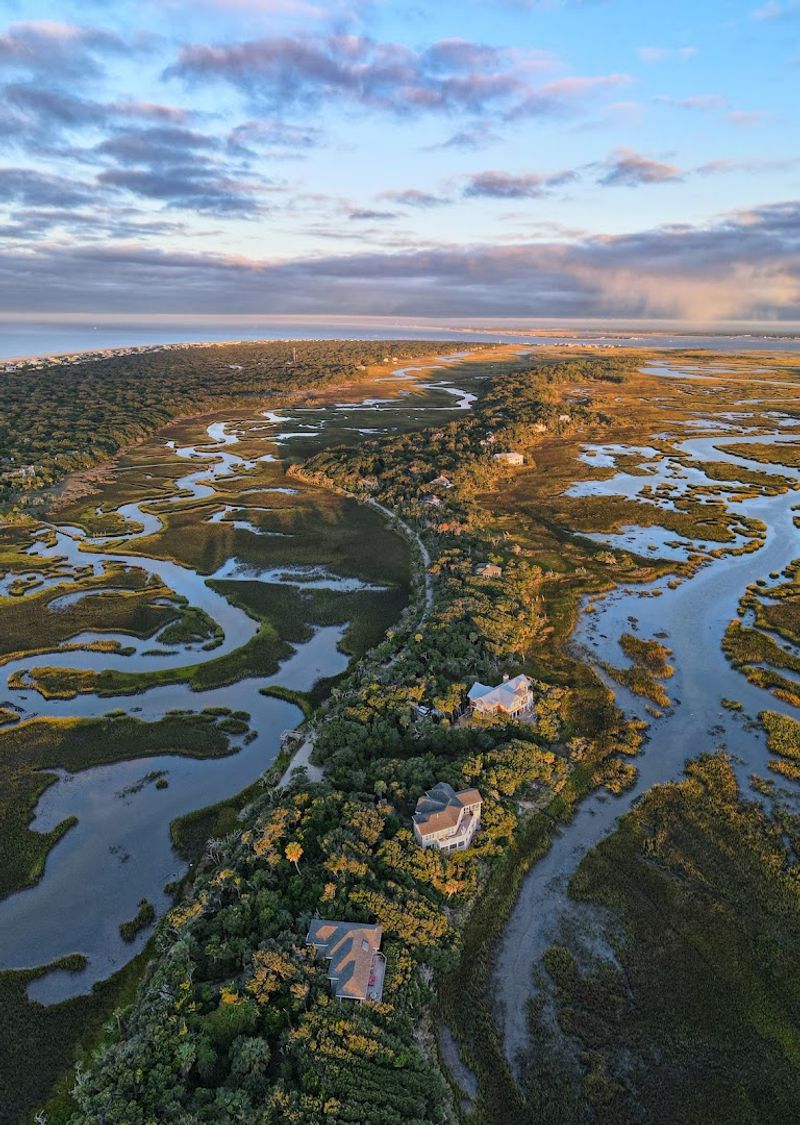
Bald Head Island operates by its own rules, and the most notable one is this: no cars allowed. The only way to get around is by golf cart, bicycle, or your own two feet, and that single policy changes the entire atmosphere of the place.
Reachable only by a 20-minute private ferry from Southport in Brunswick County, Bald Head Island sits at the southernmost tip of the Cape Fear coastline, surrounded by 10,000 acres of protected maritime forest, salt marshes, and 14 miles of pristine beach.
Old Baldy Lighthouse, built in 1817, is the oldest standing lighthouse in North Carolina and makes for an iconic focal point against the island’s wild coastal backdrop.
The island is a major loggerhead sea turtle nesting site, and from May through October, a conservation program monitors hundreds of nests along the shoreline. Turtle walks at night are a genuinely magical experience for families.
The maritime forest here is dense with live oaks draped in Spanish moss, creating a moody, cinematic canopy that feels a world away from the typical beach resort experience.
Accommodations book up months in advance during summer. Visiting in late September or early October gives you warm temperatures, calm seas, and a quietness that makes the island feel unexpectedly quiet and personal.
13. Boone & Appalachian Mountains
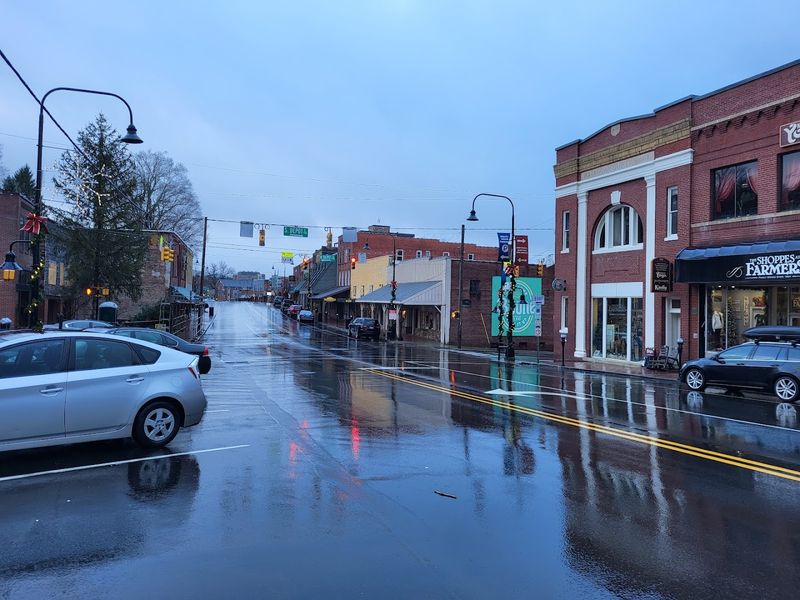
Most towns announce themselves loudly. This one waits until you’re already on the drive home to reveal how much it got to you.
Named after Daniel Boone, this college town in Watauga County serves as one of the best base camps for exploring the High Country region of the Appalachian Mountains.
Appalachian State University gives the town a youthful, creative energy that balances nicely with its outdoor recreation identity. The downtown area has excellent local restaurants, independent bookshops, and live music venues sitting alongside outfitters and gear shops.
The surrounding Appalachian ridges offer hiking trails ranging from gentle meadow walks to serious ridge scrambles with views across multiple states on a clear day.
Tweetsie Railroad, a historic narrow-gauge steam train attraction nearby, is an unexpected and genuinely fun detour, especially for families traveling with younger kids.
Winter transforms the area into a ski destination, with nearby slopes at Sugar Mountain and Beech Mountain drawing snow sports enthusiasts from across the Southeast.
The combination of small-town character, mountain scenery, and four distinct seasons makes Boone one of those places that keeps people coming back in every season.
14. Great Smoky Mountains
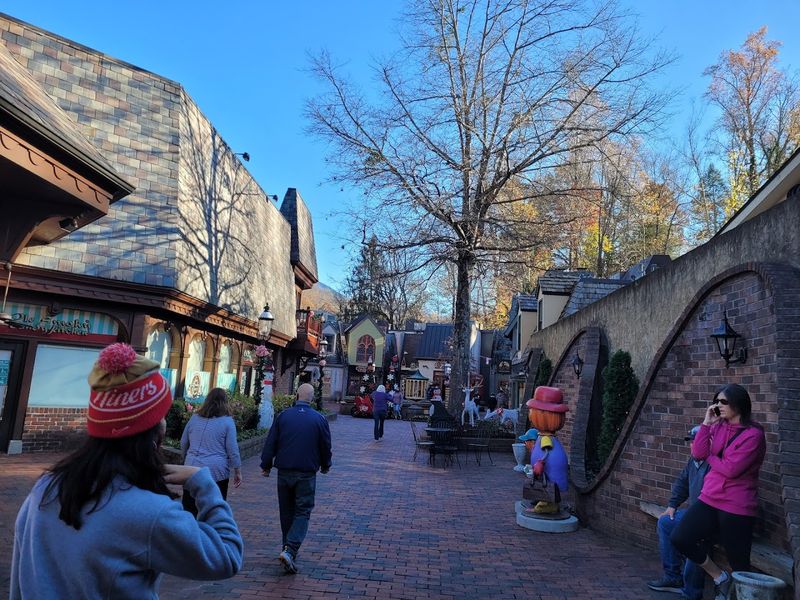
The blue haze that gives the Smokies their name is real. It comes from natural compounds released by the trees. Seeing it in person is a quietly unforgettable experience.
The North Carolina side of Great Smoky Mountains National Park, centered around the Oconaluftee Visitor Center near Cherokee in Swain County, offers a slightly less crowded entry point into the most visited national park in the country.
The Oconaluftee River Trail is a flat, easy walk along a crystal-clear mountain stream where white-tailed deer are so accustomed to visitors that they graze calmly just feet from the path.
The nearby Cherokee community, home of the Eastern Band of Cherokee Indians, adds a deep layer of cultural history to the area that makes a visit here feel genuinely educational alongside its natural beauty.
Kuwohi (formerly Clingmans Dome) rises to 6,643 feet, sits right on the North Carolina-Tennessee border. A paved but steep half-mile trail leads to a futuristic observation tower with views above the clouds on clear days.
Visiting in late October means peak fall color at lower elevations and bare, dramatic ridge lines at the summit, which creates a visual contrast that feels almost deliberately cinematic in its staging.
15. Bryson City
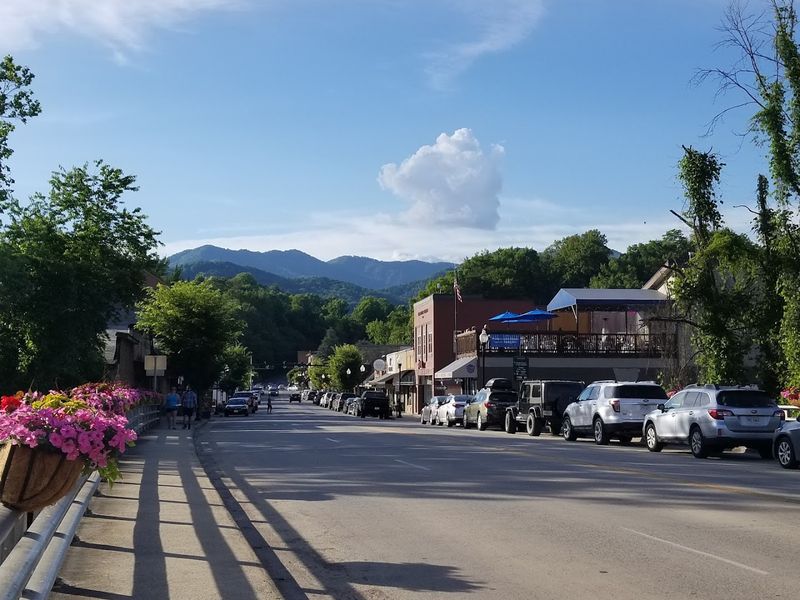
A river on one side, the Great Smoky Mountains on the other, and a railroad running straight through the middle. Someone clearly had a plan here.
This small town in Swain County sits at the edge of Great Smoky Mountains National Park, and it shows.
The Great Smoky Mountains Railroad operates from downtown Bryson City, running vintage excursion trains through river gorges and mountain tunnels. Passengers can watch the scenery unfold from open-air cars.
It’s the kind of ride that makes every age group put their phone down voluntarily.
Nantahala Outdoor Center, just a few miles west on the Nantahala River, is a well-known whitewater rafting destination in the region, with the Nantahala Gorge offering Class III rapids that are thrilling without being reckless.
The town itself has evolved into a genuinely charming destination with local eateries and small businesses, art galleries, and farm-to-table restaurants that punch well above the town’s modest size.
Fly fishing on the Tuckasegee River is world-class, with guided trips available for all skill levels.
Visiting in early November, after the peak leaf crowds have thinned, gives you golden light, quiet trails, cool mountain air, and a town that settles back into its own relaxed rhythm in the most appealing way possible.