11 North Carolina Dishes Inspired By Local Communities
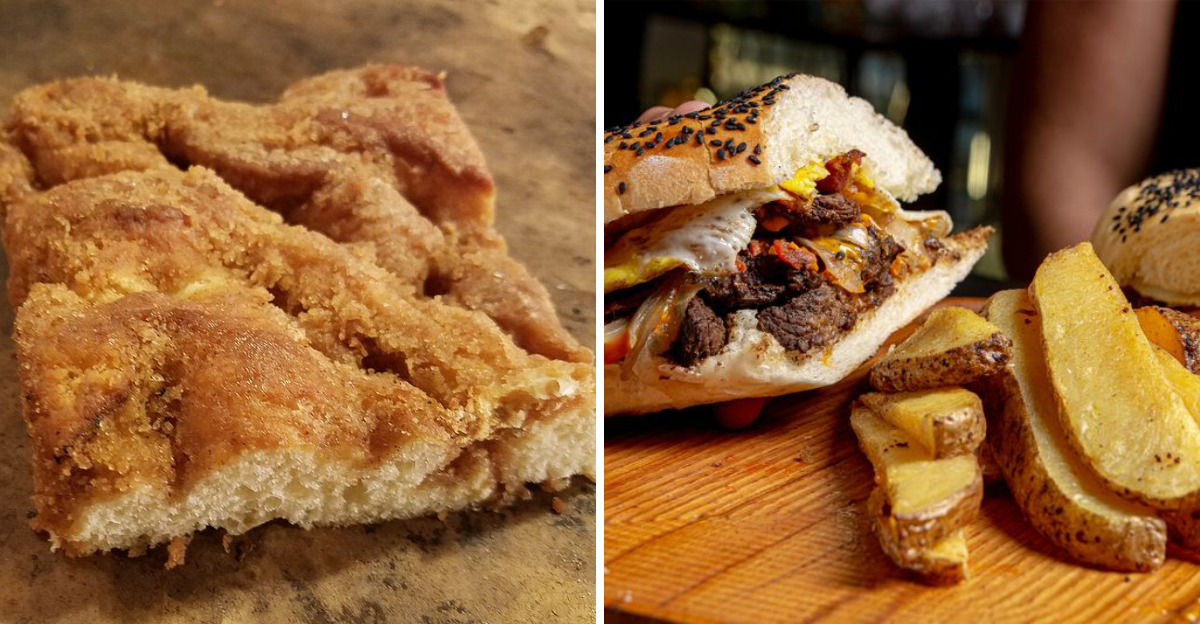
North Carolina’s food scene is a treasure trove of flavors that tell the stories of small towns, tight-knit communities, and generations of home cooks.
From crispy fried seafood that crunches with perfection to sweet, buttery cakes that practically melt in your mouth, many of the state’s most beloved dishes carry the names, or the spirit, of the places where they were born.
These aren’t just recipes, they’re edible postcards from towns you’ve probably never heard of, each one packed with history, local pride, and a whole lot of flavor. Every bite is a journey through North Carolina’s culinary map, a delicious way to taste the traditions, creativity, and quirks that make each community unique.
Whether you’re a longtime local or a curious visitor, these dishes offer a mouthwatering glimpse into the heart and soul of the Tar Heel State.
1. Atlantic Beach Pie
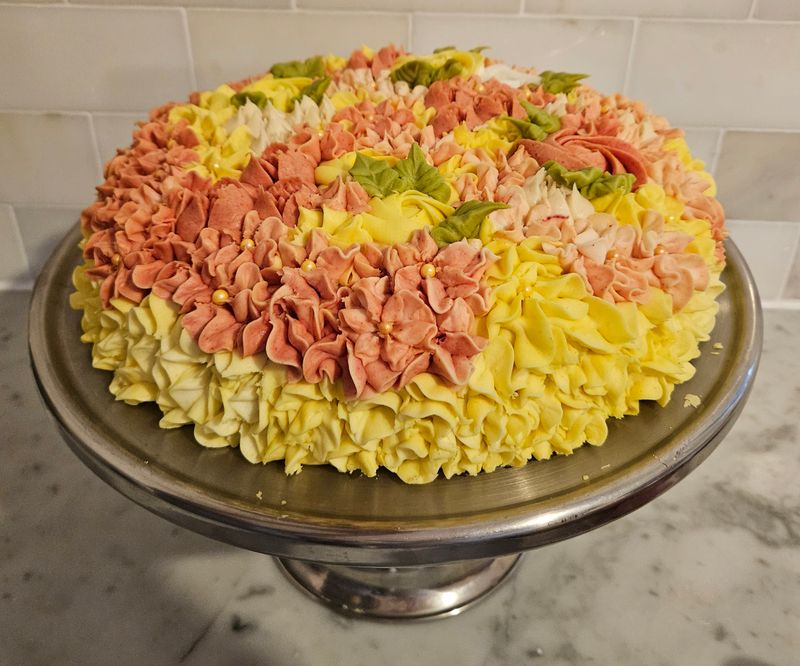
Imagine a dessert that captures the salty breeze and sunshine of the Carolina coast in every bite. Atlantic Beach Pie is a lemon lover’s dream, featuring a tangy lemon curd filling nestled in a crust made from crushed saltine crackers.
The salty-sweet combination creates a flavor explosion that perfectly mirrors a day at the beach.
Chef Bill Smith from Crook’s Corner in Chapel Hill brought this coastal gem into the spotlight back in 2011, though locals had been enjoying it for generations before. The pie is typically topped with a cloud of whipped cream and finished with a sprinkle of sea salt.
That cracker crust isn’t just quirky, it adds a unique texture and subtle saltiness that balances the tart lemon perfectly.
What makes this dessert so special is its simplicity. You don’t need fancy baking skills or hard-to-find ingredients.
The crackers create a sturdy base that holds up beautifully, while the lemon filling delivers that refreshing zing you crave on a hot summer day.
Families across the coast have passed down their own versions, each with slight tweaks. Some add extra salt, others adjust the lemon ratio.
No matter the variation, one thing stays constant: this pie tastes like a seaside vacation, even if you’re hundreds of miles from the ocean.
2. Calabash-Style Seafood
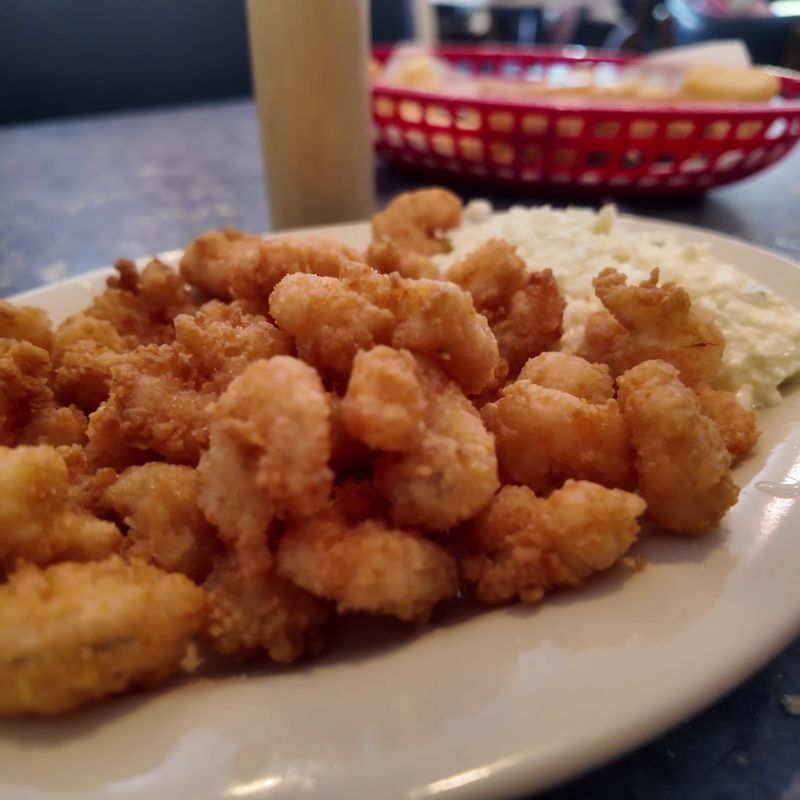
Crispy, golden, and so light it practically floats off your plate, that’s the magic of seafood prepared in this famous Southern style. Calabash earned its title as the “Seafood Capital of the World” by perfecting a frying technique that lets fresh shrimp, fish, and oysters shine without drowning them in heavy batter.
The secret lies in a delicate coating that fries up crispy while keeping the seafood tender and juicy inside.
Walking into any restaurant in this small coastal town feels like joining a big family fish fry. The aroma of frying seafood fills the air, and plates piled high with shrimp, flounder, and hush puppies appear faster than you can say “pass the tartar sauce.” This isn’t fancy dining, it’s honest, delicious food served with generous portions and genuine Southern hospitality.
What sets this style apart from other fried seafood is the lightness of the breading. Instead of thick, doughy coatings, the batter is thin and crispy, creating a satisfying crunch without overpowering the natural sweetness of the seafood.
Fresh catch gets priority, and you can taste the difference in every bite. Restaurants throughout North Carolina now serve this iconic style, bringing a taste of the coast to inland cities.
3. Moravian Chicken Pie
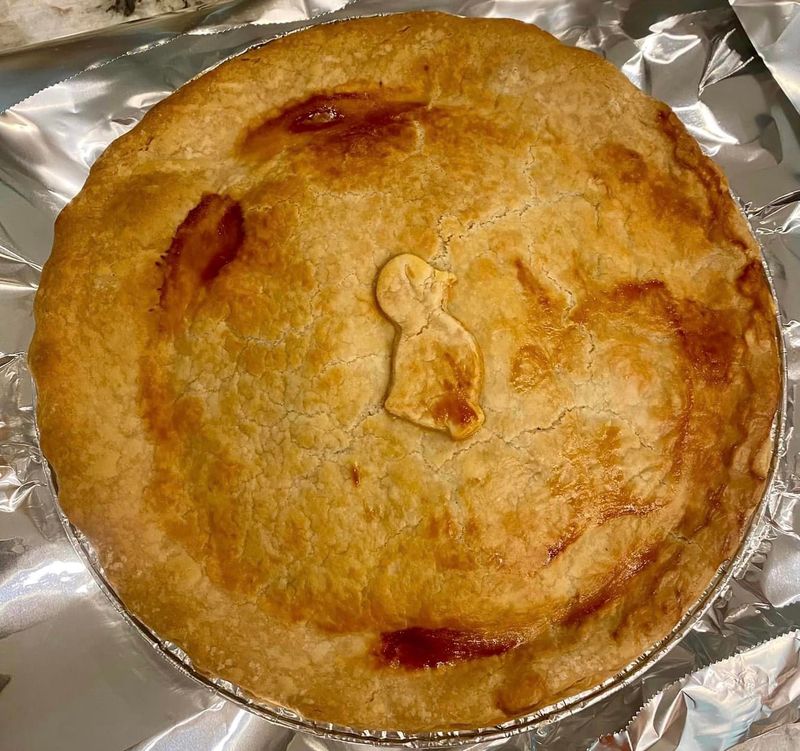
Forget everything you think you know about chicken pot pie, this historic creation from the Moravian settlement plays by different rules. Moravian Chicken Pie features large chunks of tender chicken swimming in a rich, peppery broth thickened just enough to coat your spoon.
There’s no top crust here, just a flaky pastry bottom that soaks up all that savory goodness.
The Moravian settlers who founded Salem (now part of Winston-Salem) brought this recipe from Europe centuries ago. They valued simple, hearty meals that could feed a crowd without breaking the bank.
This pie delivers exactly that, comfort food at its finest, seasoned with plenty of black pepper that gives it a distinctive kick you won’t find in typical chicken pies.
What surprises first-timers is the generous amount of broth. This isn’t a thick, gravy-heavy pie.
Instead, the chicken pieces practically swim in a flavorful liquid that’s meant to be soaked up with that buttery bottom crust or spooned up like stew.
Traditional recipes keep things straightforward, chicken, broth, pepper, salt, and pastry. No vegetables cluttering up the works, no fancy herbs trying to steal the show.
The focus stays squarely on quality chicken and that signature peppery punch that warms you from the inside out. Church suppers and family gatherings throughout the Piedmont still feature this beloved dish, keeping a delicious piece of history alive.
4. Sonker
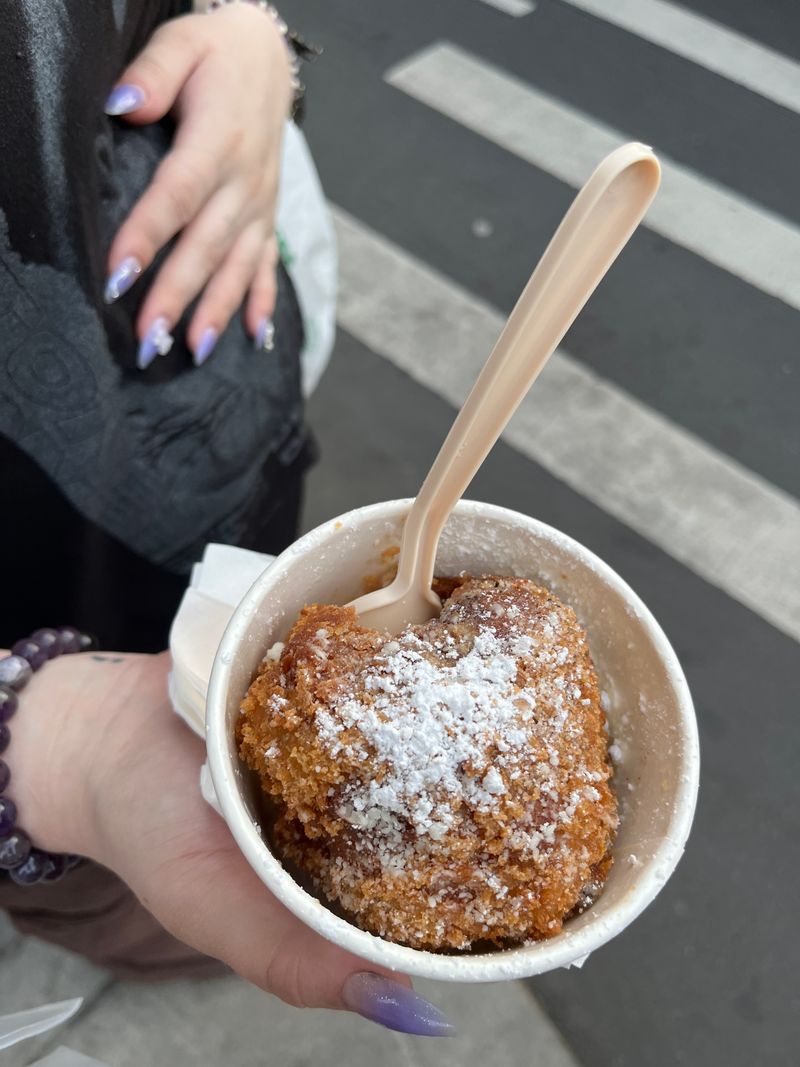
Call it a cobbler, call it a pie, but folks in Surry County know better, this deep-dish fruit dessert is a sonker, and it’s in a category all its own. Sonker is a rustic, free-form dessert that combines whatever fruit is in season with a thick, biscuit-like topping that bakes up golden and slightly crispy on the edges.
The real kicker? It’s traditionally served with “dip,” a sweet milk sauce that you pour over the warm dessert.
Nobody knows exactly where the name came from, but theories abound. Some say it’s because the fruit “sinks” into the batter.
Others claim it’s just a mountain variation of the word “something.” Whatever the origin, this dessert has become Surry County’s claim to fame, celebrated at festivals and church dinners throughout the region.
The beauty of sonker lies in its flexibility. Peach, apple, blackberry, or even sweet potato, any filling works as long as you’ve got that thick, cake-like topping to balance it out.
The texture falls somewhere between a cobbler and a pudding cake, with fruit juices bubbling up through the dough as it bakes.
That milk dip, though, that’s what makes sonker truly special. Made from milk, sugar, and butter, it’s poured generously over each serving, soaking into the warm dessert and creating a creamy, dreamy combination.
One taste and you’ll understand why Surry County residents guard their family recipes like treasure maps.
5. Surry Ground Steak
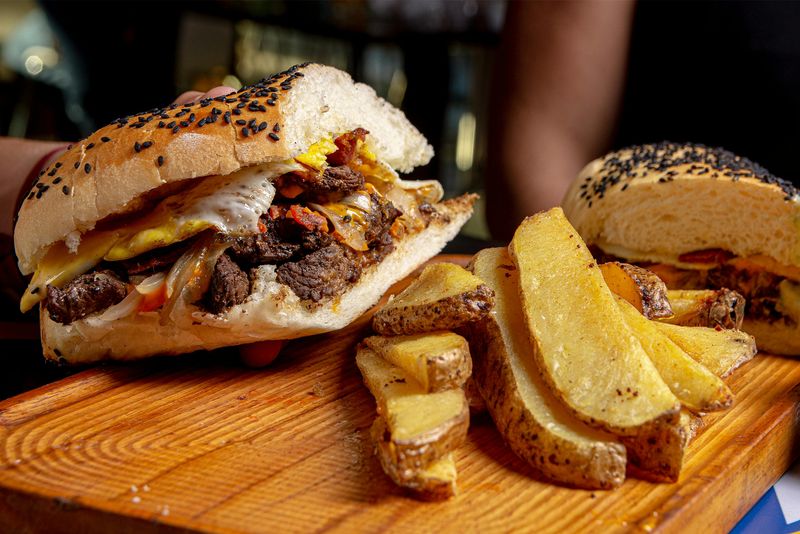
Don’t let the fancy name fool you, this is a working-class hero of a sandwich that’s fueled hungry folks in the foothills for decades. Surry Ground Steak is basically a seasoned ground beef patty, grilled or fried until crispy on the edges, then served on a bun with all the fixings.
Think of it as a hamburger’s more flavorful, regional cousin that knows how to pack a punch.
Local diners and small-town restaurants throughout Surry County have been slinging these sandwiches since the mid-20th century. The “steak” designation gives ground beef a little extra dignity, but make no mistake, this is honest, affordable food designed to fill you up without emptying your wallet.
The meat is often seasoned more heavily than a typical burger, with onions mixed right into the patty.
What separates a ground steak from a regular hamburger is both the seasoning and the cooking method. These patties get pressed thin on a hot griddle, developing a crispy, caramelized crust that adds incredible texture.
Topped with mustard, chili, slaw, or whatever combination your heart desires, each bite delivers serious satisfaction.
Small-town meat-and-three restaurants keep this tradition alive, serving ground steak alongside vegetables and sweet tea. It’s the kind of meal that reminds you why simple food, done right, never goes out of style.
No pretension, no fuss, just a delicious sandwich that’s fed generations of North Carolinians.
6. Livermush
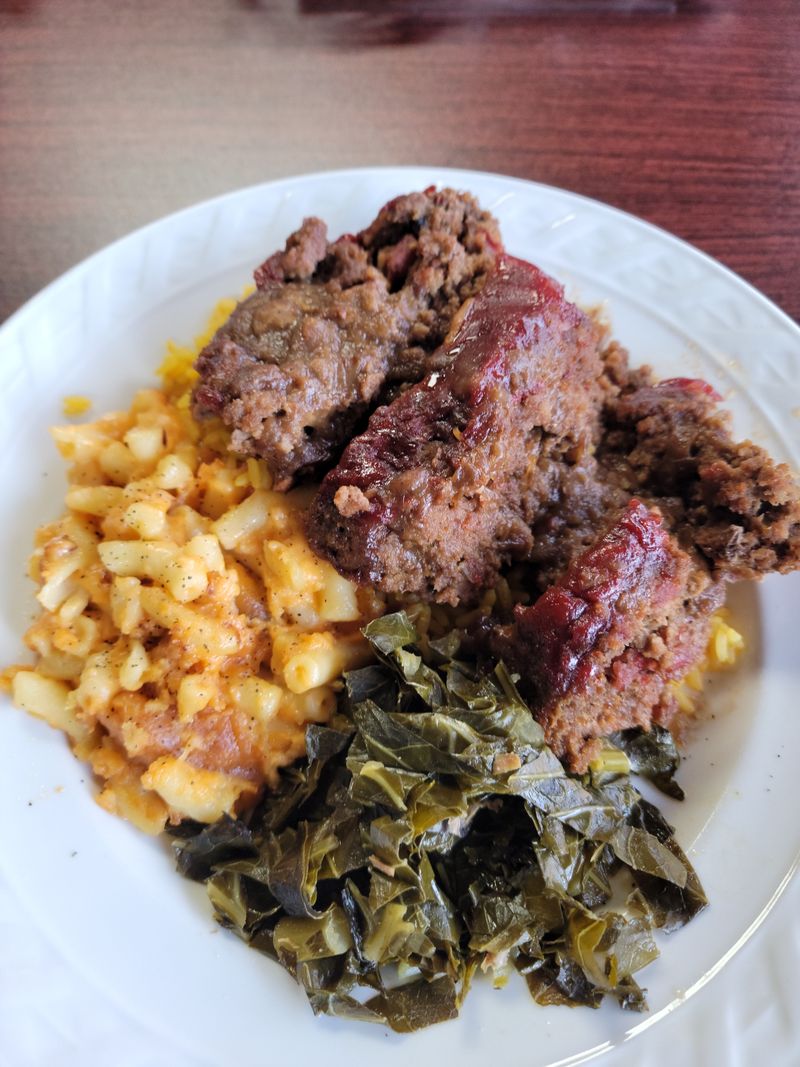
Here’s a dish that separates the adventurous eaters from the timid, and Western North Carolina residents wear their love for it like a badge of honor. Livermush combines pig liver, head parts, cornmeal, and spices into a loaf that’s sliced and fried until crispy on the outside.
Before you wrinkle your nose, know that this regional specialty has devoted fans who grew up eating it and wouldn’t trade it for anything.
The town of Shelby holds an annual Livermush Festival, celebrating this unique creation with music, vendors, and plenty of fried slices. Locals eat it for breakfast with eggs, on sandwiches, or even as a snack.
The cornmeal gives it a texture similar to scrapple or polenta, while the liver adds a distinctive, earthy flavor that’s surprisingly mild when cooked properly.
Making livermush is an old-school preservation technique that uses every part of the pig, reflecting the resourcefulness of mountain communities. Nothing went to waste, and creative cooks found ways to make even humble ingredients taste delicious.
The mixture gets cooked, pressed into loaves, then chilled until firm enough to slice.
When you fry those slices, magic happens. The edges get wonderfully crispy while the inside stays soft and flavorful.
Spread it on toast, tuck it into a biscuit, or serve it alongside grits, livermush is comfort food for those who know that the best flavors often come from the most unexpected places.
7. Calabash Omelette
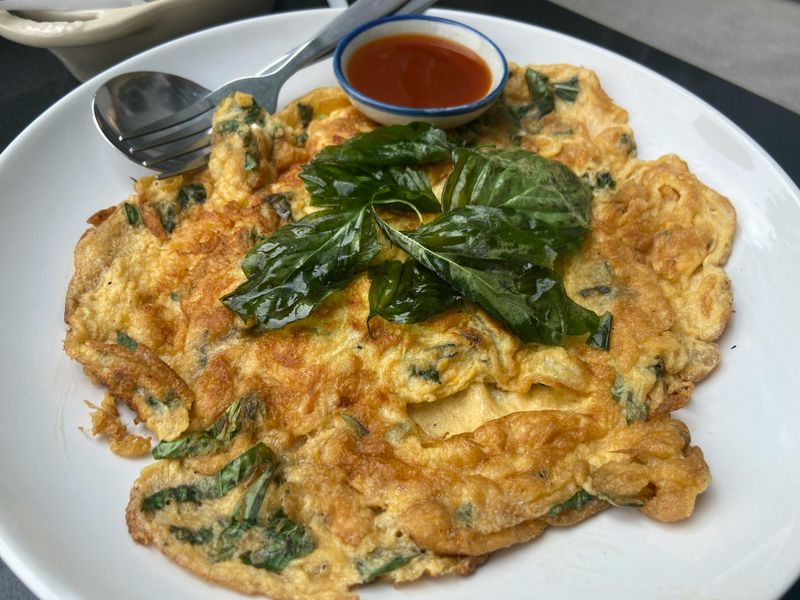
Breakfast gets a coastal upgrade when you stuff an omelette with the same crispy, lightly battered seafood that made Calabash famous. Calabash Omelette is exactly what it sounds like, fluffy eggs folded around fried shrimp, crab, or a combination of seafood, often with cheese and peppers thrown in for good measure.
It’s surf-and-turf before lunch even crosses your mind.
Restaurants in and around this seafood-loving town started offering this breakfast twist to use leftover fried seafood from the night before. Why let perfectly good shrimp go to waste when you could turn it into the most indulgent breakfast imaginable?
The combination of creamy eggs and crispy seafood creates a texture contrast that wakes up your taste buds faster than any cup of coffee.
Making one at home is easier than you’d think. Start with your favorite omelette base, then add chopped fried shrimp or crab.
Some folks include diced tomatoes, green onions, or a sprinkle of Old Bay seasoning for extra coastal flair. The key is not overloading the eggs, you want enough seafood to taste in every bite without turning your omelette into a lumpy mess.
While this isn’t an ancient traditional dish like some others on this list, it perfectly captures the spirit of Calabash, taking fresh seafood and finding new, delicious ways to enjoy it. Whether you’re fueling up for a day at the beach or just want to feel fancy on a Tuesday morning, this omelette delivers serious flavor.
8. Chicken Mull
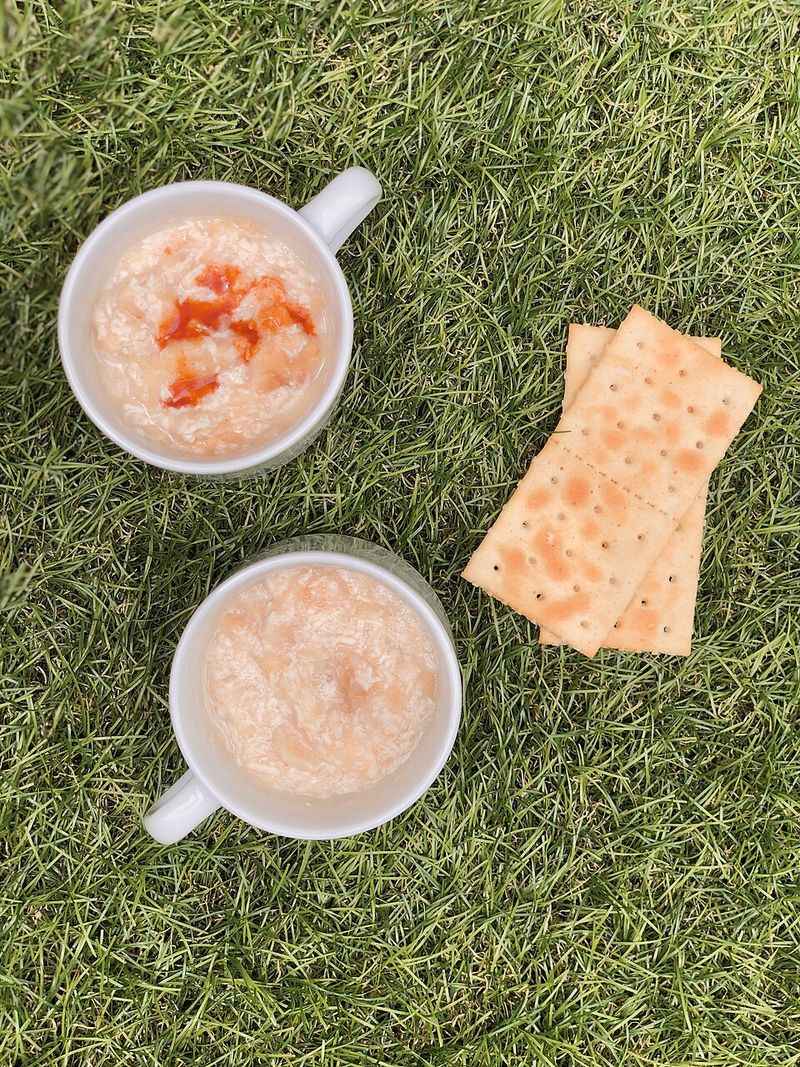
Small-town festivals and church fundraisers across eastern North Carolina wouldn’t be complete without a steaming pot of this communal stew. Chicken Mull is a creamy, peppery chicken soup traditionally cooked in huge batches and served to crowds gathered for a good cause.
The name might sound strange, but the taste is pure comfort, tender chicken in a rich broth thickened with milk or cream and seasoned generously with black pepper.
Bear Grass and other tiny communities in Martin County have kept this tradition alive for generations. Volunteers gather to cook enormous pots of mull, stirring constantly to prevent the bottom from scorching.
It’s social cooking at its finest, with recipes passed down through families and friendly debates about the “right” way to season it.
The base starts with a whole chicken simmered until fall-apart tender. Once the meat is shredded and returned to the pot, milk and butter get added, creating a creamy (but not thick) consistency.
Crackers are a must for serving, you’ll want something to soak up every last drop of that peppery broth.
What makes mull special isn’t just the recipe, it’s the reason behind it. This dish brings communities together, raising money for volunteer fire departments, churches, and local causes.
Eating a bowl connects you to a tradition of neighbors helping neighbors, one delicious spoonful at a time. It’s food that nourishes both body and community spirit.
9. Carolina-Style Hotdog/Burger All The Way
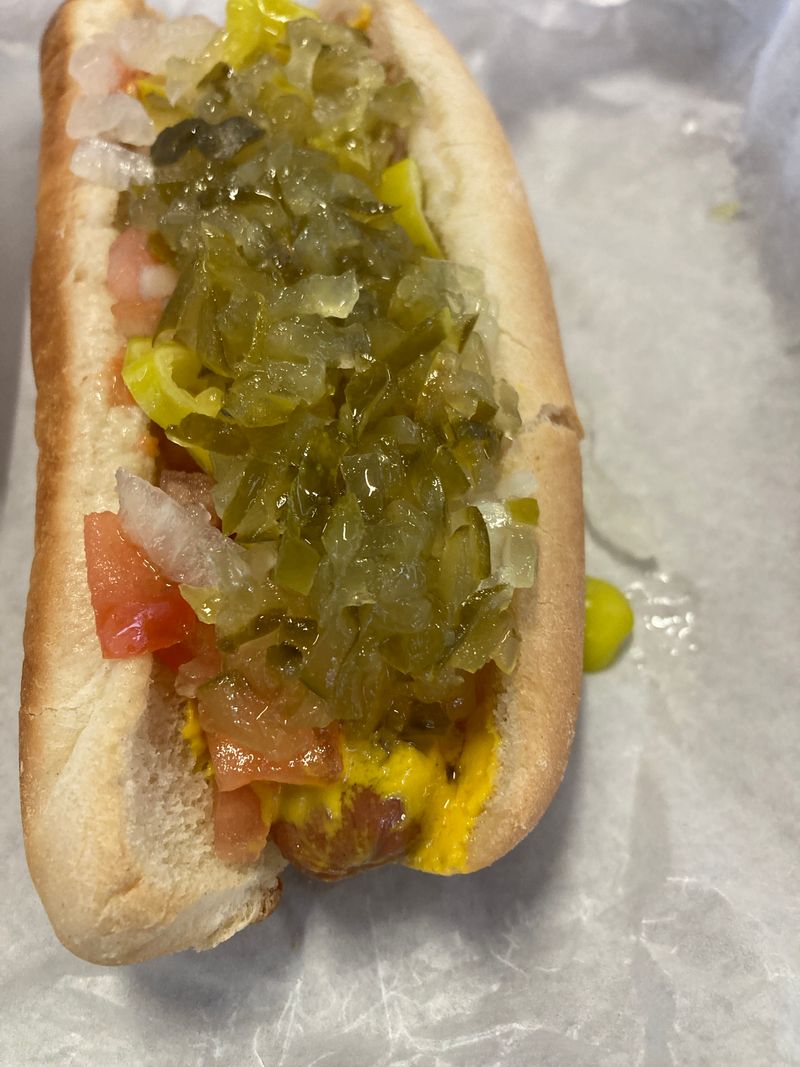
Walk into any old-school hot dog stand in North Carolina’s Piedmont region and order yours “all the way”, the counter staff will know exactly what you mean. Carolina-Style All the Way means your hot dog or burger comes loaded with chili, mustard, onions, and coleslaw, creating a messy, magnificent combination that requires extra napkins and zero regrets.
This isn’t just a topping preference, it’s a regional identity.
The tradition traces back to Greek and Lebanese immigrants who opened small diners and hot dog stands throughout North Carolina in the early 1900s. They created a distinctive chili recipe, finely ground beef in a seasoned tomato sauce that’s more sauce than chunks.
Combined with the cool crunch of slaw and the sharp bite of mustard, every element plays its part perfectly.
What surprises outsiders is the coleslaw. Many regions consider slaw a side dish, but in North Carolina, it belongs right on top of your hot dog.
The cool, creamy slaw balances the warm chili and adds a refreshing crunch that keeps each bite interesting. Yellow mustard ties everything together with its tangy zip.
10. Mt. Olive Pickles
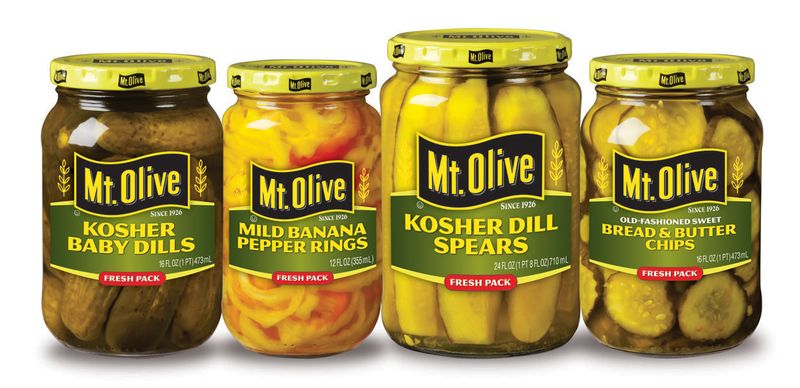
Crunchy, tangy, and proudly bearing the name of their hometown, these pickles have been a North Carolina staple since 1926. Mt.
Olive Pickles come in every variety you can imagine, dills, bread-and-butter, spicy, kosher, but they all share that perfect snap and balanced brine that makes you reach for just one more. The company started small, with local cucumbers and a commitment to quality that still drives production today.
The town of Mount Olive built its economy around cucumber farming, and the pickle company became its biggest success story. Drive through town during harvest season, and you’ll see fields of cucumbers ready for picking.
That farm-to-jar freshness makes a real difference, these aren’t mushy, sad pickles floating in questionable liquid. They’re crisp, flavorful, and exactly what a pickle should be.
Beyond just snacking straight from the jar (though that’s perfectly acceptable), Mt. Olive pickles show up in countless North Carolina kitchens.
They’re chopped into potato salad, layered on sandwiches, fried up as appetizers, or served alongside barbecue. The company has expanded way beyond its small-town roots, but production still happens right there in Mount Olive.
What started as a local cooperative has become a point of state pride. North Carolinians spot those jars in grocery stores across the country and feel a little surge of home-state pride.
It’s proof that small towns can create big flavors, and that sometimes the simplest foods, done right, become legendary.
11. Moravian Sugar Cake
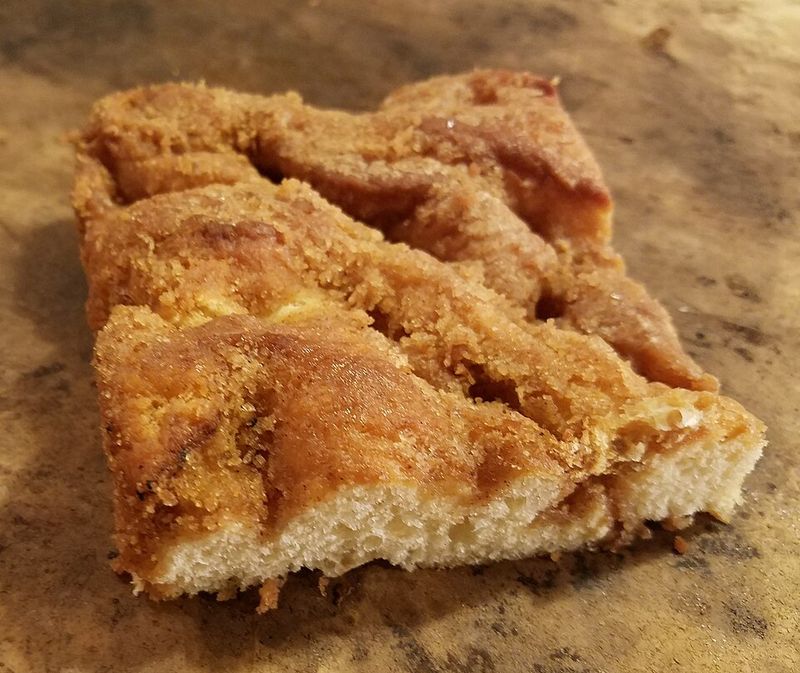
Soft, buttery, and dotted with pockets of cinnamon-sugar goodness, this sweet bread is the edible embodiment of Moravian heritage in Winston-Salem. Moravian Sugar Cake features a yeast-raised dough that’s pressed into pans, then dimpled all over with your fingertips.
Those little wells get filled with butter and a generous coating of cinnamon sugar before baking, creating caramelized pockets of sweetness that make every bite different.
The Moravian settlers brought this recipe from Europe in the 1700s, baking these cakes for holidays and special occasions. The tradition has survived centuries, with bakeries in Old Salem still using recipes passed down through generations.
During Christmas season, the aroma of baking sugar cake fills the historic district, drawing crowds of locals and tourists alike.
What makes this cake special is the texture, the it’s not quite bread, not quite cake, but something wonderfully in between. The potato in the dough keeps it incredibly moist and tender, while the butter-sugar topping adds richness and crunch.
Served warm, preferably with coffee, it’s the kind of treat that makes you understand why traditions survive.
You can find frozen versions in grocery stores throughout North Carolina, ready to bake at home. But nothing beats a fresh-baked cake from one of the Moravian bakeries in Winston-Salem, where bakers still shape each cake by hand and fill those dimples with the same care their ancestors did centuries ago.
It’s history you can taste.