North Carolina Experts Reveal 12 Couch Colors To Avoid
Choosing the right couch color can make or break your living room’s vibe, and North Carolina designers have strong opinions about which shades miss the mark.
Some colors clash with the state’s natural light, while others just feel outdated or hard to match.
Understanding which couch colors to skip will save you from costly mistakes and help create a space you’ll love for years to come.
1. Pure White
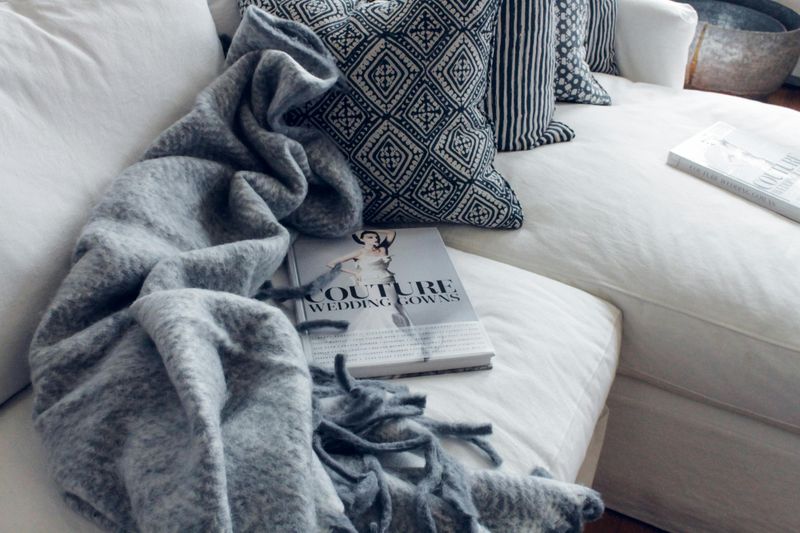
Stains become instant headaches when you choose a pure white couch for your home.
North Carolina Furniture & Mattress at 421 Denbigh Blvd in Newport News showcases countless sofas, but their designers warn against this pristine shade.
Kids spill juice, pets leave muddy paw prints, and even clean hands somehow create mysterious marks.
White reflects every bit of dirt and demands constant cleaning that exhausts homeowners.
The color also clashes with North Carolina’s warm, earthy tones found in local hardwoods and natural landscapes.
Sunlight streaming through windows can make white couches appear harsh and glaring instead of cozy.
Designers suggest oatmeal or warm linen shades that hide minor imperfections while maintaining brightness.
These alternatives offer the light feel without the maintenance nightmare.
Your living room should invite relaxation, not stress about every possible spill.
Pure white simply doesn’t fit the practical needs of most North Carolina families.
2. Beige Undertone Yellow
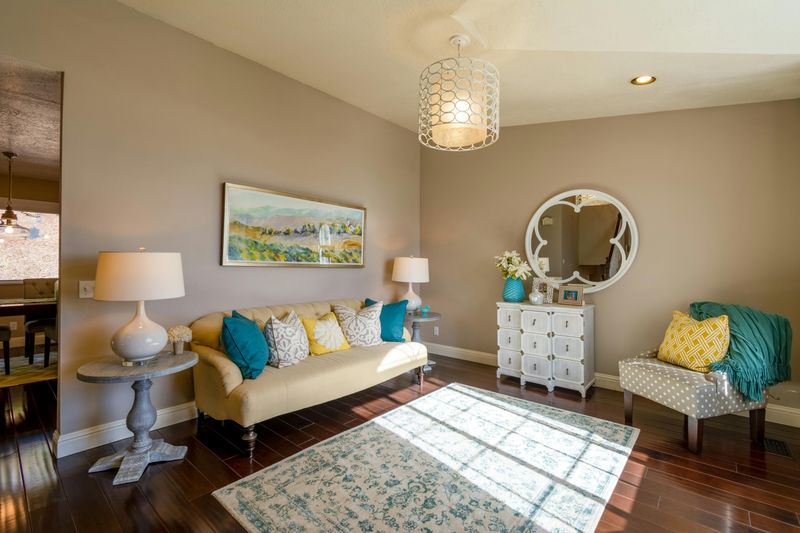
Walking into a room with a beige undertone yellow couch feels like stepping into a faded photograph.
This color lacks personality and often disappears against neutral walls, creating zero visual interest.
North Carolina’s abundant natural light exposes how flat and lifeless this shade truly appears.
The beige undertone drains any warmth that yellow typically brings, leaving behind something neither cheerful nor sophisticated.
Furniture experts across the state recommend skipping this wishy-washy option entirely.
Instead, golden honey tones or rich saffron shades provide actual character and depth.
These bolder yellows complement the state’s autumn foliage and bring genuine warmth indoors.
Beige undertone yellow tries to play it safe but ends up playing it boring.
Your couch should be a conversation starter, not something guests overlook completely.
This muddy middle ground satisfies nobody and ages poorly as trends shift toward more decisive color choices.
3. Neon or Bright Lime Green
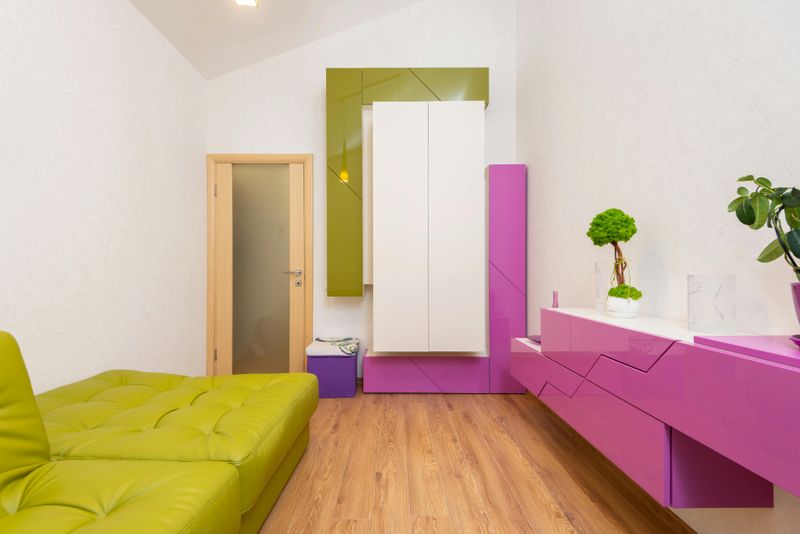
Imagine trying to relax after a long day on a couch that practically glows in the dark.
Neon or bright lime green sofas assault your eyes instead of soothing them, creating visual chaos.
This aggressive shade overwhelms every other element in your room, from artwork to curtains.
North Carolina designers consistently rank this among their top decorating don’ts for good reason.
The color fights against the state’s natural palette of blues, greens, and earth tones.
Finding throw pillows, rugs, or wall colors that complement neon lime becomes a frustrating puzzle.
After a few months, most homeowners grow tired of the intensity and regret their bold choice.
Forest green or sage alternatives provide freshness without the migraine-inducing brightness.
These softer greens connect beautifully with North Carolina’s lush outdoor scenery.
Your furniture should enhance your mood, not jangle your nerves every time you enter the room.
4. Hot Pink
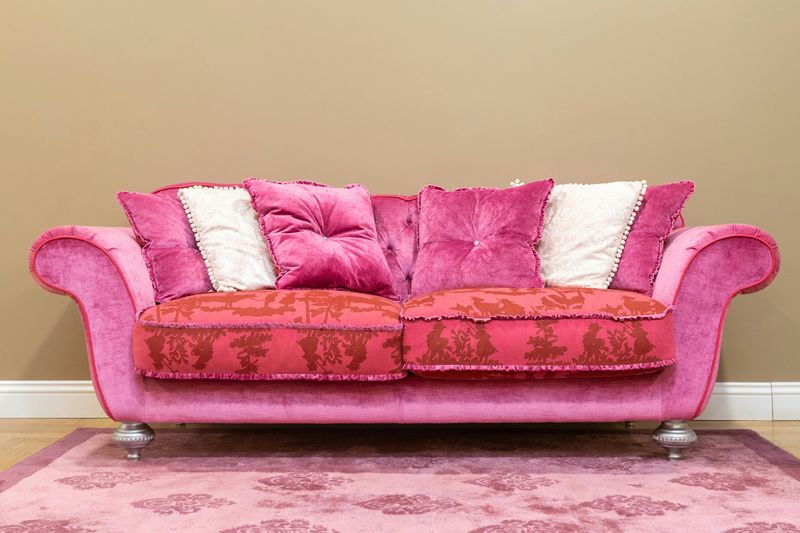
Some colors belong in a teenager’s bedroom rather than a sophisticated living space.
Hot pink couches scream for attention but rarely receive compliments from guests or designers.
This intense shade limits your decorating options dramatically, boxing you into specific themes.
North Carolina homes typically embrace timeless elegance over trendy statements that quickly feel dated.
The color can make rooms feel smaller and more chaotic, especially in traditional Southern interiors.
Matching decor becomes a constant challenge as hot pink clashes with most neutral palettes.
Even pink lovers find this shade too aggressive for a furniture piece meant to last years.
Dusty rose or blush tones offer feminine charm without the overwhelming intensity.
These gentler pinks work beautifully with the state’s classic design sensibilities.
A couch represents a significant investment that should grow with your changing tastes.
Hot pink rarely stands the test of time.
5. Peacock Blue
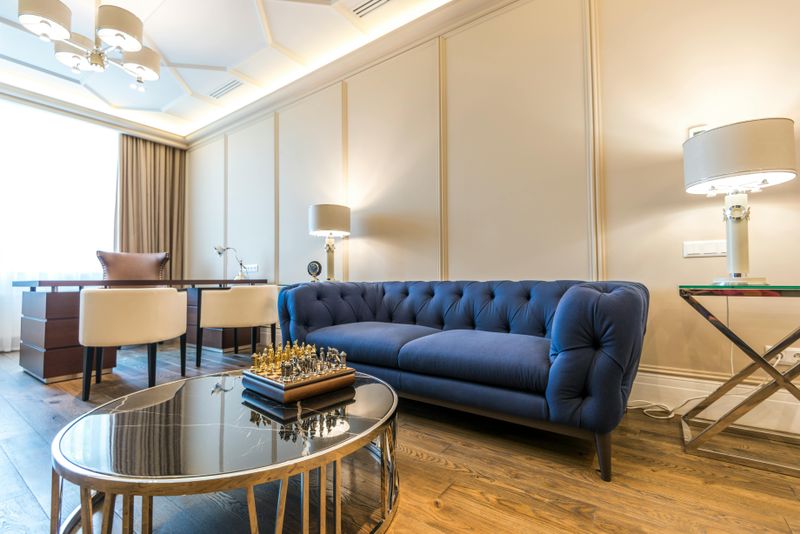
Peacock blue promises drama but often delivers decorating headaches instead.
This jewel tone looks stunning in fabric swatches yet overwhelms actual living spaces with its intensity.
The color carries formal vibes that make casual family gatherings feel stiff and uncomfortable.
North Carolina’s relaxed coastal and mountain lifestyles clash with this uptight shade.
Peacock blue also shows every bit of dust and pet hair, requiring constant maintenance.
The teal undertones can appear dated, reminding visitors of trends from decades past.
Finding complementary colors becomes tricky as peacock blue dominates rather than coordinates.
Softer navy or denim blues provide depth without the theatrical excess.
These alternatives suit North Carolina’s easygoing elegance much better than aggressive jewel tones.
Your living room should feel welcoming, not like a museum exhibit.
Peacock blue creates barriers instead of inviting people to sit down and stay awhile.
6. Mustard Yellow
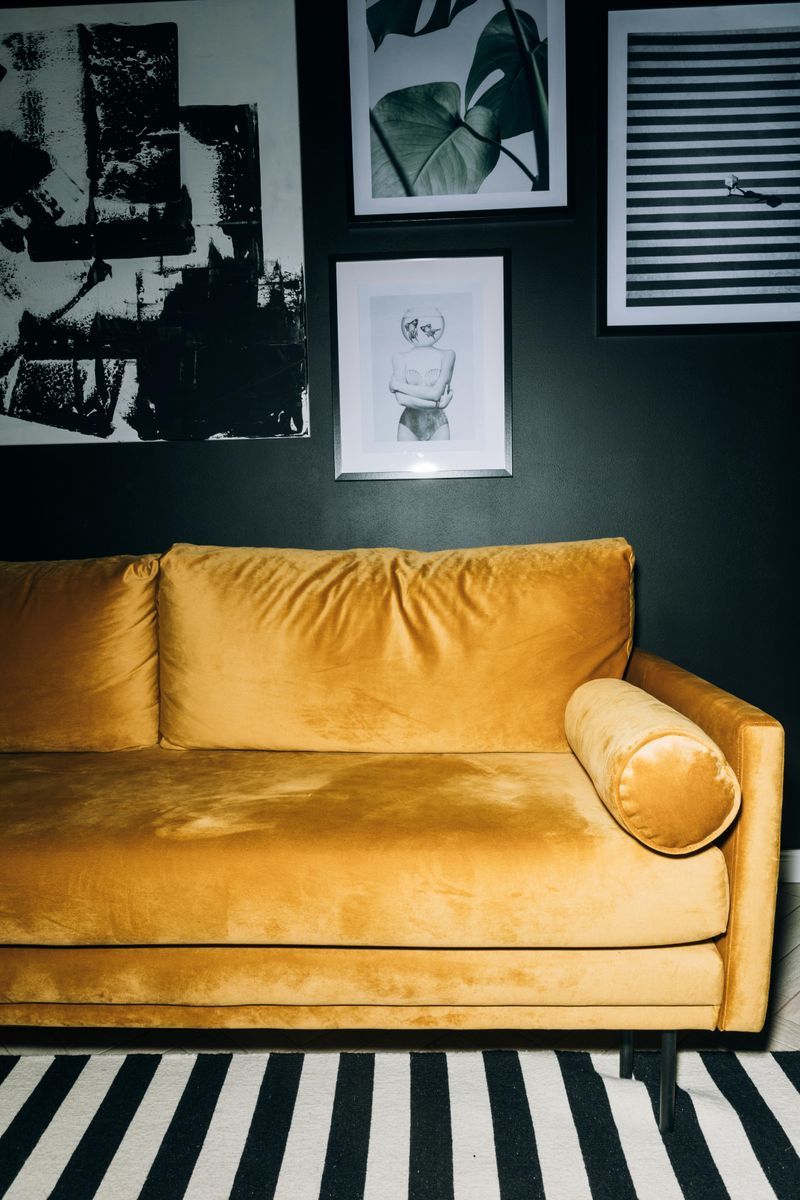
Once a mid-century modern darling, mustard yellow now feels like a trend that overstayed its welcome.
This particular shade dominated design magazines a decade ago but has lost its fresh appeal.
North Carolina showrooms report declining interest as homeowners seek more timeless options.
The color can make rooms feel darker rather than brighter, especially in spaces with limited windows.
Mustard yellow also clashes with the warm neutrals currently popular in Southern interiors.
Its heavy, muddy quality lacks the cheerfulness that yellow should naturally bring.
Coordinating pillows and throws becomes challenging as this shade fights most other colors.
Buttery yellows or soft gold tones offer warmth without the dated association.
These alternatives complement North Carolina’s natural light beautifully without screaming specific eras.
Furniture should feel current for years, not remind you of a specific design moment.
Mustard yellow belongs in the past, not your future living room.
7. Neon Orange
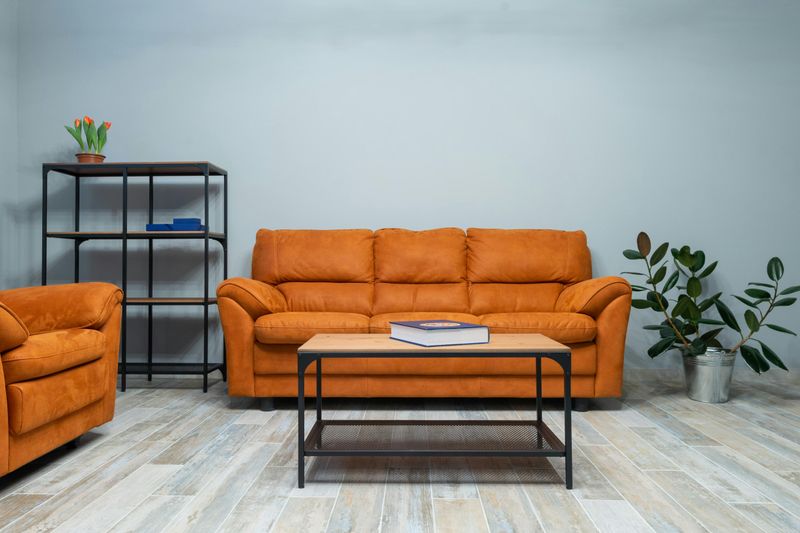
Few furniture choices spark immediate regret quite like a neon orange couch.
This eye-searing shade belongs in sports stadiums, not spaces meant for relaxation and comfort.
North Carolina designers unanimously agree this color crosses the line from bold to unbearable.
The intensity makes rooms feel chaotic and prevents any sense of peaceful retreat.
Neon orange clashes violently with wood tones common in Southern homes and mountain cabins.
Guests often don’t know where to look, as the couch demands attention in the worst way.
Decorating around this shade becomes nearly impossible without creating visual disasters.
Burnt orange or terracotta alternatives provide warmth and earthiness without the assault.
These tones connect beautifully with North Carolina’s autumn colors and natural landscapes.
Your furniture should enhance your space, not compete with everything else for dominance.
Neon orange fails this basic test spectacularly, leaving homeowners wishing they’d chosen differently.
8. Lavender Pastel
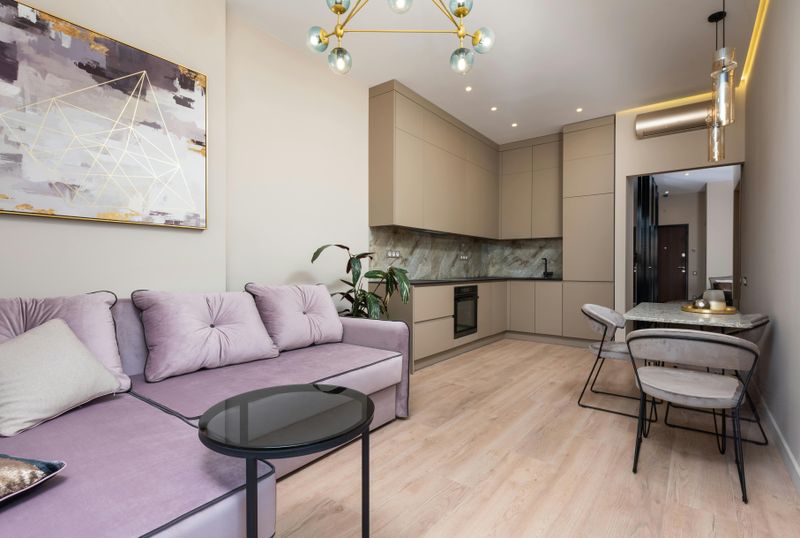
Lavender pastel couches often feel more suitable for dollhouses than actual homes.
This sugary shade lacks sophistication and can make adult living spaces feel childish.
North Carolina’s design community sees this color as overly sweet and difficult to style maturely.
The pale purple washes out under natural light, appearing even more insipid than intended.
Lavender pastel also shows dirt and wear quickly, losing its delicate appearance within months.
Matching this shade with other furniture proves frustrating as it fights warm and cool tones alike.
Most homeowners tire of the saccharine quality long before the couch wears out physically.
Deeper plum or eggplant shades offer purple’s richness without the juvenile associations.
These sophisticated alternatives work beautifully in North Carolina’s elegant traditional and modern homes.
Your main seating should project confidence and style, not remind visitors of baby nurseries.
Lavender pastel simply doesn’t deliver the grown-up aesthetic most spaces require.
9. Charcoal Gray With Blue Undertones
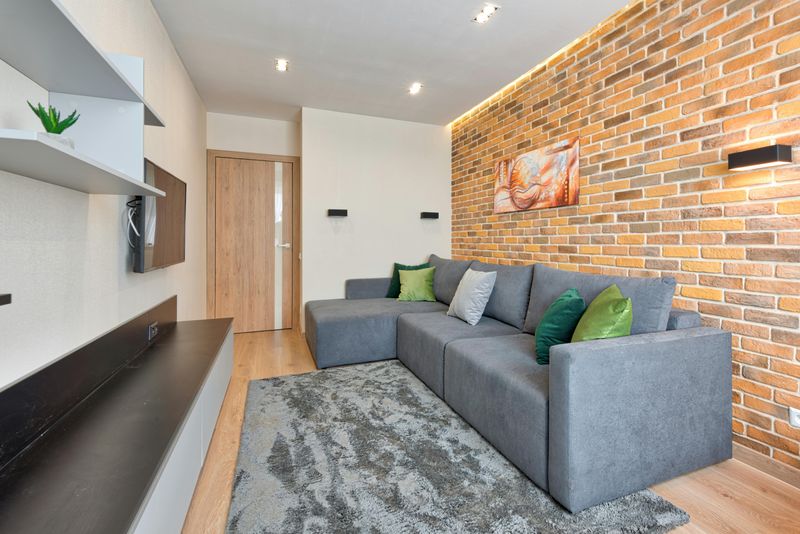
Rooms shrink visually when dominated by charcoal gray couches with blue undertones.
This particular shade creates cold, unwelcoming spaces that feel more like waiting rooms than homes.
North Carolina’s natural warmth and hospitality clash with this chilly color choice.
The blue undertones make the gray appear even more lifeless and depressing, especially during winter months.
Limited natural light common in many homes turns these couches into dark, gloomy focal points.
Guests hesitate to sit on furniture that looks this uninviting and severe.
The color also highlights every speck of dust and lint, requiring constant cleaning.
Warmer grays with taupe or mushroom undertones provide neutrality without the coldness.
These alternatives suit North Carolina’s friendly, comfortable aesthetic much better than icy charcoal.
Your living room should feel like a warm hug, not a cold shoulder.
Charcoal gray with blue undertones fails to create the welcoming atmosphere homes need.
10. Brown With Red Undertones
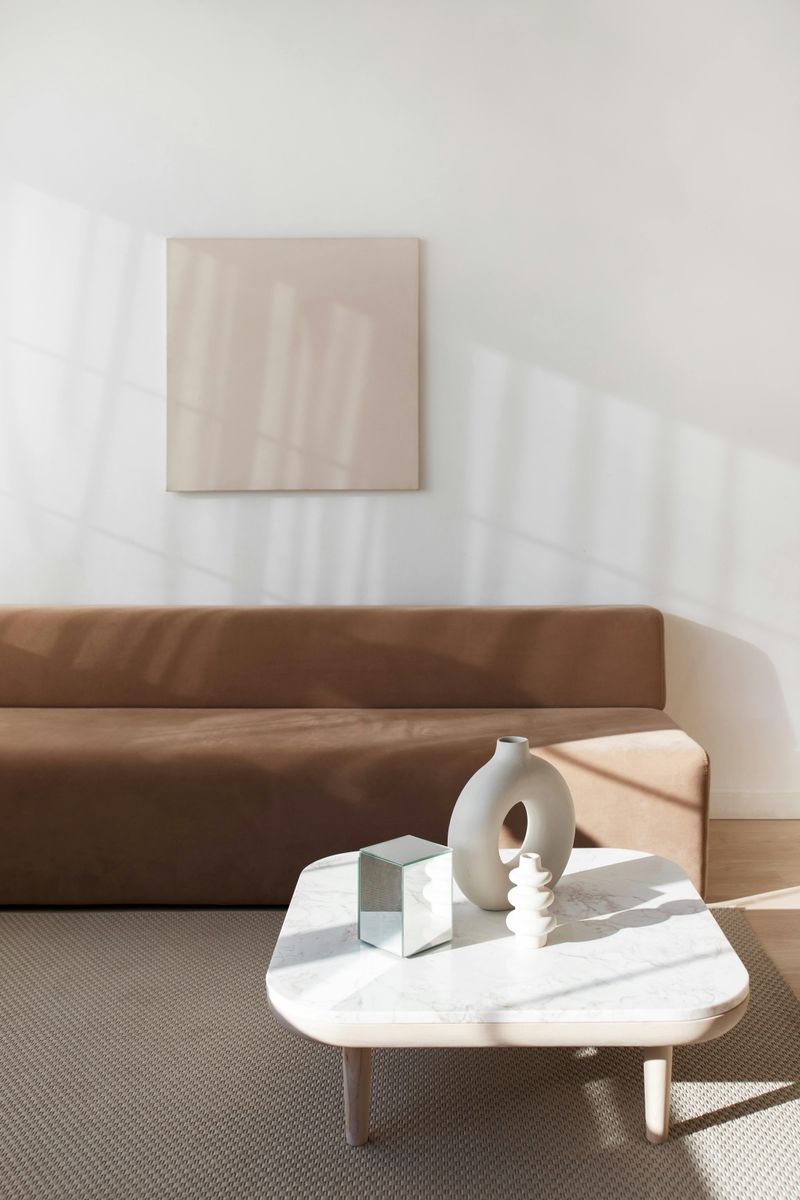
Certain browns carry red undertones that immediately date your entire living space.
This particular shade evokes memories of outdated furniture from decades past rather than current style.
North Carolina designers notice how these red-tinged browns clash with contemporary gray and white palettes.
The color can appear muddy and uninspired, lacking the richness that makes brown appealing.
Red undertones also fight against the cool tones popular in modern coastal and mountain homes.
Coordinating this shade with rugs, curtains, and wall colors becomes an exhausting exercise.
Most people choose this brown thinking it’s safe, only to realize it feels tired and dated.
Chocolate browns or rich espresso tones offer depth without the problematic red cast.
These alternatives work beautifully with North Carolina’s diverse design styles from traditional to contemporary.
Your furniture should feel current and fresh, not like hand-me-downs from another era.
Brown with red undertones misses the mark on both counts.
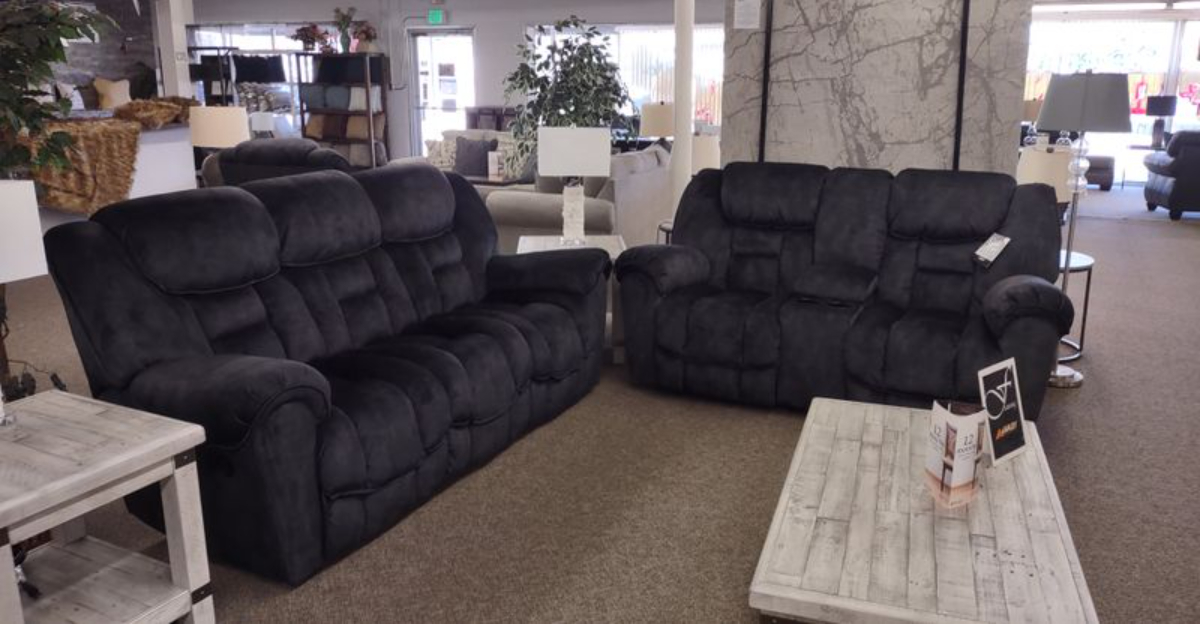
11. Black Microfiber
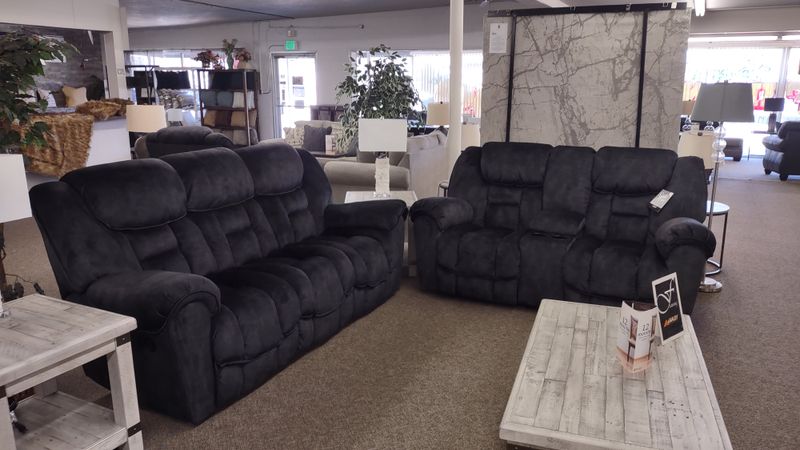
Black microfiber couches promise sophistication but deliver constant cleaning frustration instead.
Every speck of dust, pet hair, and lint shows dramatically against this dark surface.
North Carolina pet owners quickly discover that this color choice creates never-ending maintenance battles.
The black absorbs light rather than reflecting it, making rooms feel smaller and more closed-in.
Microfiber’s texture also attracts and holds debris more stubbornly than other fabric types.
Families with kids find snack crumbs and hand prints glaringly obvious on black surfaces.
The color can feel heavy and oppressive, especially in homes with limited natural light.
Charcoal or deep charcoal alternatives hide imperfections better while maintaining a dark aesthetic.
These shades work beautifully in North Carolina’s modern lofts and contemporary spaces without the maintenance nightmare.
Your furniture should simplify life, not create extra housework that never ends.
Black microfiber looks elegant in showrooms but disappoints dramatically in real homes.
12. Rich Burgundy Velvet
Olive green leather sofas offer a rich, earthy look but can bring unexpected upkeep challenges.
Scratches, scuffs, and body oils show more easily on leather than many realize.
North Carolina homeowners quickly notice that sunlight can fade or unevenly darken this shade over time.
The textured surface can trap dust in creases, requiring regular wiping and conditioning.
Spills, especially from kids or pets, risk leaving permanent marks if not treated immediately.
The deep green can feel heavy in smaller rooms or spaces lacking abundant natural light.
Leather needs periodic conditioning to prevent cracking, adding ongoing maintenance compared with fabric options.
Softer greens or muted sage tones achieve a similar aesthetic while hiding minor wear more gracefully.
These alternatives blend beautifully with North Carolina interiors, from mid-century modern to farmhouse styles.
An olive green leather sofa looks luxurious in stores but can demand more care than most buyers expect at home.