12 North Carolina Foods That Look Odd But Will Blow Your Mind
When you think of Southern cuisine, your mind probably jumps straight to fried chicken, biscuits, and sweet tea. But North Carolina has a whole other flavor story hiding just off the beaten path, one that might make you raise an eyebrow, giggle, or even scratch your head before your first bite.
From mysterious meat loaves and creamy chicken mull to Pepsi with peanuts and other quirky local treats, the Tar Heel State is packed with surprising dishes that are somehow strange, yet totally irresistible.
Every bite tells a story of tradition, creativity, and a little culinary mischief, proving that sometimes the weirdest foods are the most delicious. Ready to challenge your taste buds?
North Carolina’s classics are waiting to surprise, delight, and maybe even shock you, in the best way possible!
1. Livermush
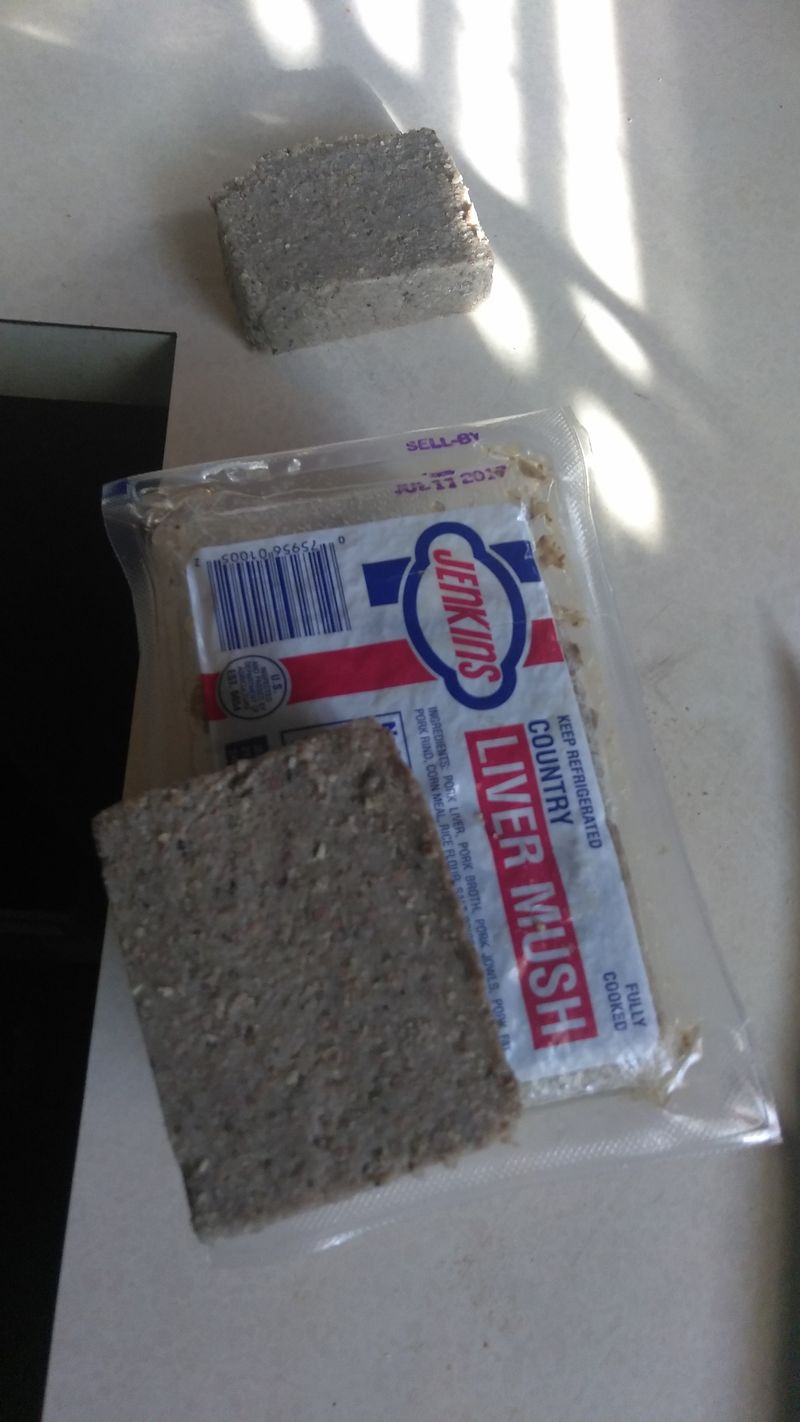
Picture a grayish-brown loaf sitting in the refrigerator case, and you might wonder who thought this was a good idea. Livermush combines pork liver, head parts, and cornmeal into a savory brick that’s been a Western North Carolina breakfast staple for generations.
The mixture gets seasoned with sage and black pepper, then formed into loaves that can be sliced and prepared in various ways.
Once you slice it and fry it until the edges get crispy and golden, something magical happens. The outside develops a satisfying crunch while the inside stays tender and flavorful.
Many locals serve it alongside eggs and grits, creating a hearty morning meal that fuels hard-working days.
The key to appreciating this dish is getting past the name and appearance. Some folks compare the taste to scrapple or a well-seasoned sausage patty, though livermush has its own distinct character.
Food festivals throughout the region celebrate this unusual delicacy, with the annual Livermush Exposition in Shelby drawing thousands of devoted fans. Whether you sandwich it between bread or eat it straight off the plate, this quirky creation represents mountain resourcefulness at its finest.
2. Cheerwine
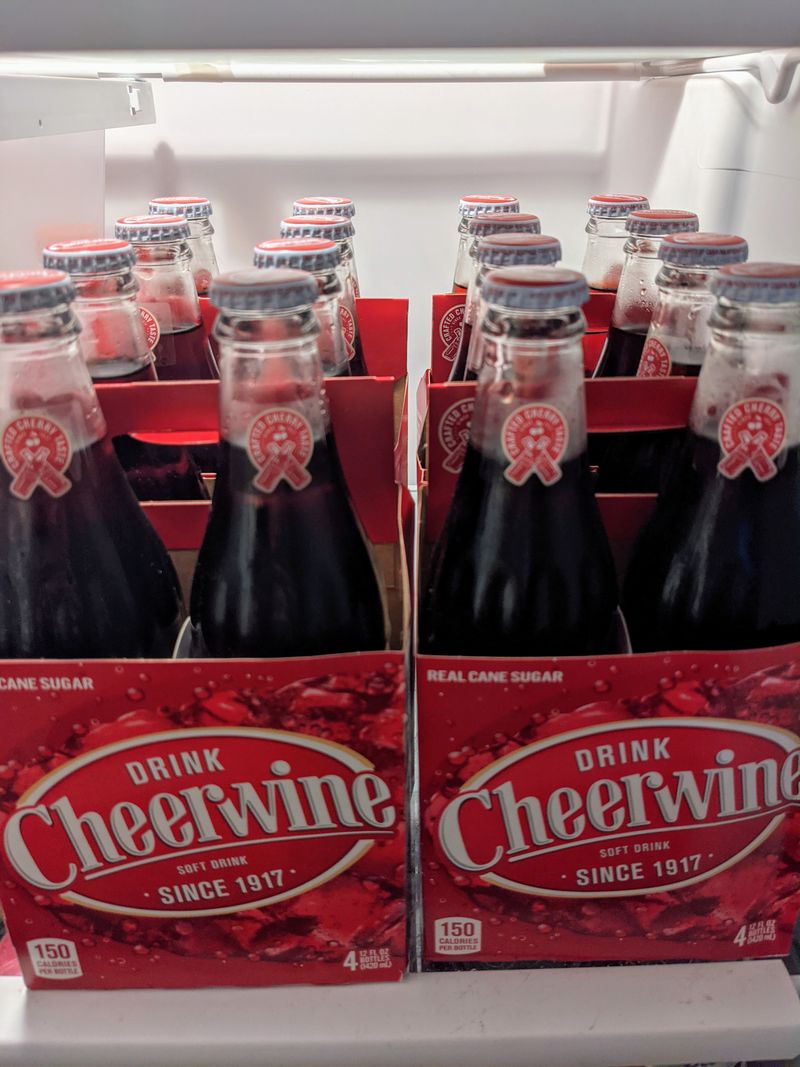
A burgundy-colored soda that’s been bubbling up in North Carolina since 1917 might sound like an alcoholic beverage, but it contains zero wine. Cheerwine emerged from a Salisbury general store when L.D.
Peeler experimented with flavoring syrup during a sugar shortage. The result became a regional obsession that continues more than a century later, with its distinctive cherry taste and deep red hue making it instantly recognizable.
The flavor profile sits somewhere between cherry cola and a sweeter fruit soda, with a unique taste that defies easy comparison. Locals use it in everything from barbecue glazes to cake recipes, and the classic Cheerwine float remains a summertime tradition.
The carbonation level gives it a pleasant fizz without overwhelming the cherry notes.
What makes this beverage truly special is how it’s woven into North Carolina culture. You’ll find it at cookouts, family reunions, and roadside diners throughout the state.
Some people swear by drinking it ice-cold from a glass bottle, claiming the experience beats canned versions. While it might look odd compared to mainstream sodas, one sip explains why generations of North Carolinians remain fiercely loyal to their hometown cherry drink.
3. Calabash-Style Seafood
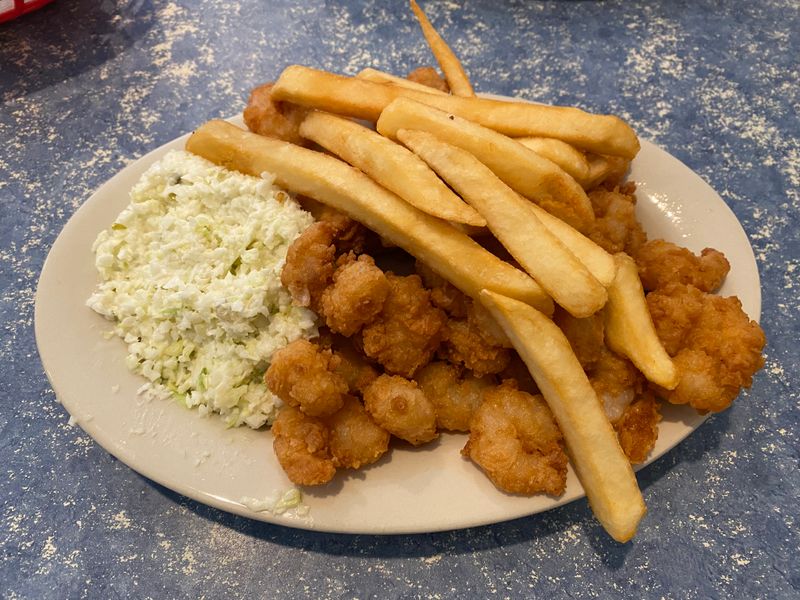
Golden mountains of fried seafood piled high on platters might not seem unusual until you learn about the super-light batter that makes this style unique. Named after the small coastal town of Calabash, this cooking method involves dipping fresh seafood in a thin, almost delicate coating before flash-frying it to crispy perfection.
The technique creates a completely different texture from heavy, thick batters used elsewhere.
Shrimp, flounder, oysters, and scallops all get the Calabash treatment, emerging from the fryer with barely-there crusts that let the seafood flavor shine through. The lightness means you can eat more without feeling weighed down, which explains why restaurants serve such generous portions.
Most establishments offer all-you-can-eat options because the cooking style doesn’t leave you feeling stuffed after a few pieces.
Restaurants along Highway 17 near the South Carolina border have turned this preparation method into an art form. Jimmy Buffett even sang about the Calabash seafood experience, cementing its place in Southern coastal culture.
The appearance might seem ordinary at first glance, but that impossibly light, crispy coating reveals a frying technique that took decades to perfect. Pair it with hushpuppies and coleslaw for the complete experience that keeps beach-goers coming back year after year.
4. Sonker
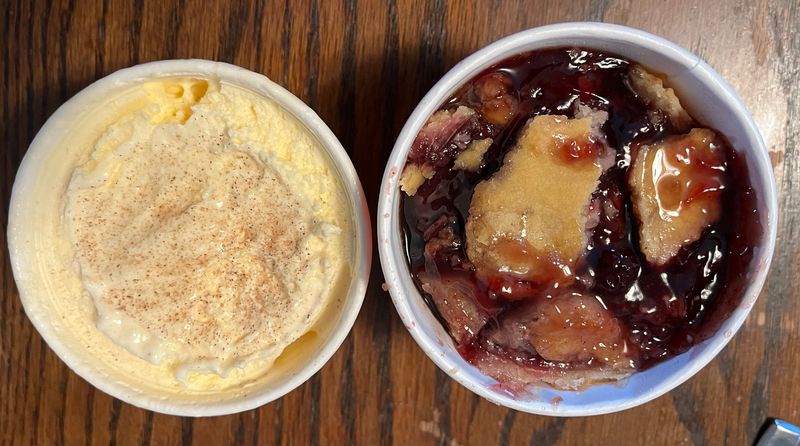
Forget everything you know about pies, cobblers, and crisps because Surry County created something that defies dessert categories. Sonker looks like a chaotic mess of fruit and dough baked together in a deep dish, with no fancy lattice work or perfectly crimped edges.
The fruit filling bubbles up through irregular patches of sweet batter, creating a rustic appearance that might make pastry chefs cringe but makes mountain families smile.
Traditional versions feature sweet potato, blackberry, or peach, though creative cooks experiment with whatever fruit is in season. The magic happens when you pour sweet milk sauce over the top, a thin, sugary cream that soaks into the warm dessert.
This finishing touch transforms the humble dish into something extraordinary, with the sauce pooling around the fruit and creating pockets of pure sweetness.
Some historians believe the name came from the word “something,” as in “let’s make something with these berries.” Others think it evolved from an old English dessert term. Regardless of its origins, sonker represents resourceful mountain cooking where appearance matters less than taste.
Annual sonker festivals celebrate this unique creation, with competitions judging everything from traditional recipes to wild experimental flavors that push boundaries while honoring tradition.
5. Pimento Cheese
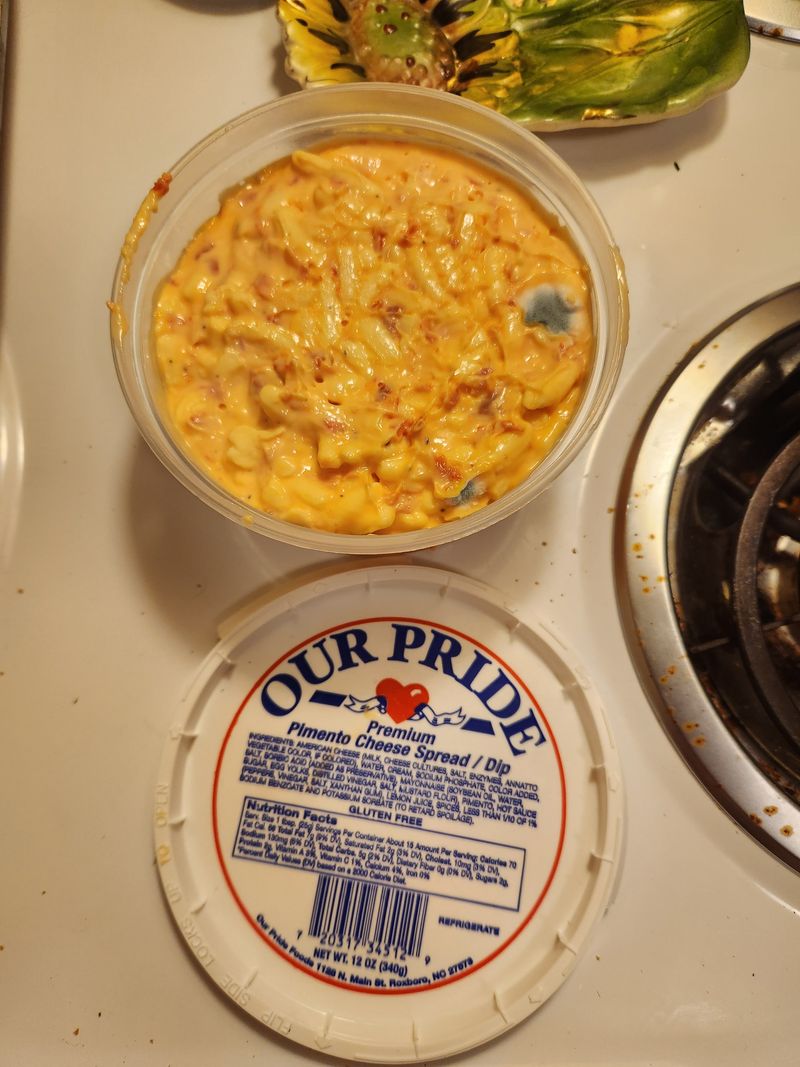
Bright orange spread flecked with red bits might not photograph well, but Southerners call it the caviar of their region for good reason. Pimento cheese combines sharp cheddar, mayonnaise, and sweet pimento peppers into a creamy mixture that defies its simple ingredient list.
The color alone makes some people hesitate, as the vivid orange hue looks almost artificial even though it comes from natural cheddar and peppers.
Every family guards their recipe like a state secret, with variations including cream cheese for extra smoothness, hot sauce for kick, or pickles for tang. Some prefer it chunky with visible cheese shreds, while others blend it smooth as butter.
The versatility makes it perfect for sandwiches, crackers, burgers, or straight from the bowl with a spoon when nobody’s watching.
What makes this spread truly special is how it shows up everywhere from gas station coolers to upscale restaurant menus. Golf tournaments at Augusta National made pimento cheese sandwiches famous, but North Carolina has been spreading it on white bread for generations before that.
The appearance might seem odd to outsiders, but locals know that orange glow signals comfort food that tastes like home, family gatherings, and lazy summer afternoons on the porch.
6. Pepsi with Peanuts
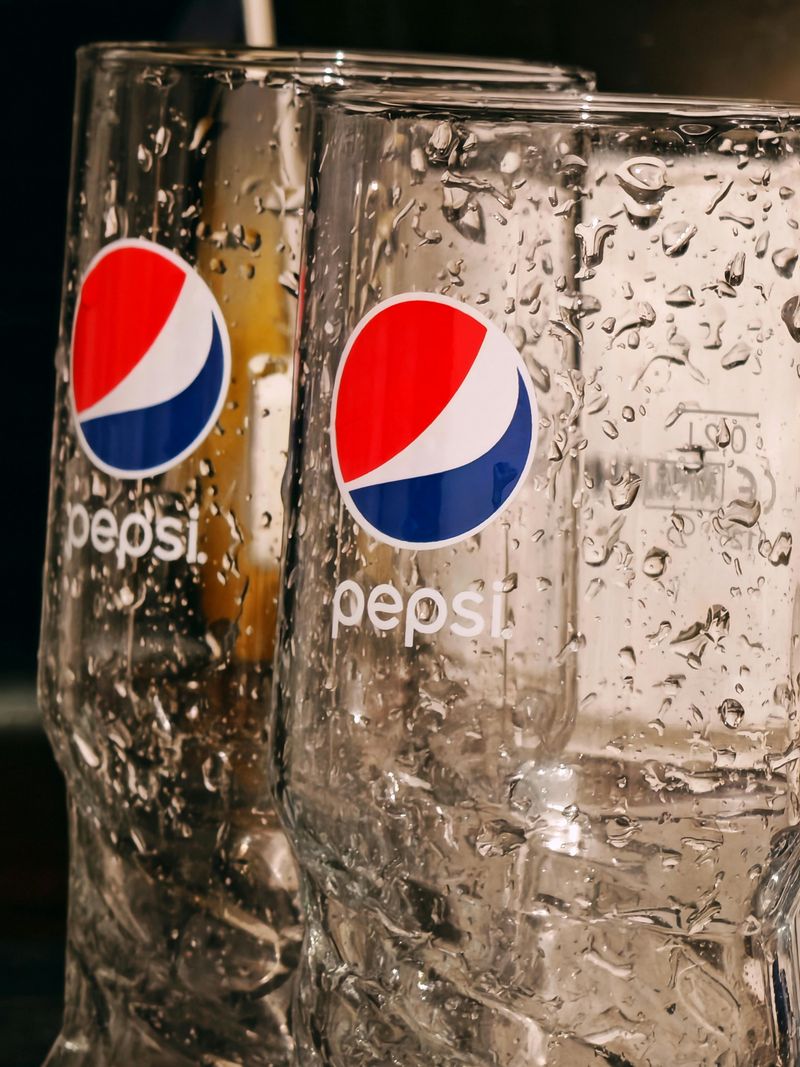
Drop a handful of salted peanuts into a bottle of Pepsi, and you’ve just created one of the South’s most polarizing snack combinations. This tradition started in the 1920s when workers needed a convenient way to eat lunch without getting their hands dirty, and someone discovered that peanuts floating in cola created an unexpectedly satisfying experience.
The visual of legumes bobbing in dark soda looks bizarre to anyone encountering it for the first time.
The salt from the peanuts contrasts with the sweet cola, creating a flavor combination that somehow works despite sounding terrible on paper. As you drink, you get alternating sips of soda and bites of slightly softened peanuts that have absorbed some of the cola flavor.
The carbonation also reacts with the peanuts, creating extra fizz that adds to the unique texture experience.
Purists insist on using glass bottles and salted Virginia peanuts for the authentic version. The narrow bottle neck prevents too many peanuts from rushing into your mouth at once, controlling the ratio of liquid to solid.
While younger generations might scroll past this combo on social media thinking it’s a joke, older North Carolinians remember it as a standard gas station treat. The odd appearance guarantees double-takes, but the surprisingly pleasant taste keeps this tradition alive.
7. Hoop Cheese
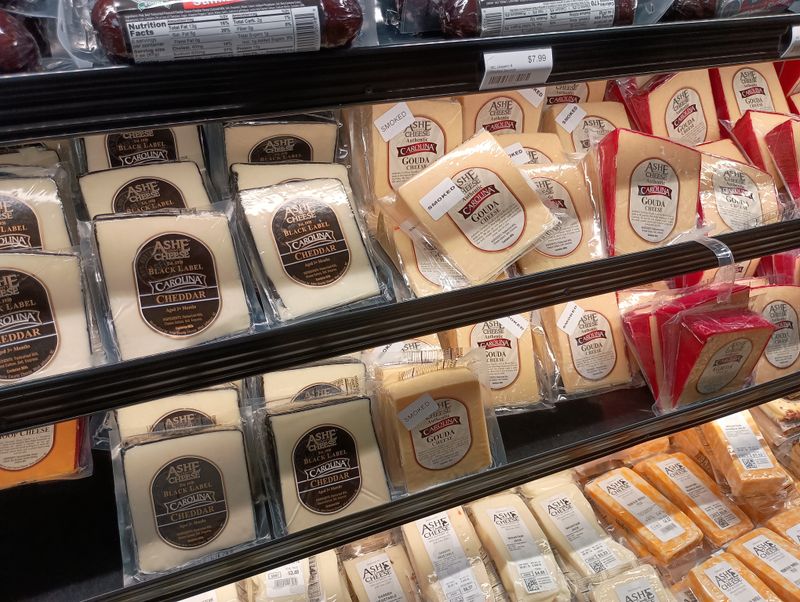
A wheel of pale yellow cheese sitting under a glass dome at the country store might not turn heads, but this simple dairy product holds a special place in North Carolina food culture. Hoop cheese gets its name from the wooden hoops used to shape it during production, creating wheels that stores would display and slice to order.
The unassuming appearance and mild color make it easy to overlook, especially when compared to fancy aged cheeses with dramatic rinds.
The flavor sits somewhere between mild cheddar and Colby, with a semi-soft texture that slices cleanly but melts beautifully. General stores traditionally kept hoop cheese wheels on the counter where customers could request thick or thin slices, creating a social gathering spot.
People would discuss weather, crops, and gossip while waiting for their cheese to be cut and wrapped.
What makes this cheese special isn’t complexity but rather its connection to simpler times. The taste is straightforward and honest, without fancy aging or added flavors competing for attention.
Modern grocery stores rarely carry it, making hoop cheese a treasure hunt item for those seeking authentic North Carolina nostalgia. Paired with saltine crackers and perhaps some country ham, it creates a snack that transports you back to front porch afternoons and unhurried conversations with neighbors.
8. Chicken Mull
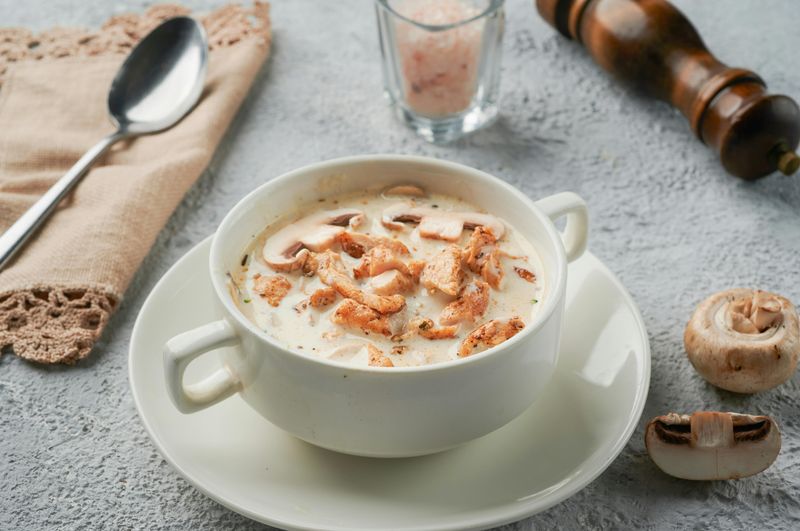
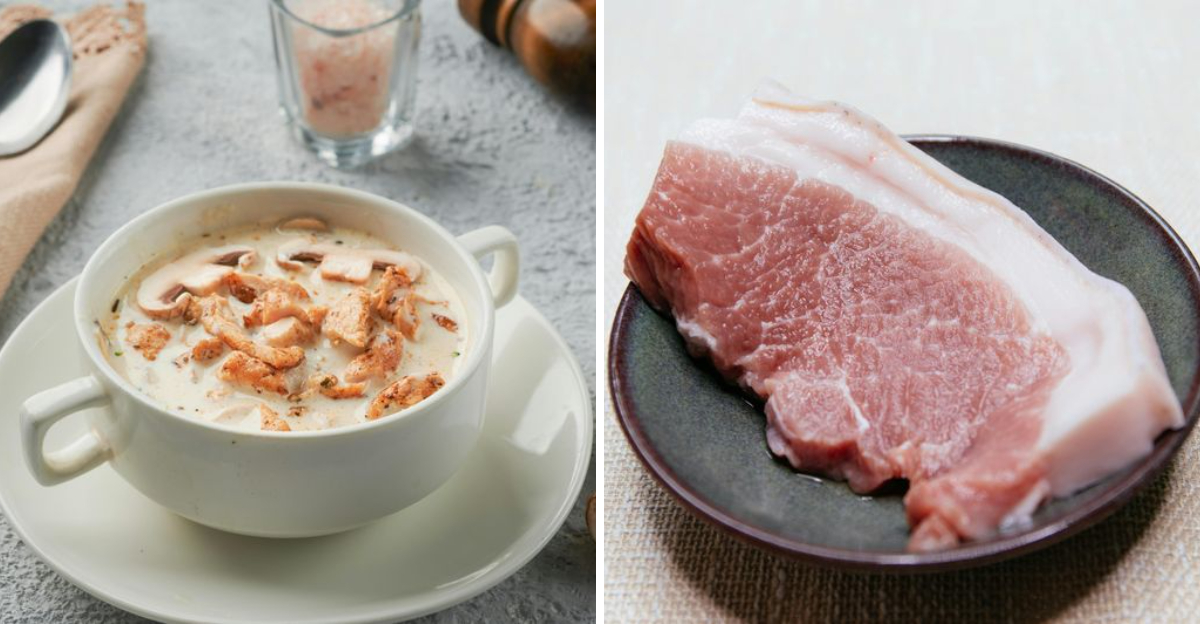
A giant pot of pale, thin stew might not win beauty contests, but this communal dish brings communities together across North Carolina. Chicken Mull looks deceptively simple, almost like someone forgot to thicken their chicken soup, with a broth-based consistency that seems watery until you taste it.
The preparation involves stewing whole chickens for hours until the meat falls off the bones, creating a rich stock that forms the foundation.
Traditional recipes include eggs, milk, butter, and crackers stirred into the broth, creating a unique texture that’s neither soup nor gravy. Some versions add hot sauce for heat, while others keep it mild and comforting.
The dish gets served at church fundraisers, fire department benefits, and political rallies, always cooked in massive quantities to feed crowds of hungry people.
Making chicken mull requires patience and a willingness to tend a large pot for hours, stirring occasionally and adjusting seasonings. The communal aspect matters as much as the food itself, with experienced cooks passing down techniques through generations.
While it might look like someone’s cooking experiment gone wrong, the layers of flavor that develop during the long cooking process create something far greater than the sum of its parts. Serve it over rice or with crackers crumbled on top for the full experience.
9. Kilt Lettuce
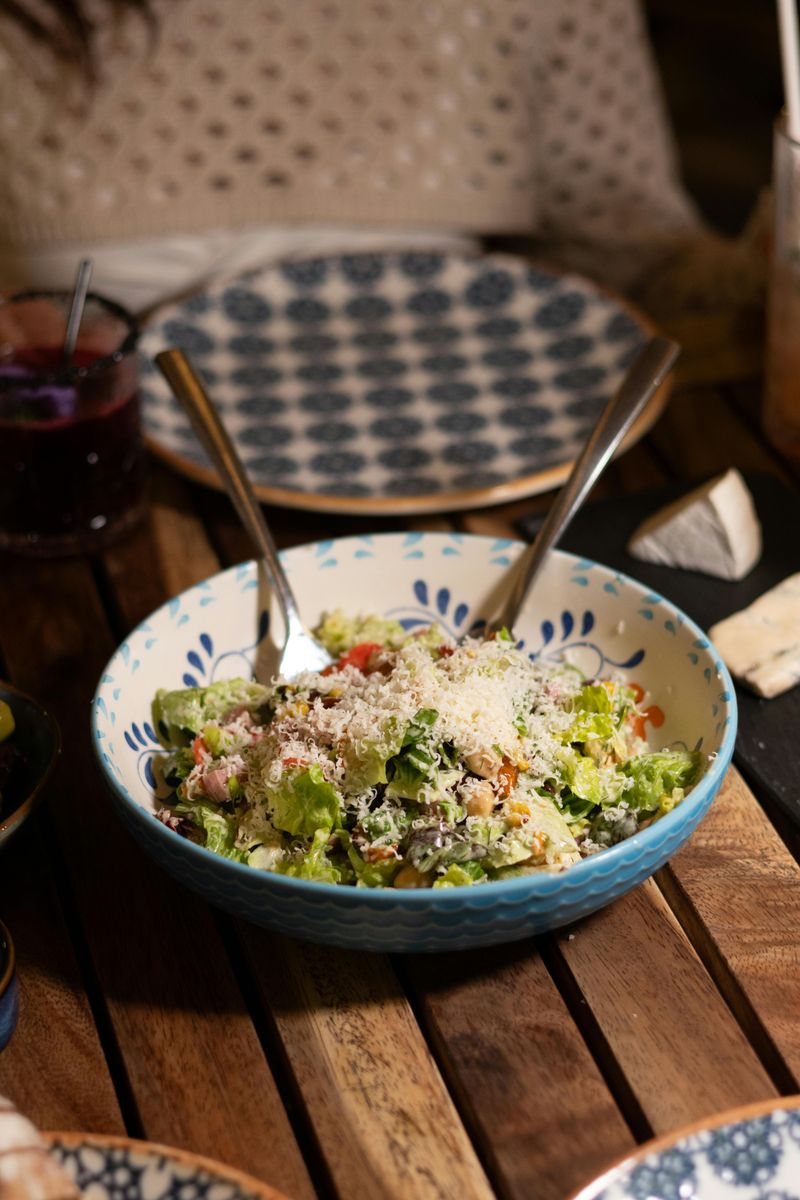
Wilted greens swimming in hot bacon grease might sound like a salad gone terribly wrong, but this Appalachian preparation method transforms fresh lettuce into something unexpectedly delicious. The name “kilt” comes from the Scottish word for wilted, reflecting the region’s heritage and cooking traditions.
Fresh leaf lettuce gets doused with sizzling hot bacon drippings, causing the greens to wilt instantly while maintaining some texture and bright green color.
The preparation happens quickly, with hot fat hitting cold greens and creating steam and sizzle. Crumbled bacon, chopped green onions, and sometimes a splash of vinegar get added to create a warm salad that defies modern health trends.
The contrast between the cool, crisp lettuce base and the hot, savory dressing creates an interesting temperature and texture experience in every bite.
Mountain cooks made this dish when they needed to use garden lettuce before it bolted in warm weather. The hot dressing wilts tough outer leaves while preserving some crunch, making previously unappetizing greens perfectly edible.
While the appearance resembles a salad disaster, with limp leaves coated in rendered fat, the flavor combination explains why this preparation survived generations. Serve it immediately while still warm, letting the bacon fat soak into every leaf and create that perfect balance of rich and fresh.
10. Fatback
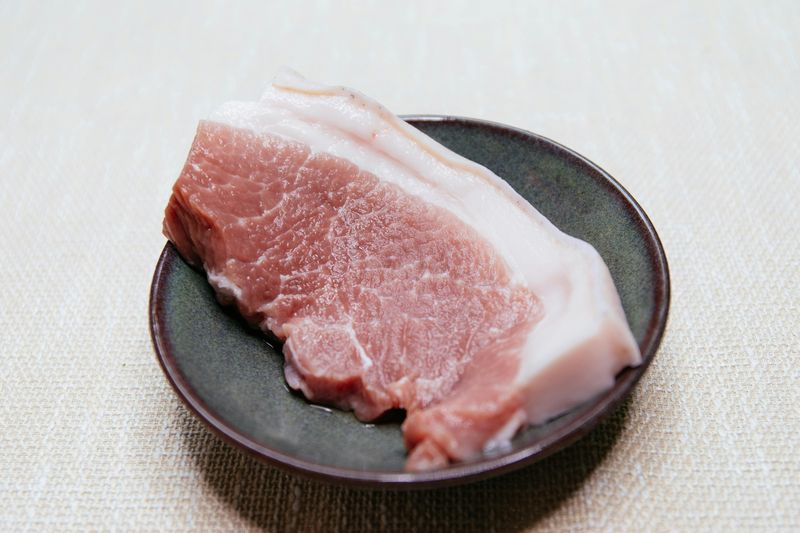
A slab of pure white pork fat with a thin strip of meat might make modern health-conscious diners run away screaming. Fatback comes from the pig’s back, consisting primarily of hard fat with minimal meat content, looking like something that should be trimmed away and discarded rather than featured as an ingredient.
The solid white appearance and fatty texture challenge contemporary ideas about what belongs on a plate.
Traditional Southern cooking relied on fatback for flavoring vegetables, making biscuits, and providing essential calories for people doing hard physical labor. Sliced thin and fried until crispy, it becomes crackling with an addictive crunch and rich pork flavor.
Used for seasoning, small pieces render down and infuse beans, greens, or potatoes with savory depth that vegetable oil simply cannot replicate.
The odd appearance stems from fatback being exactly what it claims to be: back fat with no pretense or processing to make it look more appealing. Older generations remember when fatback was an affordable protein and cooking fat that made vegetables palatable and provided necessary energy.
While it’s fallen out of favor in many kitchens, traditional cooks still swear by its ability to transform bland dishes into something memorable. Used sparingly, it adds authentic flavor to recipes that taste flat without that distinctive pork richness.
11. Boiled Peanuts
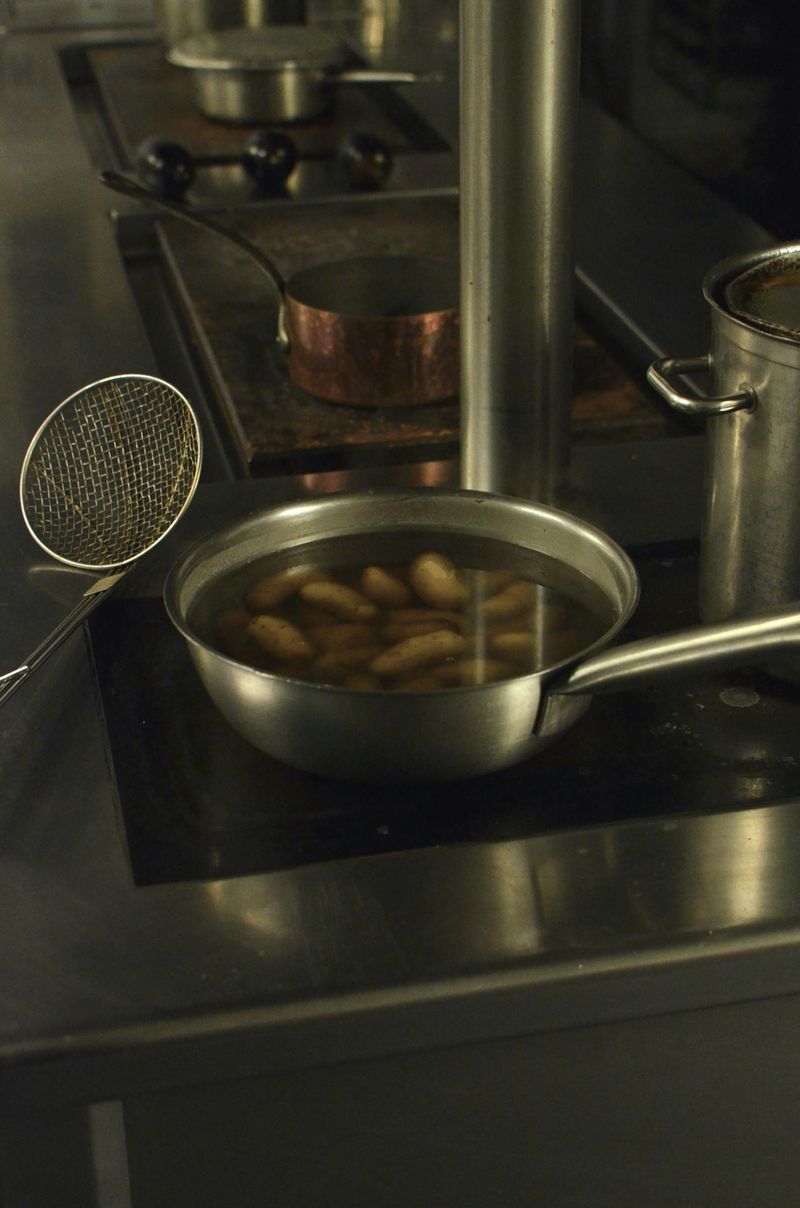
Soggy, gray-brown peanuts sold in plastic bags at gas stations and roadside stands look nothing like the crunchy, roasted version most people know. Boiled peanuts get harvested while still green and then simmered in salty brine for hours until the shells turn soft and the nuts inside develop a unique, almost bean-like texture.
The appearance suggests something that’s gone bad rather than a beloved regional snack that inspires fierce loyalty.
Cracking open the soft shell releases steam and brine, with the warm peanut inside tasting completely different from its roasted cousin. The texture resembles edamame or butter beans more than typical peanuts, with a soft, almost creamy consistency.
The salt penetrates deep into the nut during the long cooking process, creating intense savory flavor that makes them addictively snackable despite their odd appearance.
Roadside vendors sell them hot from steaming pots, often with Cajun or spicy variations adding extra kick. The ritual of eating them involves cracking shells, slurping out the nut and brine, and tossing shells into a growing pile.
First-timers often struggle with the concept and texture, but locals consume them by the bagful during baseball games and road trips. While they might look like a mistake, boiled peanuts represent Southern comfort food that connects people to agricultural traditions and simpler times.
12. Moravian Sugar Cake
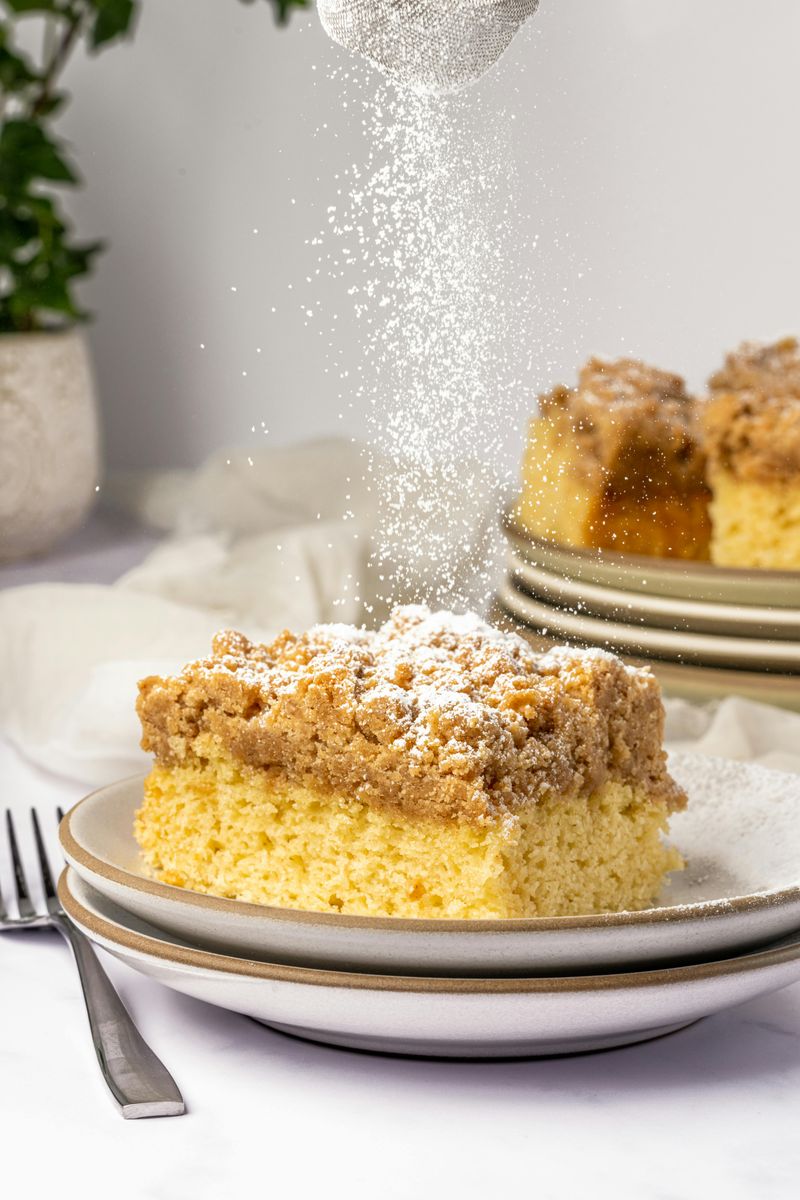
Dimpled yeast cake dotted with butter and sugar might not look as impressive as layer cakes or fancy pastries, but this humble creation carries centuries of tradition. Moravian Sugar Cake originated with German settlers who arrived in North Carolina during the 1700s, bringing their baking traditions to the Piedmont region.
The appearance is rustic and homey, with thumb-print indentations across the surface filled with butter and sparkling with coarse sugar crystals.
The texture combines soft, pillowy bread with sweet, caramelized butter-sugar topping that creates crispy edges. Unlike typical cakes, this one uses yeast for leavening, giving it a distinctive texture that sits somewhere between coffee cake and sweet bread.
The potato in the dough adds moisture and creates an incredibly tender crumb that stays fresh for days.
Traditionally baked in rectangular pans and cut into generous squares, Moravian Sugar Cake shows up at church gatherings, holidays, and family celebrations throughout Winston-Salem and surrounding areas. The dimpled surface might look odd to those expecting smooth frosting or elaborate decoration, but that simplicity represents the Moravian values of usefulness over showiness.
Each bite delivers buttery sweetness balanced by the subtle yeast flavor, creating a treat that’s been perfected over generations. Best enjoyed warm with coffee, it proves that odd-looking foods often taste the most authentic and memorable.